Bangkok
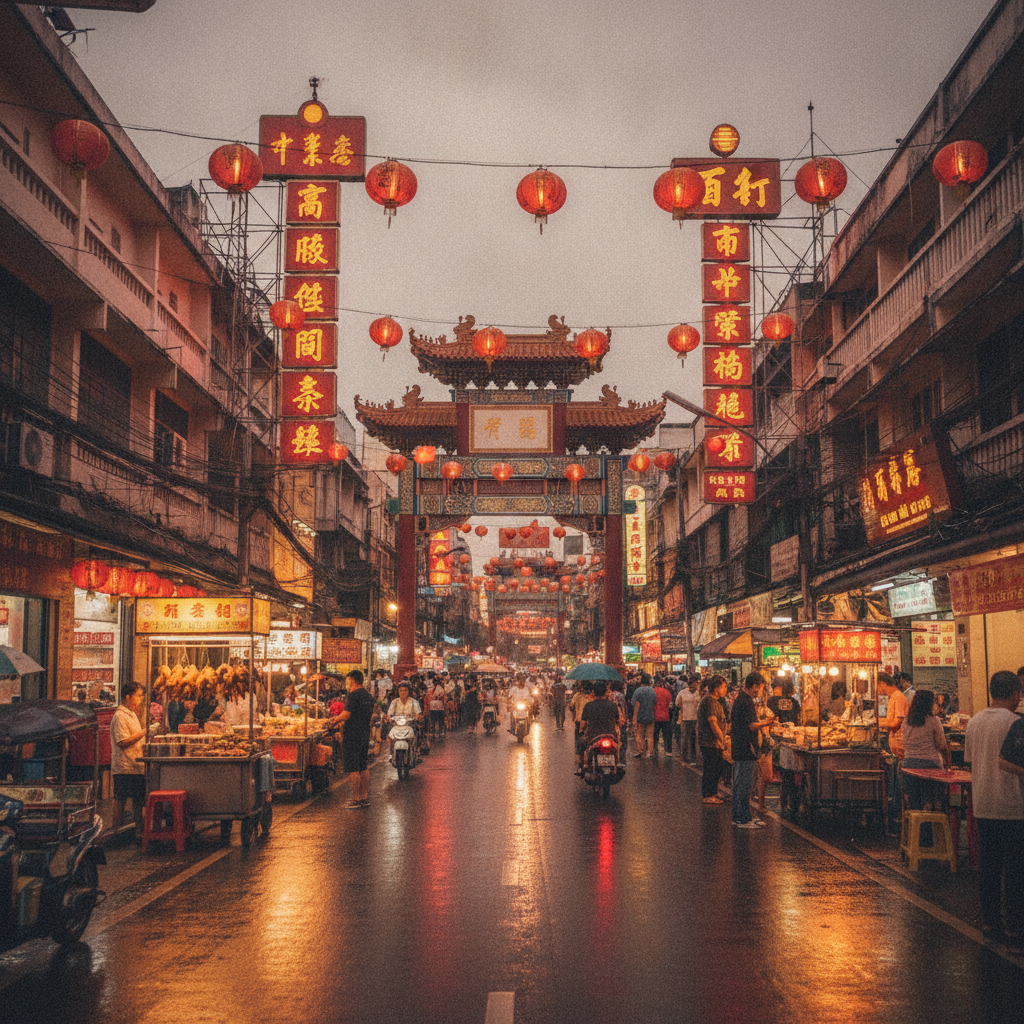
Chinatown Yaowarat, Pahurat Fabric Market & Bangkok Old Town Street Food
Bangkok's Chinatown district — known in Thai as Samphanthawong (สัมพันธวงศ์, the name of the administrative district) and internationally as Yaowarat (after Yaowarat Road, the main street) — was established by the Chinese community that migrated to Bangkok in the late 18th and early 19th centuries following the founding of the capital by Rama I, who invited the established Chinese merchant community to relocate from Thonburi (where they had been settled since the earlier Ayutthayan period) to the east bank of the Chao Phraya river, providing them with land adjacent to the new royal city.
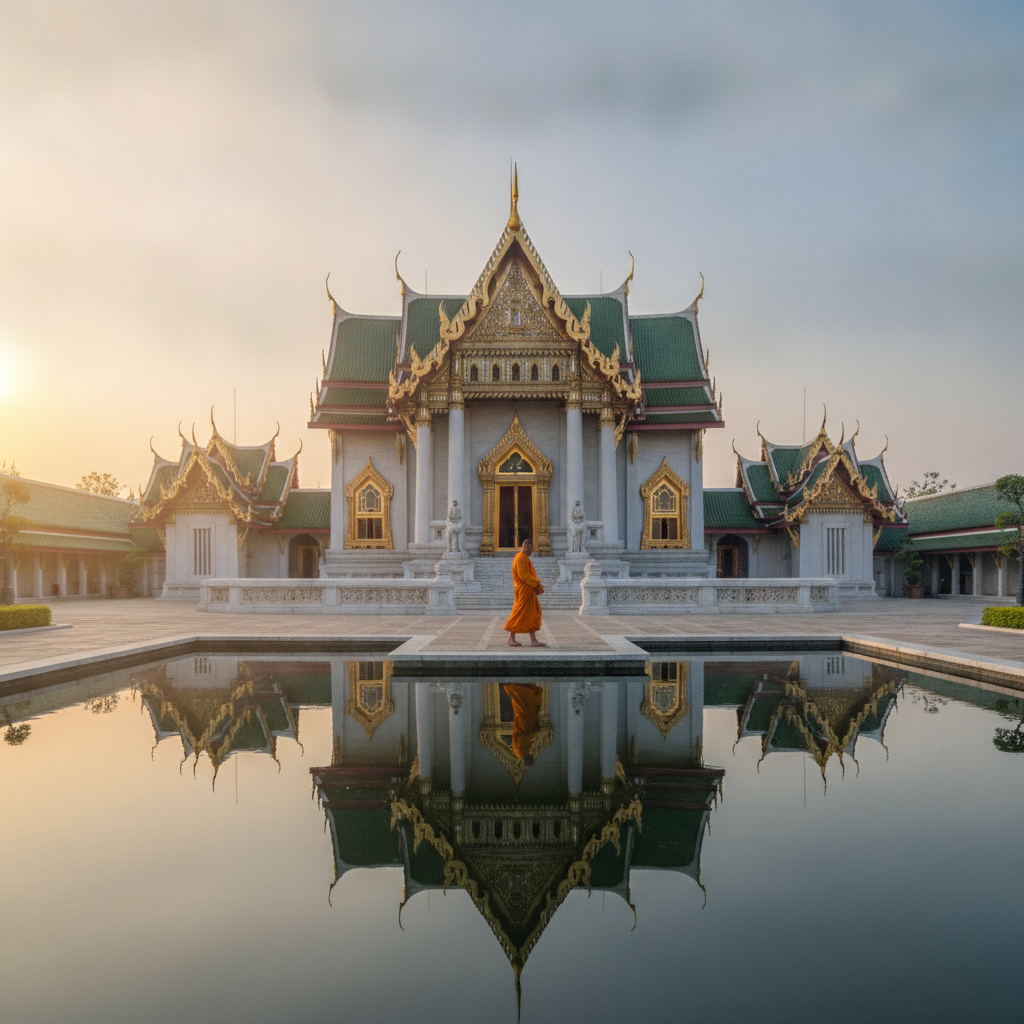
Wat Benchamabophit, Dusit Palace, Ananta Samakhom Throne Hall & Vimanmek Mansion
The Dusit district — the royal administrative district of Bangkok established by King Chulalongkorn (Rama V) in the 1890s-1900s as the location of a new European-influenced royal palace complex — preserves the most complete example of early 20th-century Thai royal architecture outside the Rattanakosin Island, combining the Italian-inspired Ananta Samakhom Throne Hall (the parliament building), the teak Vimanmek Mansion (the world's largest golden teak building), Wat Benchamabophit (the Marble Temple, the most recent of the major royal temples in Bangkok), and the formal planning of Ratchadamnoen Avenue and the Royal Plaza.
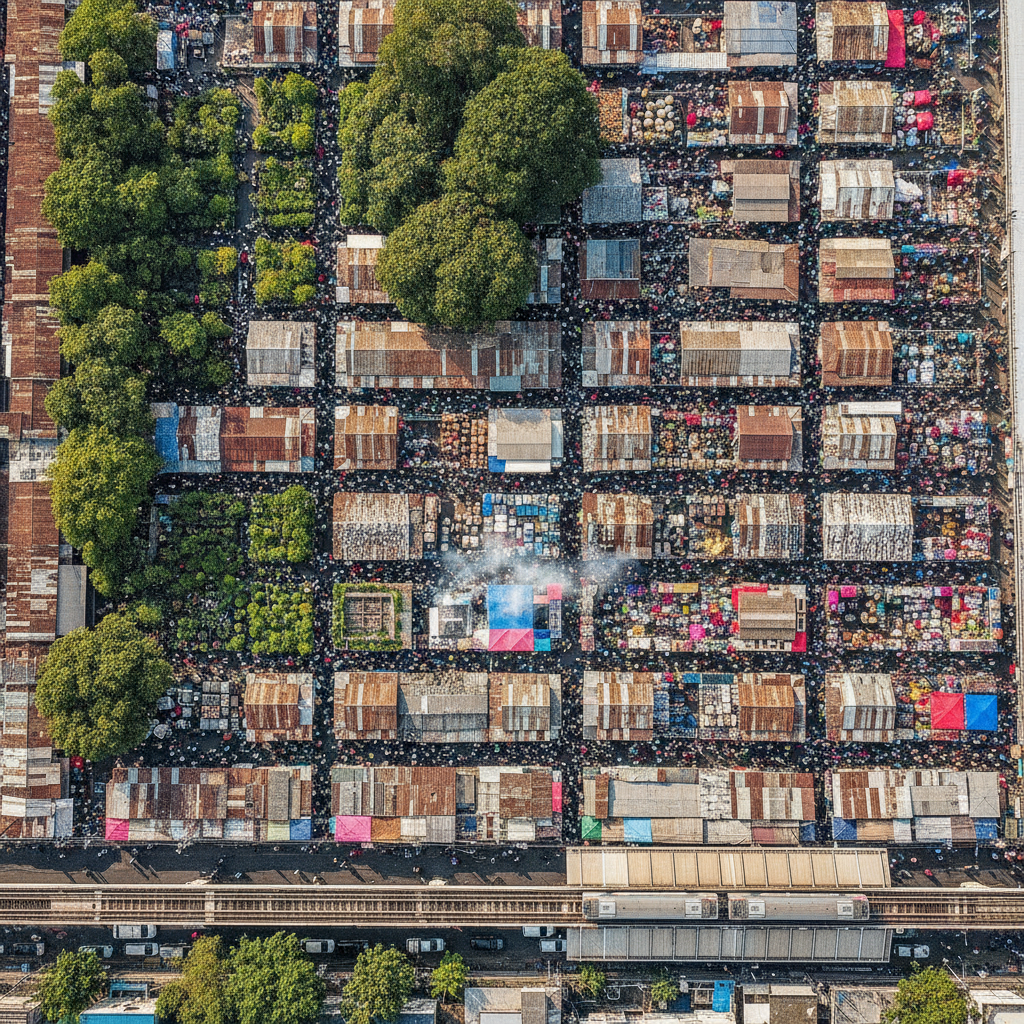
Chatuchak Weekend Market, Siam Square & Bangkok's Shopping Culture
Chatuchak Weekend Market (จตุจักร, JJ Market) — the largest outdoor market in the world by vendor count, with approximately 15,000 stalls covering 35 acres — anchors one of Bangkok's most distinctive urban zones: the area around Mo Chit and the northern BTS terminus where the city's green lung (Chatuchak Park) meets its greatest flea market, while the BTS Skytrain line south passes through Siam Square, Bangkok's youth culture and fashion epicentre, before reaching the canal-era districts of the inner city.
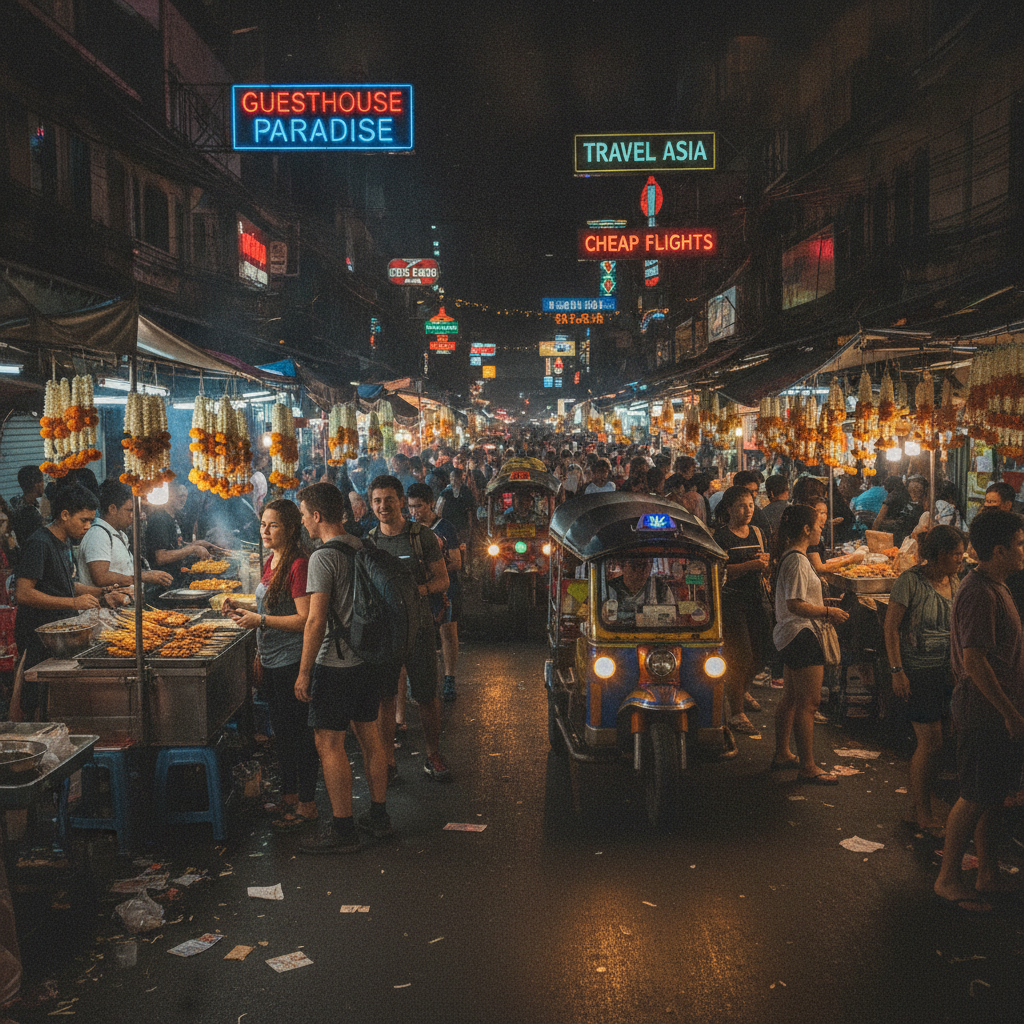
Khao San Road, Democracy Monument & the Banglamphu Backpacker District
The Banglamphu district — bounded by the Chao Phraya River to the west, Ratchadamnoen Avenue to the south, and the old city canal to the east — preserves the most intact examples of Rattanakosin-era Bangkok street life: traditional shophouses, neighbourhood temples, canal-side communities, and the Khao San Road (the world's most famous backpacker street, which has evolved from a 1970s budget guesthouse strip into a global nightlife destination) are all within walking distance of each other.
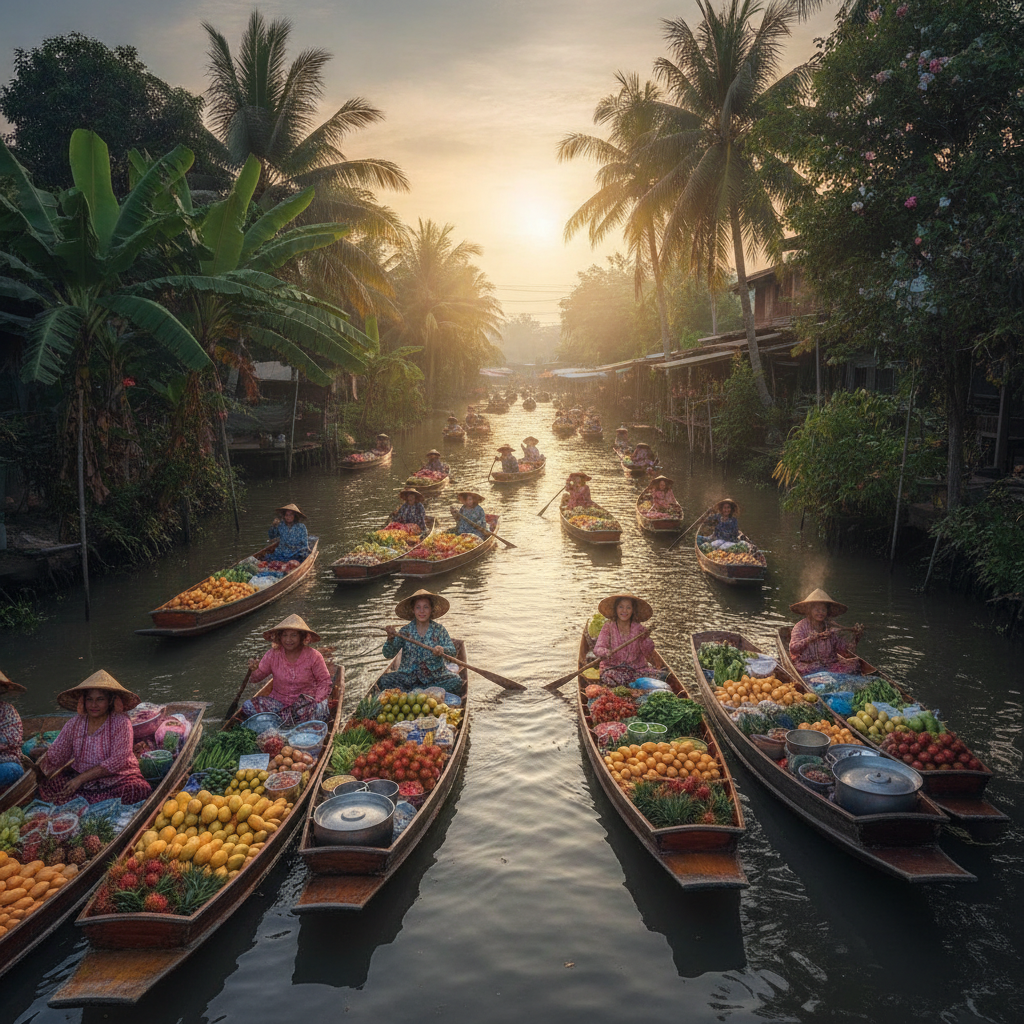
Damnoen Saduak Floating Market, Maeklong Railway & Amphawa Day Trip
The Ratchaburi province day trip from Bangkok encompasses three of Thailand's most atmospheric sites outside the capital: the Damnoen Saduak floating market (the largest and most photogenic of Thailand's remaining canal markets, operating on the klong network built by Rama IV in 1866), the Maeklong Railway Market (where fresh produce vendors fold their awnings to allow a full-size train to pass through the middle of their stalls eight times daily), and Amphawa (the most intact floating market town in the central plains, best experienced on weekend evenings when firefly boat tours operate on the canal).
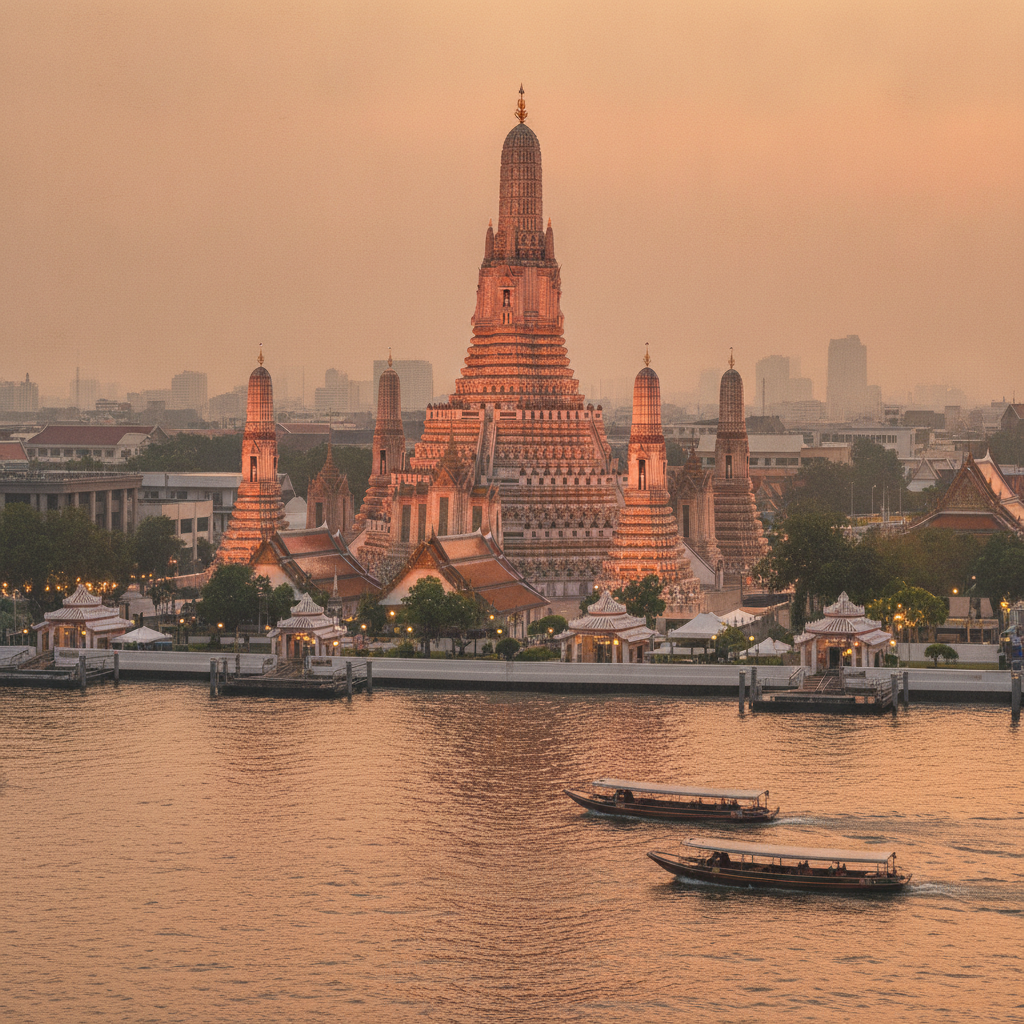
Wat Arun, the Chao Phraya & Thonburi's Ancient Waterways
The Thonburi side of the Chao Phraya River — the west bank of Bangkok — preserves the most ancient layer of the Thai capital: the city of Thonburi (1767-1782) that preceded Bangkok was established here by King Taksin after the Burmese destruction of Ayutthaya; Wat Arun (Temple of Dawn), the iconic riverside prang, the klong (canal) network of Thonburi, the Royal Barges National Museum, and Wat Kalayanamit together form one of the richest historical walks in the city, entirely accessible by river and canal transport.
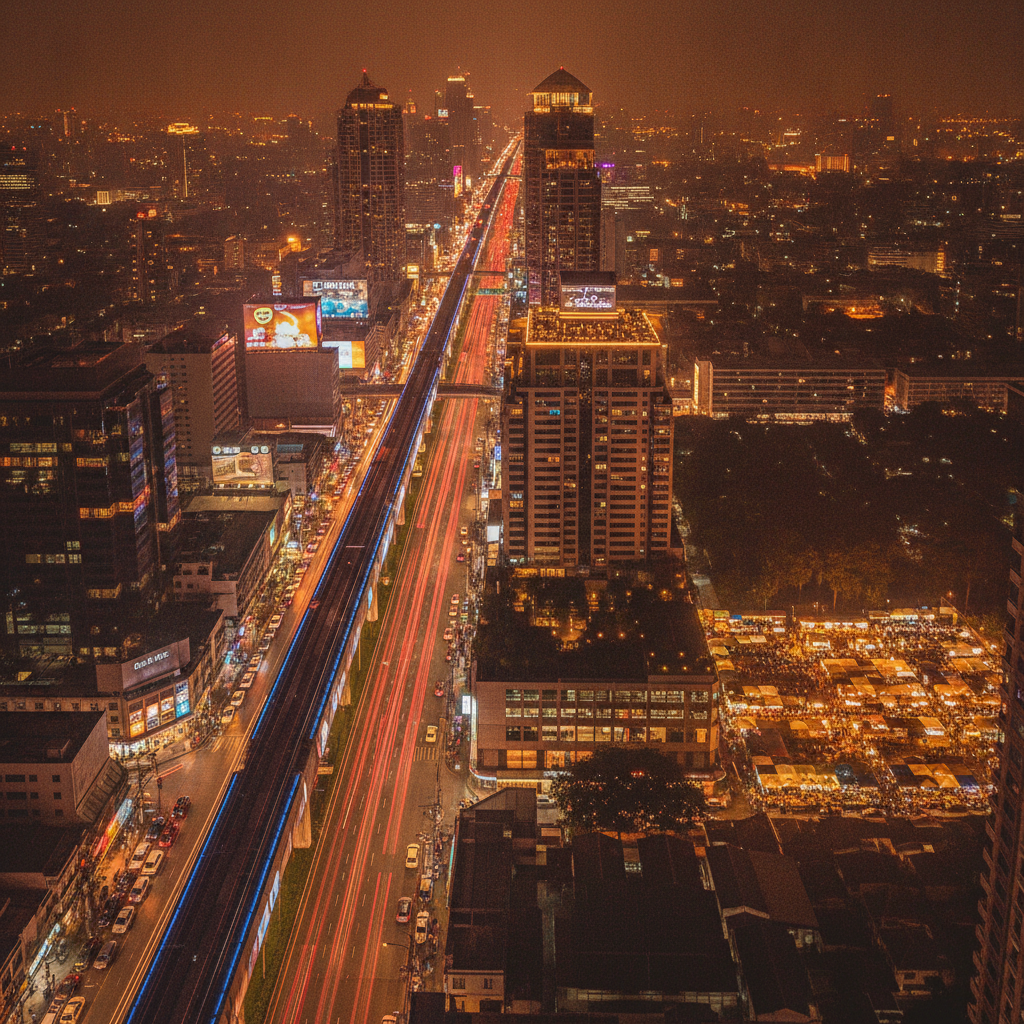
Sukhumvit Road — The BTS Corridor, Expat Bangkok & City Nightlife
Sukhumvit Road — Bangkok's longest and most commercially active thoroughfare, stretching over 30 kilometres from the Asok intersection to the eastern suburbs — is the spine of international Bangkok: the BTS Skytrain elevated track runs directly above the road connecting Asok, Nana, Phrom Phong, Thong Lo, and Ekkamai stations, each of which anchors a distinct neighbourhood character, from the Middle Eastern restaurant cluster of Nana to the fine-dining and cocktail bar scene of Thong Lo and the expat-family enclave of Ekkamai.
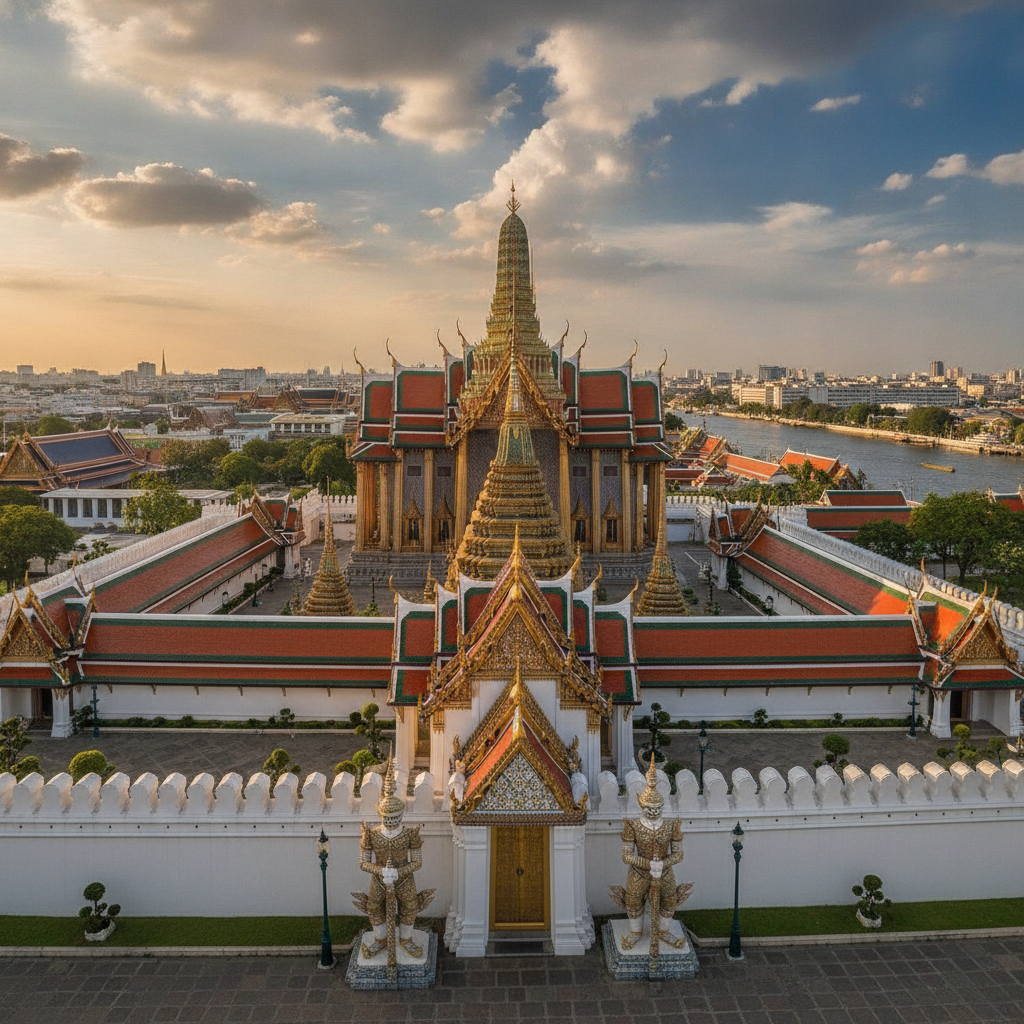
Grand Palace, Wat Phra Kaew & the Rattanakosin Royal District
The Grand Palace compound (1782) — the most visited tourist site in Thailand and the most dazzling architectural ensemble in Southeast Asia — encompasses Wat Phra Kaew (the Temple of the Emerald Buddha, housing Thailand's most sacred Buddhist image), the royal reception halls, the inner palace, and over 100 separate buildings and structures built across the reigns of nine Chakri Dynasty kings; the surrounding Rattanakosin Island historic district contains an unparalleled concentration of royal temples, museums, and civic monuments within walking distance of the palace walls.
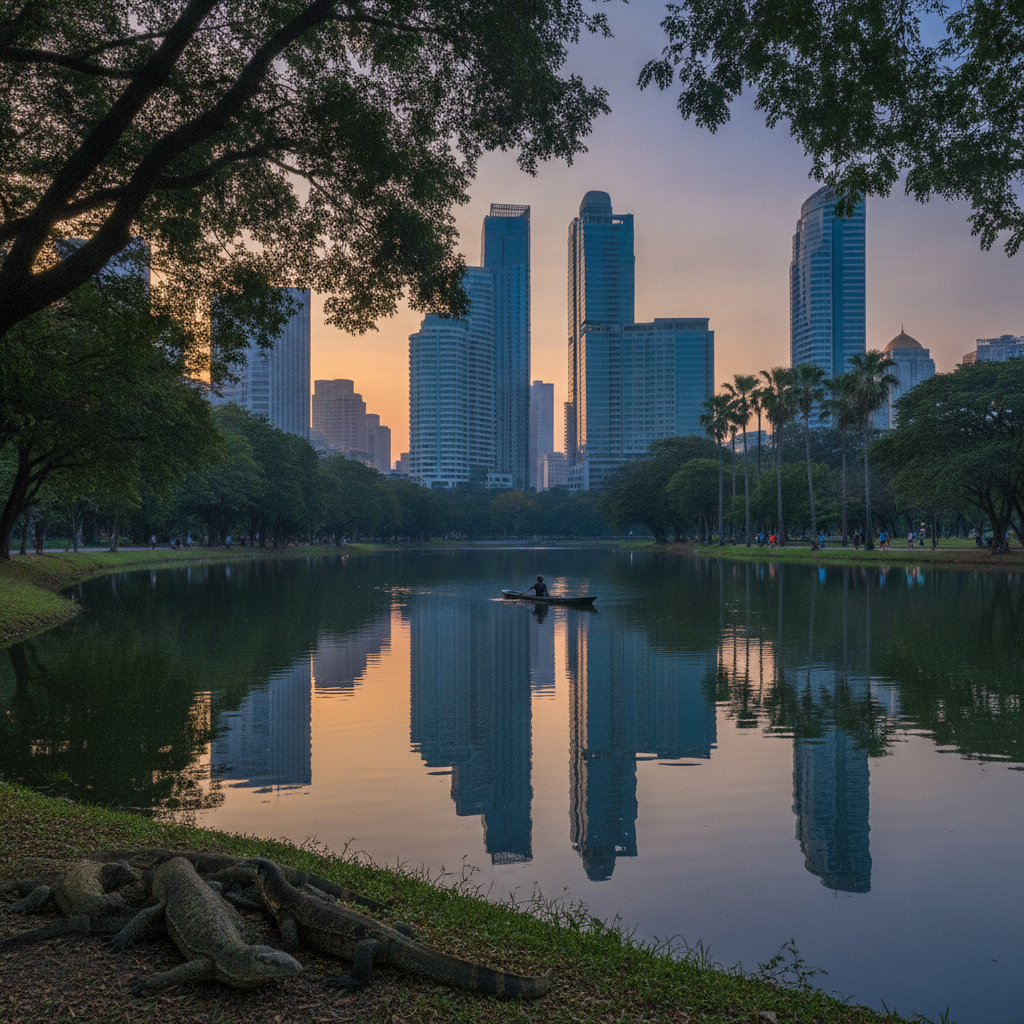
Silom Road, Lumphini Park, Patpong Night Market & the Sathorn Financial District
The Silom-Sathorn-Lumphini district — defined by Silom Road (the primary commercial and banking street running east-west through the district), Sathorn Road (the tree-lined avenue running parallel to Silom one block south, home to most foreign embassies and the headquarters of major international corporations), and Lumphini Park (the central park that forms the green core of the district) — represents Bangkok's transition from 19th-century commercial Bangkok toward the modern financial and diplomatic city.