Chatuchak Weekend Market, Siam Square & Bangkok's Shopping Culture
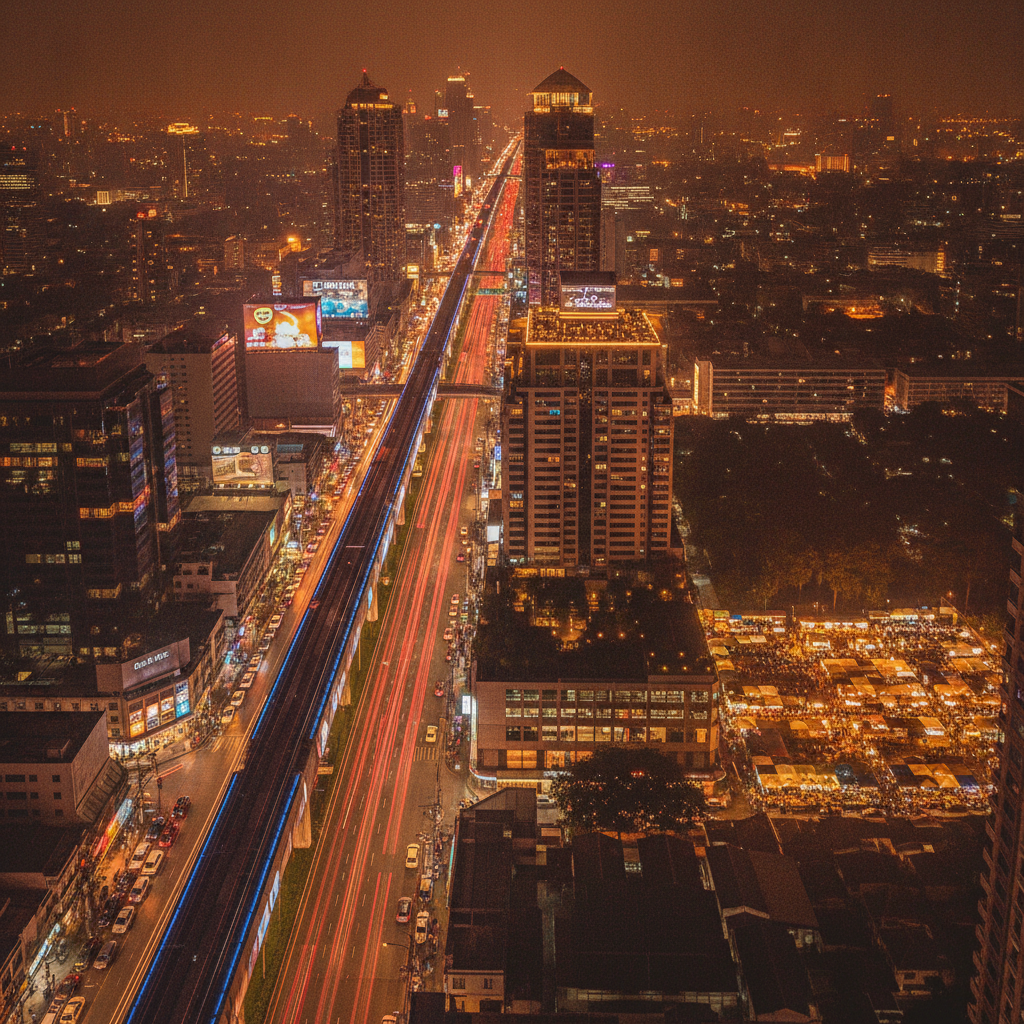
Chatuchak Weekend Market (จตุจักร, JJ Market) — the largest outdoor market in the world by vendor count, with approximately 15,000 stalls covering 35 acres — anchors one of Bangkok's most distinctive urban zones: the area around Mo Chit and the northern BTS terminus where the city's green lung (Chatuchak Park) meets its greatest flea market, while the BTS Skytrain line south passes through Siam Square, Bangkok's youth culture and fashion epicentre, before reaching the canal-era districts of the inner city.
1. Chatuchak Weekend Market (จตุจักร) — 15,000 Stalls, Every Saturday & Sunday
- 1
Chatuchak Weekend Market (จตุจักร) — 15,000 Stalls, Every Saturday & Sunday
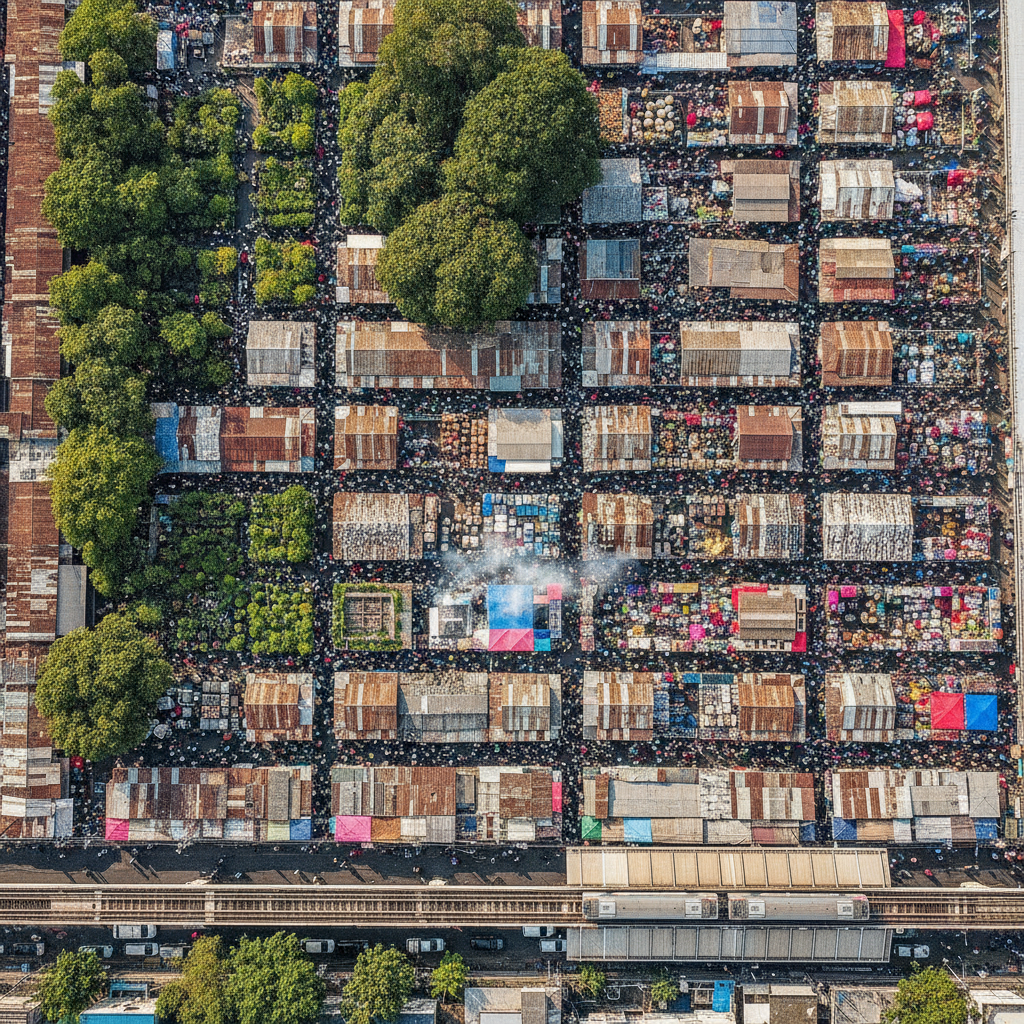
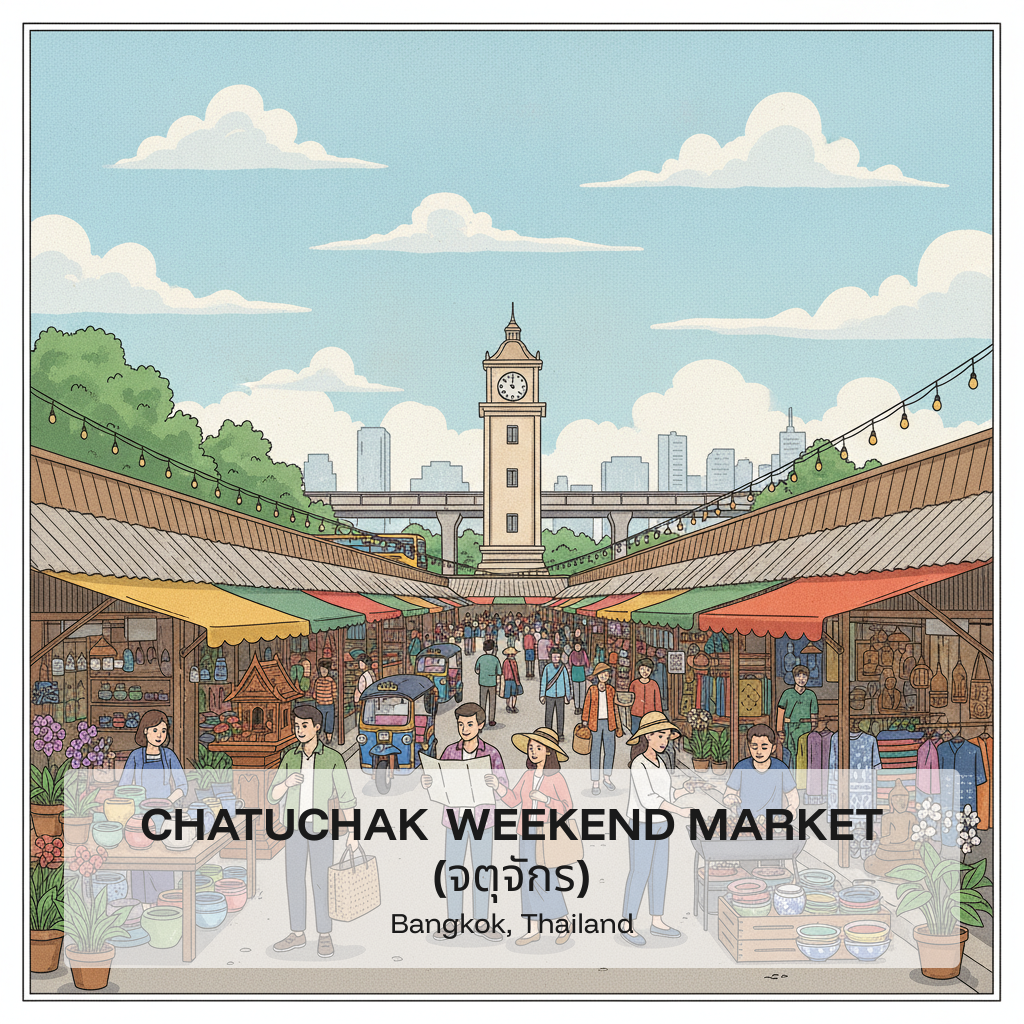
Chatuchak Weekend Market (ตลาดนัดจตุจักร, Kamphaeng Phet Road, Chatuchak — the largest outdoor periodic market in the world, operating only on Saturdays and Sundays (approximately 06:00-18:00, with the antique section opening Friday evening); the market occupies 35 acres of land between the Mo Chit BTS Station and Chatuchak Park and is estimated to contain approximately 15,000 vendor stalls organized into 27 sections covering every conceivable category of merchandise: antiques and collectibles (Section 1, the most prestigious and difficult-to-navigate section), plants and gardening supplies (Sections 2-4, renowned for their extraordinary variety of tropical and ornamental plants — a single visit to the plant section is often described as the best introduction to Thai garden culture available anywhere), vintage and contemporary clothing (Sections 5-6, 10-12), art and craftwork (Sections 7-8), ceramics and pottery (Section 9), home furnishings and furniture (Sections 13-16), books, music, and toys (Sections 17-19), live animals (Section 13, the subject of ongoing welfare concerns — the animal section sells species ranging from common domestic pets to parrots, reptiles, and tropical fish), food and restaurants (scattered throughout but concentrated along the main aisles); estimated weekly visitor numbers range from 200,000 to 300,000; the best strategy for navigating the market is to use the free map available at the main entrance information booth (near Kamphaeng Phet Road), use the colour-coded section signs, and plan to spend at least 3-4 hours; the market is busiest from 10:00-14:00 and hottest in the same period — afternoon visits after 15:00 offer cooler conditions and some last-minute bargaining from vendors.
- 2
Chatuchak Park & Or Tor Kor Market — Bangkok's Best Fresh Market
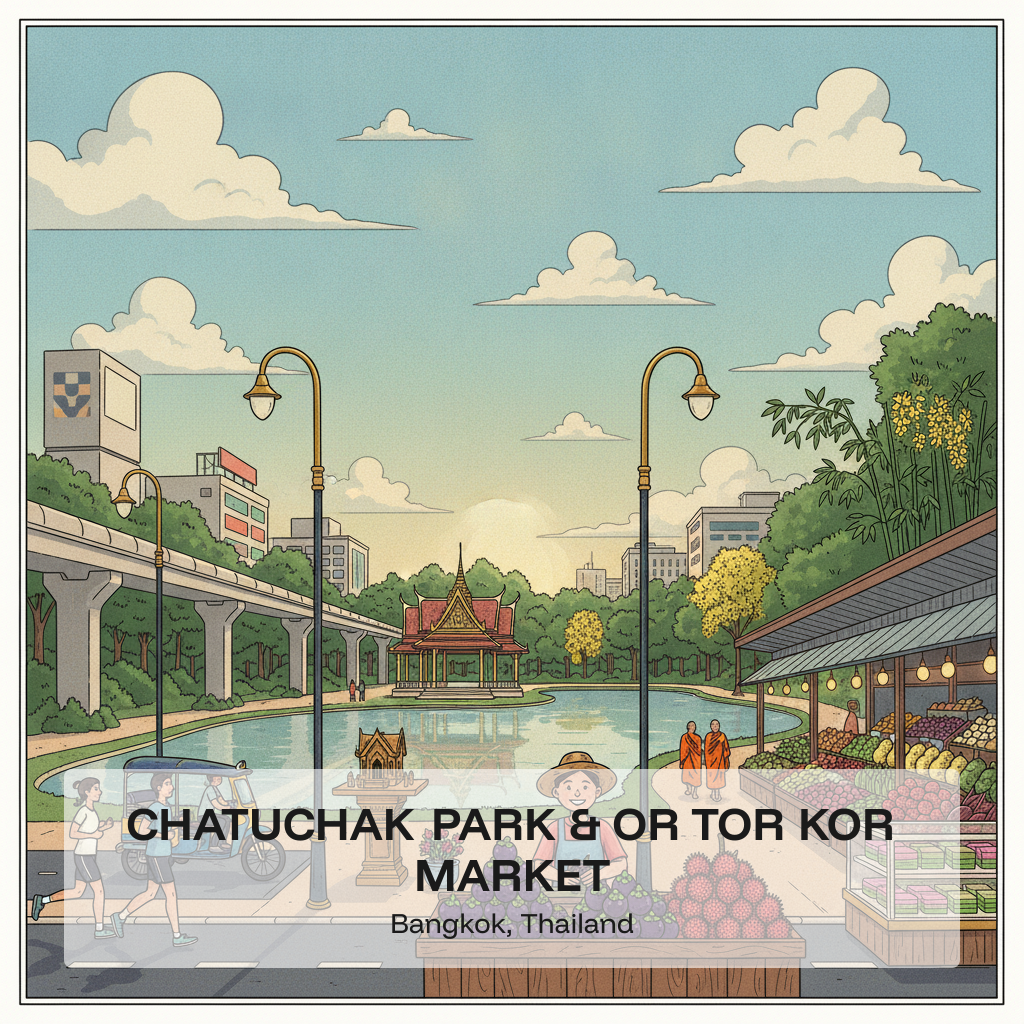
Chatuchak Park (สวนจตุจักร, Phahon Yothin Road, Chatuchak — the 500-rai (approximately 80-hectare) public park adjacent to Chatuchak Weekend Market, one of the largest public parks in Bangkok: the park features walking and cycling paths, a large central lake, a botanical garden section (notable for a collection of Thai medicinal plants and native tropical species), an open-air performance stage, and recreational areas used by Bangkok residents for morning and evening exercise; the park is particularly lively on weekend mornings from 06:00-09:00 when thousands of Bangkok residents exercise in the cool morning air — the combination of the park's morning joggers and cyclists, the opening of the Chatuchak Market stalls, and the fragrance of the park's flowering trees makes this one of the most pleasant early-morning experiences in the city; Or Tor Kor Market (อตก., Agricultural Market, Kamphaeng Phet Road, opposite the main Chatuchak Market entrance) is the premium fresh produce market operated by the Agricultural Marketing Organization of Thailand — widely considered the best (and most expensive) fresh food market in Bangkok, with an emphasis on high-grade Thai produce including premium jasmine rice, grade-A tropical fruits arranged in perfect rows (mangosteen, durian, rambutan, longan), exotic vegetables, premium dried goods, and prepared food including some of the best kanom (Thai sweets) in the city.
- 3
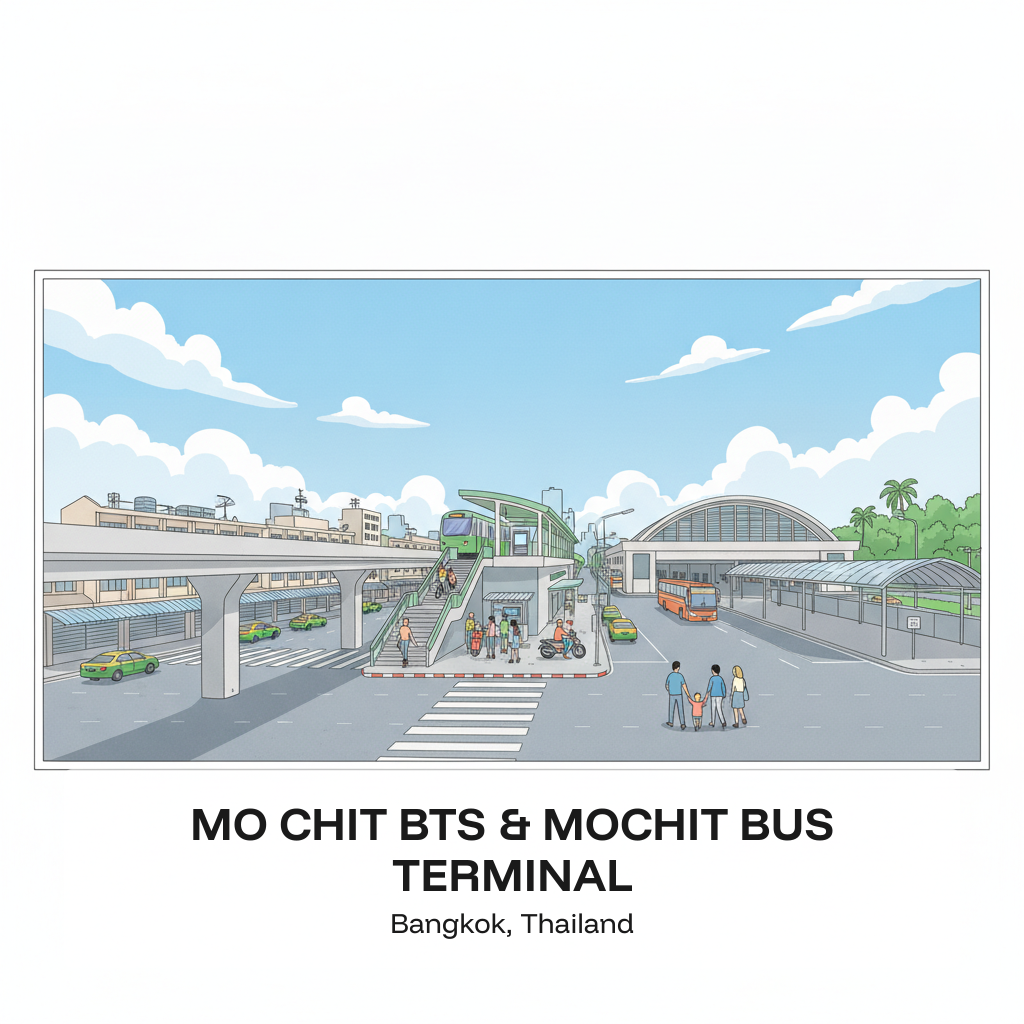
Mo Chit BTS & Mochit Bus Terminal — Bangkok's Northern Transport Hub
Mo Chit (หมอชิต, Mo Chit BTS Station, Phahon Yothin Road, Chatuchak — the northern terminus of the BTS Sukhumvit Line (the Green Line) and the transit hub for Chatuchak Market and Chatuchak Park; Mo Chit station (opened 1999) is one of the busiest BTS stations in the network, handling approximately 100,000 daily passengers on weekdays and considerably more on market weekends; the surrounding area contains the Mo Chit 2 Long Distance Bus Terminal (Northern and Northeastern routes — the main departure point for buses to Chiang Mai, Chiang Rai, and the Isan region) and the Mo Chit Taxi Motorcycle cluster, the most organized motorcycle taxi stand in Bangkok for the Chatuchak area; the BTS Skytrain journey from Mo Chit to central Bangkok (Siam, 15 minutes) or the east side of the city (On Nut, 35 minutes) makes the Chatuchak area accessible from virtually anywhere in Bangkok without a taxi.
- 4
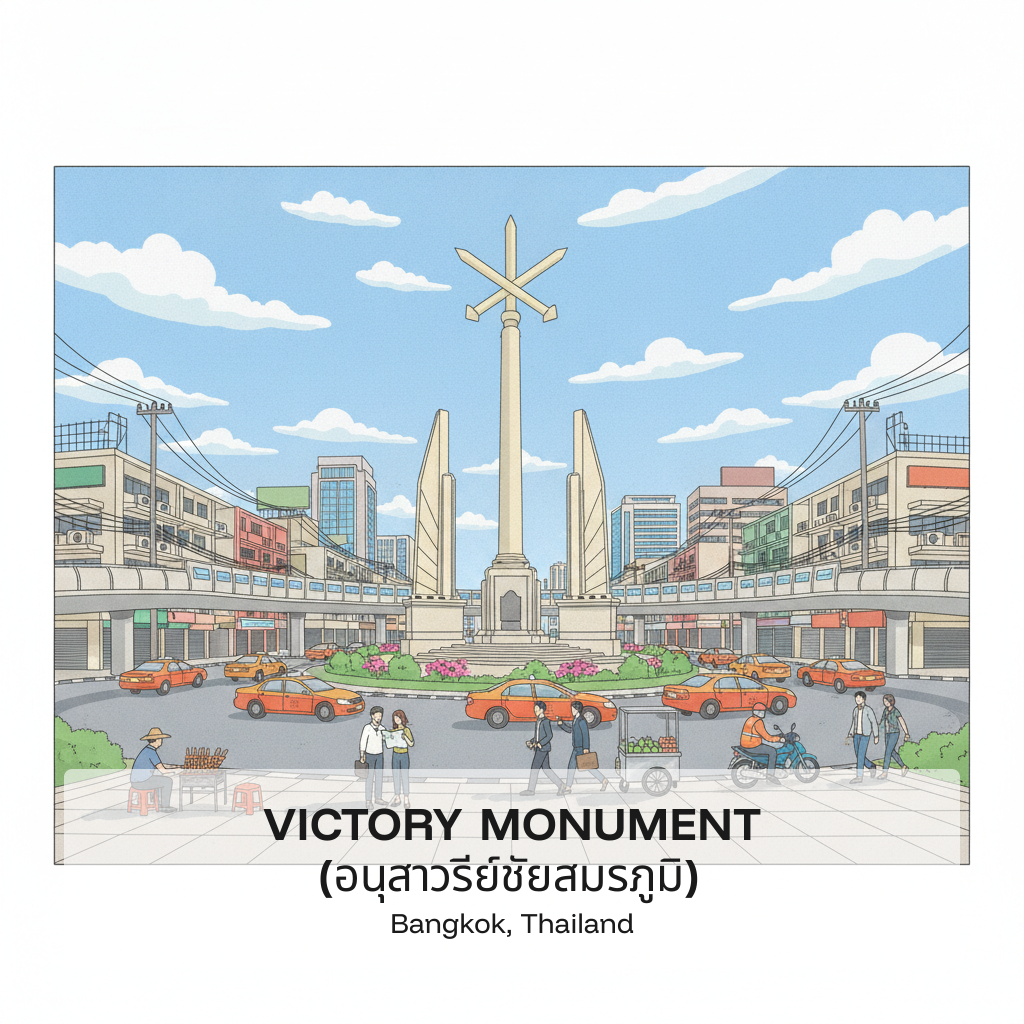
Victory Monument (อนุสาวรีย์ชัยสมรภูมิ) — Bangkok's Unofficial Second Centre
Victory Monument (อนุสาวรีย์ชัยสมรภูมิ, Phaya Thai Road, Ratchathewi — the obelisk-style war monument at the centre of the large roundabout that separates the Ratchathewi and Phaya Thai districts, erected in 1941 to commemorate the French-Thai War (1940-1941) — a now-largely-forgotten conflict in which Thailand invaded territories in French Indochina (present-day Laos and Cambodia) under the government of Field Marshal Plaek Phibunsongkhram, taking advantage of French weakness following the fall of France to Nazi Germany; the monument stands 50 metres tall and is composed of five crossed bayonets representing the five branches of the Thai armed forces; Victory Monument has evolved from a military symbol into the informal secondary urban centre of Bangkok — the giant roundabout and its surrounding streets are home to some of the most concentrated cheap food in the city (particularly the Victory Monument somtam and grilled chicken strip extending along the south side of the roundabout), the largest concentration of intercity minibus services in Bangkok (booking office windows line the pedestrian bridge above the roundabout — destinations include every major town within 5 hours of Bangkok), and Rang Nam Road, one of the best traditional Thai restaurant streets in the city.
- 5
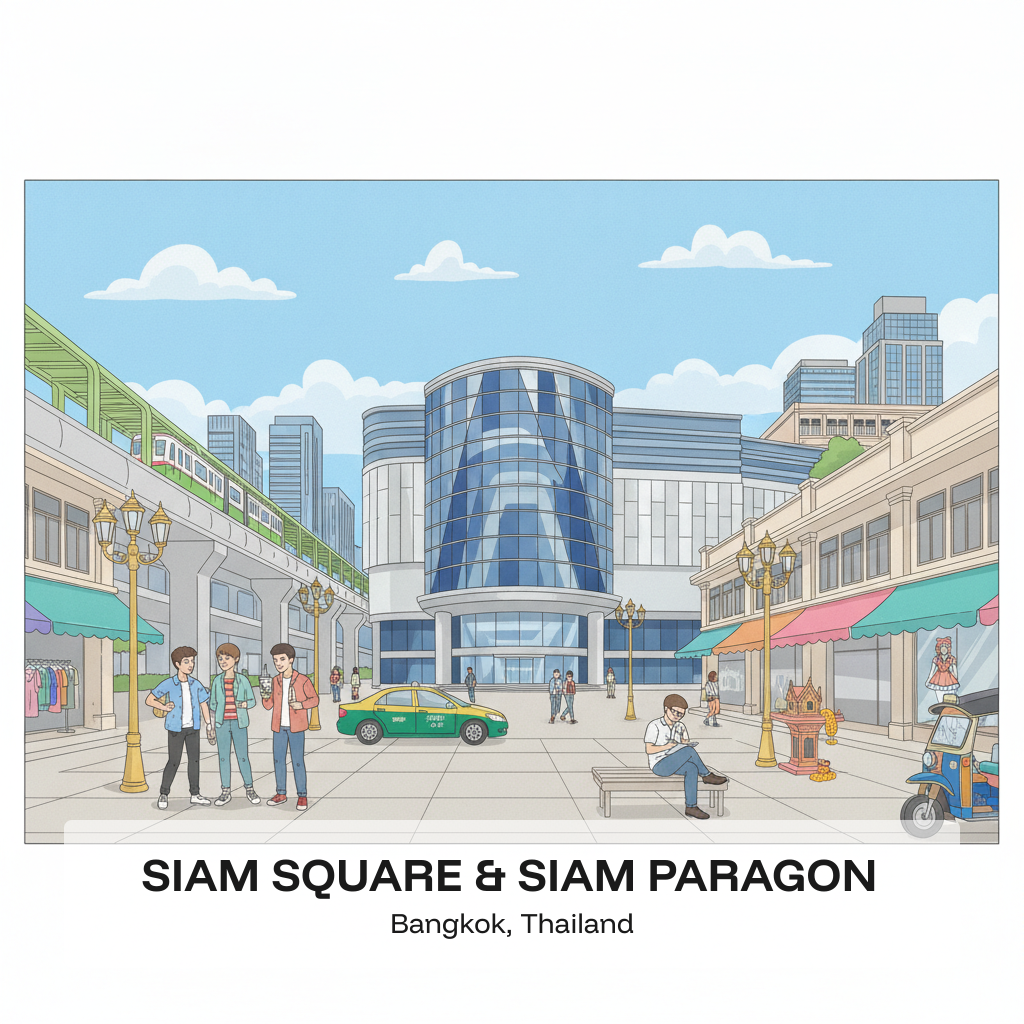
Siam Square & Siam Paragon — Bangkok's Youth Fashion Epicentre
Siam Square (สยามสแควร์, Rama I Road, Pathum Wan — the open-air commercial district of low-rise shophouses covering approximately 3 city blocks between Phaya Thai Road and Henri Dunant Road, immediately south of Chulalongkorn University (the most prestigious university in Thailand) and directly adjacent to Siam BTS Station (the principal interchange station of the Bangkok BTS Skytrain network); Siam Square occupies a unique position in Bangkok retail culture as an area dominated by independently-owned small businesses rather than the multinational brands that fill the adjacent shopping malls: the area is home to fashion boutiques, music stores, comic book shops, cosplay suppliers, teen-oriented restaurants and bubble tea shops, and the Siam Square Cinema (the original independent cinema that preceded all of Bangkok's multiplex chains); the adjacent Siam Paragon (Rama I Road, the largest single shopping mall in Thailand by retail floor area, opened 2005) contains the Southeast Asian Aquarium (the largest aquarium in Southeast Asia), a 16-screen IMAX cinema complex, a full-size bowling alley, and luxury retail including every major international fashion brand; Siam BTS Station is the most important transit interchange in Bangkok — both BTS lines (Sukhumvit and Silom) cross here.
- 6
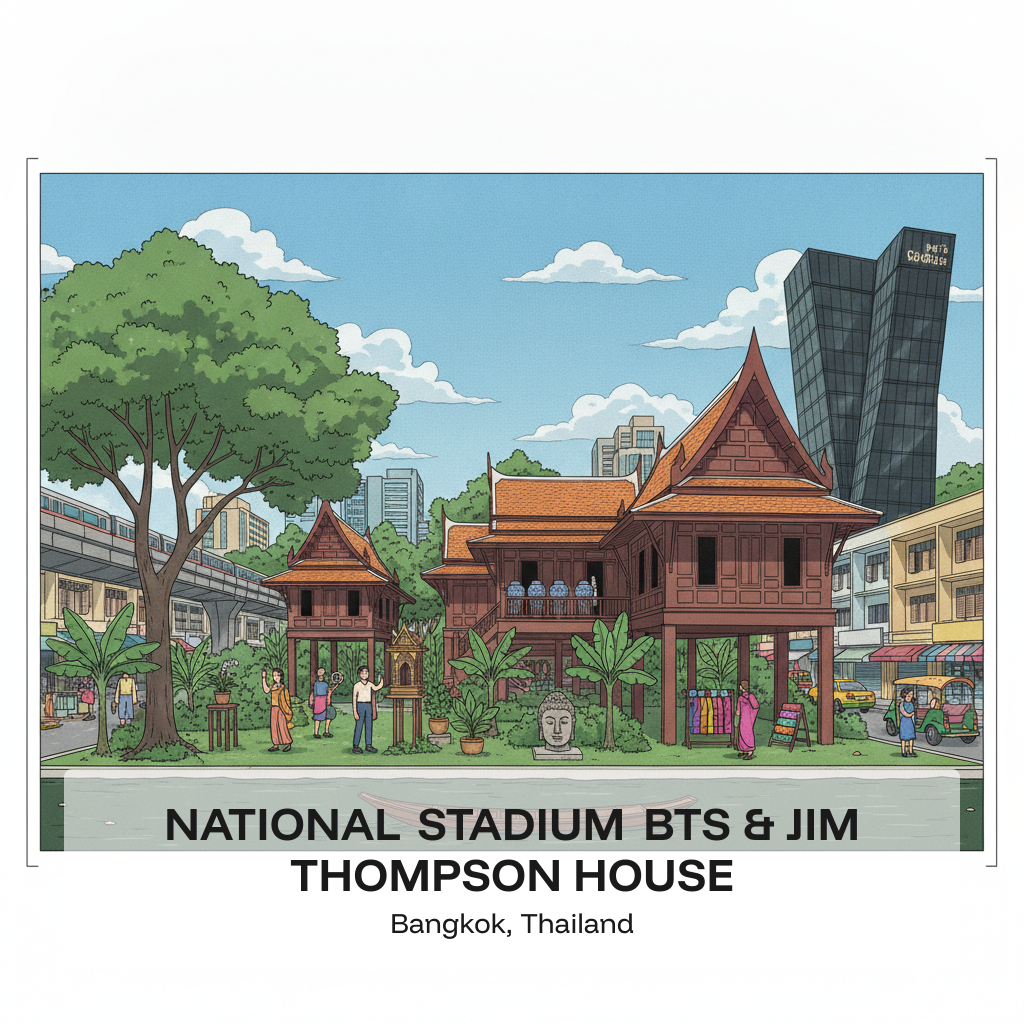
National Stadium BTS & Jim Thompson House — Silk, Art & the Bangkok Art Trail
National Stadium BTS Station (สนามกีฬาแห่งชาติ, Rama I Road, Pathum Wan — the BTS station serving the Hua Mak National Stadium (the largest sports complex in Bangkok) and the Bangkok Arts and Culture Centre (BACC), a nine-floor contemporary arts complex opened in 2008 that is home to rotating galleries featuring Thai and international contemporary art, performance spaces, and creative industry offices — the BACC is the most active contemporary art venue in the city and the centre of Bangkok's independent arts scene; adjacent to the station is the Jim Thompson House (6 Kasem San 2 Alley, Wang Mai, Pathum Wan — the museum-house compound of James H.W. Thompson (1906-1967), the American businessman credited with reviving the Thai silk industry after World War II and disappearing mysteriously in the Cameron Highlands of Malaysia in 1967; the compound consists of six traditional Thai houses assembled around a central garden on the bank of Klong Maha Nag; the main hall is now a museum containing Thompson's extraordinary collection of Asian art including Ming Dynasty porcelain, Cambodian and Thai Buddhas, Chinese furniture, and drawings by Botticelli; the silk shop and showroom at the entrance sells Thompson-brand Thai silk products.
Walk this route with audio
Stories play automatically as you reach each stop — no tapping needed.
More in bangkok
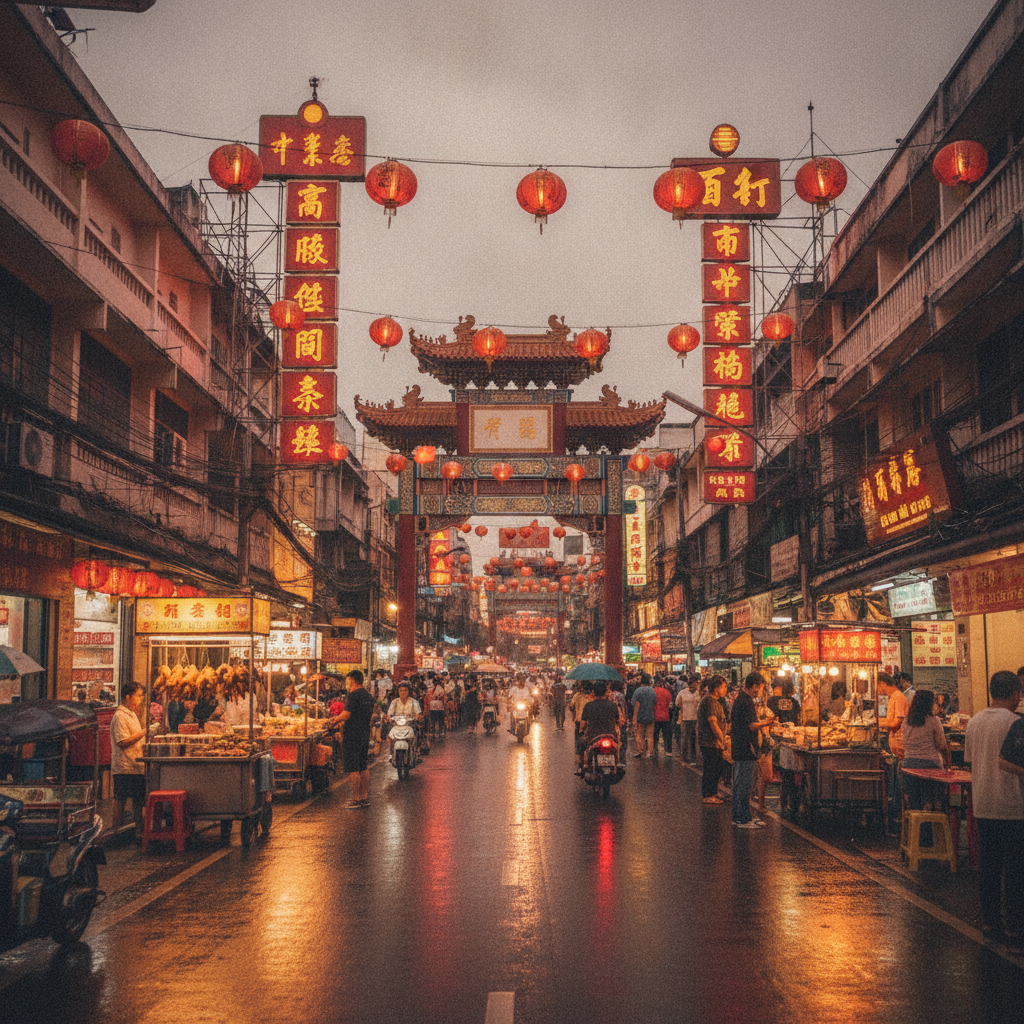
Chinatown Yaowarat, Pahurat Fabric Market & Bangkok Old Town Street Food
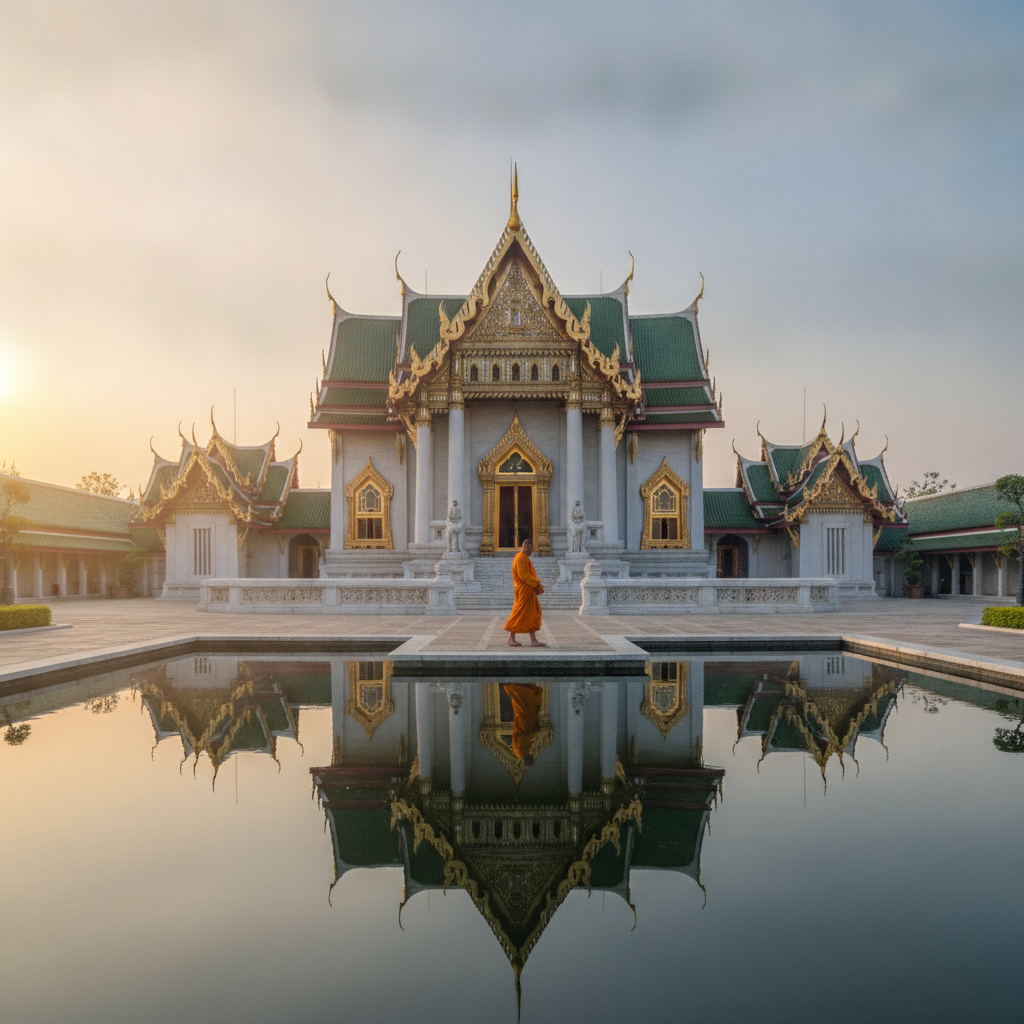
Wat Benchamabophit, Dusit Palace, Ananta Samakhom Throne Hall & Vimanmek Mansion
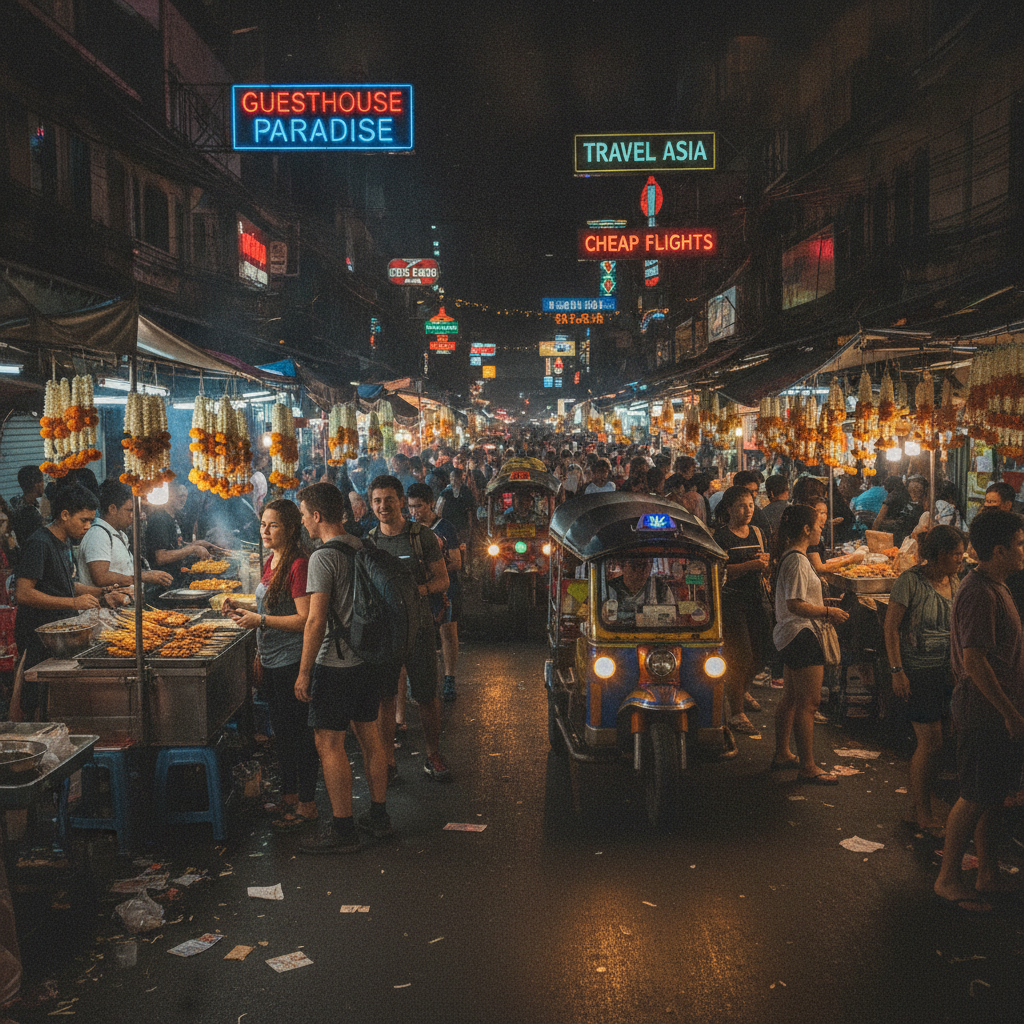
Khao San Road, Democracy Monument & the Banglamphu Backpacker District
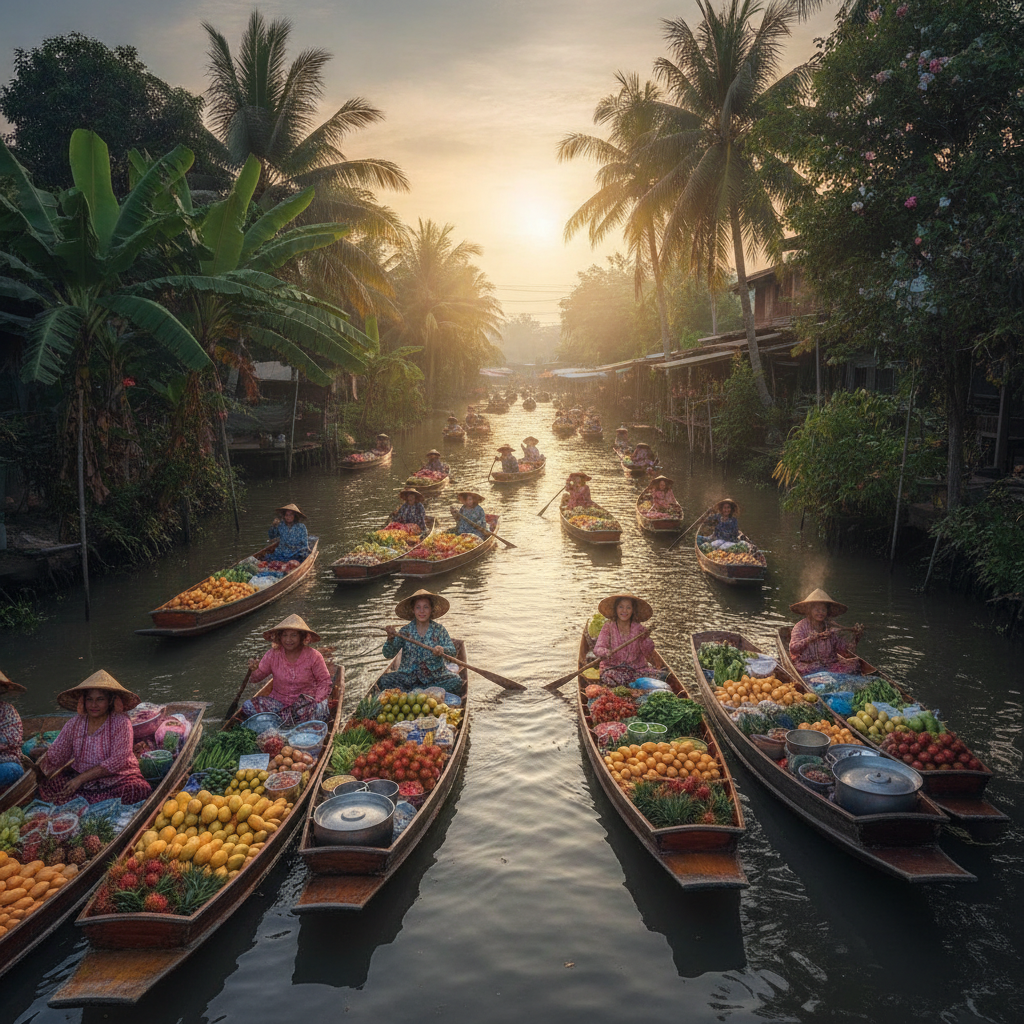
Damnoen Saduak Floating Market, Maeklong Railway & Amphawa Day Trip
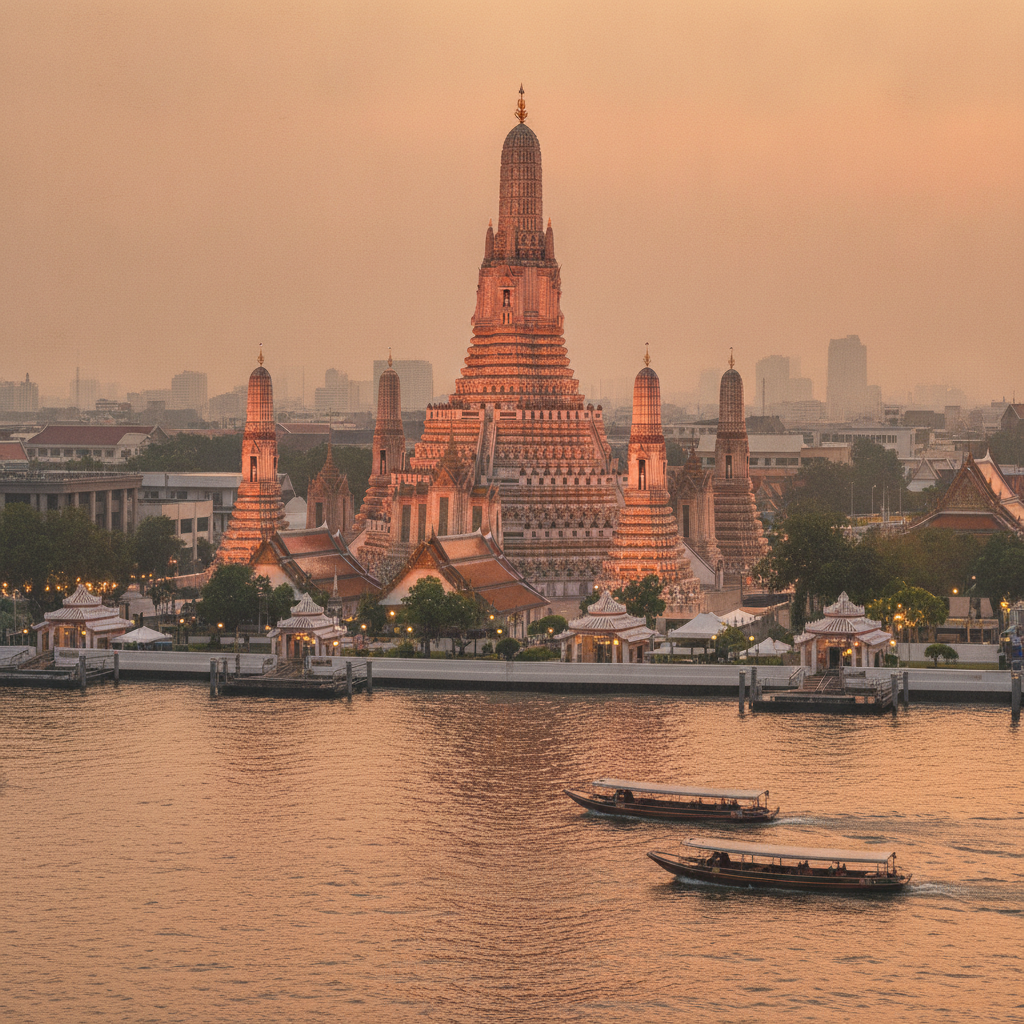
Wat Arun, the Chao Phraya & Thonburi's Ancient Waterways