Grand Palace, Wat Phra Kaew & the Rattanakosin Royal District
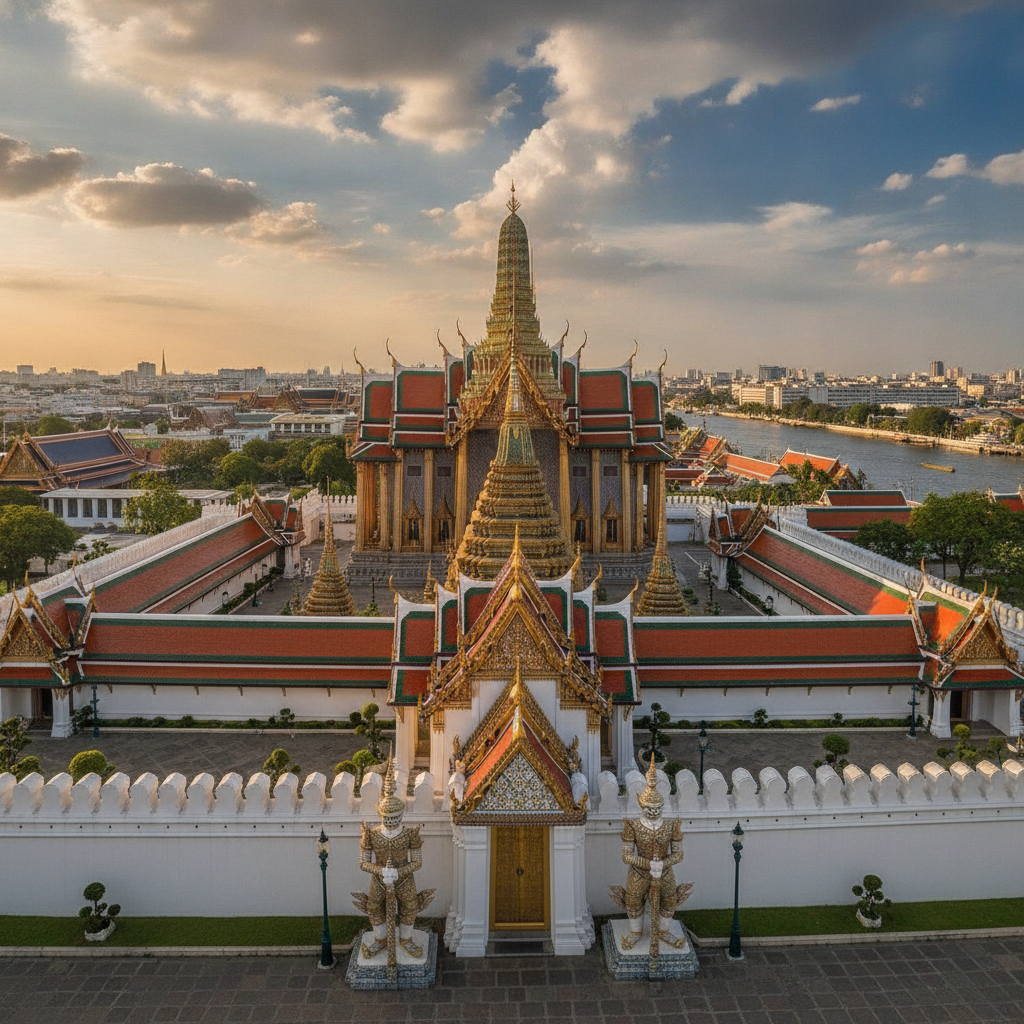
The Grand Palace compound (1782) — the most visited tourist site in Thailand and the most dazzling architectural ensemble in Southeast Asia — encompasses Wat Phra Kaew (the Temple of the Emerald Buddha, housing Thailand's most sacred Buddhist image), the royal reception halls, the inner palace, and over 100 separate buildings and structures built across the reigns of nine Chakri Dynasty kings; the surrounding Rattanakosin Island historic district contains an unparalleled concentration of royal temples, museums, and civic monuments within walking distance of the palace walls.
- 1
Grand Palace Outer Court & Ticket Gate (Th Na Phra Lan Entrance)
Grand Palace (Sanam Chai Road, Phra Nakhon, the Grand Palace compound (พระบรมมหาราชวัง, Phra Borom Maha Ratchawang) — the official residence of the Kings of Thailand from 1782 until 1925 (when King Vajiravudh (Rama VI) moved the royal residence to Chitralada Palace in Dusit) and the site of the most important royal ceremonies to the present day; the palace compound was established in 1782 by King Phutthayotfa Chulalok (Rama I) immediately after he moved the capital of Siam from Thonburi (on the west bank of the Chao Phraya River) to the new site of Bangkok on the east bank; the compound covers an area of 218,400 square metres (2.35 million square feet) and is enclosed by walls 1,900 metres long; the outer court contains government offices and is accessible to the public only as a transit to Wat Phra Kaew; the ticket office (open daily 08:30-15:30) issues combined tickets for the Grand Palace, Wat Phra Kaew, and the Royal Thai Decorations and Coins Pavilion; a strict dress code is enforced — shorts, sleeveless shirts, and open-toed shoes below the ankle are not permitted; sarong rental is available at the gate for visitors who arrive in inappropriate clothing; the daily visitor count typically exceeds 15,000 people on peak days).
- 2
Wat Phra Kaew (Temple of the Emerald Buddha) — Thailand's Holiest Site
Wat Phra Kaew (วัดพระแก้ว, Temple of the Emerald Buddha, Phra Kaew Road, Phra Nakhon, the royal temple within the Grand Palace compound — the most sacred Buddhist site in Thailand and arguably in all of Southeast Asia: the temple's principal object of veneration is the Phra Phuttha Maha Mani Ratana Patimakorn (พระพุทธมณีรัตนปฏิมากร), known colloquially as the Emerald Buddha — a 66-centimetre seated Buddha image carved from a single piece of jade (not emerald, despite its name) in the late 14th or early 15th century, likely in Chiang Rai; the image's precise origins are disputed among scholars, but its history in Thailand is documented from the 15th century onwards, when it was kept successively at Chiang Rai, Lampang, Chiang Mai, Luang Prabang, and Vientiane before being brought to Bangkok by King Taksin in 1779 and installed in Wat Phra Kaew in 1784; the Emerald Buddha sits atop an 11-metre throne in the ordination hall (ubosot) and is dressed in seasonal golden robes that are changed three times a year (for the hot, cool, and rainy seasons) in a ceremony performed personally by the King; photography of the Emerald Buddha image is not permitted inside the ubosot; the temple compound is entirely separate from the palace residence and is open to non-Buddhist visitors; the external galleries of the ubosot are covered with the Ramakien mural cycle (the Thai version of the Hindu Ramayana epic) — 178 painted scenes depicting the entire narrative, originally painted in the reign of Rama I and restored multiple times since; the Phra Wiharn Yod (Jewelled Hall) and the Phra Mondop (Royal Library) within the compound are among the most ornately decorated structures in the Buddhist world).
- 3
Phra Thinang Amarin Winichai Mahaisurya Phiman — The Throne Hall
The Audience Hall (Phra Thinang Amarin Winichai Mahaisurya Phiman, the principal ceremonial hall in the Grand Palace outer court — built in the reign of Rama I (1782-1809) and subsequently modified and restored by every succeeding monarch; the hall is used for the most formal royal ceremonies including the coronation, the royal oath-taking ceremony, and the reception of foreign ambassadors; the hall is dominated at its north end by the Busabok Mala throne (บุษบกมาลา), an ornate wooden throne surmounted by a nine-tiered white umbrella — the white umbrella being the supreme symbol of royalty in Thai Buddhist tradition; the throne is only occupied by the reigning King or by the King's image (the Emerald Buddha's throne replicates the King's throne in miniature); adjacent to the audience hall is the Phra Thinang Chakri Maha Prasat (the Grand Palace Hall) — the most prominent structure in the palace compound, identifiable from a distance by its European-style facades topped with traditional Thai towered finials (mondops); the Chakri Maha Prasat was built in the reign of Rama V (King Chulalongkorn, 1868-1910) to commemorate the centenary of the Chakri Dynasty in 1882).
- 4
Wat Pho (Temple of the Reclining Buddha) — Wat Chetuphon
Wat Pho (วัดโพธิ์, officially Wat Phra Chetuphon Wimon Mangkhlaram Ratchaworamahawihan, Sanam Chai Road, Phra Nakhon — the largest temple complex in Bangkok by area (covering 80,000 square metres) and one of the oldest and most historically significant temples in Thailand: Wat Pho predates the founding of Bangkok by at least two centuries, having been established during the Ayutthaya period as Wat Photaram; the temple is most famous for the Phra Phuttha Saiyat (Reclining Buddha) — a 46-metre long and 15-metre high gilded bronze figure of the Buddha entering Nirvana, housed in a dedicated vihara (Phra Wiharn Phra Phut Saiyat) that was built specifically to accommodate the image; the soles of the Reclining Buddha's feet are inlaid with 108 auspicious characters (the number 108 being sacred in Buddhist and Hindu tradition as the number of positive human characteristics) rendered in mother-of-pearl; the temple is also the birthplace of traditional Thai massage (Nuad Thai) — the pavilions of the temple served for centuries as a centre for traditional medicine, and the temple established the first school of traditional Thai massage in 1962; today, the Wat Pho Traditional Medical and Massage School continues to operate within the temple compound and is considered one of the most authoritative sources of traditional Thai massage training in the country).
- 5
Sanam Luang (Royal Field) & Lak Mueang City Pillar Shrine
Sanam Luang (สนามหลวง, Royal Field, Ratchadamnoen Nai Road, Phra Nakhon — the large oval ceremonial ground immediately north of the Grand Palace, covering approximately 74,700 square metres; Sanam Luang has served as the principal outdoor ceremonial space of the Thai capital since 1782; its most significant use has been as the site of royal cremation ceremonies: the Royal Funeral Pyre (Phra Meru Mas) — the temporary wooden pavilion constructed for the cremation of Thai monarchs and senior members of the royal family — is traditionally erected at the south end of Sanam Luang, most recently for the funeral of King Bhumibol Adulyadej (Rama IX) in October 2017, which attracted approximately 250,000 mourners from across Thailand; the field is also the traditional site of the annual Royal Ploughing Ceremony (Raek Na Khwan), performed by the King or his representative at the beginning of the rice-planting season to bless the crop; the Lak Mueang (หลักเมือง, City Pillar Shrine) on the eastern side of Sanam Luang houses the golden pillar that was the first structure erected in Bangkok in 1782 — the pillar is believed to contain the guardian spirit (thevada) of the city; offerings of flowers, incense, food, and classical dance performances are made at the shrine daily).
- 6
Tha Chang Pier — Chao Phraya Express Boat & Rattanakosin Waterfront
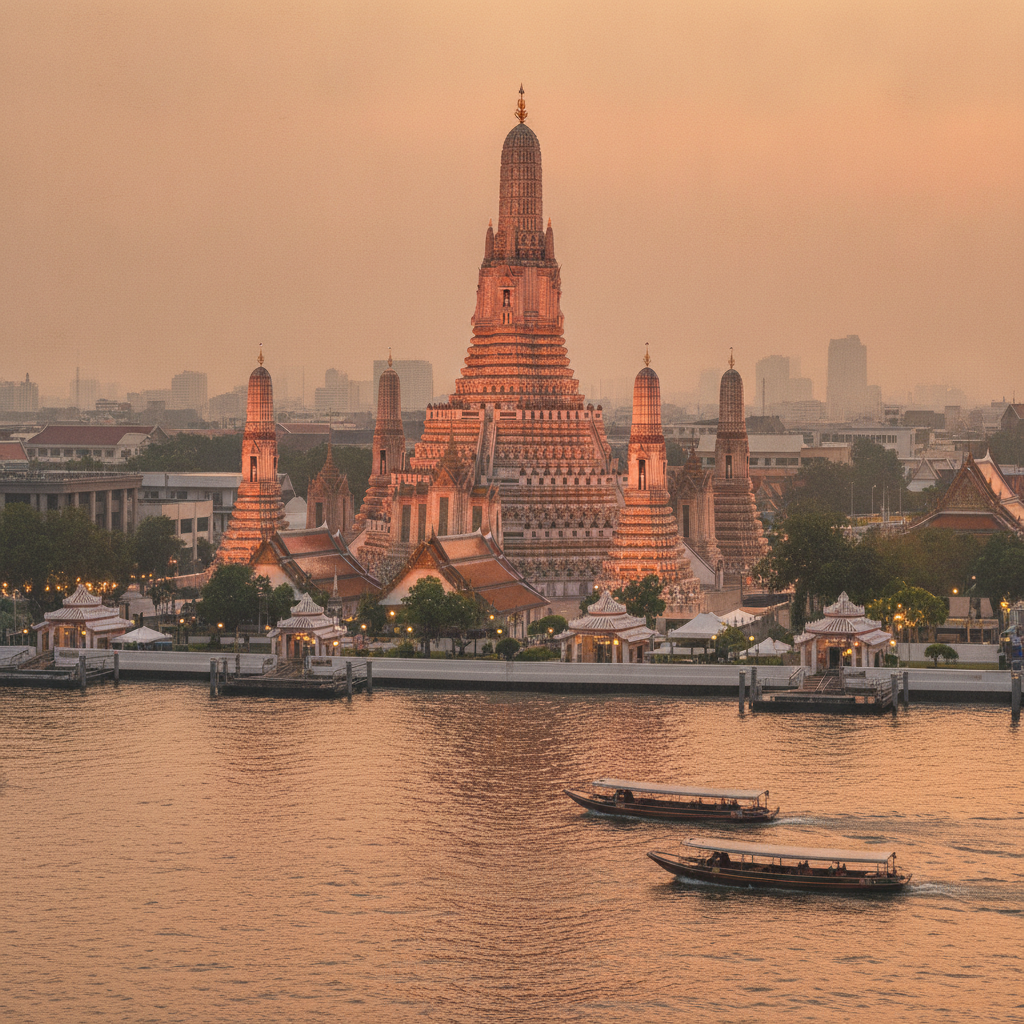
Tha Chang (ท่าช้าง, Elephant Pier, Na Phra Lan Road, Phra Nakhon — the principal river pier serving the Grand Palace and Wat Pho, one of the oldest operating ferry crossings on the Chao Phraya River (dating from the Ayutthaya period, when elephant transport across the river was managed from this pier — hence the name 'Elephant Pier'); the pier is served by the Chao Phraya Express Boat (orange and yellow flag) connecting all major riverside sites from Nonthaburi in the north to Wat Rachsingkhon in the south; from Tha Chang, the view across the Chao Phraya to the Thonburi bank reveals Wat Arun (วัดอรุณราชวรารามราชวรมหาวิหาร, Temple of Dawn, the 82-metre prang (Khmer-style tower) dating from the Thonburi period (1767-1782)) — Wat Arun is accessible by a short cross-river ferry (3 baht) from Tha Tien pier (approximately 300 metres south of Tha Chang); the Rattanakosin waterfront between Tha Chang and Tha Tien preserves the most intact example of the Bangkok historic skyline, with the white crenellated palace walls, the roofs of Wat Pho, and the roofline of Wat Arun across the river visible simultaneously from the riverside walkway).
Walk this route with audio
Stories play automatically as you reach each stop — no tapping needed.
More in bangkok
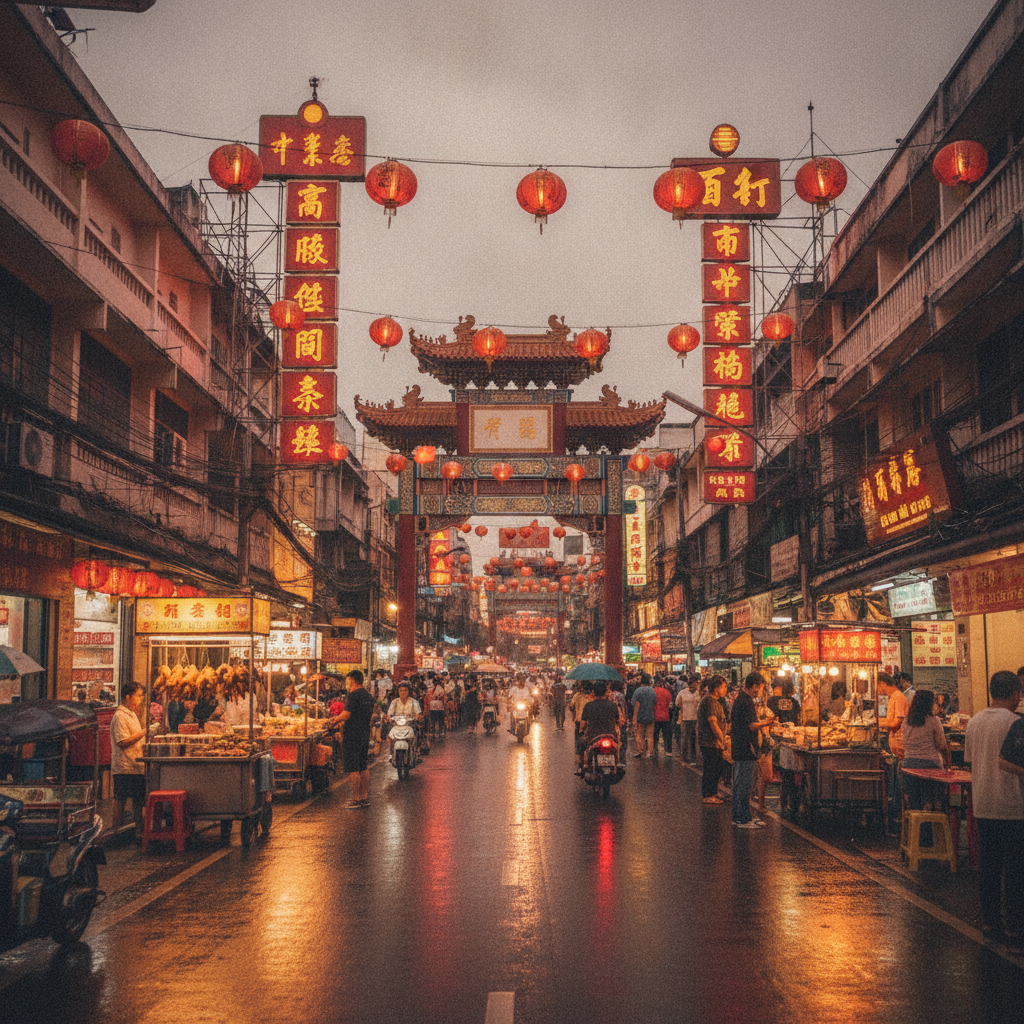
Chinatown Yaowarat, Pahurat Fabric Market & Bangkok Old Town Street Food
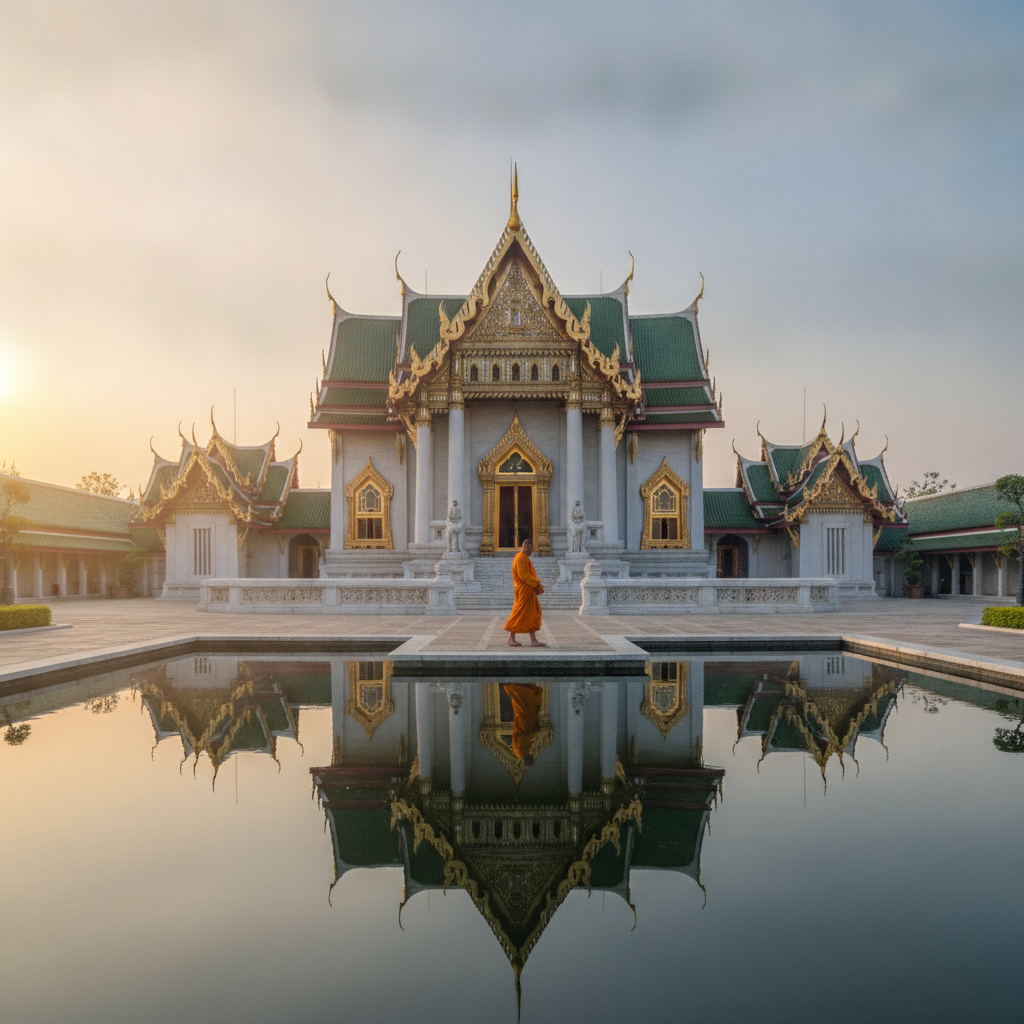
Wat Benchamabophit, Dusit Palace, Ananta Samakhom Throne Hall & Vimanmek Mansion
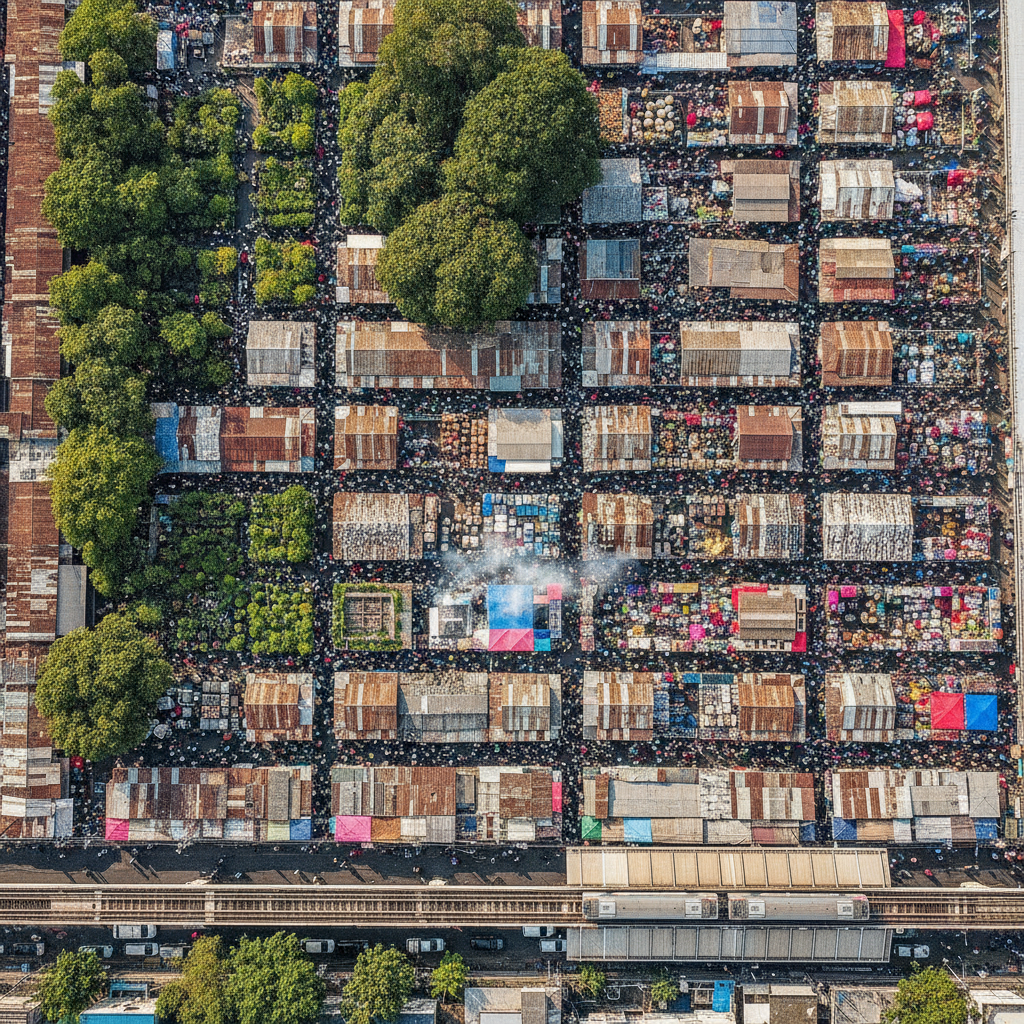
Chatuchak Weekend Market, Siam Square & Bangkok's Shopping Culture
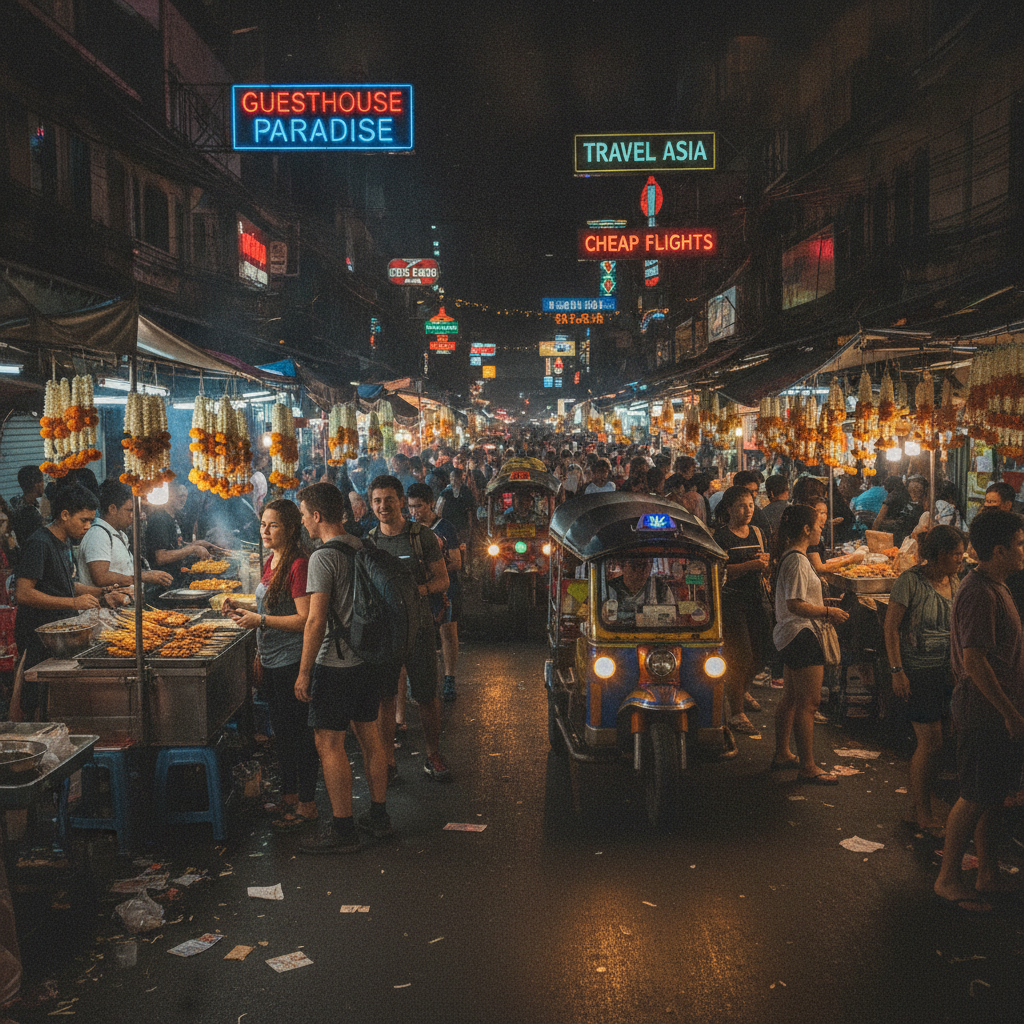
Khao San Road, Democracy Monument & the Banglamphu Backpacker District
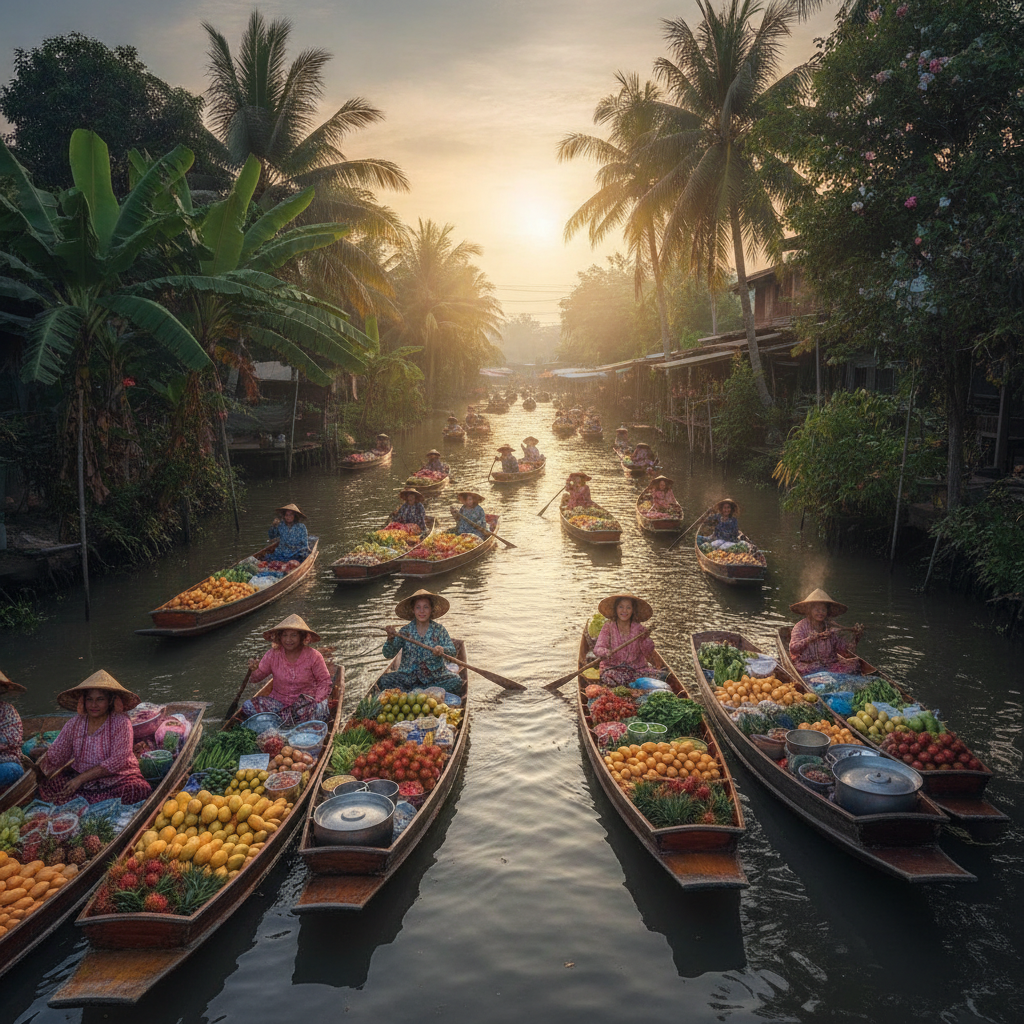
Damnoen Saduak Floating Market, Maeklong Railway & Amphawa Day Trip