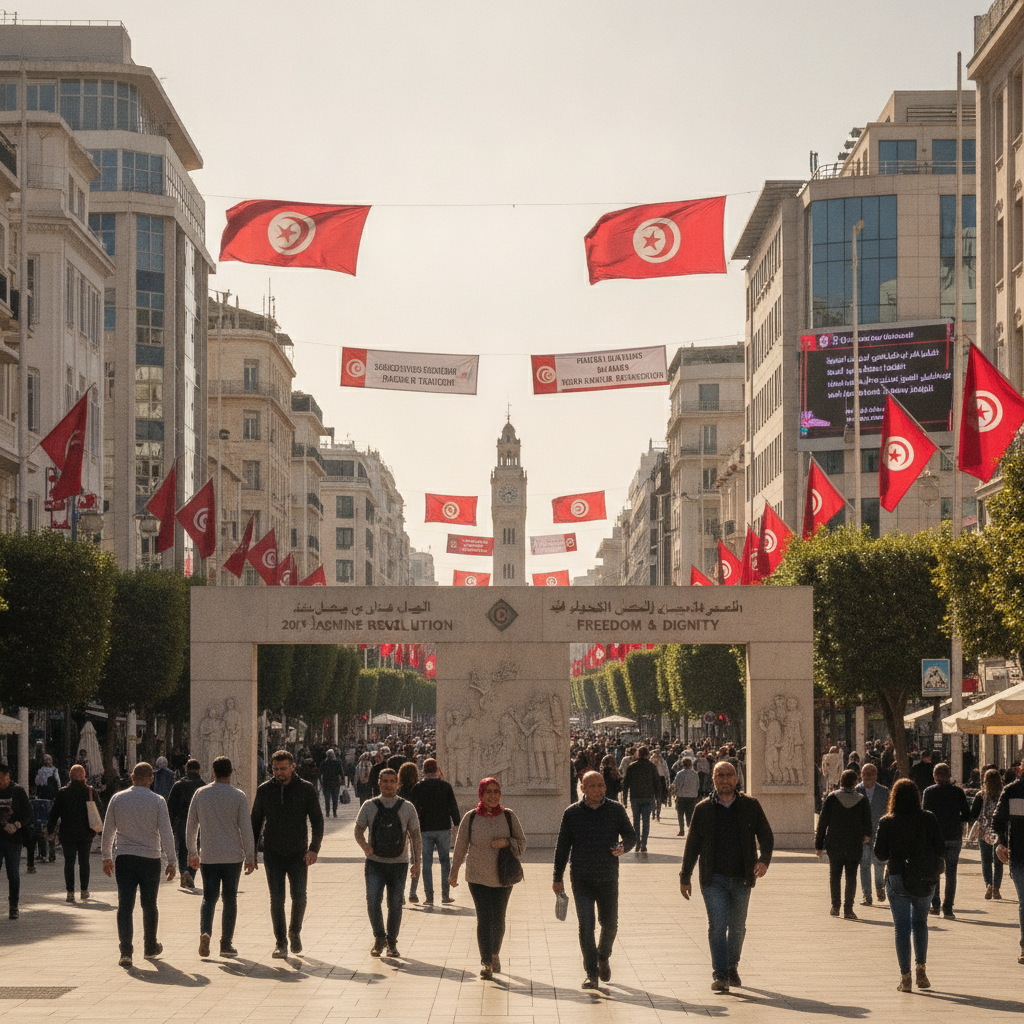

Tunis Modern History: The Arab Spring Jasmine Revolution, the Ben Ali Regime, the Bourguiba Legacy, the Transitional Democracy, and Contemporary Tunisia
The Tunis modern history route covers the Jasmine Revolution of 2011 as the Arab Spring origin, the Ben Ali regime, the Bourguiba modernization legacy, the transitional democracy as the most successful single Arab Spring democratic transition, and contemporary Tunisia.
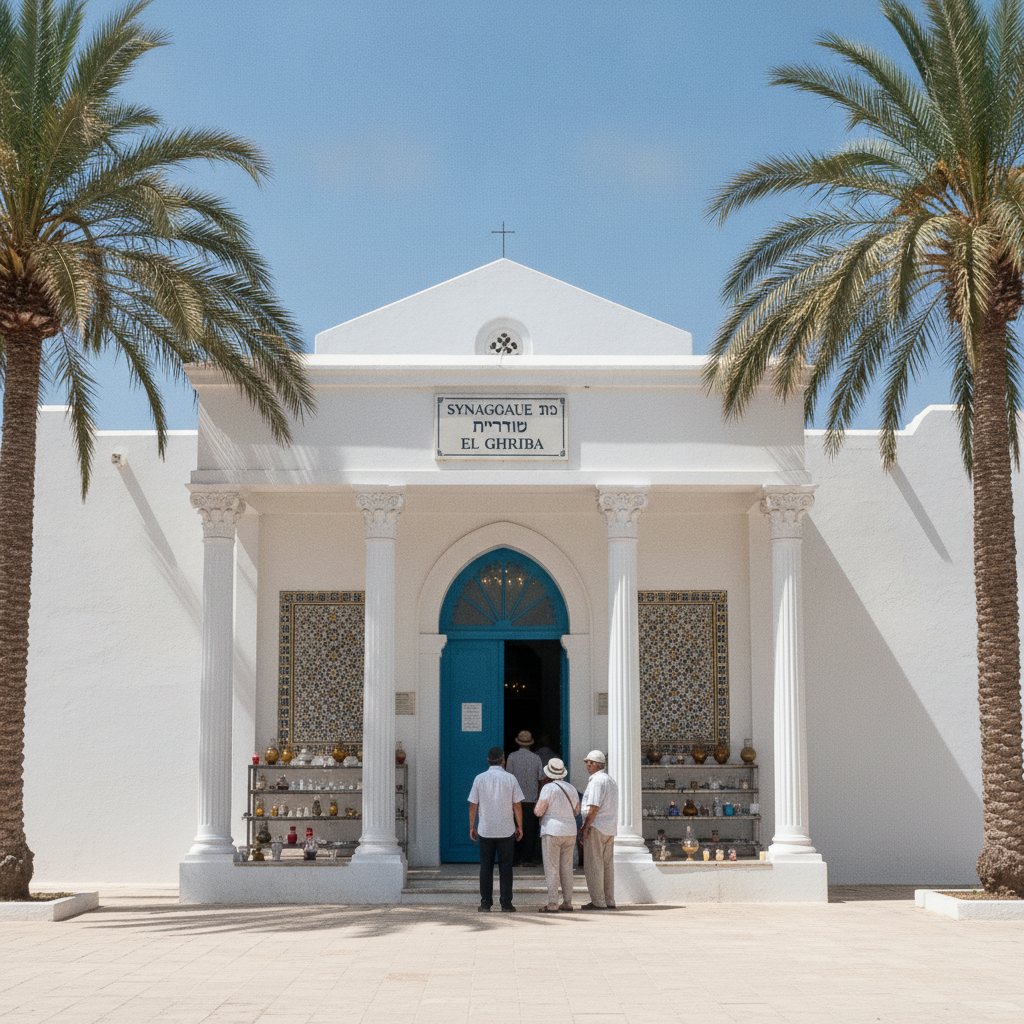
Mohammed Bouazizi Set Himself on Fire on December 17, 2010 and Ben Ali Fled Tunisia 28 Days Later Triggering Arab Spring Revolutions Across 6 Countries; El Ghriba Synagogue on Djerba Has a Legendary Founding Date of 586 BCE Making It the Oldest Synagogue in Africa; the Tunisian Rapper El General's Track Rayes Lebled Criticizing Ben Ali Became the Anthem of the Revolution After Going Viral on Facebook
Mohammed Bouazizi's self-immolation on December 17, 2010 and Ben Ali fleeing with 1.5 tonnes of gold 28 days later triggering revolutions in Egypt, Libya, Yemen, Bahrain, and Syria; El Ghriba Synagogue on Djerba with legendary founding date of 586 BCE; the Sousse Catacombs with 15,000 burials in 240 galleries (the largest early Christian burial complex in Africa); Tunisian rapper El General's Rayes Lebled going viral on Facebook as the revolution's anthem; the Moriscos expelled from Spain in 1609 preserving Andalusian Maluf classical music in Tunisia; and the Tunisia budget guide with TND exchange rates and transport costs.
The Punic Language Survived as a Spoken Vernacular in Roman North Africa Until the 5th Century CE When Augustine of Hippo Mentions Punic Speakers in His Parish; The Vandals Sacked Rome in 455 CE from Their Base in Carthage and May Have Taken the Temple Treasures of Jerusalem; the Arab Berber Queen Dihya (Kahina) Defeated an Arab Army and Is Honored Both as a Brave Enemy in Muslim Tradition and as a National Hero in Berber Tradition
Punic language surviving as a vernacular until the 5th century CE with Augustine of Hippo mentioning Punic speakers; the Vandals sacking Rome in 455 CE from Carthage potentially taking the Jerusalem Temple treasures; Berber queen Dihya (Kahina) defeating an Arab army around 688-703 CE; Tunisian film Halfaouine (1990) winning Critics Week at Cannes; the chechia red felt cap becoming the Turkish fez; and the Tunis photography guide from morning medina to sunset Sidi Bou Said.
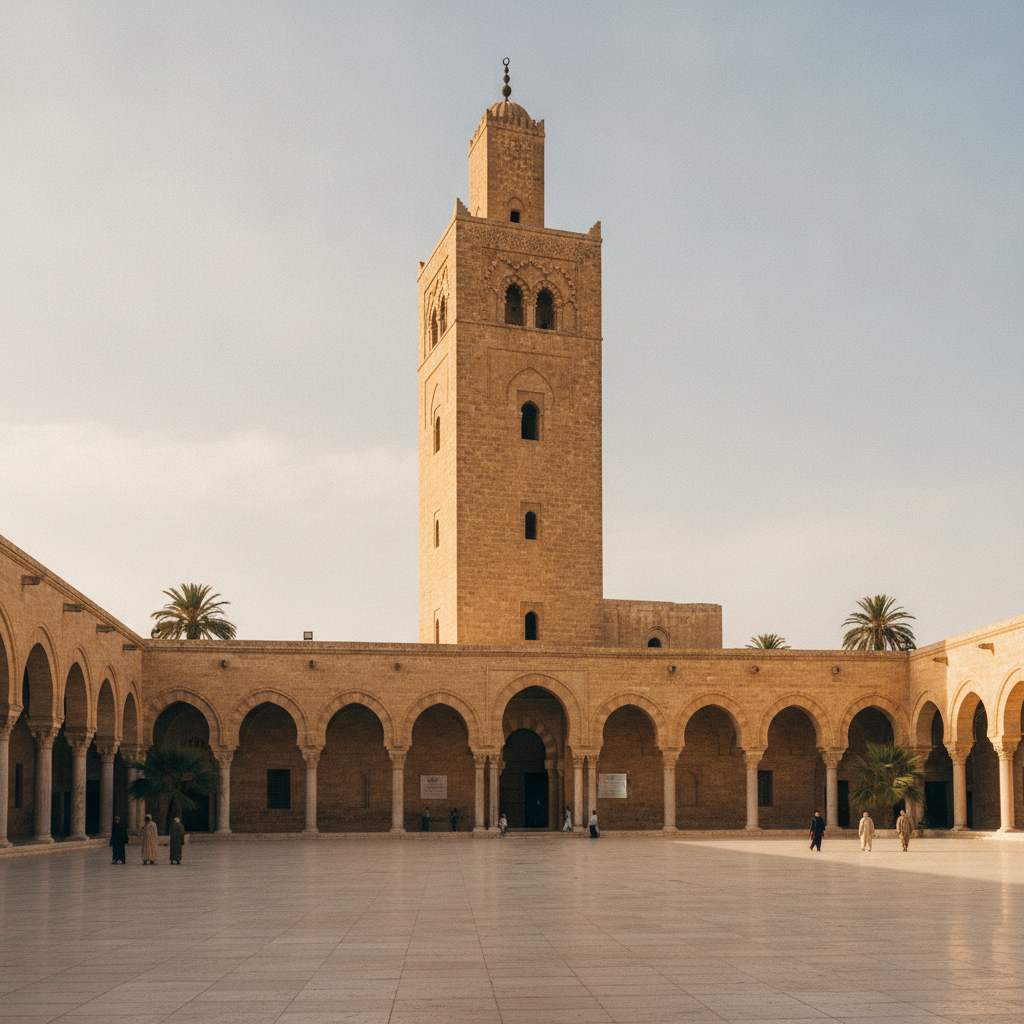
Tunis Day Trips: Kairouan the Holy City, the Great Mosque of Kairouan, the Aghlabid Basins, the Ribat of Monastir, and the Sahel Coast Circuit
The Tunis day trip route covers Kairouan as the most sacred single Islamic city in North Africa and the fourth holiest city in Islam, the Great Mosque of Kairouan as the oldest single mosque in the Maghreb, the Aghlabid hydraulic basins, and the Ribat of Monastir as the most completely preserved single Islamic coastal fortress in the Mediterranean.
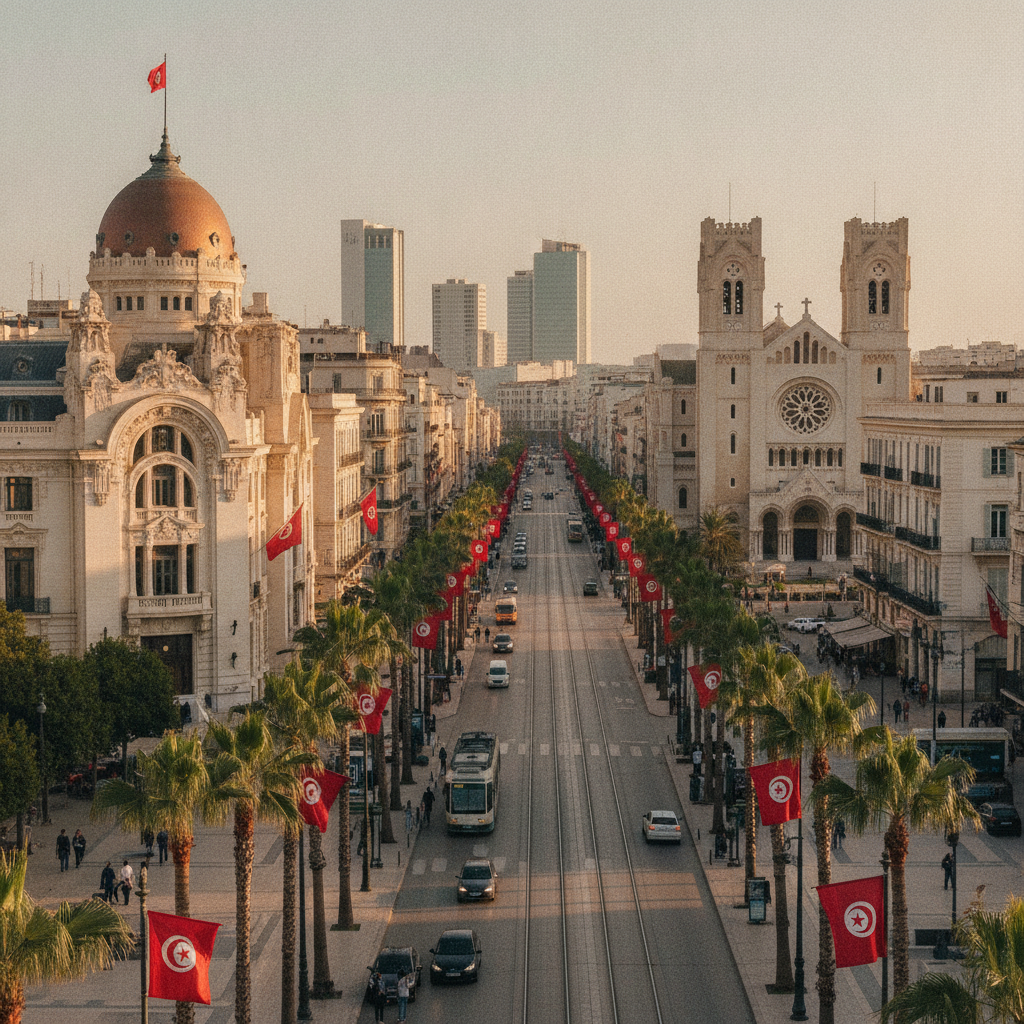
Tunis History: The Aghlabid Founders, the Hafsid Golden Age, the Ottoman Regency, the Husseinid Beys, and the French Protectorate Avenue Habib Bourguiba
The Tunis history route covers the Aghlabid dynasty that built Zitouna, the Hafsid golden age as the most culturally productive single Tunis dynasty, the Ottoman Regency of Tunis, the Husseinid Beys who ruled until 1957, and the French Protectorate that created the Avenue Habib Bourguiba.
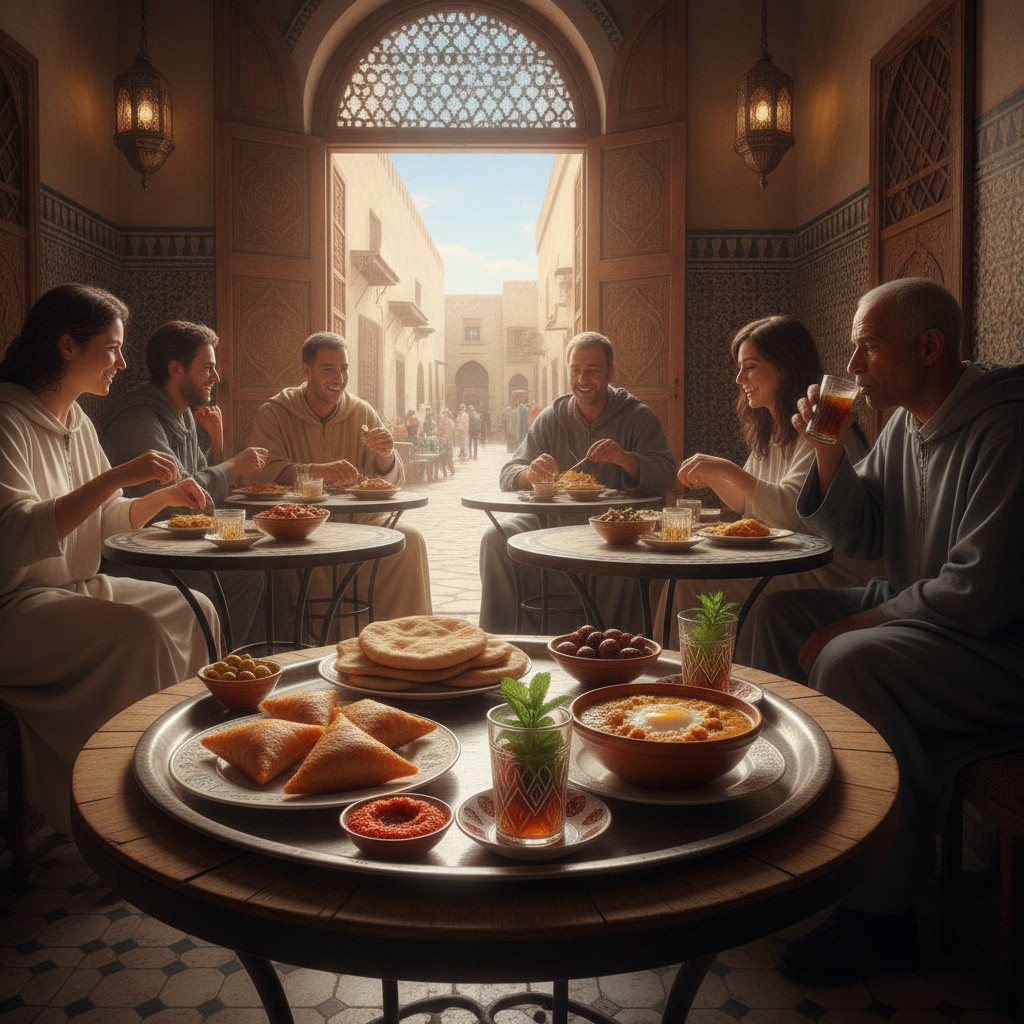
Tunis Food and Culture: The Brik, the Harissa, the Lablabi, the Malouf Andalusian Music, and the Tunis Cafe Culture
The Tunis food and culture route covers the brik as the most distinctively Tunisian single pastry, the harissa as the most internationally recognized single Tunisian condiment, the lablabi as the most working-class single Tunisian breakfast, the malouf Andalusian music tradition, and the Tunis cafe culture.
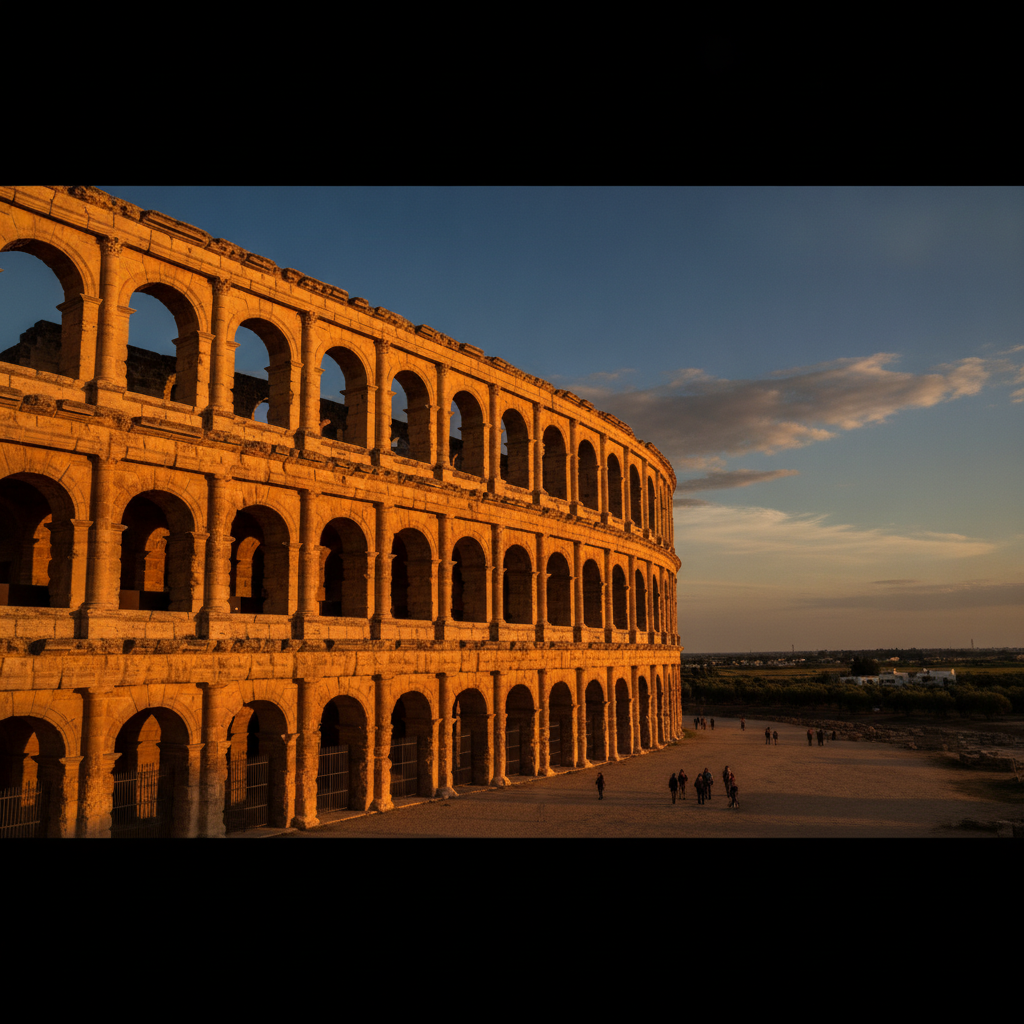
Hannibal's Battle of Cannae (216 BCE) Killed 45,000-70,000 Romans in a Single Day Using the Double-Envelopment Maneuver Still Taught at Military Academies Worldwide; the El Djem Amphitheatre (238 CE) Was Built Without Mortar With Stone Quarried 30km Away; Roman Africa Supplied 35-40% of All Olive Oil Consumed in Rome and Tunisia Remains the Third Largest Olive Oil Exporter After Spain and Italy
Hannibal's Battle of Cannae (216 BCE) killing 45,000-70,000 Romans using the double-envelopment still taught at military academies; the El Djem amphitheatre built without mortar with stone transported 30km; Roman Africa Proconsularis supplying 35-40% of Rome's olive oil; Tunisia remaining the world's third largest olive oil exporter; the Moriscos expelled from Spain in 1609 bringing Andalusian music (Maluf) to Tunisia; and the Tunisia vs Morocco comparison on politics, medinas, Sahara access, and cuisine.
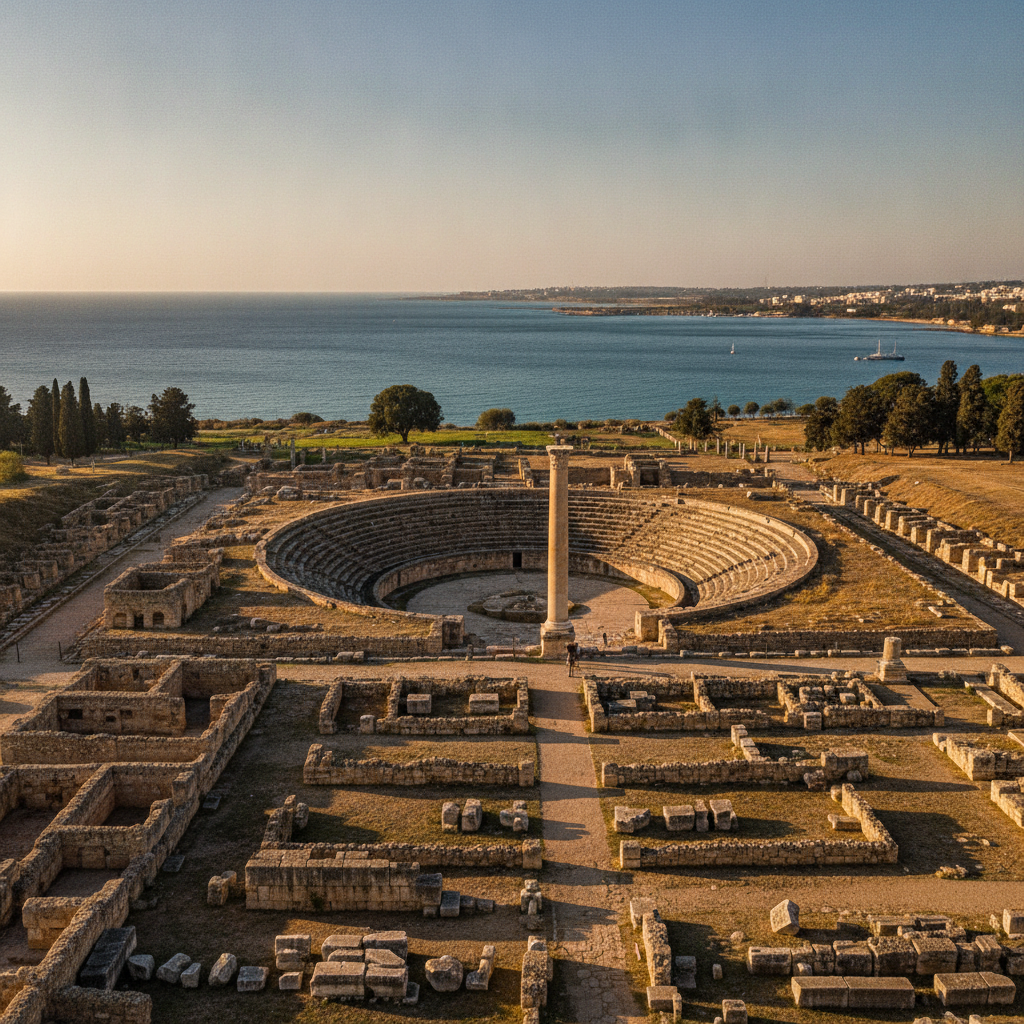
Carthage Deep Dive: The Byrsa Hill Citadel, the Antonine Baths, the Punic Ports, the Tophet, and the Dido Foundation Legend
The Carthage deep dive covers the Byrsa Hill as the original Phoenician citadel and the most historically charged single hill in North Africa, the Antonine Baths as the most physically impressive single Carthage Roman monument, the Punic naval and commercial ports as the most archaeologically significant single ancient harbor, the Tophet sanctuary, and the Dido foundation legend.
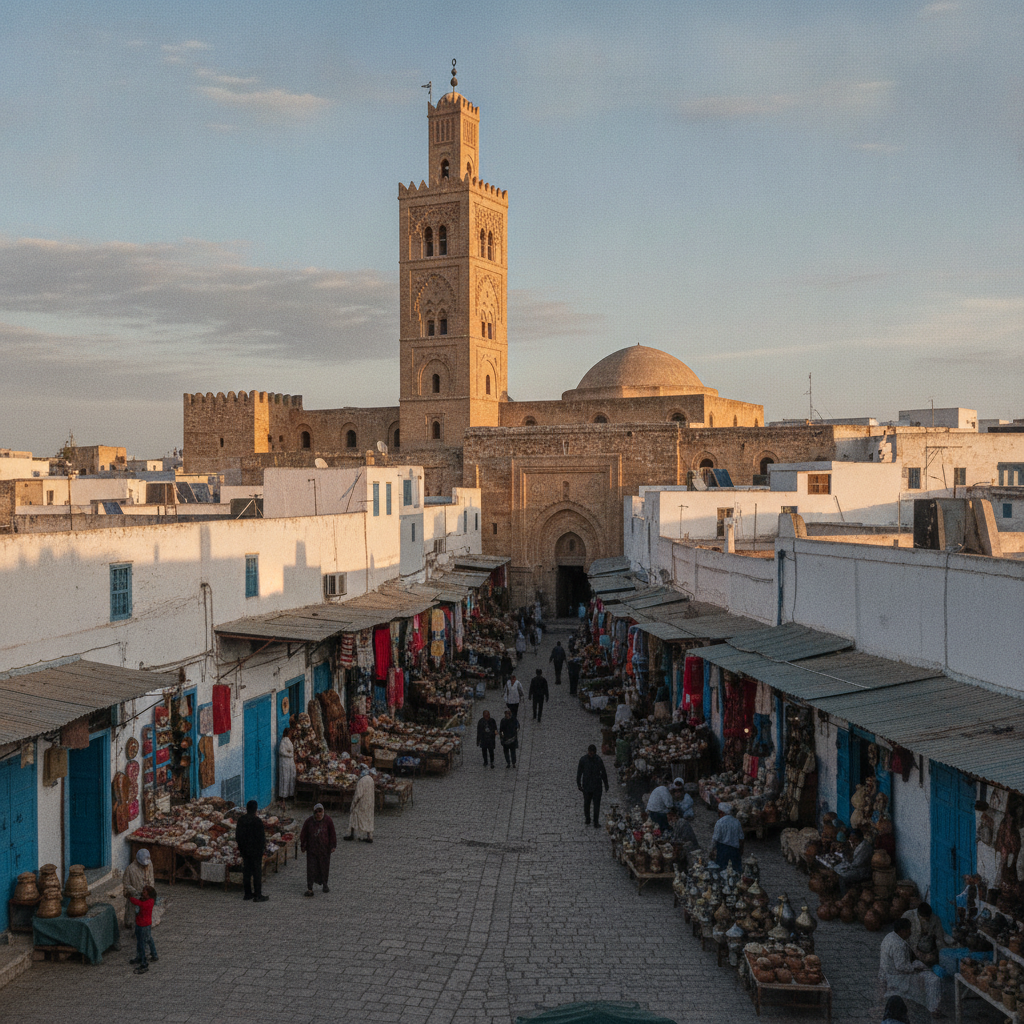
Tunis Essential: The Great Mosque of Zitouna, the Bardo National Museum, Carthage Ruins, the Sidi Bou Said Blue Village, and the UNESCO Medina
The Tunis essential circuit covers the Great Mosque of Zitouna as the oldest single Islamic university in the world, the Bardo National Museum with the most extensive Roman mosaic collection on earth, the Carthage ruins as the most historically significant single Phoenician-Roman site in Africa, the Sidi Bou Said blue and white village, and the UNESCO medina.
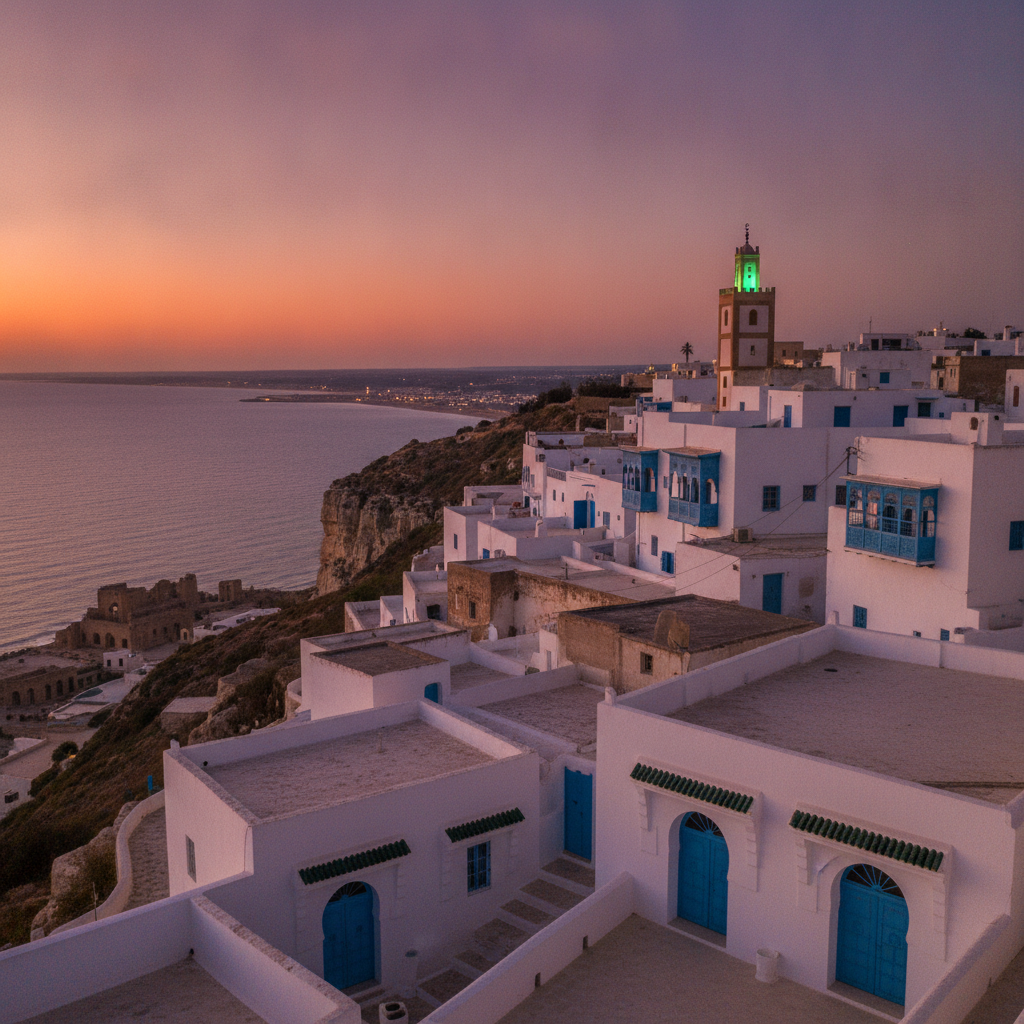
Habib Bourguiba Issued the Arab World's Most Progressive Women's Rights Code Just 6 Months After Independence in 1956 Banning Polygamy and Repudiation While Egypt and Syria Maintained Traditional Islamic Family Law; Kairouan's Great Mosque Founded 670 CE Has the Oldest Surviving Minaret in the World; Star Wars Tatooine Was Named for the Real Tunisian City of Tataouine and Multiple Star Wars Scenes Were Filmed Near Matmata and Ong Jemal
Bourguiba banning polygamy and Islamic repudiation divorce just 6 months after Tunisian independence in 1956; Kairouan's Great Mosque (670 CE) with the world's oldest surviving minaret; Star Wars naming Tatooine after the real Tunisian city of Tataouine and filming the Lars Homestead at the Hotel Sidi Driss in Matmata; Paul Klee visiting Sidi Bou Said in 1914 and writing I and colour are one; Dougga UNESCO site with the best-preserved Roman Capitol outside Italy; and the complete 3-day Tunis itinerary with TGM train to Carthage and Sidi Bou Said.
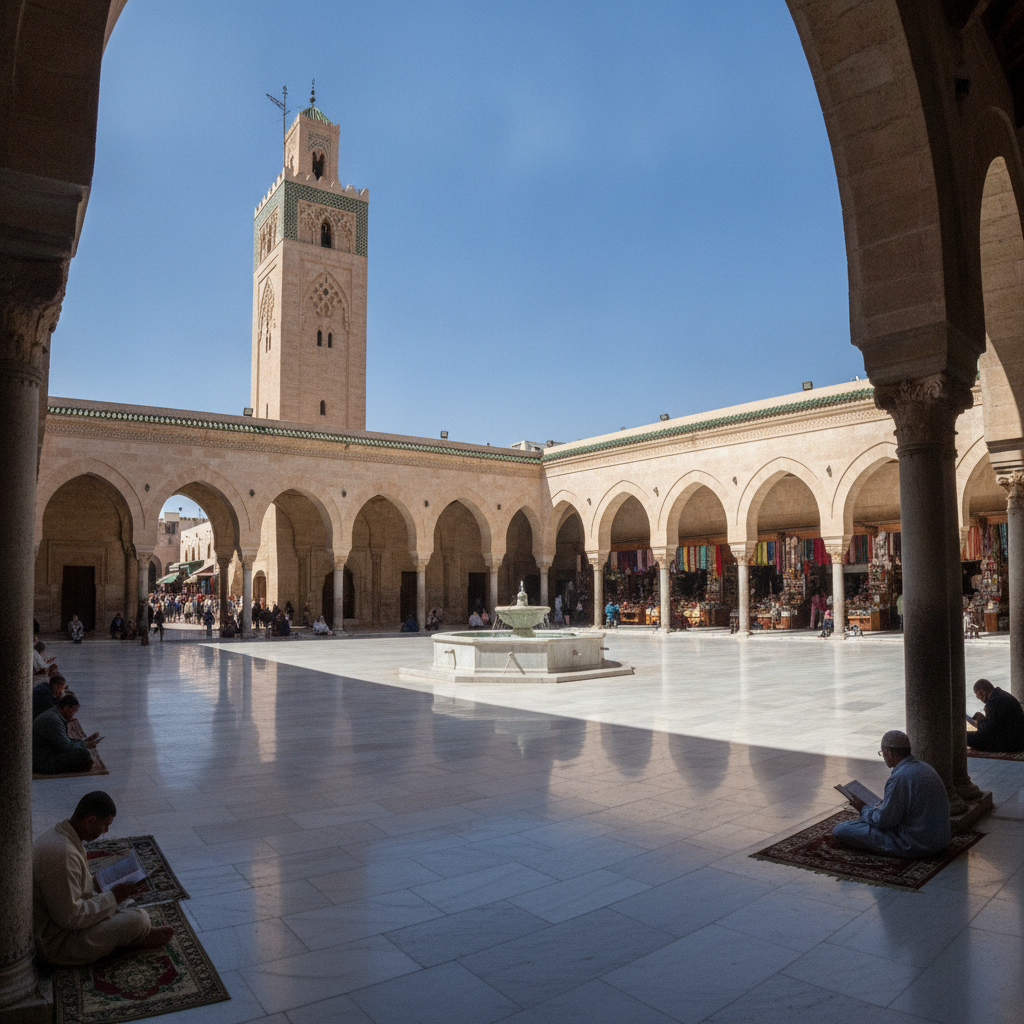
The Bardo Museum Has the World's Finest Collection of Roman Floor Mosaics and Was Attacked by ISIS Gunmen in March 2015 Who Killed 22 Tourists; Hannibal Crossed the Alps with 37 War Elephants and Won Three Massive Battles Against Rome Before Never Capturing Rome Itself; The Arab Spring Began on December 17, 2010 When Mohammed Bouazizi Set Himself on Fire in Sidi Bouzid and Tunisia Was the Only Arab Spring Country to Successfully Transition to Democracy
The Bardo Museum housing the world's finest Roman mosaic collection; ISIS attack on the Bardo killing 22 tourists in March 2015; Hannibal crossing the Alps with 37 war elephants and killing approximately 100,000 Roman soldiers at three battles while never capturing Rome; Mohammed Bouazizi's December 17, 2010 self-immolation triggering the Arab Spring and Ben Ali fleeing 28 days later; Tunisia as the only Arab Spring country to achieve democratic transition (Nobel Peace Prize 2015); Tunisian harissa inscribed on UNESCO Intangible Cultural Heritage list 2022; and the Tunis practical visitor guide with medina, Bardo, and day trips to Carthage and Dougga.
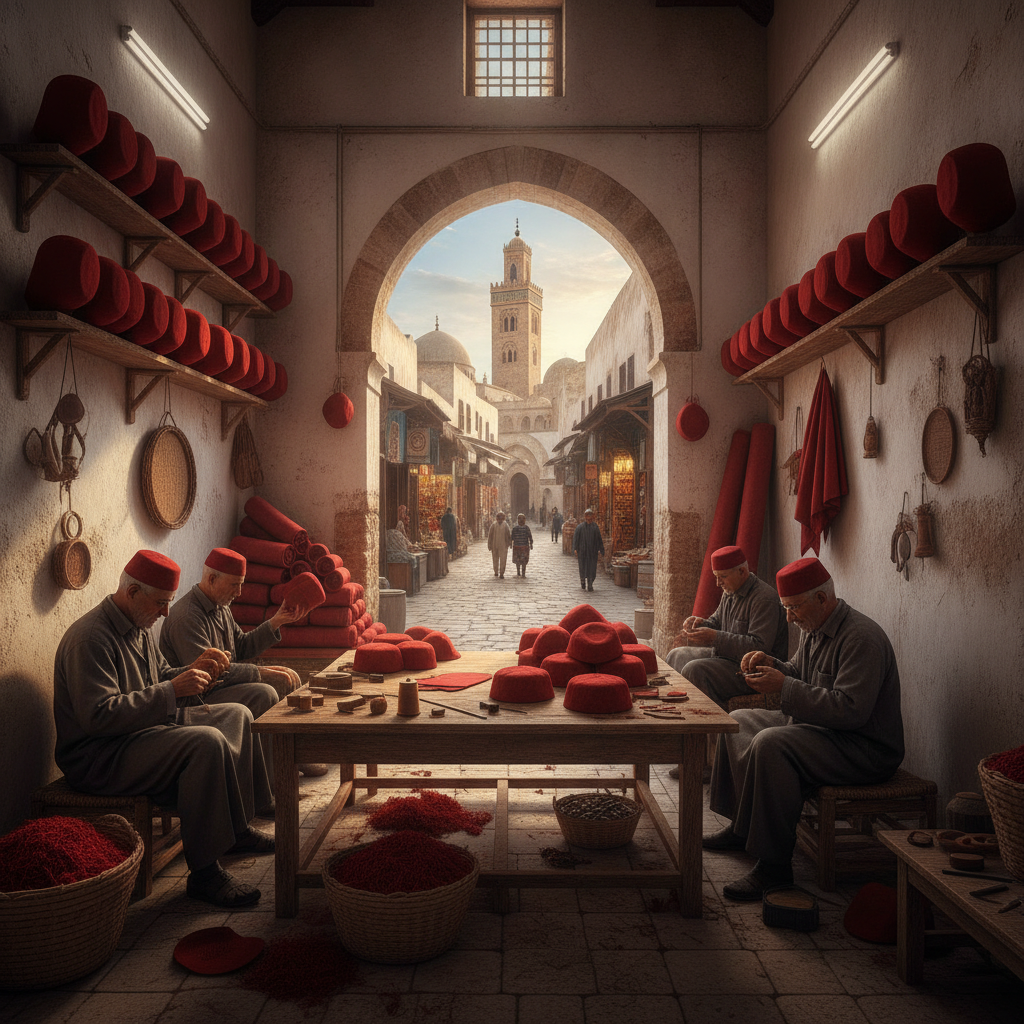
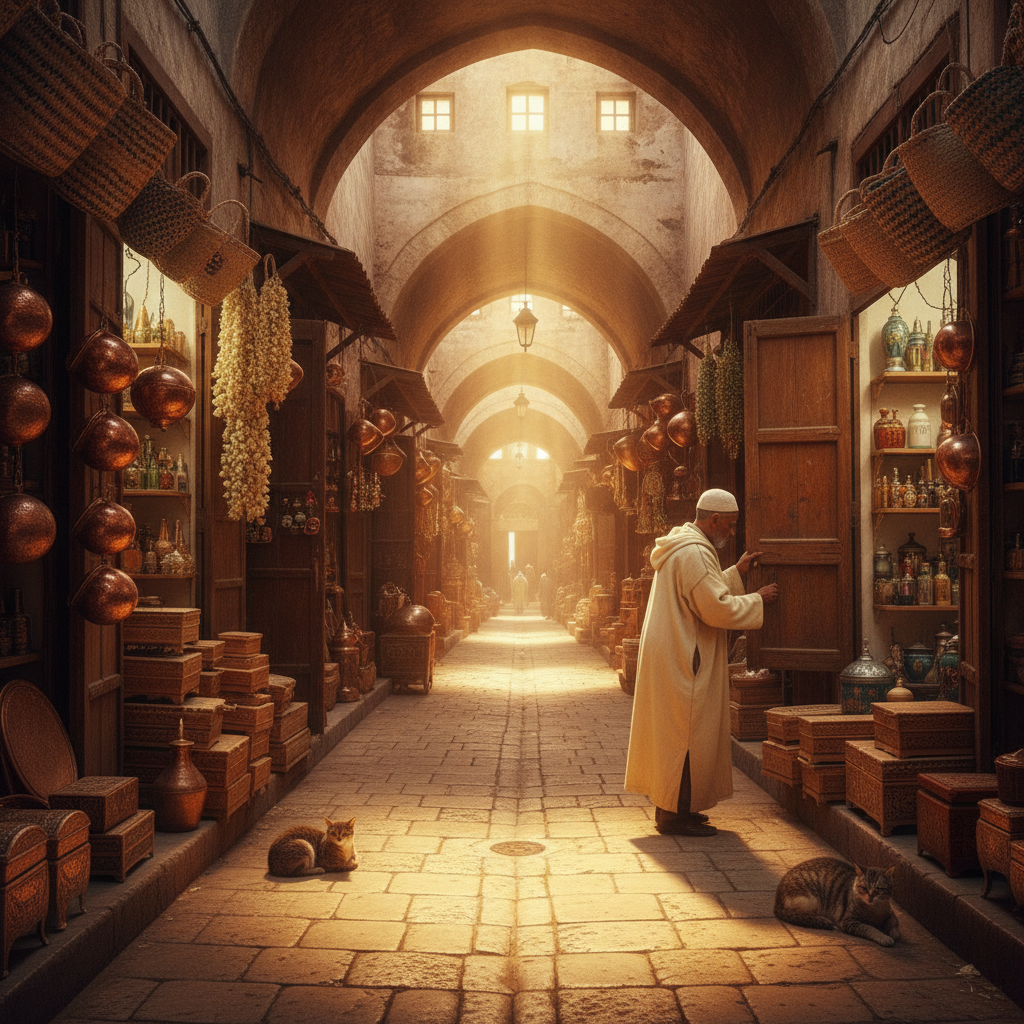
Tunis Craft and Market: The Souk Chechia Hat Makers, the Jasmine Tradition, the Olive Oil Culture, the Hafsia Jewish Quarter, and the Medina Food Market
The Tunis craft and market route covers the souk chechia (the red wool cap hat makers) as the most distinctive single Tunisian craft, the jasmine tradition as the most sensory single Tunis medina experience, the Tunisian olive oil culture, the Hafsia Jewish quarter, and the medina food market.
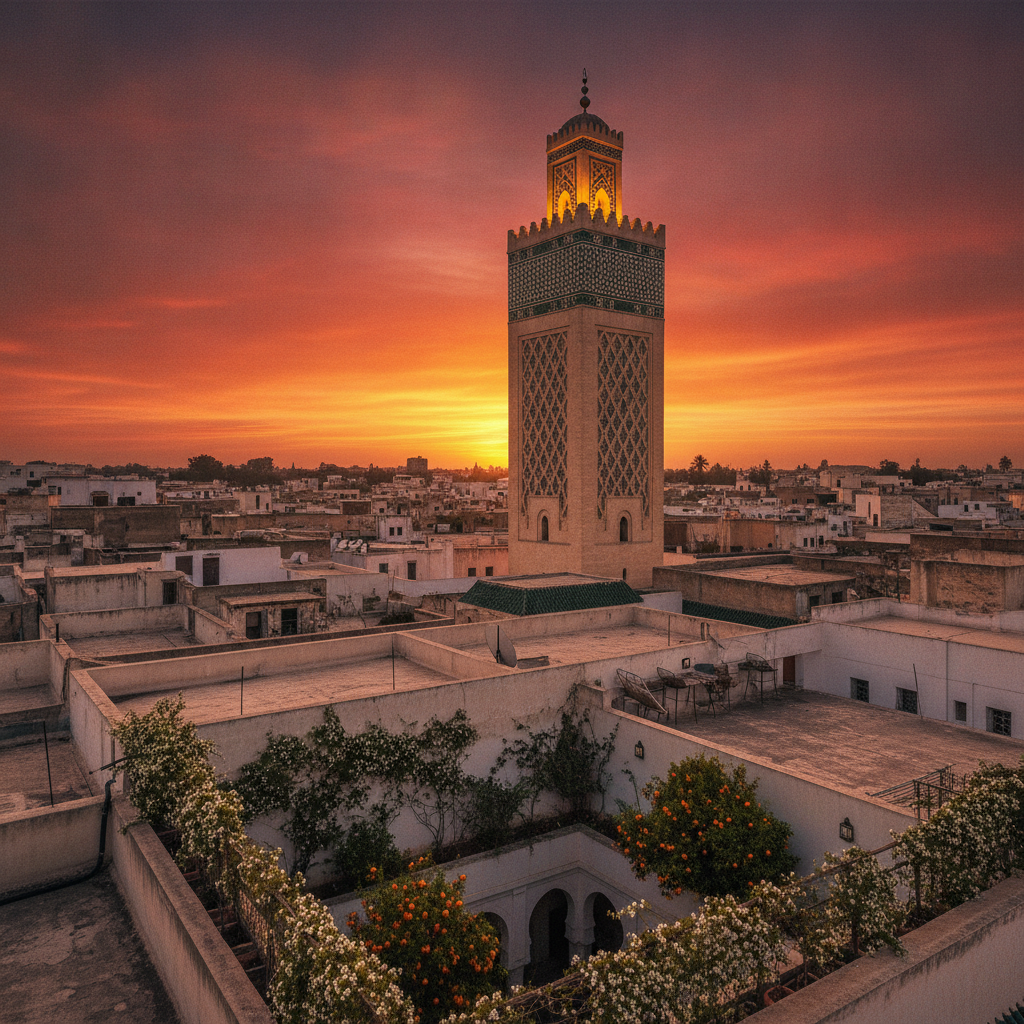
Tunisia Occupies the Geographic Center of the Mediterranean Where the 148km Strait Between Cap Bon and Sicily Has Been the Crossing Point for Phoenicians, Romans, Vandals, Arabs, and Today's Migration Crisis; Tunisia's El Ghriba Synagogue on Djerba Has a Legendary Founding Date of 586 BCE and 100,000 Tunisian Jews Emigrated to Israel and France Between 1948 and 1967; Tunisia Supplied One-Third of Rome's Grain Requirements as the Granary of Rome
Tunisia's Cap Bon peninsula being 148km from Sicily making it the crossing point for Phoenicians, Romans, Vandals (sacking Rome 455 CE), Arabs (Sicily 827 CE), and today's migration route; El Ghriba Synagogue's legendary 586 BCE founding and 100,000 Tunisian Jews emigrating 1948-1967; Tunisia supplying one-third of Rome's grain as the Roman granary; the Hafsid Mosque of the Kasbah (1233 CE) and 40+ zaouias in the Tunis Medina; the Tunisia vs Egypt Arab Spring comparison and why Tunisia's smaller military and stronger civil society (UGTT) enabled a democratic transition Egypt could not achieve.
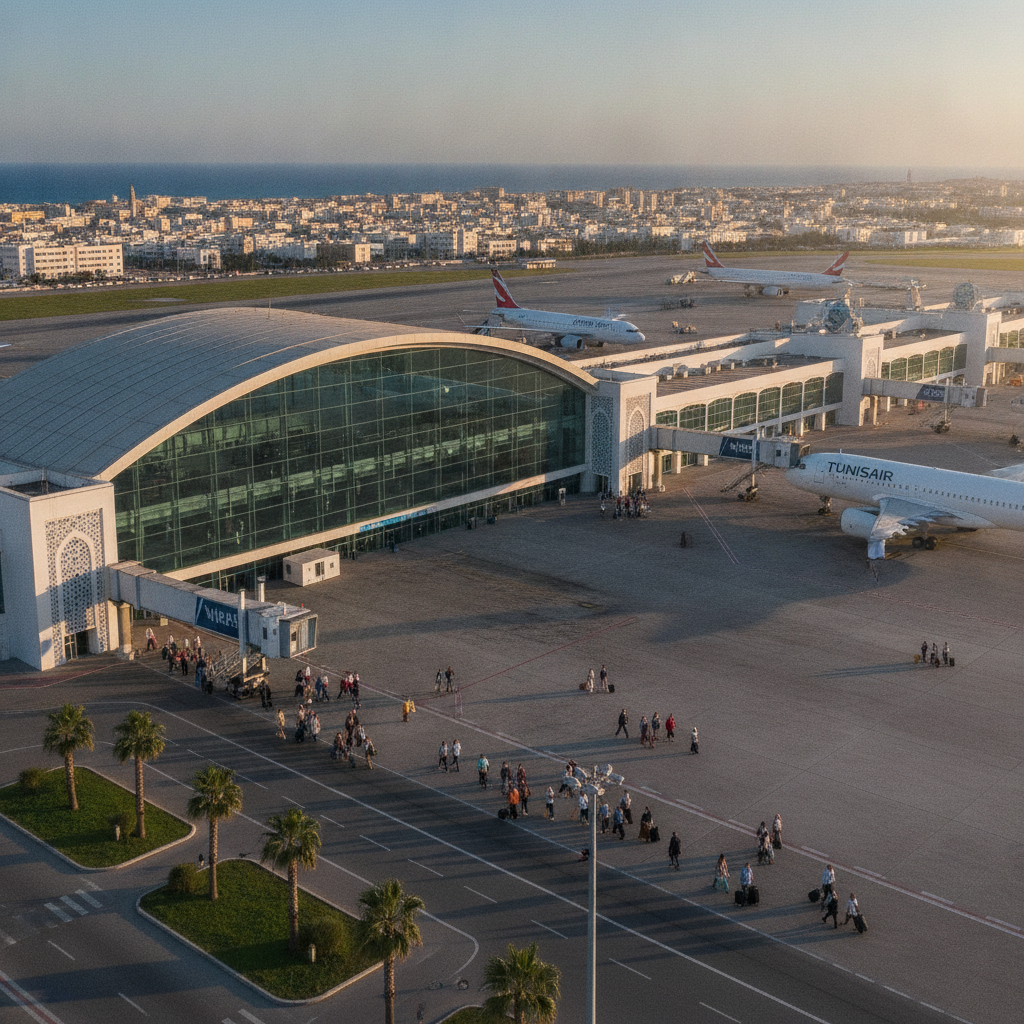
Tunis Practical: Tunis-Carthage Airport, the Train to Sousse and Hammamet, the Medina Accommodation, the Optimal Visit Timing, and the Tunisia Circuit Summary
The Tunis practical route covers the Tunis-Carthage Airport as North Africa most accessible single capital airport, the train connection to Sousse and Hammamet, the medina accommodation, the optimal April-May and October-November visit timing, and the Tunisia circuit summary.