Tunis History: The Aghlabid Founders, the Hafsid Golden Age, the Ottoman Regency, the Husseinid Beys, and the French Protectorate Avenue Habib Bourguiba
The Tunis history route covers the Aghlabid dynasty that built Zitouna, the Hafsid golden age as the most culturally productive single Tunis dynasty, the Ottoman Regency of Tunis, the Husseinid Beys who ruled until 1957, and the French Protectorate that created the Avenue Habib Bourguiba.
- 1
Aghlabid Dynasty: The Zitouna Builders
The Aghlabid dynasty (800-909 AD), the most architecturally productive single dynasty in early Islamic Tunisia who built the Great Mosque of Kairouan (the most sacred single Islamic site in North Africa), the Great Mosque of Zitouna, and the most extensive single hydraulic irrigation system in the Maghreb (the Aghlabid basins at Kairouan), established Tunis as the second most important single Islamic city in the western Mediterranean after Cordoba. The Aghlabid period architecture is the most directly Arab-influenced single Islamic building tradition in Tunisia.
- 2
Hafsid Golden Age: The 13th Century Cultural Peak
The Hafsid dynasty (1229-1574), the most culturally sophisticated single Tunisian ruling family who made Tunis the most important single Islamic city in the western Mediterranean after the fall of Almohad Marrakech, produced the most intellectually distinguished single Tunisian court with Ibn Khaldun (the most important single Arab historian and the founder of sociology who wrote the Muqaddimah in Tunis) and the most architecturally refined single Tunisian medina buildings including the Hafsid medersa schools. The Hafsid period is the most widely celebrated single Tunisian historical golden age.
- 3
Ottoman Regency of Tunis: The Dey and Bey System
The Ottoman Regency of Tunis (1574-1705), when Tunis was nominally part of the Ottoman Empire but increasingly autonomous under the Dey military commanders, produced the most cosmopolitan single Tunis port culture with the Barbary corsair economy, the European consular presence, and the most commercially active single North African Mediterranean trading port. The Dar Hussein (Ottoman palace, now the Institut National du Patrimoine) and the Tourbet el-Bey (the Husseinid mausoleum, the most elaborately tiled single Tunisian interior) are the most architecturally significant single Ottoman-era Tunis buildings.
- 4
Husseinid Beys: The Last Tunisian Dynasty
The Husseinid Bey dynasty (1705-1957), the most long-lasting single Tunisian ruling family who maintained the most French-influenced single North African court culture from the 19th century with the European-educated Beys, the Sadiki College (1875, the first single modern bilingual French-Arabic school in the Arab world), and the 1861 Tunisian Constitution (the first single constitutional document in the Arab world, predating the Ottoman Constitution by 15 years). The Bey Palace at La Marsa and the Bardo palace complex are the most architecturally elaborate single Husseinid heritage sites.
- 5
French Protectorate: The Avenue Habib Bourguiba
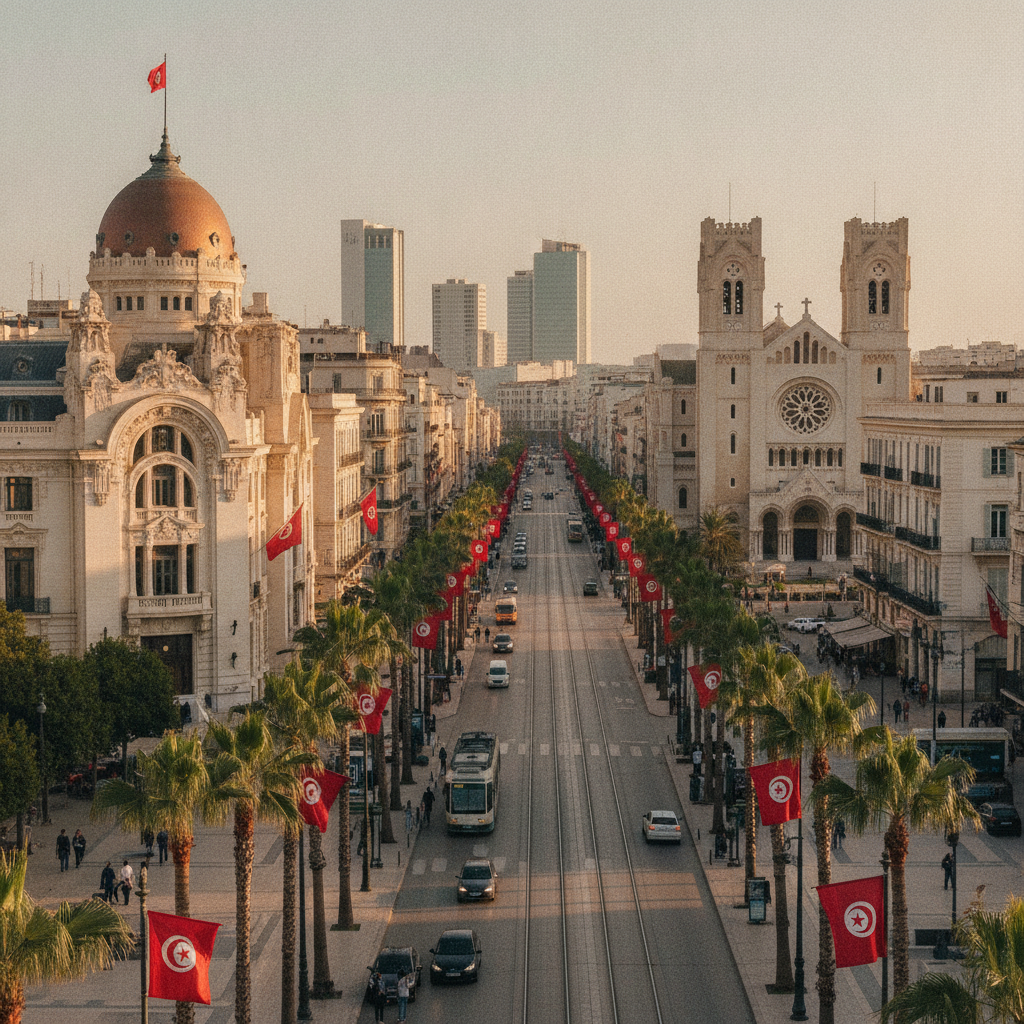
The Avenue Habib Bourguiba, the most ceremonially significant single Tunis boulevard built by the French Protectorate administration after 1881 with the most completely Haussmann-influenced single North African city-planning exercise outside of Casablanca, is lined by the Cathedral of Saint Vincent de Paul (1897), the Municipal Theatre (1902), the French Embassy, and the Hotel du Lac (1973, the most architecturally controversial single Tunis brutalist building shaped like an upturned oil tanker). The Tunis 2011 Arab Spring began on the Avenue Habib Bourguiba and the most historically significant single political event in modern Tunisia.
- 6
Independence and Bourguiba: The Modern Republic
Habib Bourguiba, the most important single figure in Tunisian independence (achieved 1956) and the first President of independent Tunisia (1957-1987), is the most revered single Tunisian political hero for the most progressive single North African modernization program: the abolition of polygamy, the mandatory girls education, the banning of the headscarf in public institutions, and the establishment of the most secular single North African republic. The Bourguiba mausoleum at Monastir (120 kilometers from Tunis) is the most architecturally elaborate single Tunisian presidential memorial and the most visited single Tunisian heritage site outside the Tunis region.
Walk this route with audio
Stories play automatically as you reach each stop — no tapping needed.
More in Tunis
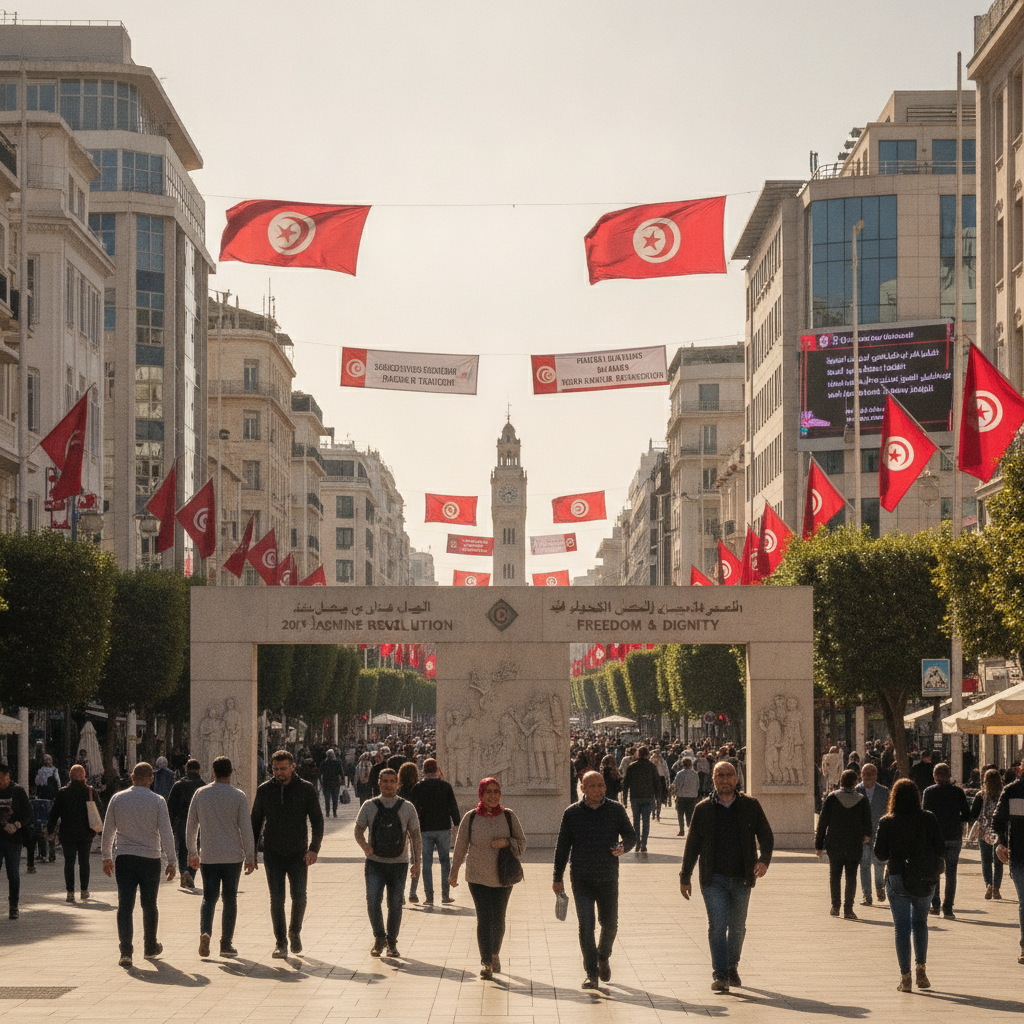
Tunis Modern History: The Arab Spring Jasmine Revolution, the Ben Ali Regime, the Bourguiba Legacy, the Transitional Democracy, and Contemporary Tunisia
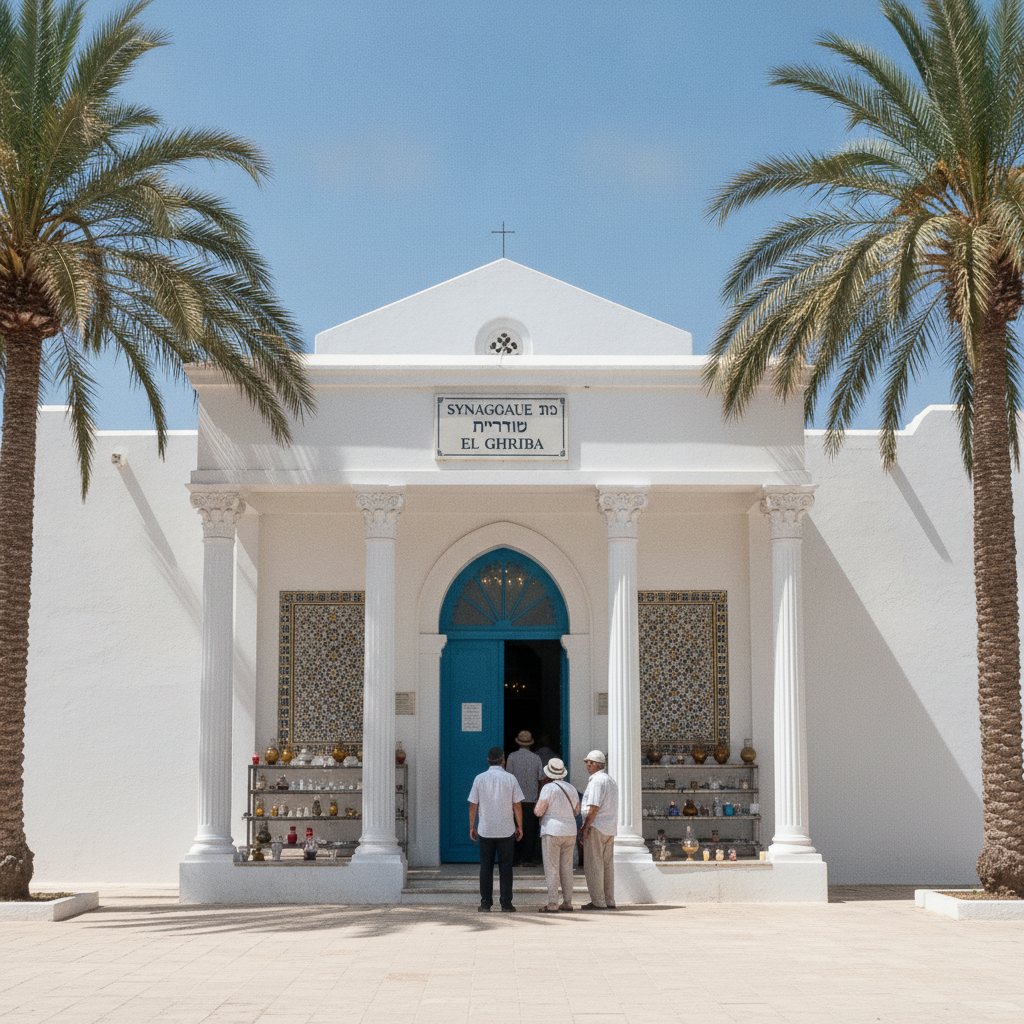
Mohammed Bouazizi Set Himself on Fire on December 17, 2010 and Ben Ali Fled Tunisia 28 Days Later Triggering Arab Spring Revolutions Across 6 Countries; El Ghriba Synagogue on Djerba Has a Legendary Founding Date of 586 BCE Making It the Oldest Synagogue in Africa; the Tunisian Rapper El General's Track Rayes Lebled Criticizing Ben Ali Became the Anthem of the Revolution After Going Viral on Facebook
The Punic Language Survived as a Spoken Vernacular in Roman North Africa Until the 5th Century CE When Augustine of Hippo Mentions Punic Speakers in His Parish; The Vandals Sacked Rome in 455 CE from Their Base in Carthage and May Have Taken the Temple Treasures of Jerusalem; the Arab Berber Queen Dihya (Kahina) Defeated an Arab Army and Is Honored Both as a Brave Enemy in Muslim Tradition and as a National Hero in Berber Tradition
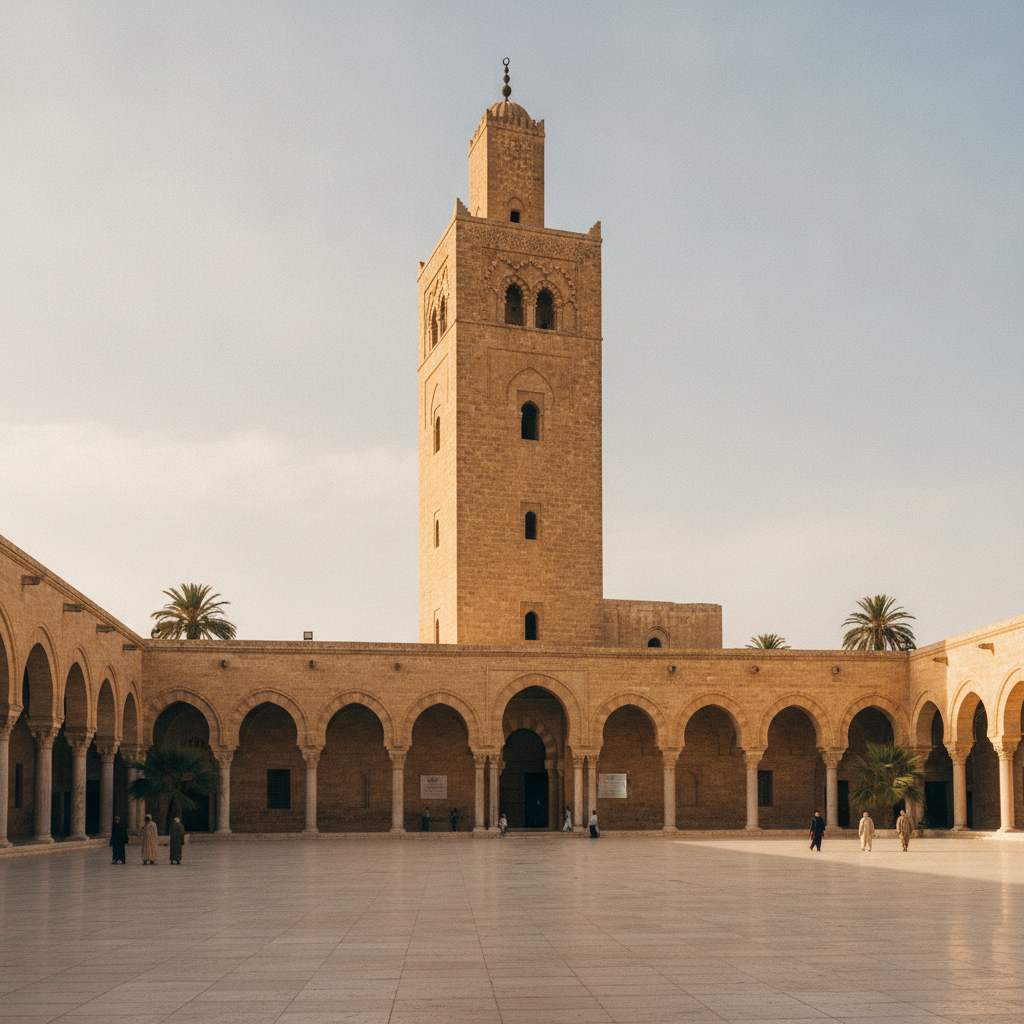
Tunis Day Trips: Kairouan the Holy City, the Great Mosque of Kairouan, the Aghlabid Basins, the Ribat of Monastir, and the Sahel Coast Circuit
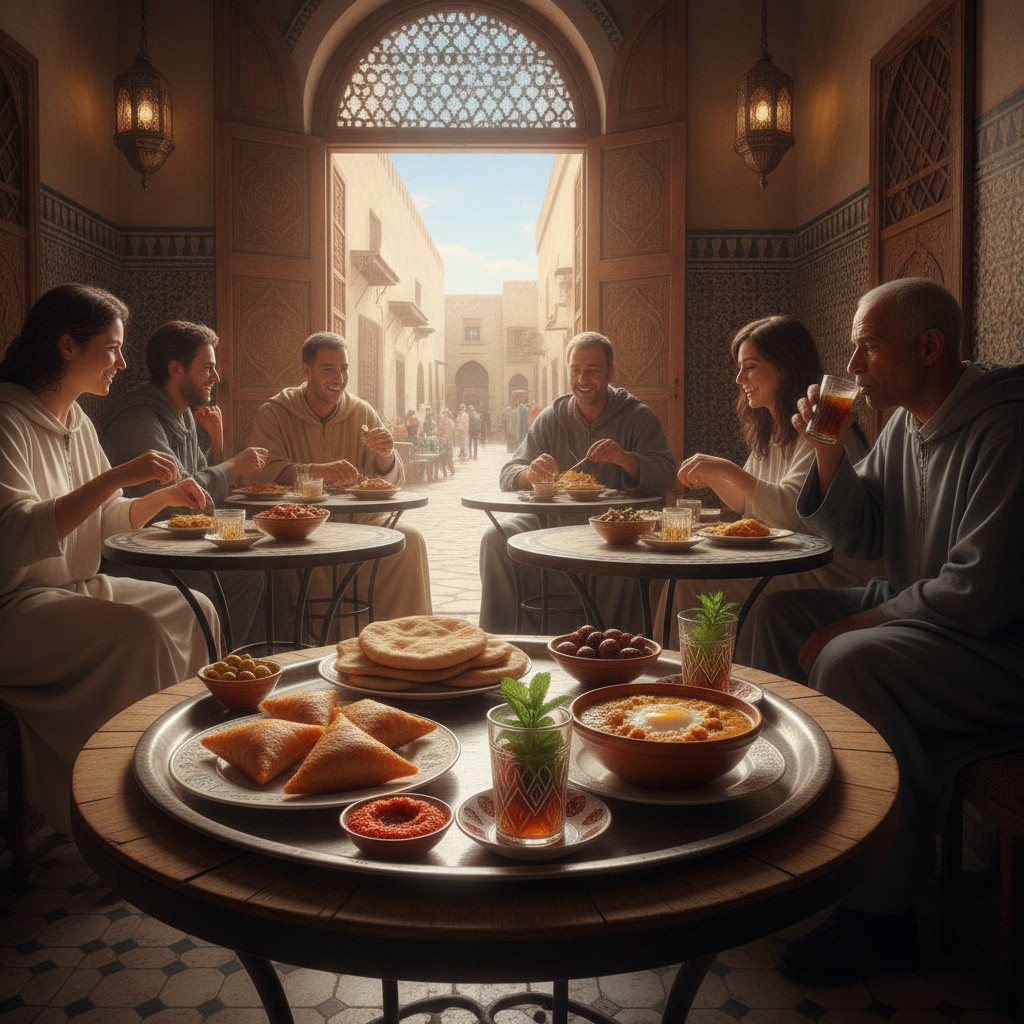
Tunis Food and Culture: The Brik, the Harissa, the Lablabi, the Malouf Andalusian Music, and the Tunis Cafe Culture