Tunis Craft and Market: The Souk Chechia Hat Makers, the Jasmine Tradition, the Olive Oil Culture, the Hafsia Jewish Quarter, and the Medina Food Market
The Tunis craft and market route covers the souk chechia (the red wool cap hat makers) as the most distinctive single Tunisian craft, the jasmine tradition as the most sensory single Tunis medina experience, the Tunisian olive oil culture, the Hafsia Jewish quarter, and the medina food market.
- 1
Souk el-Chechia: The Red Hat Tradition
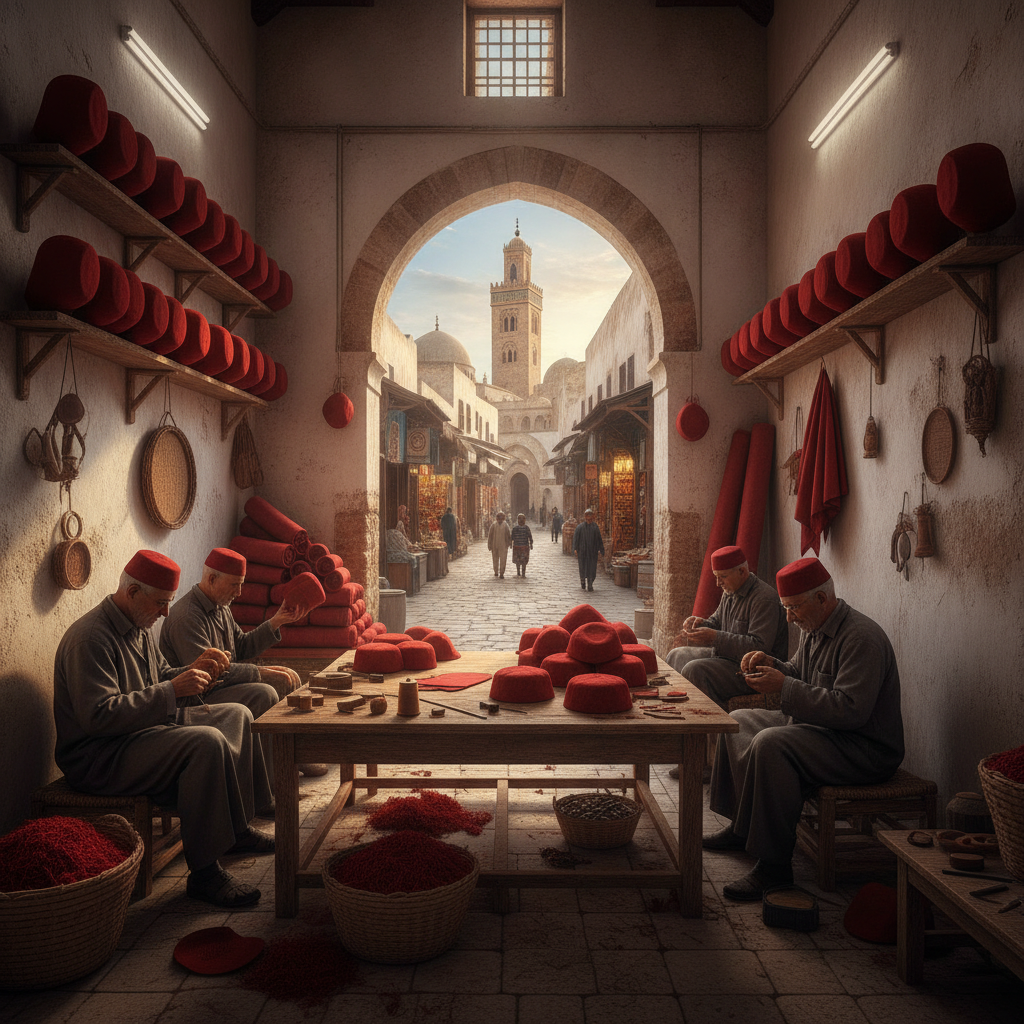
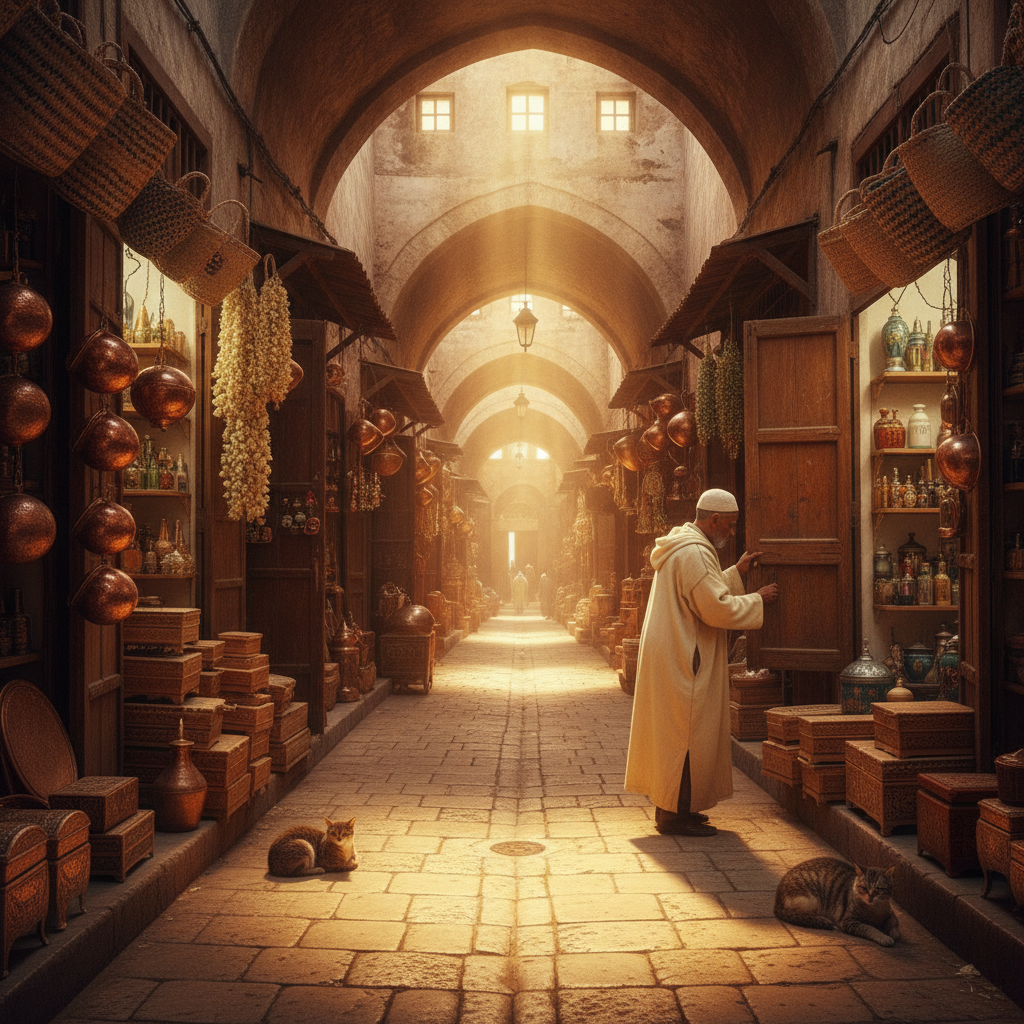
The souk el-Chechia in the Tunis medina, where the last artisan workshops produce the chechia (the crimson felt cap worn by the Tunisian man in the traditional dress and historically exported across the Ottoman Empire), is the most historically continuous single Tunisian craft tradition with 500 years of uninterrupted production. The chechia making process (the most labor-intensive single Tunisian felt craft: 37 manufacturing steps from the raw wool to the finished red cap) is the most artisanally complex single North African headwear tradition.
- 2
Jasmine: The Tunis Sensory Identity
The Tunis jasmine (the Jasminum sambac cultivar known as the Tunisian jasmine or the Arabian jasmine, the most fragrant single flower in the North African tradition), sold by the street vendors throughout the medina as the individually tied tiny flower bouquets pinned to the shirt or tucked behind the ear, is the most immediately recognizable single Tunis sensory experience. The jasmine vendor circuit in the Tunis medina is the most completely mobile single flower market in the Maghreb and the tradition most directly identifying the Tunis social culture.
- 3
Tunisian Olive Oil: The Ancient Agricultural Tradition
Tunisia is the fourth largest single olive oil producer in the world with the 110 million olive trees (the most olive tree-dense single North African country per hectare) and the Sfax and the Cap Bon olive oil production representing the most commercially important single Tunisian agricultural export. The Tunis medina olive oil market with the raw pressed oil in the traditional clay amphora-style containers and the 300-year-old olive press ruins in the Bir el-Hammam district of the medina are the most directly historical single olive oil distribution sites in Tunisia.
- 4
Hafsia Quarter: The Jewish Heritage District
The Hafsia quarter of the Tunis medina, the restored former Jewish neighborhood that was the most important single Jewish community in North Africa until the mass emigration to France and Israel after 1948, preserves the most historically significant single Sephardic Jewish urban fabric in the Maghreb with the synagogue remains, the jewelry workshops (the Tunisian Jewish silver and gold filigree tradition, the most technically refined single North African Jewish craft), and the most completely restored single medieval neighborhood in the Tunis medina.
- 5
La Manouba and the Medina Food Market: The Tunisian Kitchen
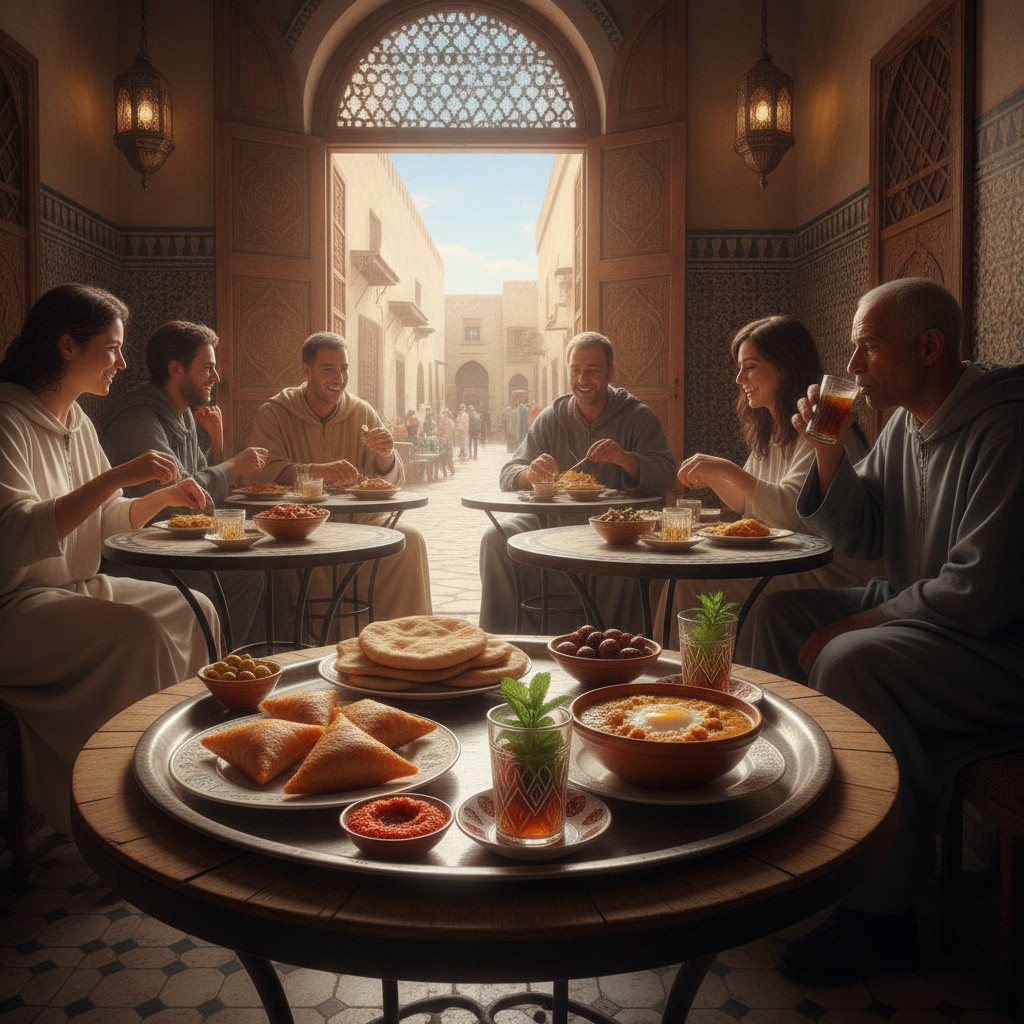
The Tunis medina food market concentrated in the Halfaouine square area serves the most authentically prepared single Tunisian street food with the fricassee (the most distinctively Tunisian single sandwich: the fried bread filled with tuna, harissa, olives, capers, and preserved lemon), the brik (the paper-thin pastry with the egg and tuna filling, the most technically demanding single Tunisian street food), and the lablabi (the chickpea and bread soup, the most nutritionally complete single Tunisian working-class breakfast).
- 6
Cap Bon Peninsula: The Tunis Day Trip Garden
The Cap Bon peninsula 60 kilometers northeast of Tunis, the most agriculturally productive single Tunisian region with the jasmine cultivation (the most commercially significant single Tunisian flower industry supplying the Grasse perfume factories), the Muscat of Kelibia white wine (the most distinctive single Tunisian wine), and the Hammamet resort (the most internationally developed single Tunisian beach resort before Djerba), is the most completely Mediterranean single Tunis day trip combining the Berbero-Roman ruins at Kerkouane (the most completely preserved single Punic city in the world) with the Cap Bon fishing village circuit.
Walk this route with audio
Stories play automatically as you reach each stop — no tapping needed.
More in Tunis
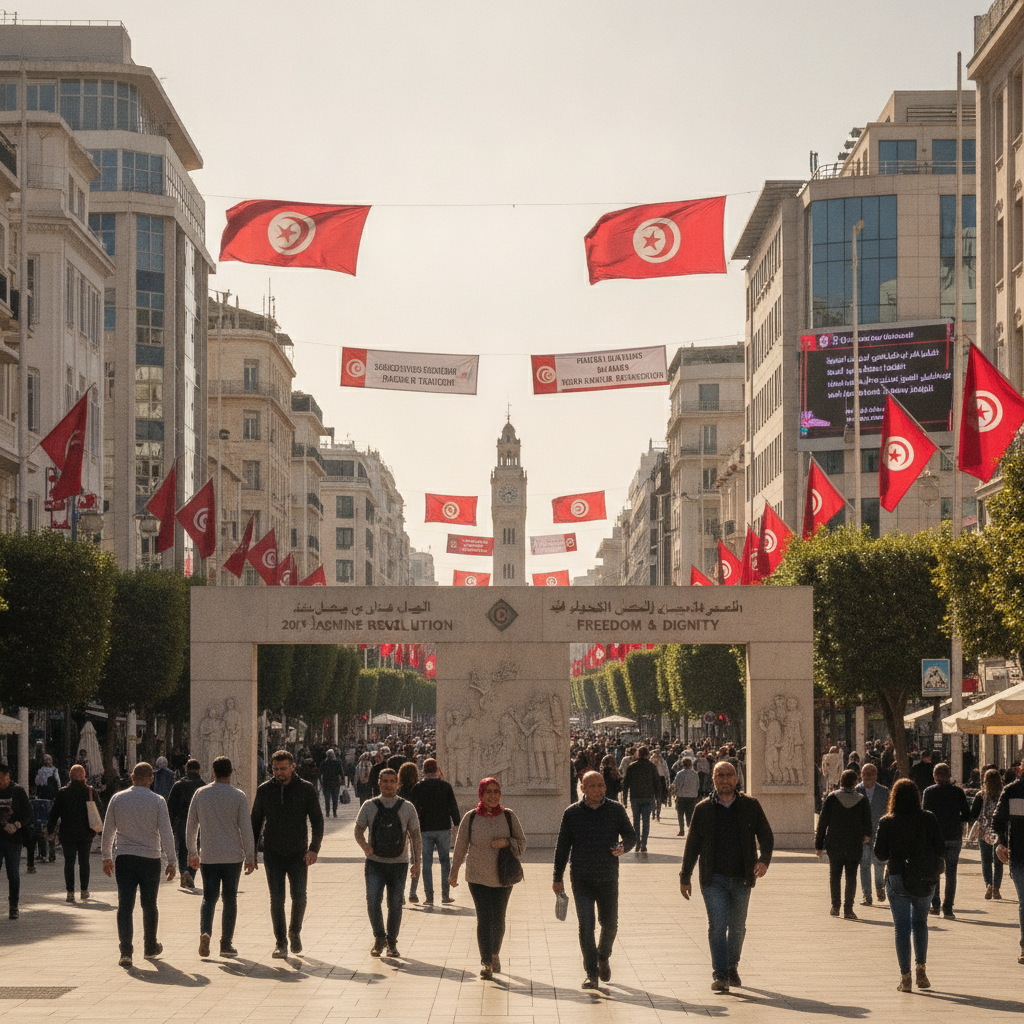
Tunis Modern History: The Arab Spring Jasmine Revolution, the Ben Ali Regime, the Bourguiba Legacy, the Transitional Democracy, and Contemporary Tunisia
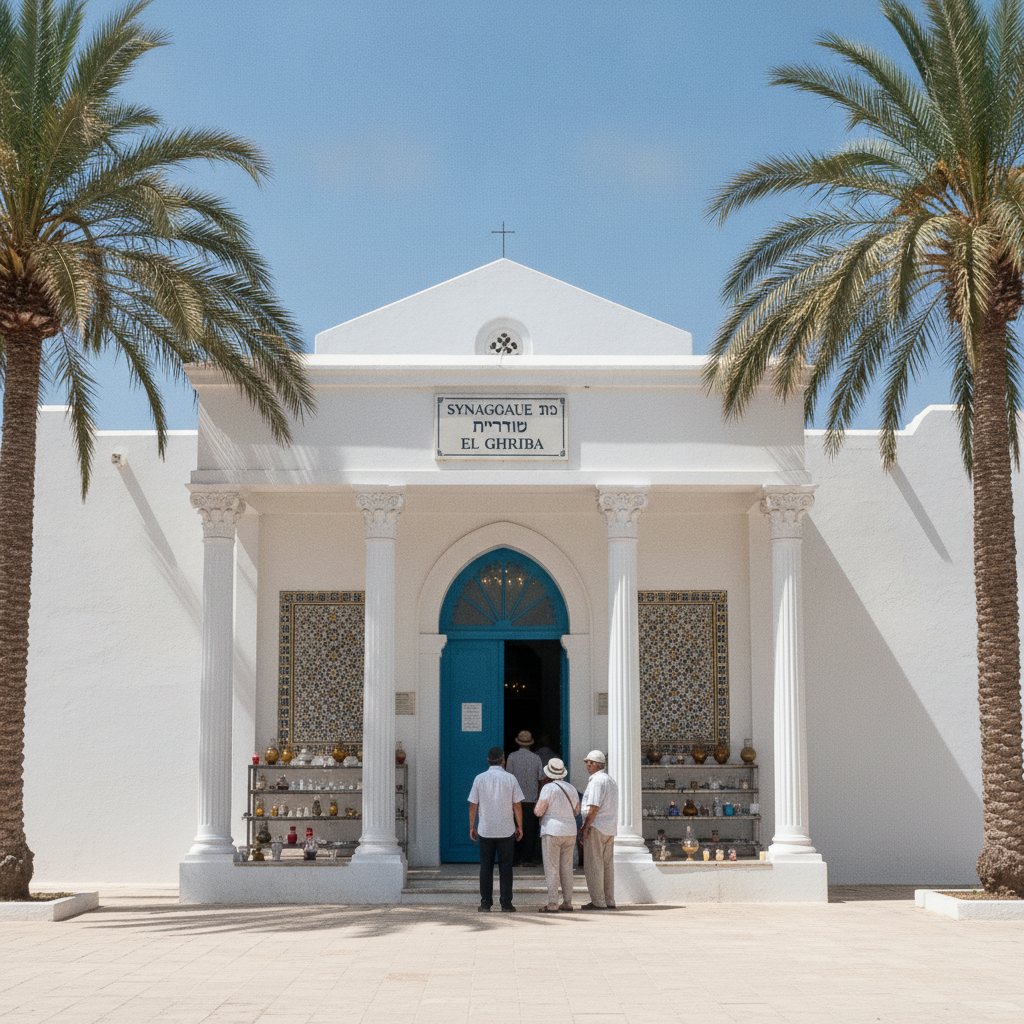
Mohammed Bouazizi Set Himself on Fire on December 17, 2010 and Ben Ali Fled Tunisia 28 Days Later Triggering Arab Spring Revolutions Across 6 Countries; El Ghriba Synagogue on Djerba Has a Legendary Founding Date of 586 BCE Making It the Oldest Synagogue in Africa; the Tunisian Rapper El General's Track Rayes Lebled Criticizing Ben Ali Became the Anthem of the Revolution After Going Viral on Facebook
The Punic Language Survived as a Spoken Vernacular in Roman North Africa Until the 5th Century CE When Augustine of Hippo Mentions Punic Speakers in His Parish; The Vandals Sacked Rome in 455 CE from Their Base in Carthage and May Have Taken the Temple Treasures of Jerusalem; the Arab Berber Queen Dihya (Kahina) Defeated an Arab Army and Is Honored Both as a Brave Enemy in Muslim Tradition and as a National Hero in Berber Tradition
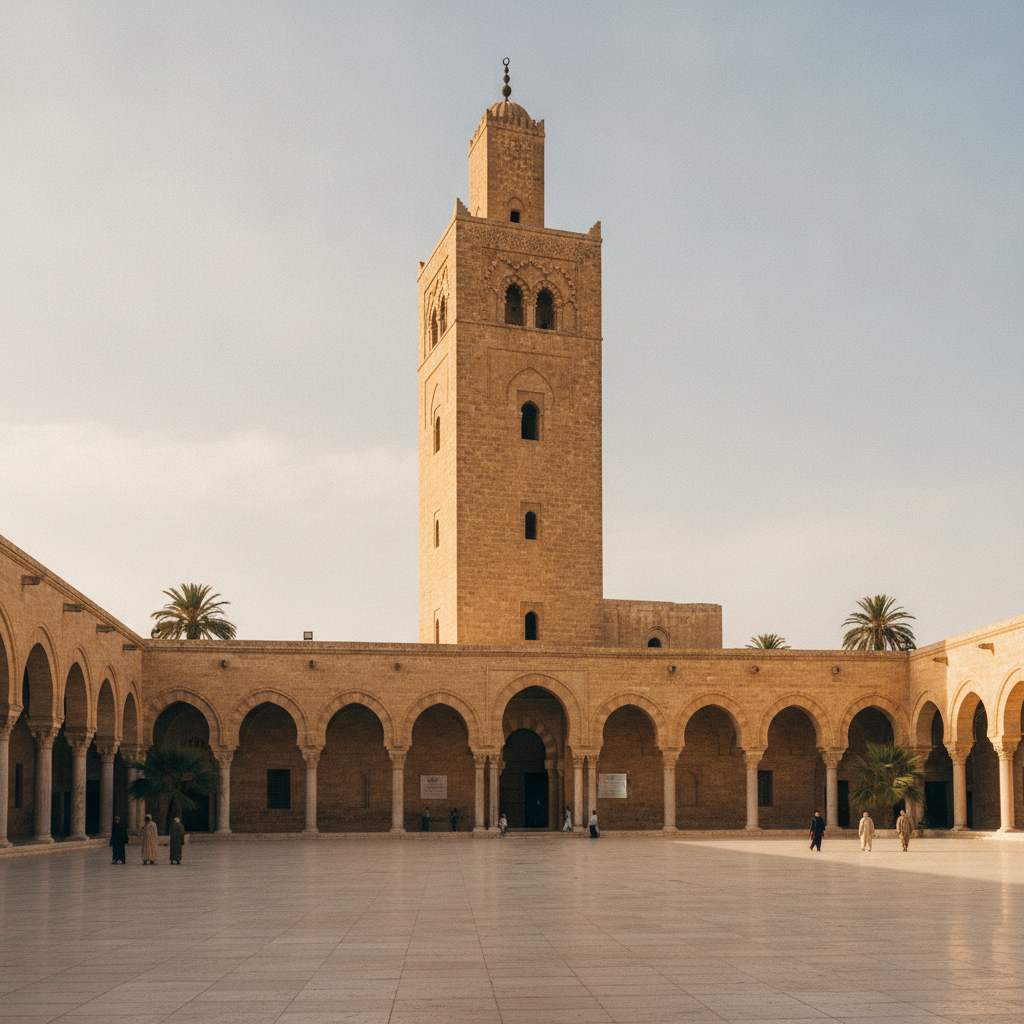
Tunis Day Trips: Kairouan the Holy City, the Great Mosque of Kairouan, the Aghlabid Basins, the Ribat of Monastir, and the Sahel Coast Circuit
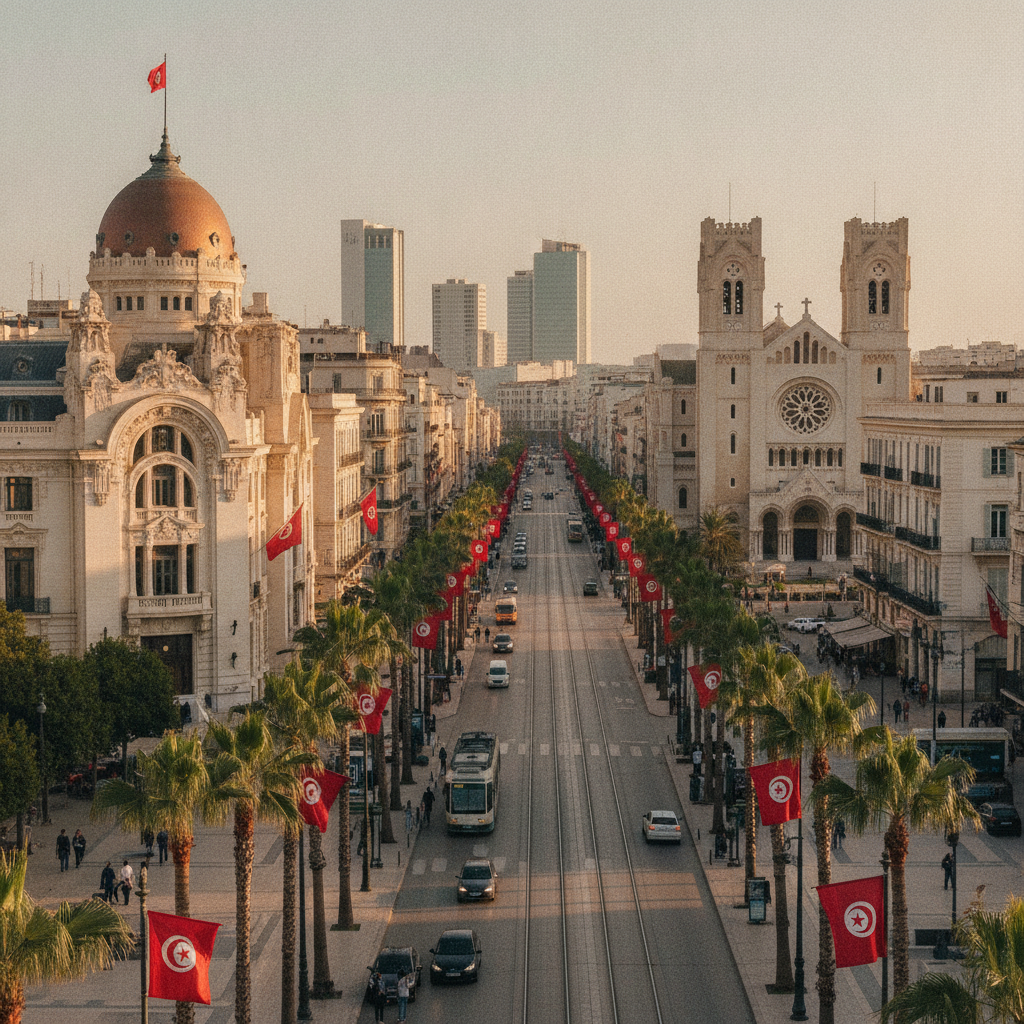
Tunis History: The Aghlabid Founders, the Hafsid Golden Age, the Ottoman Regency, the Husseinid Beys, and the French Protectorate Avenue Habib Bourguiba