Tunis Essential: The Great Mosque of Zitouna, the Bardo National Museum, Carthage Ruins, the Sidi Bou Said Blue Village, and the UNESCO Medina
The Tunis essential circuit covers the Great Mosque of Zitouna as the oldest single Islamic university in the world, the Bardo National Museum with the most extensive Roman mosaic collection on earth, the Carthage ruins as the most historically significant single Phoenician-Roman site in Africa, the Sidi Bou Said blue and white village, and the UNESCO medina.
- 1
Great Mosque of Zitouna: The World Oldest University
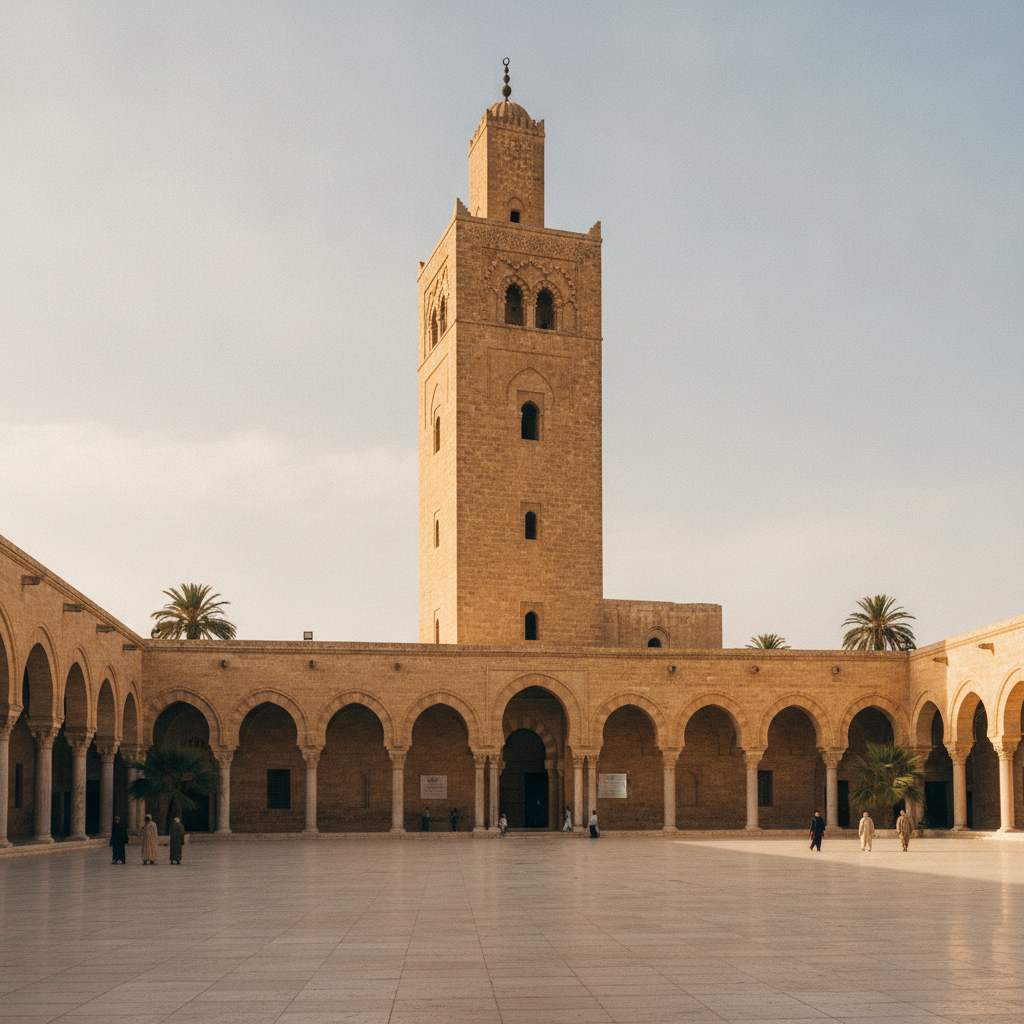
The Great Mosque of Zitouna (founded 737 AD), the most educationally significant single Islamic monument in Tunisia and the institution whose Quranic school preceded Al-Azhar in Cairo as the oldest continuously operating educational institution in the world, is the spiritual and architectural heart of the Tunis medina. The Zitouna prayer hall with the 184 columns (mostly reused Roman and Byzantine capitals from the Carthage ruins) and the 9th century aghlabid arcade is the most architecturally diverse single Islamic interior in Tunisia.
- 2
Tunis Medina: The UNESCO Islamic City
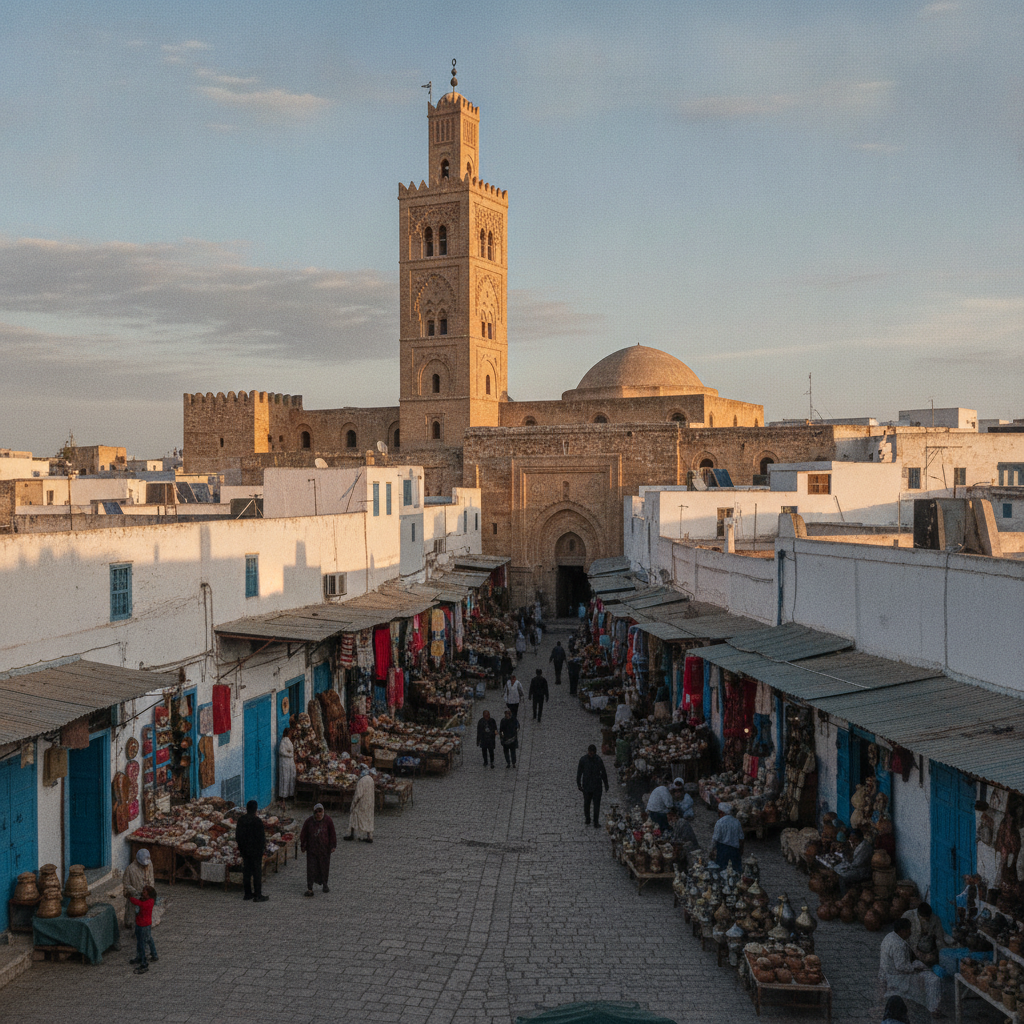
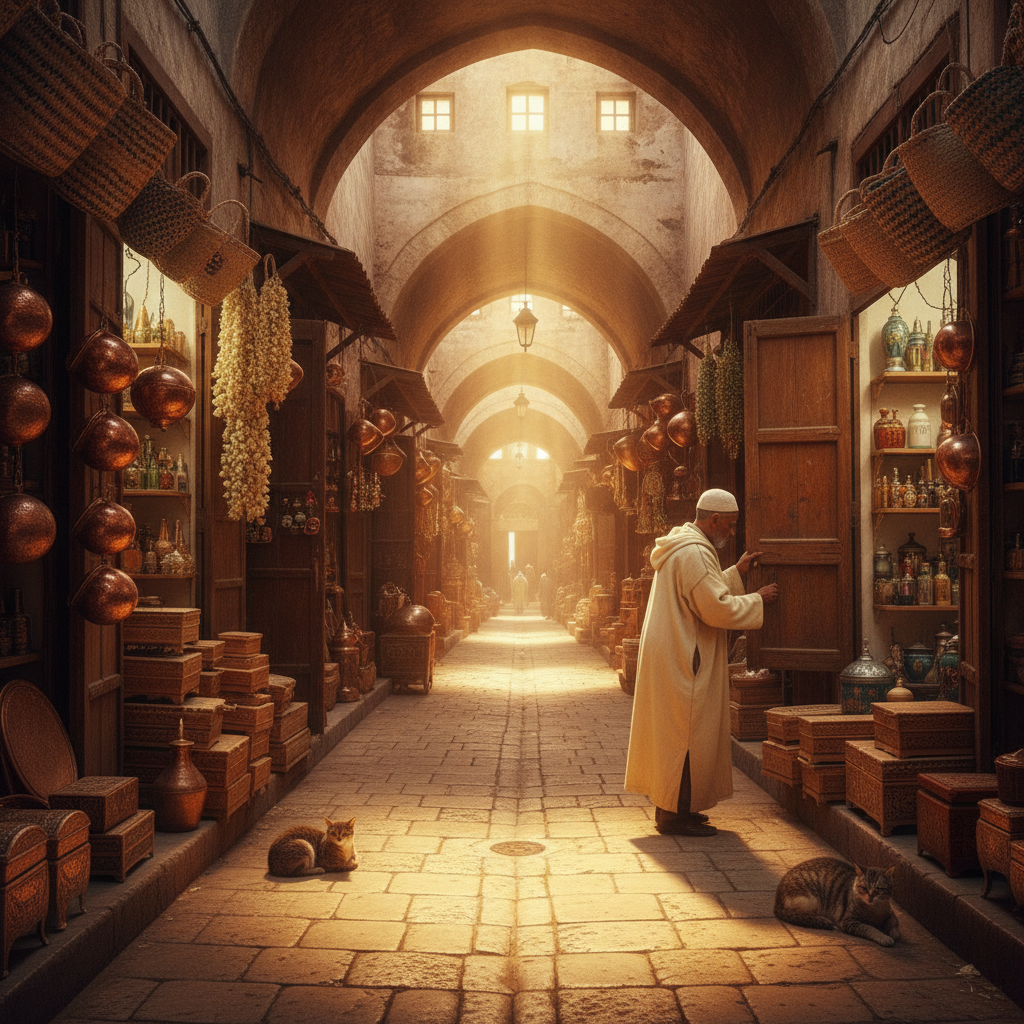
The Tunis medina (UNESCO World Heritage Site since 1979), the most completely preserved single Islamic city in the Maghreb with the 700 monuments, the 100 mosques, the 20 medersa schools, and the 50 fondouks (merchant lodges), is more intact than the Fes medina because the French colonial administration built the most completely separate single European new town rather than inserting colonial buildings in the medina. The Tunis medina souks (the souk el-Attarine perfume market, the souk el-Berka jewelry market, and the souk el-Trouk fabric) are the most functionally specialized single souk cluster in North Africa.
- 3
Bardo National Museum: The World Roman Mosaic Capital
The Bardo National Museum in Tunis, housed in the former Hafsid and Ottoman Bey palace, holds the most extensive single Roman mosaic collection in the world with the Virgil mosaic (the most famous single ancient portrait of the Latin poet, 3rd century AD), the Ulysses and the Sirens mosaic (the most narratively complete single Odyssey illustration in the Roman mosaic tradition), and 3,000 additional mosaic panels from the Roman cities of North Africa. The Bardo is the most important single classical antiquity museum in Africa.
- 4
Carthage: The Phoenician-Roman Capital
The Carthage ruins on the Bay of Tunis promontory (UNESCO World Heritage Site), the remains of the most commercially powerful single Phoenician city in the ancient Mediterranean that Hannibal used as the base for the most militarily audacious single ancient campaign (the Alps elephant crossing), include the Antonine Baths (the third largest Roman bath complex in the world), the Tophet sanctuary (the most controversial single Phoenician religious site), and the Punic ports (the most archaeologically complete single ancient naval harbor). The hilltop Carthage residential quarter provides the most panoramically complete single Bay of Tunis view.
- 5
Sidi Bou Said: The Blue and White Cliff Village
Sidi Bou Said, the clifftop village 20 kilometers northeast of Tunis where the whitewashed houses with the cobalt blue doors and window grilles cascade down to the Mediterranean Bay of Tunis, is the most aesthetically coherent single Tunisian village and the destination that most influenced the European Mediterranean village color scheme tradition. Paul Klee, August Macke, and Andre Gide all stayed in Sidi Bou Said and the village is the most artist-colony-associated single North African location. The Cafe des Nattes, the most traditionally Tunisian single cafe in Sidi Bou Said, serves the most fragrant single pine nut tea in Tunisia.
- 6
La Marsa and Gammarth: The Tunis Coastal Resort
La Marsa and Gammarth, the affluent coastal suburbs north of Tunis on the Bay of Tunis, are the most Mediterranean single Tunisian residential and resort areas with the seaside promenade, the European-style restaurants and cafes, and the most internationally frequented single Tunis social circuit. The La Marsa seafront at sunset with the whitewashed villas, the Sidi Bou Said cliff visible to the north, and the Tunis city skyline visible to the south provides the most complete single Bay of Tunis panoramic social experience.
Walk this route with audio
Stories play automatically as you reach each stop — no tapping needed.
More in Tunis
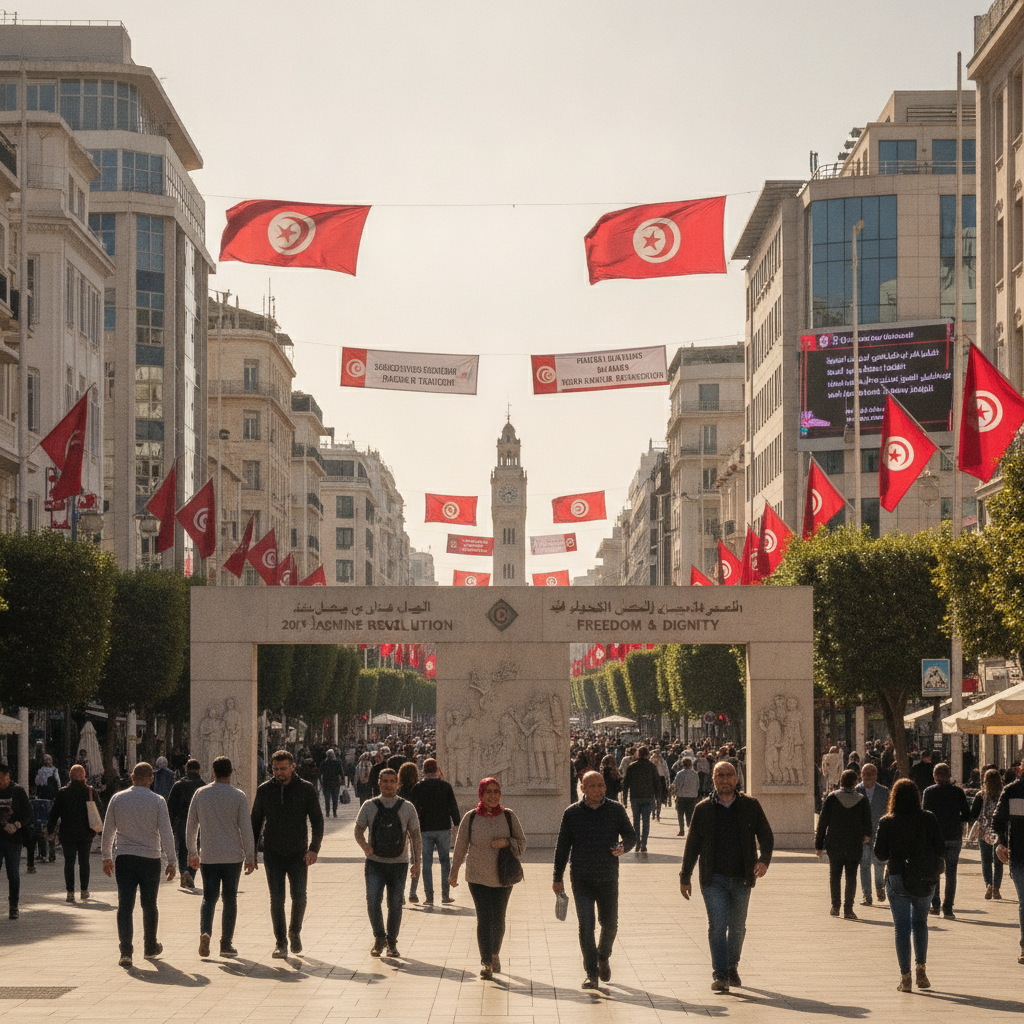
Tunis Modern History: The Arab Spring Jasmine Revolution, the Ben Ali Regime, the Bourguiba Legacy, the Transitional Democracy, and Contemporary Tunisia
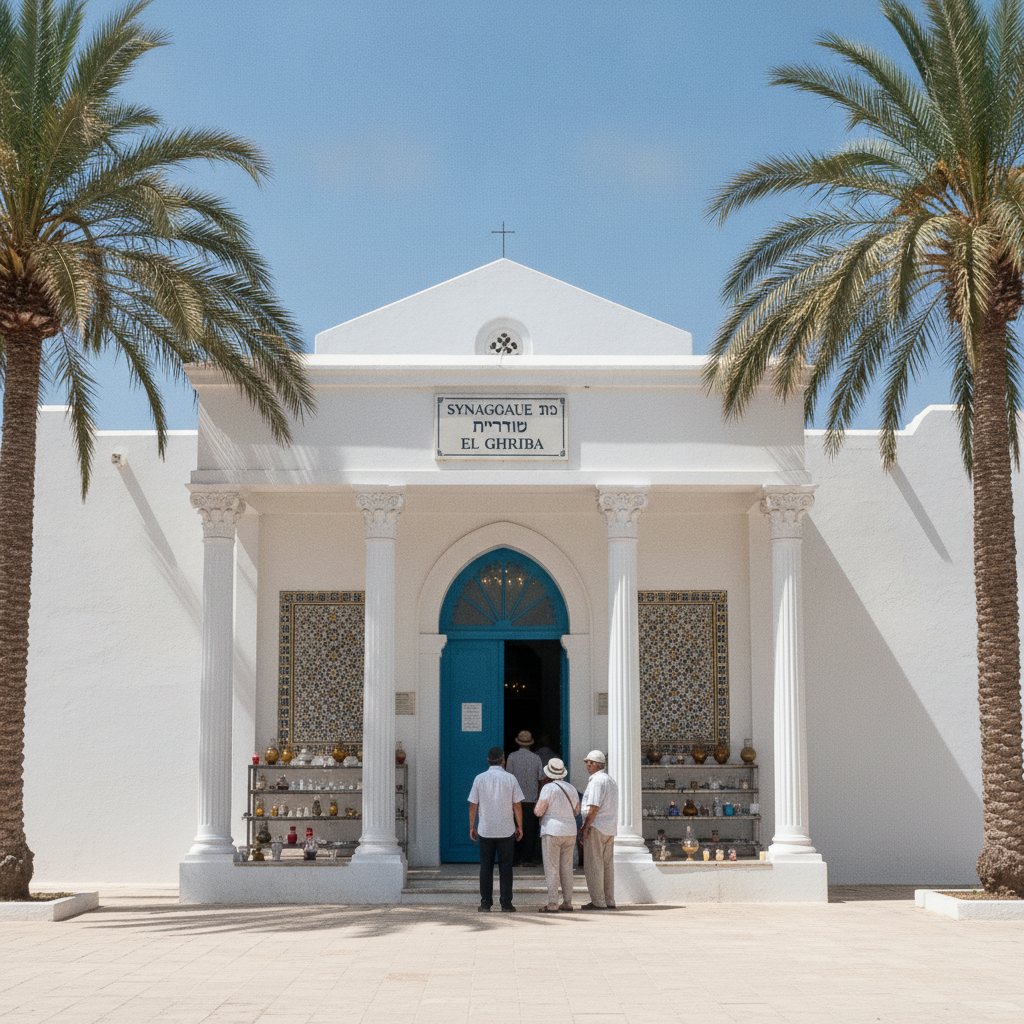
Mohammed Bouazizi Set Himself on Fire on December 17, 2010 and Ben Ali Fled Tunisia 28 Days Later Triggering Arab Spring Revolutions Across 6 Countries; El Ghriba Synagogue on Djerba Has a Legendary Founding Date of 586 BCE Making It the Oldest Synagogue in Africa; the Tunisian Rapper El General's Track Rayes Lebled Criticizing Ben Ali Became the Anthem of the Revolution After Going Viral on Facebook
The Punic Language Survived as a Spoken Vernacular in Roman North Africa Until the 5th Century CE When Augustine of Hippo Mentions Punic Speakers in His Parish; The Vandals Sacked Rome in 455 CE from Their Base in Carthage and May Have Taken the Temple Treasures of Jerusalem; the Arab Berber Queen Dihya (Kahina) Defeated an Arab Army and Is Honored Both as a Brave Enemy in Muslim Tradition and as a National Hero in Berber Tradition
Tunis Day Trips: Kairouan the Holy City, the Great Mosque of Kairouan, the Aghlabid Basins, the Ribat of Monastir, and the Sahel Coast Circuit
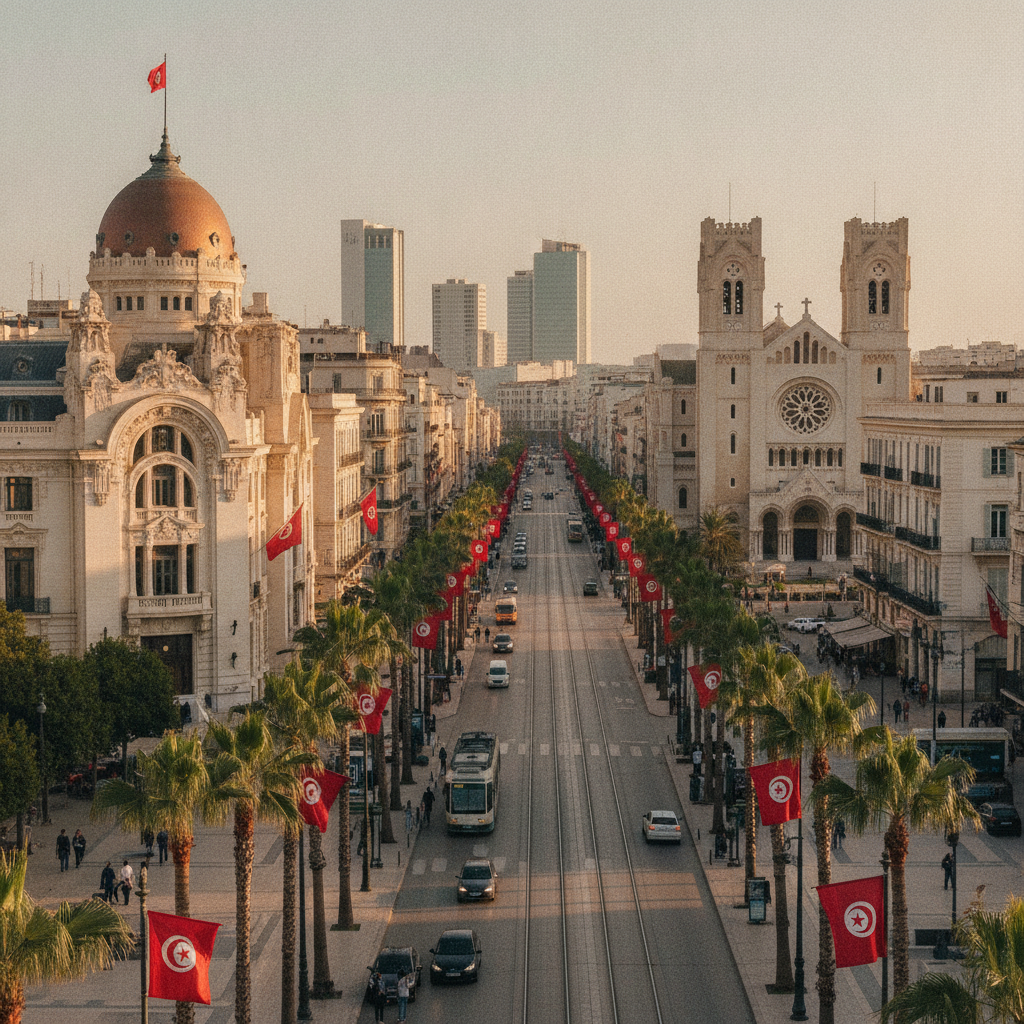
Tunis History: The Aghlabid Founders, the Hafsid Golden Age, the Ottoman Regency, the Husseinid Beys, and the French Protectorate Avenue Habib Bourguiba