Carthage Deep Dive: The Byrsa Hill Citadel, the Antonine Baths, the Punic Ports, the Tophet, and the Dido Foundation Legend
The Carthage deep dive covers the Byrsa Hill as the original Phoenician citadel and the most historically charged single hill in North Africa, the Antonine Baths as the most physically impressive single Carthage Roman monument, the Punic naval and commercial ports as the most archaeologically significant single ancient harbor, the Tophet sanctuary, and the Dido foundation legend.
- 1
Byrsa Hill: The Phoenician Citadel of Dido
The Byrsa Hill (the Phoenician word for citadel, giving the name Carthage from Qart-Hadasht, the New City), the 60-meter hill where the Phoenician princess Dido (Elissa) founded Carthage in 814 BC in the most cleverly negotiated single land purchase legend (Dido asked for the land coverable by a single ox hide and then cut it into strips to encircle the most land area), is the most historically mythologized single hill in North Africa. The Byrsa Hill today contains the most accessible single Punic urban quarter excavation in Carthage with the 2nd century BC streets and the Punic house foundations.
- 2
Antonine Baths: The Roman Imperial Luxury
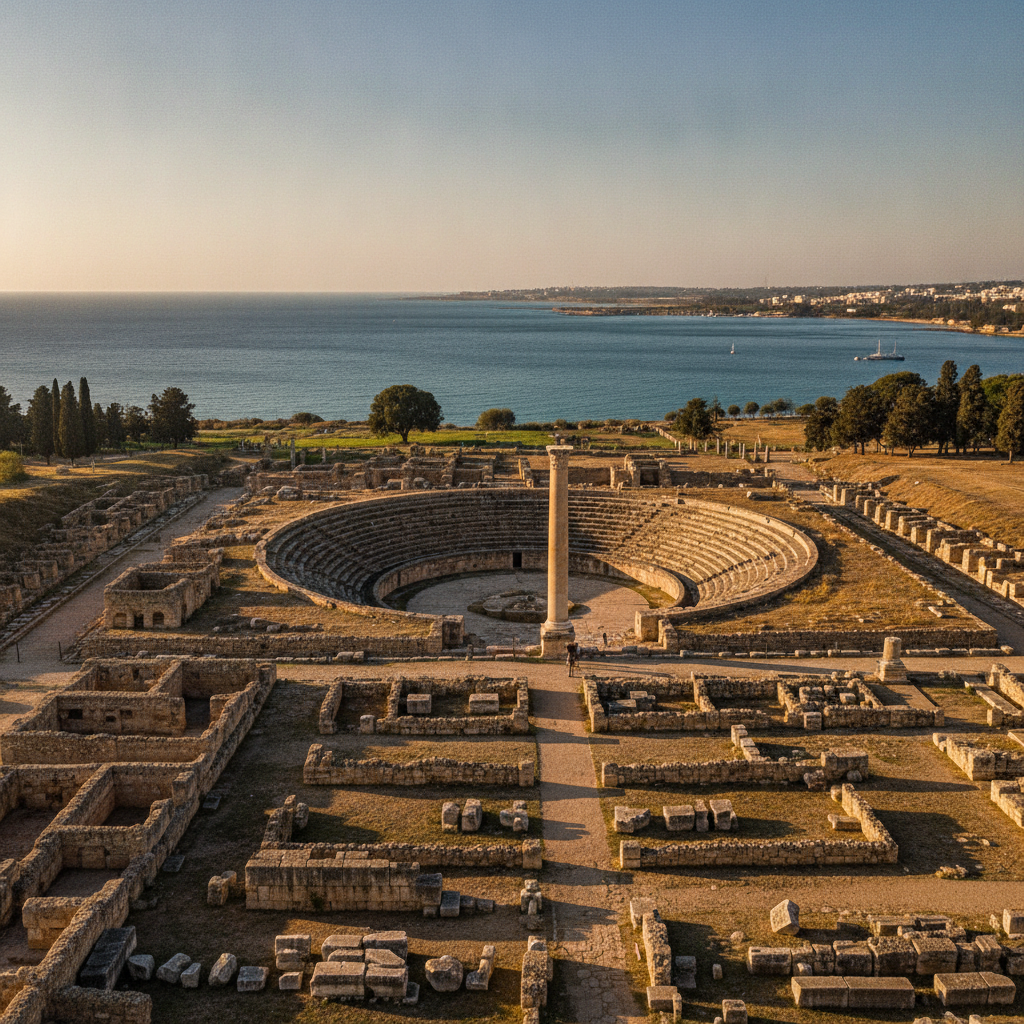
The Antonine Baths of Carthage (2nd century AD, the third largest Roman bath complex in the world after the Diocletian and the Caracalla Baths in Rome), built by the Emperor Antoninus Pius as the most lavishly equipped single public bathing facility in the African Roman province, covered 3 hectares and employed the most technically sophisticated single Roman underfloor heating (hypocaust) and sea-water pool engineering. The single re-erected column on the Antonine bath terrace provides the most dramatically scaled single Roman monument on the Mediterranean shoreline in Africa.
- 3
Punic Ports: The Ancient Naval Engineering
The Carthage Punic ports (the rectangular commercial port and the circular military port, the most completely planned single ancient dual-harbor system in the Mediterranean), where the Carthaginian fleet of 220 warships was maintained in the most sophisticated single ancient dry-dock system (with the individual galley sheds around the circular naval port perimeter), are the most archaeologically significant single pre-Roman harbor remains in the world. The International Congress on Underwater Archaeology has cited the Carthage Punic ports as the most important single Mediterranean underwater archaeological priority.
- 4
Tophet: The Most Controversial Phoenician Site
The Tophet sanctuary of Carthage, the open-air sacred precinct where the most archaeologically contentious single ancient religious practice allegedly occurred (the ancient sources claim the Carthaginians sacrificed children to Baal Hammon and Tanit, the most hotly debated single interpretation in North African classical archaeology), contains the urns with the cremated human and animal remains that the most recent isotopic analysis suggests were primarily the natural infant deaths ritually deposited. The Tophet is the most archaeologically thought-provoking single Carthage site.
- 5
Carthage Museum: The Punic Collection
The National Museum of Carthage on the Byrsa Hill, the most specifically Punic-focused single Tunisian museum with the Punic clay masks (the most alarming single ancient facial expression collection in North Africa), the Punic jewelry (the most elaborately granulated single Phoenician goldwork in the Maghreb), and the Punic inscriptions (the most extensive single corpus of the Punic language in any single North African museum) documenting the most commercially sophisticated single pre-Roman Mediterranean civilization.
- 6
Dougga: The Best Preserved Roman City in Africa
Dougga (ancient Thugga, UNESCO World Heritage Site), 100 kilometers southwest of Tunis, is the most completely preserved single Roman provincial city in Africa with the most intact Roman theatre (1,200 seats, the most frequently used single ancient theatre in Tunisia for the annual summer festival), the Capitol temple (the most architecturally complete single Roman Capitoline temple in Africa), and the pre-Roman Libyco-Punic mausoleum (the most complete single Numidian royal tomb in existence). Dougga is the most recommended single Roman heritage day trip from Tunis.
Walk this route with audio
Stories play automatically as you reach each stop — no tapping needed.
More in Tunis
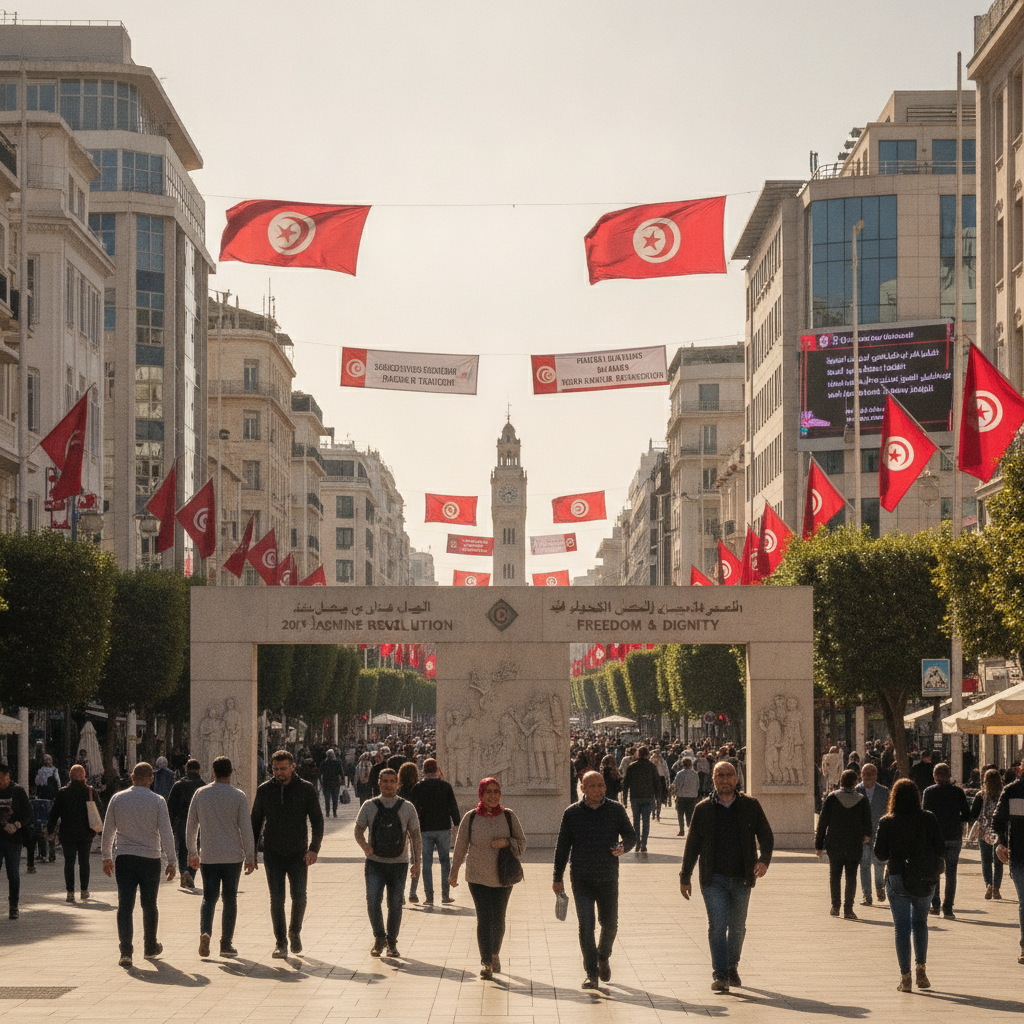
Tunis Modern History: The Arab Spring Jasmine Revolution, the Ben Ali Regime, the Bourguiba Legacy, the Transitional Democracy, and Contemporary Tunisia
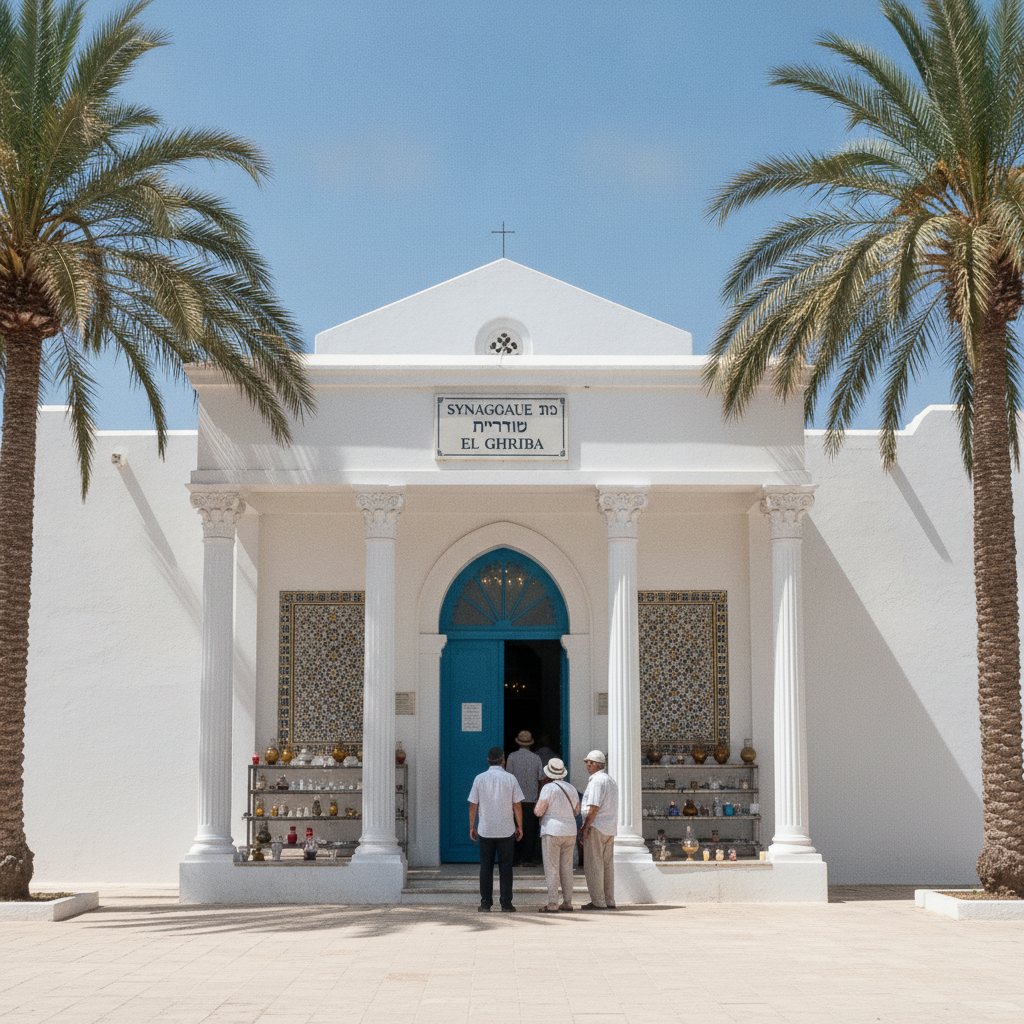
Mohammed Bouazizi Set Himself on Fire on December 17, 2010 and Ben Ali Fled Tunisia 28 Days Later Triggering Arab Spring Revolutions Across 6 Countries; El Ghriba Synagogue on Djerba Has a Legendary Founding Date of 586 BCE Making It the Oldest Synagogue in Africa; the Tunisian Rapper El General's Track Rayes Lebled Criticizing Ben Ali Became the Anthem of the Revolution After Going Viral on Facebook
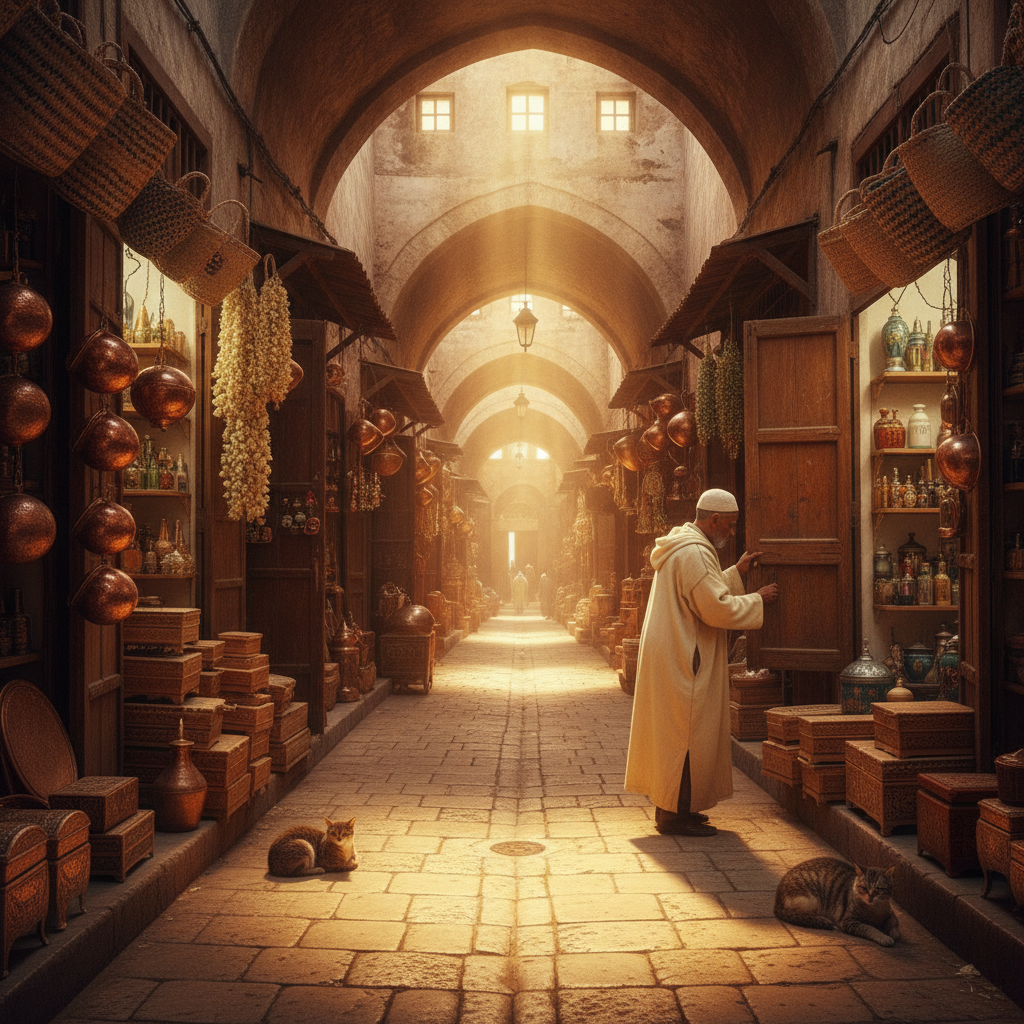
The Punic Language Survived as a Spoken Vernacular in Roman North Africa Until the 5th Century CE When Augustine of Hippo Mentions Punic Speakers in His Parish; The Vandals Sacked Rome in 455 CE from Their Base in Carthage and May Have Taken the Temple Treasures of Jerusalem; the Arab Berber Queen Dihya (Kahina) Defeated an Arab Army and Is Honored Both as a Brave Enemy in Muslim Tradition and as a National Hero in Berber Tradition
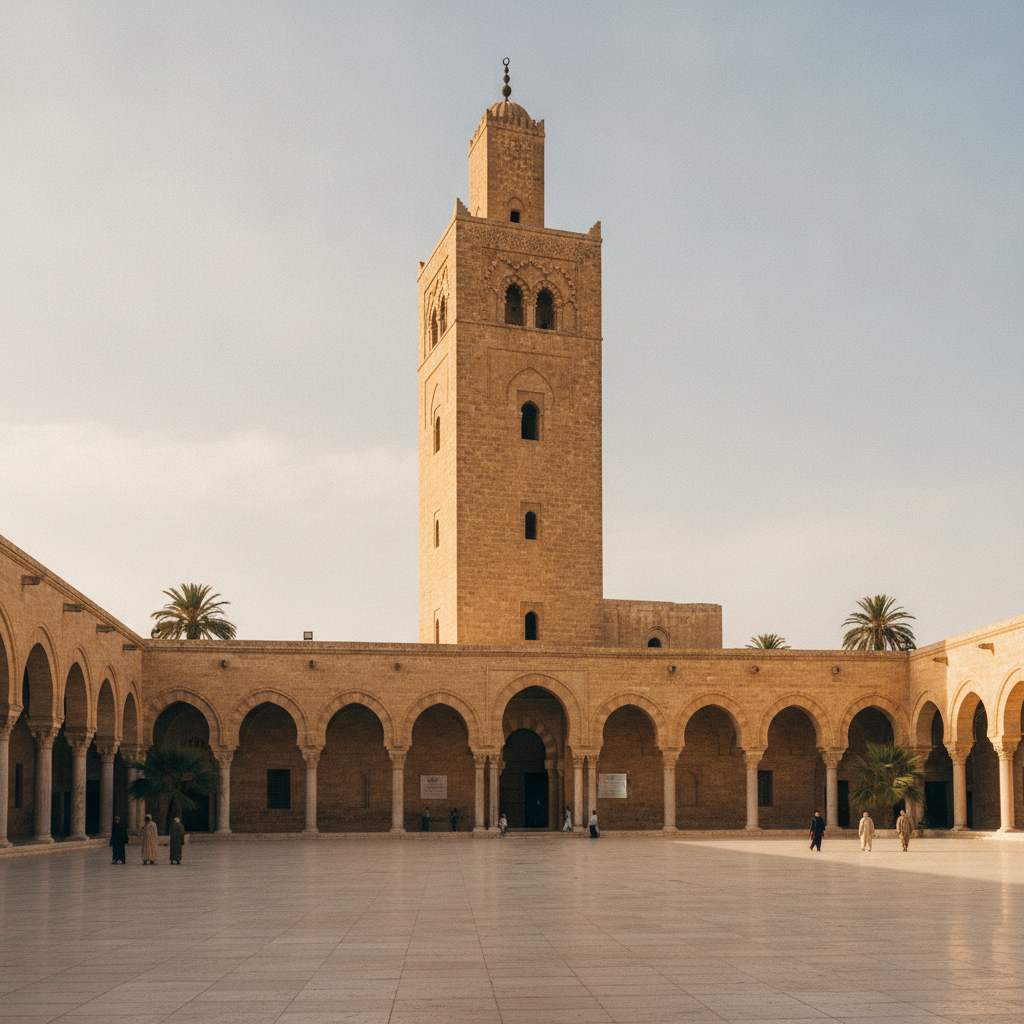
Tunis Day Trips: Kairouan the Holy City, the Great Mosque of Kairouan, the Aghlabid Basins, the Ribat of Monastir, and the Sahel Coast Circuit
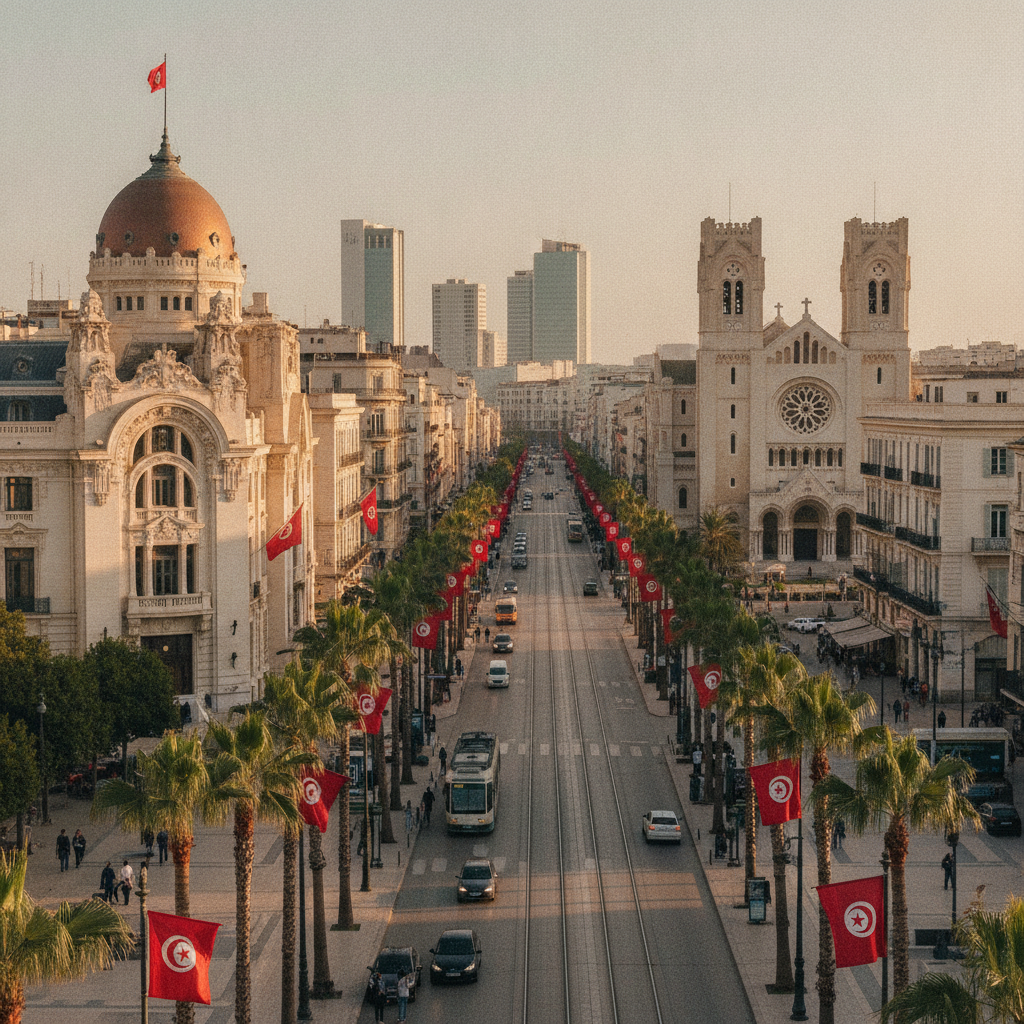
Tunis History: The Aghlabid Founders, the Hafsid Golden Age, the Ottoman Regency, the Husseinid Beys, and the French Protectorate Avenue Habib Bourguiba