The Bardo Museum Has the World's Finest Collection of Roman Floor Mosaics and Was Attacked by ISIS Gunmen in March 2015 Who Killed 22 Tourists; Hannibal Crossed the Alps with 37 War Elephants and Won Three Massive Battles Against Rome Before Never Capturing Rome Itself; The Arab Spring Began on December 17, 2010 When Mohammed Bouazizi Set Himself on Fire in Sidi Bouzid and Tunisia Was the Only Arab Spring Country to Successfully Transition to Democracy
The Bardo Museum housing the world's finest Roman mosaic collection; ISIS attack on the Bardo killing 22 tourists in March 2015; Hannibal crossing the Alps with 37 war elephants and killing approximately 100,000 Roman soldiers at three battles while never capturing Rome; Mohammed Bouazizi's December 17, 2010 self-immolation triggering the Arab Spring and Ben Ali fleeing 28 days later; Tunisia as the only Arab Spring country to achieve democratic transition (Nobel Peace Prize 2015); Tunisian harissa inscribed on UNESCO Intangible Cultural Heritage list 2022; and the Tunis practical visitor guide with medina, Bardo, and day trips to Carthage and Dougga.
- 1
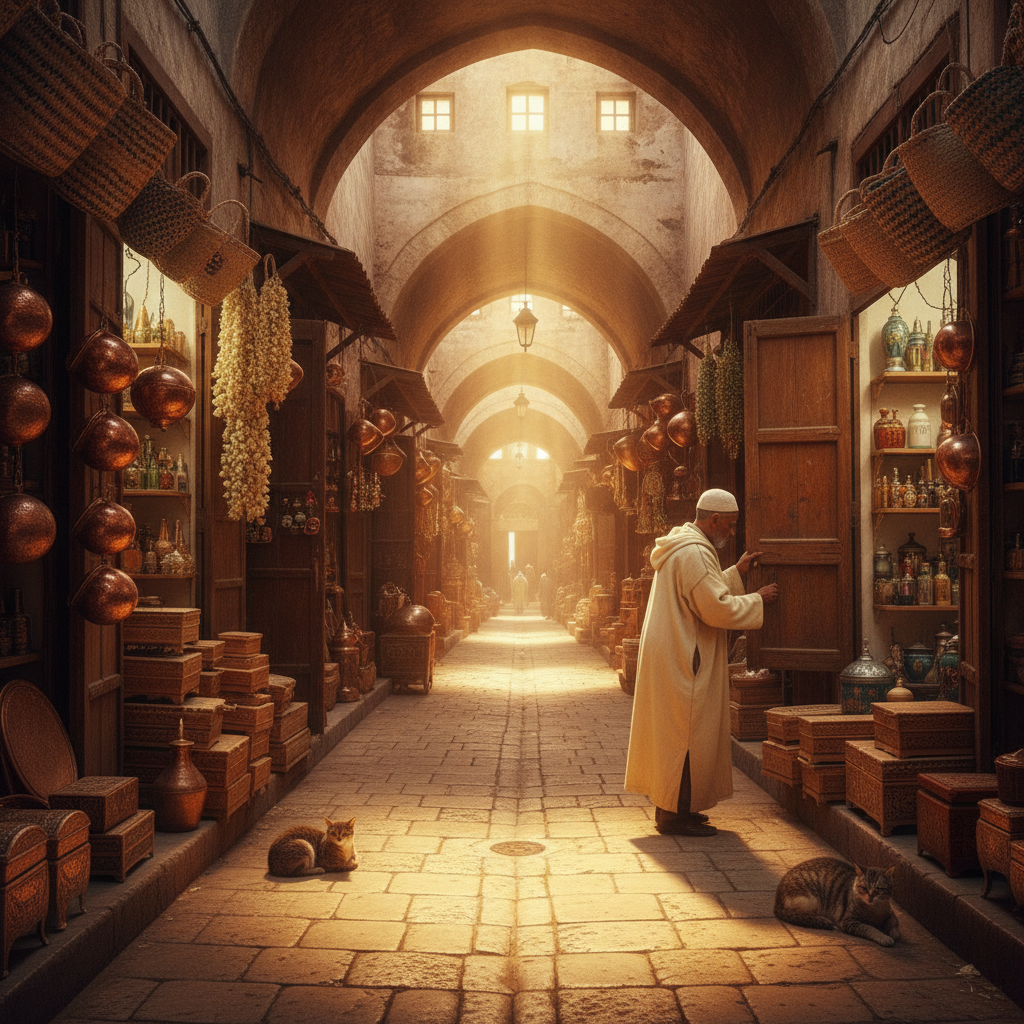
The Medina of Tunis – UNESCO Old City and the Zitouna Mosque
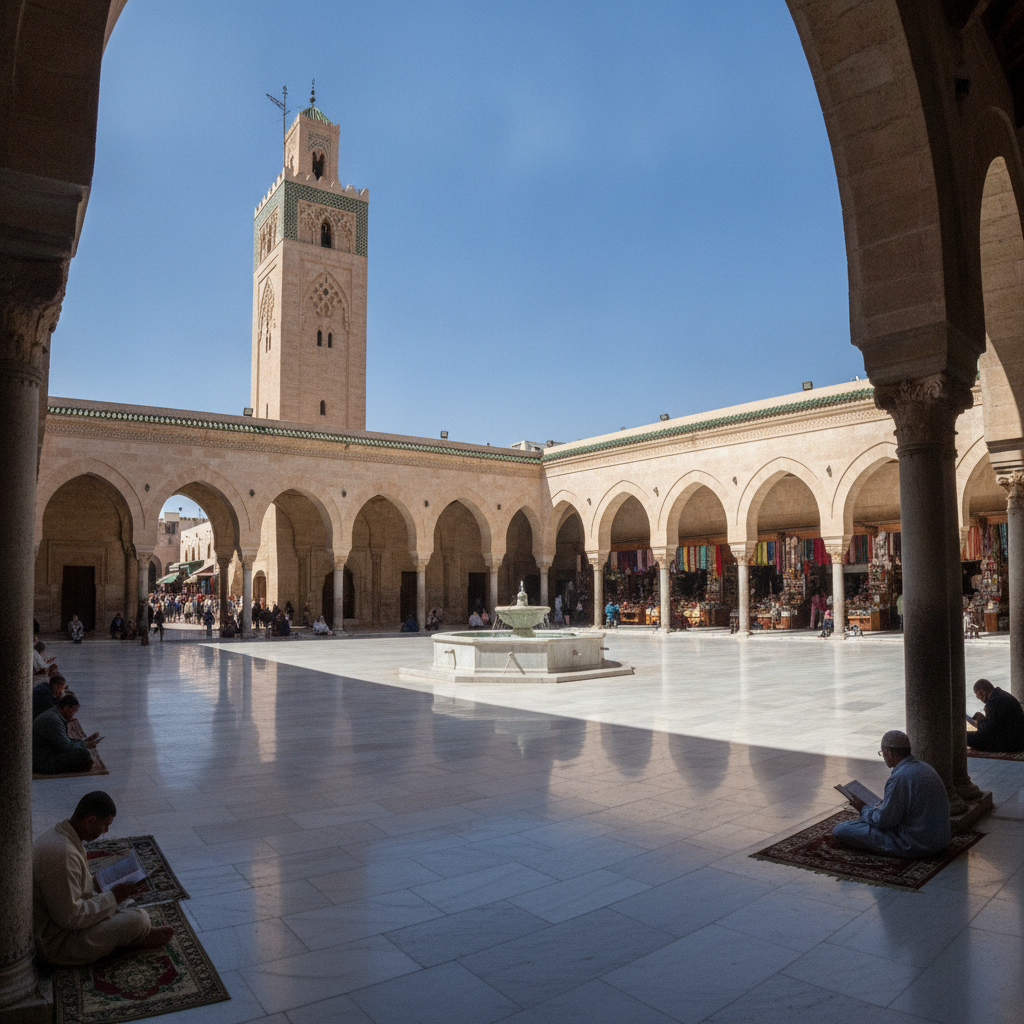
The Medina of Tunis (UNESCO World Heritage Site 1979) — one of the finest intact medieval Islamic cities in the world and the historic heart of the Tunisian capital: the medina guide. The UNESCO inscription (the Medina of Tunis was among the first Arab cities inscribed on the UNESCO World Heritage List (1979): the inscription describes the medina as containing an outstanding assortment of Islamic monuments covering seven centuries of Islamic civilization: the Zitouna Mosque (Zaytuna — Olive Tree Mosque) — the primary mosque of Tunis and the second oldest mosque in the Maghreb after the Qarawiyyin in Fez: founded in 732 CE (the same year as the Battle of Tours): the mosque has a hypostyle prayer hall supported by 160 columns taken from Roman ruins at Carthage: the Zaytuna University (al-Jamia al-Zaytuniyya) — attached to the mosque: the oldest university in the Arab world (some historians argue): the university has been a center of Islamic learning for over 1,200 years: the souks (the medina souk system: organized by trade in a hierarchy of noble to lowly trades from the mosque outward: the most noble trades nearest the mosque (books, perfume, tailoring): the louder or dirtier trades further away (leather, metal): the primary souks: the Souk al-Attarine (perfume souk): the Souk al-Chechia (the red felt cap souk — the chechia (fez) is the primary Tunisian traditional headgear): the Souk al-Berka (the former slave market — now a gold jewelry souk): the Souk al-Trouk (the Turkish souk built by the Ottoman Husainid rulers): the medina gates (the primary gates (bab) of the medina: Bab el-Bhar (Sea Gate — the primary entrance from the French colonial city): Bab el-Jedid (New Gate): Bab Mnara (Minaret Gate).
- 2
Bardo National Museum – The World's Finest Roman Mosaic Collection
The Bardo National Museum (Musee National du Bardo) — the most important museum in Tunisia and the institution with the finest collection of Roman floor mosaics in the world: the museum guide. The building (the Bardo National Museum is housed in a former Husainid palace (the Bey Palace of Bardo) constructed in the 19th century in the western suburbs of Tunis: the palace has a labyrinthine layout of rooms and corridors adapted to museum use: the Roman mosaics (the Bardo Museum has the largest and finest collection of Roman floor mosaics in the world: the mosaics come primarily from the Roman cities of Tunisia (Roman province of Africa Proconsularis and later Africa): the primary sources: Carthage: Sousse: El Djem: Dougga (Thugga): Thuburbo Majus: the primary mosaics: the Ulysses and the Sirens mosaic (2nd-3rd century CE — from the Sousse museum collection — the most photographed single mosaic in Tunisia: Ulysses tied to the mast of his ship while his sailors with wax in their ears row past three Sirens: the detail of individual Siren figures and the sea waves is exceptional): the Virgil mosaic (from Sousse — a portrait of Virgil seated between the Muses of History and Tragedy: the primary portrait of any Roman literary figure from antiquity): the Neptune mosaic (the largest mosaic in the collection — covering an entire room floor: Neptune in his sea chariot surrounded by marine life: the 2015 attack (the Bardo Museum terrorist attack (March 18, 2015) — two gunmen attacked the museum killing 22 tourists and 1 Tunisian police officer: the attack was claimed by ISIS: the museum reopened within weeks: the exhibit now includes a memorial to the victims).
- 3
Carthage – The Phoenician City That Challenged Rome
Carthage (Qart Hadasht — New City in Phoenician) — the ancient Phoenician colony founded approximately 814 BCE on the Mediterranean coast near modern Tunis: the most powerful city in the western Mediterranean for 500 years until its destruction by Rome in 146 BCE: the history guide. The foundation (Carthage was founded as a Phoenician colony from Tyre approximately 814 BCE: the legendary founder was Dido (Elissa) — a Phoenician princess who fled from Tyre after the murder of her husband by her brother Pygmalion (king of Tyre): the Dido legend (Dido requested from the local Berber king Iarbas as much land as could be covered by an ox-hide: she cut the ox-hide into the thinnest possible strips and used them to encircle a large hill (the future Byrsa — the citadel of Carthage): the empire (at its peak the Carthaginian Empire controlled: the coast of North Africa from Libya to the Atlantic: Spain (the Iberian Peninsula south of the Ebro River): Sardinia: Corsica: western Sicily: the Balearic Islands: the Punic Wars (the three Punic Wars between Carthage and Rome (264-241 BCE, 218-201 BCE, 149-146 BCE): the First Punic War (264-241 BCE) — Rome vs. Carthage for control of Sicily: ended with Roman victory: Carthage ceded Sicily to Rome: the Second Punic War (218-201 BCE) — Hannibal Barca's invasion of Italy: Hannibal crossed the Alps with 37 war elephants: won three massive victories (Trebia 218 BCE, Lake Trasimene 217 BCE, Cannae 216 BCE) killing approximately 100,000 Roman soldiers: never captured Rome: the Third Punic War (149-146 BCE) — Rome destroyed Carthage: 50,000 survivors enslaved: the city burned for 17 days: the site was plowed and salted (the salting is probably legendary but the destruction was total).
- 4
Avenue Habib Bourguiba – The Tunisian Champs-Elysees and the Arab Spring
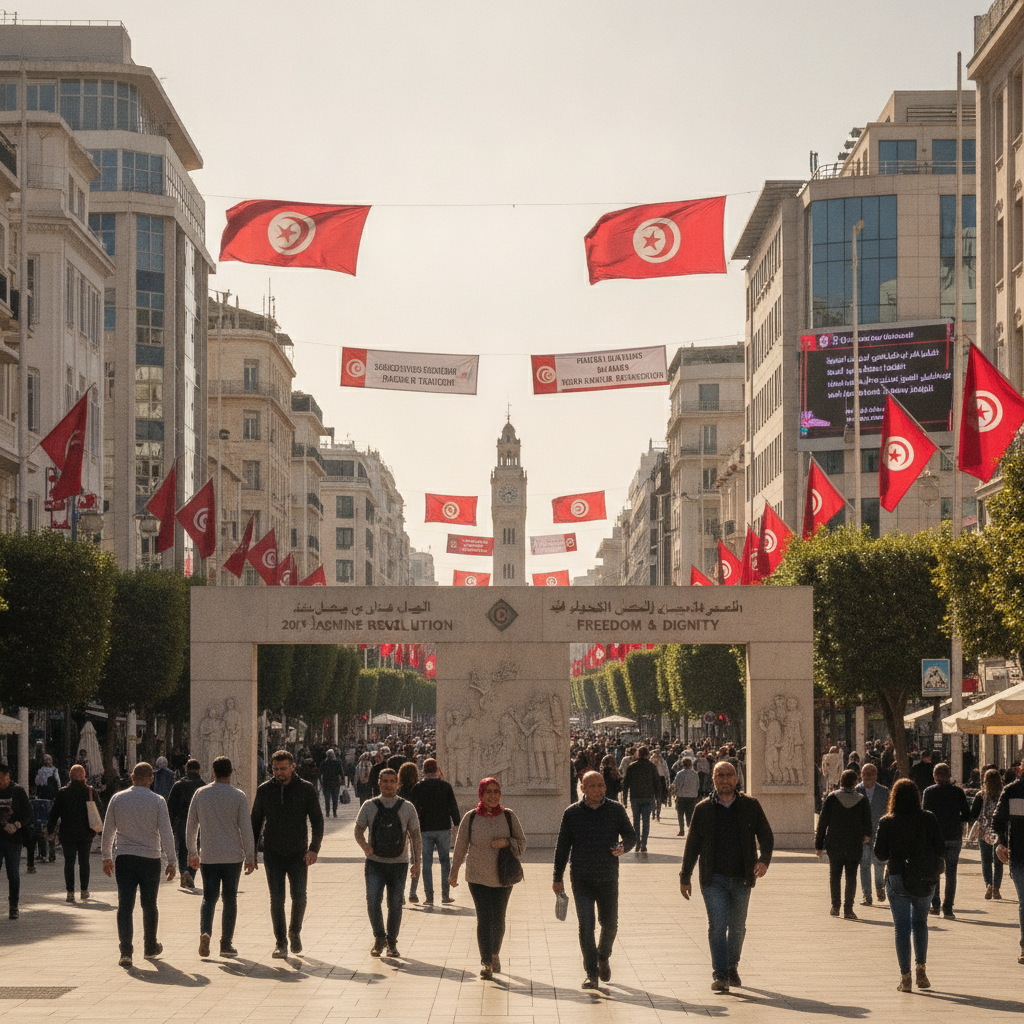
Avenue Habib Bourguiba — the primary boulevard of modern Tunis: the French colonial-era centerpiece of the city and the location of the Arab Spring's first mass protests: the urban and political guide. The boulevard (Avenue Habib Bourguiba (formerly Avenue Jules Ferry during the French Protectorate): the 80m-wide tree-lined boulevard runs 2 km from the medina gate (Bab el-Bhar) to the city center: the primary features: the double rows of ficus trees providing a shaded central pedestrian zone: the Hotel Africa (the primary luxury hotel of Tunis overlooking the boulevard): the Municipal Theatre of Tunis (1902 — a French colonial Baroque opera house): the French Embassy: the Arab Spring (the January 2011 Tunisian Revolution (also called the Jasmine Revolution) was the first Arab Spring uprising: the revolution began on December 17, 2010 when Mohammed Bouazizi, a 26-year-old street vendor in Sidi Bouzid, set himself on fire after a policewoman confiscated his produce cart and reportedly slapped him: Bouazizi died on January 4, 2011: his self-immolation triggered nationwide protests: the protests reached Tunis on January 14, 2011: President Zine El Abidine Ben Ali fled to Saudi Arabia the same day ending 23 years of rule: the significance (Tunisia's Jasmine Revolution was the only Arab Spring uprising to result in a successful transition to democracy: Tunisia established a democratic constitution in 2014 and held free elections: the Nobel Peace Prize (the Tunisian National Dialogue Quartet received the Nobel Peace Prize in 2015 for facilitating the democratic transition: the 2021 reversal (President Kais Saied suspended the constitution and parliament in July 2021 concentrating power in the presidency: a new constitution was approved in July 2022 — critics say it reversed Tunisia's democratic gains).
- 5
Tunisian Cuisine – Harissa, Brik, and the Merguez Tradition
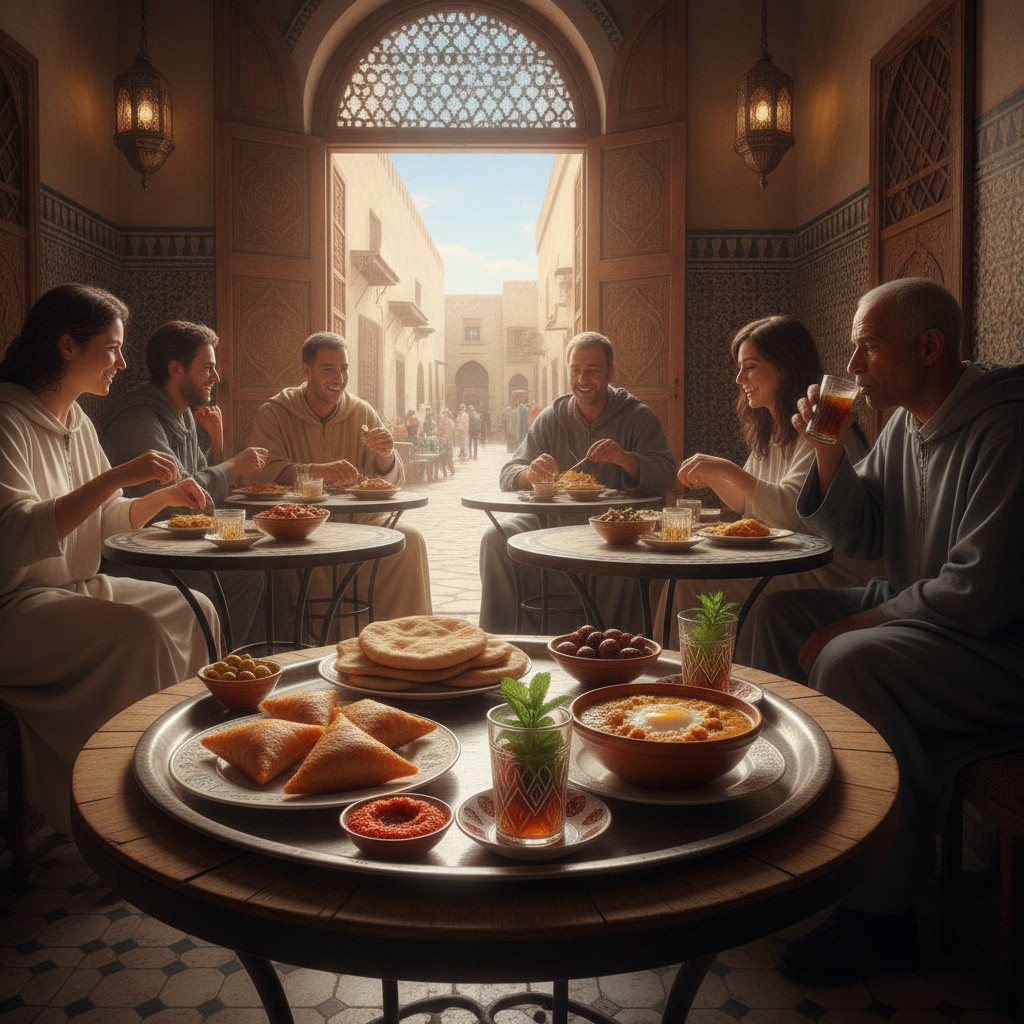
Tunisian cuisine (the North African culinary tradition that is the spiciest and most assertively flavored of the Maghreb cuisines — a synthesis of Berber, Arab, Ottoman, and Mediterranean influences): the cuisine guide. The harissa (the harissa (Arabic: harisa — to pound/crush) — the defining condiment of Tunisian cuisine: a paste of dried red chili peppers, garlic, olive oil, and spices (caraway, coriander): the Tunisian harissa is the world's most consumed North African condiment (protected as a Geographical Indication since 2022 and inscribed on the UNESCO Intangible Cultural Heritage list in 2022 as an integral part of Tunisian cultural identity): harissa is served with virtually every meal in Tunisia as a condiment and as a cooking ingredient: the brik (the brik (Arabic: بريك — from the Turkish borek) — the primary Tunisian street food: a paper-thin semolina pastry (malsouka) folded around a raw egg plus tuna, parsley, and capers and deep-fried: the challenge of eating brik without the egg yolk running down the chin is a Tunisian cultural rite of passage: the merguez (the merguez — the spiced lamb or beef sausage seasoned with harissa and cumin: the merguez is a Tunisian-North African invention that spread throughout the Maghreb and to France (where it became a staple of the North African immigrant community): the makroudh (the makroudh — a deep-fried semolina pastry filled with date paste and honey: the specialty of Kairouan (the fourth holiest city in Islam after Mecca, Medina, and Jerusalem): the lablabi (the lablabi — the primary Tunisian breakfast dish for working people: chickpeas in a broth of olive oil, cumin, harissa, and lemon poured over stale bread with a raw egg stirred in: the couscous (the Tunisian couscous differs from Moroccan couscous in its higher harissa content and its use of fish rather than lamb in coastal regions).
- 6
Tunis Practical Guide – Medina, Beaches, and Day Trips
The Tunis practical guide (essential visitor information for Tunis in 2025): the practical guide. The location (Tunis — the capital of Tunisia: population of Tunis city approximately 700,000: Greater Tunis approximately 2.6 million: located at the southern end of Lake Tunis (Lac de Tunis) which connects to the Bay of Tunis: the climate (Mediterranean (Csa): summer (June-September) hot and dry: maximum temperatures 32-38C: winter (December-February) mild and wet: the best time to visit: April-May and September-October: the arrival (Tunis-Carthage International Airport (TUN) — 8 km northeast of the city center: the airport is connected to the city by taxi (approximately 10-15 TND) and by the No. 35 bus (frequent service but slower): the metro (the Tunis metro (Metro Leger de Tunis) — 6 lines opened 1985: relatively slow but comprehensive coverage of the city: the medina, Bardo Museum, and main railway station are all accessible by metro: the currency (Tunisian Dinar (TND): approximately 3.2 TND per USD (2025): the dinar is not convertible outside Tunisia — exchange on arrival and reconvert remaining dinars before departure: the day trips (the primary day trips from Tunis: Carthage (15 km by TGM suburban railway): the TGM (Tunis-Goulette-Marsa) railway line runs along the lagoon edge to Carthage-Hannibal station and onward to Sidi Bou Said: Sidi Bou Said (19 km — the whitewashed blue-and-white village): the Bardo Museum (10 km west of the medina): the Dougga Roman ruins (110 km southwest — the best preserved Roman city in North Africa — full day): Kairouan (165 km south — the fourth holiest city in Islam — the Great Mosque of Kairouan (670 CE) — the oldest mosque in Africa): El Djem Roman amphitheatre (240 km south — the largest Roman amphitheatre in Africa after the Colosseum).
Walk this route with audio
Stories play automatically as you reach each stop — no tapping needed.
More in Tunis
Tunis Modern History: The Arab Spring Jasmine Revolution, the Ben Ali Regime, the Bourguiba Legacy, the Transitional Democracy, and Contemporary Tunisia
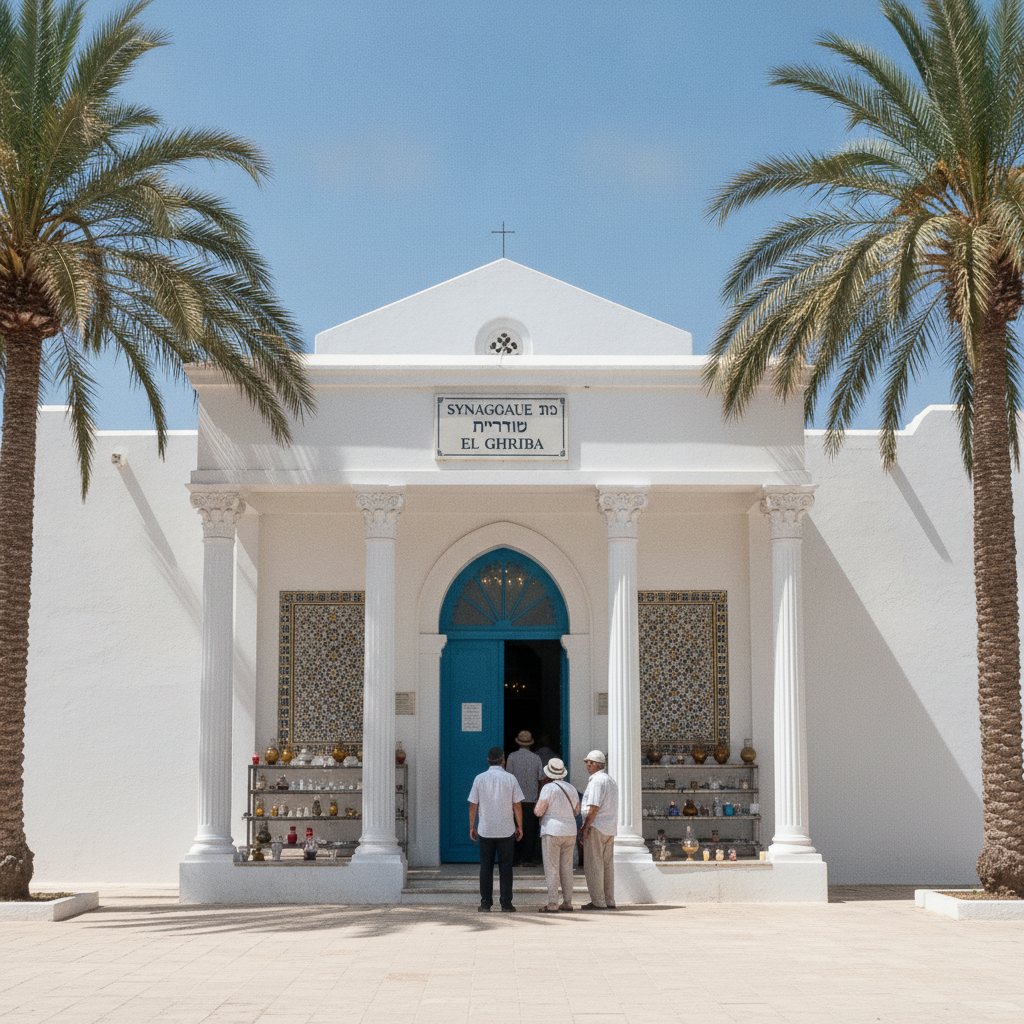
Mohammed Bouazizi Set Himself on Fire on December 17, 2010 and Ben Ali Fled Tunisia 28 Days Later Triggering Arab Spring Revolutions Across 6 Countries; El Ghriba Synagogue on Djerba Has a Legendary Founding Date of 586 BCE Making It the Oldest Synagogue in Africa; the Tunisian Rapper El General's Track Rayes Lebled Criticizing Ben Ali Became the Anthem of the Revolution After Going Viral on Facebook
The Punic Language Survived as a Spoken Vernacular in Roman North Africa Until the 5th Century CE When Augustine of Hippo Mentions Punic Speakers in His Parish; The Vandals Sacked Rome in 455 CE from Their Base in Carthage and May Have Taken the Temple Treasures of Jerusalem; the Arab Berber Queen Dihya (Kahina) Defeated an Arab Army and Is Honored Both as a Brave Enemy in Muslim Tradition and as a National Hero in Berber Tradition
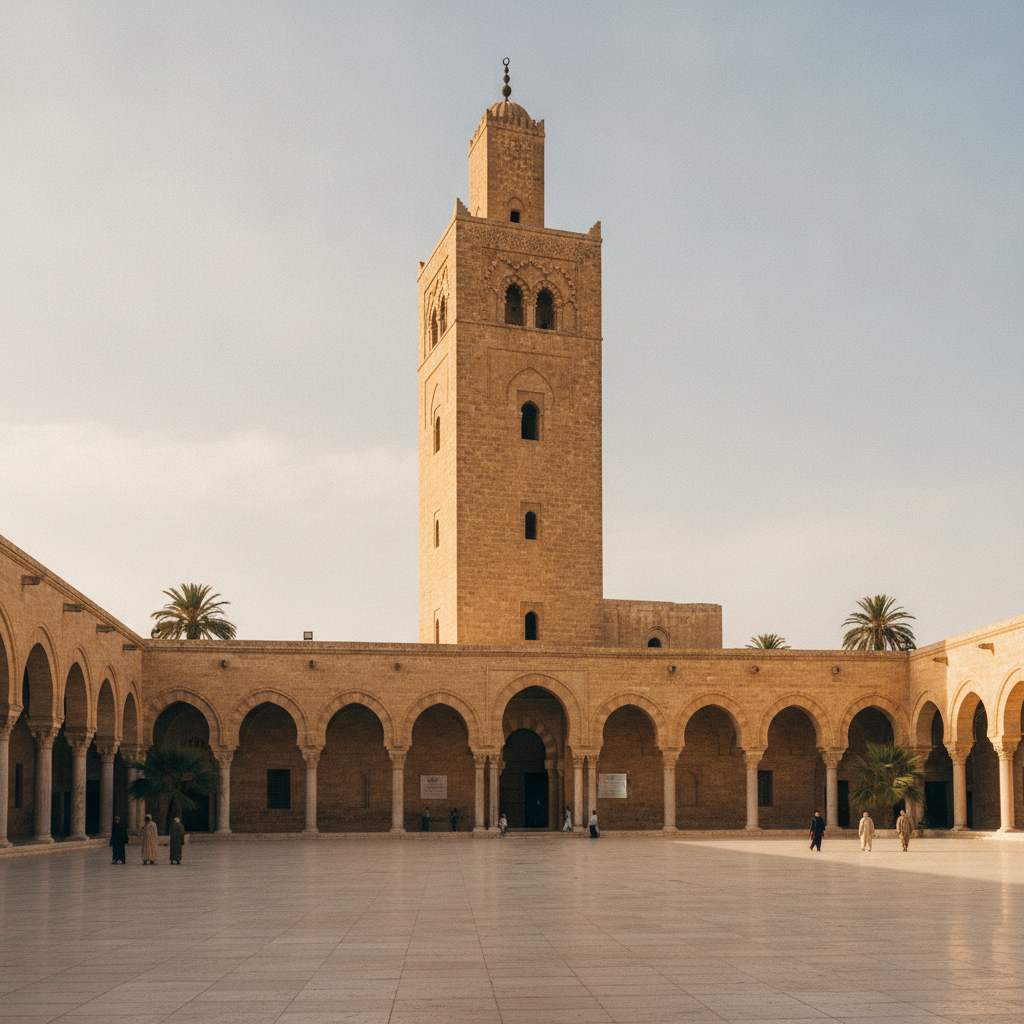
Tunis Day Trips: Kairouan the Holy City, the Great Mosque of Kairouan, the Aghlabid Basins, the Ribat of Monastir, and the Sahel Coast Circuit
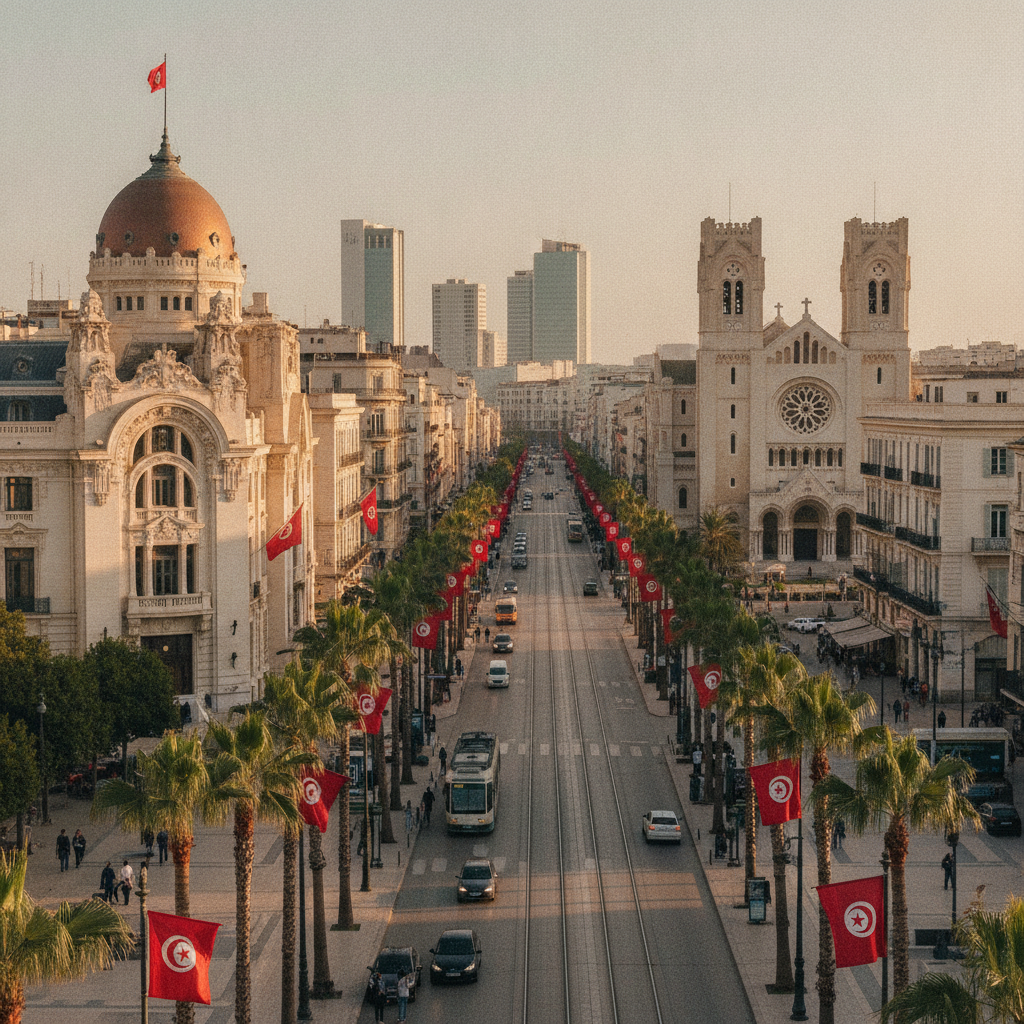
Tunis History: The Aghlabid Founders, the Hafsid Golden Age, the Ottoman Regency, the Husseinid Beys, and the French Protectorate Avenue Habib Bourguiba