Nara
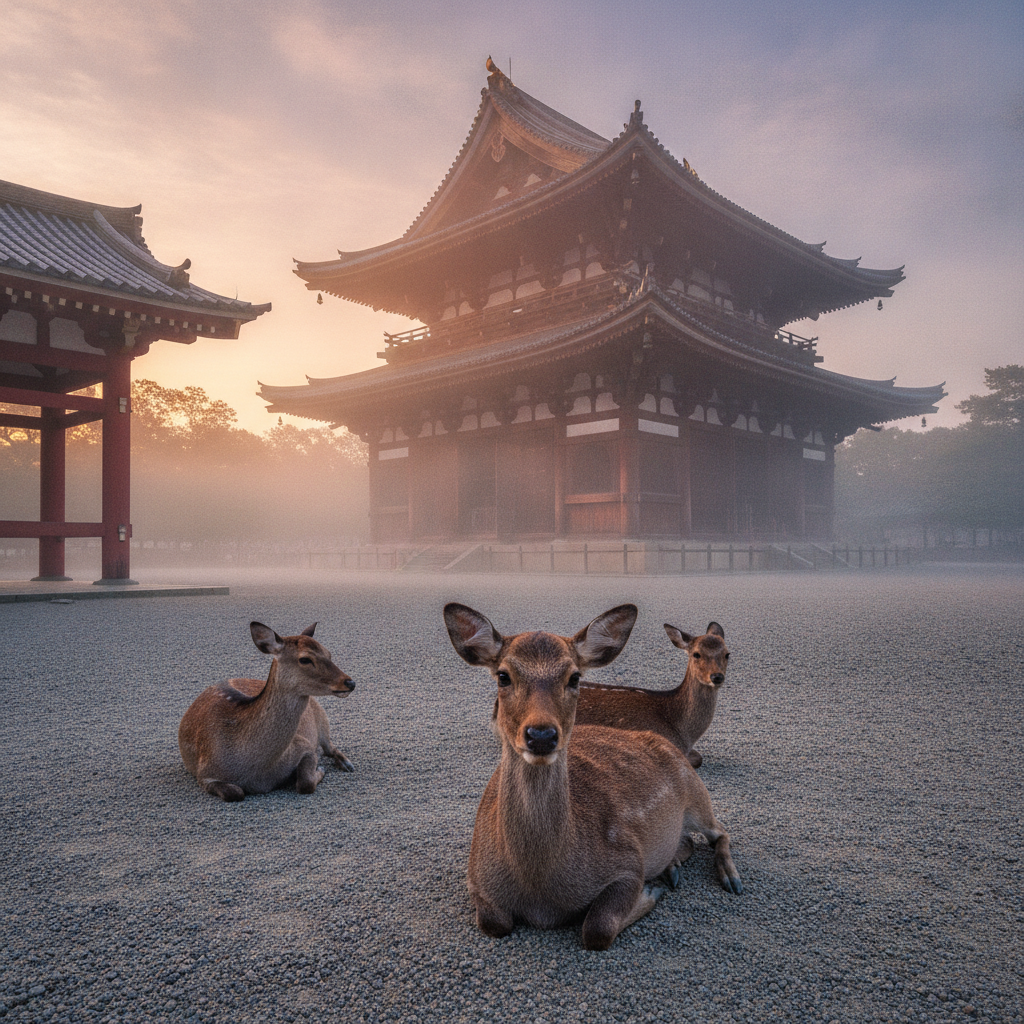
The Bronze Buddha Cast in 749 CE, the Pillar Hole That Fits His Nostril & the Forest That Has Not Been Cut Since 841 CE
The Daibutsuden's wooden structure—the largest wooden building in the world, rebuilt at two-thirds its original 8th-century scale in 1709—housing the 499-tonne Great Buddha; the deer's learned bowing behaviour and the October antler-trimming ceremony; the Kasuga Taisha's 3,000 lanterns lit simultaneously twice a year and the 1,185-year-old primeval forest behind it; the 8-armed teenage Ashura sculpture in hollow dry lacquer (734 CE) as the most visited individual art object in Japan; Naramachi's ink-makers using a tradition established in the 8th century; and the case for arriving in the park at 06:00 before Kyoto's day-trip trains disgorge their crowds.
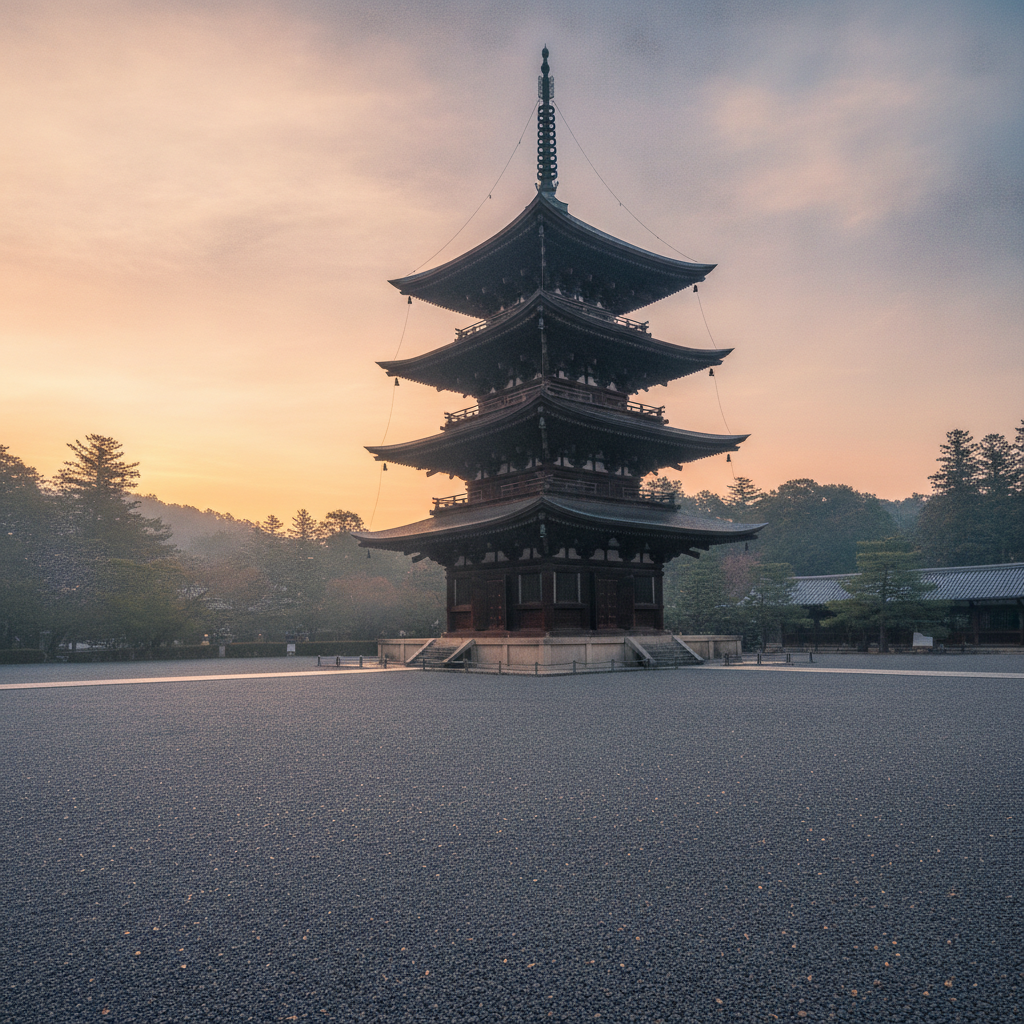
The World's Oldest Wooden Building, 30,000 Cherry Trees on a Sacred Mountain & the Noodle Tradition That Japan Claims to Have Invented
The Omizutori ceremony's 1,262-year continuous record without interruption and the midnight water-drawing that announces spring in Nara; Hōryū-ji's 1,315-year-old pagoda with its Silk Road Entasis columns and the twice-annual unwrapping of the Kuse Kannon; the blind monk Ganjin's six-crossing journey from China to found Tōshōdai-ji and the first realistic portrait in Japan; Yoshino's four-zone cherry blossom staggered over 3–4 weeks; Miwa's claim to be the oldest sōmen noodle tradition in Japan and Yoshino-kuzu as the country's finest arrowroot starch; and the January Wakakusa mountain-burning event visible with deer silhouettes against the fire.
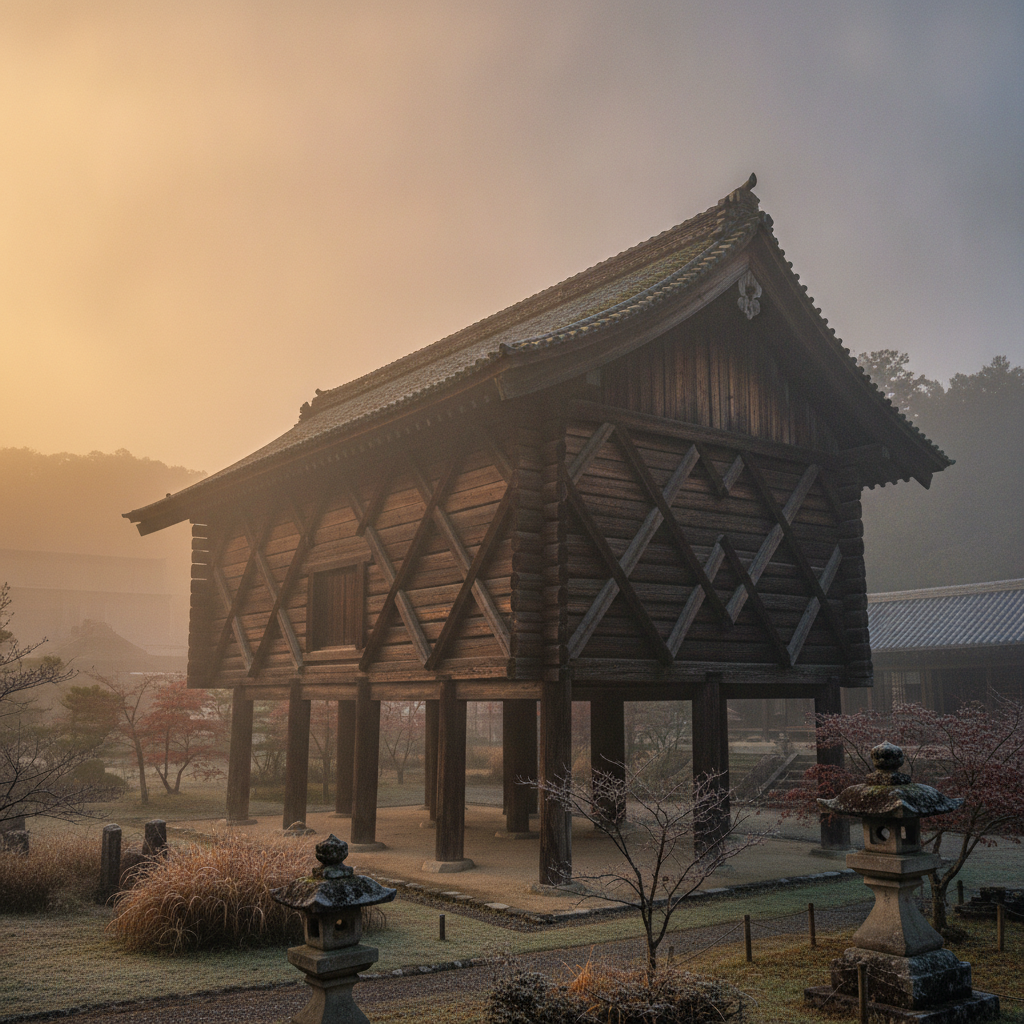
Heijō-kyō's 100,000-Person Capital, the Passive Climate Control Log Cabin With 9,000 Silk Road Objects & Japan's First Mountain God With No Hall
The Nara capital's Tang-style grid streets covering 25 km² and the political decision to abandon it for Kyoto when Buddhist temples grew too powerful; the Shōsōin log-cabin storehouse's triangular-log humidity control system operating unchanged for 1,270 years; the annual 3-week Shōsōin Exhibition where 60–70 objects rotate annually (never repeated consecutively); the Ōmiwa Shrine's mountain deity with no hall—the mountain itself is the divine body; Nara's spring sequence from January mountain burning through June fireflies; and the optimal Nara-vs-Kyoto decision tree for 2-week Japan itineraries.
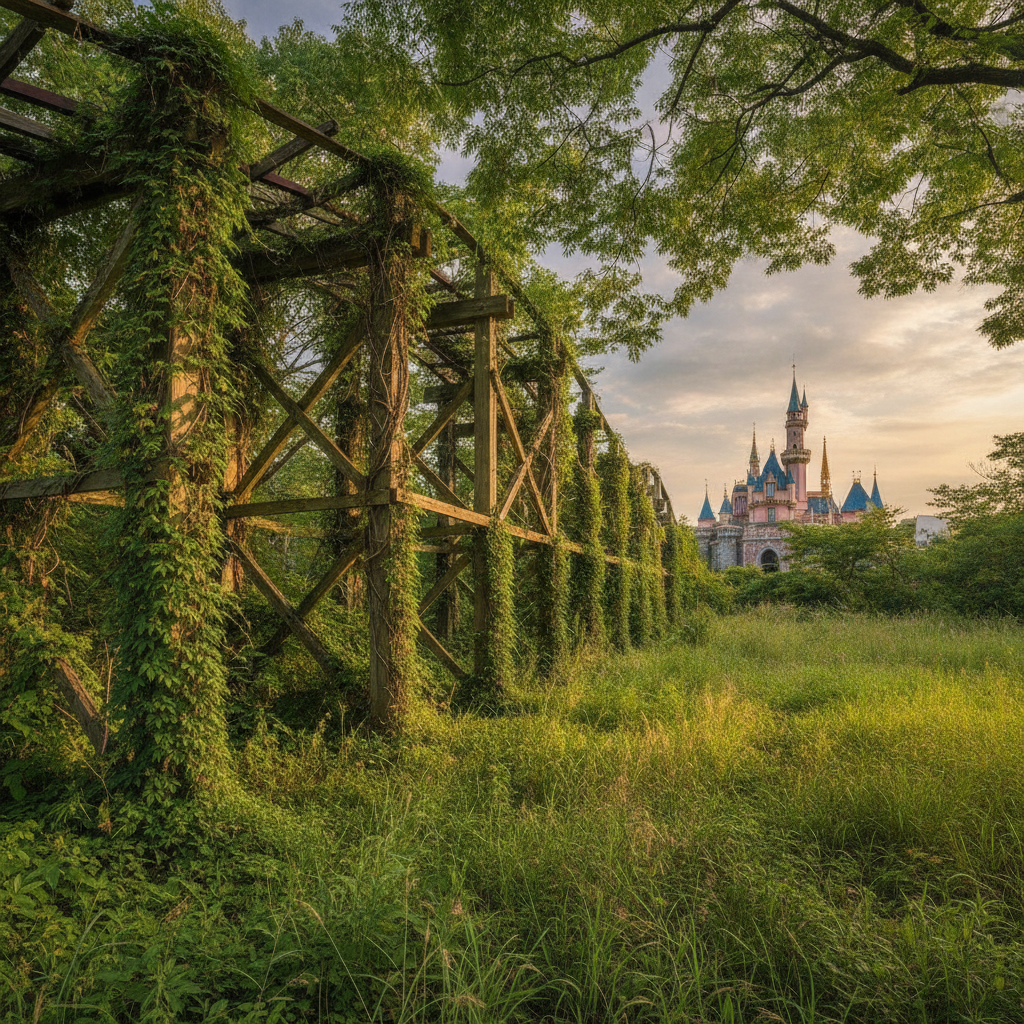
The Cherry Tree Planted as a Prayer That Started 30,000 Trees, the Roller Coaster With Vines Growing Through It & What the Great Buddha's Spiral Curls Look Like From Directly Below
The Yoshino cherry's genetic origin in the Yoshino mountains and the 1,300-year tradition of planting trees as votive gifts to Kinpusen-ji; the 2022 PLOS ONE study confirming Nara deer bow as a learned cross-species gesture response; the Nara Dreamland abandoned 47-hectare park with the Aska roller coaster cars stopped mid-circuit; the Shōsōin's Sassanid Persian glass and Sogdian textile fragments as the easternmost Silk Road repository in existence; the 12th-century donor inscriptions on Kasuga Taisha's stone lanterns; and the gold spiral curls on the Great Buddha's head visible only from directly beneath the face.
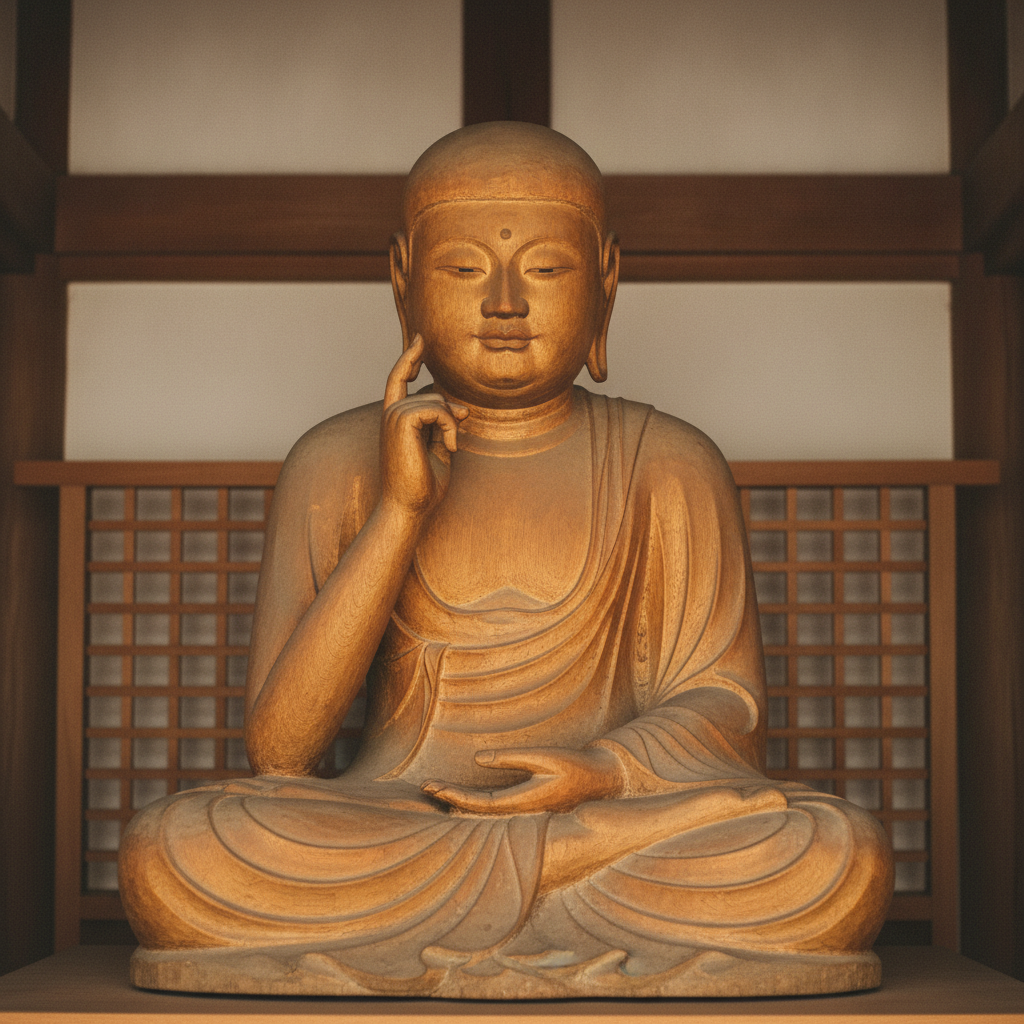
The 20,000 Lantern August Festival, Bruno Taut's 'Highest Expression of the Human Soul' & the Morning Ceremony Before the Great Buddha
The Nara Tokae's 10 nights of 20,000 paper lanterns through the park and Naramachi in August; the Nara Design Initiative pairing Kobaien ink with graphic designers and sarashi linen with fashion designers; the 1909 Nara Hotel's cast-iron bathtubs and cherry wood panels still in use; the Miroku Bosatsu in Chūgū-ji nunnery and the 4-km Ikaruga circuit past two pagodas across rice fields; the 08:30 Kyoto departure that reaches Nara Park before 09:00; and the free pre-opening morning ceremony before the Great Buddha at 07:30 where monks chant sutras in the world's largest wooden building.
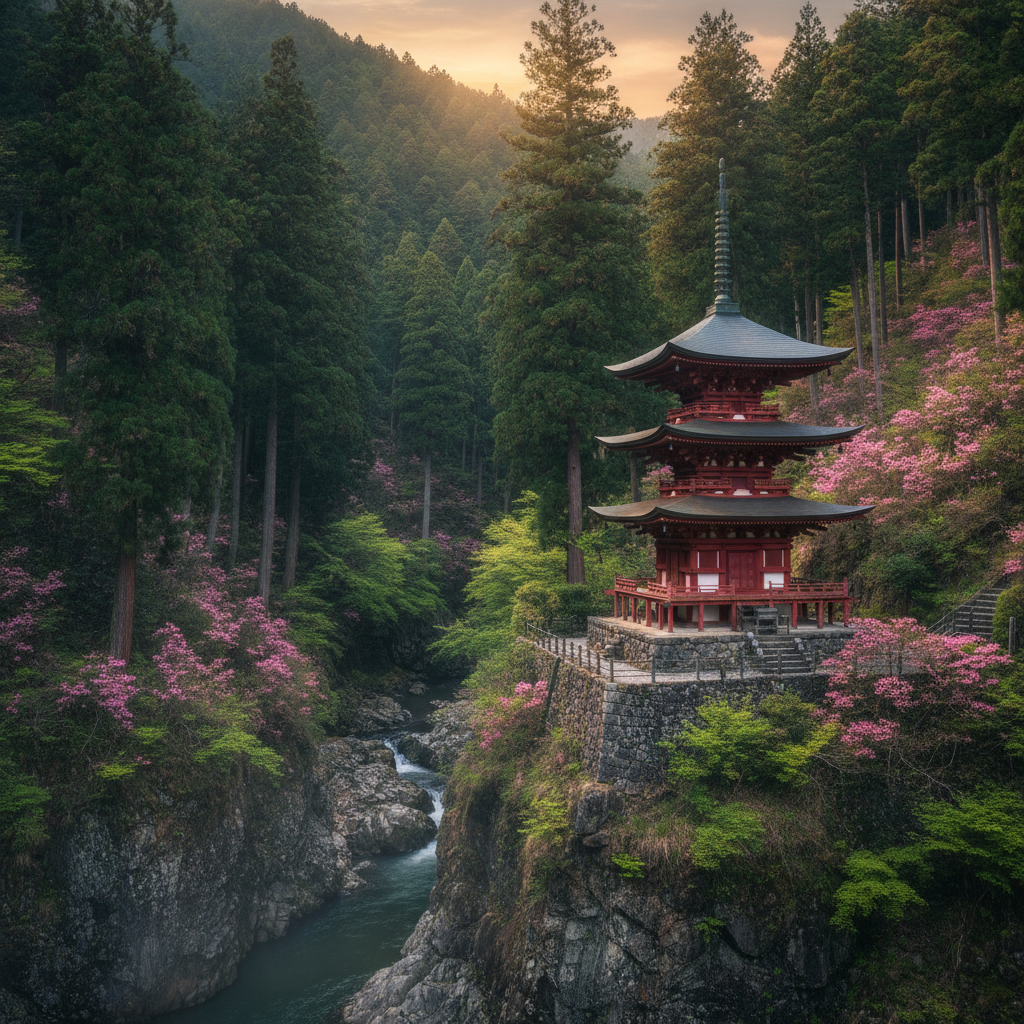
The Ink-Maker Founded in 1577, the Deer Who Have Been Legally Protected Since 1302 CE & Japan's Smallest Five-Story Pagoda in an Azalea Ravine
The Nara sculpture trail's three media—bronze, hollow dry-lacquer, and clay—and the Nara Sculpture Map's one-day routing past the Ashura, Great Buddha, and 9 original clay Guardian Generals; Kobaien's ink sticks aged 20–50 years whose fragrance is considered a great sensory experience of Japanese craft; the deer's legal protection since 1302 CE and the Tsunokiri antler-trimming lasso ceremony in October; Muro-ji's smallest-in-Japan pagoda and its azalea season; the three Yamato Sanzan sacred mountains with pilgrimage routes predating Buddhism; and the 3-day Kumano Kodo extension from Nara through Yoshino to the world's largest torii gate.