The 20,000 Lantern August Festival, Bruno Taut's 'Highest Expression of the Human Soul' & the Morning Ceremony Before the Great Buddha
The Nara Tokae's 10 nights of 20,000 paper lanterns through the park and Naramachi in August; the Nara Design Initiative pairing Kobaien ink with graphic designers and sarashi linen with fashion designers; the 1909 Nara Hotel's cast-iron bathtubs and cherry wood panels still in use; the Miroku Bosatsu in Chūgū-ji nunnery and the 4-km Ikaruga circuit past two pagodas across rice fields; the 08:30 Kyoto departure that reaches Nara Park before 09:00; and the free pre-opening morning ceremony before the Great Buddha at 07:30 where monks chant sutras in the world's largest wooden building.
- 1
Nara's Nightlife & After-Dark Scene
Nara's nightlife is modest by Japanese city standards—the city's character as a daytime cultural destination and the relatively small permanent resident population (360,000—smaller than many Japanese provincial cities of comparable cultural importance) means the after-dark economy is concentrated in a small area. The Higashimuki Shopping Arcade (the covered shopping street from Kintetsu Nara Station toward Kōfuku-ji—the main commercial concentration, with izakaya and small restaurants opening from 17:00): the street-level izakaya with open fronts facing the arcade provide the most accessible evening options. The Naramachi bar area (the cluster of small bars and sake shops in the Naramachi merchant district east of the Sarusawa Pond—the area around Ganko Hiroba and the Miwa Sake Bar serving local Nara prefecture sake): the Nara sake district's bar concentration is small but high-quality, with several bars specializing in Miwa area sake paired with Nara local food. The night park (the Nara Park at 20:00–22:00 after the tourist infrastructure closes—the deer asleep under the trees, the Tōdai-ji Daibutsuden illuminated from below, and the sound of the autumn crickets): walking the park at night without the crowds and the senbei vendors is the most underrated Nara experience. The Nara fireworks calendar: the Nara Tokae lantern festival (August 5–14—10 nights of 20,000 paper lanterns placed throughout Nara Park, the approach to Kasuga Taisha, and the Naramachi district at dusk: the most atmospheric night event in Nara after the Omizutori torch ceremony).
- 2
Nara's Contemporary Culture – Art & Design Scene
Despite its ancient reputation, Nara has a contemporary art and design culture that is concentrated in the Naramachi district and the area around the Nara Prefectural Museum. The Nara City Art Museum (the 2021 rebuilt museum in the park area—the contemporary-design building adjacent to the Nara Prefectural Museum; permanent collection of 20th-century Japanese art with rotating temporary exhibitions that focus on artists with Nara connections): the most consistent contemporary art programme in the Kinki region outside Osaka and Kyoto. The Design Nara initiative (the Nara City government's 2018–2025 programme to promote traditional Nara craft industries through contemporary design partnerships—pairing traditional Kobaien ink production with graphic designers, Akahadayaki pottery with product designers, and Nara sarashi linen with fashion designers): the programme's products are available through the Nara Design Shop on the Higashimuki arcade. The Nara College of Arts (the specialist arts college in the Tomio area of Nara—the design programme whose graduates have gone on to positions in Kyoto's textile and ceramics industries): the annual graduate exhibition in March is open to the public. The Nara Prefecture's manga and anime connections: the children's manga artist Osamu Tezuka (creator of Astro Boy and Black Jack) was born in Toyonaka but raised in Takarazuka—but the Tezuka production studio has maintained a Nara presence, and the Nara City Tourism Association has used Tezuka's characters in its promotional materials since 2008.
- 3
Nara's Accommodation Scene – Ryokan to Budget
The Nara accommodation landscape ranges from one of Japan's most historically significant hotels to international-standard hostels, with several excellent mid-range ryokan in the Naramachi district. The Nara Hotel (founded 1909 by the Japanese government as the first Western-style hotel in the Yamato region—the Meiji Imperial government wanted a hotel that could receive visiting European royalty; designed in Momoyama-style Japanese architecture with Western interior fixtures by architect Katayama Tōkuma, who also designed the Kyoto National Museum): rooms in the 1909 original wing retain the original fixtures, including the cast-iron bathtubs and the original cherry wood paneling. The Nara Guesthouse culture (the concentration of machiya-converted guesthouses in Naramachi—approximately 12 guesthouses operating in traditional merchant townhouses; the best-reviewed include Nara Visitor Center and Inn, the Dotonbori Nara, and the Guesthouse Nara Komachi): the machiya guesthouses provide the most authentic Nara overnight experience and the lowest cost access to the historic district. The inn near the park (the Gyokurōen—the traditional Japanese inn on the eastern edge of Nara Park with a direct view of the Kasuga forest from the breakfast room; the breakfast is kaiseki-style with Nara-specific ingredients): the most expensive conventional overnight option in Nara after the Nara Hotel. The Nara hotel booking calendar: the Shōsōin Exhibition period (October–November), the Omizutori ceremony (1–14 March), and Golden Week (April 29–May 5) require bookings 3–4 months in advance.
- 4
Ikaruga & the Prince Shōtoku Legacy
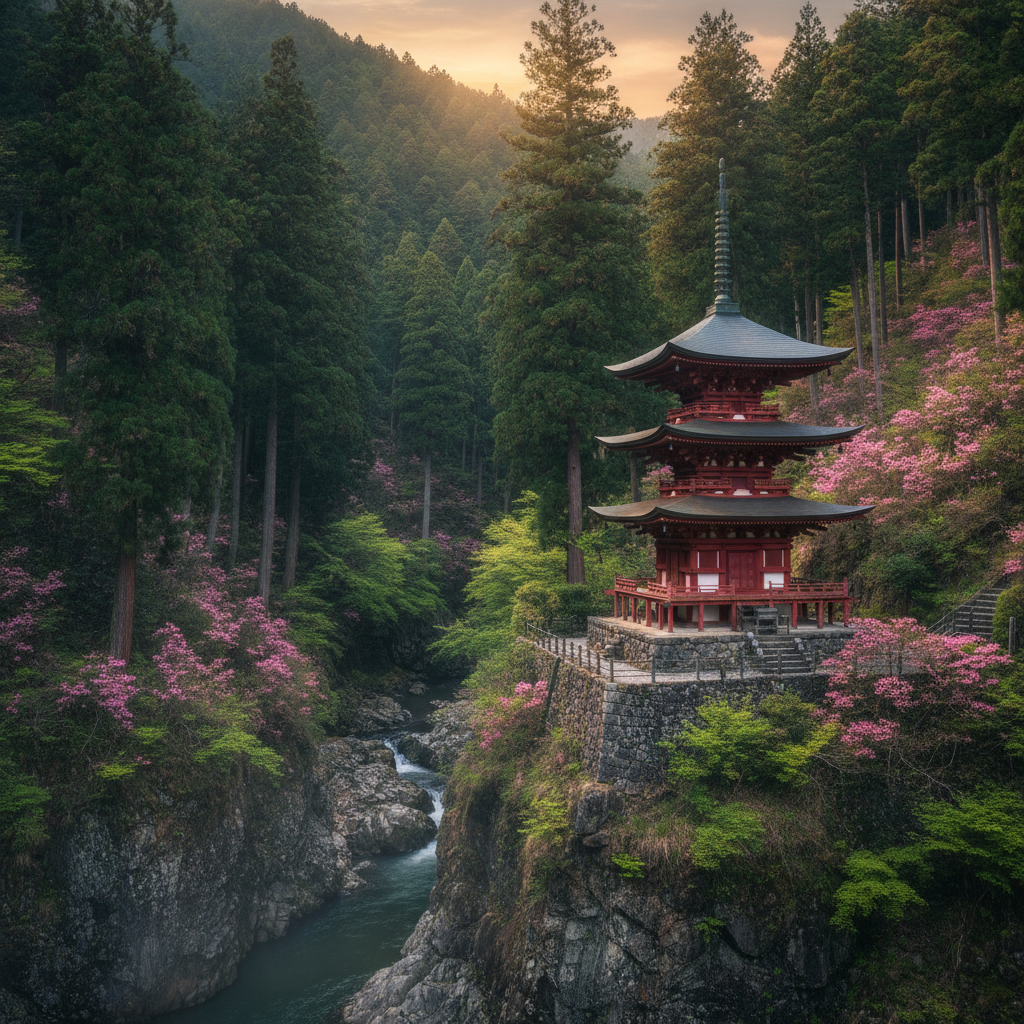
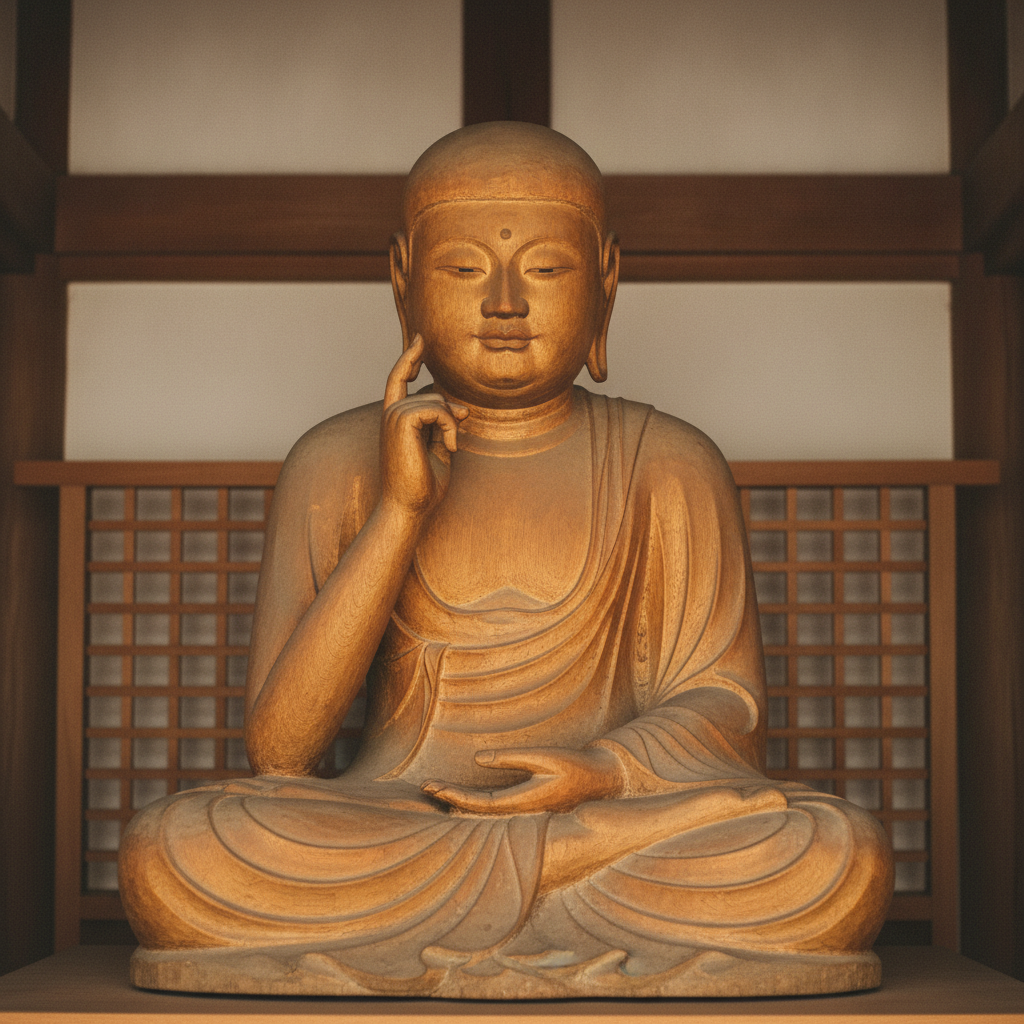
Ikaruga (the area 10 km southwest of Nara city center, accessible by JR Yamatoji Line to Hōryūji Station; the historical territory of Prince Shōtoku (573–622 CE)—the regent who introduced Buddhism to Japan as a state religion, drafted the Seventeen Article Constitution (Japan's first political document), established the embassies to the Sui Dynasty in China, and commissioned Hōryū-ji): the 4-km Ikaruga walking circuit connecting Hōryū-ji, Chūgū-ji, and Hōrin-ji provides the most concentrated Shōtoku-related heritage in Japan. Chūgū-ji (the nunnery adjacent to Hōryū-ji's East Precinct—the nunnery founded by Prince Shōtoku's mother; the main hall contains the Miroku Bosatsu (Maitreya Bodhisattva)—a carved camphor wood sculpture of the 7th century described by the German art historian Bruno Taut in 1933 as 'the highest expression of the human soul's aspiration in the history of art'—the most celebrated individual sculpture in Japan outside the Nara National Museum): the Miroku sculpture sits in gentle meditation, one knee crossed, one finger touching the cheek—a posture of transcendent repose that remains the most affecting work of art in the Nara area for many visitors. Hōrin-ji Temple (the western end of the Ikaruga circuit, containing the 3-story pagoda that completes the visual balance with Hōryū-ji's 5-story pagoda visible across the rice fields): the view of two pagodas across the rice fields is the definitive Ikaruga landscape.
- 5
Nara Getting There & Day Trip Logistics
Nara's exceptional transport connections make it the most accessible ancient capital in Japan. From Kyoto: Kintetsu Limited Express (42 minutes; ¥720; from Kintetsu Kyoto Station adjacent to JR Kyoto Station) or JR Miyakoji Rapid (72 minutes; ¥720; from JR Kyoto Station): the Kintetsu option is faster and deposits you at Kintetsu Nara Station, which is closer to Nara Park than JR Nara Station. From Osaka: Kintetsu Nara Line from Osaka Namba (37 minutes by express, ¥570) or JR Osaka Loop Line + JR Yamatoji Line from Osaka Station (50 minutes; ¥820). From Tokyo: Nozomi Shinkansen to Kyoto (2h15m) then Kintetsu (42 minutes)—total 3 hours city-center to city-center; or direct overnight bus from Tokyo Station (8 hours; approximately ¥5,000). Within Nara: the central site circuit (Tōdai-ji, Kasuga Taisha, Kōfuku-ji) is entirely walkable from both stations (15–20 minutes); bicycles are available for rent from 3 shops near the stations (¥1,000/day for a standard city bike). The recommended day-trip time allocation: arriving at Kintetsu Nara Station by 09:00 (the 08:30 Limited Express from Kyoto) and departing by 17:00 allows the park at the quietest morning hour, Tōdai-ji, Kōfuku-ji/Ashura, and Naramachi with lunch in a kakinoha-zushi restaurant—a full but feasible 1-day programme. The full Nara visit (adding Hōryū-ji, Nishino-kyō, and the Yoshino day trip) requires a minimum of 2 nights.
- 6
Nara's Buddhist Heritage – A Summary & the Living Tradition
Nara's Buddhist heritage is not a museum exhibit—it is a living institutional tradition. Tōdai-ji is still the headquarters of the Kegon sect of Japanese Buddhism and conducts daily ceremonies in the Daibutsuden; Kasuga Taisha performs the Shinto ceremonies that have been performed since 768 CE; the monks of Kōfuku-ji still perform the ceremonies in the Tokondo (Eastern Golden Hall) for which the Ashura was originally cast in 734 CE. The living Buddhism calendar: the Tōdai-ji daily pūjā (the morning ceremony before the Great Buddha at 07:30—the monks chanting sutras in the space that contains the world's largest bronze Buddha; admission to the Daibutsuden is free before 08:00 opening for general visitors; standing at the back of the hall during the morning ceremony is one of the most moving experiences available in Japanese temple tourism). The Kasuga Taisha ceremonial calendar (the shrine performs 3,000 ceremonies annually—approximately 8 per day; most are conducted inside the inner sanctuary and not open to the public, but the Saturday and Sunday morning mikoshi procession (monthly) passes through the Nandai-mon gate area and is visible from the public path). The Nara Buddhist network today: the approximately 1,800 temples in Nara Prefecture (the highest density of temples per square kilometre in Japan outside Kyoto) maintain an active clerical training programme; the Nara Sangha Conference meets annually to coordinate the ceremonial calendar of the province's Buddhist institutions.
Walk this route with audio
Stories play automatically as you reach each stop — no tapping needed.
More in Nara
The Bronze Buddha Cast in 749 CE, the Pillar Hole That Fits His Nostril & the Forest That Has Not Been Cut Since 841 CE
The World's Oldest Wooden Building, 30,000 Cherry Trees on a Sacred Mountain & the Noodle Tradition That Japan Claims to Have Invented
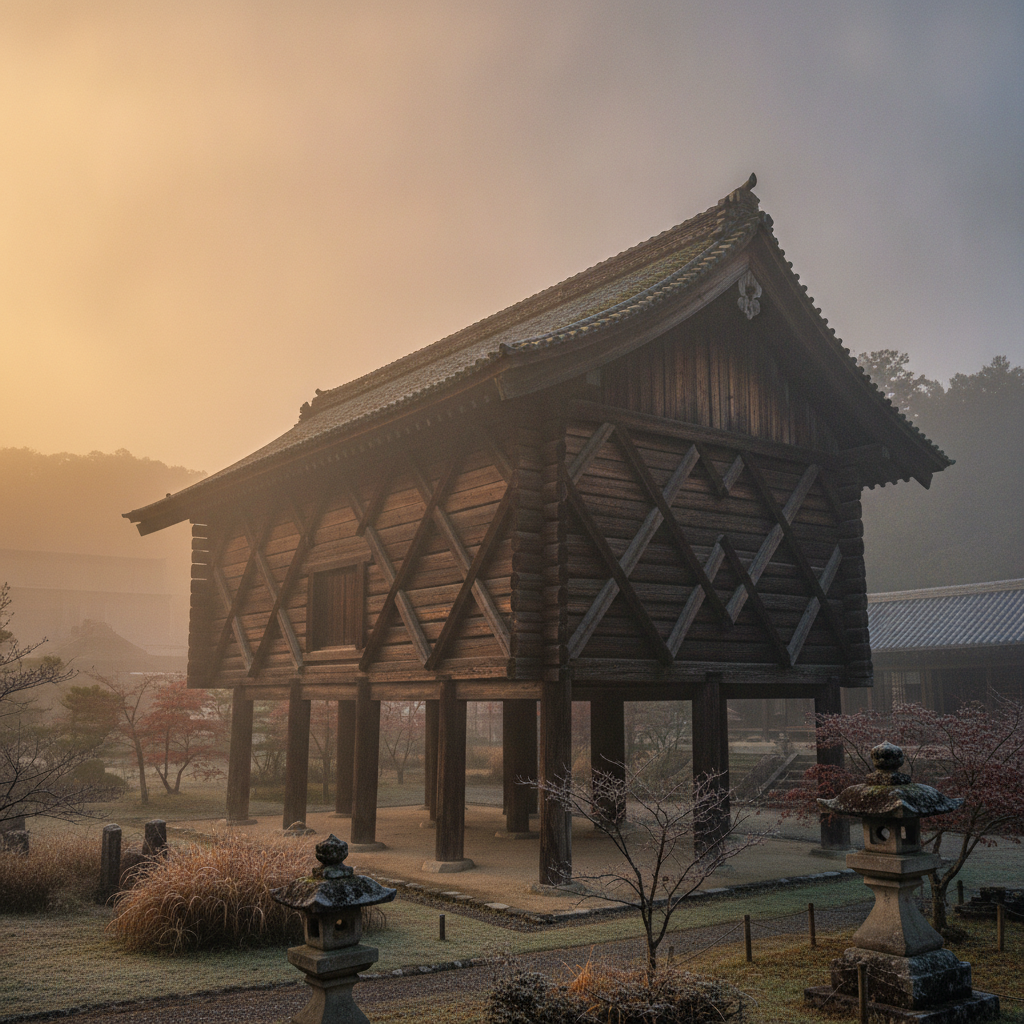
Heijō-kyō's 100,000-Person Capital, the Passive Climate Control Log Cabin With 9,000 Silk Road Objects & Japan's First Mountain God With No Hall
The Cherry Tree Planted as a Prayer That Started 30,000 Trees, the Roller Coaster With Vines Growing Through It & What the Great Buddha's Spiral Curls Look Like From Directly Below