The Bronze Buddha Cast in 749 CE, the Pillar Hole That Fits His Nostril & the Forest That Has Not Been Cut Since 841 CE
The Daibutsuden's wooden structure—the largest wooden building in the world, rebuilt at two-thirds its original 8th-century scale in 1709—housing the 499-tonne Great Buddha; the deer's learned bowing behaviour and the October antler-trimming ceremony; the Kasuga Taisha's 3,000 lanterns lit simultaneously twice a year and the 1,185-year-old primeval forest behind it; the 8-armed teenage Ashura sculpture in hollow dry lacquer (734 CE) as the most visited individual art object in Japan; Naramachi's ink-makers using a tradition established in the 8th century; and the case for arriving in the park at 06:00 before Kyoto's day-trip trains disgorge their crowds.
- 1
Tōdai-ji & the Great Buddha – Japan's Largest Wooden Building
Tōdai-ji (East Great Temple—the UNESCO World Heritage temple complex in Nara Park) houses the Daibutsuden (the Great Buddha Hall—the largest wooden building in the world, measuring 57 metres tall and 57 metres wide, though the current structure rebuilt in 1709 is approximately two-thirds the size of the original 8th-century hall): the building contains the Rushana Buddha (the Great Buddha of Nara—the bronze seated figure at 14.98 metres tall and 499 tonnes weight, cast in 749 CE under Emperor Shōmu as a cosmic mandate for the protection of Japan; the casting required 8 separate pourings and 2.5 million workers according to the chronicles, though modern historians estimate a smaller workforce). The Great South Gate (Nandai-mon—the 1203 CE gate with the two Unkei-carved Niō guardian figures on either side, each 8.4 metres tall; the Niō are considered the finest examples of Japanese Buddhist sculpture in existence; carved by the masters Unkei and Kaikei in only 69 days according to the temple records): the Nandai-mon approach from Nara Park through the deer provides the most photographed arrival experience in Nara. The pillar hole (inside the Daibutsuden, behind the Great Buddha: a square hole carved in the base of the pillar equal in size to the Great Buddha's nostril—legend states that those who crawl through are guaranteed enlightenment in the next life; adults can do this and the queue is long in peak season). The free-ranging deer: the approximately 1,200 sika deer of Nara Park are designated national treasures and considered messengers of the gods.
- 2
Nara Park – 1,200 Deer & the Sacred Landscape
Nara Park (the 660-hectare park encompassing Tōdai-ji, Kōfuku-ji, Kasuga Taisha, and the surrounding woodland—the central public space of Nara and the location of Japan's most-photographed deer population): the sika deer of Nara Park are not tame (they are wild animals that have habituated to humans over 1,300 years) and not entirely safe—deer bowing behaviour (the deer 'bow' in response to a human bowing, having learned to associate the gesture with food; the behaviour is most pronounced in mature bucks) is genuine conditioned behaviour that visitors can elicit using shika-senbei (the official deer crackers sold for ¥200 per bundle throughout the park). The mating season (rutting season: late September through November—the bucks become aggressive during rut and the park management posts warning signs; the antlers of mature bucks are removed in a ceremony in October for park visitor safety). The fawning season (May–June: fawns are born in the wooded areas north of Tōdai-ji and are not to be approached—the does occasionally charge visitors who come too close to newborns). The deer and the railway station (the Kintetsu Nara Station and JR Nara Station approach routes both pass through areas where deer routinely occupy pavements, queue in front of convenience stores, and wait at pedestrian crossings): the intersection of the modern city and the sacred deer is the defining Nara visual paradox—a deer bowing for crackers outside a 7-Eleven.
- 3
Kasuga Taisha – 3,000 Lanterns in the Forest
Kasuga Taisha (the Shinto shrine of the Fujiwara clan—the most politically powerful family in Japanese history from 794 to 1185, whose descendants held the position of regent throughout the Heian period and effectively ruled Japan in the Emperor's name): the shrine's four main deity enshrined are the protective deities of the Nara capital and the Fujiwara family fortunes. The 3,000 stone and bronze lanterns: the approach path through the kasuga forest (the approximately 10 km of stone lanterns lining the sacred paths from Nara Park to the inner shrine—the largest collection of stone lanterns in Japan) and the 1,000+ bronze hanging lanterns inside the covered corridor (the inner sanctuary rōmon corridor where the hanging lanterns are lit twice annually in the Lantern Festivals). The Mantōrō Lantern Festival (the festival when all 3,000 lanterns are lit simultaneously—held twice annually: the Setsubun Mantōrō (early February, the night of the bean-throwing ceremony) and the Obon Mantōrō (mid-August, the festival of the dead): the most atmospheric night experience in Nara and one of the most atmospheric night experiences in Japan. The primeval Kasuga forest: the 250-hectare Kasugayama Primeval Forest behind the shrine has been protected from logging since 841 CE (protected as sacred forest—no tree has been cut in 1,185 years): the forest is now the best example of ancient temperate rainforest in Japan and is separately listed as a UNESCO World Heritage element.
- 4
Kōfuku-ji & Nara's National Treasures
Kōfuku-ji (the temple of the Fujiwara clan established in 669 CE; moved to its current Nara location when the capital transferred to Nara in 710 CE; housing the highest concentration of National Treasure Buddhist sculptures in Japan at a single site): the temple's two pagodas (the 5-story East Pagoda at 50.8 metres—the second-tallest pagoda in Japan after Tō-ji in Kyoto; the 3-story North Octagonal Hall containing 3 National Treasure sculptures in a single octagonal room). The Kōfuku-ji National Treasure Museum (the 2018-reconstructed museum building that houses 9 National Treasure sculptures, 3 Important Cultural Properties, and the 8-armed Ashura (the most celebrated Buddhist sculpture in Japan—the teenage Ashura figure with 6 arms and 3 faces, cast in hollow dry lacquer in 734 CE; the figure's combination of youth, melancholy, and supernatural power has made it the most visited individual art object in Japan): the Ashura draws long queues in October and November (the Nara autumn foliage period) and should be visited on weekday mornings for the shortest wait. The Sarusawa Pond (the pond south of Kōfuku-ji's 5-story pagoda—the reflection of the pagoda in the pond surface at dusk, with golden light on the red lacquer: the most reproduced Nara image after the deer-and-temple composition).
- 5
Nara's Naramachi – The Old Merchant Quarter
Naramachi (the preserved Edo-period merchant town district south of Kōfuku-ji—the area covering approximately 30 city blocks of machiya (merchant townhouse) architecture, traditional craft shops, small galleries, and independent restaurants): the most walkable and least touristed section of the Nara city center. The machiya architecture: the Nara machiya (the narrow-fronted, deep-plan townhouse with a naka-niwa courtyard partway through the depth of the building that brings light into the interior) is the local variant of a building type found across Japan but most completely preserved in Nara's Naramachi due to the absence of major earthquake damage and the lack of wartime bombing. The Naramachi museums (the Naramachi Kōshi no Ie—the preserved 19th-century merchant house open to the public without charge; the Naramachi Mechanical Toy Museum; the Nara Arts and Crafts Museum in a former sake warehouse): the three museums form a 45-minute walking circuit. The craft specialties: Nara ink (Nara sumi—the highest-grade Chinese-style ink in Japan, produced in Nara since the 8th century; approximately 90% of Japan's ink output comes from Nara Prefecture; the Kobaien ink company founded in 1577, whose shop is in Naramachi, produces the benchmark Nara sumi products). Nara sarashi (the bleached Nara linen—the fabric bleached in Nara's mountain river water and dried on the slopes using the traditional technique: the resulting white fabric is slightly stiffer and more durable than standard linen and is used for traditional summer kimono (yukata) and for the fundoshi loincloths used in Nara's Omizutori ceremony).
- 6
Practical Nara – Day Trip vs Overnight & Getting Around
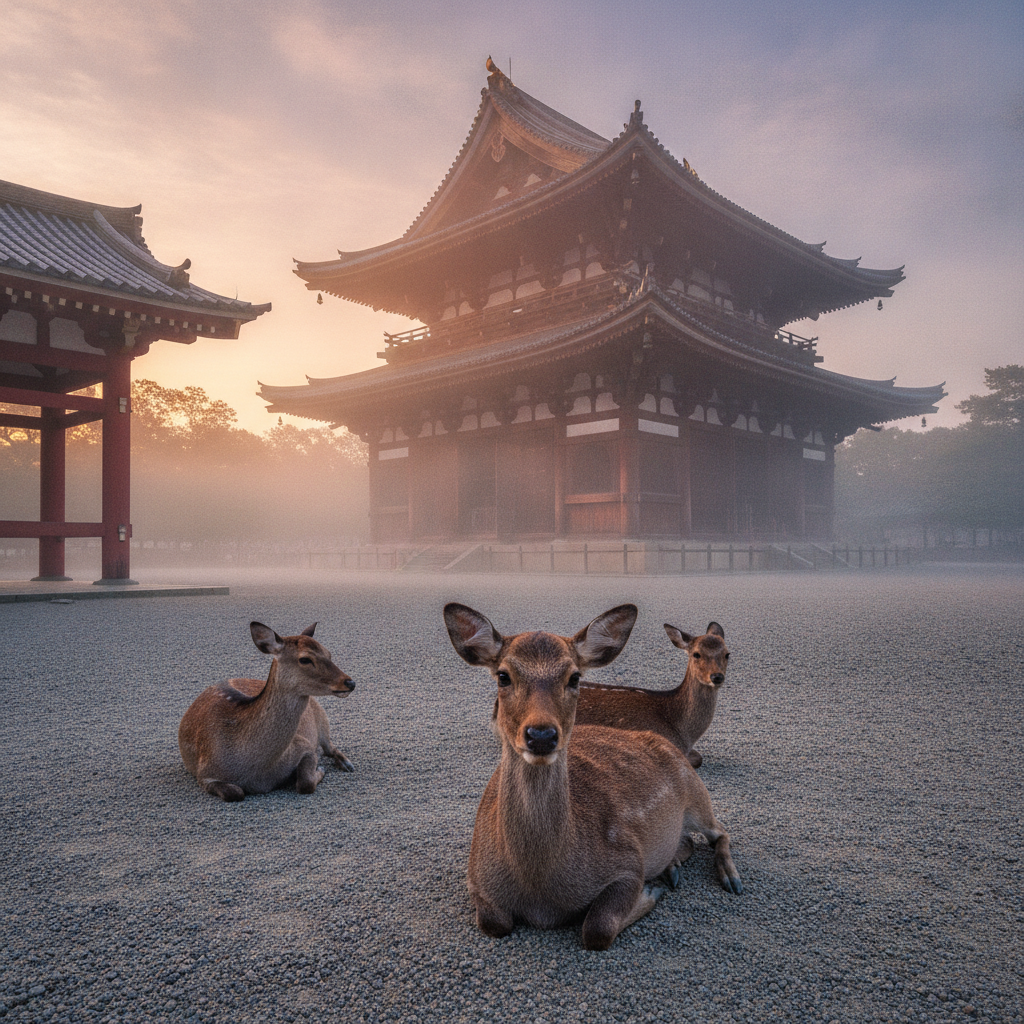
Nara's proximity to Kyoto (42 minutes by Kintetsu Limited Express from Kyoto Station; ¥720) and Osaka (Kintetsu from Osaka Namba Station: 37 minutes by express, ¥570) makes it Japan's most visited day trip destination—approximately 75% of Nara's 14 million annual visitors arrive and depart on the same day. The case for staying overnight: the park at 06:00–08:00 (before the day-trip crowds arrive from Kyoto on the 09:00 train) is one of the most tranquil experiences available in Japanese tourism—the deer in the mist of the early morning around Tōdai-ji before the senbei vendors open. The Nara accommodation options: the Nara Hotel (the 1909 Meiji-era hotel on the edge of Nara Park—the most historically significant hotel in central Japan, used by the Japanese Imperial family and visiting heads of state; the Western wing dates from 1909 and retains original fixtures); the numerous guesthouses in Naramachi for the budget traveler. Getting around: the Nara Park central area (Tōdai-ji, Kasuga Taisha, Kōfuku-ji) is entirely walkable from Kintetsu Nara Station (15 minutes on foot). The deer-exclusion zones (the areas of the park fenced off from deer for park management purposes—particularly around the Tōdai-ji main hall during restoration work): be aware that the gate maps change seasonally. The Nara Dreamland site (the abandoned theme park north of Nara city—now legally accessible for guided urban exploration; the rusting roller coaster visible from the highway is frequently described as Japan's most photogenic ruin).
Walk this route with audio
Stories play automatically as you reach each stop — no tapping needed.
More in Nara
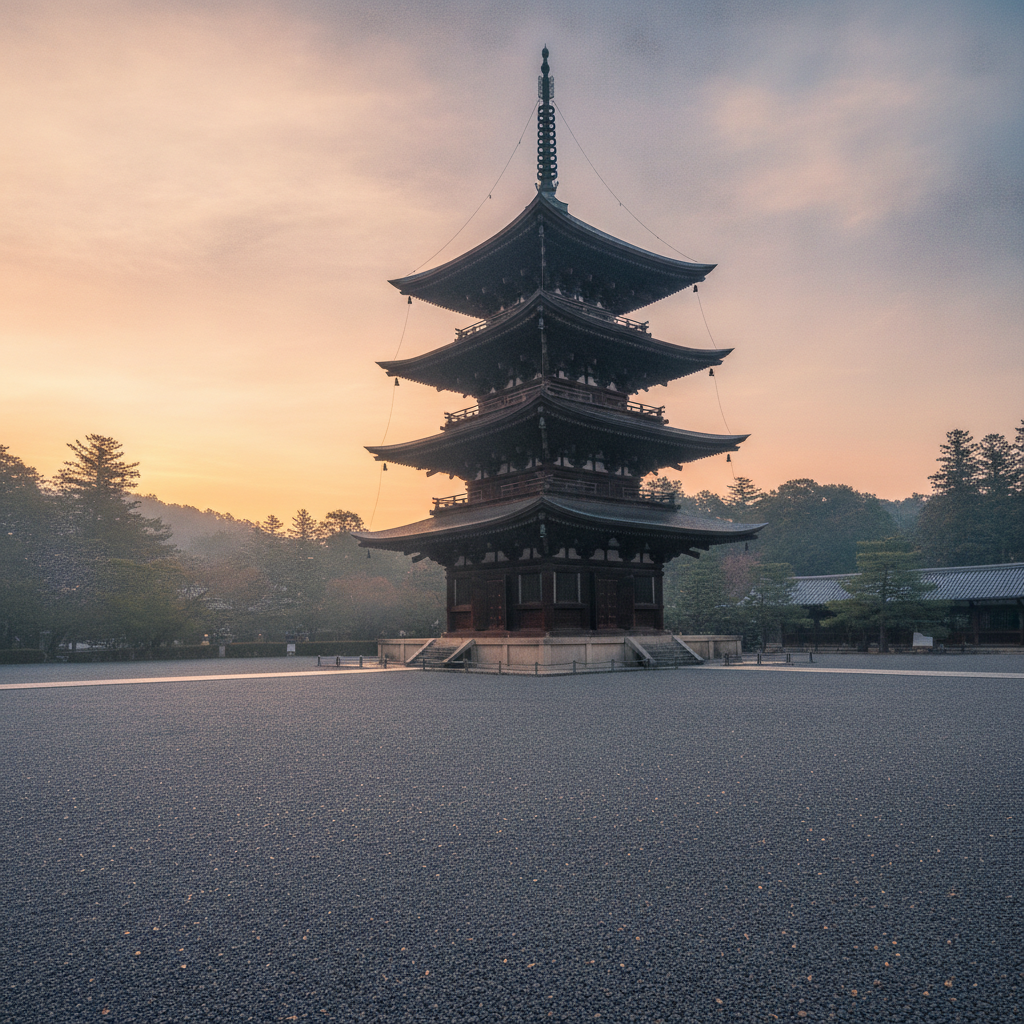
The World's Oldest Wooden Building, 30,000 Cherry Trees on a Sacred Mountain & the Noodle Tradition That Japan Claims to Have Invented
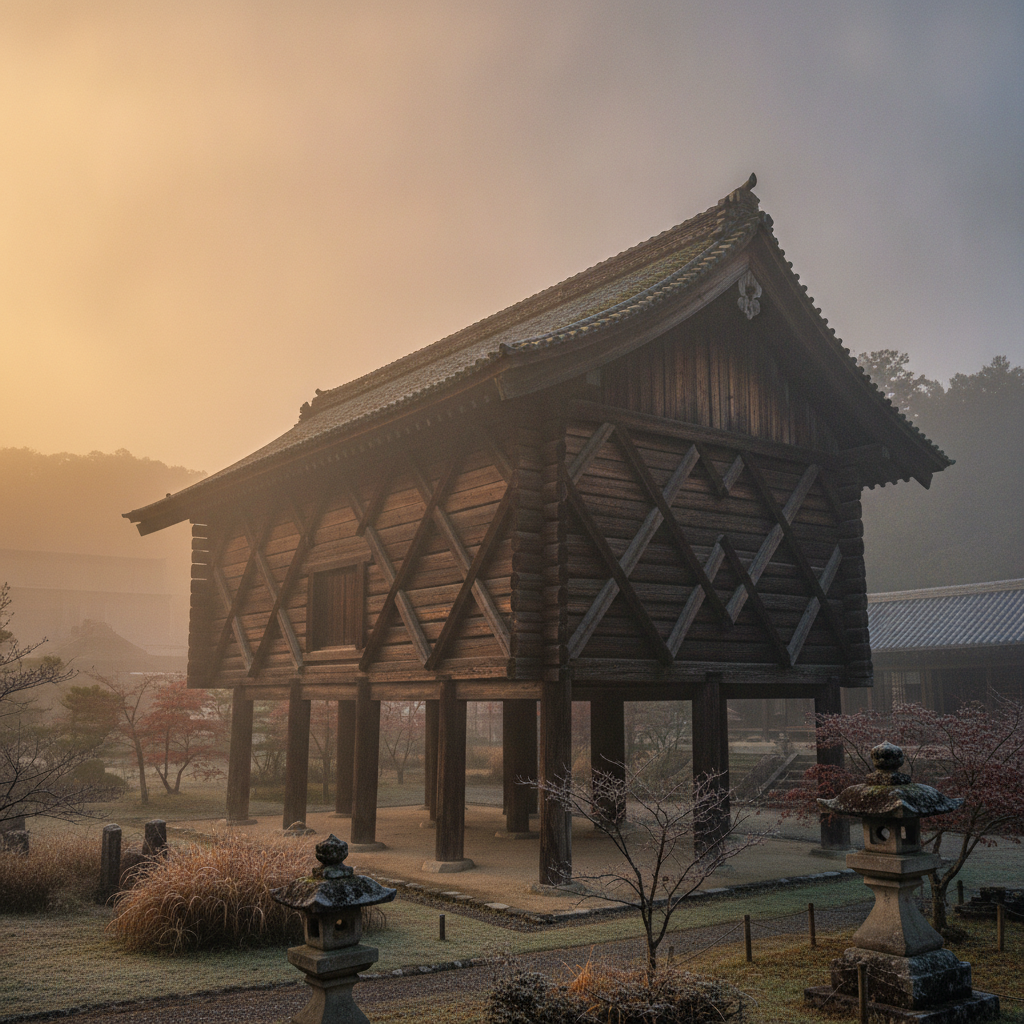
Heijō-kyō's 100,000-Person Capital, the Passive Climate Control Log Cabin With 9,000 Silk Road Objects & Japan's First Mountain God With No Hall
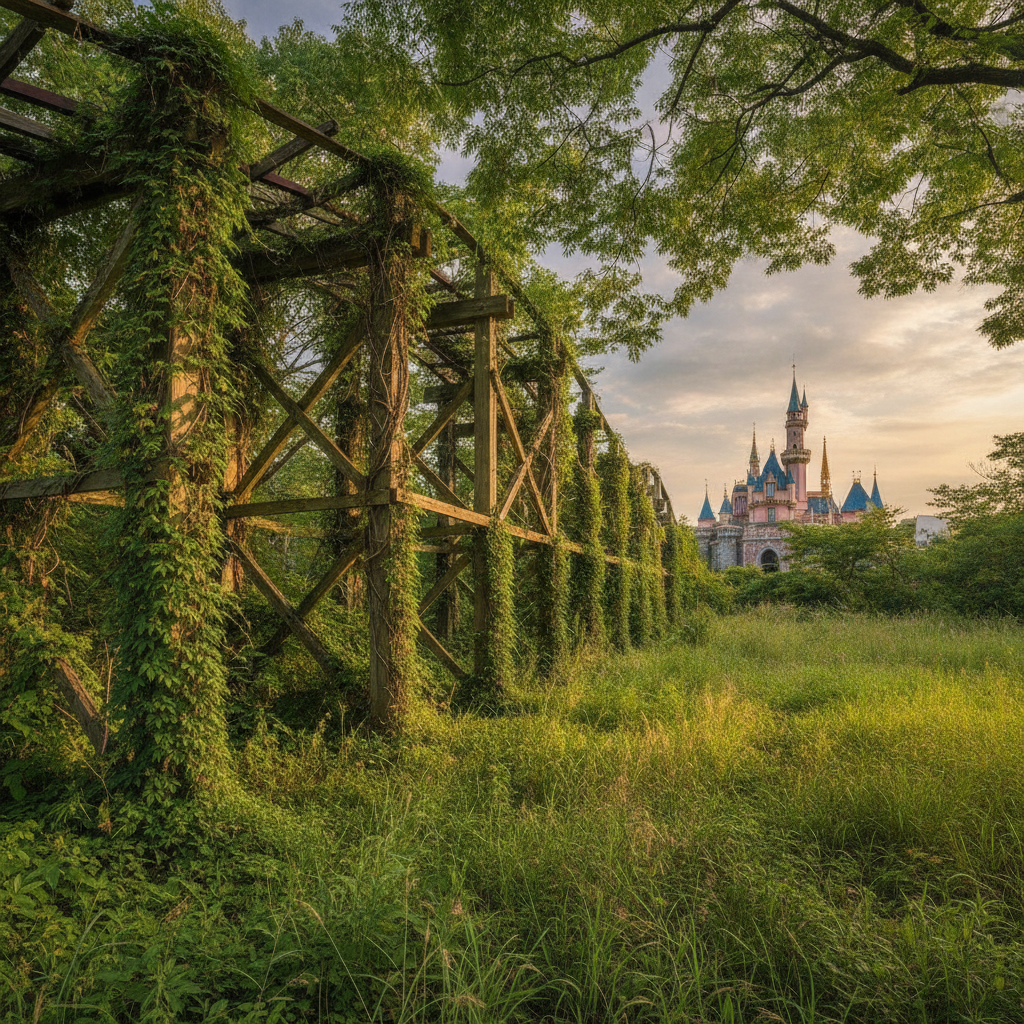
The Cherry Tree Planted as a Prayer That Started 30,000 Trees, the Roller Coaster With Vines Growing Through It & What the Great Buddha's Spiral Curls Look Like From Directly Below
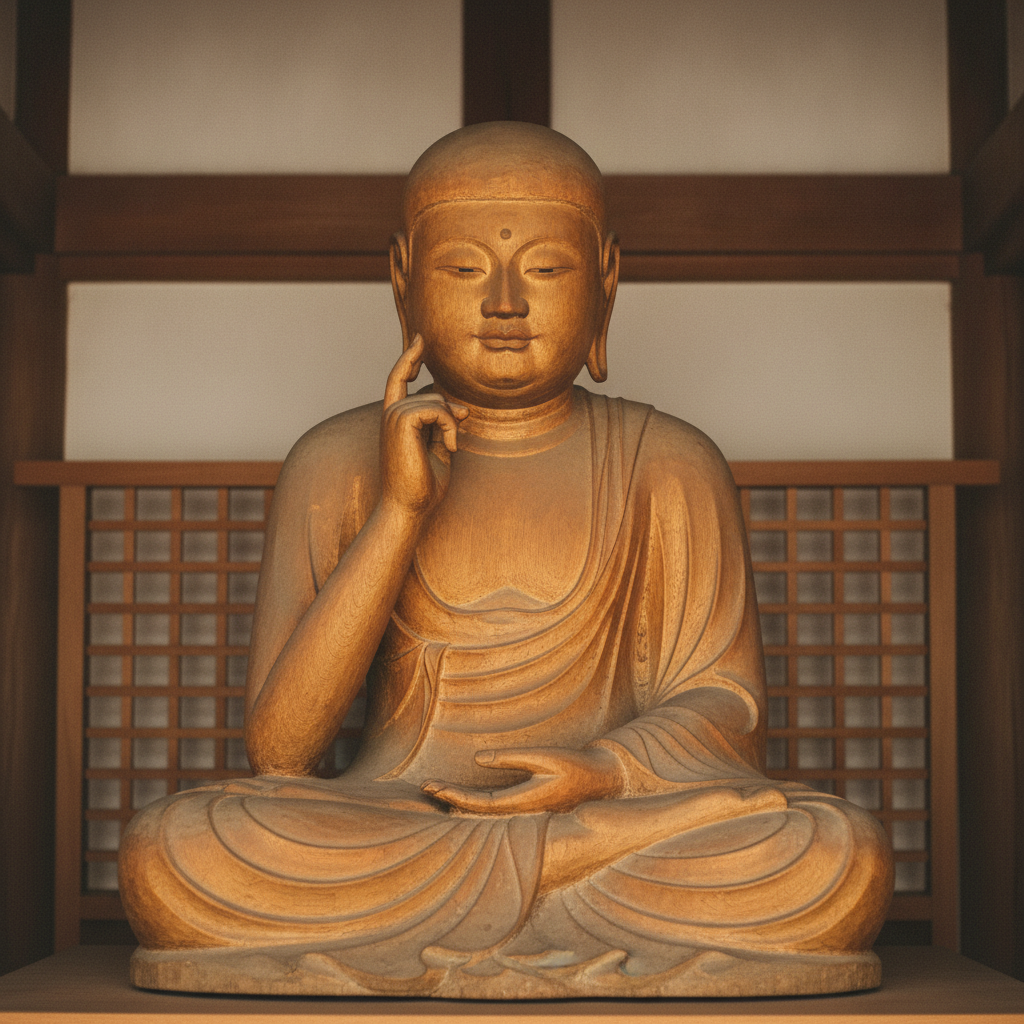
The 20,000 Lantern August Festival, Bruno Taut's 'Highest Expression of the Human Soul' & the Morning Ceremony Before the Great Buddha