Kanazawa
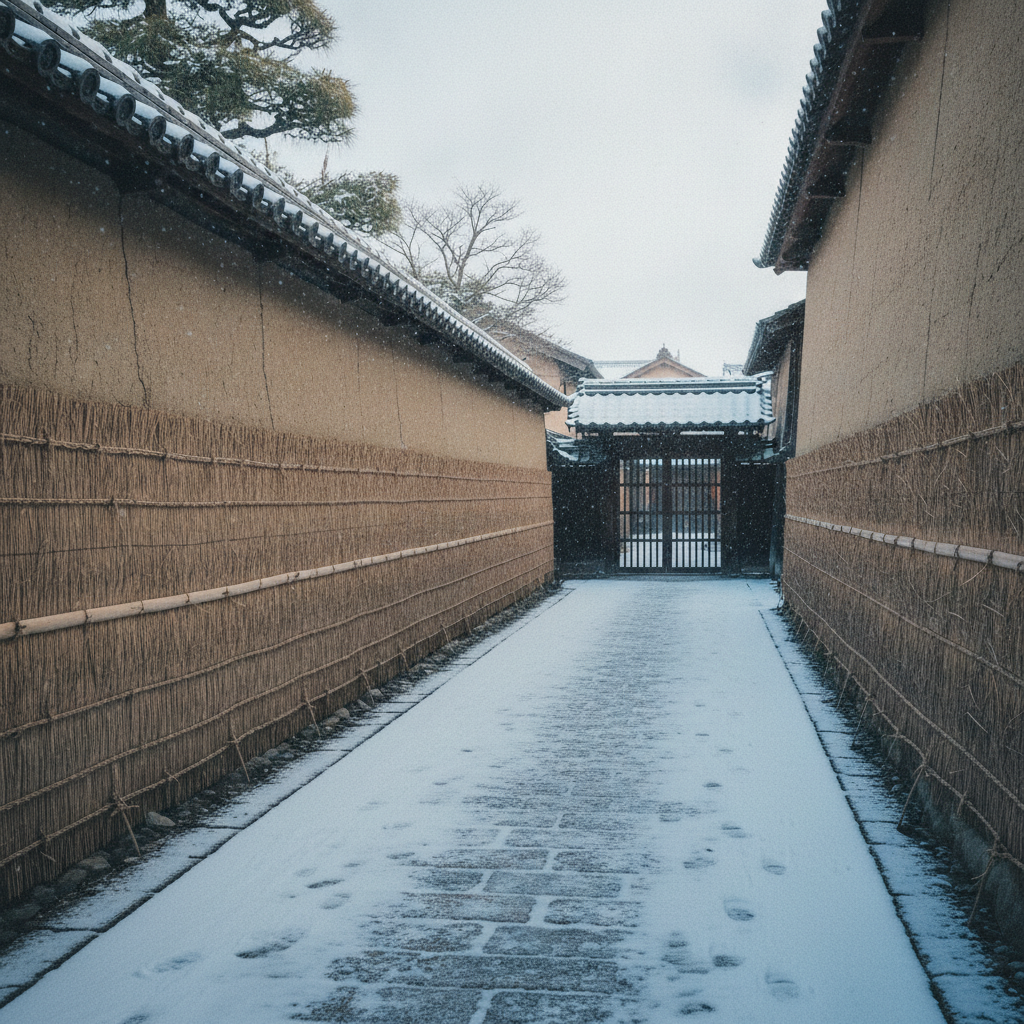
The Straw-Wrapped Walls, the Perforated White Library & Why Kanazawa Has One-Sixth Kyoto's Crowds at One-Third the Price
The Nagamachi dobei earthen walls and the Nomura House's garden rated among Japan's finest per square metre; the Higashiyama temple walk past the only Jewish cemetery in Japan; the Siberian Express's Japan Sea snowfall and the three parallel winter maintenance traditions (yukitsuri, komo-gake, roof bamboo poles); SANAA's 21st Century Museum and the Kanazawa Station Motenashi Dome as the two most photographed contemporary architecture pieces in Hokuriku; the Shirakawa-go winter light-up's 1,800-visitor limit oversubscribed months in advance; and the Kanazawa-vs-Kyoto cost-and-crowd case for visiting the city that pioneered Japanese culture with fewer people and a snow calendar.
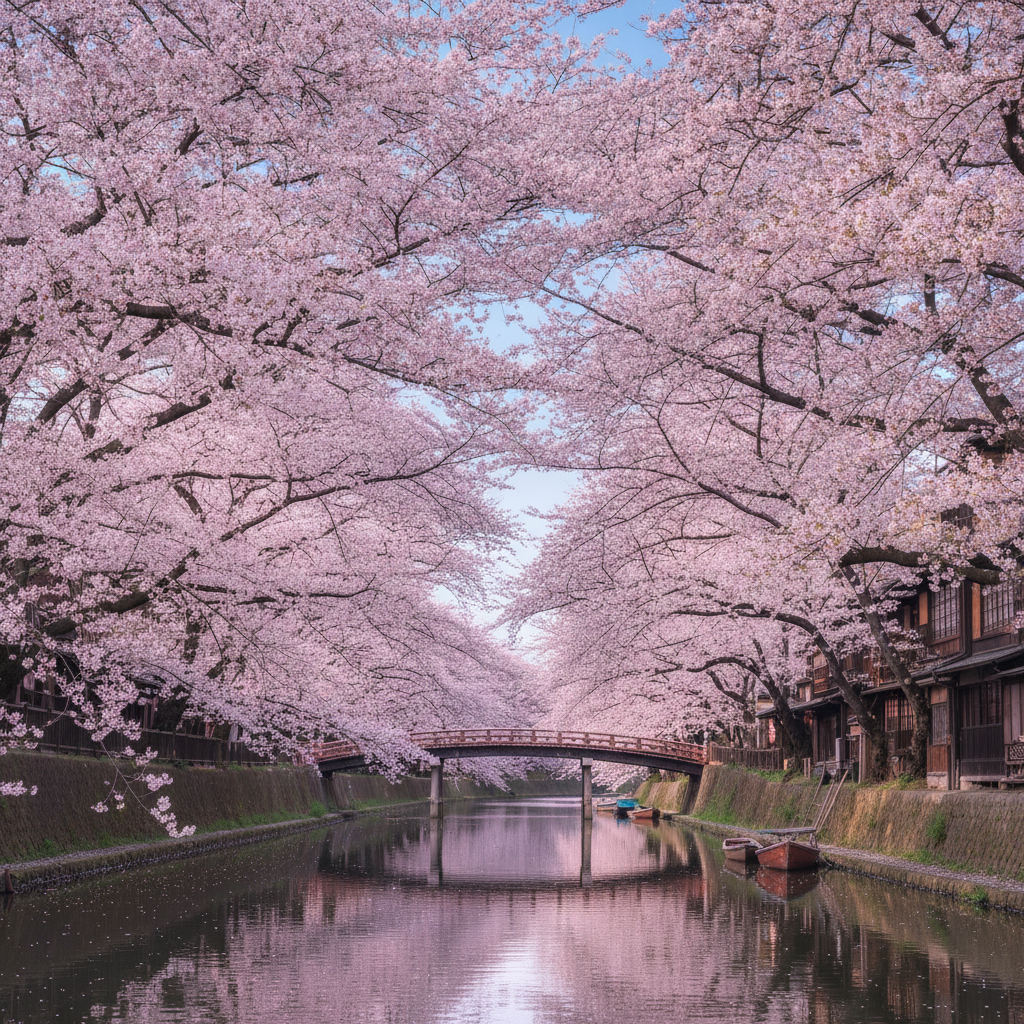
The Chaya Patron Introduction System Still Requiring Sponsorship, the Kanazawa Konbu Producing the Sweetest Stock in Japan & the 4,000-Costume Foundation Festival Parade
The ozashiki evening's Kaga zither ornamental techniques and Noh-derived dance, accessible through the Tourism Association introduction programme; Kaga Cuisine's Japan Sea winter climate calories, Toyama Bay konbu sweetness, and the amber kome-miso that distinguishes it from Tokyo and Kyoto; the Asano River cherry avenue 1 week after Tokyo and the December frozen willow branches at Kazue-machi; the Hyakumangoku Foundation Festival's 4,000 costumed marchers and the October Jazz Week's 100 concerts; the Kutani Kosen contemporary porcelain and the Yuzen-kan hand-painted textile direct-sale pricing; and the 2-day optimization routing the Kenroku-en visit at 16:00 rather than morning.
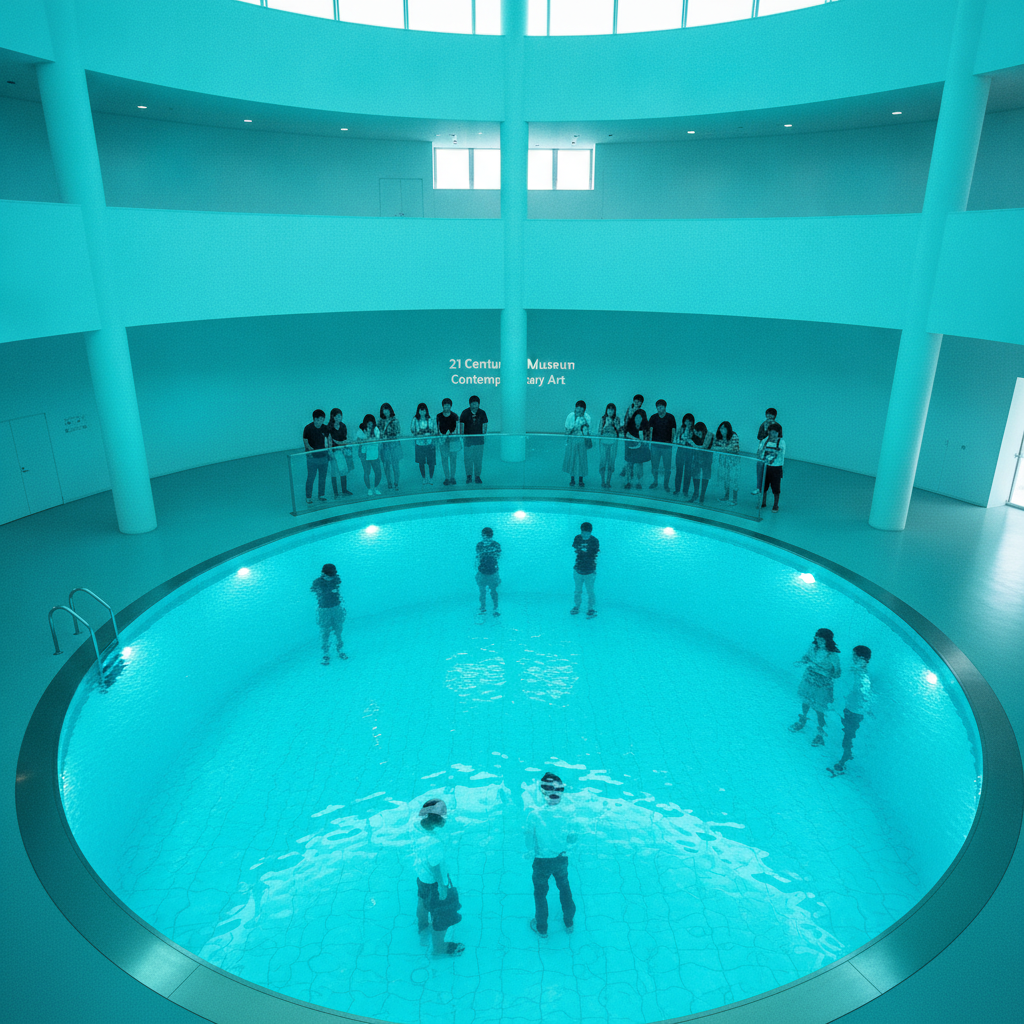
The Swimming Pool That Isn't, the 4-Story Building That Looks Like 2 & the 800 Noh Students in a City of 465,000
The 21st Century Museum's circular building with no front door as architecture-as-civic-philosophy, and the Swimming Pool illusion as the most copied contemporary installation concept in Japan; Myōryū-ji's 29 staircases and suicide room visible only on mandatory guided tour; Kanazawa's 10× national-average Noh participation rate and the 120-mask museum allowing physical handling; the Noto Peninsula's 1,004 coastal rice paddies and the 76-step Wajima lacquer process; the gold leaf ice cream's 24-karat edible sheet applied by bamboo chopstick; and the Kazue-machi riverside lanterns in the December first snowfall.
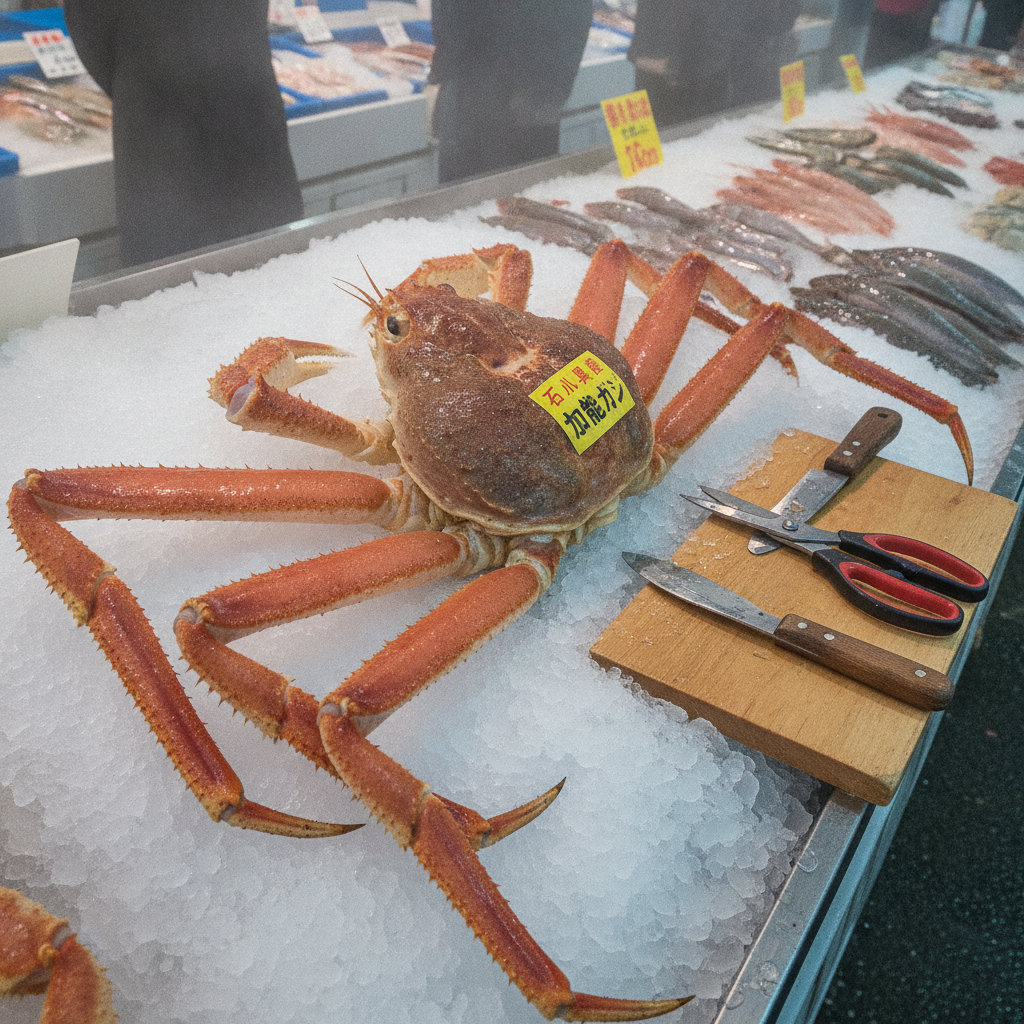
SANAA's Circular Museum Aligned With Japan's Oldest Great Garden, the ¥500,000 Opening-Day Crab & Why the Japan Sea Side of Japan Is a Different Country
The 500-metre cultural square where the castle, garden, traditional museum and contemporary museum are in deliberate spatial dialogue; the Sai River path and Higashiyama ridge walk that reveal residential Kanazawa outside the tourist loop; Izumi Kyōka's supernatural fog-and-snow fiction as the literary expression of the Japan Sea coast aesthetic; the snow crab season's 05:30 opening auction lottery and the yellow-tagged Noto-oki premium hierarchy; the post-2015 Shinkansen 67% visitor increase and the 2034 Osaka connection that will reframe Kanazawa from 'Japan's Little Kyoto' to a peer city; and the practical case for Kanazawa as the definitive second Japanese city for repeat visitors.
The 6-Stage 3-Day Process That Produces a Sheet Lighter Than Breath, the Apprenticeship Fund Paying 60% of New Craft Learners' Wages & the Four Kenroku-en Peaks That Each Justify a Separate Trip
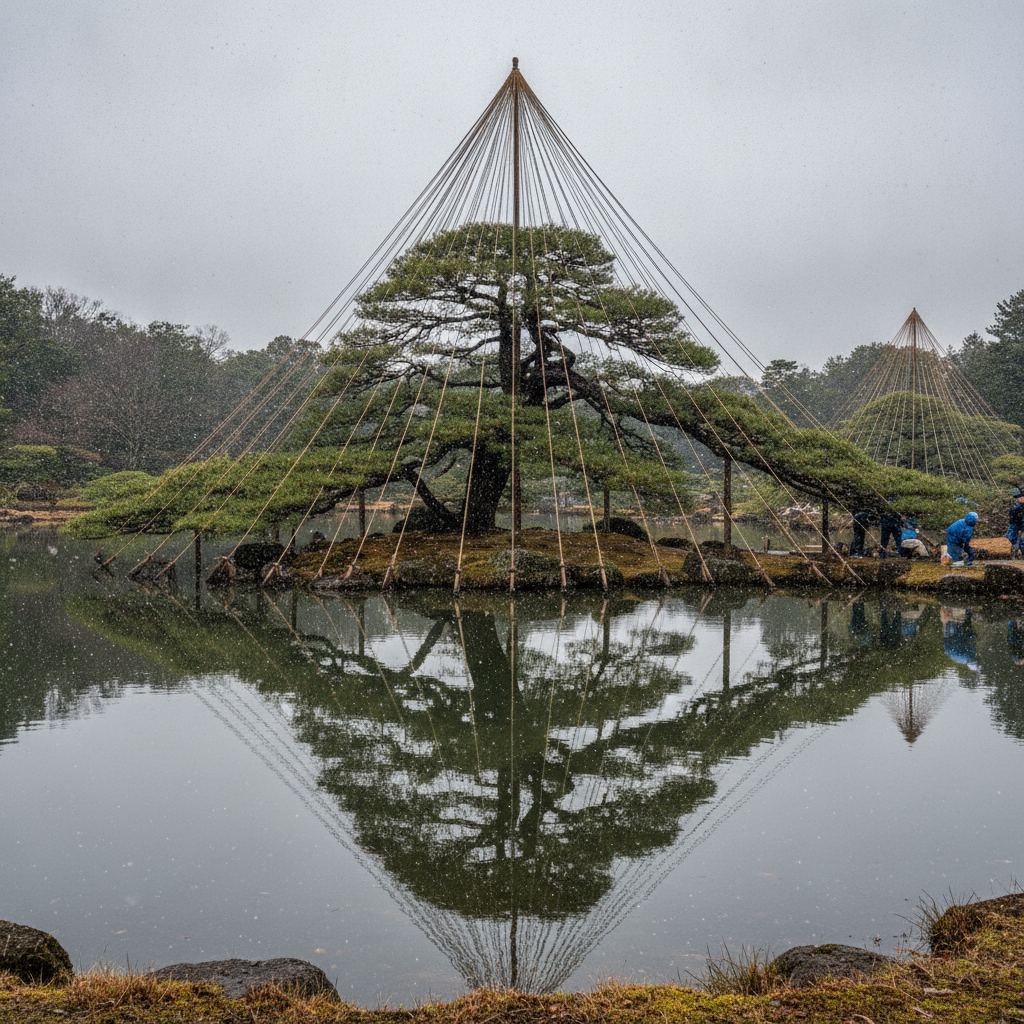
The gold leaf production science from alloy adjustment through the Kanazawa humidity advantage (65–75% RH optimal for paper interleaving) to the 20% premium-grade rejection rate; the Noto Craft Recovery Fund for earthquake-displaced Wajima lacquerware and Suzu pottery makers; the Kenroku-en head gardener's monthly seasonal bulletin and the November yukitsuri installation watched by photography enthusiasts; the Nohi Bus alpine route through Hakusan National Park to Takayama and the Kanazawa–Shirakawa-go–Takayama triangle as Japan's most variety-dense 4-day western coast itinerary; and the gold leaf facial mask as the most commercially successful contemporary craft application alongside the paulownia box of 50 edible sheets.
The Garden That Has All Six Impossible Attributes, the Geisha Quarter Whose Lattice Spacing Was Government-Regulated & 99% of Japan's Gold Leaf
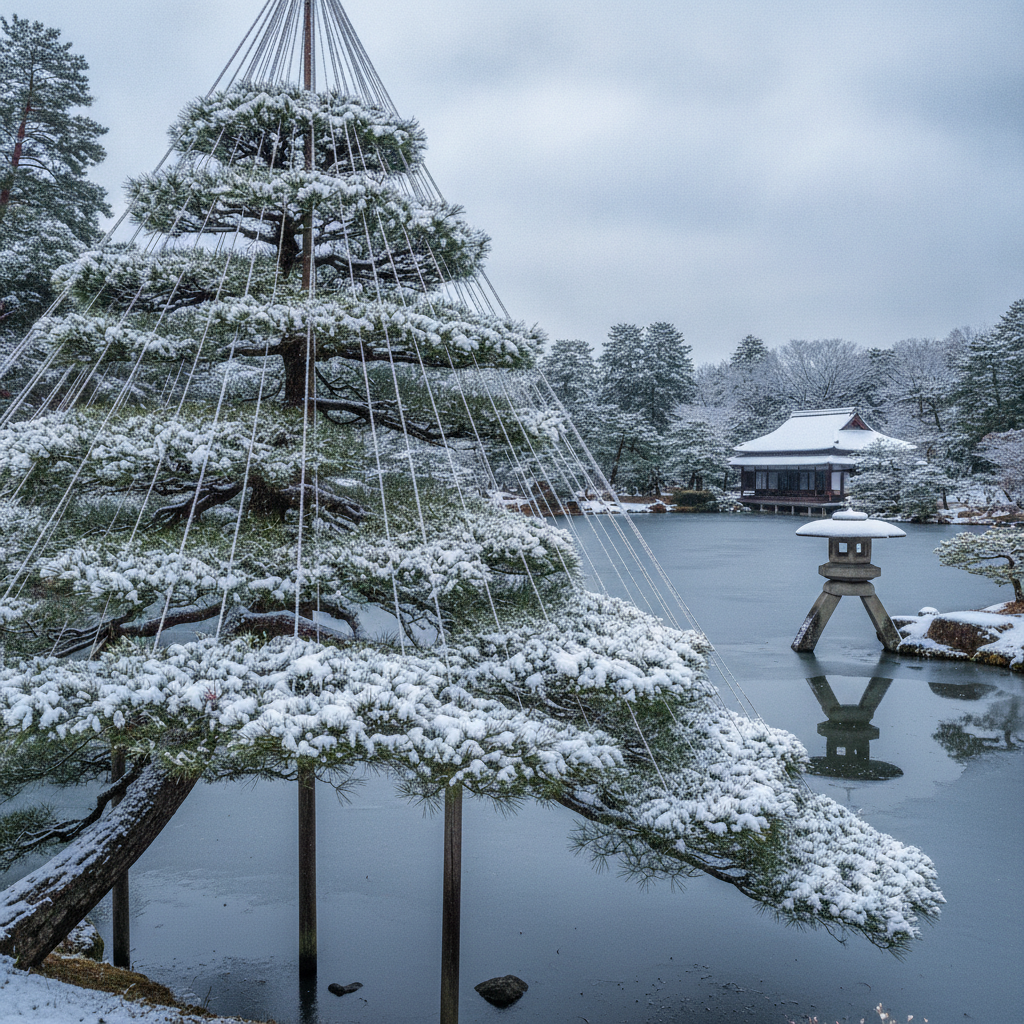
Kenroku-en's Kotoji-toro asymmetric lantern in the pond water and the Karasaki Pine's 250 winter rope supports creating Japan's most distinctive snow garden silhouette; the Higashi Chaya district's kimesho-goshi lattice spacing as a Maeda clan regulatory system; the Maeda clan's deliberate non-military cultural survival strategy producing the most concentrated craft tradition outside Kyoto; Ōmi-chō Market's 300-year continuous operation and the 08:15 arrival for the freshest Noto yellowtail and Zuwaigani snow crab; the gold leaf beaten to 1/10,000 mm in Kanazawa's optimal humidity; and the Hokuriku Shinkansen's 2015 opening that brought the city to 2h30m from Tokyo.