The Chaya Patron Introduction System Still Requiring Sponsorship, the Kanazawa Konbu Producing the Sweetest Stock in Japan & the 4,000-Costume Foundation Festival Parade
The ozashiki evening's Kaga zither ornamental techniques and Noh-derived dance, accessible through the Tourism Association introduction programme; Kaga Cuisine's Japan Sea winter climate calories, Toyama Bay konbu sweetness, and the amber kome-miso that distinguishes it from Tokyo and Kyoto; the Asano River cherry avenue 1 week after Tokyo and the December frozen willow branches at Kazue-machi; the Hyakumangoku Foundation Festival's 4,000 costumed marchers and the October Jazz Week's 100 concerts; the Kutani Kosen contemporary porcelain and the Yuzen-kan hand-painted textile direct-sale pricing; and the 2-day optimization routing the Kenroku-en visit at 16:00 rather than morning.
- 1
Kanazawa's Geisha Culture – A Living Tradition
Kanazawa's geisha (the geiko and maiko of the three Kanazawa chaya districts—Higashi, Nishi, and Kazue-machi): approximately 50 registered geisha practice in Kanazawa, making it the third-largest active geisha community in Japan after Kyoto (200+) and Tokyo (80+). The chaya entertainment system (the formal structure that governs geisha engagement in Kanazawa—the chaya operates as a membership club whose patron list was historically restricted to established merchants and samurai of appropriate status; new patron admission required the sponsorship of an existing patron): the system has loosened since the Maeda domain's dissolution in 1871 but the introduction system still operates—first-time visitors to Kanazawa geisha entertainment must normally be introduced by an existing patron or through a hotel concierge arrangement. The cultural content of a Kanazawa ozashiki (the formal geisha entertainment evening): the Kaga Zither (the koto performance in the Kaga musical style—the Kaga koto school differs from the Ikuta and Yamada schools that dominate the national koto tradition by its use of specific ornamental techniques (kake-oshi) developed in the Maeda court); the Kanazawa Mai (the dance form specific to the Kanazawa geisha tradition, incorporating Noh-derived movements and slower, more deliberate footwork than the Kyoto geisha dance). The public geisha performance option (the Higashi Chaya Kanazawa Tabi Geisha Night—the organized cultural experience for visitors without patron introduction, operating through the Kanazawa Tourism Association (reservation required; approximately ¥8,000–15,000 per person including food and geisha performance).
- 2
Kanazawa's Kaga Cuisine History
The origin of Kaga Cuisine (Kaga ryori—the formal cuisine of the Kanazawa area, developed under the Maeda clan's patronage to match the sophistication of Kyoto court cuisine): the Maeda domain's formal cuisine tradition began in the 17th century when the third Maeda lord Toshitsune invited Kyoto-trained chefs to the domain to establish the Kaga culinary style. The Kaga Cuisine differentiation from Kyoto kaiseki (the key differences that Japanese food professionals use to distinguish the two traditions): the Kaga cuisine is more warming and substantial than Kyoto kaiseki (reflecting the Japan Sea winter climate's caloric demands); the dashi (the primary soup stock) in Kaga Cuisine uses konbu (kelp from the Toyama Bay and Hokuriku coast—the highest-grade konbu in Japan, producing a sweeter, richer stock than the Kyoto-standard Rishiri konbu from Hokkaido); and the Kaga 4 vegetables and local seafood that have no Kyoto equivalents. The Kaga miso (the Kanazawa-specific miso—a mixed soybean and rice (kome) miso with a sweeter, milder character than Tokyo's red miso or Kyoto's white miso; the colour is intermediate (a warm amber): served as the base for the miso soup in every Kaga Cuisine meal and used as a glazing medium for the dengaku preparation of tofu and vegetables at the Ōmi-chō market stalls). The kaisendon evolution (the contemporary Kanazawa variant of the sashimi rice bowl—the Kanazawa-style kaisendon uses the same seafood as a formal kaiseki but in a casual, affordable bowl format: the most accessible entry point to the Kanazawa seafood culture at approximately ¥2,000–3,500 per bowl at the Ōmi-chō market restaurants).
- 3
The Asano River & Kanazawa's Waterway Culture
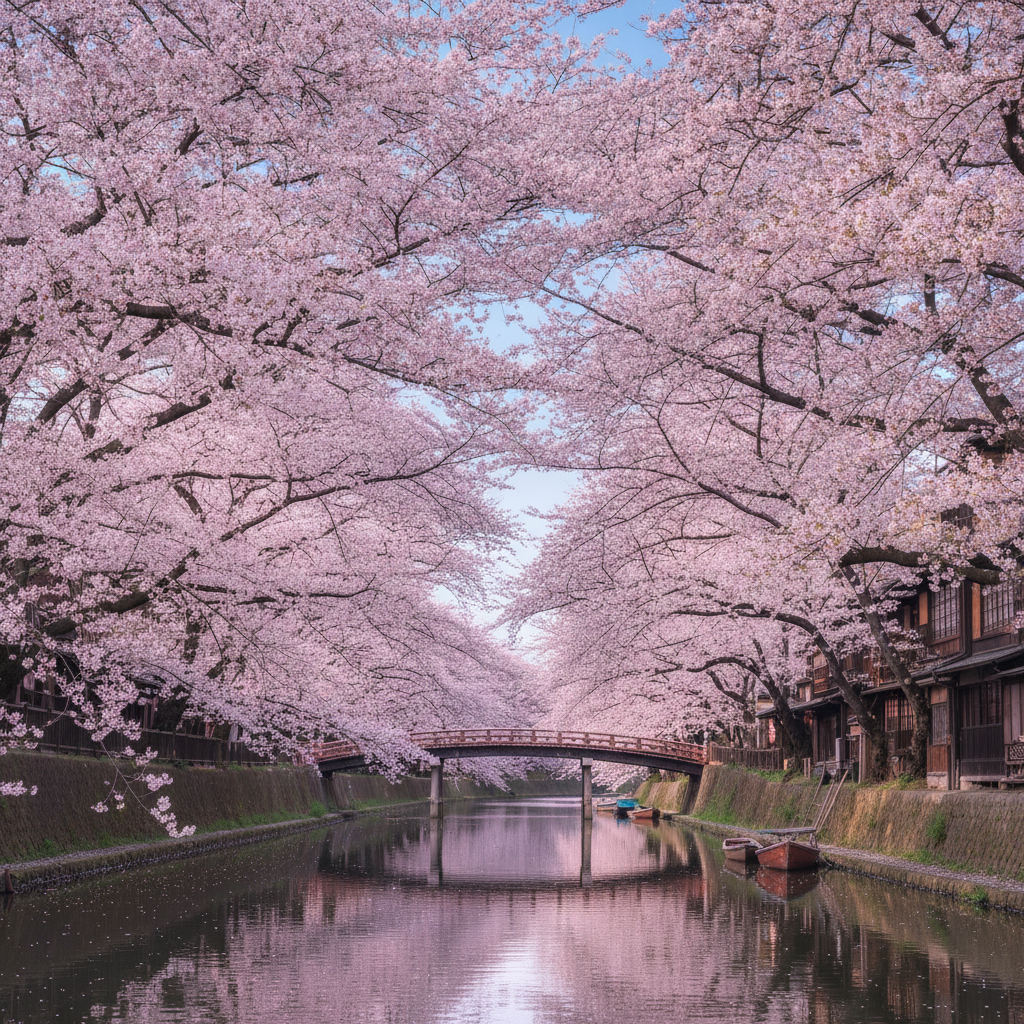
The Asano River (the main river flowing through Kanazawa's city center from the Mt. Tomuriyama range to Kanazawa Port on the Japan Sea): the river that defines the geographical relationship between Kanazawa's three chaya districts (the Higashi Chaya on the east bank, the Kazue-machi Chaya at the Asano River bend, and the Nishi Chaya across the Sai River to the west). The Asano River in cherry blossom season (the Asano River cherry avenue—the 1.5 km of cherry trees along both banks of the river from the Tentō Bridge to the Jozan Bridge: the most visited cherry blossom viewing site in Kanazawa in late April (approximately 1 week after Tokyo's peak due to the higher latitude and the Japan Sea coast climate). The Asano River winter (the Asano River in December–February when snow lines the banks: the willow trees of Kazue-machi with snow on their hanging branches are the most atmospheric winter riverside image in Kanazawa; the river occasionally partially freezes in the January cold). The Kanazawa Port seafood (the port at the Asano River mouth on the Japan Sea coast—the daily fish market at Kanazawa Port (the Ōmi-chō Market supply origin): the trawlers that supply the Ōmi-chō Market operate from the Kanazawa Port fishing pier; the early morning fish auction (05:00–07:00) is accessible with a fishing cooperative visitor pass, booked through the Kanazawa Tourism Association): the most direct market-to-plate connection in the Kanazawa food culture.
- 4
Kanazawa's Seasonal Events Calendar
The Kanazawa annual event calendar is more concentrated in cultural festivals than most Japanese cities of its size—the combination of the active Noh community, the geisha tradition, the Hyakumangoku domain foundation celebration, and the winter snow culture produces 8–10 significant annual events. The Hyakumangoku Matsuri (the Foundation Festival—the largest annual event in Kanazawa; held on the first weekend of June; celebrating the Maeda clan's entry into Kanazawa Castle in 1583; approximately 70,000 participants in 3 days; the main parade on Saturday evening features approximately 4,000 participants in Edo-period costume): the most significant cultural festival in Hokuriku. The Kanazawa Jazz Week (October—the largest jazz festival in the Japan Sea coast region; approximately 100 concerts in 3 days across the city's venues including outdoor stages in the Kenroku-en park area and the 21st Century Museum plaza): the unexpected pairing of a traditional craft city with an internationally-oriented contemporary music festival reflects the 21st Century Museum's cultural influence on the city's self-image. The Kanazawa traditional arts season (November–March: the period when most of the Noh performances, Koto concerts, and Kaga Yuzen demonstrations are concentrated—the winter culture programme driven by the indoor nature of traditional arts): the Noh performance season (the Ishikawa Ongakudo monthly Noh performances and the special winter programme at the Higashi Chaya Zashiki for small groups).
- 5
The Ishikawa Prefectural Museum of Art & Traditional Craft Hub
The Ishikawa Prefectural Museum of Art (the main museum of traditional arts in Kanazawa—the permanent collection focusing on Kutani porcelain, Kaga Yuzen textiles, Wajima lacquerware, and other Ishikawa traditional crafts; adjacent to Kenroku-en): the most comprehensive single-building overview of the Ishikawa craft tradition, including the national-treasure-level Kakiemon-style Kutani porcelain from the 17th century. The Kanazawa Nishi Chaya Shiryokan (the Nishi Chaya District Museum—the converted chaya building with period-accurate interior displays of the chaya entertainment culture; the tea ceremony room and the ozashiki (entertainment room) are preserved with Edo-period furnishings): the counterpart to the Higashi Chaya's Shima Museum but in the smaller, less visited Nishi district. The Kanazawa Traditional Craft Hub (the Kanazawa Higashiyama Craft Complex—the cluster of traditional craft shops and studios on the eastern slope of Higashiyama above the Higashi Chaya district; accessible by the 20-minute walk from the chaya): the studios include working Kaga Yuzen painters, gold leaf application specialists, and Kutani porcelain decorators who accept visitors for observation and workshop participation. The craft shopping guide: the benchmark shopping destinations in Kanazawa—the Higashiyama Yasue Gold Leaf Museum shop (the most complete gold leaf product range in the city); the Kutani Kosen shop near Kenroku-en (the contemporary Kutani pottery at accessible price points); and the Kaga Yuzen studio direct sales at the Yuzen-kan workshop (the only place to buy a genuinely hand-painted Kaga Yuzen textile (as opposed to machine-printed reproductions) at below-retail prices).
- 6
Kanazawa Overnight – Ryokan, Machiya & Practical Tips
The Kanazawa accommodation landscape offers the best combination of traditional lodging and value in the Japan Sea coast region. The ryokan option: the Kanazawa traditional inns concentrate in the Higashi Chaya area and the Kenroku-en adjacent zone—the Kanazawa Hakuchoro Hotel Sanraku (the most upscale traditional-style property in the chaya district; ¥25,000–45,000 per person including dinner); the Sumiyoshiya Ryokan (the mid-tier traditional inn near Ōmi-chō Market; the most convenient location for the market breakfast circuit; ¥12,000–20,000 per person). The machiya guesthouse option: the Kanazawa machiya guesthouses (the Edo-period merchant townhouses converted to small guesthouses—the most atmospherically authentic accommodation in Kanazawa): the Hakua Inn (Higashi Chaya area; ¥8,000–12,000 per person; breakfast included), the Nishida Kichibe (the guesthouse attached to one of the Higashiyama temple gardens). The budget option: the Kanazawa Backpackers (dorm beds ¥2,800; located near Kanazawa Station; the most convenient base for Shinkansen access). The 2-day schedule optimization: Day 1 (arrive by afternoon Shinkansen from Tokyo; Kenroku-en at 16:00 (the garden in the late afternoon light is less crowded and more beautiful than the morning); Higashi Chaya evening walk; kaisendon dinner in the Katamachi district); Day 2 (Ōmi-chō Market at 08:00; Myōryū-ji Ninja Temple (reservation required—book the morning before); Nagamachi and Nomura House; 21st Century Museum (afternoon); Kanazawa Station Motenashi Dome before the Shinkansen departure).
Walk this route with audio
Stories play automatically as you reach each stop — no tapping needed.
More in Kanazawa
The Straw-Wrapped Walls, the Perforated White Library & Why Kanazawa Has One-Sixth Kyoto's Crowds at One-Third the Price
The Swimming Pool That Isn't, the 4-Story Building That Looks Like 2 & the 800 Noh Students in a City of 465,000
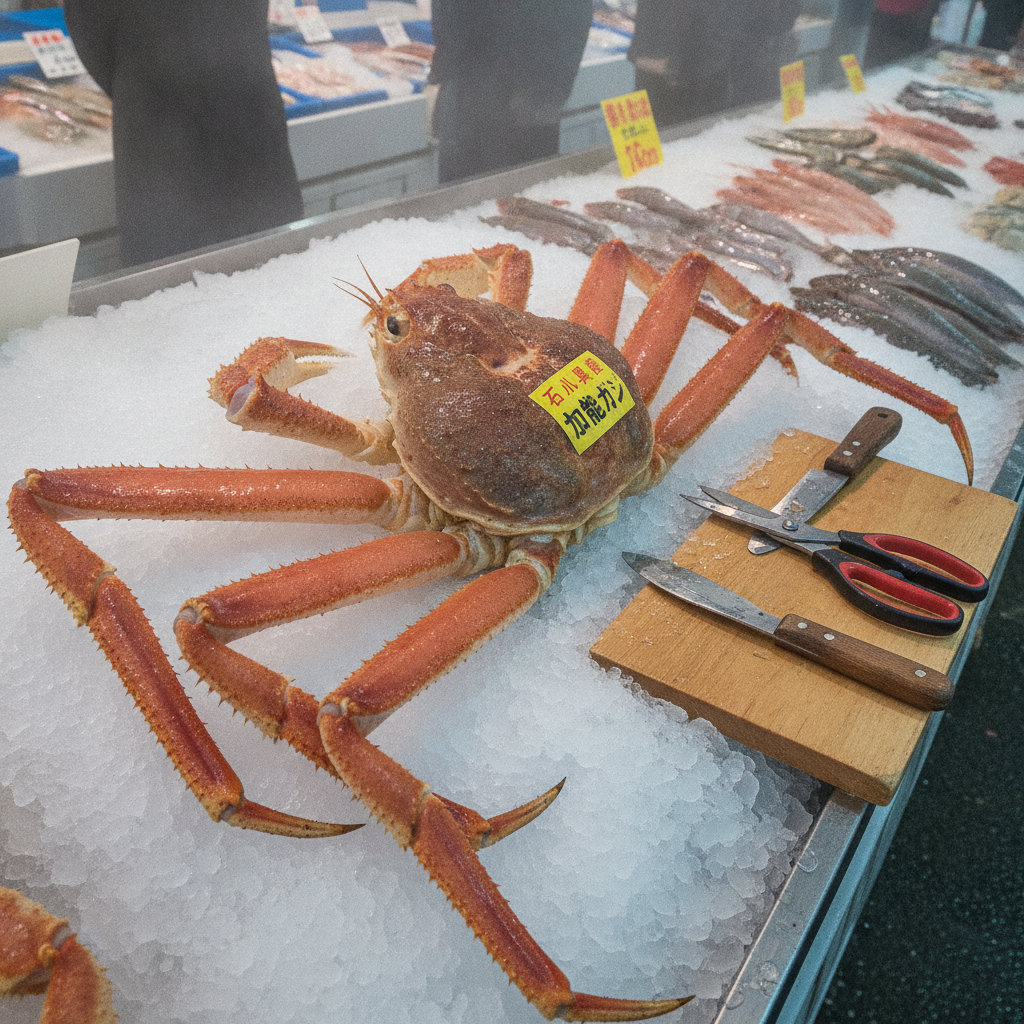
SANAA's Circular Museum Aligned With Japan's Oldest Great Garden, the ¥500,000 Opening-Day Crab & Why the Japan Sea Side of Japan Is a Different Country
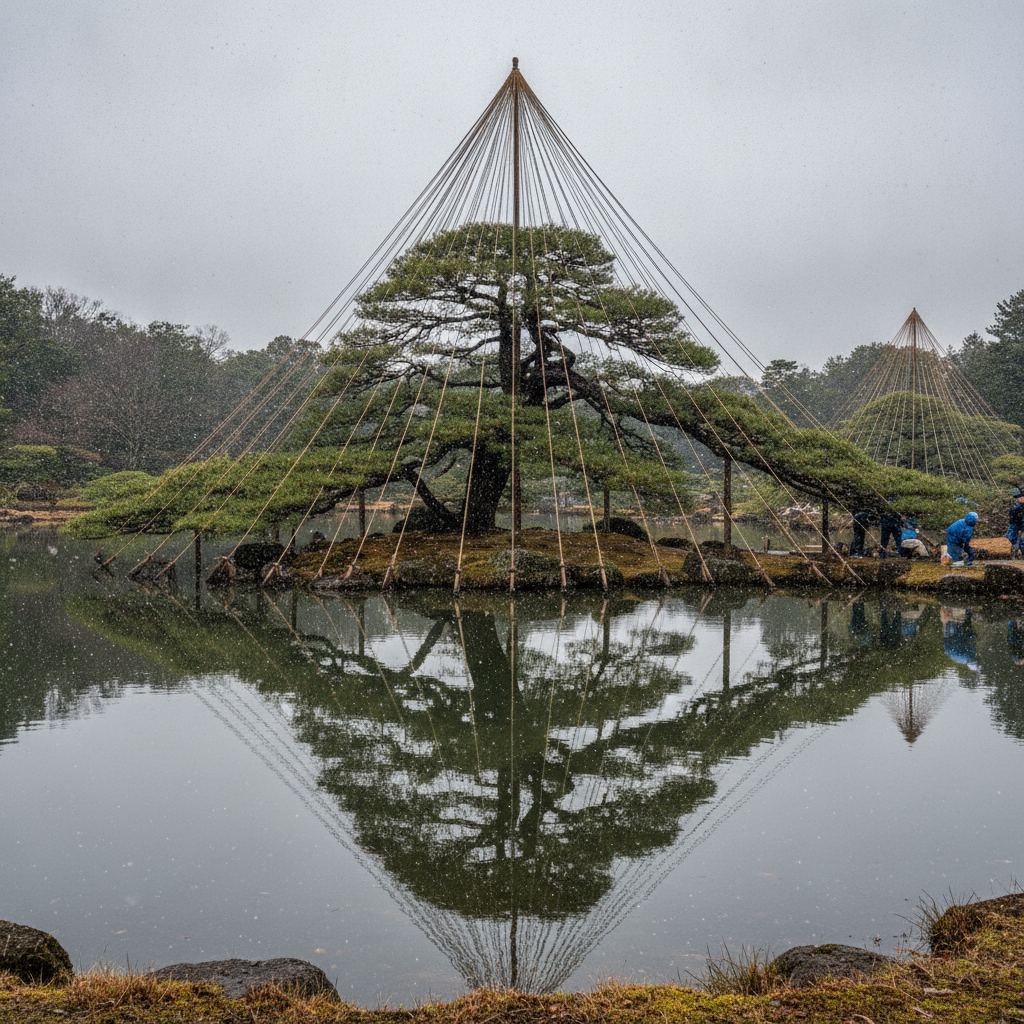
The 6-Stage 3-Day Process That Produces a Sheet Lighter Than Breath, the Apprenticeship Fund Paying 60% of New Craft Learners' Wages & the Four Kenroku-en Peaks That Each Justify a Separate Trip