SANAA's Circular Museum Aligned With Japan's Oldest Great Garden, the ¥500,000 Opening-Day Crab & Why the Japan Sea Side of Japan Is a Different Country
The 500-metre cultural square where the castle, garden, traditional museum and contemporary museum are in deliberate spatial dialogue; the Sai River path and Higashiyama ridge walk that reveal residential Kanazawa outside the tourist loop; Izumi Kyōka's supernatural fog-and-snow fiction as the literary expression of the Japan Sea coast aesthetic; the snow crab season's 05:30 opening auction lottery and the yellow-tagged Noto-oki premium hierarchy; the post-2015 Shinkansen 67% visitor increase and the 2034 Osaka connection that will reframe Kanazawa from 'Japan's Little Kyoto' to a peer city; and the practical case for Kanazawa as the definitive second Japanese city for repeat visitors.
- 1
Kanazawa's Architecture Heritage – The Kenroku Relationship
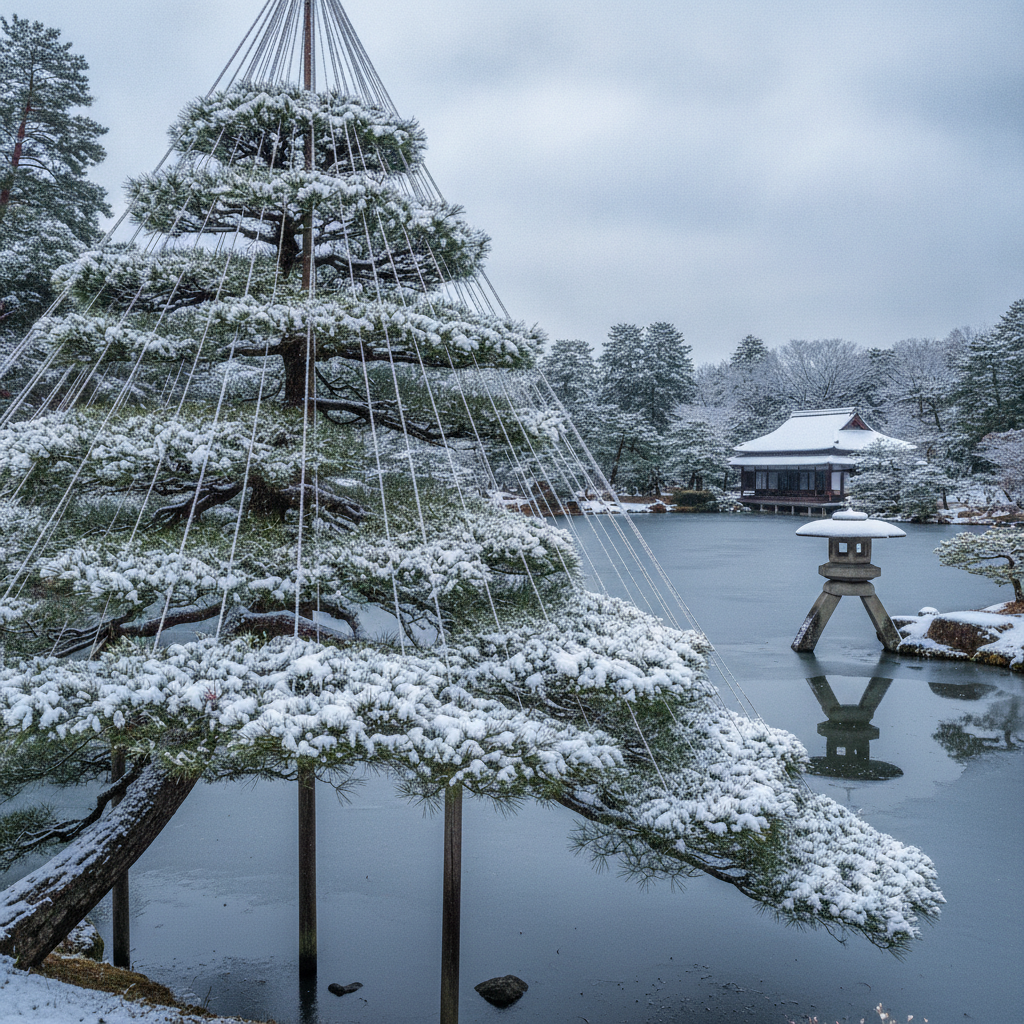
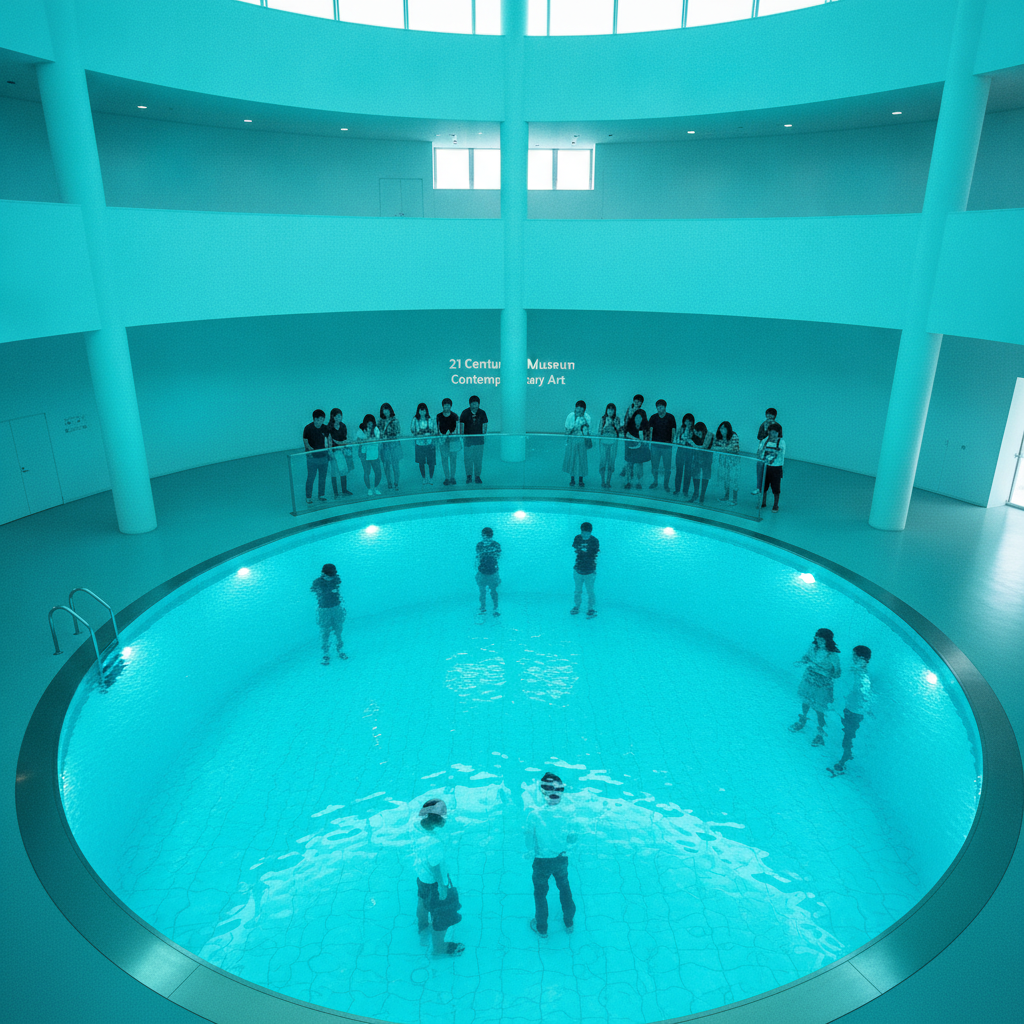
The spatial relationship between Kenroku-en, Kanazawa Castle, the 21st Century Museum, and the Ishikawa Prefectural Art Museum forms the most culturally dense 500-metre square in any Japanese city outside Kyoto and Nara. The geography: the four institutions are arranged around the Kenroku-en garden—the castle to the north (historic military function), the Ishikawa Prefectural Art Museum to the east (traditional craft function), the 21st Century Museum to the south (contemporary art function), and the Nishi gate of the garden itself completing the western boundary. The historical interpretation: the Maeda clan's original layout placed the garden between the castle (the political power) and the urban community below (the social function)—the garden served as the buffer and display zone that announced the Maeda cultural programme to the city. The contemporary addition (the 21st Century Museum's southern adjacency to the garden is not accidental—the SANAA design specifically references the garden's circular composition with the museum's own circular plan; the museum's southern entrance faces the Kenroku-en southern gate, creating a visual alignment between Japan's oldest 'great garden' and the most significant new Japanese museum building of the 21st century). The photography of the composition: the single viewpoint that captures all four cultural zones simultaneously is the elevated Kenroku-en hillside above the Kotoji-toro lantern looking south—from this point, the castle roof tiles are visible to the north, the Art Museum roof to the east, and the 21st Century Museum's glass roof to the south.
- 2
Kanazawa's Hidden Walking Routes
Beyond the standard Kanazawa loop (Kenroku-en, Higashi Chaya, Nagamachi, 21st Century Museum), the city rewards the walker who diverges from the tourist infrastructure. The Sai River path (the riverbank walk along the Sai River—the smaller river west of the city center; the riverside promenade from the Korinbo Bridge to the Nishi Chaya district provides a 20-minute walk through the residential Kanazawa that most visitors never see): the Sai River cherry blossom (the river bank cherry avenue in late April) is smaller than the Asano River avenue but receives fewer visitors. The Higashiyama Ridge path (the ridge walking route above the Higashi Chaya district—the path from the Utatsuyama Park tennis courts to the Kanazawa Zoological Garden follows the Higashiyama ridge with a consistent view over the city to the Japan Sea): the 1-hour walk provides the best elevated view of the city's geography from any publicly accessible point. The Teramachi Temple Town (the district west of the Sai River where 70+ temples are clustered in a 500-metre area—the highest temple density in any Japanese neighborhood outside Kyoto's Daitoku-ji area): the Myōryū-ji Temple is in this district, but the broader Teramachi walk (past the Nishi Chaya, through the Teramachi shopping street, and back via the Sai River path) is the best urban walking circuit in Kanazawa for variety and visual interest. The Korinbo crossing (the central urban intersection of Kanazawa—the point where the Katamachi entertainment district, the shopping arcade, and the morning market bus route converge): the pulse of the contemporary city at 100 metres from the garden city.
- 3
Kanazawa in Literature & Media
The Kanazawa literary tradition is less internationally known than the Kyoto or Tokyo literary traditions but is significant within Japan. The most important Kanazawa-related literary figure: Izumi Kyōka (the Meiji-period novelist and playwright (1873–1939) born in Kanazawa; the master of the supernatural, romantic, and erotic in Meiji fiction; his works—the Uta-andon (The Night Song Lantern, 1910) and Koya Hijiri (The Holy Man of Mount Koya, 1900)—use the Japan Sea coast and the Kanazawa fog and snow as recurring atmospheric settings): the Izumi Kyōka Memorial Museum in Kanazawa's Shimizucho district is the primary literary museum in the city. The Kanazawa fiction tradition (the 'Kanazawa School' of postwar Japanese fiction—the writers associated with the Japan Sea coast aesthetic of isolation, melancholy, and traditional culture survival: Senji Kuroi and Yoshiki Hayama among the most cited): the literary aesthetic of the Japan Sea coast (the moody, introverted, fog-heavy counterpart to the Kyoto literary tradition's refinement and the Tokyo literary tradition's urban energy). The contemporary media connection: Kanazawa appears in the anime and manga Hokuriku Shinkansen (the promotional anime 'W'—produced by the Hokuriku Shinkansen tourism campaign in 2015, the year of the extension to Kanazawa; the most effective anime used in Japanese regional tourism promotion). The Kanazawa Cinema Museum (the small museum documenting the Japan Sea coast film tradition—the studio that produced the most Japan-Sea-set films was the Nikkatsu studio in the 1950s–1960s).
- 4
Snow Crab Season in Kanazawa – November to March
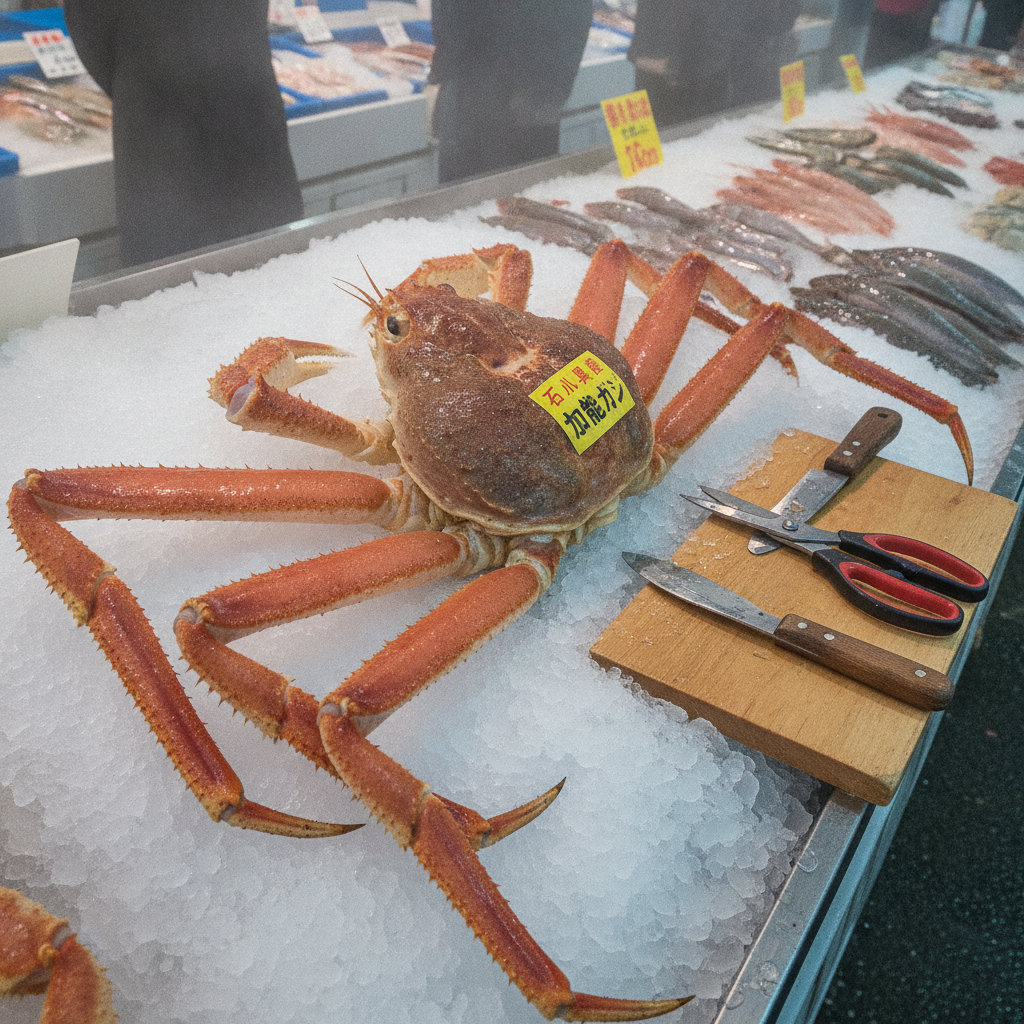
The Zuwaigani (snow crab—Chionoecetes opilio) season (November 6 through March 20—the season is regulated by the Ishikawa Prefecture fishing authorities with fixed opening and closing dates for the male crab harvest; the female crab (koppe-gani) season is shorter, closing in late January): the single most anticipation-building food event in the Kanazawa calendar. The crab landing (the Kanazawa Port crab landing auction—the season's first crabs are landed on the morning of November 6 and the first auction begins at 05:30; the prices at the first auction of the season are the highest of the year (the largest, most perfect male crabs reaching ¥300,000–500,000 at the opening auction): the Kanazawa fishing cooperative sells 5 observer tickets for the first auction through an annual lottery. The crab hierarchy: the Zuwaigani is graded by size, weight, and carapace condition (the shinko-gani—the smallest crabs (under 500g); the matsuba-gani or Echizen-gani in Fukui prefecture use the regional name; the premium Noto-oki crabs with the yellow Ishikawa Prefecture shipping tag are the most expensive and the most sought-after). The crab experience in Kanazawa (the most economical approach: the Ōmi-chō Market's crab stalls in January–February (the peak season middle when prices have dropped from the opening-day highs); the crab kaiseki dinner at a mid-range Kanazawa restaurant (¥12,000–20,000); or the kani-nabe (crab hot pot at the market stalls): ¥2,500–4,000 per person for a complete crab hot pot at a market restaurant).
- 5
Kanazawa's Future Tourism – The Post-Shinkansen Era
The decade since the Hokuriku Shinkansen extension to Kanazawa in March 2015 has been the most transformative in the city's modern tourism history. The visitor numbers: annual visitors to the Kenroku-en rose from approximately 1.8 million (2014) to 3.0 million (2019) in the first 4 Shinkansen years—a 67% increase that the city's tourism infrastructure had not fully prepared for. The infrastructure response: the Kanazawa Tourism Bureau's 2020–2030 management plan focuses on visitor dispersal (promoting the Noto Peninsula extension, the Nishi Chaya district, and the Teramachi walk as alternatives to the Kenroku-en–Higashi Chaya axis that absorbs 80% of visitor time); craft tourism deepening (the workshop participation programme that converts passive museum visitors into active craft participants, increasing average spend and length of stay); and the snow country branding (the winter Kanazawa tourism programme—the period when visitor volume drops 40% below summer peak but the cultural experience is at its most distinctive). The Shinkansen extension to Tsuruga (the 2024 partial extension of the Hokuriku Shinkansen from Kanazawa to Tsuruga in Fukui Prefecture—the eventual full extension to Osaka (planned for 2034) will make Kanazawa 75 minutes from Osaka by Shinkansen): the future connection will rebalance Kanazawa's visitor source between Tokyo-origin and Kansai-origin, shifting the cultural conversation from 'Japan's Little Kyoto' to a peer city of the Osaka-Kyoto cultural axis.
- 6
Kanazawa for the Repeat Japan Visitor – The Second City
Kanazawa's strongest claim on the serious Japan traveler is its position as the definitive second-city experience—the place that reveals dimensions of Japanese culture that Tokyo, Kyoto, and Osaka leave unexplored. The Japan Sea coast sensibility (the psychological and aesthetic difference between the Pacific-facing and Japan-Sea-facing Japanese cultures: the moody, heavy-snowfall, cold-sea-fish, fog-and-winter aesthetic of the western coast versus the lighter, more internationally open Pacific coast): experiencing the Japan Sea side of the country is the single clearest way to understand that 'Japan' is not one climate or one culture. The craft depth unavailable in Tokyo or Kyoto (the Kanazawa workshops that teach Kaga Yuzen painting, Kutani porcelain decoration, and gold leaf application at novice level in 90-minute sessions at ¥1,500–3,000—the same crafts that in Kyoto require introduction through a specialist tour operator at significantly higher prices). The seafood access (the Ōmi-chō Market breakfast at a level of freshness and price that no Tokyo or Osaka market can match—the direct fishing community to market supply chain with same-day seafood from Kanazawa Port). The practical case: for a visitor who has done Tokyo (4 days), Kyoto (4 days), and either Hiroshima or Osaka (2 days), adding Kanazawa (2 days) by Hokuriku Shinkansen from Tokyo or by Thunderbird from Kyoto completes the most coherent picture of Japanese traditional culture available within 15 days of travel.
Walk this route with audio
Stories play automatically as you reach each stop — no tapping needed.
More in Kanazawa
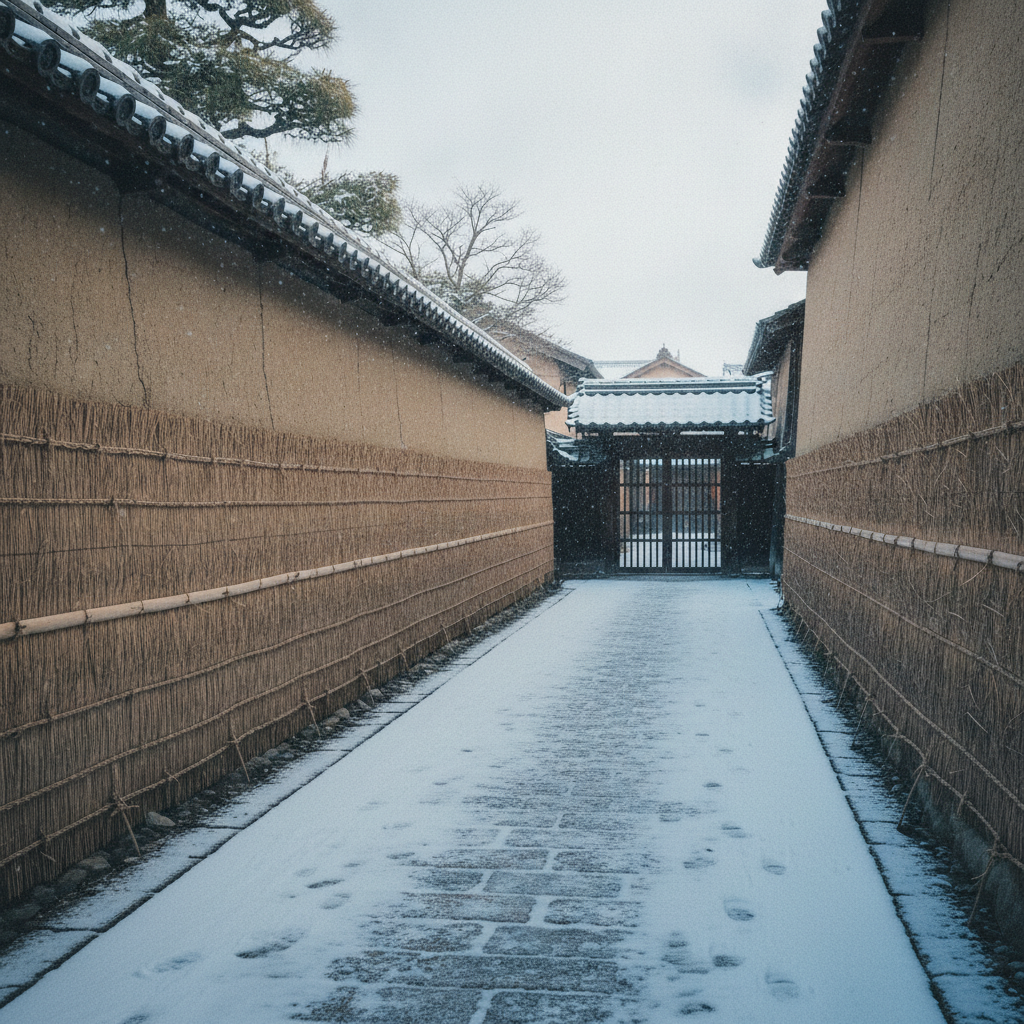
The Straw-Wrapped Walls, the Perforated White Library & Why Kanazawa Has One-Sixth Kyoto's Crowds at One-Third the Price
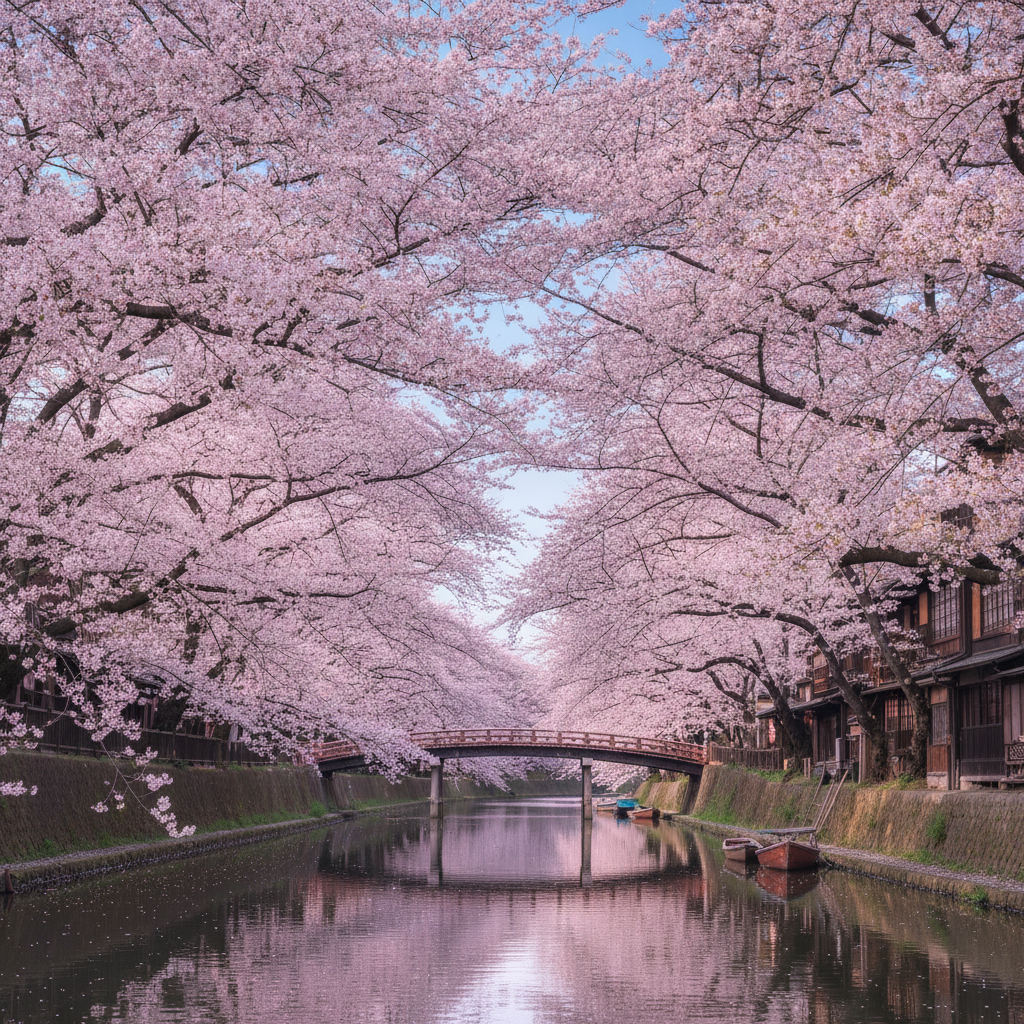
The Chaya Patron Introduction System Still Requiring Sponsorship, the Kanazawa Konbu Producing the Sweetest Stock in Japan & the 4,000-Costume Foundation Festival Parade
The Swimming Pool That Isn't, the 4-Story Building That Looks Like 2 & the 800 Noh Students in a City of 465,000
The 6-Stage 3-Day Process That Produces a Sheet Lighter Than Breath, the Apprenticeship Fund Paying 60% of New Craft Learners' Wages & the Four Kenroku-en Peaks That Each Justify a Separate Trip