Isfahan
The Julfan Armenian Trading Network Extending from Manila to Amsterdam as the Most Geographically Extensive Private Network in the Pre-Modern World, Mulla Sadra Teaching the Philosophy That Still Dominates Qom Seminaries & the Persian Qanat Delivering Water by Gravity Through 40km of Underground Tunnels
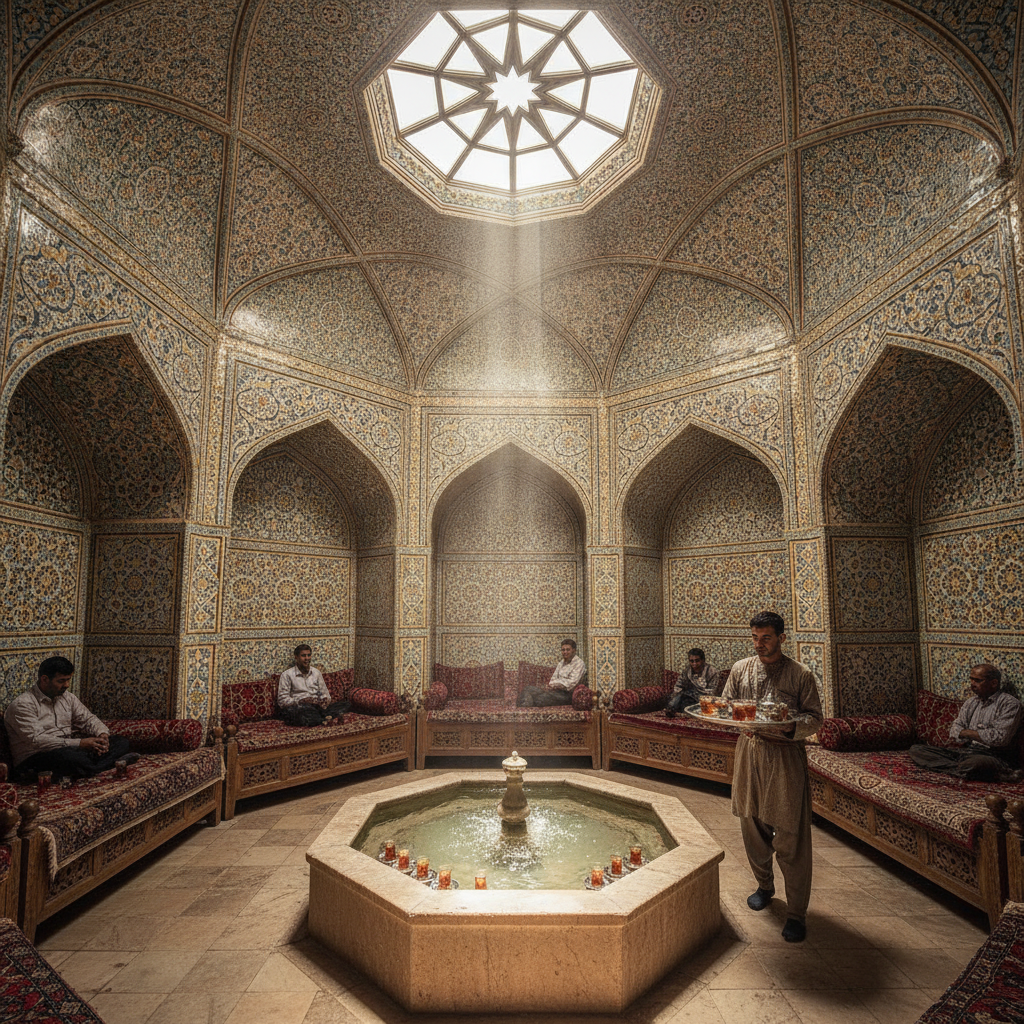
The Julfan Armenian trading network (from New Julfa Isfahan) extending from Manila to Amsterdam — the most geographically extensive private trading network in the pre-modern world; Mulla Sadra's philosophy (Asfar-e Arba'a, 1638) still the dominant philosophy in the Qom seminaries that trained Ayatollah Khomeini; the Persian qanat (UNESCO 2016) delivering water by gravity through 10–40 km of underground tunnels with no pumps; the Chahar Bagh Boulevard's central water channel fed by qanats running 4 km through rows of plane trees; the Hammam-e Ali Gholi Agha (1713) converted to Isfahan's most atmospheric teahouse; and Sohrab Sepehri's Hasht Ketab (Eight Books) the most widely read 20th-century Persian poetry collection.
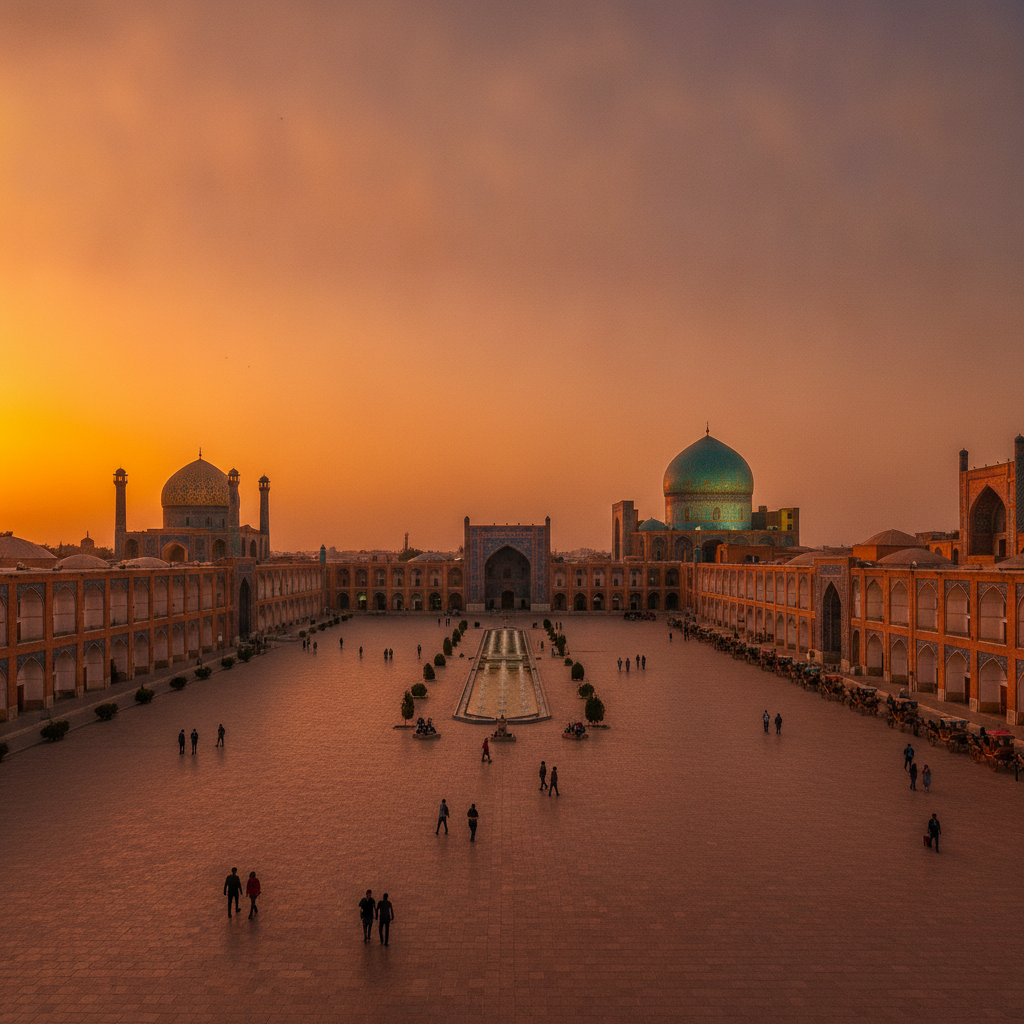
The Shah Mosque 7-Fold Echo Engineered to Amplify the Friday Sermon, the Sheikh Lotfollah Dome Changing Color from Cream to Pink Through the Day & the Naqsh-e Jahan Square Polo Goals Still Standing After 400 Years
The Shah Mosque 7-fold echo engineered by the dome geometry to amplify the Imam's Friday sermon; the Sheikh Lotfollah dome tiles shifting from cream to pink as the sun angle changes through the day; the original Naqsh-e Jahan polo goal posts (marble columns) still standing at each end of the square 400 years after Shah Abbas played polo here; the underground royal passage from Ali Qapu Palace to the Sheikh Lotfollah Mosque (the Safavid royal family never crossing the public square); the Ali Qapu music room perforated plaster niches serving as acoustic resonators for court musicians; and the 2km of thuluth calligraphy inside the Shah Mosque hand-carved by the calligrapher Alireza Abbasi.
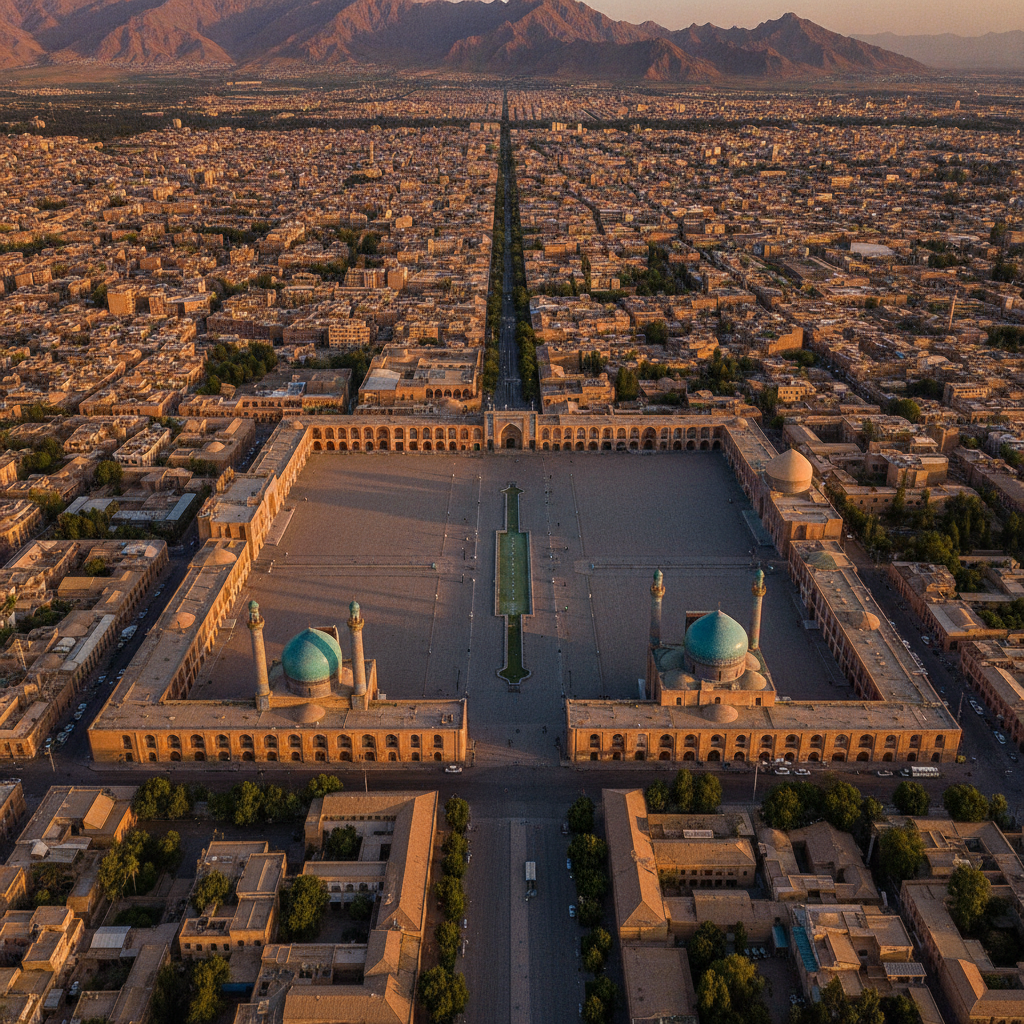
Isfahan in 1650 the Third or Fourth Largest City in the World at 500,000-600,000 People, the European 17th-Century Travelers Unanimous That Isfahan Was the Most Beautiful City They Had Ever Seen & the Varzaneh Flamingo Colony of 10,000 Birds at the Zayandeh River's Terminal Marsh
Isfahan in 1650 among the world's top 4 cities by population (500,000–600,000, behind only Beijing, Istanbul, and possibly Paris); Jean Chardin and Jean-Baptiste Tavernier both calling Isfahan the most beautiful and well-ordered city they had ever seen; the Varzaneh Gavkhouni flamingo colony (up to 10,000 greater flamingos) at the Zayandeh River's terminal salt marsh; the Zagros Bakhtiari tribe performing annual migration (kuch) up to summer pastures above 3,000m still today; the Masjed-e Jomeh Oljeitu mihrab (1310) with 6 nested layers of carved stucco as the finest Ilkhanate calligraphy in Iranian architecture; and the Isfahan gaz nougat teahouse experience at IRR 300,000 per pot (USD 0.40) in the Hammam-e Ali Gholi Agha.
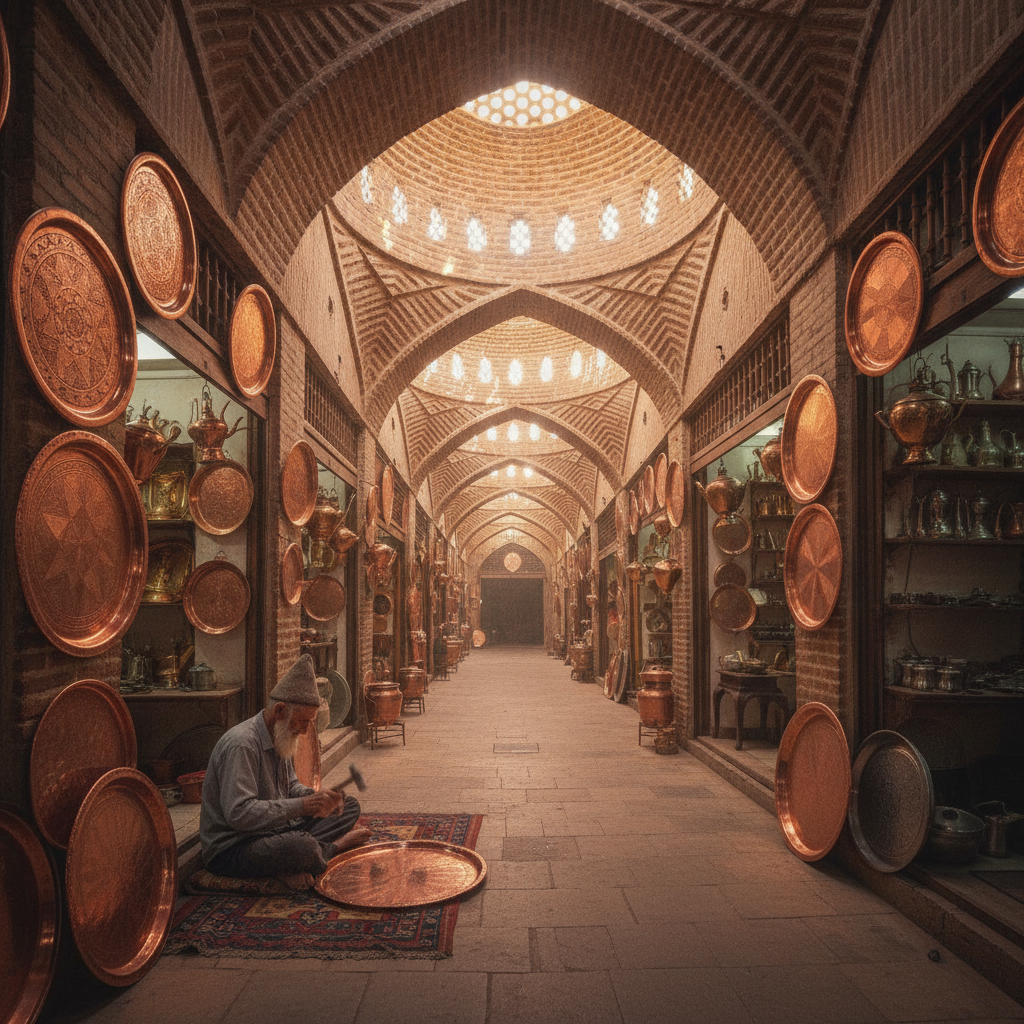
Shah Abbas Built Approximately 999 Caravanserais Spaced One Day's Caravan Journey (30-40km) Apart Across the Entire Iranian Plateau, the Afghan Siege of Isfahan Lasting 7 Months Before the Shah Personally Surrendered His Throne & the Mobarakeh Steel Complex the Largest in the Middle East
Shah Abbas building approximately 700–1,000 caravanserais spaced one day's caravan journey apart across the entire Iranian plateau (the most comprehensive pre-modern road infrastructure in Asia); the 1722 siege of Isfahan lasting 7 months with Shah Sultan Husayn personally surrendering the throne to the Ghilzai Afghan leader Mahmud Hotaki; the Mobarakeh Steel Complex (8 million tonnes/year) built with Krupp and Thyssen German assistance in the 1970s as the largest steel complex in the Middle East; the Jolfa Armenian quarter cafes serving wine as one of the only public alcohol venues in Iran; the Darb-e Imam Timurid portal (1453) preserving pre-Abbas moaraq mosaic tilework; and Isfahan gaz exported to Iranian diaspora communities worldwide.
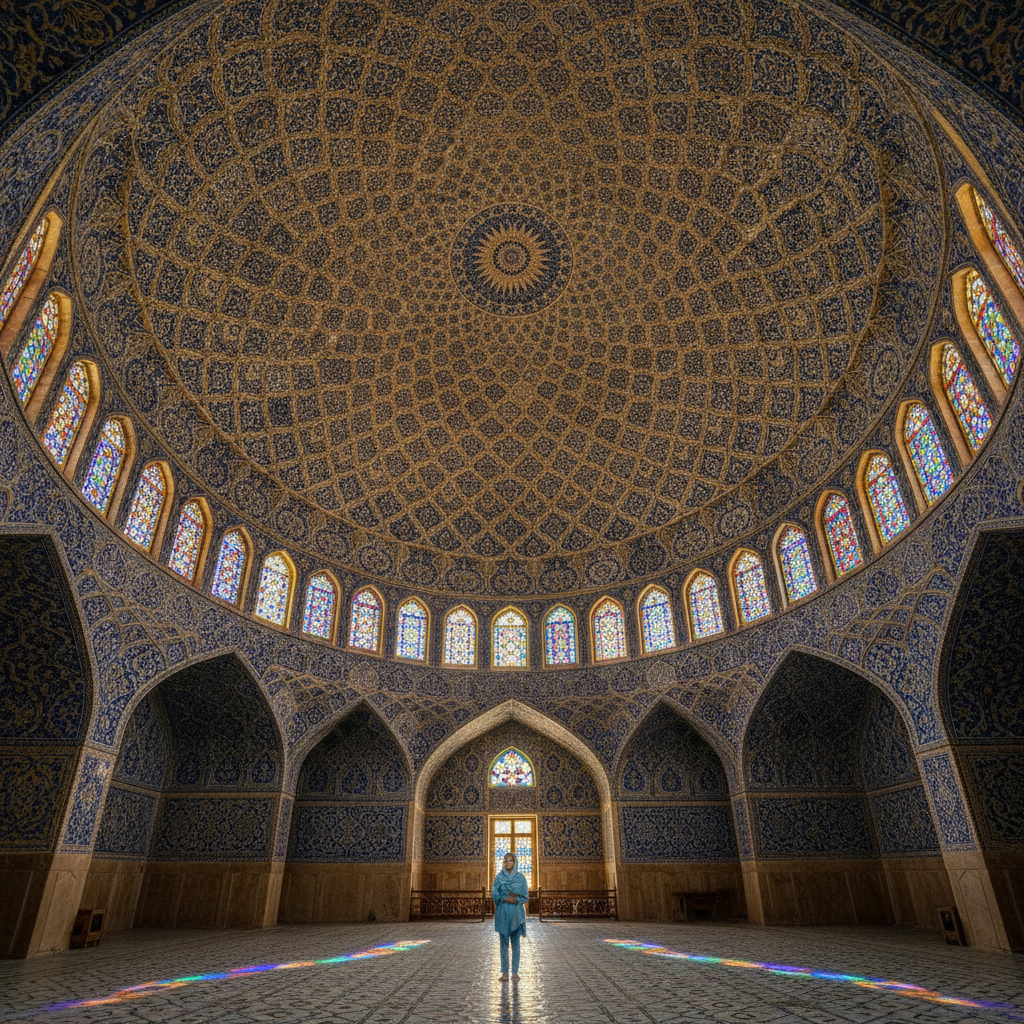
Reza Abbasi the Primary Artist of the Isfahan School Painting for Shah Abbas I's Court, the Isfahan Tilework Lapis Blue Produced by Cobalt Oxide & the Zayandeh River Completely Dry in Isfahan Most Years Since 2008
Reza Abbasi (c. 1565–1635) as Shah Abbas I's court painter and the most influential Iranian artist of the 17th century; the Isfahan lapis-blue tile color produced by cobalt oxide and the turquoise by copper oxide in tin-opacified glaze; the Zayandeh River completely dry in Isfahan for most of the year since 2008 due to upstream dams and Zagros drought; Shah Abbas reforming the Safavid military with help from English brothers Anthony and Robert Sherley; the Persian miniature tradition emerging from the Mongol-Chinese landscape painting meeting Iranian manuscript illumination; and the Si-o-se Pol evening promenade best photographed at 20:00–22:00 with 30-second long exposures for smooth water.
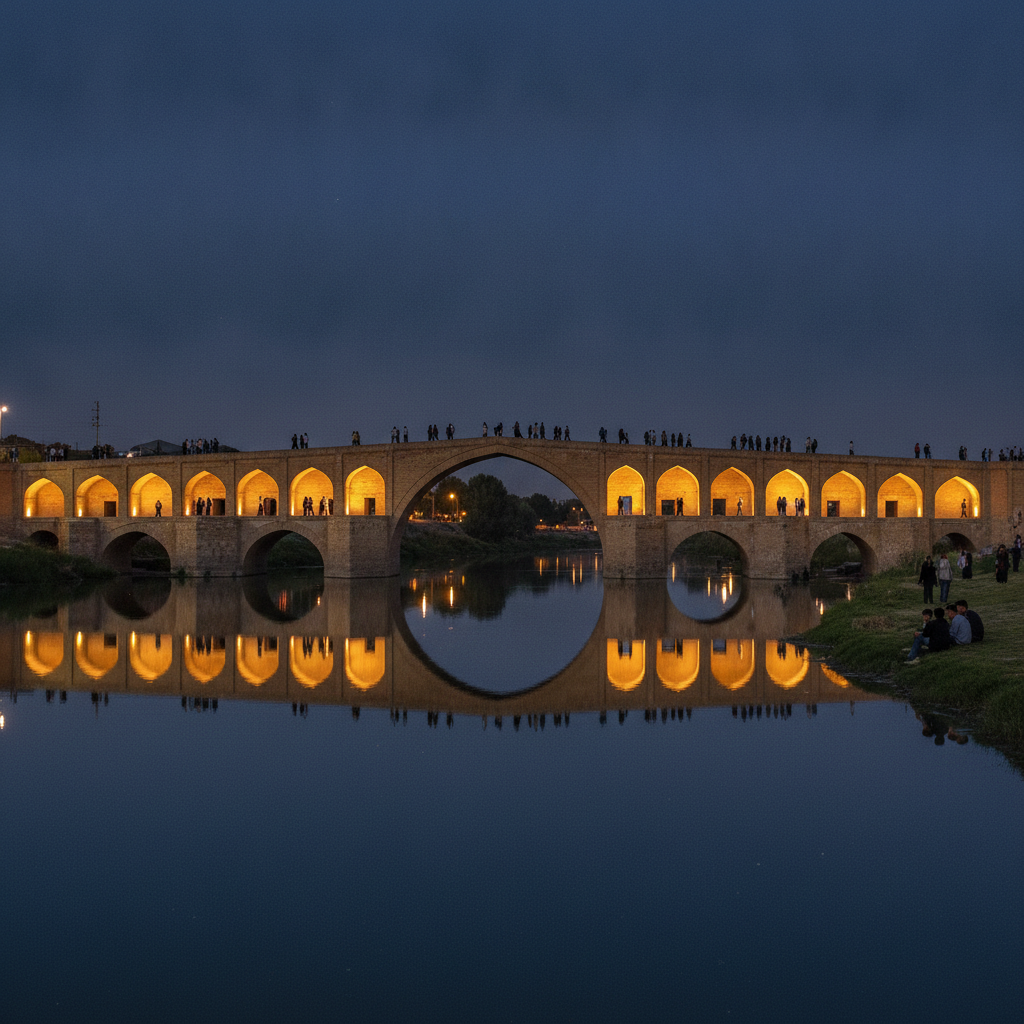
Shah Abbas Deporting 300,000 Armenians from Old Julfa to Isfahan in 1604 for Their Silk-Trading Skills, the Vank Cathedral Combining Armenian and Persian Decorative Styles & the Si-o-se Pol Bridge Designed as Both Crossing and River Weir
Shah Abbas deporting 300,000+ Armenians from Old Julfa (on the Araxes River) to Isfahan in 1604–1605 specifically for their dominance in the Iran-Europe silk trade; the Vank Cathedral combining Armenian church architecture with Safavid Persian tile and European fresco painting; the Si-o-se Pol functioning as both a public promenade bridge and a river weir for upstream irrigation; the Chehel Sotun name (Forty Columns) referring to the optical illusion of 20 columns doubled by their pool reflection; the Jameh Mosque preserving 1,400 years of continuous building from Umayyad to 20th century; and Isfahan gaz nougat made from Astragalus plant sap mixed with pistachios and rose water.