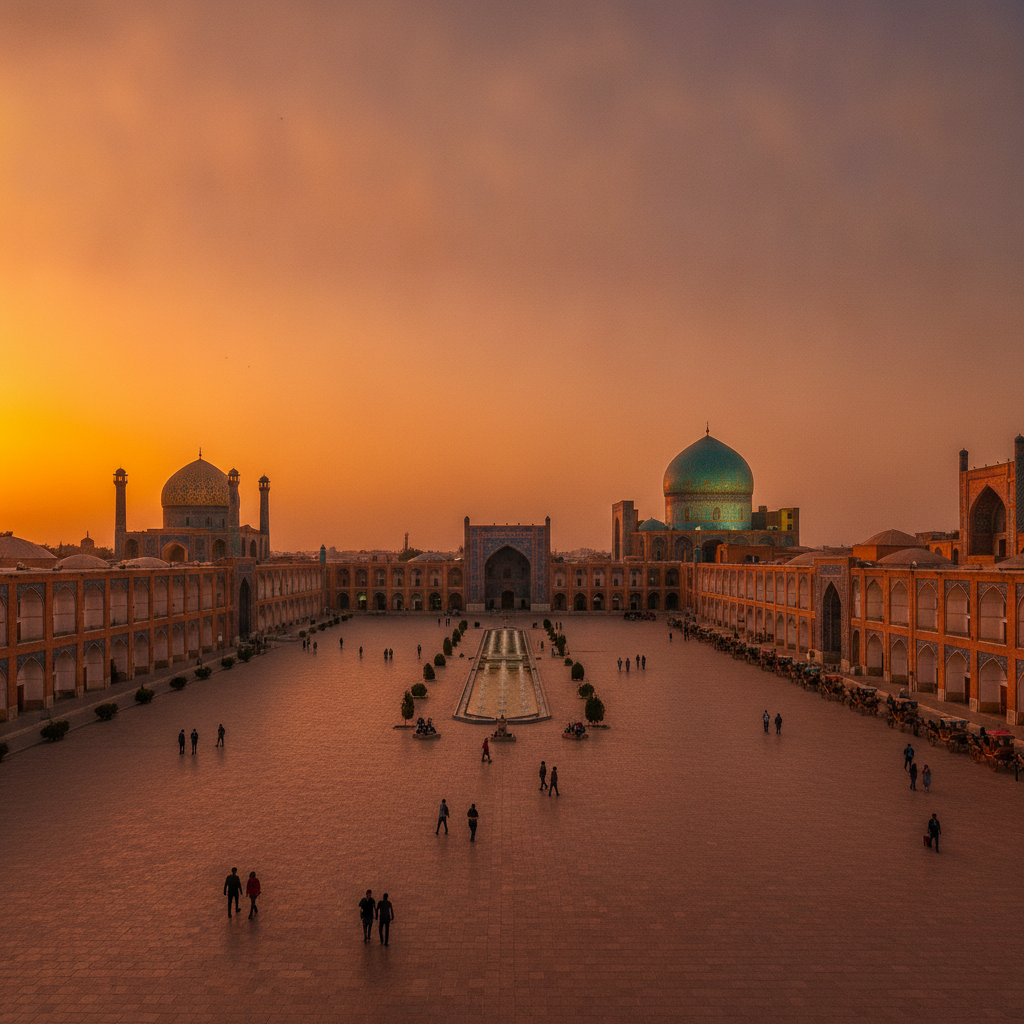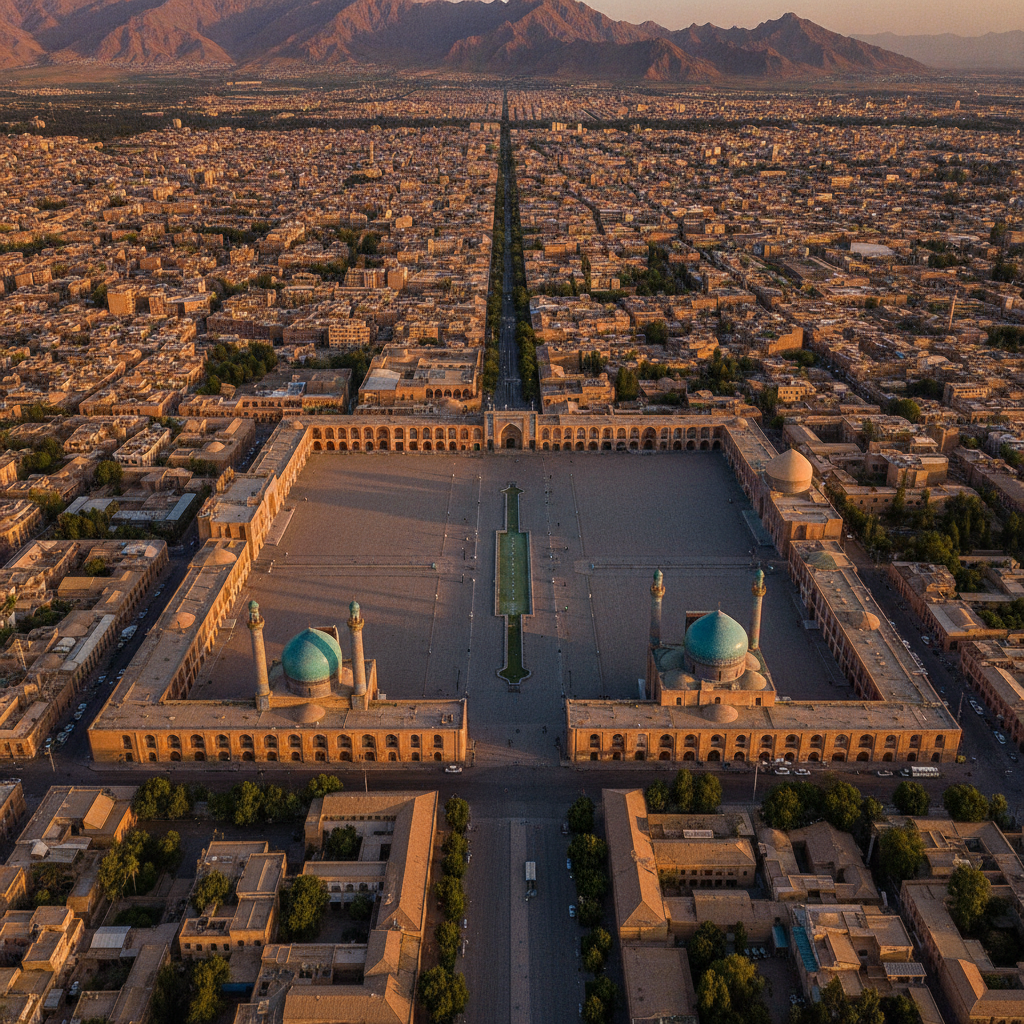
Isfahan in 1650 the Third or Fourth Largest City in the World at 500,000-600,000 People, the European 17th-Century Travelers Unanimous That Isfahan Was the Most Beautiful City They Had Ever Seen & the Varzaneh Flamingo Colony of 10,000 Birds at the Zayandeh River's Terminal Marsh
Isfahan in 1650 among the world's top 4 cities by population (500,000–600,000, behind only Beijing, Istanbul, and possibly Paris); Jean Chardin and Jean-Baptiste Tavernier both calling Isfahan the most beautiful and well-ordered city they had ever seen; the Varzaneh Gavkhouni flamingo colony (up to 10,000 greater flamingos) at the Zayandeh River's terminal salt marsh; the Zagros Bakhtiari tribe performing annual migration (kuch) up to summer pastures above 3,000m still today; the Masjed-e Jomeh Oljeitu mihrab (1310) with 6 nested layers of carved stucco as the finest Ilkhanate calligraphy in Iranian architecture; and the Isfahan gaz nougat teahouse experience at IRR 300,000 per pot (USD 0.40) in the Hammam-e Ali Gholi Agha.
- 1
The Masjed-e Jomeh – 1,400 Years of Prayer
The Masjed-e Jomeh (Friday Mosque) of Isfahan heritage — final synthesis (the most historically layered architectural monument in Iran — where 14 centuries of Islamic building phases are legible in a single complex): the architectural synthesis. The layers (the Masjed-e Jomeh of Isfahan contains architectural elements from every century of Islamic Iran: 8th century (the first mosque — a hypostyle hall — built on the site of a pre-Islamic Sassanid fire temple): 9th century (the Abbasid-period reconstruction — some column capitals survive): 10th century (the Buyid period additions): 11th century (the Seljuk period — the two great domed chambers of Nizam al-Mulk (1088) and Taj al-Mulk (1087): the two domes represent the finest Seljuk structural engineering in Iran: 12th–13th century (the Ilkhanate additions including the winter prayer hall): 14th century (the Injuid and Muzaffarid stucco mihrabs): 15th century (the Timurid decorated portals): 16th–17th century (the Safavid tilework and stucco additions): 18th–20th century (the Qajar and Pahlavi period repairs and additions): the mihrab of Oljeitu (the stucco mihrab (prayer niche) of the Mongol Ilkhanid ruler Oljeitu (1310) — the most elaborate stucco mihrab in Iran: the mihrab is covered with 6 layers of carved stucco in diminishing detail from the outer frame to the inner arch — the Quran inscription in the muqarnas above the niche is the finest example of Ilkhanate calligraphy in architecture).
- 2
Isfahan's Modern Art Scene – Post-Revolutionary Creativity
The Isfahan contemporary art and cultural scene (the creative culture of modern Isfahan — the artists, musicians, and cultural practitioners operating under the Islamic Republic's restrictions): the contemporary culture guide. The Isfahan artists (Isfahan has historically been the center of Iranian visual art — the tradition of miniature painting, calligraphy, and architectural decoration that defines the Persian visual tradition was primarily developed in Isfahan: the contemporary continuation (the contemporary Isfahan art scene: the Isfahan fine arts faculty (the University of Art (Daneshgah-e Honar) in Isfahan — one of the two primary art universities in Iran (alongside the Tehran University of Art): the miniature workshops (the miniature painting workshops in the street south of the Naqsh-e Jahan Square — approximately 15 workshops where master miniaturists and their students produce contemporary Persian miniature paintings for the tourist market and for collectors: the carpet designers (the Isfahan carpet design studios — many of the finest carpet designs currently produced in Iran are designed in Isfahan and woven in the surrounding villages (Varzaneh, Najafabad, and Borkhar): the calligraphy (Isfahan has the largest community of practicing traditional calligraphers in Iran outside Tehran — the nastaliq script (the primary calligraphic style of Persian manuscripts) is the primary style: the music (the Isfahan music conservatory produces musicians trained in the classical Persian dastgah tradition: the primary venues for live Persian classical music in Isfahan are the Ali Qapu Palace (occasional concert use) and the Chehel Sotun Palace garden (summer concerts).
- 3
The Zagros Mountains – Day Trips from Isfahan
The Zagros Mountains heritage accessible from Isfahan (the Zagros mountain range visible to the west of Isfahan — the most diverse mountain system in Iran and the geological backbone of the Iranian plateau): the mountain heritage guide. The Zagros (the Zagros Mountains (Reshteh-ye Zagros — رشتهکوه زاگرس) — the mountain range forming the western edge of the Iranian plateau: the range stretches 1,500 km from the Turkey-Iran border in the north to the Strait of Hormuz in the south: the height (the highest points in the central Zagros accessible from Isfahan: Mount Dena (4,448m) — the highest peak of the central Zagros — 200 km southwest of Isfahan: the Koohrang Tunnel (the Koohrang water transfer tunnel — the primary water transfer infrastructure connecting the upper Zayandeh River basin to the Karun River basin (the reversal of river flow that has contributed to the drying of the Zayandeh River in Isfahan): the Chelgerd ski resort (the Chelgerd ski resort in the Chaharmahal and Bakhtiari Province — 150 km southwest of Isfahan — the nearest ski resort to Isfahan: altitude 2,200–3,200m: 12 pistes: the ski season December–March: the Anar (pomegranate) region (the province of Chaharmahal and Bakhtiari southwest of Isfahan is the primary pomegranate growing region of Iran — the pomegranates of the Saman and Lordegan districts are considered the finest in the country: the Bakhtiari nomads (the Bakhtiari tribe — the most numerous remaining nomadic pastoralist community in Iran — performs the annual migration (kuch) from the Zagros winter pastures to the summer pastures above 3,000m in April–May and returns in October).
- 4
Varzaneh – The Salt Desert & Desert Village
The Varzaneh heritage (the salt desert village southeast of Isfahan — the primary natural landscape contrast to the urban heritage of Isfahan): the desert heritage guide. The Varzaneh (the village of Varzaneh (وَرزَنه) — 95 km southeast of Isfahan on the edge of the Gavkhouni Marshes and the Dasht-e Kavir (the Great Salt Desert): the landscape (Varzaneh sits on the boundary between the cultivated Zayandeh River irrigation zone and the salt desert (kavir) that extends to the Afghan border: the Gavkhouni (the Gavkhouni Wetland (Talaab-e Gavkhouni) — the terminal lake of the Zayandeh River: the wetland (the Gavkhouni is a seasonal salt marsh that fills when the Zayandeh River reaches it — a Ramsar Convention-listed wetland of international importance: the migratory birds (the Gavkhouni is one of the most important migratory bird stopover sites in the Middle East: the flamingos (the greater flamingo (Phoenicopterus roseus) — colonial breeding in the Gavkhouni wetland (up to 10,000 birds): the sand dunes (the sand dunes (shanh) east of Varzaneh — the most accessible large sand dunes from Isfahan — 30–40m high dunes of aeolian sand: the camel riding (camel rides on the dunes are organized by Varzaneh village guides for USD 10–20 per hour): the Varzaneh Friday Mosque (the Varzaneh Jomeh Mosque — a desert village mosque with a distinctive white plastered exterior and a simple interior that contrasts dramatically with the elaborate tile decoration of the Isfahan city mosques: the architecture of necessity and poverty versus the architecture of wealth and imperial power).
- 5
Isfahan Budget Guide – UNESCO on a Shoestring
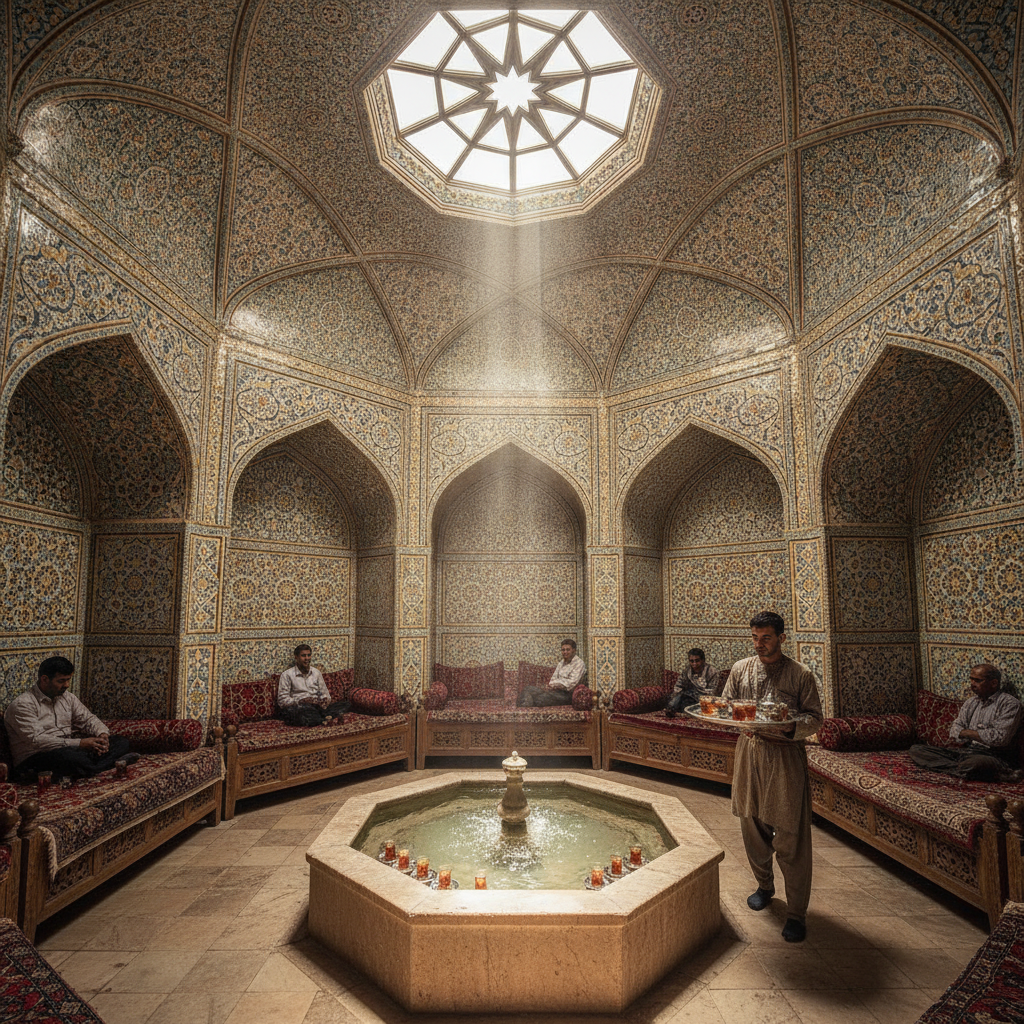
The Isfahan budget travel guide (the comprehensive guide to visiting Isfahan's UNESCO monuments on a minimal budget — Isfahan is significantly cheaper than Tehran for accommodation and food): the budget guide. The cost (the Isfahan cost index at the unofficial USD exchange rate: accommodation (dormitory bed in an Isfahan hostel: USD 5–8 per night: a private room in a traditional guesthouse (mehmanpazir): USD 15–25 per night: the mid-range traditional hotel: USD 40–70 per night): the food prices (the cheapest filling meal in Isfahan: the street-side ash soup (ash-e reshteh) from a street vendor near the bazaar: IRR 300,000–500,000 (USD 0.40–0.70): the traditional aşxana cafeteria full plate (rice + stew): IRR 600,000–1,200,000 (USD 0.75–1.50): the gaz nougat: IRR 200,000–500,000 per 100g (USD 0.25–0.65): the monument entry fees (the primary UNESCO monuments: the Naqsh-e Jahan monuments (Shah Mosque, Sheikh Lotfollah Mosque, Ali Qapu Palace): each charges approximately IRR 1,500,000–3,000,000 (USD 2–4) for foreign visitors: the Chehel Sotun Palace: IRR 1,500,000 (USD 2): the Jameh Mosque: IRR 500,000–1,000,000 (USD 0.65–1.30): the Grand Bazaar (free to walk through — the primary free activity in Isfahan): the bridges (the Si-o-se Pol and Khaju Bridge are entirely free: the Vank Cathedral (IRR 500,000 (USD 0.65) entry: the Hammam-e Ali Gholi Agha teahouse (the entry is free if you purchase tea (IRR 300,000 per pot — USD 0.40).
- 6
Isfahan's Legacy – Why Half the World?
The final reflection on Isfahan's global significance (why the proverb Isfahan nesf-e jahan (Isfahan is half the world) captured a truth about the Safavid city's role in the history of human civilization): the concluding heritage essay. The proverb (the proverb Isfahan nesf-e jahan — Isfahan is half the world — is first recorded in the 17th century during the peak of Safavid Isfahan's glory under Shah Abbas I: the meaning (the proverb is not about physical size but about cultural, commercial, and civilizational centrality: in the early 17th century Isfahan was genuinely one of the most important cities in the world: the population (Isfahan in 1650 had an estimated population of 500,000–600,000 people — making it the third or fourth largest city in the world after Beijing (1 million), Istanbul (700,000), and possibly Paris (400,000): the commerce (the Isfahan-based Julfan Armenian merchant network connected Asia to Europe through the most extensive private trading network in pre-modern history: the art (the Isfahan-trained miniature painters, architects, calligraphers, and craftsmen set the aesthetic standards for the entire Islamic world from Mughal India to Ottoman Turkey: the intellectual life (the Isfahan School of Philosophy produced works that are still taught in Islamic seminaries today: the European admiration (the European travelers of the 17th century — Chardin, Tavernier, Olearius — were unanimous in their admiration for Isfahan as the most beautiful and well-ordered city they had ever seen: the legacy (the architectural monuments of Isfahan represent the highest achievement of Persian civilization and the most complete surviving example of a pre-modern Islamic capital city — the reason that the UNESCO inscription described the Naqsh-e Jahan Square as one of the most outstanding architectural ensembles in the world).
Walk this route with audio
Stories play automatically as you reach each stop — no tapping needed.
More in Isfahan
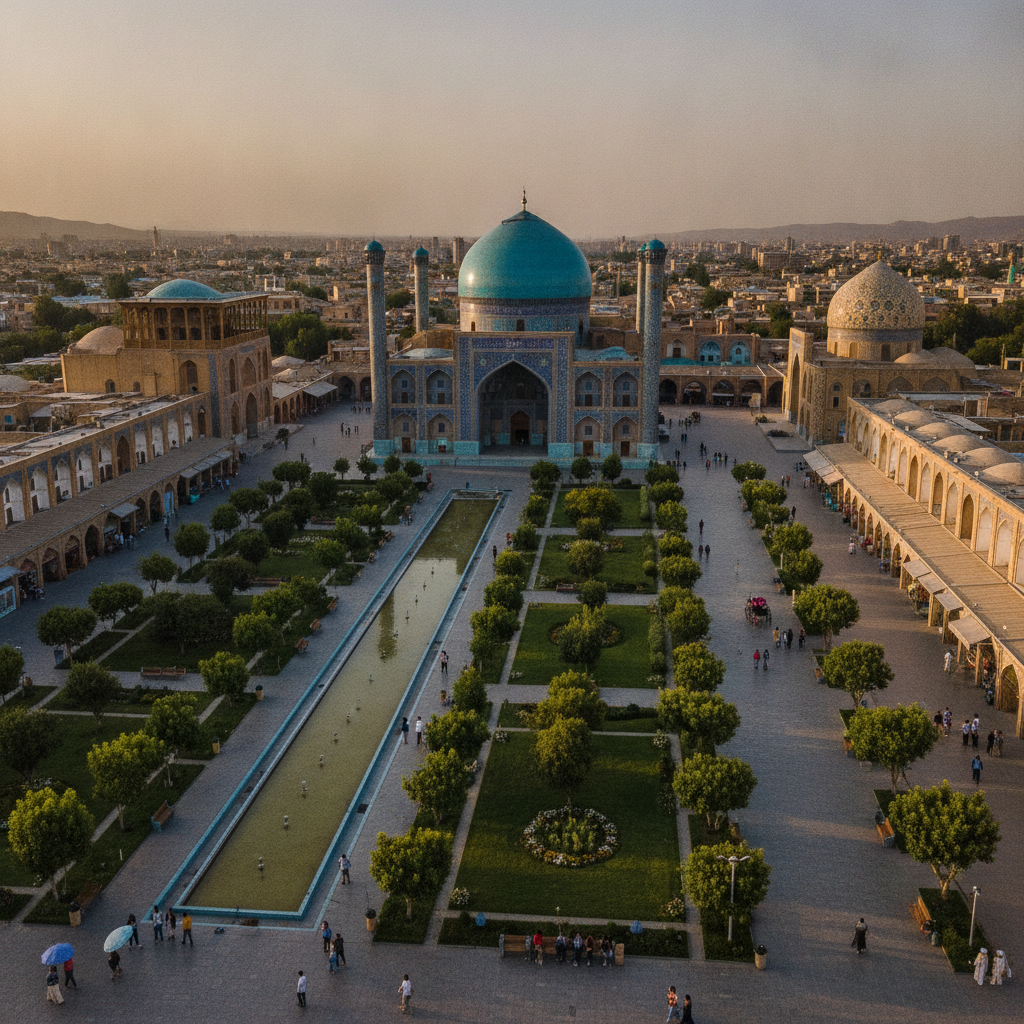
Isfahan Essential: Naqsh-e Jahan Square, the Imam Mosque, Ali Qapu Palace, the Zayandeh River Bridges, and the Most Beautiful Single City in the Islamic World
The Julfan Armenian Trading Network Extending from Manila to Amsterdam as the Most Geographically Extensive Private Network in the Pre-Modern World, Mulla Sadra Teaching the Philosophy That Still Dominates Qom Seminaries & the Persian Qanat Delivering Water by Gravity Through 40km of Underground Tunnels
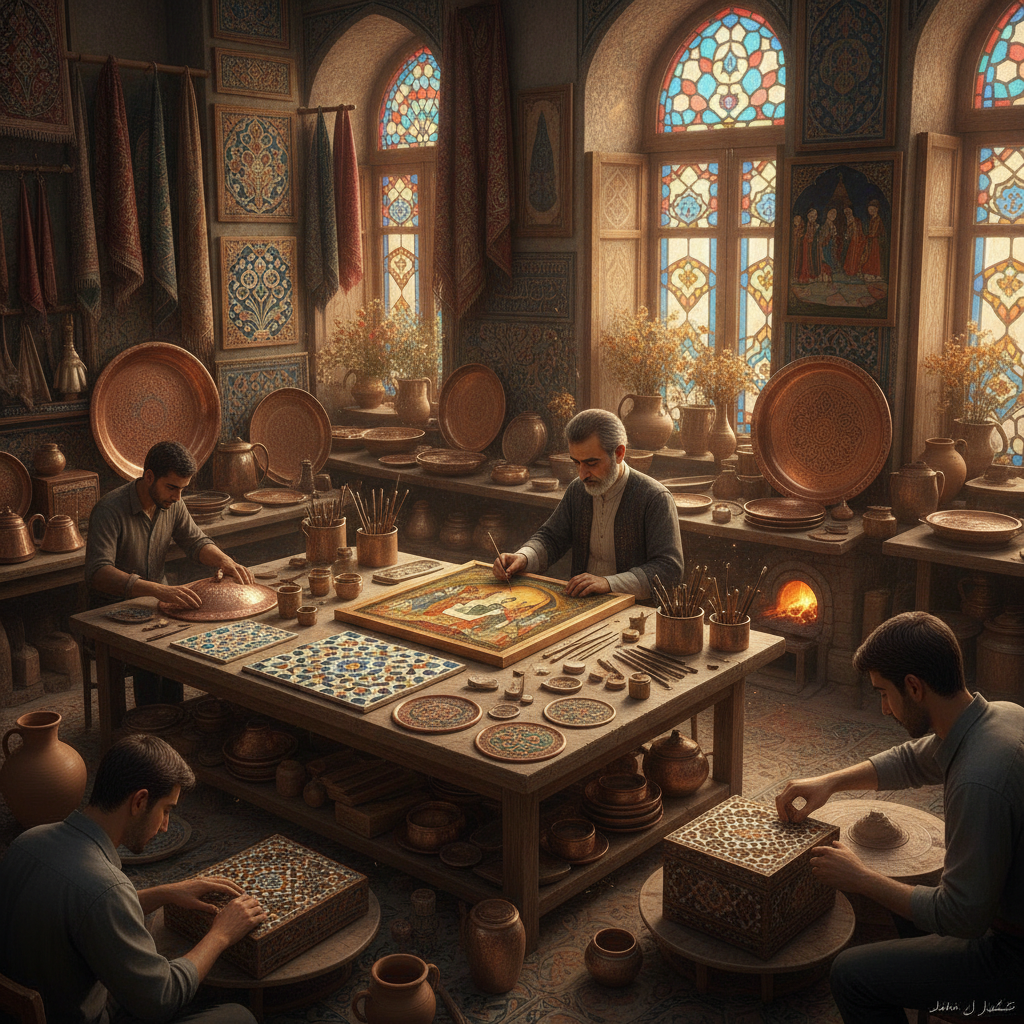
Isfahan Arts: The Miniature Painting, Tile-Making, the Artisan Workshops, the Traditional Crafts, and the Most Comprehensively Craft-Rich Single Iranian City
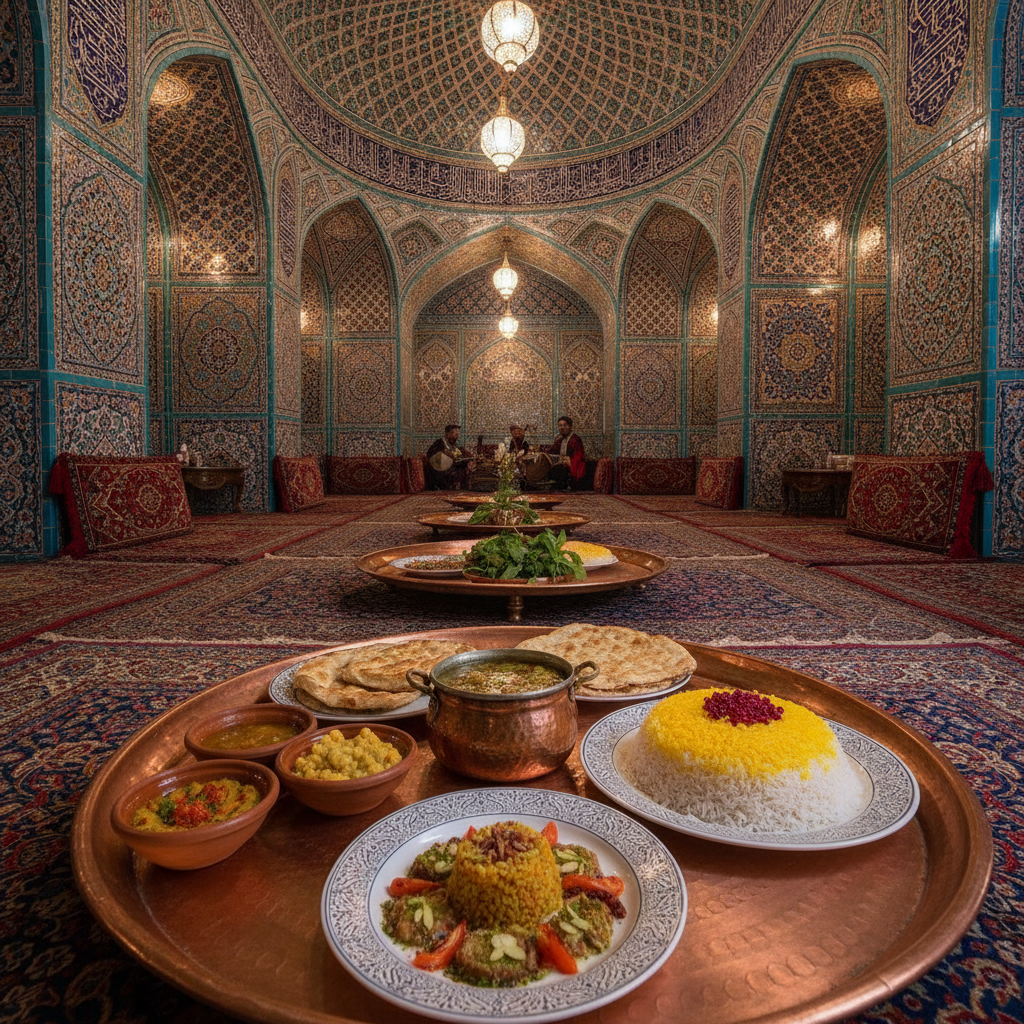
Isfahan Food: The Persian Cuisine, Dizi Lamb Stew, Beryani, Zereshk Polo, and the Most Historically Refined Single Persian Culinary Tradition