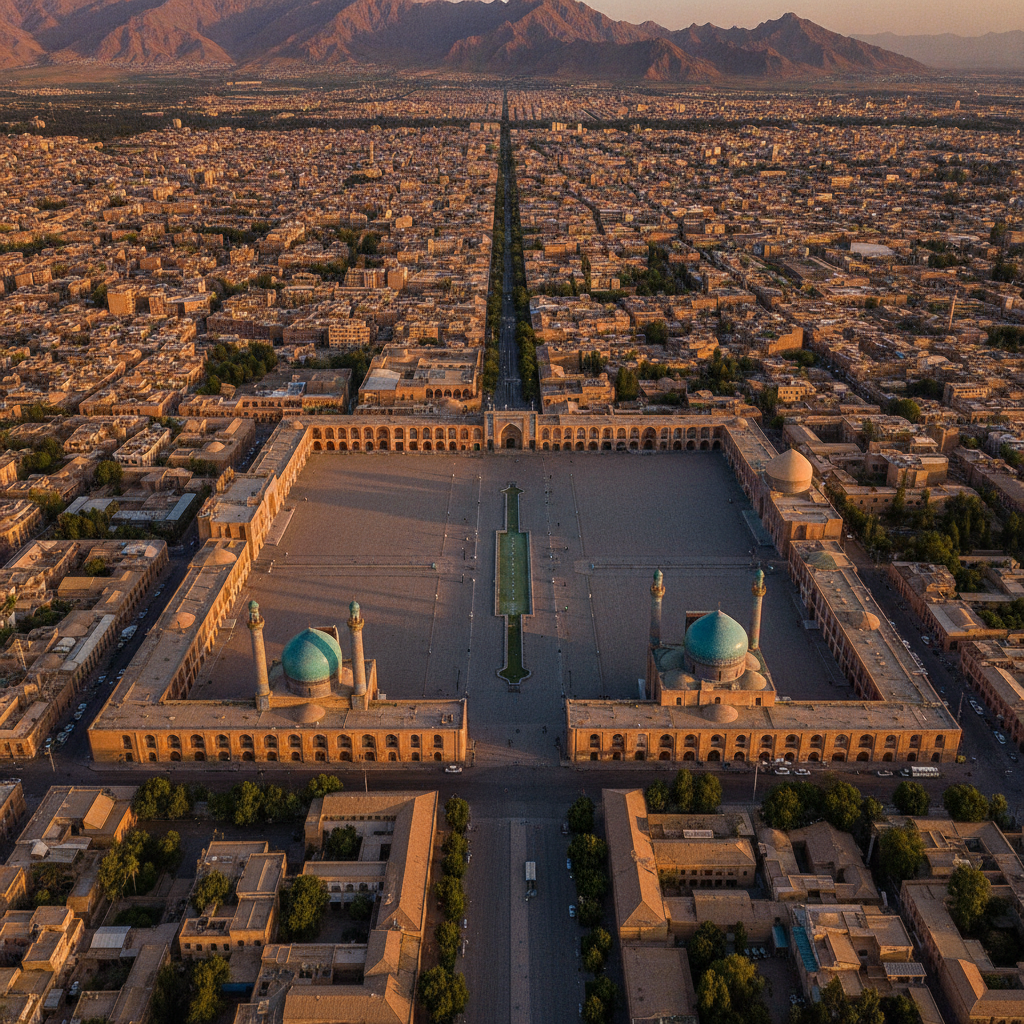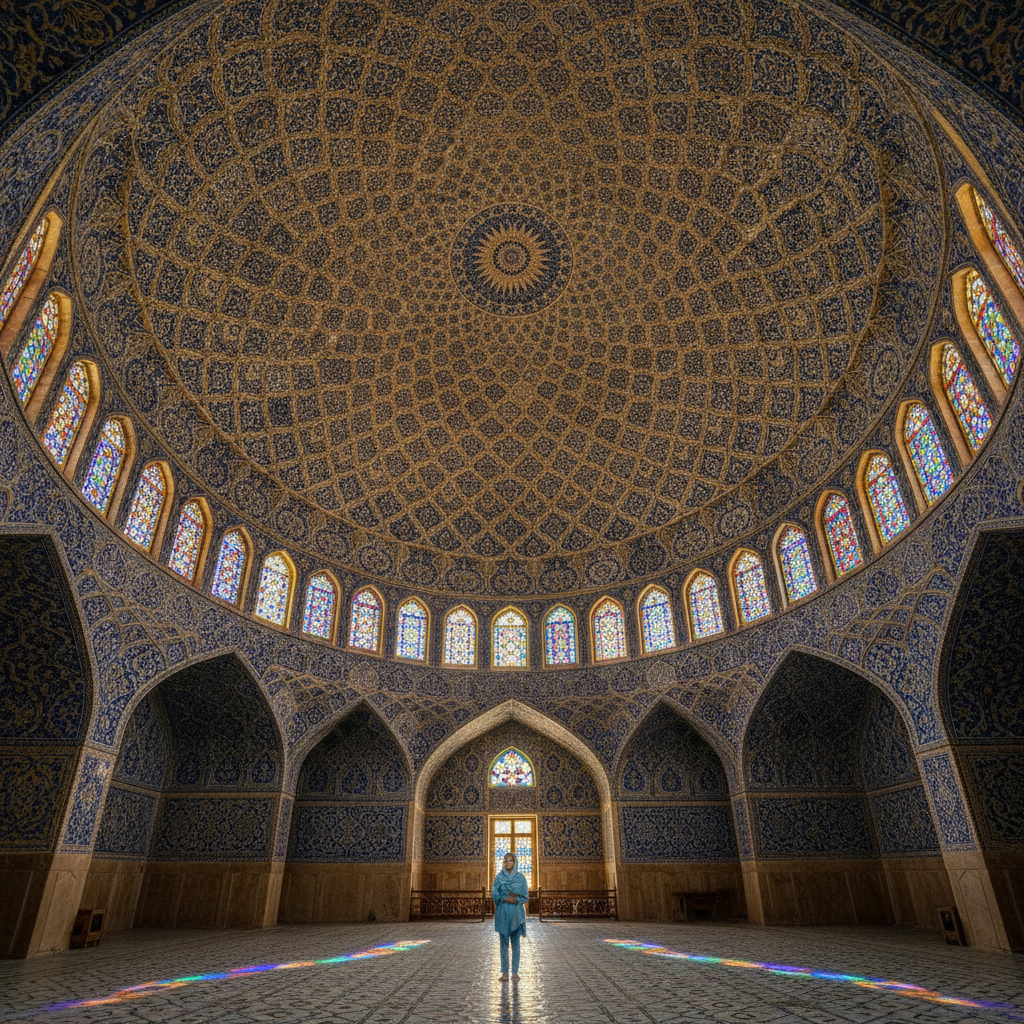
Reza Abbasi the Primary Artist of the Isfahan School Painting for Shah Abbas I's Court, the Isfahan Tilework Lapis Blue Produced by Cobalt Oxide & the Zayandeh River Completely Dry in Isfahan Most Years Since 2008
Reza Abbasi (c. 1565–1635) as Shah Abbas I's court painter and the most influential Iranian artist of the 17th century; the Isfahan lapis-blue tile color produced by cobalt oxide and the turquoise by copper oxide in tin-opacified glaze; the Zayandeh River completely dry in Isfahan for most of the year since 2008 due to upstream dams and Zagros drought; Shah Abbas reforming the Safavid military with help from English brothers Anthony and Robert Sherley; the Persian miniature tradition emerging from the Mongol-Chinese landscape painting meeting Iranian manuscript illumination; and the Si-o-se Pol evening promenade best photographed at 20:00–22:00 with 30-second long exposures for smooth water.
- 1
Shah Abbas I – The Safavid Golden Age
The Shah Abbas I heritage (the greatest ruler of the Safavid dynasty and one of the most effective rulers in Iranian history — the builder of Isfahan's monuments and the organizer of the Safavid imperial system): the historical heritage guide. The Shah Abbas I (Shah Abbas I (شاه عباس یکم) (r. 1588–1629) — the 5th ruler of the Safavid dynasty: the primary achievement (the primary achievement of Shah Abbas was the transformation of the Safavid Empire from a state on the verge of collapse when he came to power (1588) to the most powerful empire in the Islamic world by 1600: the Ottoman threat (in 1588 when Abbas took the throne, Ottoman forces had occupied Tabriz (the Safavid capital) and the empire was in a state of military collapse — Abbas signed the Treaty of Constantinople (1590) abandoning the Caucasus to the Ottomans in order to buy time to rebuild: the military reform (Abbas reformed the Safavid military with the help of English advisors (the brothers Anthony and Robert Sherley): the primary reform was the creation of a standing army (ghulam — army of royal slaves) independent of the Qizilbash tribal cavalry that had made the Safavid state ungovernable: the Iranian capital move (Abbas moved the Safavid capital from Qazvin to Isfahan in 1598: the choice of Isfahan was strategic — the city is in the center of the Iranian plateau, far from both the Ottoman and Uzbek frontiers: the building program (the Isfahan building program of Abbas (1598–1629): the primary monuments: Naqsh-e Jahan Square (1598–1629): Ali Qapu Palace (1597–1660): Sheikh Lotfollah Mosque (1603–1619): Shah Mosque (1611–1629): the Chahar Bagh Avenue (the 4 km Royal Boulevard).
- 2
Persian Miniature Painting – Isfahan's Artistic Legacy
The Persian miniature painting heritage (the Persian miniature painting tradition — the most celebrated visual art form of Islamic civilization — and Isfahan's role as its primary center under the Safavid dynasty): the artistic heritage guide. The tradition (the Persian miniature painting (Naqqashi-ye Iran — نقاشی ایران) — the tradition of small-scale detailed paintings on paper or vellum illustrating manuscripts of poetry and history: the origins (the Persian miniature tradition emerged in the Mongol Ilkhanate period (13th–14th century) when Mongolian-Chinese influence (particularly Chinese landscape painting) merged with the existing Iranian manuscript illumination tradition: the Tabriz school (the Tabriz school (14th–16th century) — the primary center of early Persian miniature painting: the primary masters: Bihzad (Kamal ud-Din Bihzad, c. 1450–1535) — the most celebrated Persian painter: the Isfahan school (the Isfahan school developed under Safavid royal patronage in the 17th century: the primary artist: Reza Abbasi (رضا عباسی, c. 1565–1635) — the court painter of Shah Abbas I and the most influential Iranian artist of the 17th century: Reza Abbasi Museum (the Reza Abbasi Museum (Muzeh-ye Reza Abbasi) in Tehran — the primary collection of Persian miniature paintings: the collection includes 75 paintings by Reza Abbasi and works from every period of the Persian miniature tradition: the contemporary continuation (the Isfahan miniature painting workshops on the south side of the Naqsh-e Jahan Square continue the tradition of hand-painted miniature paintings on bone or paper — sold in the bazaar stalls).
- 3
Isfahan's Tilework – The Blue City
The Isfahan tilework heritage (the decorative tile tradition of Isfahan — the technical achievement that gave Isfahan its distinctive blue-and-turquoise identity): the tilework heritage guide. The tradition (the Persian tilework (Kashi-kari — کاشیکاری — from the city of Kashan which was the primary tile production center of medieval Iran): the Isfahan tiles (the Isfahan tiles are dominated by the two colors: lapis lazuli blue and turquoise: the lapis blue (kobalt — کبالت — cobalt oxide produces the dark blue): the turquoise (feldspar-derived tin-opacified glaze with copper oxide — the turquoise is the characteristic blue-green color that has defined Islamic architecture since the Seljuk period): the tile types (the primary tile types used in the Isfahan monuments: Haft rang (seven-color) tile: the underglaze polychrome tile — the tile is painted with 7 colors (black, white, blue, turquoise, yellow, green, red) and then fired once: the haft rang technique allows for large-scale curved tile compositions (like the Sheikh Lotfollah dome): Muqarnas tile (the three-dimensional stalactite-like tile formations filling the vaults of mosque portals — the most technically demanding tile application): the moaraq tile (the cut-tile mosaic — individual pieces of monochrome tile cut to precise shapes and fitted together into complex geometric patterns): the production (the historic tile kilns of the Jolfa and Darb-e Kushk quarters of Isfahan produced the tiles for the Shah Mosque, the Sheikh Lotfollah Mosque, and the Chehel Sotun Palace from the early 17th century).
- 4
The Zayandeh River – Life and Drought
The Zayandeh River heritage (the Zayandeh (Life-Giving) River — the primary river of the Isfahan plain and the lifeblood of the city for 4,000 years): the river heritage guide. The river (the Zayandeh River (Zayandeh Rud — زایندهرود — Life-Giving River) rises in the Zagros Mountains 150 km west of Isfahan and flows through the city from west to east: the length (410 km from the Zagros source to the Gavkhouni salt marsh in the east): the history (the Zayandeh River has sustained human settlement on the Isfahan plain since at least 4000 BCE — the Bronze Age settlement of Isfahan is among the earliest in the central Iranian plateau): the crisis (the Zayandeh River has been intermittently dry in Isfahan since 2008 due to: upstream dams (the Chadegan (Zayanderud) dam and the Koohrang tunnel system that transfers water from the Zayandeh River headwaters to the Karun River basin for the Chaharmahal and Bakhtiari Province): the drought (the decreasing precipitation in the Zagros mountains due to climate change has reduced the river's base flow: the consequence (the dry Zayandeh river bed in Isfahan (the river has been completely dry in the city for most of the year since 2008) is one of the most dramatic visible consequences of Iran's water crisis: the social impact (the Si-o-se Pol and Khaju Bridge social life (the famous evening promenade on the bridges) is severely reduced when the river is dry — the teahouses and arcades beneath the bridges function without the sound and sight of flowing water).
- 5
Isfahan vs Shiraz – Two Safavid-Qajar Cities
The Isfahan vs Shiraz comparison (the two great southern Iranian cities — Isfahan (the Safavid imperial capital) and Shiraz (the Qajar cultural capital and the city of Hafez and Sa'di) — the most culturally significant cities in Iran outside Tehran): the comparative city guide. The history (Isfahan's primary period of greatness was the Safavid era (1598–1722) as the imperial capital: Shiraz's primary periods of greatness were: the Achaemenid period (Persepolis and Pasargadae are 50–80 km from Shiraz); the Zand dynasty period (1750–1794) when Shiraz was the Iranian capital; and the Qajar cultural period (the 19th century when Shiraz was the preeminent city of Iranian literary culture): the poetry connection (Shiraz is the city of Hafez (1315–1390) and Saadi (1210–1291) — the two most celebrated Persian poets: the tombs of both poets are primary pilgrimage sites in Shiraz: the Aramgah-e Hafez and the Aramgah-e Saadi are the most visited cultural sites in Shiraz: the Persepolis (the Achaemenid ceremonial capital Persepolis is 70 km northeast of Shiraz — the most important pre-Islamic site in Iran: the practical comparison (the two cities are 480 km apart and connected by: daily VIP bus (7 hours): daily Iran Air flights (55 minutes): the Isfahan-Shiraz train (through the Zagros Mountains) is scenic but slower (12–16 hours): the UNESCO comparison (Isfahan has 2 UNESCO sites (Naqsh-e Jahan Square, Jameh Mosque): Shiraz has 1 (Persepolis — technically the Persepolis UNESCO site is attributed to Marvdasht, the nearest town, not Shiraz).
- 6
Isfahan Photography Guide – Blue Domes & Golden Light
The Isfahan photography guide (the optimal locations, timing, and techniques for photographing Isfahan's UNESCO monuments and daily life): the photography guide. The Naqsh-e Jahan Square (the square is best photographed: (1) from the Ali Qapu Palace talar at 11:00–14:00 for front-lit views of the Sheikh Lotfollah and Shah Mosque domes: (2) from the south end (Shah Mosque entrance) looking north — the symmetrical composition with the square in perspective and the Qaysariyeh Portal and Shah Mosque framing the shot: the Shah Mosque dome (the Shah Mosque dome is best photographed from inside the mosque: (a) at 08:30–10:00 when the morning light enters the north-facing windows and illuminates the tile work on the dome interior from above: (b) the 7-fold echo spot — stand at the acoustic focal point directly beneath the dome center (marked by a tile medallion on the floor) for photography looking up into the dome: the Sheikh Lotfollah dome exterior (the dome color change (cream to pink) is most pronounced: (a) at 09:00 (cool cream): (b) at 15:00 (warm pink/salmon): the Si-o-se Pol bridge at night (the bridge is most photogenic at 20:00–22:00 when the arcades are lit and families are using the bridge — a 30-second long exposure creates smooth water reflections: the Jolfa quarter (the best morning light for the Vank Cathedral exterior is 09:00–10:30: the interior frescoes require a flash or high ISO (flash photography is allowed with permission from the site).
Walk this route with audio
Stories play automatically as you reach each stop — no tapping needed.
More in Isfahan
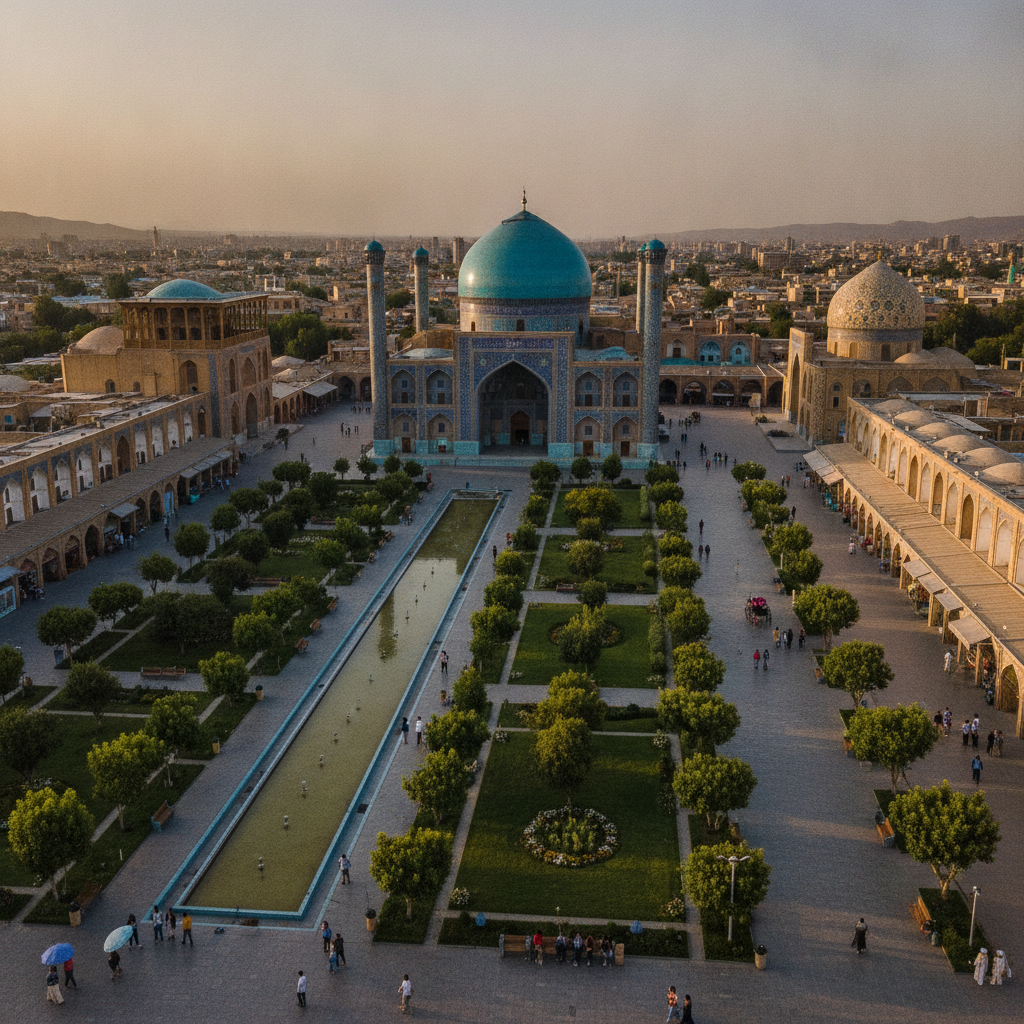
Isfahan Essential: Naqsh-e Jahan Square, the Imam Mosque, Ali Qapu Palace, the Zayandeh River Bridges, and the Most Beautiful Single City in the Islamic World
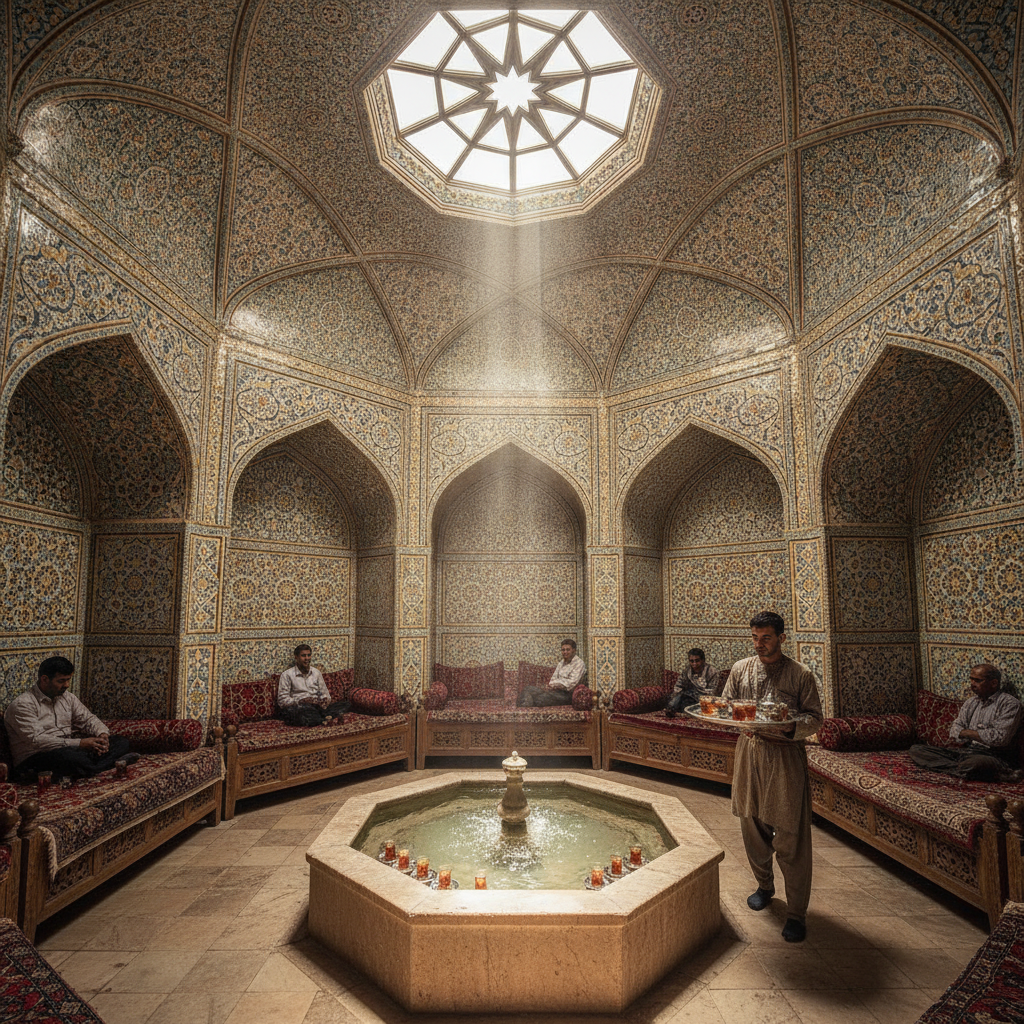
The Julfan Armenian Trading Network Extending from Manila to Amsterdam as the Most Geographically Extensive Private Network in the Pre-Modern World, Mulla Sadra Teaching the Philosophy That Still Dominates Qom Seminaries & the Persian Qanat Delivering Water by Gravity Through 40km of Underground Tunnels
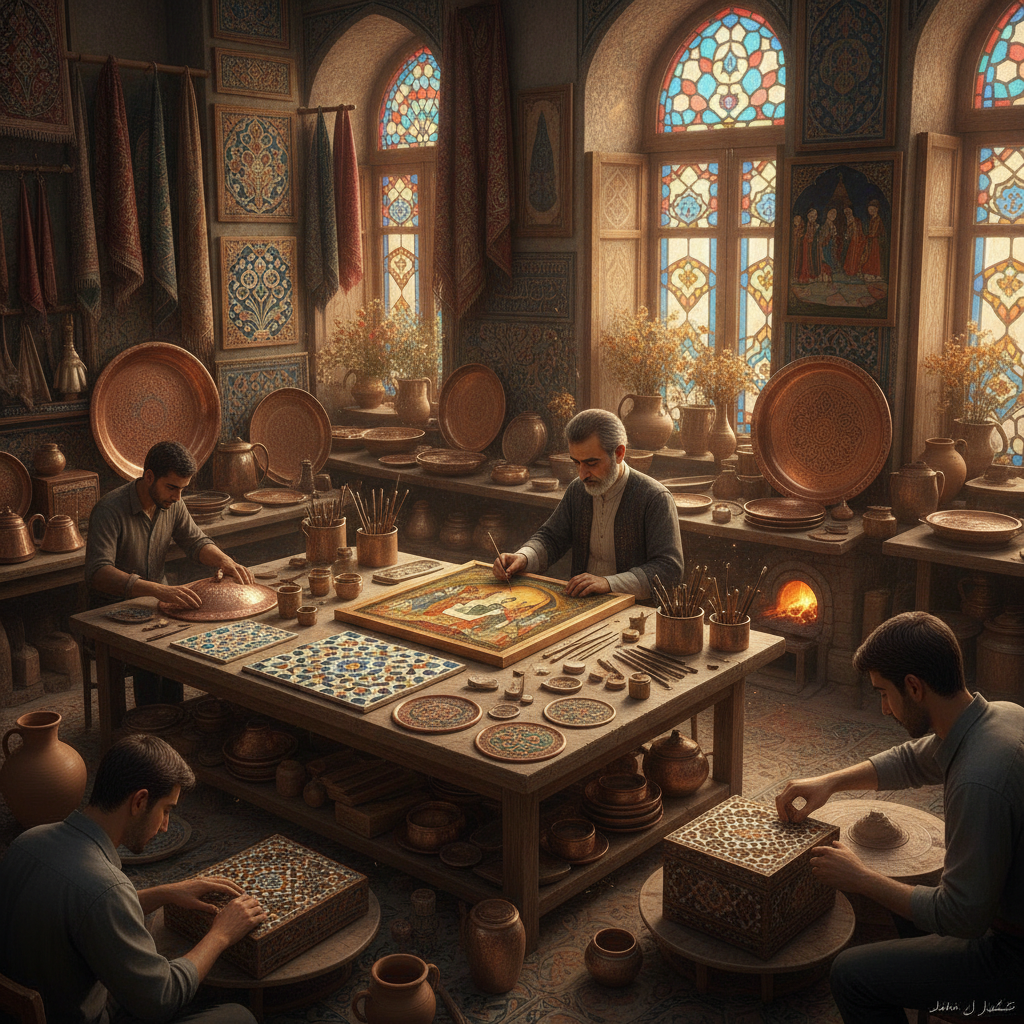
Isfahan Arts: The Miniature Painting, Tile-Making, the Artisan Workshops, the Traditional Crafts, and the Most Comprehensively Craft-Rich Single Iranian City
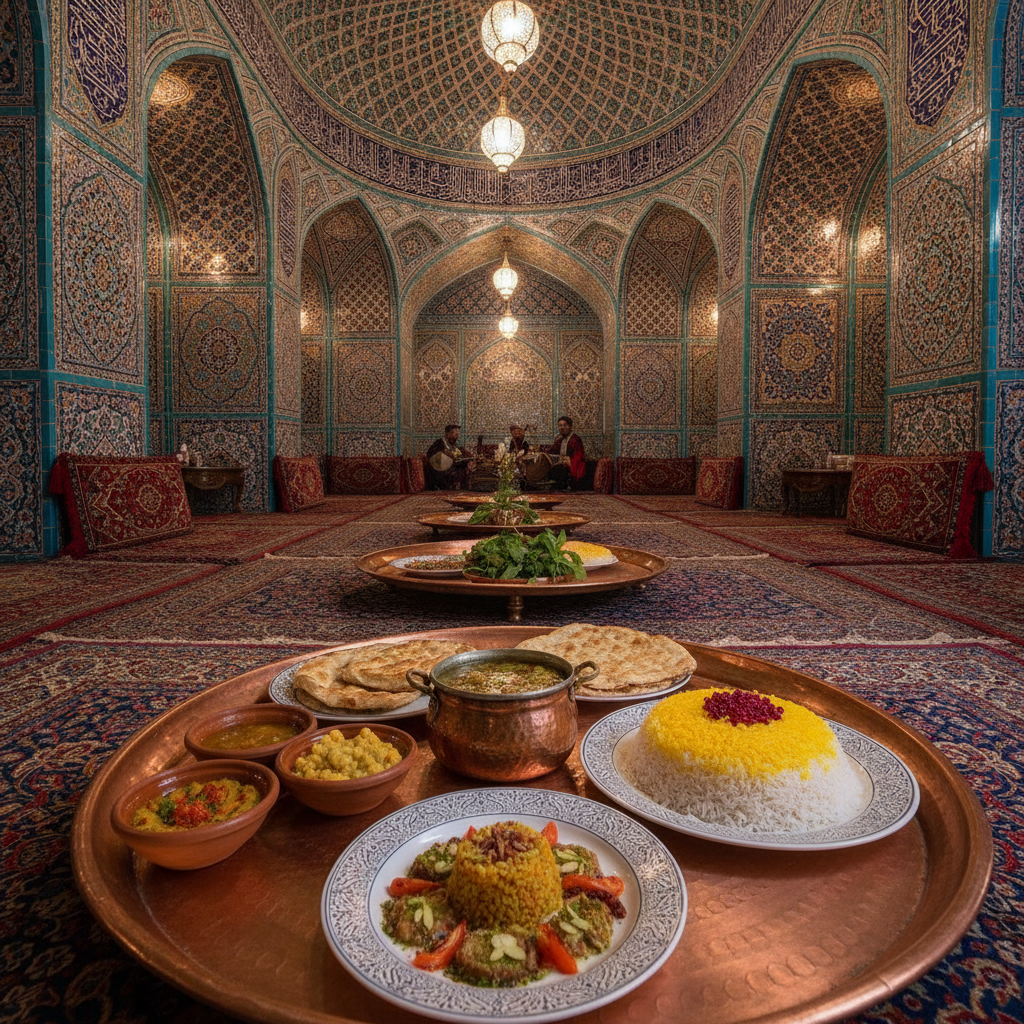
Isfahan Food: The Persian Cuisine, Dizi Lamb Stew, Beryani, Zereshk Polo, and the Most Historically Refined Single Persian Culinary Tradition
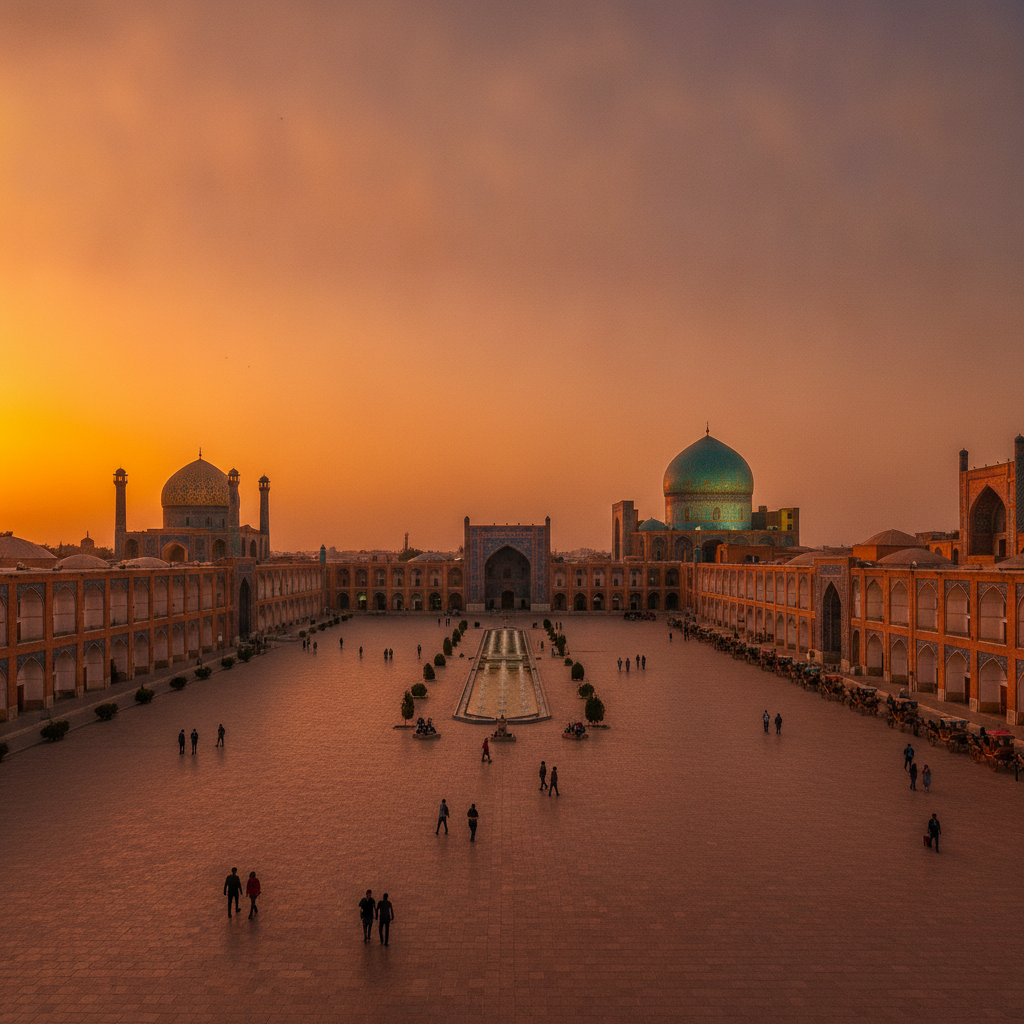
The Shah Mosque 7-Fold Echo Engineered to Amplify the Friday Sermon, the Sheikh Lotfollah Dome Changing Color from Cream to Pink Through the Day & the Naqsh-e Jahan Square Polo Goals Still Standing After 400 Years