Rome
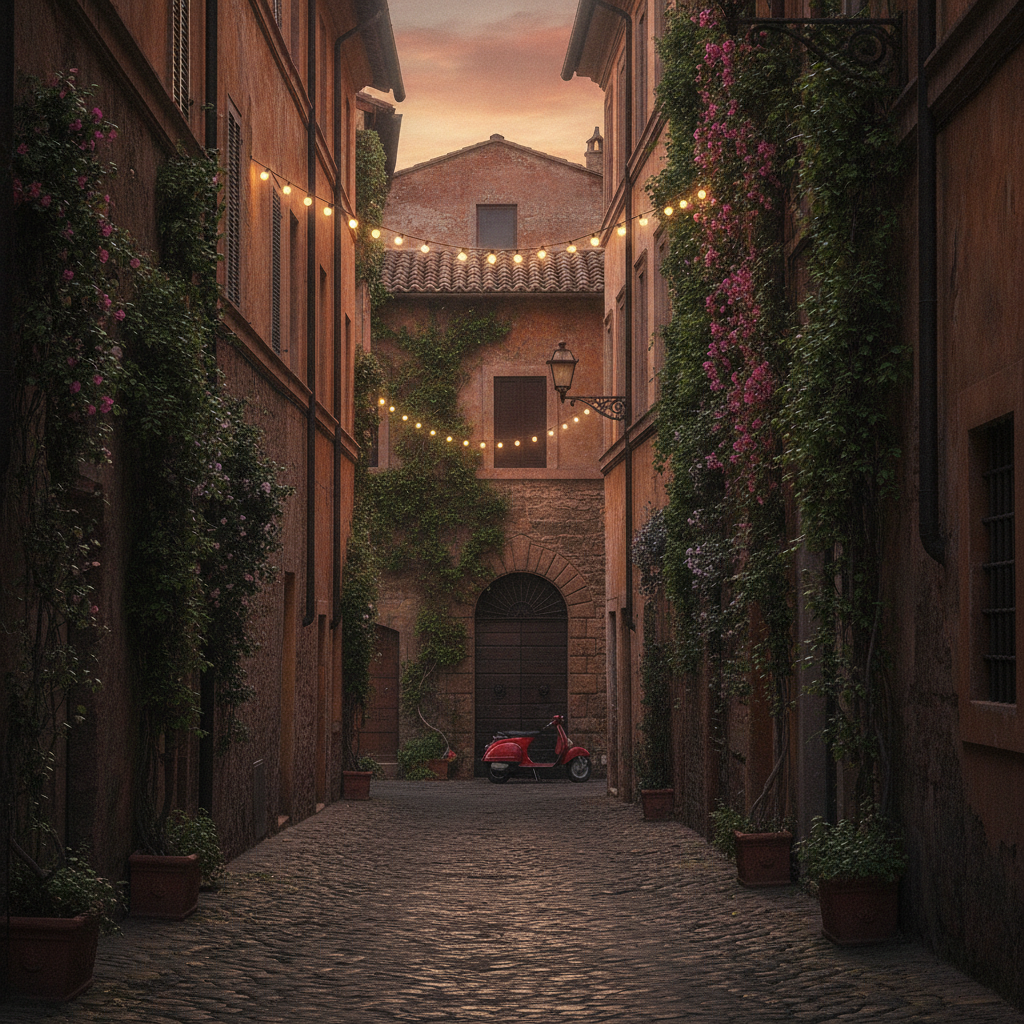
Campo de' Fiori, the Jewish Ghetto & Trastevere: Rome's Most Lived-In Neighborhoods
On the left bank of the Tiber, south of the main tourist circuit, lie Rome's two most atmospheric ancient neighborhoods: the Jewish Ghetto—one of the oldest continuously inhabited Jewish communities in the world (established 161 BC, walled off in 1555, the wall finally demolished in 1888)—and Trastevere ('across the Tiber'), Rome's best-preserved medieval neighborhood, a labyrinth of narrow lanes, ivy-draped walls, and ancient churches where working-class Romans lived for centuries and where the city's social life is now concentrated on summer evenings.
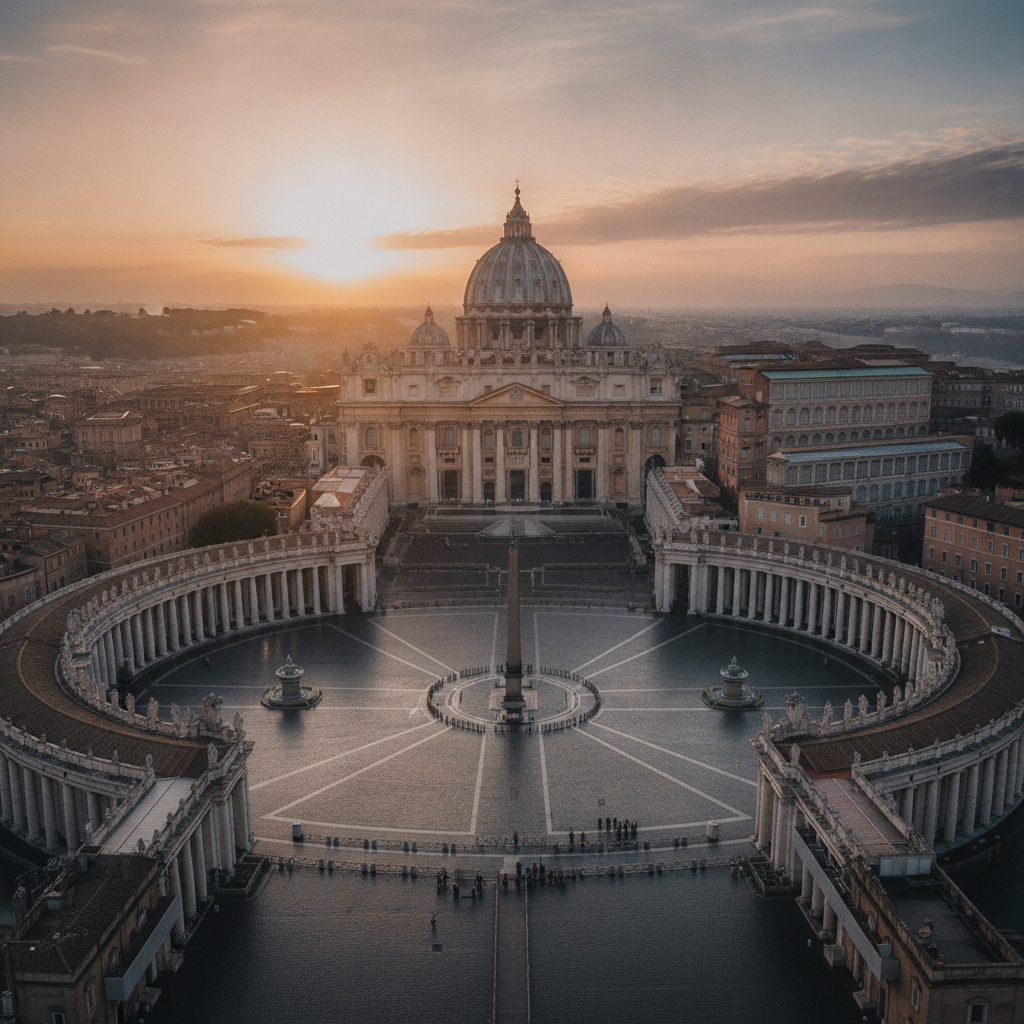
The Vatican, St. Peter's Basilica & Castel Sant'Angelo: The Heart of Christendom from River to Dome
The Vatican is the world's smallest sovereign state (0.44 km²) and the most visited collection of art and architecture on earth. The walk from Castel Sant'Angelo along Ponte Sant'Angelo to St. Peter's Square is one of the most theatrical urban approaches in the world: the river, the bridge with its ten angel statues, the colonnade opening like two great arms—and then Michelangelo's dome, visible for miles across the Roman skyline. The Vatican Museums hold one of the largest and most important art collections ever assembled, culminating in the Sistine Chapel.
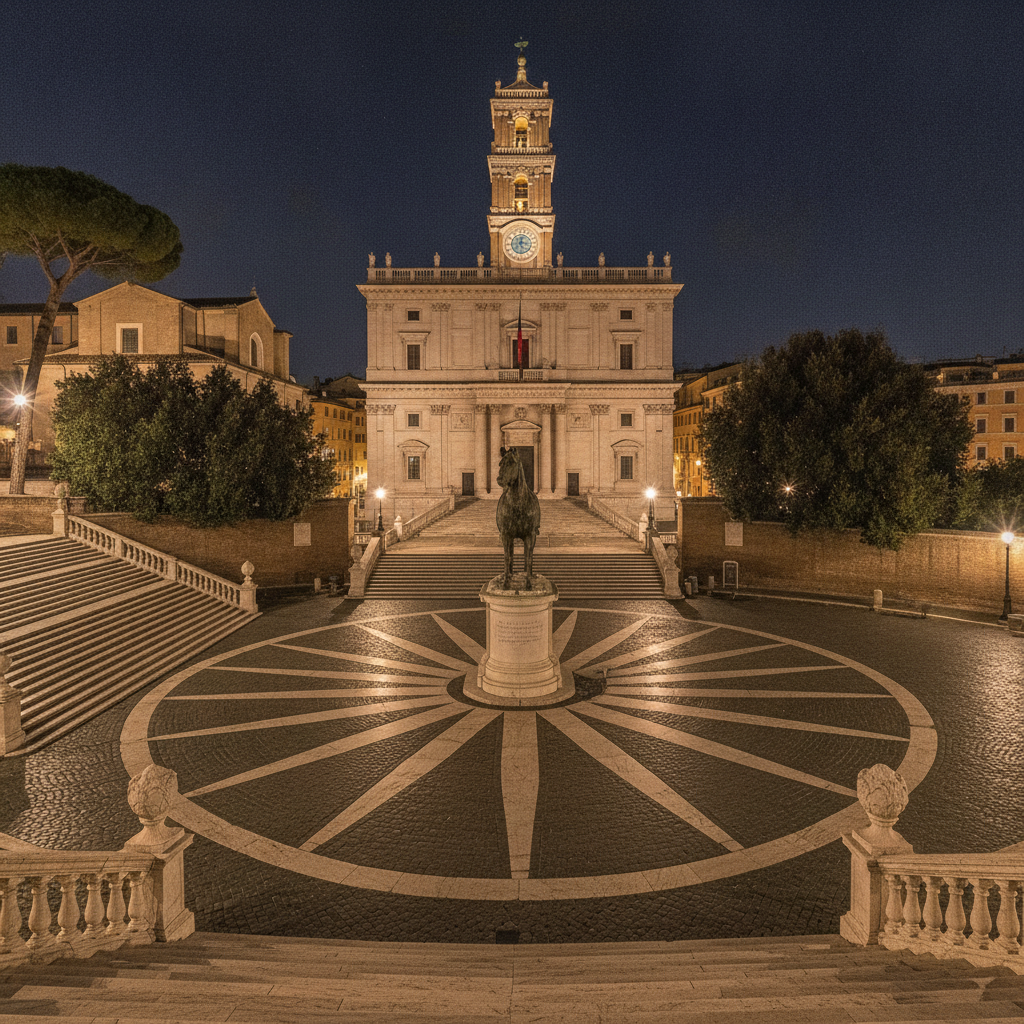
The Capitoline Hill, Trajan's Markets & the Monti Neighborhood: Between Rome's Ancient Power and its Liveliest Quarter
The Capitoline Hill (Campidoglio), the smallest but most symbolically important of Rome's seven hills, was the political and religious center of the Roman world: the Capitolium (temple of Jupiter Optimus Maximus, the supreme deity of the Roman state) stood at its summit; triumphs ended here; generals dedicated their laurel wreaths here. Today it houses the Capitoline Museums—the oldest public museums in the world (founded 1471). At its base, Trajan's Markets preserve the commercial heart of imperial Rome; behind them, the Monti neighborhood is Rome's most popular destination for independent restaurants, bars, and vintage shopping.
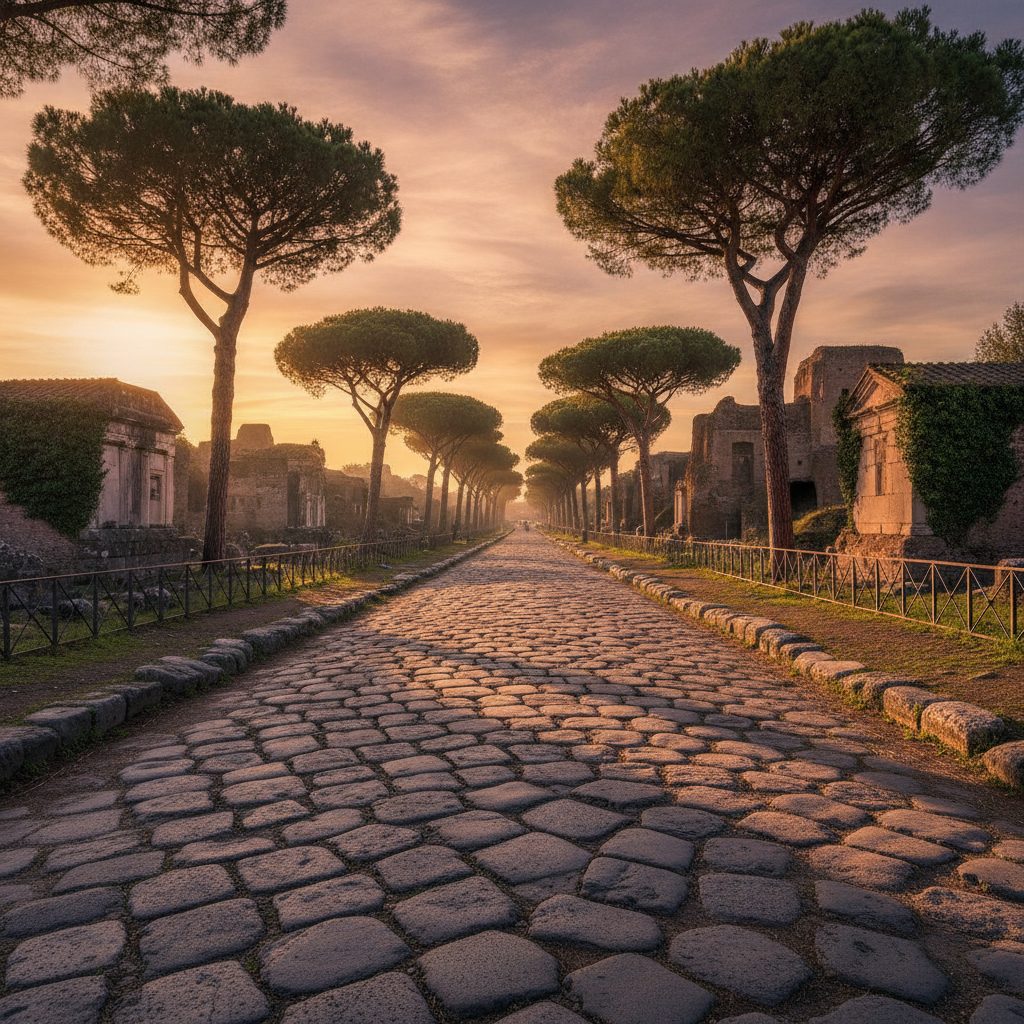
The Appian Way & the Catacombs: Rome's Ancient Road to the Dead
The Via Appia Antica ('Ancient Appian Way'), begun in 312 BC by the Censor Appius Claudius Caecus, was the first and greatest of Roman roads—running 563 km from Rome to Brindisi on the Adriatic coast, and connecting Rome to Greece and the eastern Mediterranean. The stretch immediately outside Rome's Aurelian Wall is lined with ancient Roman tombs (burial inside the city walls was forbidden), which also became the location of the Christian, Jewish, and pagan catacombs. The road is now preserved as a regional park; the original basalt paving stones survive for miles, and the combination of ancient road, tomb monuments, umbrella pines, and the Roman countryside makes this one of the most atmospheric walks or cycling routes in the world.
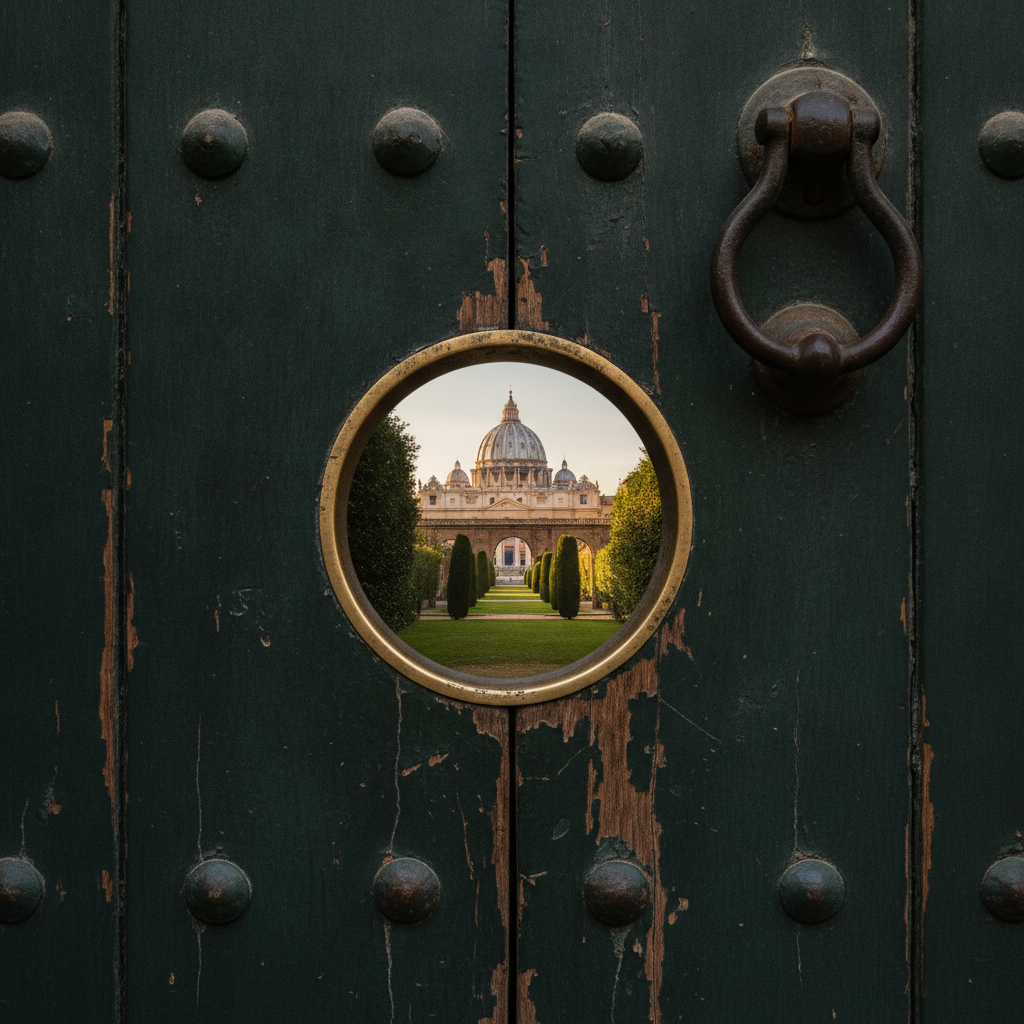
The Aventine Hill, the Knights' Keyhole & Testaccio: Rome's Best-Kept Secrets
The Aventine Hill is the most quiet and least visited of Rome's seven historic hills—a hilltop of orange gardens, medieval churches, and secret viewpoints, separated from the tourist crowds that pack the Colosseum and Forum just across the valley. Immediately below the hill to the west lies Testaccio, historically Rome's working-class meat-packing district, now transformed into one of the city's best food and nightlife neighborhoods, built on the mountain of broken amphoras (Monte Testaccio) that accumulated over four centuries of the city's wine and oil trade.
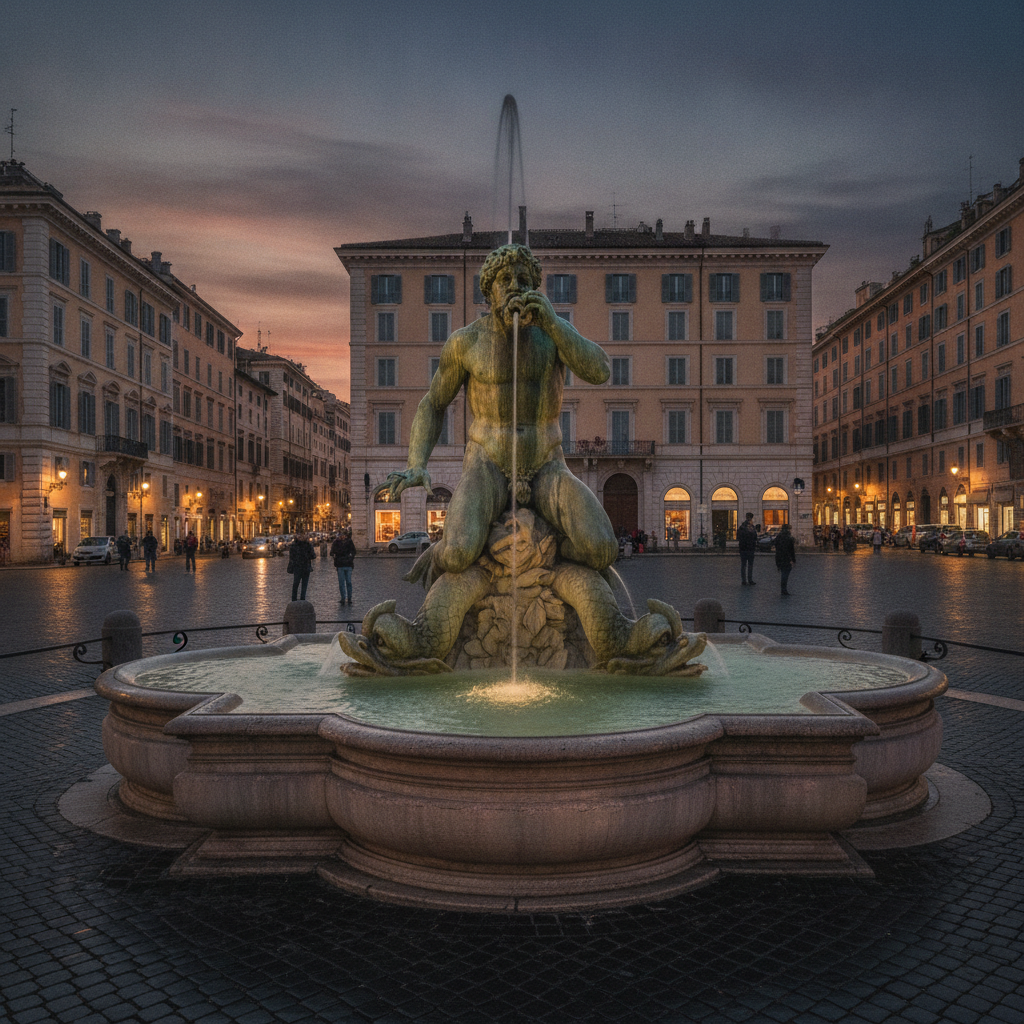
Quirinal Palace, Via Veneto & Capuchin Crypt: From Baroque Power to Dolce Vita Glamour
The Quirinal Hill and the Via Veneto represent two of Rome's most distinct identities: the Quirinal, the largest and highest of Rome's seven hills, site of the papal summer residence (1583–1870) and now the official residence of the President of the Italian Republic—the most powerful address in modern Italian political life; and the Via Veneto, the broad, tree-lined boulevard that was the epicenter of the Dolce Vita era (Fellini's film, 1960) when Rome's film industry and American expatriate community made it the most glamorous street in Europe. Between them: Bernini's greatest fountains, one of the most macabre attractions in the world (the Capuchin Crypt), and the neighborhood of Prati.
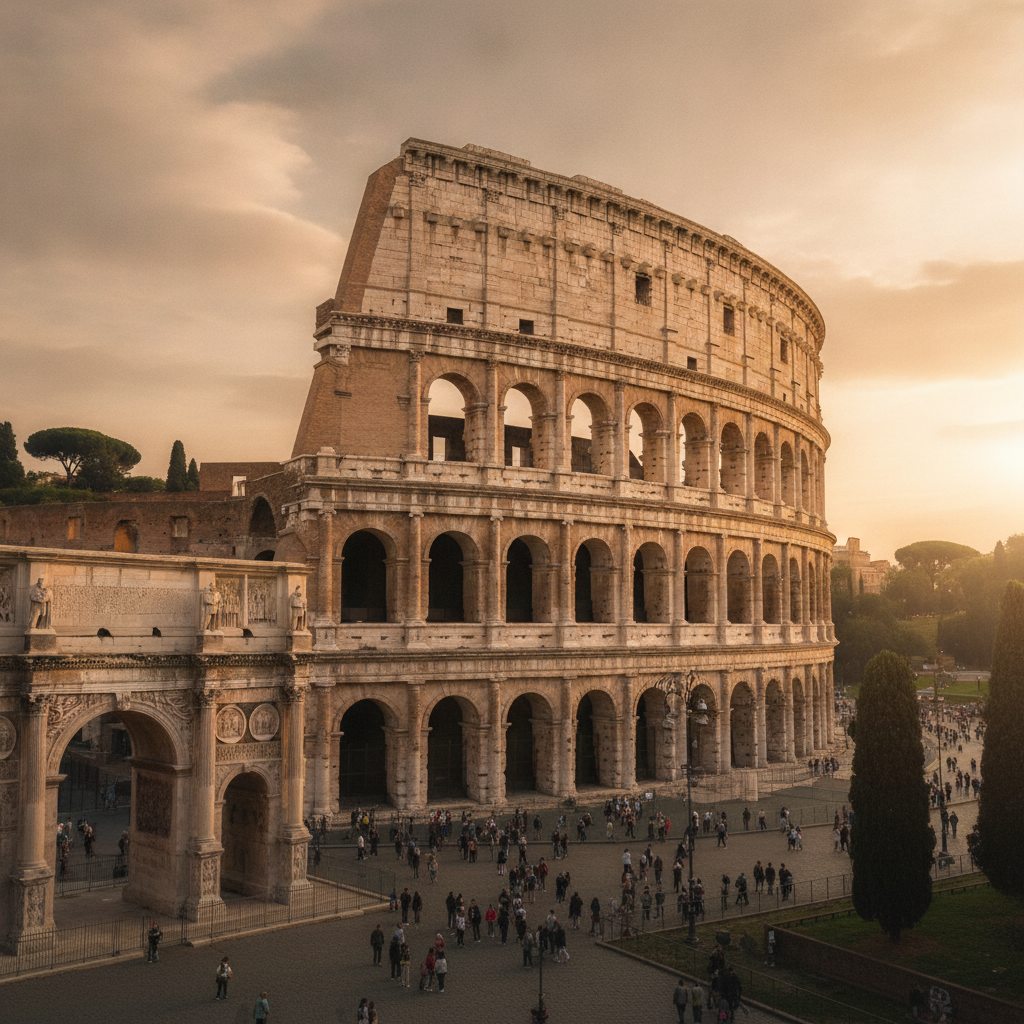
The Colosseum, Roman Forum & Palatine Hill: Walking Through Two Thousand Years of Roman History
The ancient core of Rome—the Colosseum, the Roman Forum, and the Palatine Hill—is the largest open-air archaeological site in the world and the most layered concentration of Roman history in existence. Within one square kilometer, you can stand in the arena where gladiators fought before 80,000 spectators, walk the Sacred Way along which Roman triumphal processions passed, and stand on the hill where Rome's emperors had their palaces. These are not ruins in the conventional sense—they are the world's most complete surviving evidence of the most powerful civilization the Western world has ever produced.
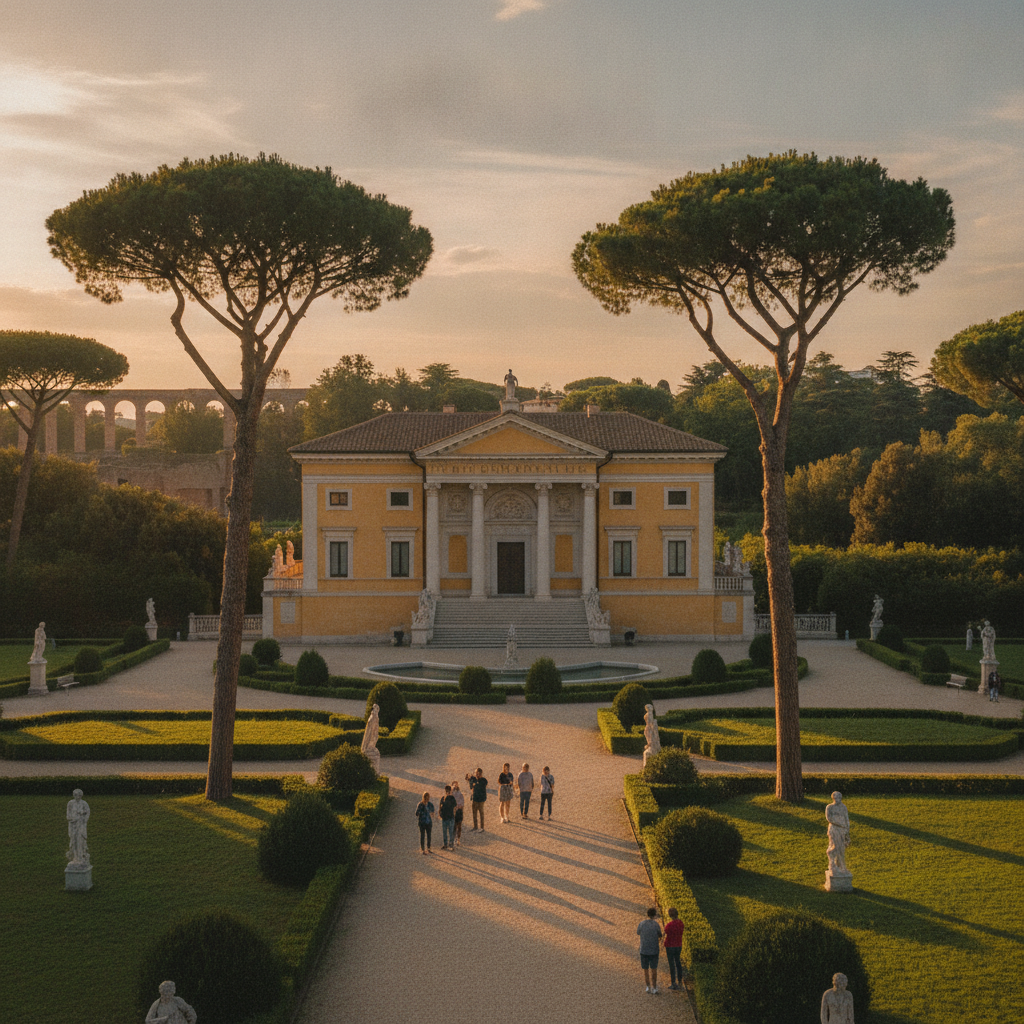
Ara Pacis, Via Margutta & Villa Borghese: Rome's Art and Green Escapes
Rome is not only ancient ruins and baroque churches—it is also one of the world's great repositories of Renaissance and Baroque sculpture, held in a villa set in one of Europe's finest urban parks, and the site of Italy's most important contemporary art museum. This route moves from the neoclassical housing of Augustus's most significant monument (the Ara Pacis), through Rome's most artistic street (Via Margutta), up to the park-museum complex of the Villa Borghese, and north to the MAXXI, Rome's 21st-century answer to the Guggenheim.
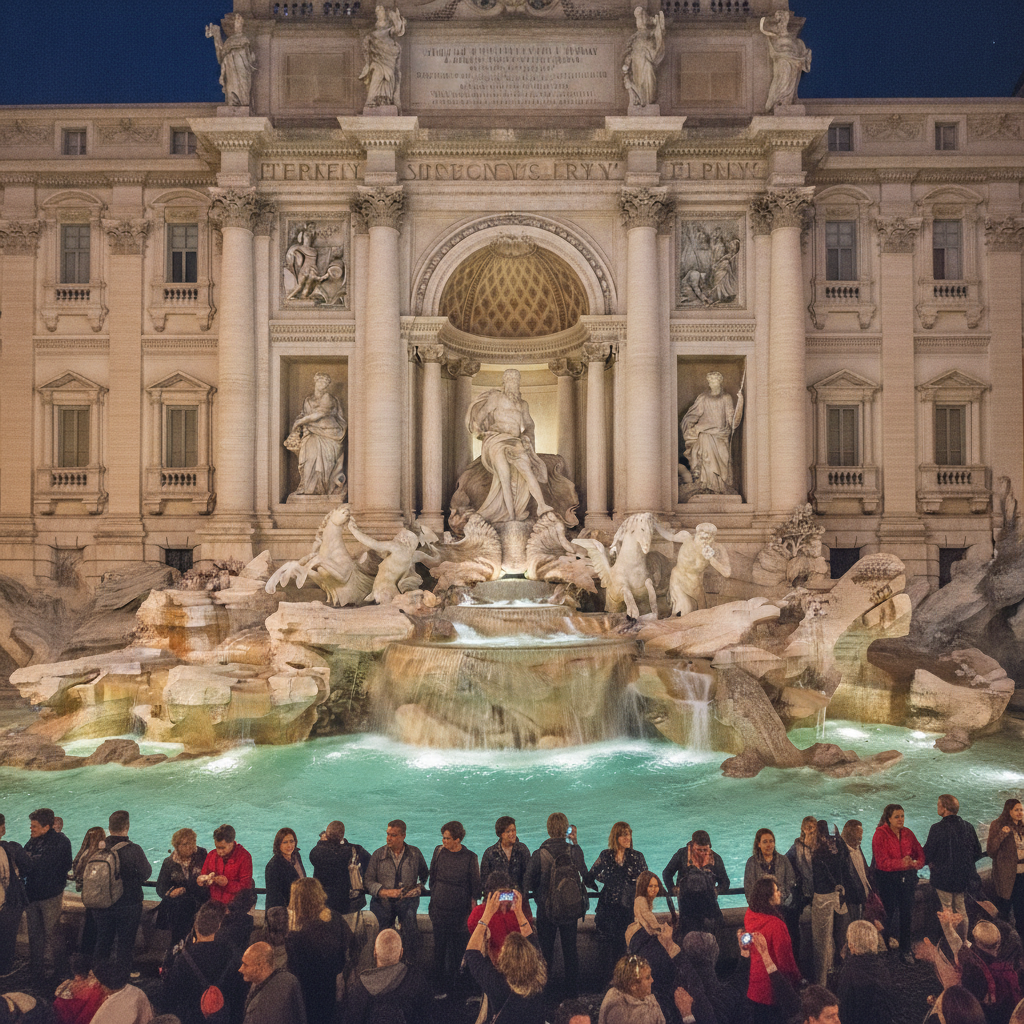
Piazza Navona, the Pantheon & the Trevi Fountain: The Baroque Heart of Rome
The triangle formed by Piazza Navona, the Pantheon, and the Trevi Fountain is the densest concentration of architectural masterworks in any city in the world. Within walking distance of each other: the most perfect building in Western architecture (the Pantheon), the most theatrical public space in baroque Rome (Piazza Navona), the most extravagant fountain in any city (the Trevi), and the most fashionable district of Baroque Rome (the area around the Spanish Steps and Piazza del Popolo). This route traces the route from the Baroque to the Neoclassical, from the stadium-turned-piazza to the ancient temple, from the coin-throwing crowds to the gardens of the Pincian Hill.
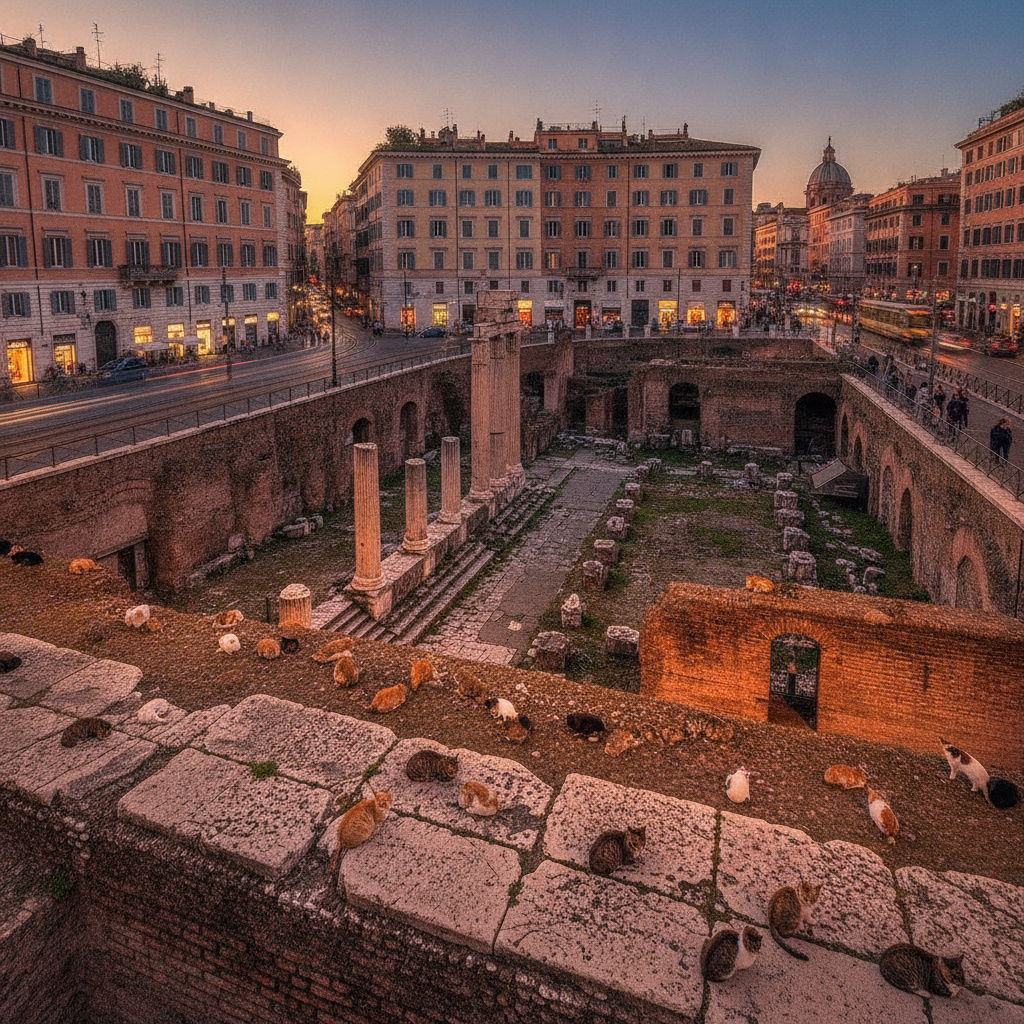
Largo Argentina, Campo de' Fiori & the Old City: Where Caesar Fell and Bruno Burned
The area around Campo de' Fiori, Largo Argentina, and Piazza Venezia contains some of the most historically charged locations in Rome—and in Western history. Within a few minutes' walk: the ruins of the Pompey Theatre complex where Julius Caesar was stabbed on the Ides of March 44 BC; the square where Giordano Bruno was burned for heresy in 1600; the facade of the Vittoriano monument that marks the formal center of modern Italy; and the church that contains Michelangelo's greatest architectural project and the greatest painting in any Roman church (Raphael's mosaic in Santa Maria sopra Minerva).