Berlin
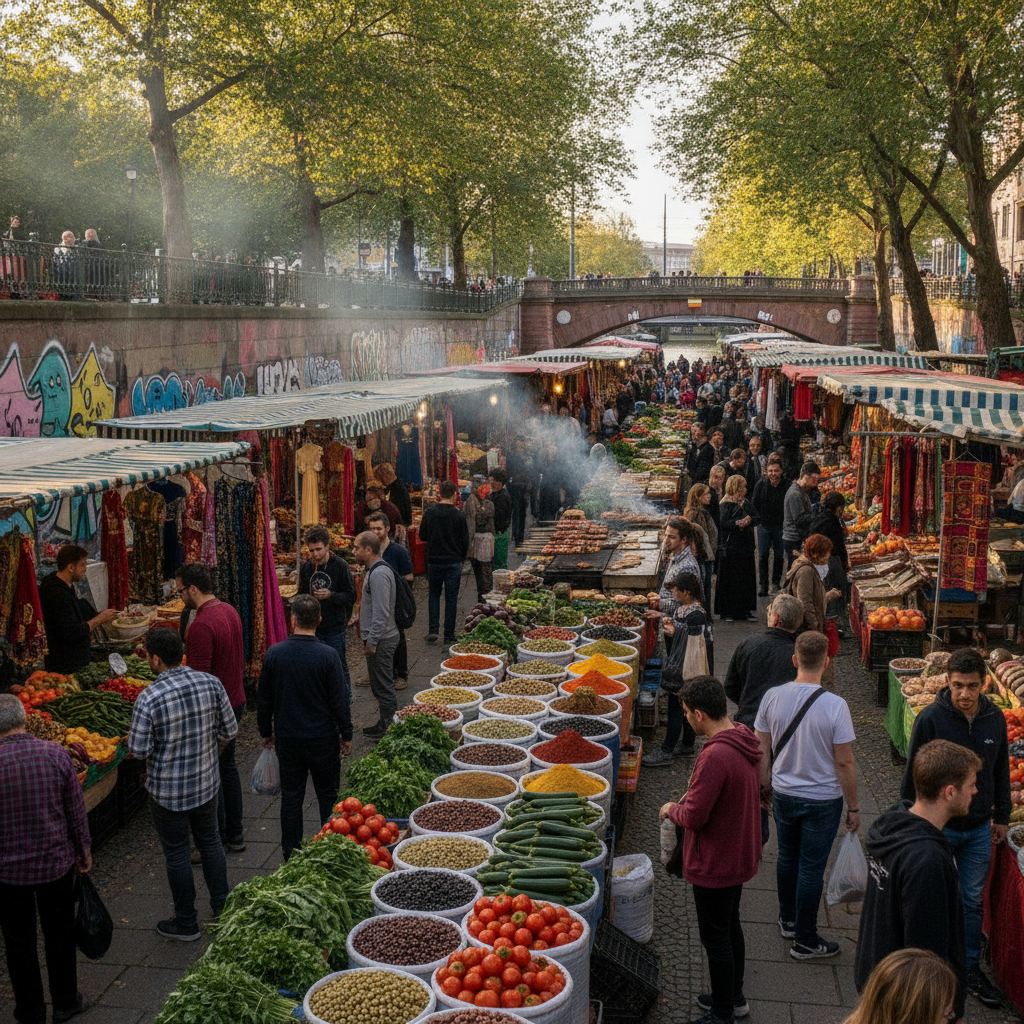
Kreuzberg: Turkish Market, Landwehrkanal & Urban Culture
Kreuzberg — the former West Berlin enclave that became the center of both the Turkish-German immigrant community and the alternative counterculture — is the most politically and culturally charged neighborhood in Berlin. From the Landwehrkanal's Turkish market to the street-art corridors of SO36, this route captures a neighborhood that has defined Berlin's reputation for radical diversity, creative resistance, and gentrification-era tension.
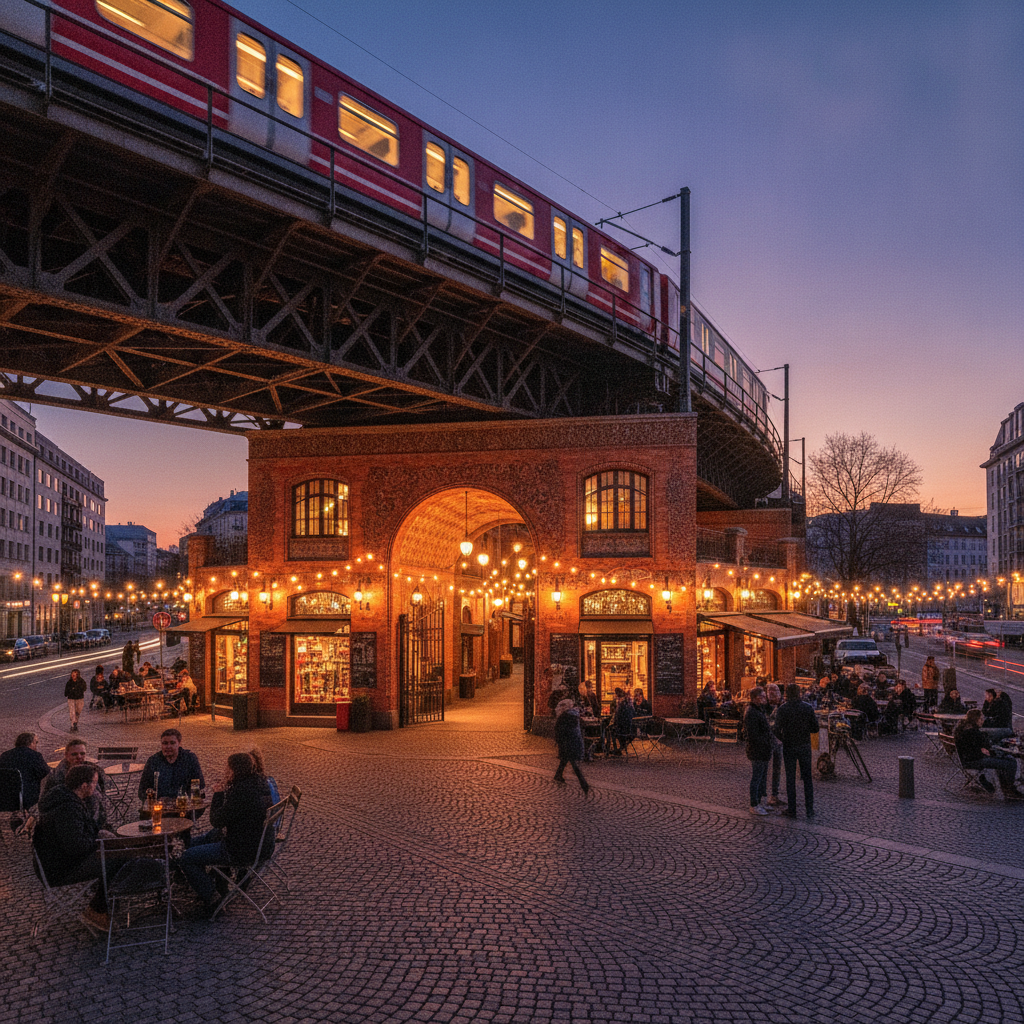
Hackescher Markt, Scheunenviertel & Prenzlauer Berg: Berlin's Bohemian Heart
The neighborhood corridor running north from the Spree through the Scheunenviertel (the old Jewish quarter of Mitte) to Prenzlauer Berg is the cultural heart of contemporary Berlin: a dense concentration of street art, alternative galleries, organic markets, independent boutiques, and the most intact pre-war residential architecture in the city. After the Wall fell, Prenzlauer Berg became the focal point of Berlin's cultural explosion in the 1990s — squatter houses, techno clubs in former coal cellars, and a bohemian scene that attracted artists from across the world.
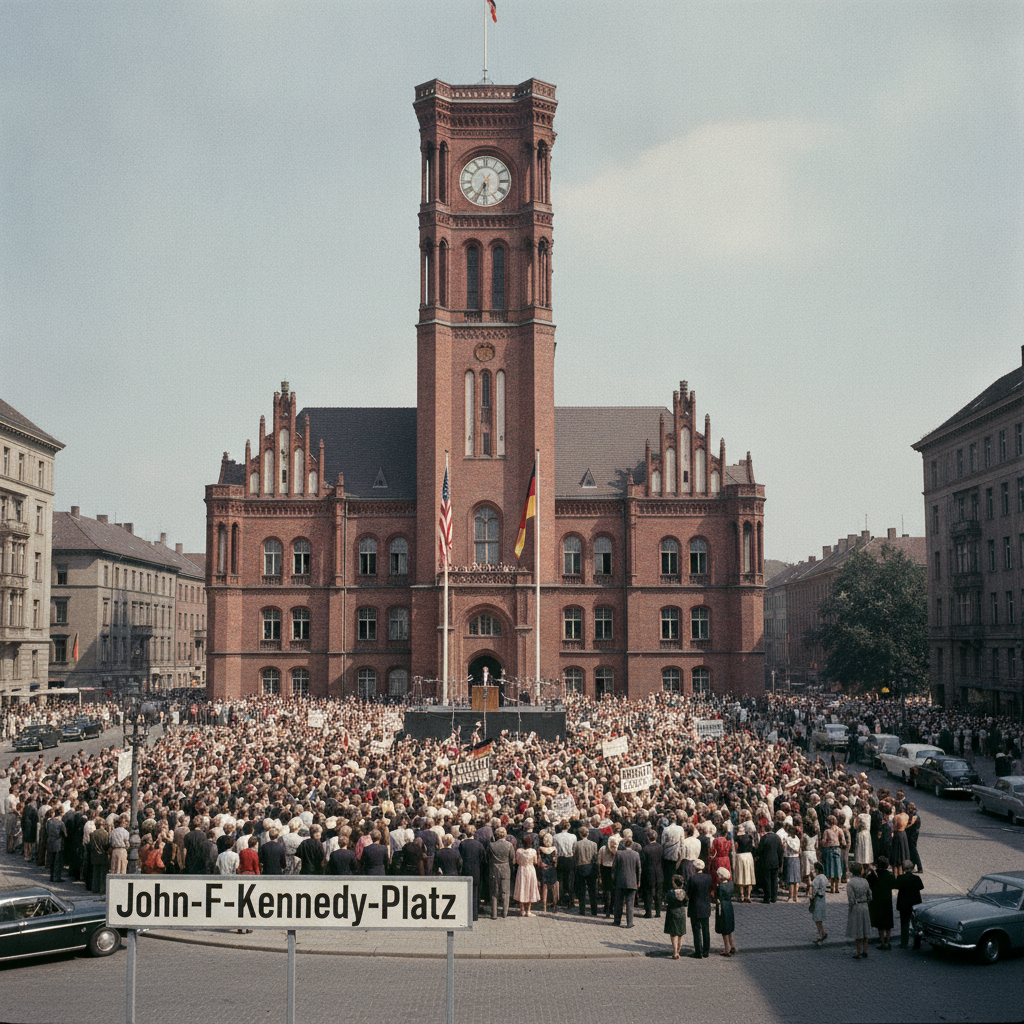
Schöneberg, Steglitz & South Berlin: Kennedy's Stage, Bowie's Flat
South Berlin — the bourgeois residential districts stretching from Schöneberg through Steglitz to Lichterfelde — is quieter and less visited than the tourist center but contains some of the most significant sites in the city's modern history: the Rathaus Schöneberg where Kennedy declared himself a Berliner, David Bowie's apartment, the Wittenbergplatz market hall, and the peaceful Botanical Garden.
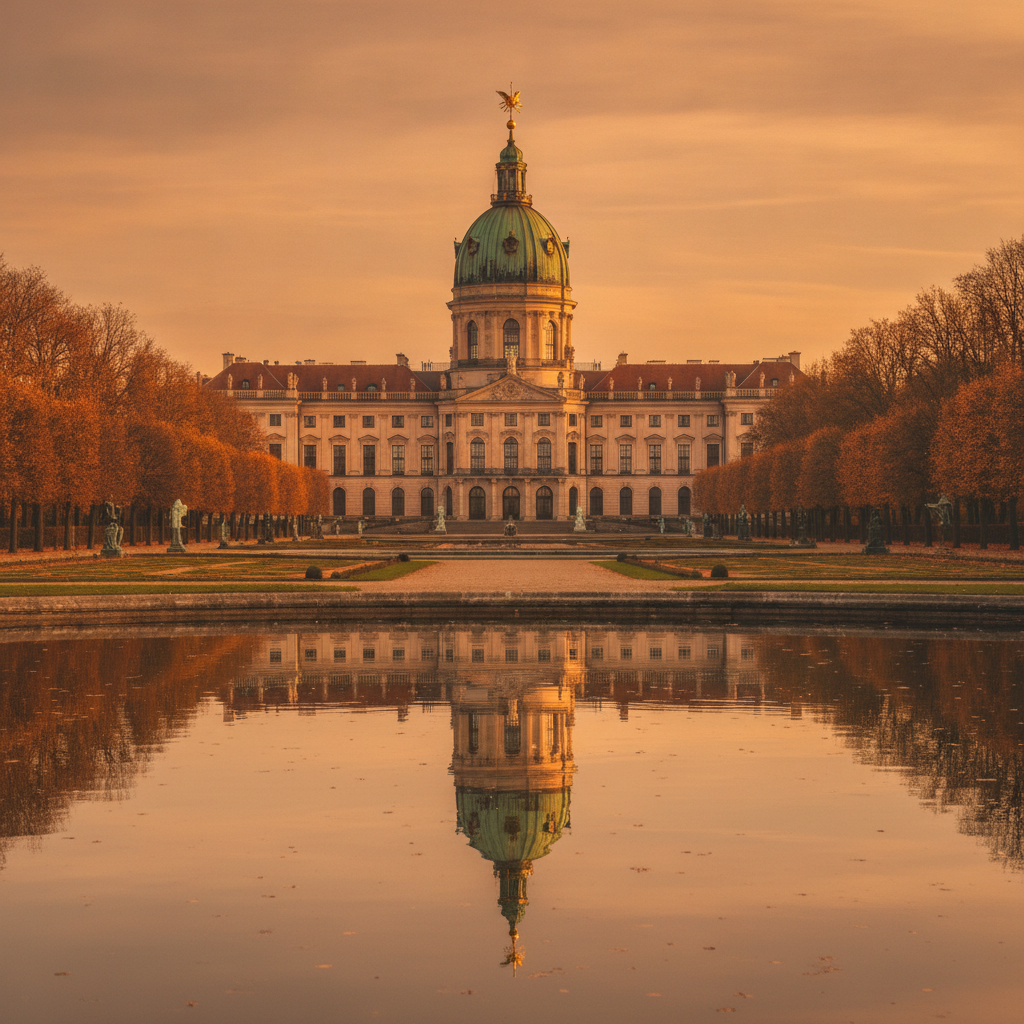
Charlottenburg Palace & Kurfürstendamm: West Berlin's Royal Mile
West Berlin developed its own urban identity during the Cold War, centered on the Kurfürstendamm (Ku'damm) as the commercial and cultural spine of the free city. This route connects the western centerpiece — Charlottenburg Palace, the most complete surviving Hohenzollern royal residence in Berlin — with the bombed-but-rebuilt Kaiser Wilhelm Memorial Church and the legendary Kaufhaus des Westens (KaDeWe), Europe's second-largest department store.
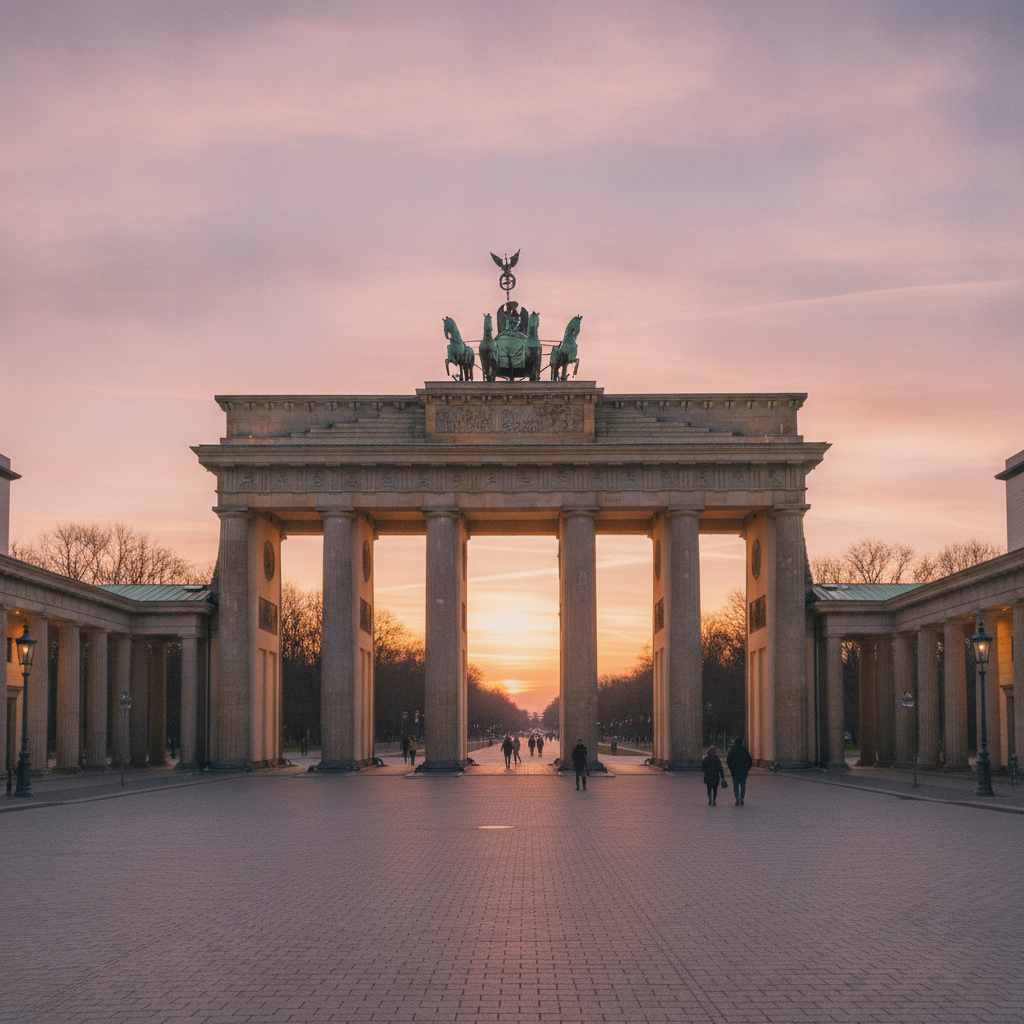
Brandenburg Gate, Reichstag & Tiergarten: The Heart of Reunified Berlin
The monumental axis running west from the Brandenburg Gate through the Tiergarten to the Victory Column — and north to the Reichstag dome — concentrates more symbolic weight per square kilometer than almost anywhere else in Europe: the gate that divided East and West for 28 years, the parliament that witnessed empire, republic, dictatorship, ruin, and rebirth, and the park that was stripped bare for fuel and is now Berlin's green lung.
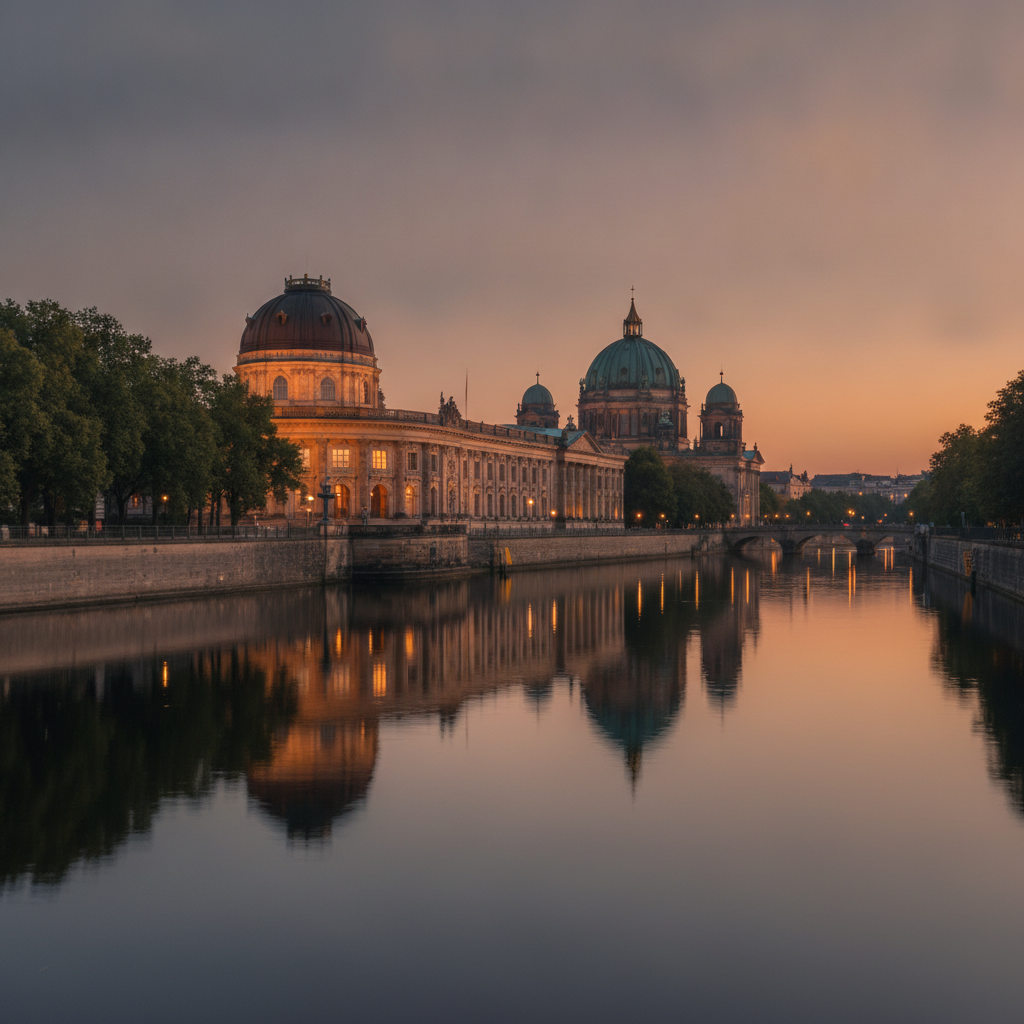
Museum Island & Unter den Linden: Berlin's UNESCO Cultural Heart
Museum Island (Museumsinsel) — a UNESCO World Heritage Site since 1999 — is a narrow island in the Spree river containing five of Berlin's greatest museums built between 1824 and 1930: the Pergamon Museum (ancient Babylon and Pergamon), the Neues Museum (Egyptian collection and the bust of Nefertiti), the Alte Nationalgalerie (19th-century art), the Bode Museum (Byzantine and medieval art), and the Altes Museum. Unter den Linden, the grand lime-tree-lined boulevard, runs west to the Brandenburg Gate.
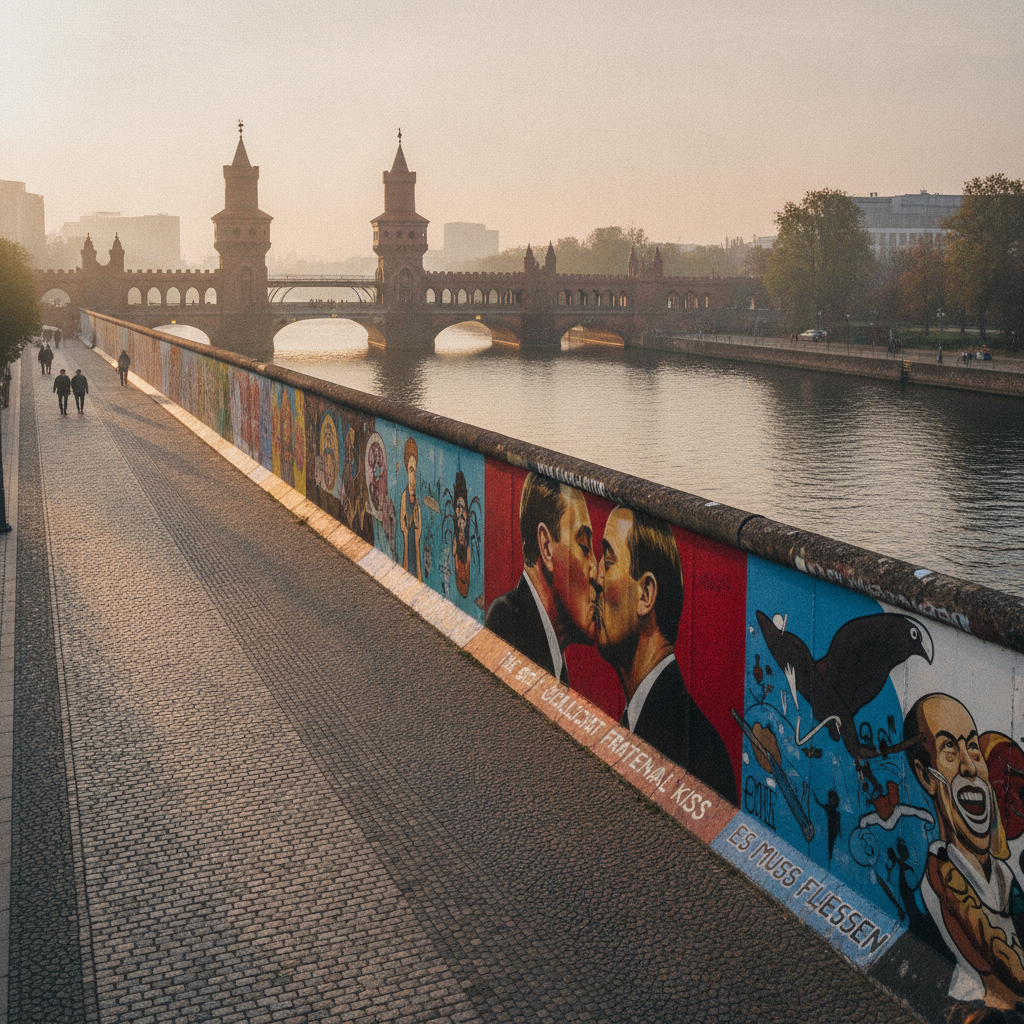
East Side Gallery, Checkpoint Charlie & Jewish Museum: Berlin's History of Division
The Berlin Wall — built August 13, 1961, fallen November 9, 1989 — left more physical and psychological traces in Berlin than almost any structure in modern history. This route follows the most significant surviving remnants and monuments to the division: the East Side Gallery (the longest preserved wall section, a 1.3 km open-air gallery of murals), Checkpoint Charlie (the most famous crossing point), and the Jewish Museum (Daniel Libeskind's architectural masterpiece of memory).
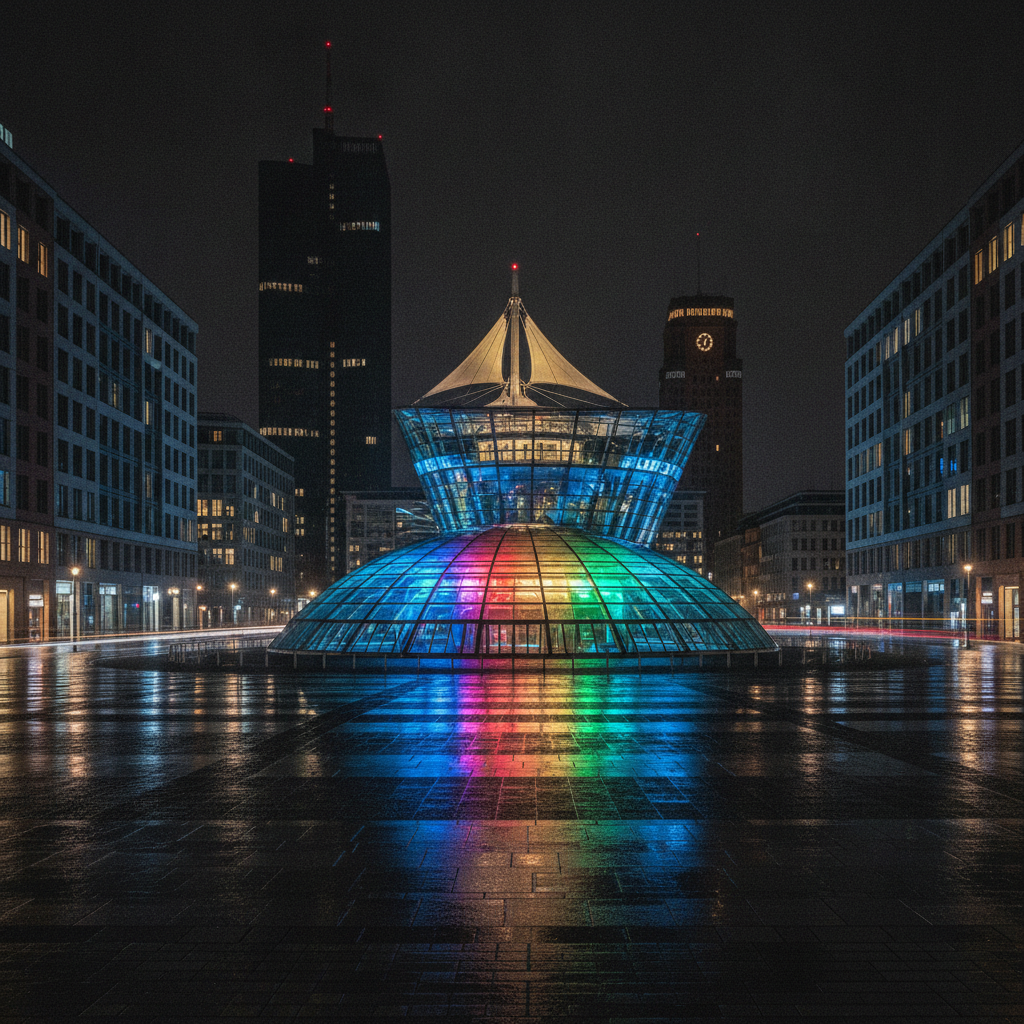
Potsdamer Platz, Sony Center & Kulturforum: The New Berlin
Potsdamer Platz — once the busiest traffic intersection in Europe (1920s), then the emptiest wasteland in the divided city (1961-1989, the death strip of the Berlin Wall), now the most ambitious urban redevelopment project in post-war European history — is a case study in the transformation of Berlin after reunification. The adjacent Kulturforum (West Berlin's cultural campus) contains the Philharmonie and the Neue Nationalgalerie.
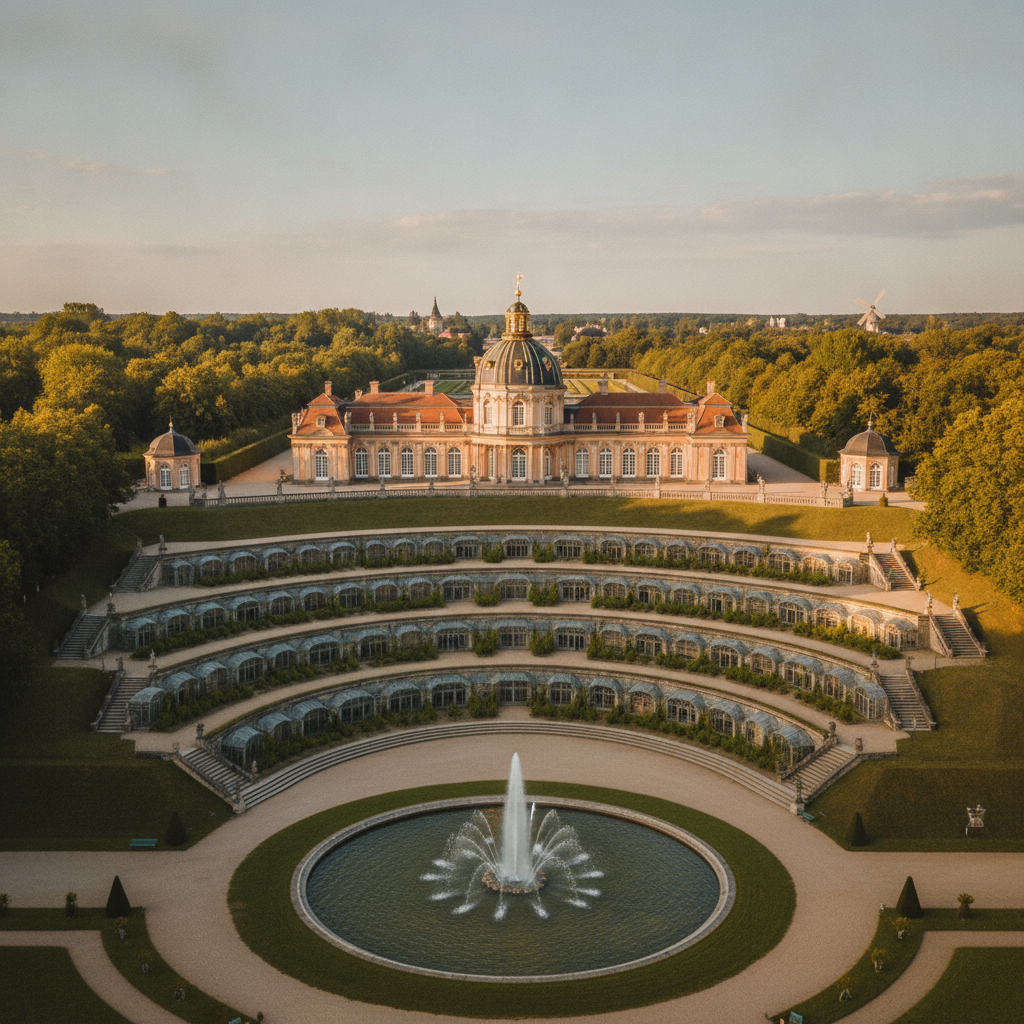
Potsdam & Sanssouci: Frederick the Great's Palace Paradise
Potsdam — 30 minutes by S-Bahn from central Berlin, the former Prussian royal residence and the most important ensemble of palaces and parks in northern Europe — is a UNESCO World Heritage Site (1990) containing 500 years of Hohenzollern history. Sanssouci ('without care' in French, the motto of Frederick the Great) is the intimate summer palace he designed himself and considered his true home, in contrast to the formal Berlin Palace.