Amsterdam
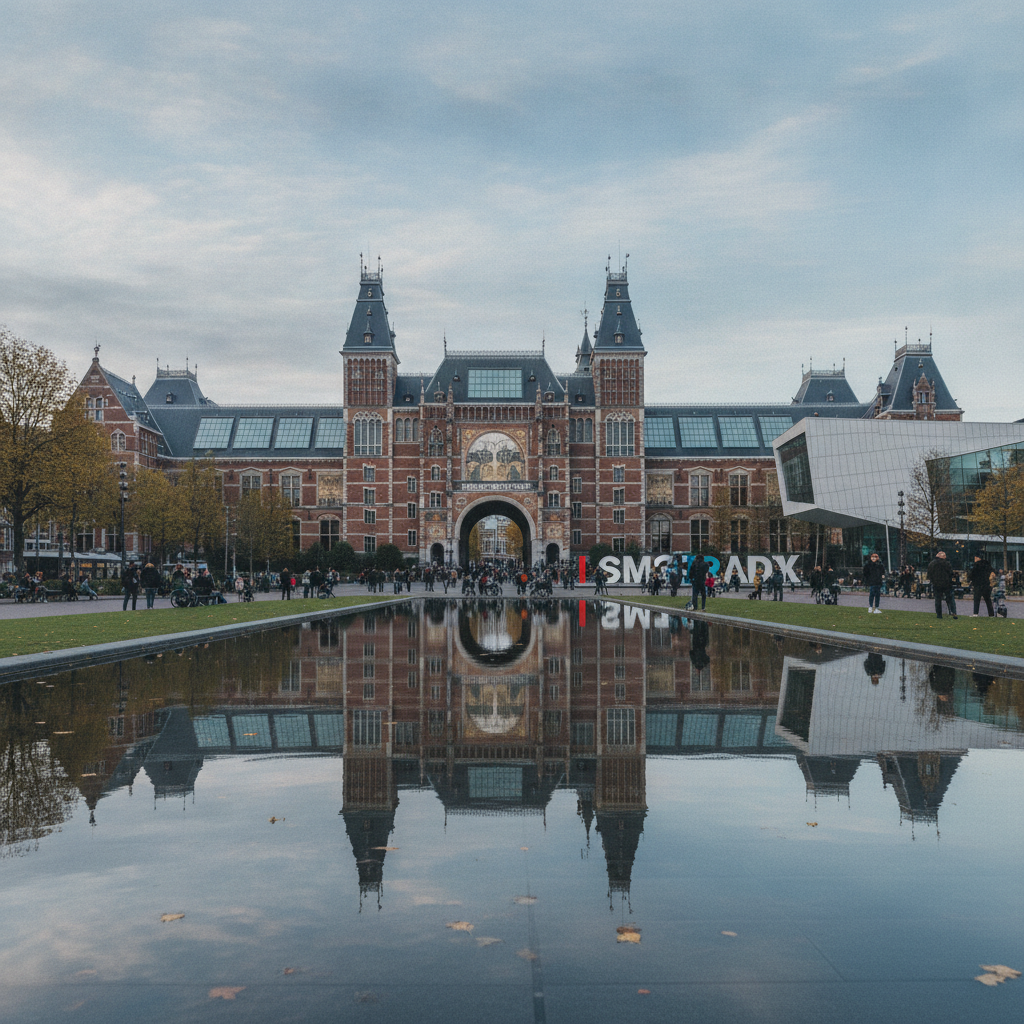
Rijksmuseum, Van Gogh & Museumplein: The Museum Quarter
The Museumplein, a broad open square in Amsterdam's Oud-Zuid district, anchors the most concentrated collection of world-class museums anywhere in the Netherlands: the Rijksmuseum (the Dutch national museum, 8,000 works on display, 80 galleries), the Van Gogh Museum (the largest collection of Van Gogh's work in the world, 200 paintings, 500 drawings), the Stedelijk Museum (modern and contemporary art, design), and the Concertgebouw (one of the most acoustically perfect concert halls in the world, completed 1888). The Museumplein itself, redesigned in 1999, is a social space as much as a tourist destination: a sunken pond used for skating in winter, a lawn where Amsterdammers picnic in summer, and the junction between the 19th-century museum district and the Vondelpark — the city's central park, a 47-hectare ribbon of lawn, ponds, and playgrounds that runs through Oud-Zuid. This route is the essential Amsterdam cultural itinerary.
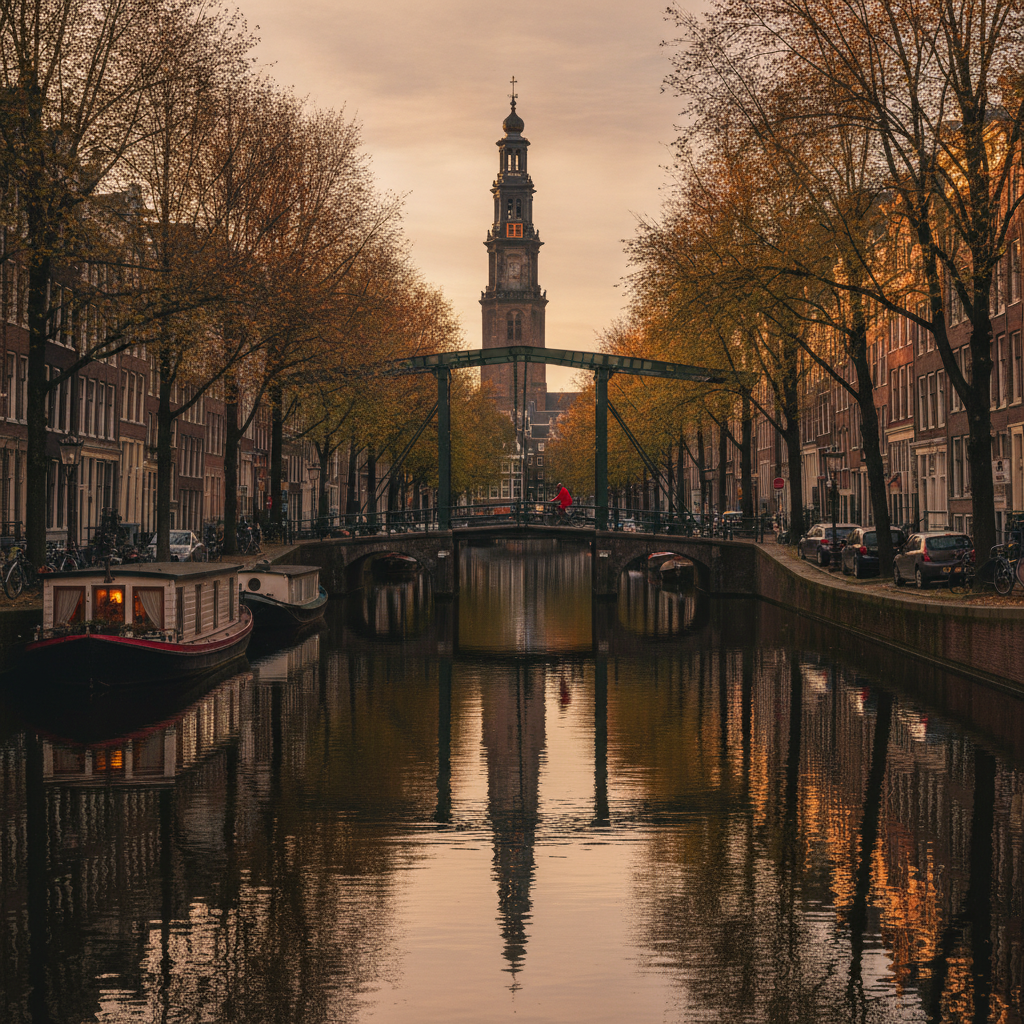
Jordaan, Anne Frank & the Canal Ring: Amsterdam's Golden Age Heart
The Canal Ring (Grachtengordel) — the semi-circular system of three concentric canals (Herengracht, Keizersgracht, Prinsengracht) dug between 1613 and 1625 during Amsterdam's explosive Golden Age expansion — is one of the most ambitious urban planning projects of the 17th century: 100 kilometers of waterway, 90 islands, 1,500 bridges, and 6,800 buildings, most of them still standing. The area was designated a UNESCO World Heritage Site in 2010. The Jordaan, the neighborhood immediately west of the Prinsengracht, was originally built as a working-class district for the artisans, craftsmen, and laborers displaced by the canal construction — its street plan following the drainage ditches of the polders that previously occupied the land, creating the irregular, small-scale street grid that distinguishes it from the formal geometry of the canal ring. Today the Jordaan is Amsterdam's most desirable neighborhood: independent boutiques, galleries, cafés, and restaurants in the ground floors of 17th-century buildings, and the Anne Frank House, one of the most visited sites in the Netherlands.
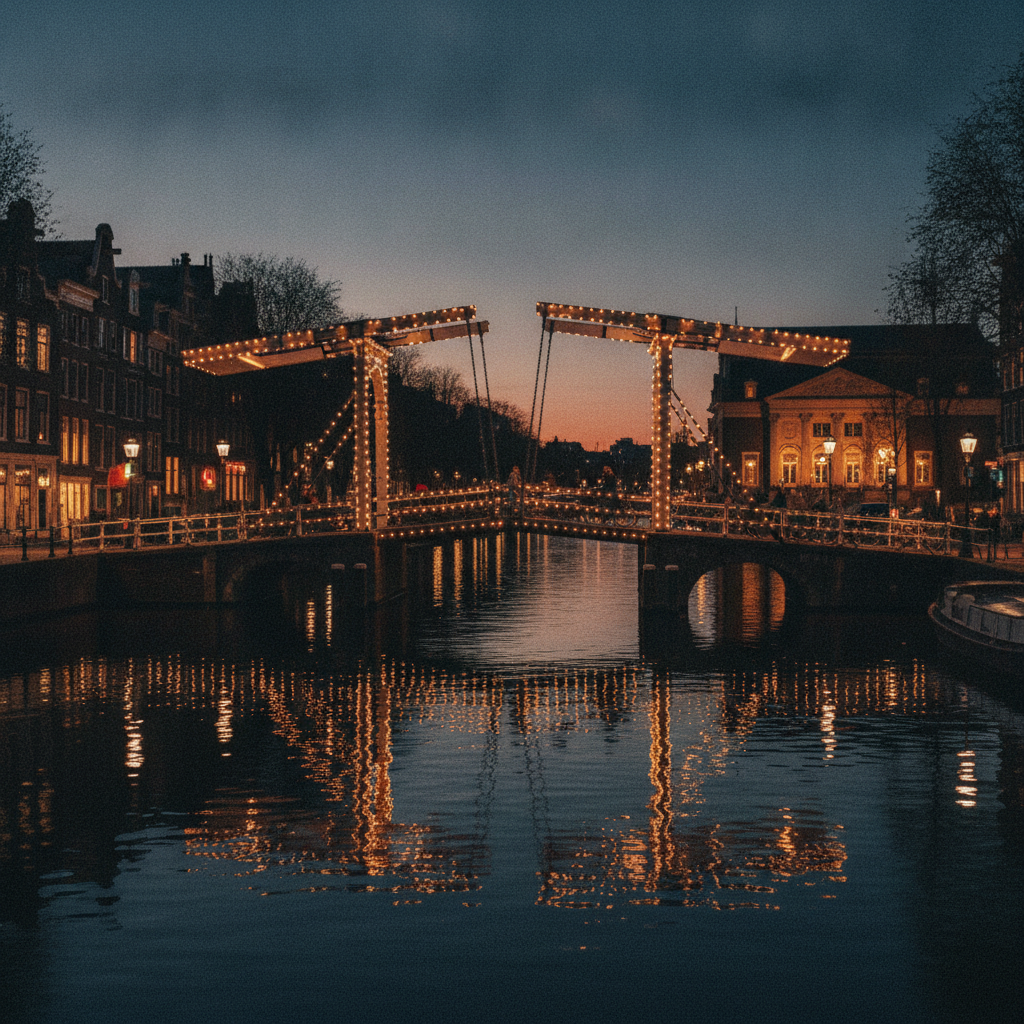
Rembrandtplein, Tuschinski & the Amstel: Art, Entertainment, and the Skinny Bridge
The southern part of Amsterdam's historic center — the area between the Muntplein (Mint Square) and the Amstel river — is the part of Amsterdam that most closely resembles a European capital's entertainment district: the Rembrandtplein (Rembrandt Square) with its cafés and nightlife, the extraordinary Tuschinski cinema (the most beautiful cinema interior in the Netherlands), the Magere Brug (the Skinny Bridge, Amsterdam's most photographed landmark), and the Amstel river embankment where houseboats and canal boats provide Amsterdam's most atmospheric waterfront. The area also contains the Hermitage Amsterdam (formerly housed in the Amstelhof building), the Amstelkerk, and the antique and book dealers of the Spiegelkwartier (Mirror Quarter) that extends south from the Rijksmuseum.
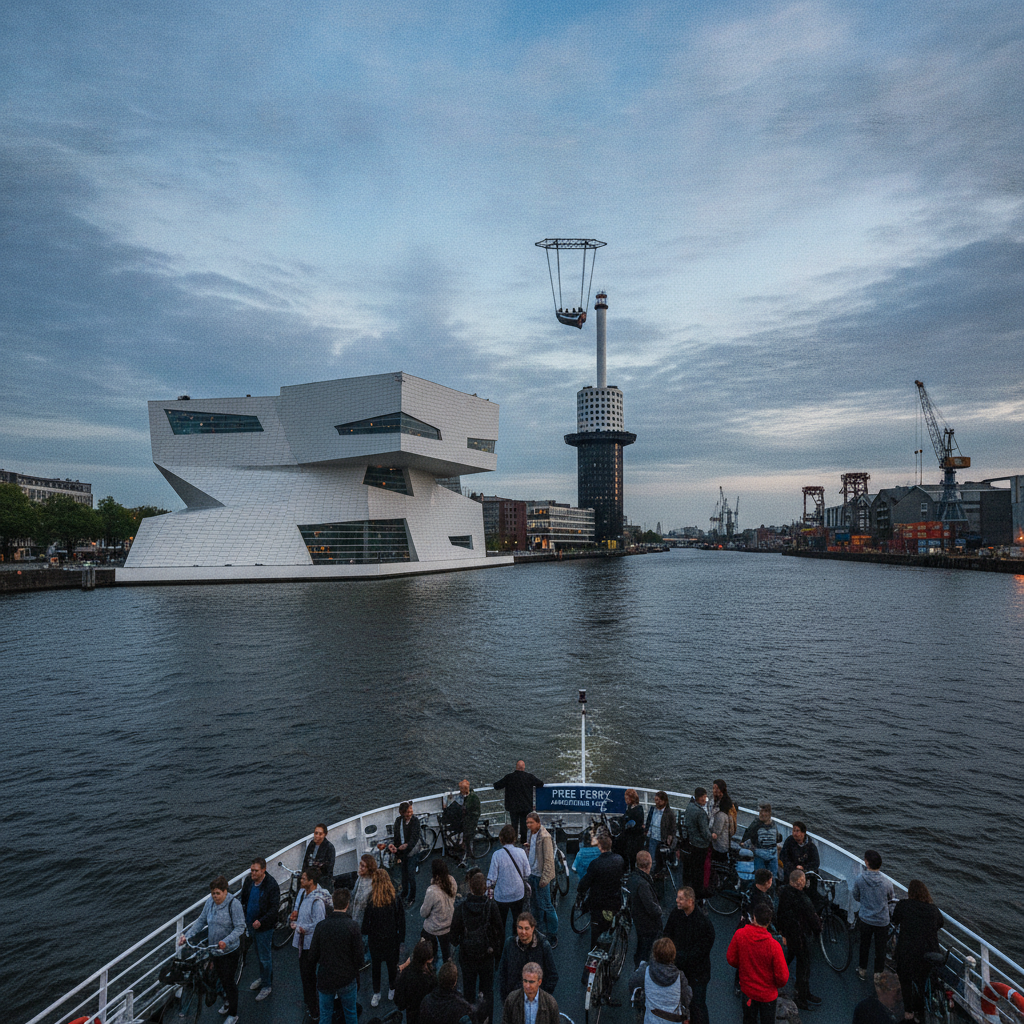
Amsterdam Noord, EYE & NDSM: The Creative Waterfront
Amsterdam Noord (North Amsterdam), the neighborhood north of the IJ harbor accessible by free ferry from Central Station, was for most of its history Amsterdam's industrial backyard: the Shell oil refinery, the NDSM shipyard, warehouses, and the low-lying polders that provided the agricultural hinterland for the city. The closure of heavy industry from the 1980s–2000s left a landscape of enormous industrial buildings, empty docks, and cheap real estate. Artists, cultural organizations, and creative businesses moved in; the city invested in cultural infrastructure (EYE Film Museum, A'DAM Tower, Tolhuistuin cultural park); and Amsterdam Noord became, in the 2010s, what Berlin's Mitte was in the 1990s: the frontier of European creative culture, rough-edged and quickly gentrifying.
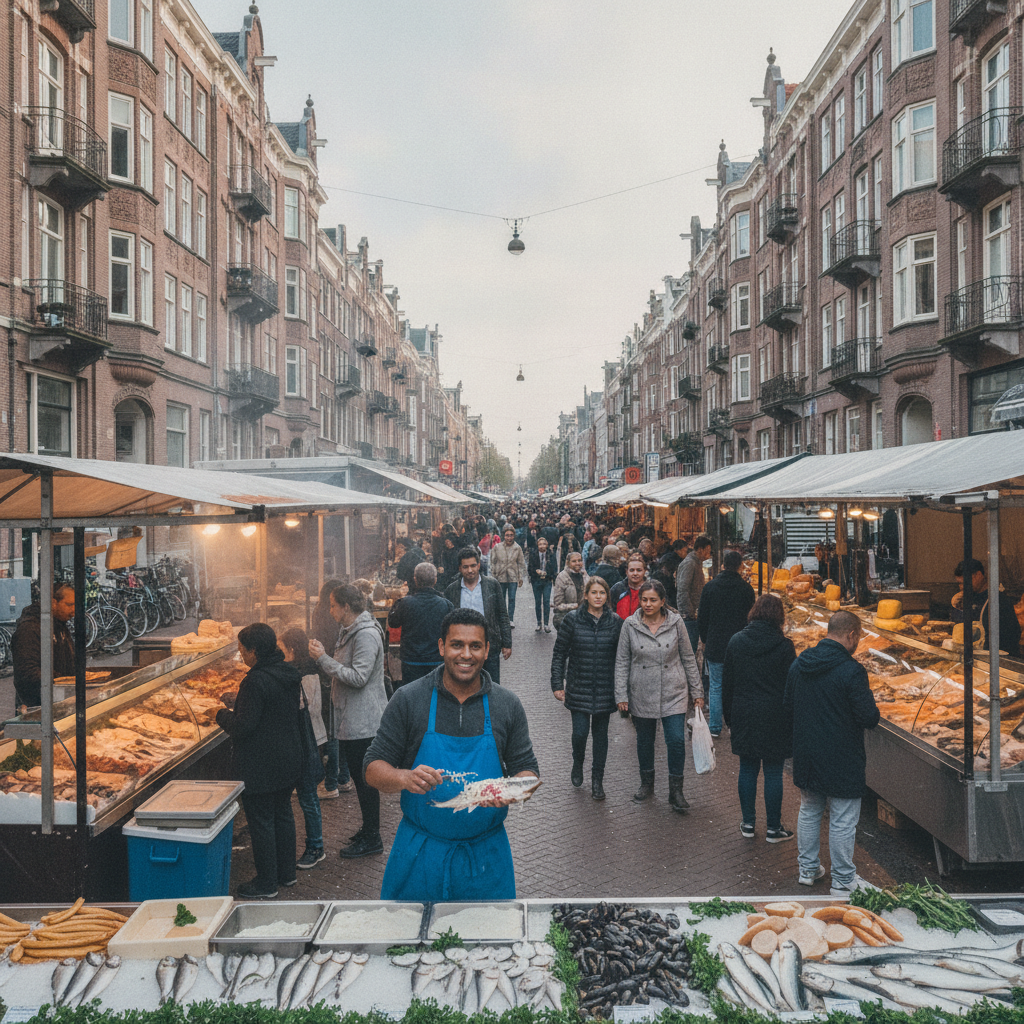
De Pijp, Albert Cuyp & Heineken: Amsterdam's Most Diverse Neighborhood
De Pijp (The Pipe) — the dense, urban neighborhood immediately south of the canal ring, bounded by the Singelgracht canal — was built between 1870 and 1920 to house the working class that Amsterdam's industrial expansion required. The name comes from the long, narrow streets of apartment buildings that, viewed from the air, resemble a grid of pipes. Today De Pijp is Amsterdam's most international neighborhood: a community of 60,000 people from 150 nationalities, with the Albert Cuyp Market (the largest outdoor market in the Netherlands) at its heart, Turkish and Moroccan bakeries alongside Dutch brown cafés, Surinamese roti shops beside Indonesian rijsttafel restaurants. The neighborhood is also home to the Heineken Experience (the old Heineken brewery) and the Sarphatipark, a Victorian landscaped park at its center.
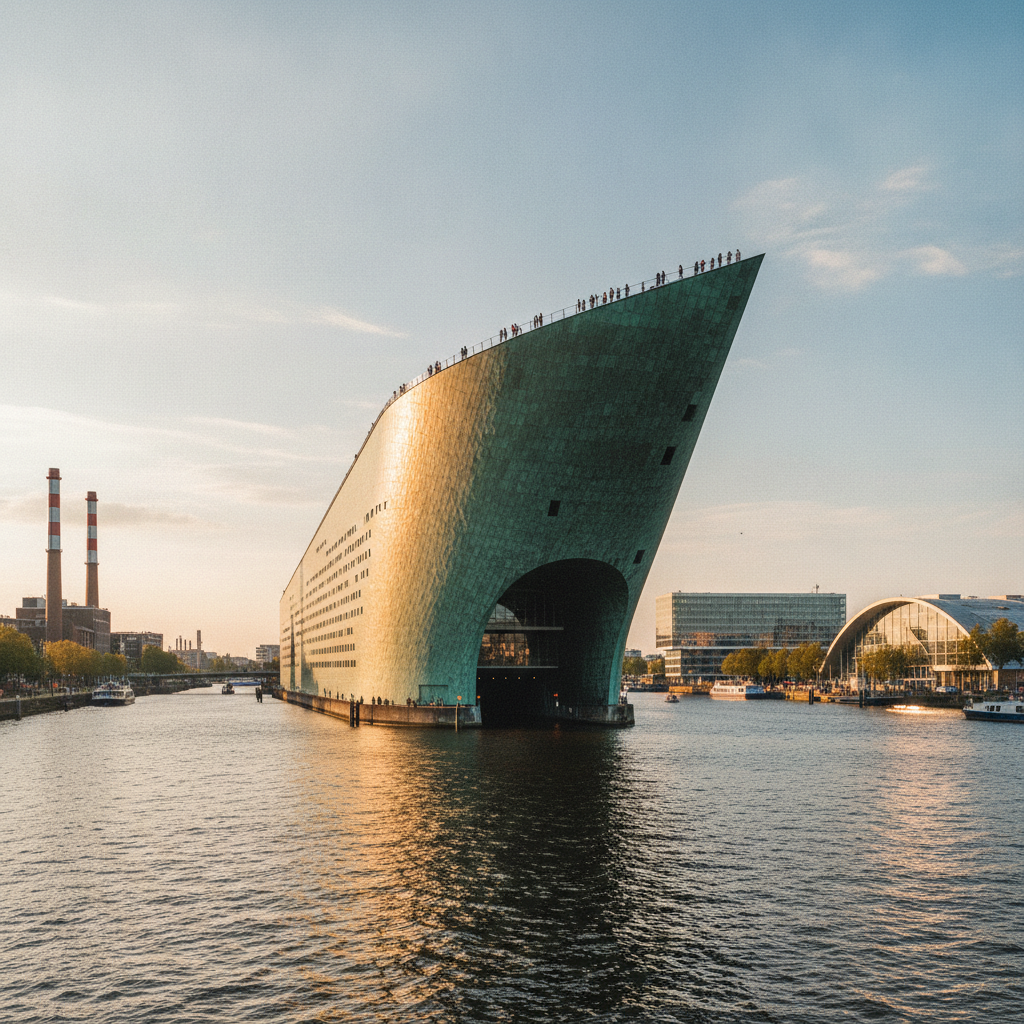
NEMO, Maritime Museum & Eastern Docklands: The Harbor City Reinvented
The eastern waterfront of Amsterdam — the area stretching from NEMO science museum past the National Maritime Museum to the artificial islands of the Eastern Docklands (Java Island, KNSM Island, Borneo-Sporenburg) — is the most architecturally ambitious urban development in the Netherlands since the postwar reconstruction. The docklands were the working heart of Amsterdam's harbor from the 17th century until containerization in the 1960s–1970s made the inner harbor obsolete. The conversion of the islands and peninsulas to residential use (1990–2005) became a landmark of Dutch urbanism: rather than clearing the industrial past, the city commission required architects to design around and within the existing warehouse and dock structures, creating one of the densest and most varied collections of contemporary Dutch architecture in the world.
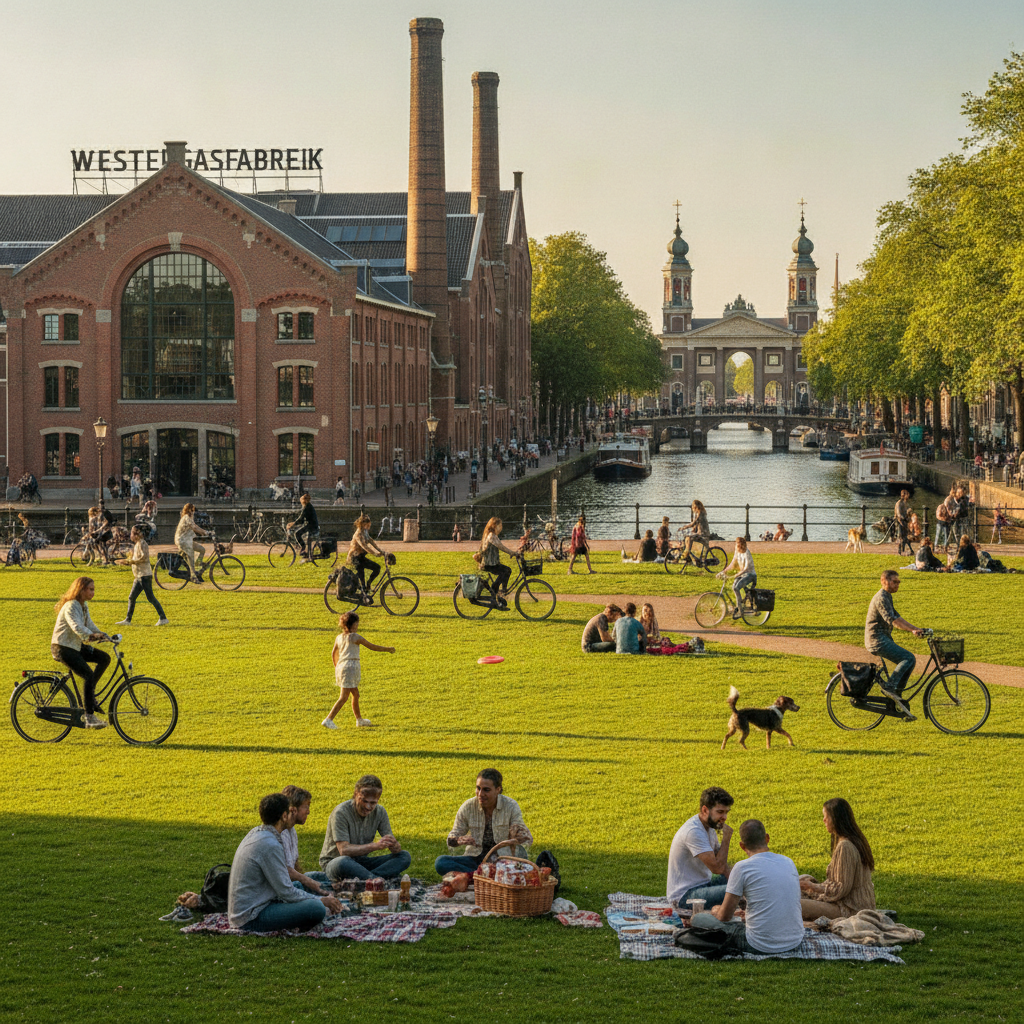
Westerpark, Foodhallen & Oud-West: Amsterdam's Creative Neighborhood
The Westerpark and Oud-West neighborhoods, west of the Jordaan and northwest of the Leidseplein, represent Amsterdam at its most contemporary and least tourist-oriented: the Westergasfabriek (Western Gas Factory), a 19th-century gasworks complex converted to a cultural venue and park, is where Amsterdam's creative class congregates; the Foodhallen (Food Halls), housed in a former tram depot on the Bellamyplein, is Amsterdam's best indoor food market; the Ten Kate Market on the Kinkerstraat is a daily outdoor market serving the neighborhood's Turkish and Moroccan communities; and the streets of Oud-West — the Overtoom, the Kinkerstraat, the Bilderdijkstraat — are lined with independent cafés, bookshops, and the kind of unremarkable neighborhood infrastructure (bike repair shops, family bakeries, dry cleaners) that tourists never see but locals depend on.
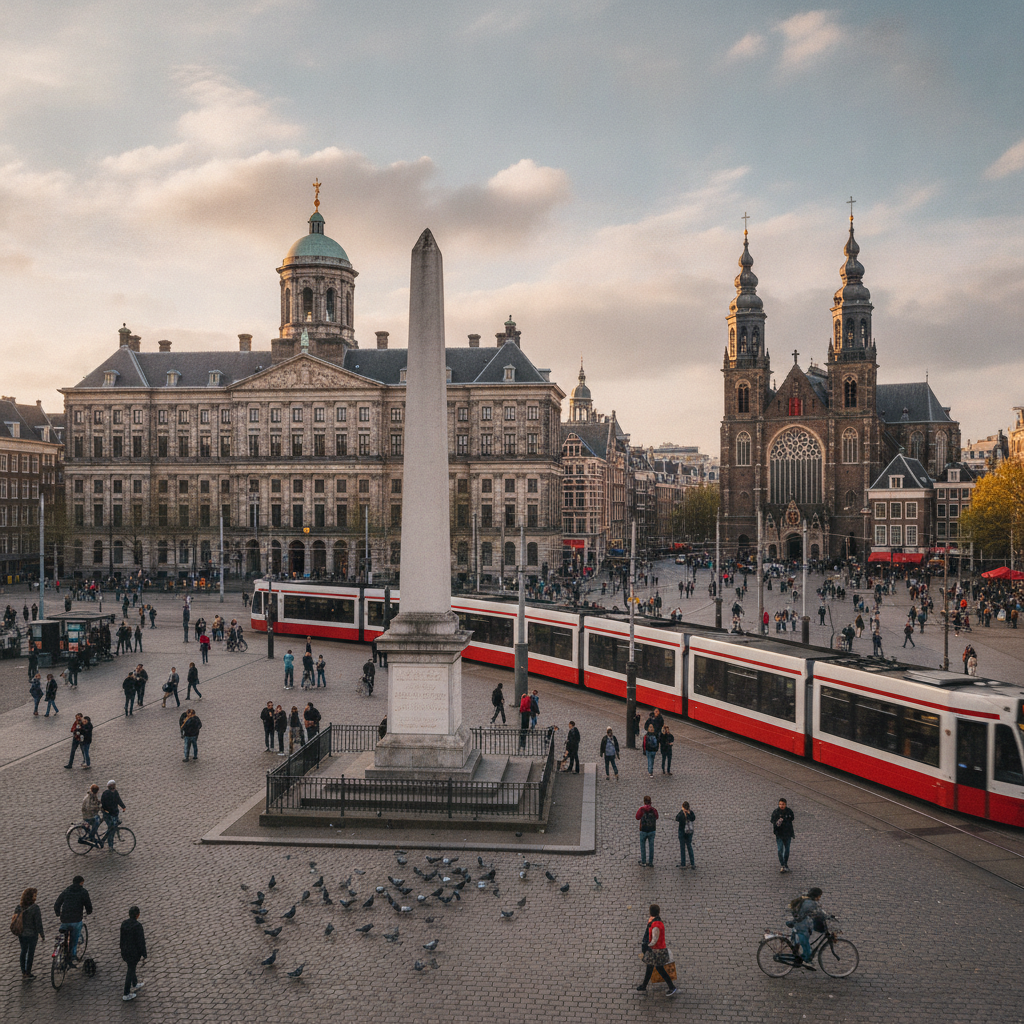
Central Station, Dam Square & the Medieval City: Amsterdam's Historic Core
The historic center of Amsterdam — the area enclosed within the oldest canals, from the Central Station in the north to the Mint Tower (Munttoren) in the south — is the most visited part of the city and also, in some ways, the most complex: a medieval city overlaid with Golden Age merchant streets, 19th-century tourist commerce, and the relentless pressure of contemporary mass tourism. The Dam, Amsterdam's central square, has been the city's focal point since the 13th century, when a dam across the Amstel river (the origin of the city's name: 'Amsteldam') created a marketplace between the fishing village to the north and the agricultural land to the south. The square is surrounded by monuments to the Dutch state, the Dutch church, and Dutch commerce — and currently also by Madame Tussauds, the Amsterdam Dungeon, and souvenir shops.
Jewish Quarter, Plantage & Hortus Botanicus: Memory and Nature
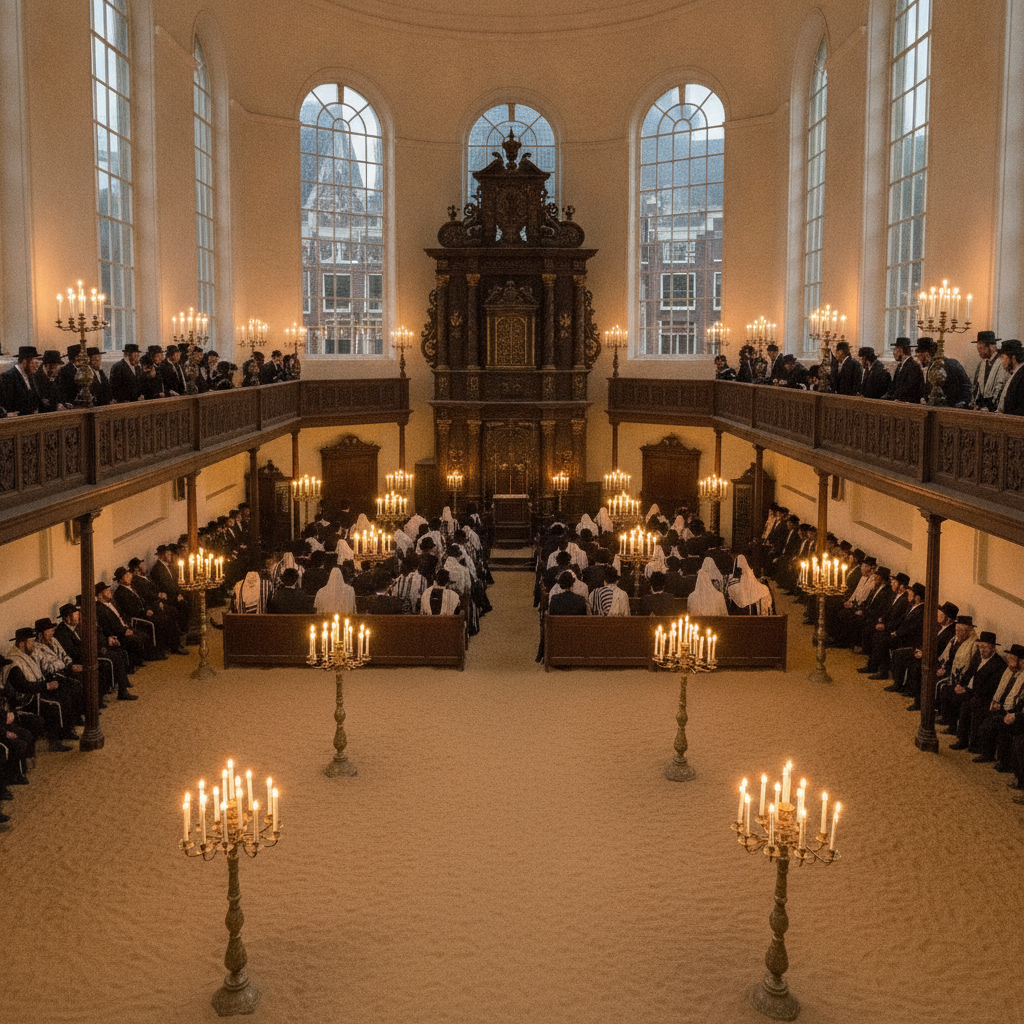
The area east of the historic center — the Jodenbuurt (Jewish Quarter), the Waterlooplein, and the Plantage neighborhood — carries the heaviest history in Amsterdam: the Jodenbuurt was home to Amsterdam's Sephardic and Ashkenazi Jewish communities from the 16th century until the German occupation (1940–1945), when 80,000 of Amsterdam's 100,000 Jewish residents were deported and killed. The neighborhood was almost entirely demolished after the war during urban renewal projects, and only the synagogue complex, the market, and a few streets survive from the pre-war community. Immediately adjacent, the Plantage — a residential neighborhood of late 19th-century apartment buildings and broad, tree-lined streets, developed on former botanical gardens — provides a counterweight of extraordinary beauty: the Hortus Botanicus (1638, one of the world's oldest botanical gardens), the Artis Royal Zoo, and the Dutch Resistance Museum.