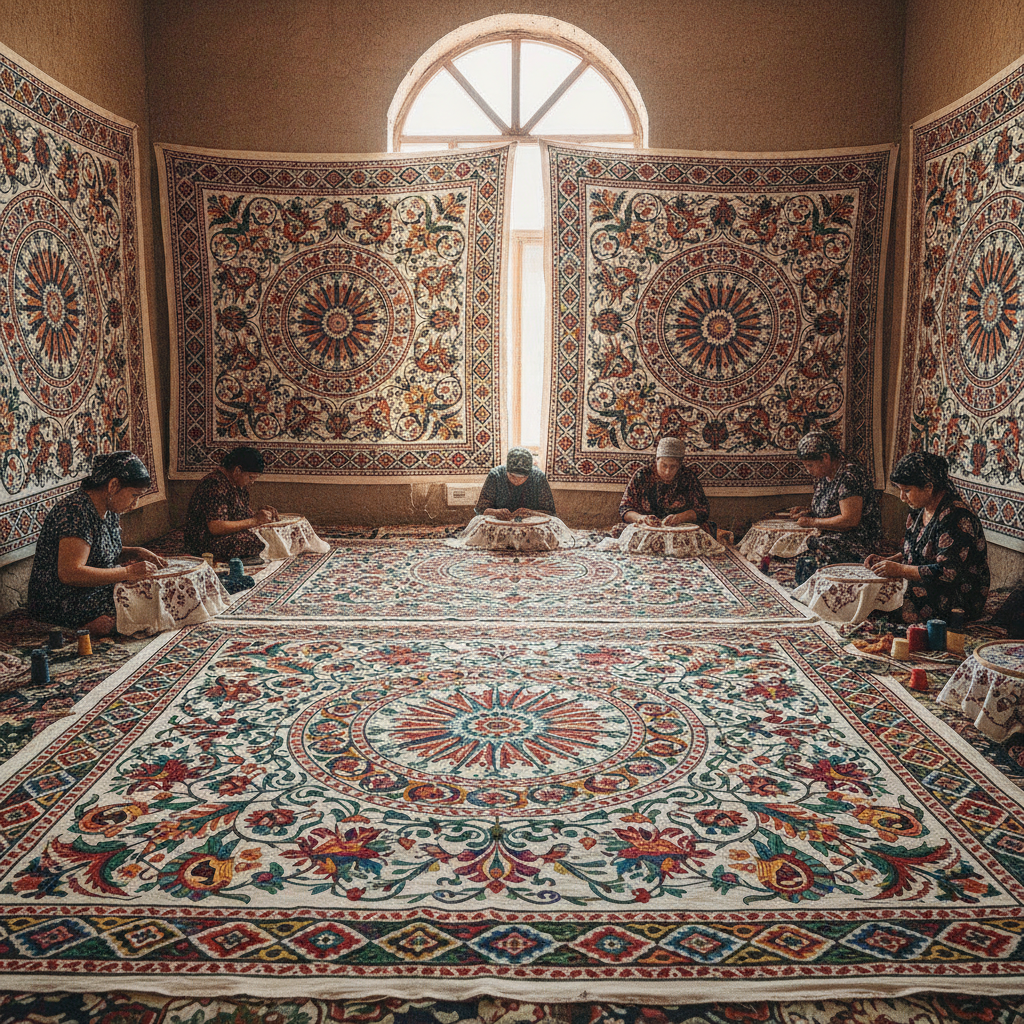
Namangan Yusupov History Political Heritage
Explore Namangan's 20th-century political history — the birthplace of Yusupov and other prominent Soviet-era figures, the city that experienced the collectivization of its agricultural economy, the anti-Soviet Basmachi resistance movement that operated in the Fergana Valley hills, and the post-independence Islamic revival that made it one of the most politically sensitive cities in Uzbekistan.
- 1
Regional Museum Soviet Period
The regional museum of Namangan covering the Soviet period — the exhibits documenting the transformation of the Fergana Valley agricultural economy through collectivization, the industrialization of the silk and cotton processing, and the expansion of the city during the Soviet urbanization campaigns that brought workers from the countryside into the expanding textile factory workforce.
- 2
Basmachi Resistance History
The Basmachi resistance history in the Namangan area — the anti-Soviet guerrilla movement that operated in the Fergana Valley hills and mountains from the early 1920s through the 1930s, the resistance drawing on traditional forms of banditry and religious motivation to oppose the Bolshevik dismantling of the Islamic social order of the valley.
- 3
Cotton Collectivization Landscape
The cotton collectivization landscape around Namangan — the transformation of the traditional smallholder agricultural system into collective farms (kolkhoz) during the 1930s, the enforced cotton monoculture that replaced the diverse agricultural economy of the valley, the landscape shaped by Soviet planning that remains the basis of the contemporary agricultural structure.
- 4
Soviet Architecture Urban Core
The Soviet architecture of Namangan's urban core — the Stalin-era administrative buildings, the Khrushchev-period apartment blocks, and the Brezhnev-era public buildings that constitute the modern city center, the planned urban interventions cutting through the traditional mahalla fabric with wide boulevards and public squares.
- 5
Independence Mosque Revival
The independence mosque revival in Namangan — the reopening and restoration of mosques closed during the Soviet period and the construction of new mosques after 1991, the religious revival making Namangan a center of Islamic education and practice in the new Uzbekistan, the tension between religious expression and state security concerns that has characterized the city's post-independence experience.
- 6
Adolat Movement 1991-1992
The Adolat movement in Namangan 1991-1992 — the brief period when Islamic activists organized vigilante justice and parallel governance in the city following the Soviet collapse, the confrontation between Adolat and the government of Islam Karimov that established the parameters of religious-political tension in Uzbekistan's post-independence governance.
Walk this route with audio
Stories play automatically as you reach each stop — no tapping needed.
More in namangan
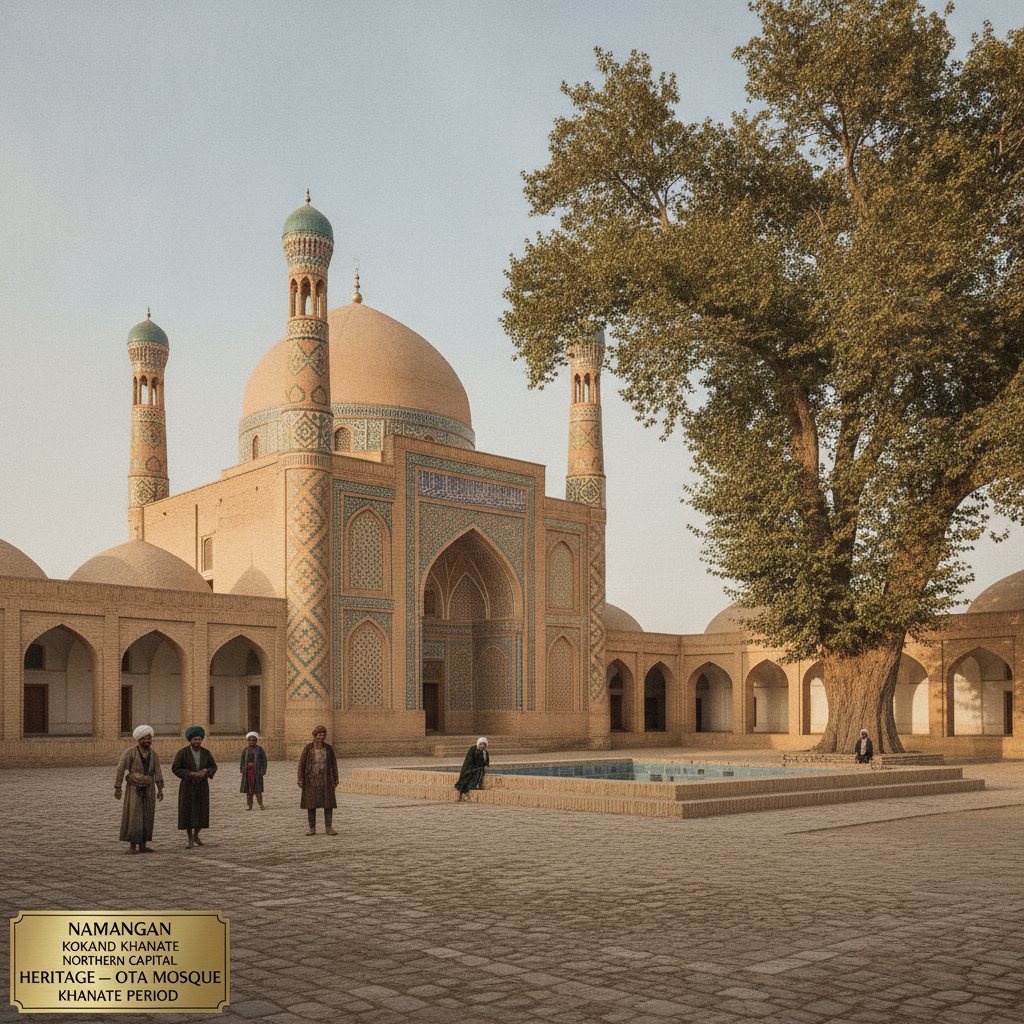
Namangan Kokand Khanate Northern Capital Heritage
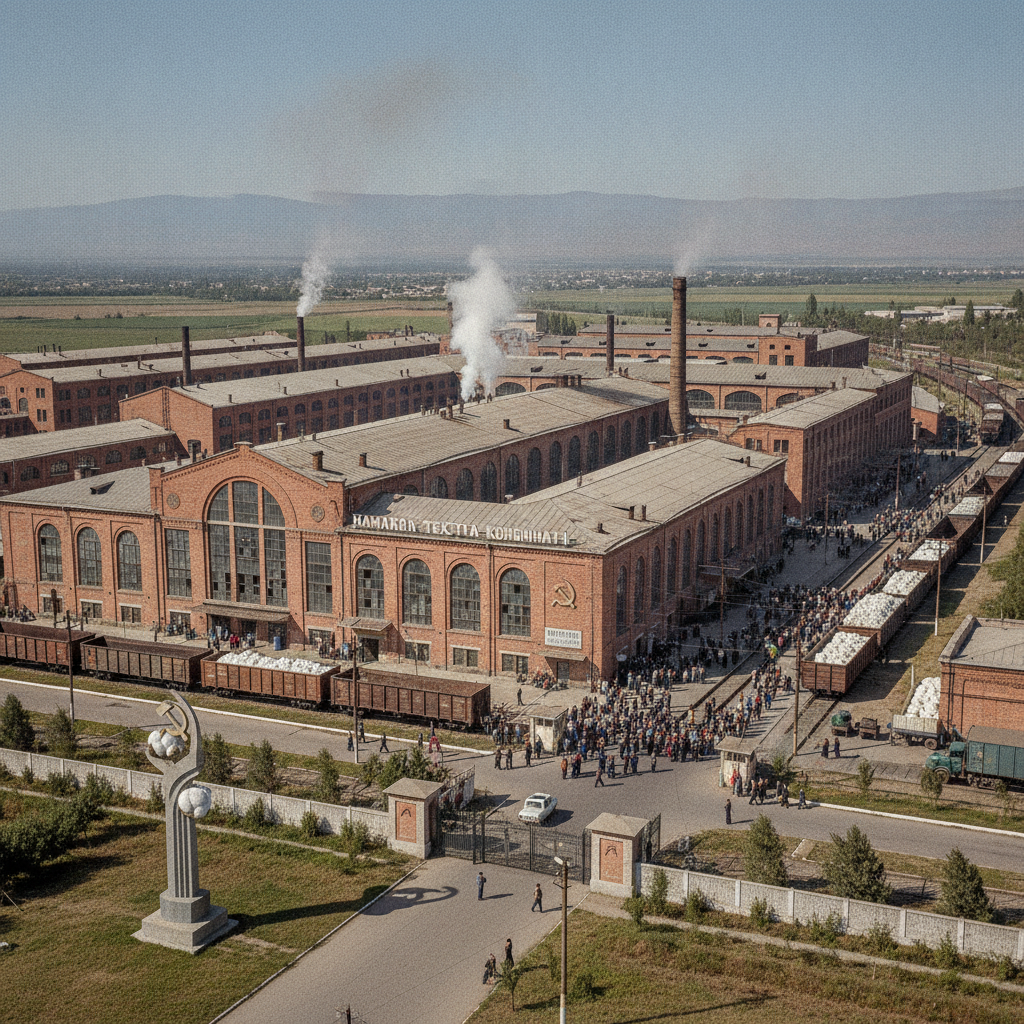
Namangan Soviet Industrial Legacy Textile City
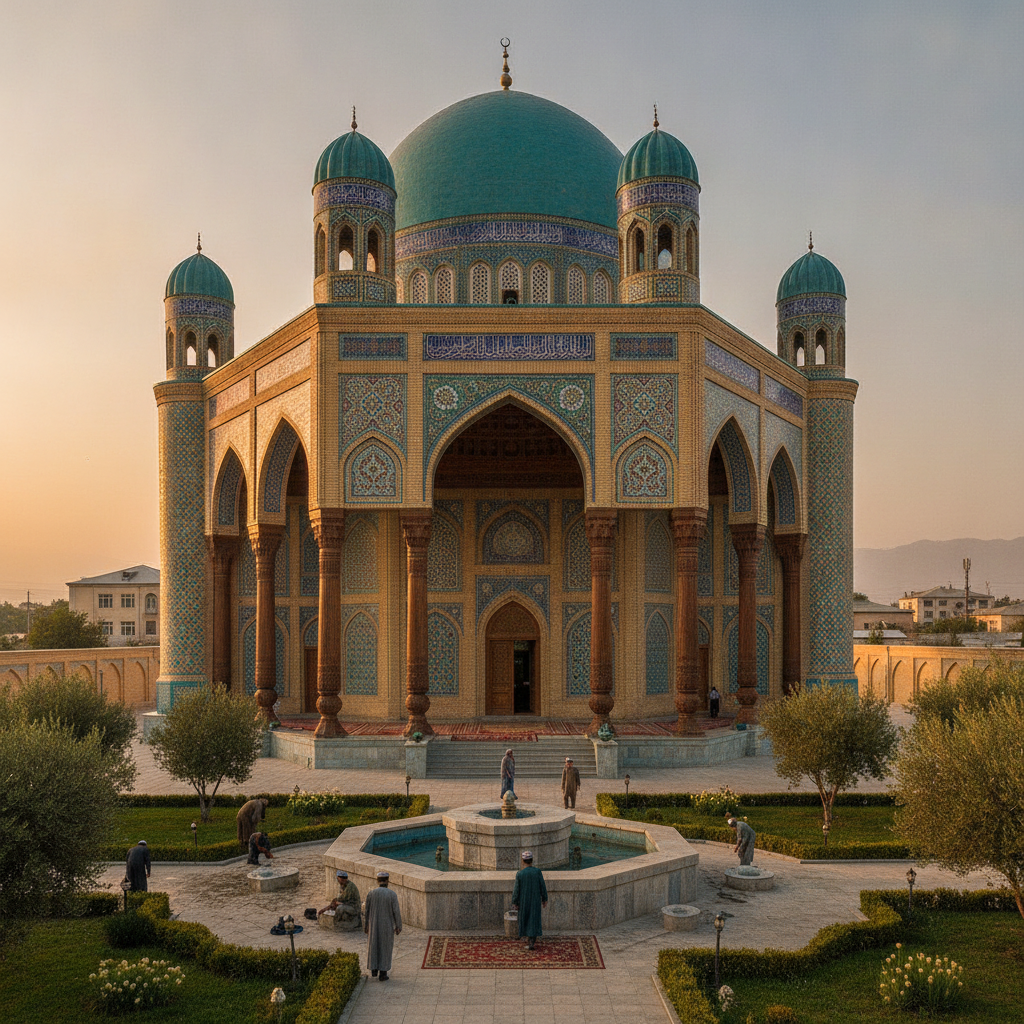
Namangan Islamic Revival Mosques Religious Life
Namangan Northern Fergana Valley Landscape
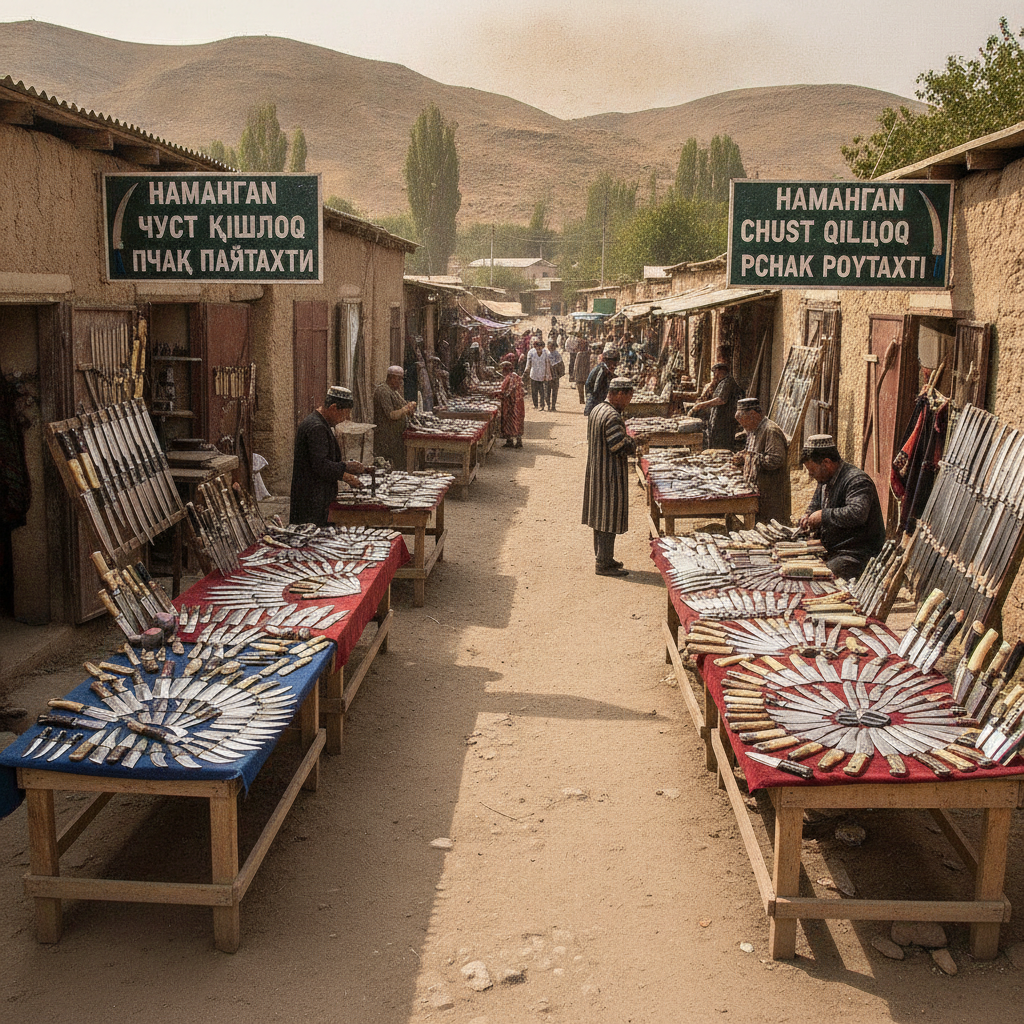
Namangan Chust Village Pchak Knife Capital