

Nukus Cold War Vozrozhdeniya Island Bioweapons
Explore the Cold War history around Nukus — the Vozrozhdeniya Island (Resurrection Island) in the former Aral Sea that served as the Soviet Union's main biological weapons testing ground, the site where anthrax, plague, and smallpox weapons were developed and tested, now accessible as a peninsula since the sea level dropped, and the complex legacy of Soviet military activity in this remote region.
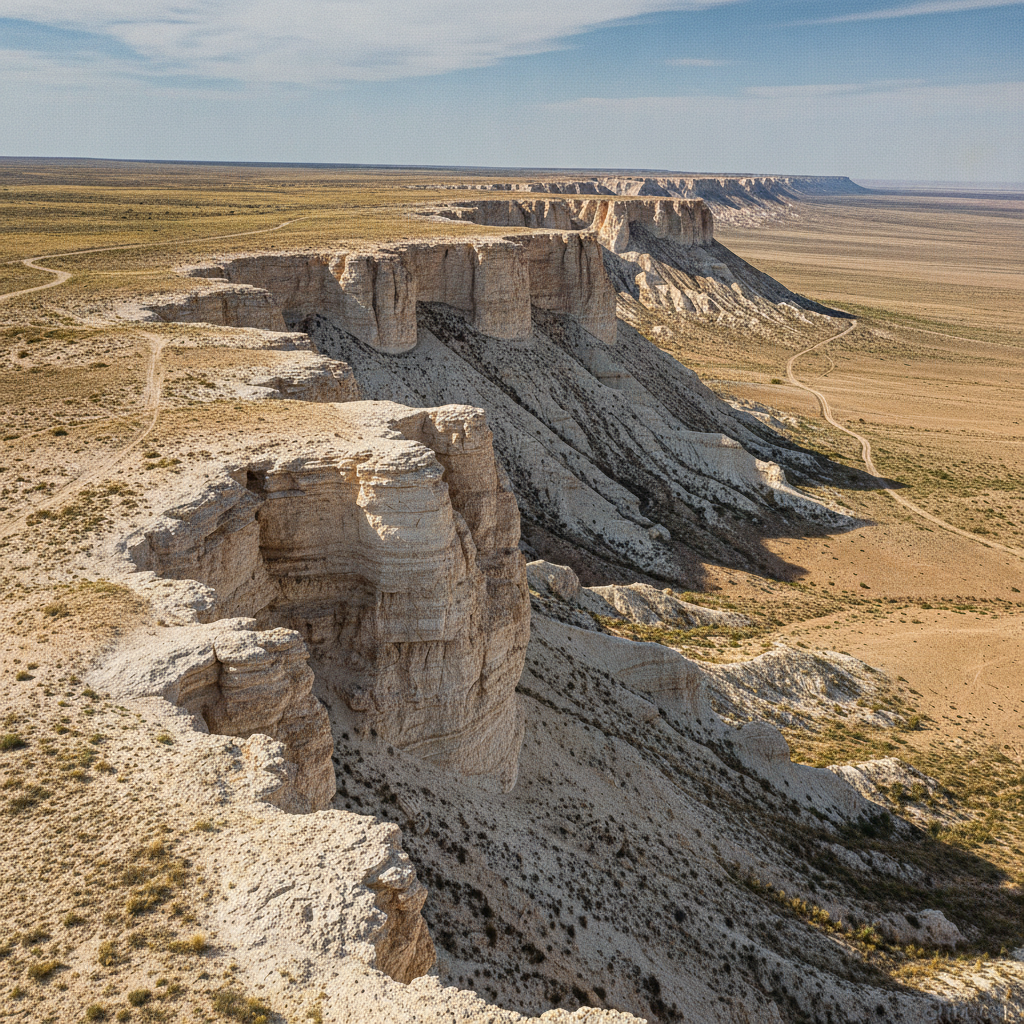
Nukus Karakalpak Steppe Desert Landscape
Explore the extraordinary desert landscape around Nukus — the Kyzylkum red sand desert to the east, the chalk plateau chinks of the Ustyurt to the west, and the flat steppe of the lower Amu Darya delta, landscapes of extreme beauty and harshness that shaped the Karakalpak nomadic culture and now preserve some of the world's most spectacular archaeological ruins.

Nukus Bazaar Karakalpak Market Traditional Trade
Explore the bazaar of Nukus — the commercial center of the remote desert capital that serves the sparse population of the Karakalpakstan steppe, the market where the distinctive crafts of the Karakalpak people are sold alongside the agricultural produce of the irrigated lands and the goods arriving from Tashkent, Kazakhstan, and across the region.
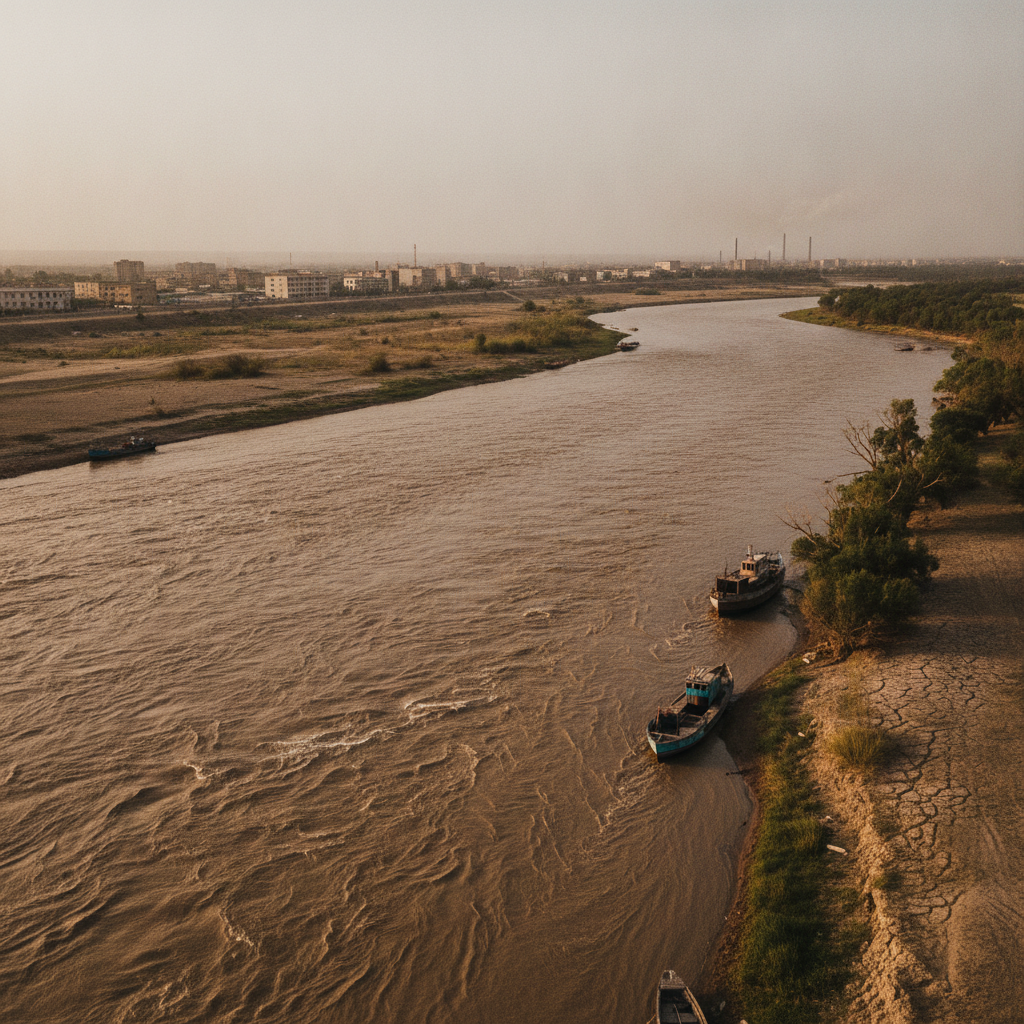
Nukus Amu Darya River Delta Wetlands
Explore the Amu Darya river delta around Nukus — the lower course of the ancient Oxus River as it splits into multiple channels crossing the flat Karakalpak steppe toward the dying Aral Sea, the remaining wetlands and lakes of the delta that support significant birdlife despite the massive reduction in water flow caused by Soviet irrigation diversions.

Nukus Ancient Khorezm Desert Fortress Ruins
Explore the ancient Khorezm ruins accessible from Nukus — the dozens of mud-brick fortresses of the Khorezm civilization scattered across the Karakalpak desert, the remains of a sophisticated irrigation-based civilization that flourished in the Amu Darya delta from the 4th century BCE through the Mongol destruction in the 13th century CE.