Namangan Kokand Khanate Northern Capital Heritage
Explore Namangan's role as the northern capital of the Kokand Khanate — the 19th-century Central Asian state that made Namangan its major northern city and invested in the mosques, madrasas, and caravanserais that gave it its character as a religious and commercial center, the architectural heritage of the khanate period visible in the surviving historical buildings.
- 1
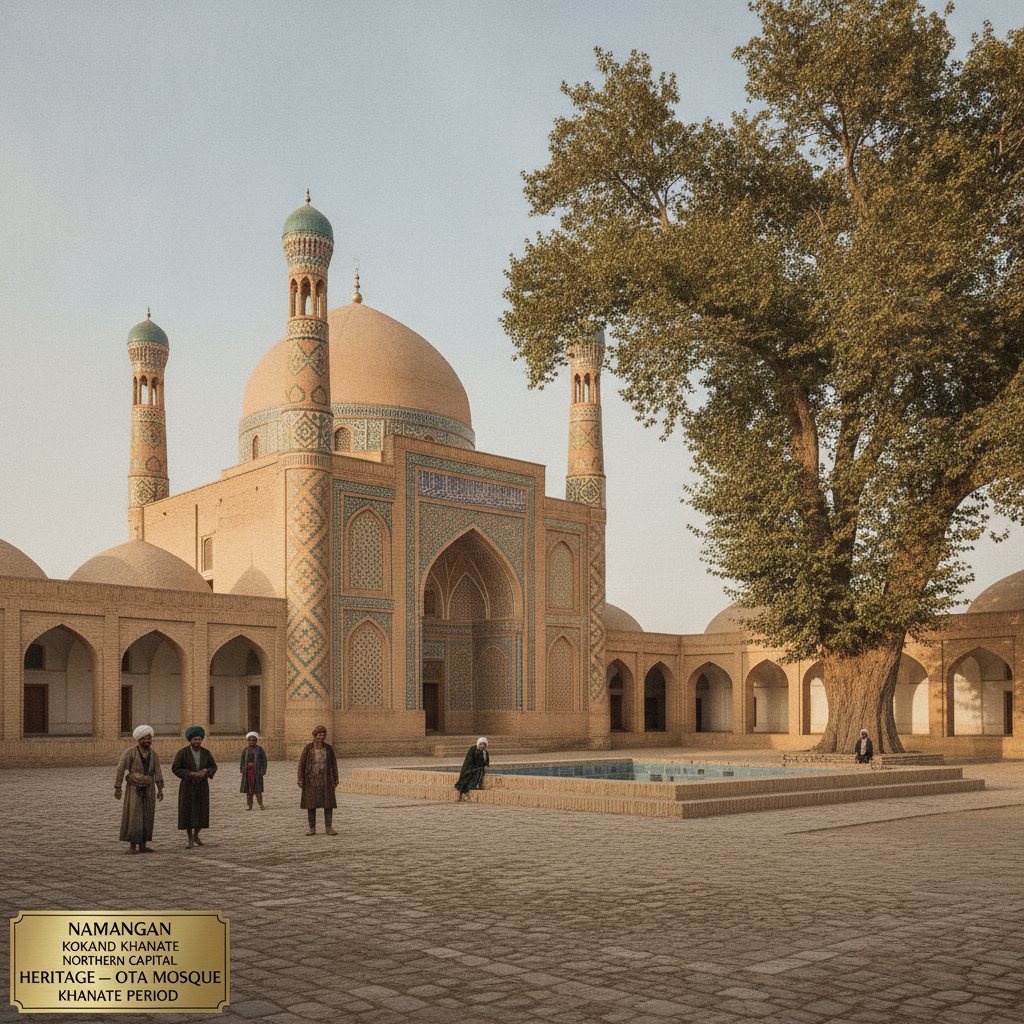
Ota Mosque Khanate Period
The Ota Mosque from the Kokand Khanate period — one of the oldest surviving mosques in Namangan built during the height of the khanate's power in the first half of the 19th century, the mosque complex with its columned portal and carved wooden elements representing the architectural style patronized by the khans of Kokand for their northern capital.
- 2
Caravanserai Site Trading History
The caravanserai site and trading history of Namangan — the locations of the now-demolished caravanserais that served the long-distance trade of the khanate period, the city's position on the northern Fergana Valley route making it a stopping point for caravans moving between the valley interior and the routes north through the Chatkal Range.
- 3
Namangan Fortification History
The fortification history of Namangan — the earthen ramparts and gates that enclosed the city during the khanate period, the defensive walls demolished after the Russian conquest to facilitate the urban expansion of the colonial period, the street pattern of the old city retaining the logic of the walled city even after the physical defenses were removed.
- 4
Religious Scholars Community
The religious scholars community of Namangan during the khanate period — the concentration of Islamic jurists, Sufi sheikhs, and religious teachers that made Namangan second only to Kokand itself as a center of Islamic scholarship in the eastern Fergana Valley, the scholarly reputation that persisted through the Soviet period and informs the city's strong post-independence religious revival.
- 5
Russian Conquest Integration
The Russian conquest and integration of Namangan — the military campaign of 1876 that ended the Kokand Khanate and incorporated Namangan into the Russian Fergana Province, the establishment of a Russian administrative new town adjacent to the traditional city, the railway connection to Kokand and Tashkent that linked Namangan to the colonial economy.
- 6
Khanate Trade Economy
The Khanate trade economy of Namangan — the city's position in the commercial system of the Kokand Khanate connecting the silk and cotton producers of the Fergana Valley with the markets of Bukhara, Khiva, and beyond, the merchant communities that managed the long-distance trade and whose wealth built the mosques and madrasas of 19th-century Namangan.
Walk this route with audio
Stories play automatically as you reach each stop — no tapping needed.
More in namangan
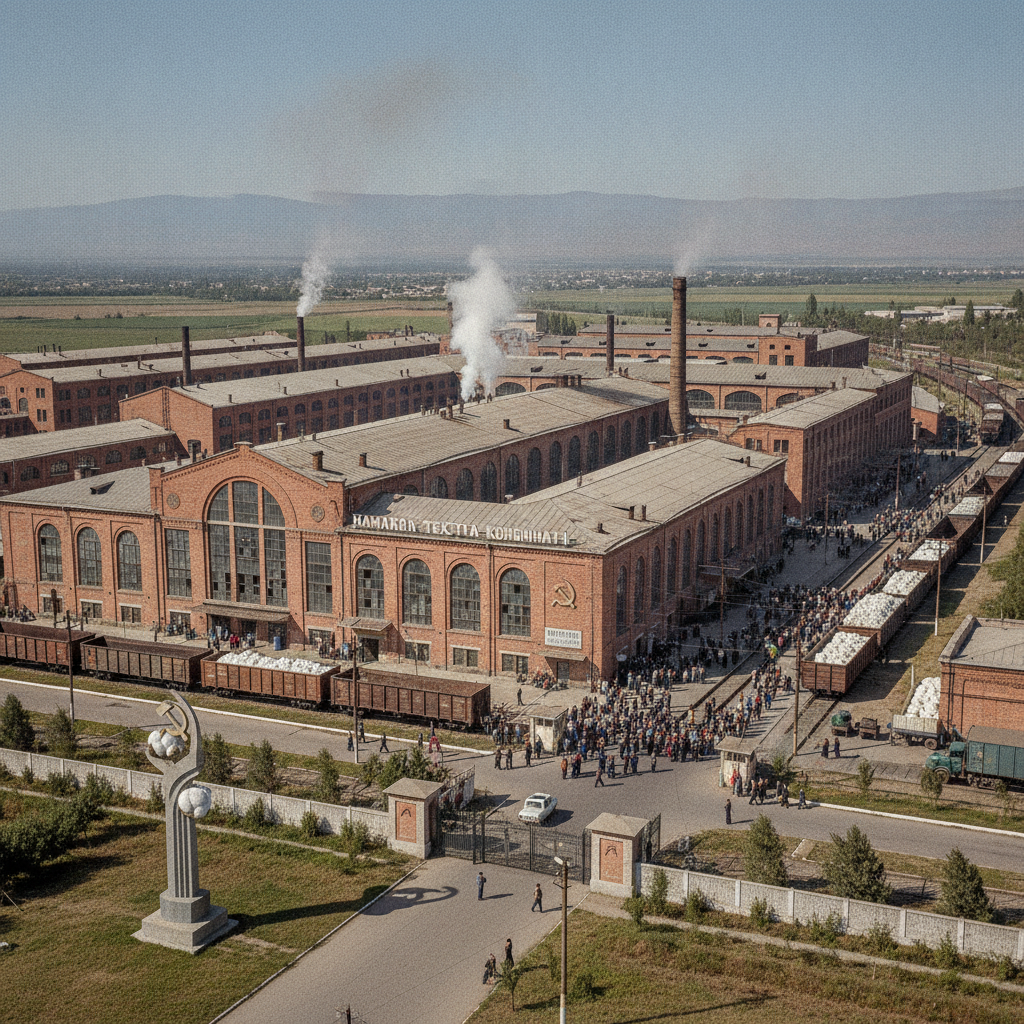
Namangan Soviet Industrial Legacy Textile City
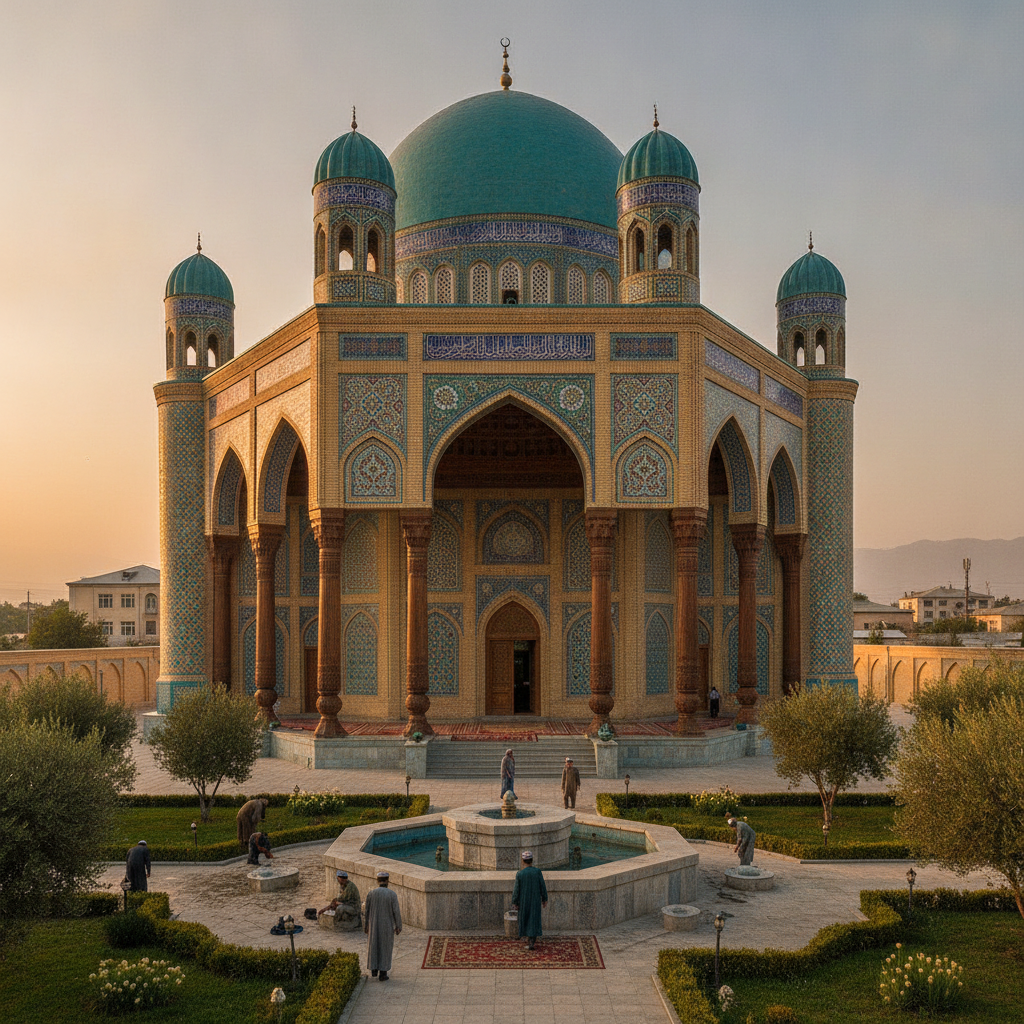
Namangan Islamic Revival Mosques Religious Life
Namangan Northern Fergana Valley Landscape
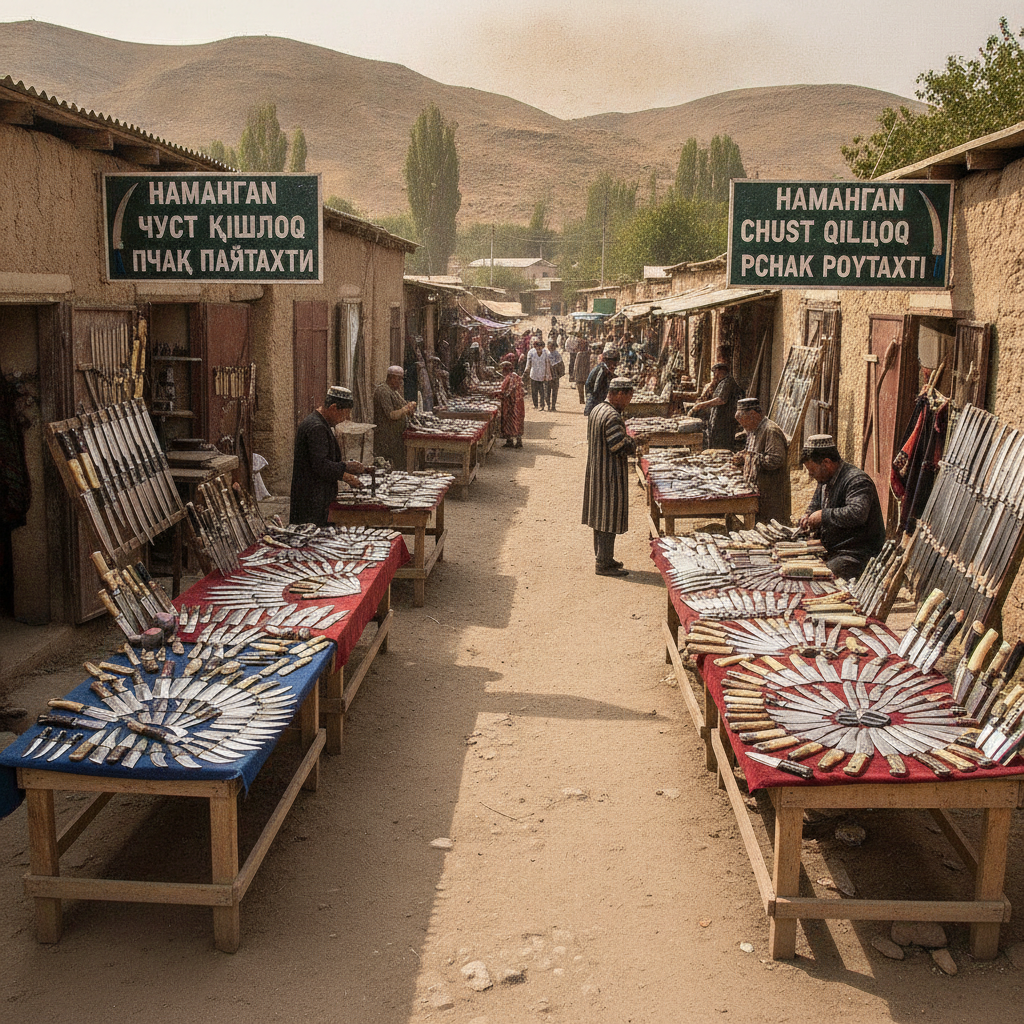
Namangan Chust Village Pchak Knife Capital