Namangan Islamic Revival Mosques Religious Life
Explore the Islamic religious life of Namangan — the city with the highest concentration of active mosques in Uzbekistan, the religious education institutions that have revived since 1991, the major mosque complexes that serve the city's devout Muslim population, and the complex relationship between Islamic practice and state authority that has shaped the city's post-independence identity.
- 1
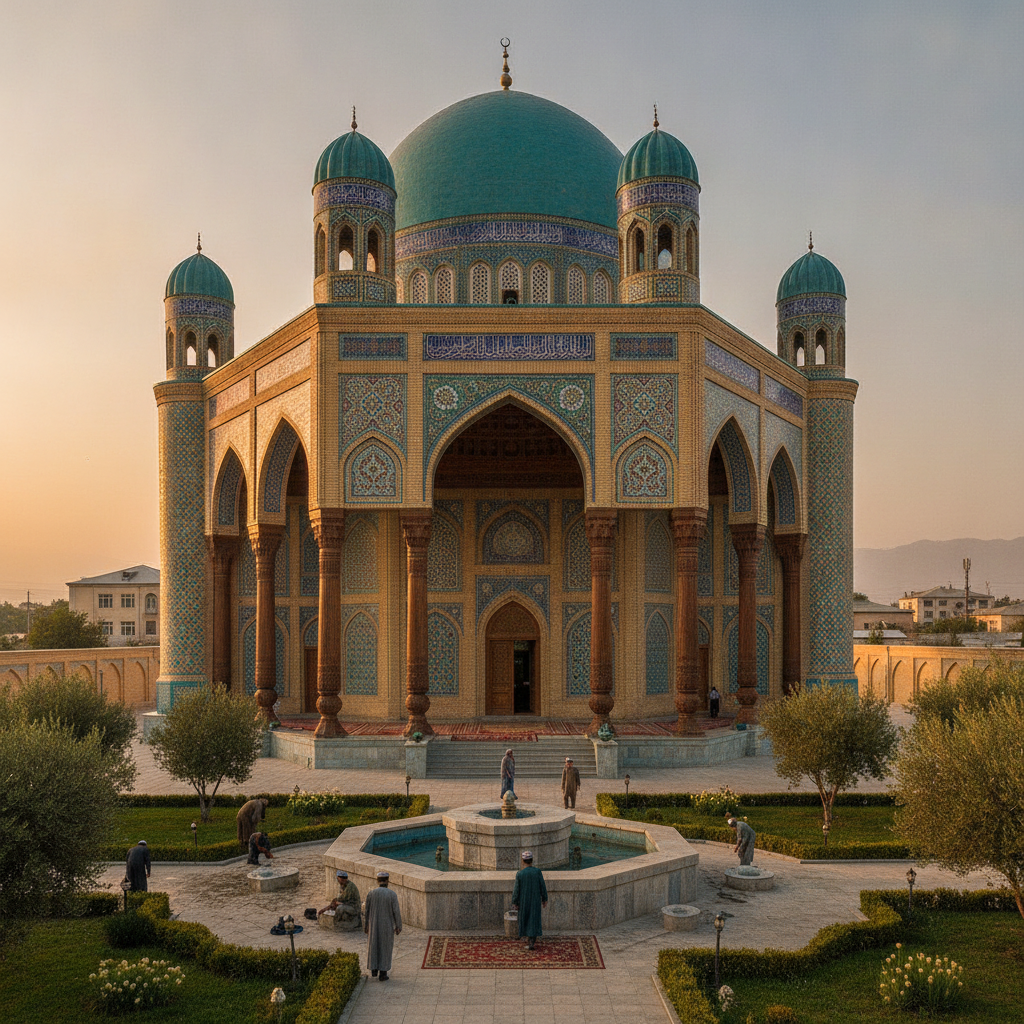
Gumbaz Mosque Complex
The Gumbaz Mosque complex of Namangan — the large congregational mosque serving the central city, the building with its characteristic Fergana architectural style including the carved wooden iwan columns and the tilework decoration of the prayer hall, the mosque complex functioning as the major weekly gathering point for the city's Muslim community.
- 2
Friday Prayer Gathering
The Friday prayer gathering at Namangan's mosques — the weekly congregational prayer that fills the mosques and their forecourts with the male population of the city's neighborhoods, the religious observance that has grown since independence as the restrictions of the Soviet period were lifted and new generations have embraced religious practice.
- 3
Madrasa Religious Education
The madrasa religious education institutions of Namangan — the Islamic schools that have reopened and expanded since independence, the curriculum combining traditional Islamic jurisprudence, theology, and Arabic language instruction with the state-approved secular subjects required by Uzbek educational law, the tension between traditional and state-controlled Islamic education.
- 4
Sufi Shrine Visitation
The Sufi shrine visitation tradition in Namangan — the mazar (saint's tomb) sites that attract local pilgrims seeking intercession, healing, or blessings, the practice of shrine visitation rooted in the Naqshbandiyya Sufi order that has been the dominant form of popular Islam in the Fergana Valley since the 15th century.
- 5
Islamic Calendar Events
The Islamic calendar events in Namangan — the celebration of Eid al-Fitr, Eid al-Adha, and the local religious festivals that structure the annual cycle of community life, the iftar gatherings during Ramadan when the whole city participates in the collective breaking of the fast, the religious calendar events being more publicly observed in Namangan than in most Uzbek cities.
- 6
Religious-State Tension History
The religious-state tension history of Namangan — the government's crackdown on the Islamic Movement of Uzbekistan and other groups in the late 1990s following the Adolat experience, the restrictions on unregistered religious activity and the surveillance of religious leaders, the continuing negotiation between the officially Islamic state and the city's traditionally observant population.
Walk this route with audio
Stories play automatically as you reach each stop — no tapping needed.
More in namangan
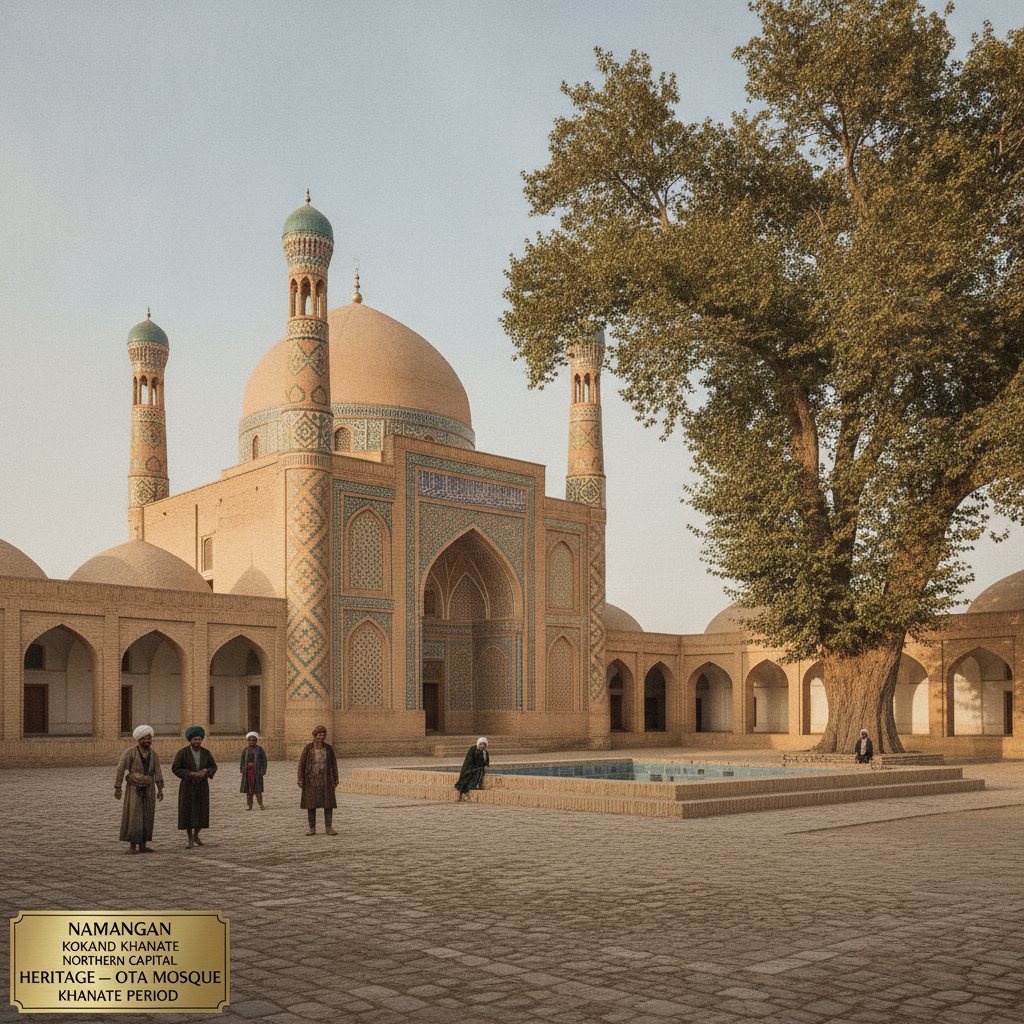
Namangan Kokand Khanate Northern Capital Heritage
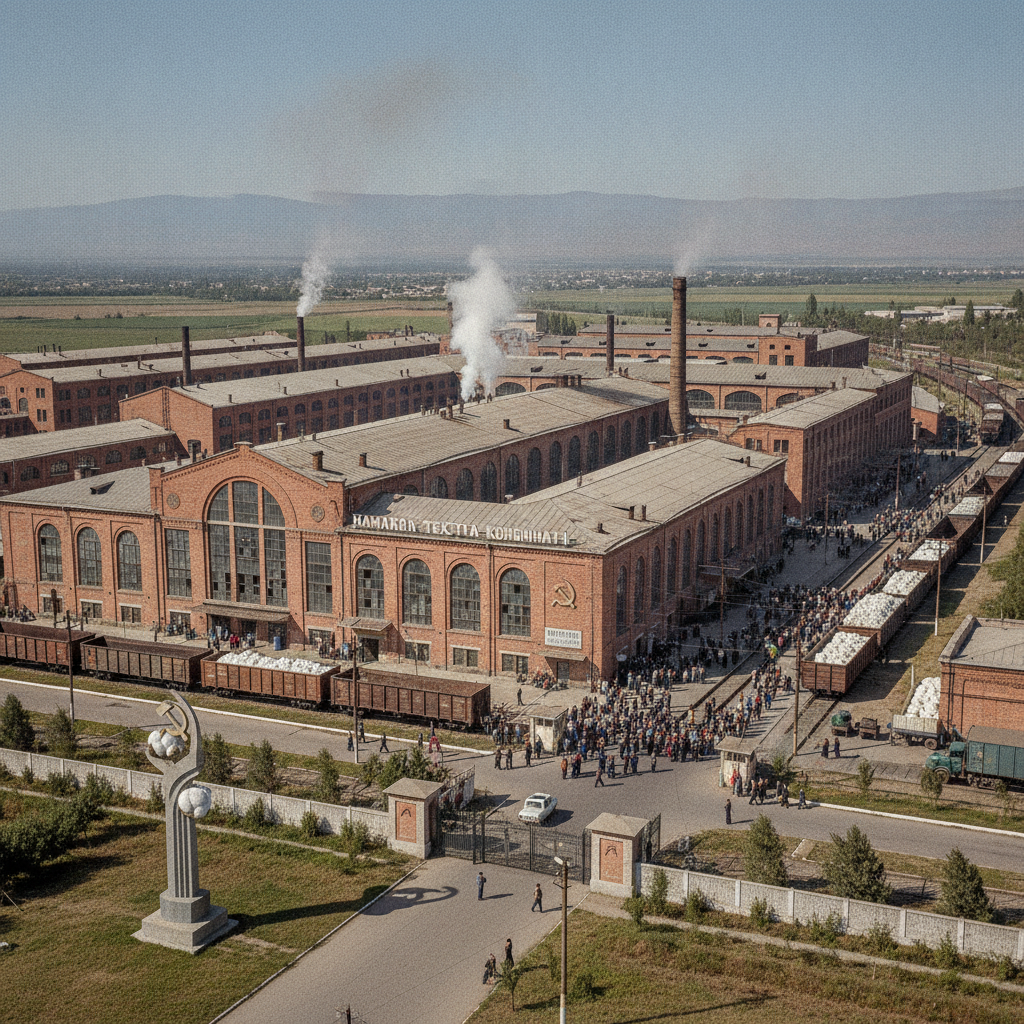
Namangan Soviet Industrial Legacy Textile City
Namangan Northern Fergana Valley Landscape
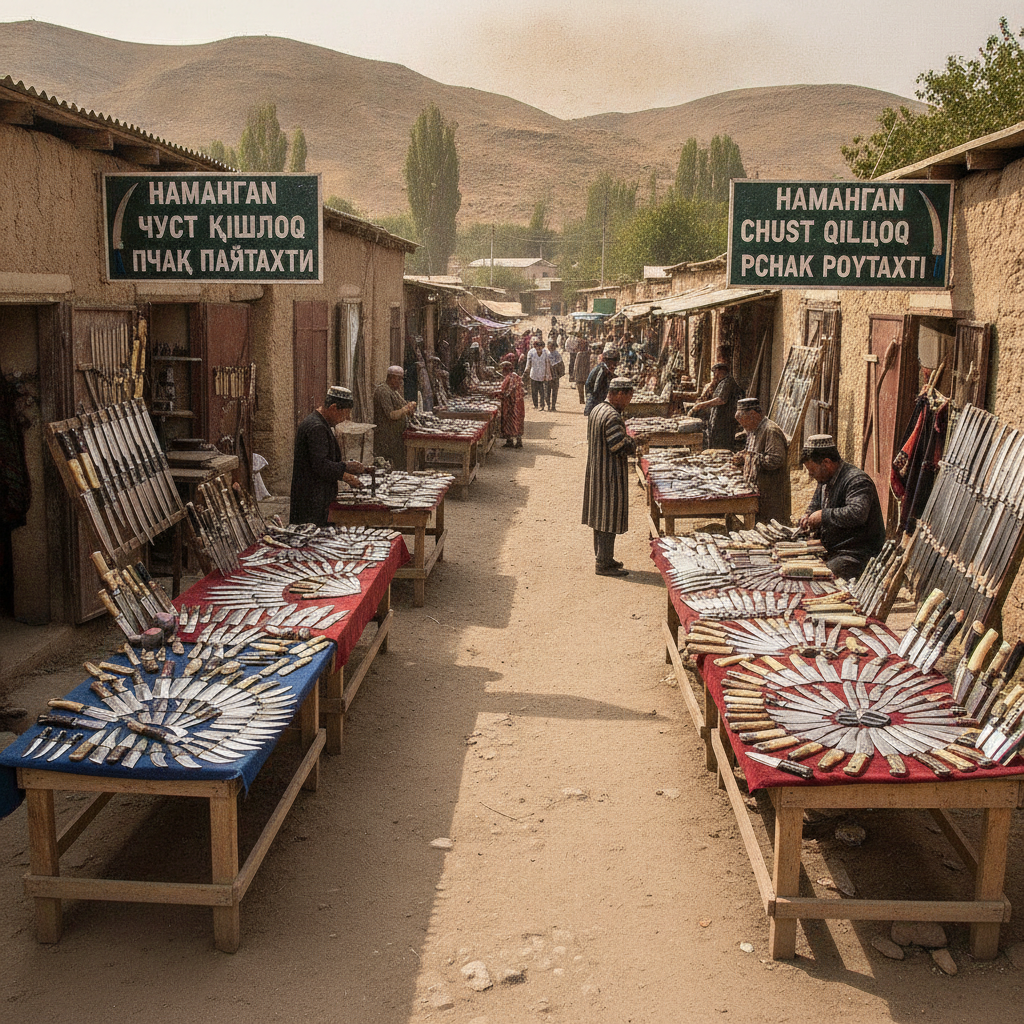
Namangan Chust Village Pchak Knife Capital