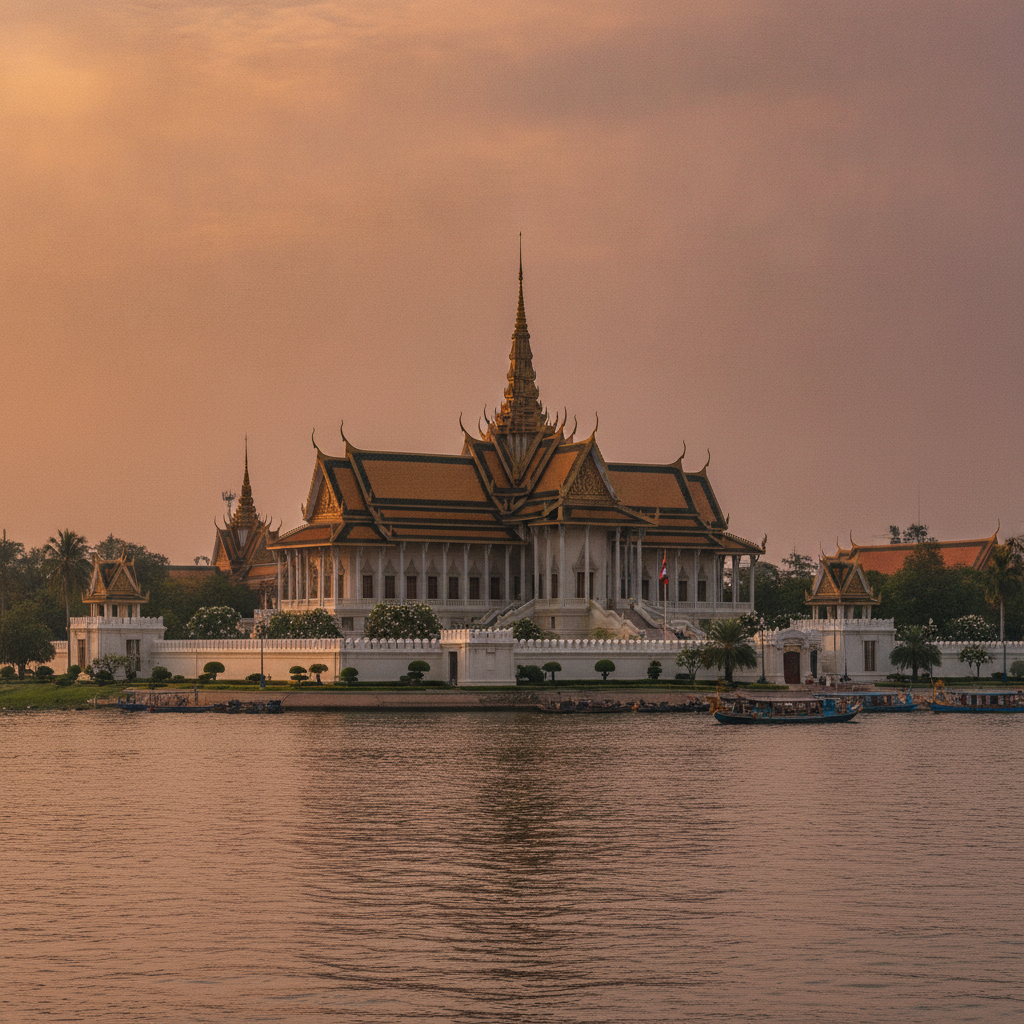

Phnom Penh: The Silver Pagoda's 5,329 Floor Tiles, the S-21 Photographs of 17,000 Prisoners & the River That Flows Backwards for 5 Months Every Year
Cambodia's Silver Pagoda with its 90-kg gold Maitreya Buddha set with 9,584 diamonds; S-21's systematic photography of every prisoner—the most complete photographic record of a genocide in history—and the 15 survivors from 17,000 who passed through those former classrooms; Choeung Ek's 17-metre glass stupa containing 5,000 skulls arranged by age and sex; the Chaktomuk confluence where the Tonle Sap River reverses direction for 5 months when the Mekong flood pushes water back into a lake that expands from 2,500 km² to 14,000 km²; fish amok steamed in banana leaf with kroeung spice paste; and the US dollar as the city's de facto currency with Riel used only for change under one dollar.
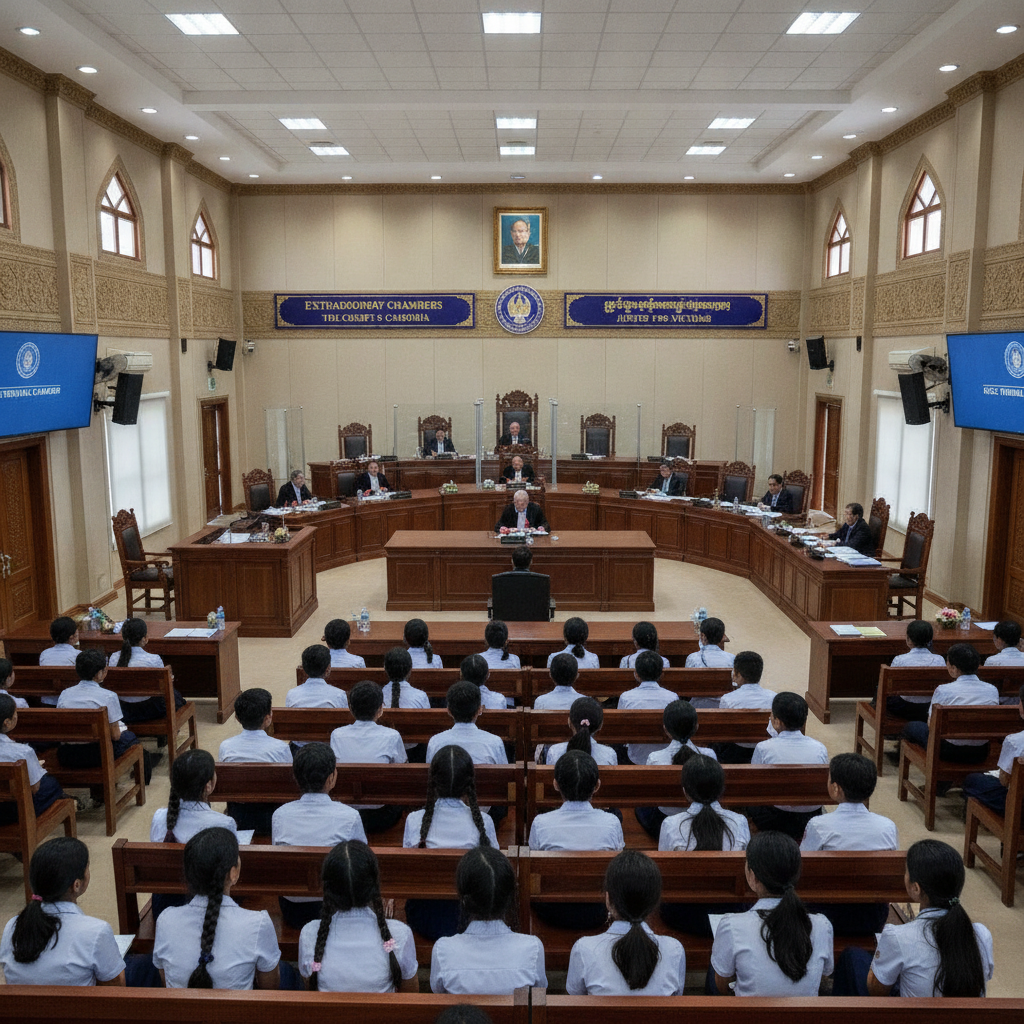
Phnom Penh's Hardest Questions: USD 330M Tribunal for 3 Convictions, the Orphanage Tourism Scam That Involved 70% of Facilities & What the City Asks You Not to Skip
Orphanage tourism's 70–75% institution involvement rate by 2013—children purchased from poor rural families to attract international donors—and the de-institutionalisation programme that reduced facilities from 407 to 196; the expressway to Siem Reap opened 2023 reducing a 7-hour journey to 5.5 hours and making Angkor Wat's 216-faced Bayon more accessible; Pchum Ben's pre-dawn pagoda visits to feed ancestral spirits versus Bon Om Touk's 2 million people gathered for the boat races; Duch's S-21 commandant life sentence and death in prison 2020 while Pol Pot died in 1998 without ever facing a courtroom; the Cham Muslim silk weavers of Kandal province doing mulberry farming through to finished hol ikat fabric in a single cottage industry; and why visiting Tuol Sleng and Choeung Ek is not optional but the interpretive key to every other experience in the city.
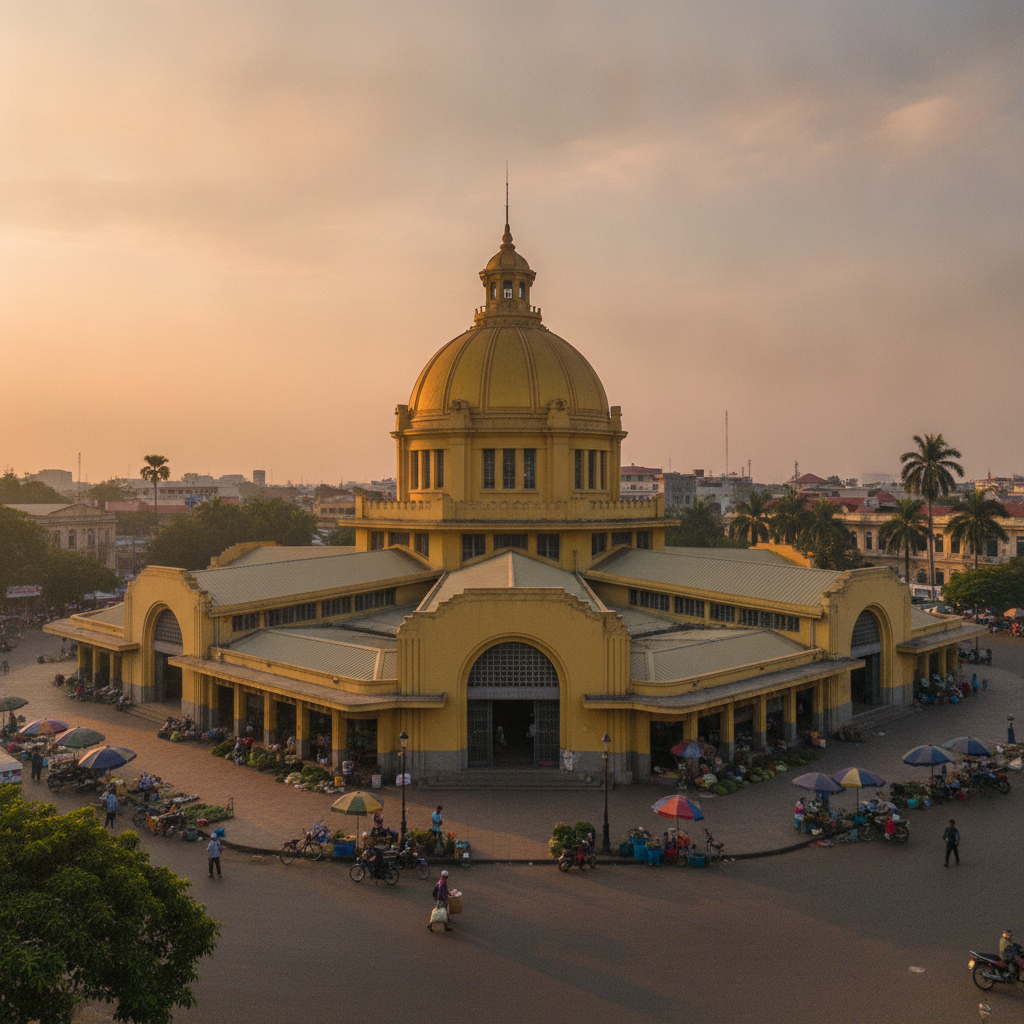
Phnom Penh's Complete Picture: From No Currency in 1975 to USD 7 Billion Garment Exports, Vann Molyvann's Demolished Khmer Bauhaus & the Mekong Speedboat to Vietnam
Pre-dawn wholesale fish market at 03:00 supplying the bai sach chrouk breakfast stalls that open at 06:00; Cambodia's deliberate dollarisation—money abolished in 1975, re-introduced but never controlling transactions above a few hundred dollars, the US dollar now the de facto currency of a country that has grown at 7% annually since 1993; Seeing Hands blind massage therapists as the most socially significant wellness choice in the city; Vann Molyvann's New Khmer architecture—studying under Le Corbusier then creating the most original Southeast Asian modernist style, systematically demolished since 2008; and the Mekong River speedboat from Phnom Penh pier to Chau Doc as the most ecological and scenic route to Ho Chi Minh City through the most productive agricultural landscape in Asia.
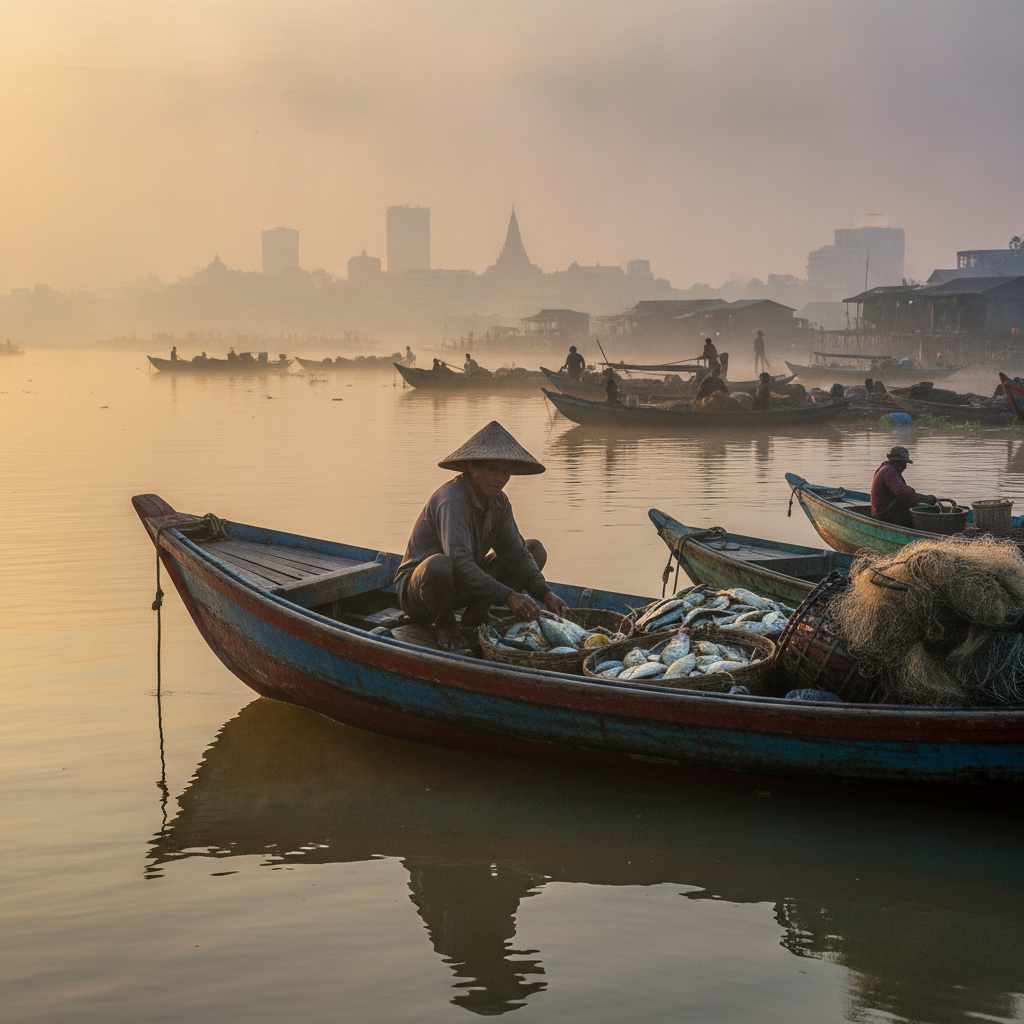
Phnom Penh's Parallel City: 10,000 People in Floating Houses, the Chinese Investment Wave That Built 40,000 Unsold Condominiums & Why the Genocide Memorials Cannot Be Optional
The Cham Muslim floating village fishers producing prahok fermented fish paste from Mekong catches in a tradition predating the Cambodian state; Brown Coffee's 40+ location Cambodian specialty chain growing faster than any Southeast Asian café brand since 2009; Chinese investment equalling 40% of Cambodian GDP between 2013–2022 while Cambodia became ASEAN's most consistent Chinese diplomatic proxy in South China Sea disputes; the PassApp evening tuk-tuk circuit from Night Market to Russian Market to Street 51 cocktails as the definitive Phnom Penh night; Preah Vihear's 800-metre temple approach sequence on a cliff edge over the Cambodian plain and the armed border conflict that killed 28 soldiers over a 4.6 km² zone; and why visiting Tuol Sleng and Choeung Ek on the same day as a riverside dinner cruise is the wrong choice—and why the city's cultural recovery programmes are the necessary second half of the story.
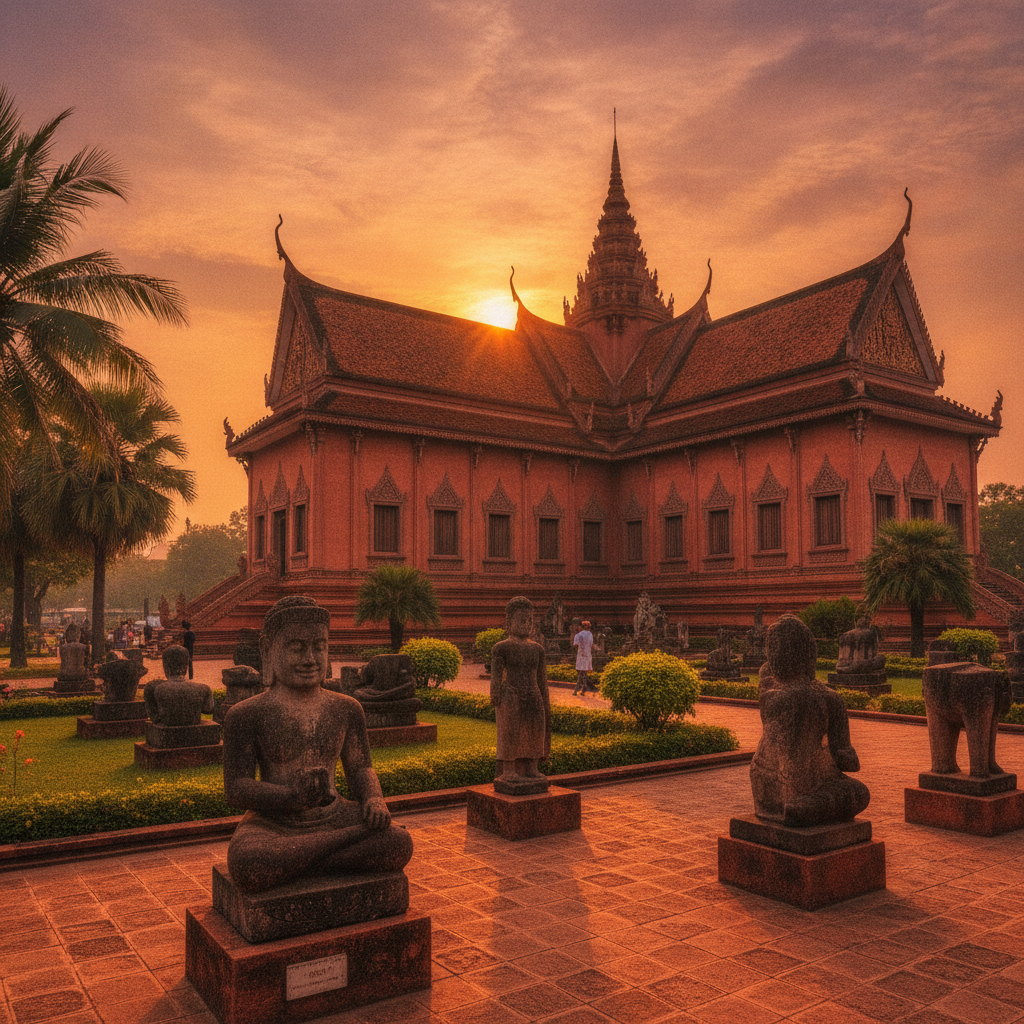
Phnom Penh's Reconstruction: The City Emptied in 1975 and Rebuilt from Zero Since 1979—40 Years of the Most Compressed Urban History in Asia
The National Museum's Harihara of Prasat Andet as the most technically refined 7th-century Khmer sculpture; the city that the Khmer Rouge blew up the National Bank of and demolished the Catholic cathedral of—and that has been rebuilt almost entirely since Vietnamese forces entered in January 1979; the Russian Market's factory-reject H&M jeans at USD 3 while the original market is USD 120; the FCC established 1993 as the institution of the press community that covered the Hun Sen consolidation; garment workers' minimum wage rising from USD 61 to USD 204 between 2012 and 2023 after four workers were killed in the 2014 strike; and the Apsara dance reconstructed from the memories of surviving masters and the bas-reliefs of Angkor after 80–90% of Cambodia's artists were killed.
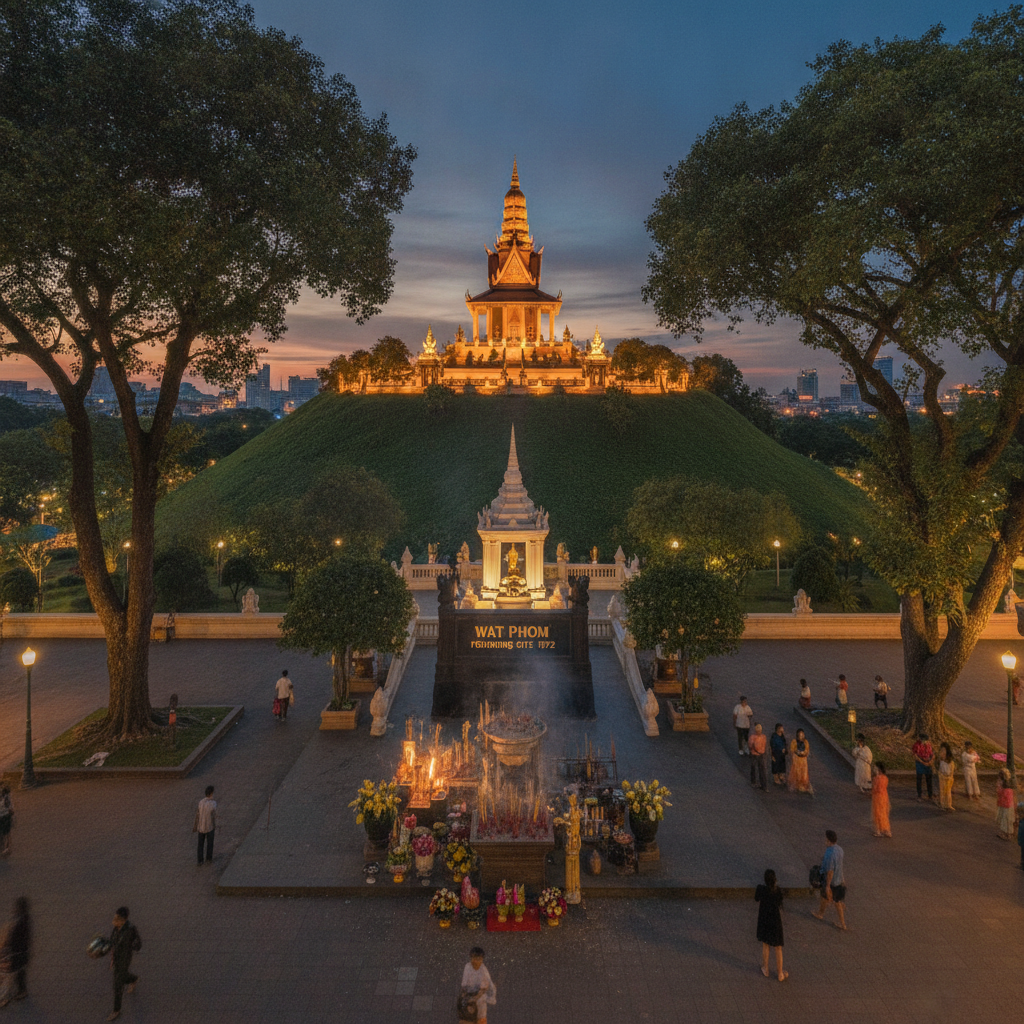
Phnom Penh's Depth: The Mekong Flood Pulse That Feeds 11 Million People, 90 Years of French Colonial Architecture & the Cambodian Cinema Archive Burned by the Khmer Rouge
The Tonle Sap's dai fish traps capturing the concentrated fish from a flood pulse that expands the lake from 2,500 to 14,000 km²—a system feeding Cambodians for 2,000 years now threatened by Chinese and Laotian hydropower dams; Raffles Le Royal where Jacqueline Kennedy stayed in 1967 and where the last correspondents sheltered in April 1975 as the Khmer Rouge entered; Rithy Panh's Bophana Center archiving the 300 pre-1975 Cambodian films whose prints were almost entirely destroyed by the regime; the Udong hilltop monastery with 200 monks descending at 05:30 for food offerings from the village; and the 400-metre-wide river at the Phnom Penh confluence with no bridge crossing creating the most dramatic urban river sunset in mainland Southeast Asia.