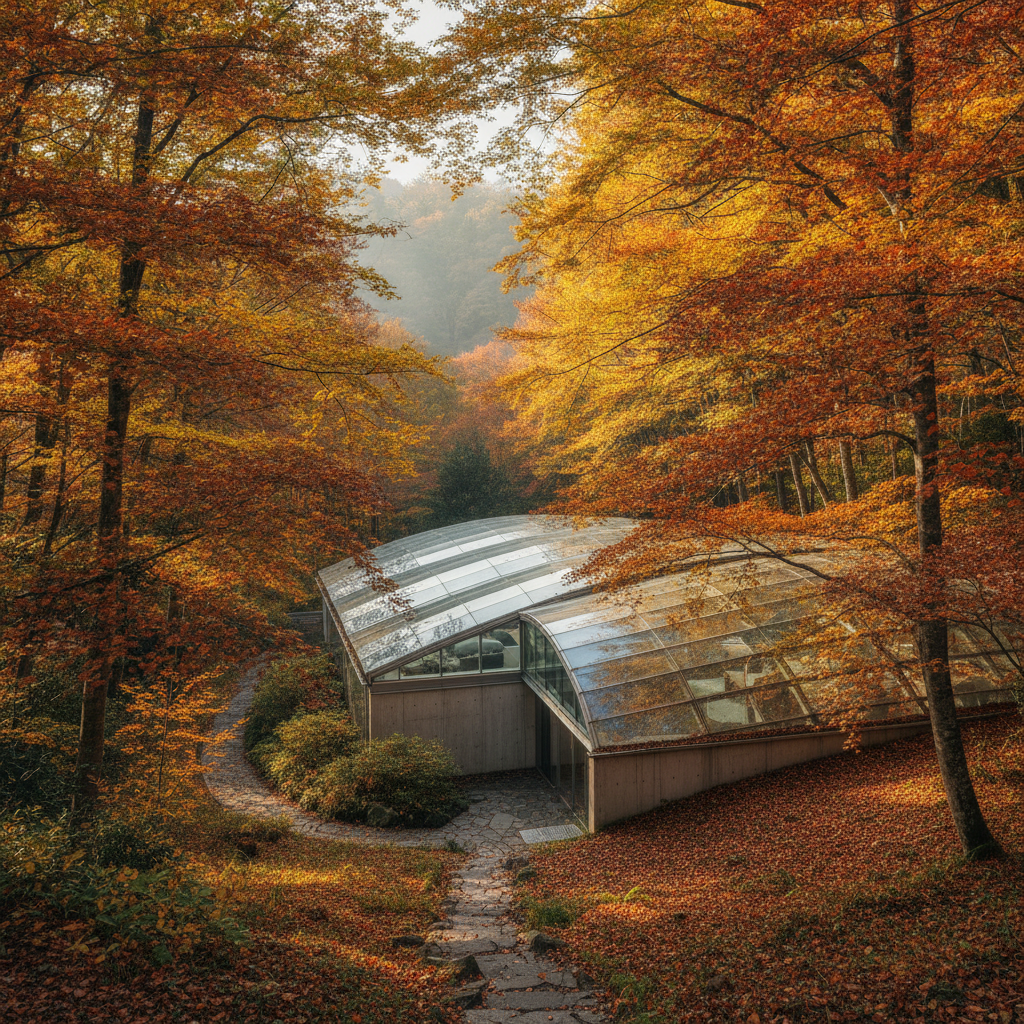

The Museum Sunk Below the Forest, the Anime City Built in a Caldera & the 1952 Imperial Villa That Now Charges ¥150,000 Per Night
The Pola Museum's intentional invisibility and the four-museum circuit covering outdoor Rodin, sunken Impressionism, moss garden ceramics, and Tange's tunnel-approach Atami building; Natsume Sōseki's Fujiya Hotel room and Charlie Chaplin in Japanese dress at the same property; the Evangelion Hakone tourism campaign that converted the volcanic caldera into anime pilgrimage territory; the Gōra Kadan's 6-month advance booking requirement for the converted imperial villa; winter as the Fuji clear-day peak with outdoor baths in snowfall; and the three budget tiers from converted farmhouse to dorm hostel.
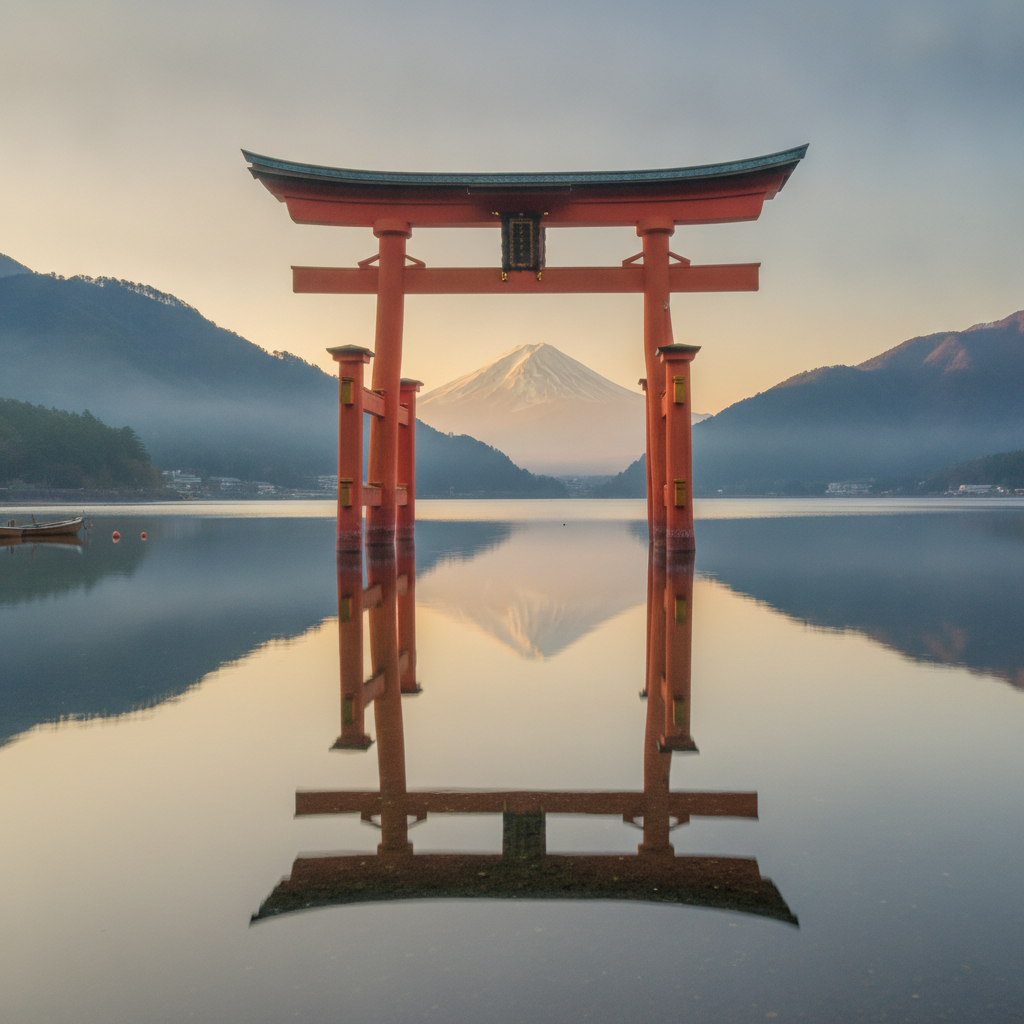
The Torii Gate in the Lake, the Black Egg That Adds 7 Years & the 1878 Hotel That Hosted Both Charlie Chaplin and John Lennon
The Lake Ashi Torii gate's 60–70 clear-day annual Fuji window and the pirate-ship galleon cruise passing directly in front of it; Owakudani's sulfur deposits and the kuro-tamago marketing legend that everyone buys into; the Hakone ryokan sequence from 15:00 check-in through morning rotenburo bath—the most complete traditional Japanese accommodation experience within 90 minutes of Tokyo; the Open-Air Museum's 319 Picasso ceramics and the foot onsen inside the museum grounds; the Tozan Railway's 3 switchbacks and 10,000 illuminated June hydrangeas; and the Hakone Free Pass's complete circuit from Shinjuku to lake and back in 8 hours.
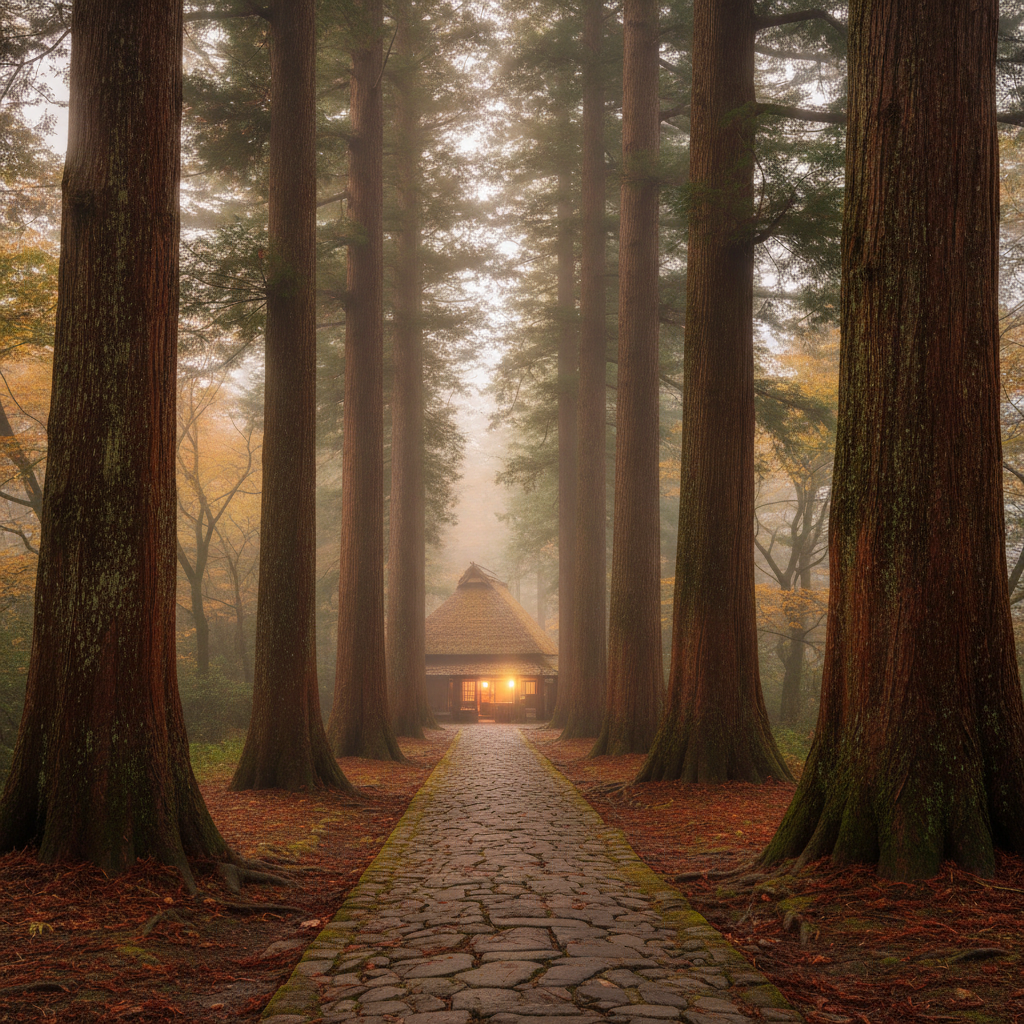
The Caldera That Collapsed Three Times, the Pampas Grass Plain & the Teahouse That Has Served Sweet Rice Drink Since the Same Year the Checkpoint Opened
The Hakone nested caldera's 3 collapse events over 400,000 years and Owakudani's hydrogen sulfide concentration management; Sengokuhara's 100,000 m² of September pampas grass and the Lalique Museum inside a 1960s resort hotel; the Hakone moss garden maintained by volcanic steam and the yosegi-zaiku marquetry craft made nowhere else in Japan; the 400-year-old cedar tunnel over the old Tokaido stone road and the Amazake-chaya teahouse open since 1619; the 17 distinct onsen water chemistry types in 20 km; and the Hakone-vs-Nikko-vs-Karuizawa decision tree for Tokyo mountain escapes.
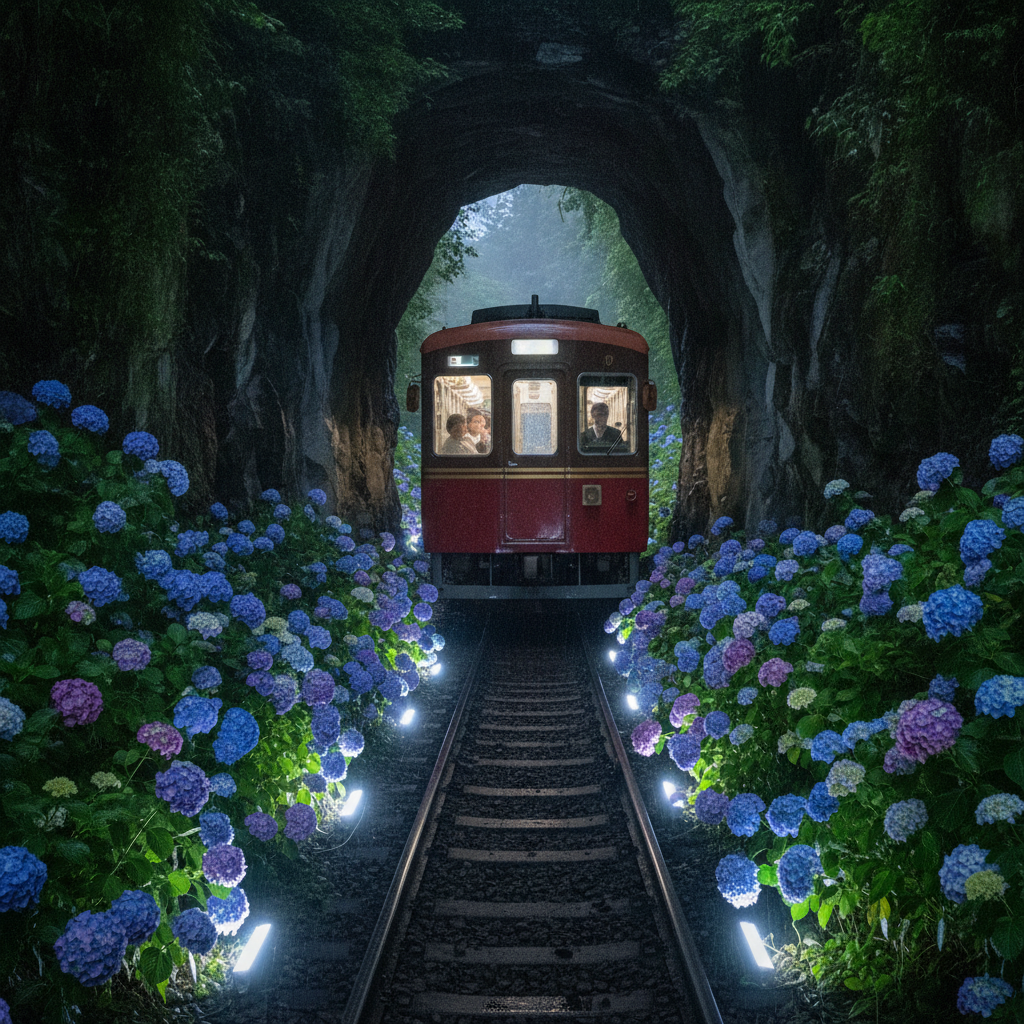
The 10,000 Illuminated Hydrangeas Seen From a Moving Train at Night, the Kōrin Irises Behind 4 Escalator Tunnels & the Third Week of July as the Statistical Peak for Both Fuji and Lake
The Night Hydrangea Train's LED-lit lacecap hydrangea cutting and the daytime overcast as optimal photography light; the Gora Park glass-blowing workshop and the Gōra Kadan garden tea service as the non-guest way into Japan's most sought-after ryokan reservation; Fuji summit's cloud ocean at dawn versus Hakone's onsen-ryokan completeness—and the combined 3-night routing; the MOA Museum's 4 escalator tunnels through a mountain emerging at the Kōrin Irises; the Hakone spring sequence from late-cherry through beech fresh-green; and the yosegi-zaiku marquetry as the only place in Japan it's made.
The Free Pass Breakeven Analysis, the 15-Month Ropeway Closure That Cost ¥20 Billion & the Tozan Railway Running on 100% Renewable Electricity Since 2021
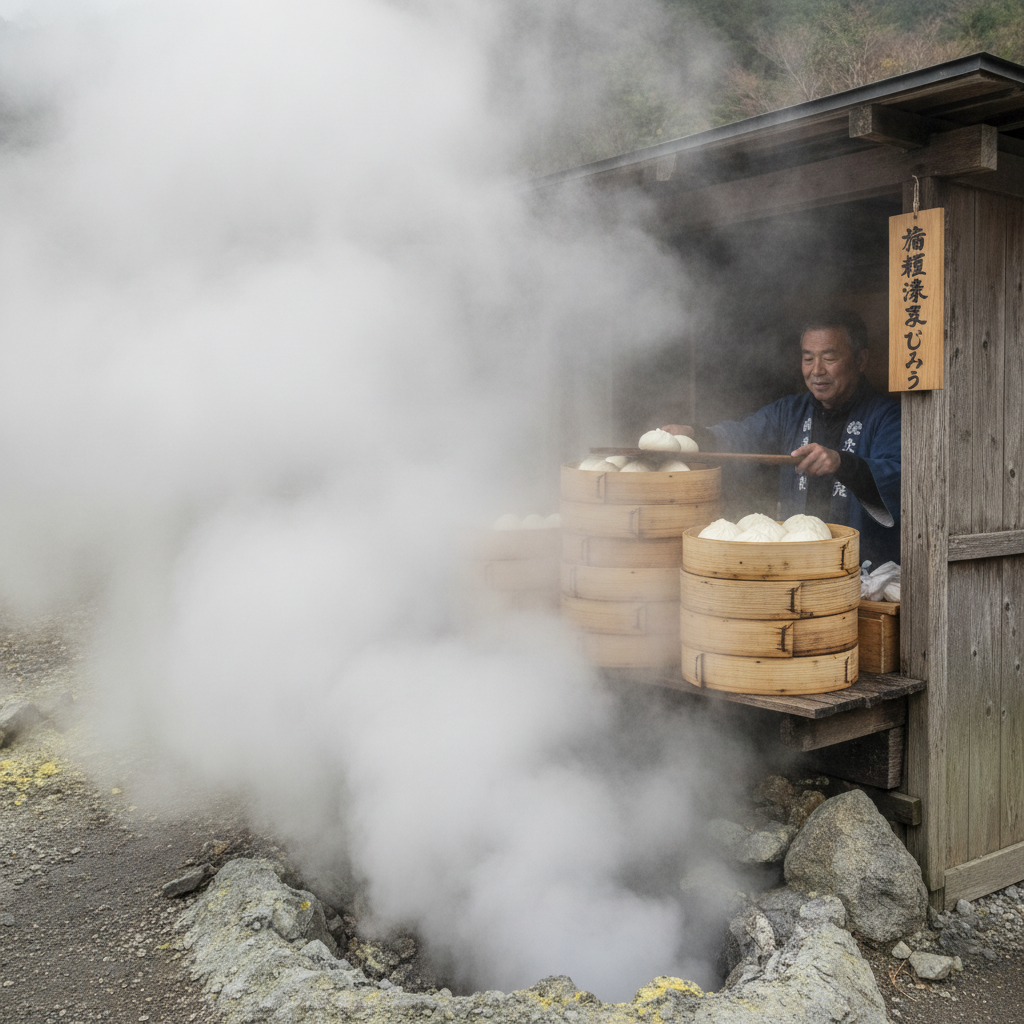
The Free Pass value calculation showing the Romance Car surcharge as the tipping point; the Level 1–5 volcanic alert system with the 2015 phreatic explosion's 15-month closure and ¥20 billion cost; the funicular's 200‰ gradient—Japan's steepest passenger funicular—and the moss garden visible from the cable car window; the complete annual calendar from January's Fuji clear-day peak through the June hydrangea season to November momiji; the kaiseki's Ashigara Wagyu, Sagami Bay kinmedai, and Hakone volcanic-water wasabi; and the 2021 transport carbon neutrality achievement.
90 Seconds Between Gondolas, the Tattooed Visitor Policy & Why the Outer Caldera Beech Forest Is More Reliable Than Maple in November
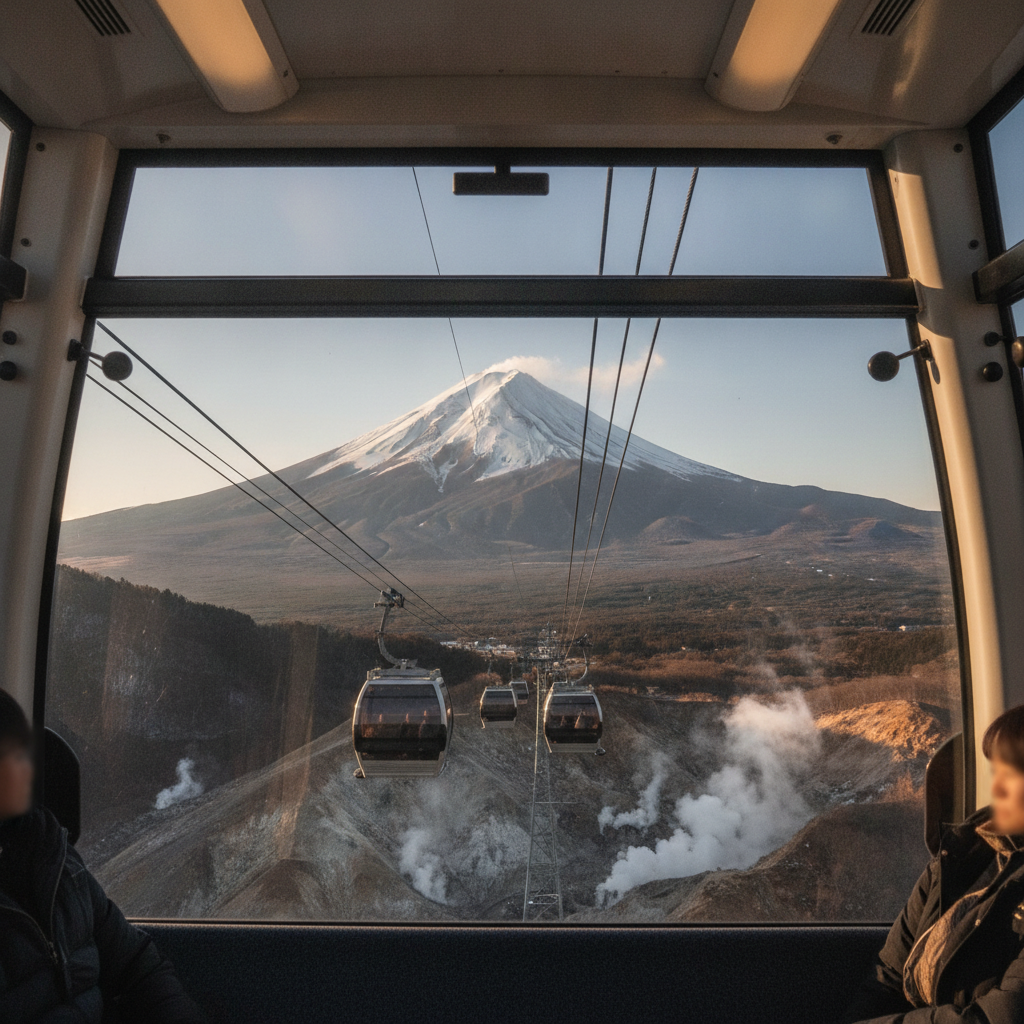
The ropeway's 3-minute Fuji window between Owakudani and Ubako and the congestion strategy of the first 09:00 cable car from Gora; the Komagatake ropeway summit as the only single viewpoint showing the complete caldera geology in one panorama; the rinse-before-entering onsen protocol and the private reserved bath as the tattoo-policy solution; Minamoto no Yoritomo's 1193 shrine visit and the Tokugawa sword donations in the Treasure Museum; the 15–20 winter days per year when Fuji and a calm lake surface coincide at dawn; and the pirate galleon and black sulfur egg as the two reliably captivating child experiences.