The Torii Gate in the Lake, the Black Egg That Adds 7 Years & the 1878 Hotel That Hosted Both Charlie Chaplin and John Lennon
The Lake Ashi Torii gate's 60–70 clear-day annual Fuji window and the pirate-ship galleon cruise passing directly in front of it; Owakudani's sulfur deposits and the kuro-tamago marketing legend that everyone buys into; the Hakone ryokan sequence from 15:00 check-in through morning rotenburo bath—the most complete traditional Japanese accommodation experience within 90 minutes of Tokyo; the Open-Air Museum's 319 Picasso ceramics and the foot onsen inside the museum grounds; the Tozan Railway's 3 switchbacks and 10,000 illuminated June hydrangeas; and the Hakone Free Pass's complete circuit from Shinjuku to lake and back in 8 hours.
- 1
Lake Ashi & the Torii Gate – Hakone's Defining View
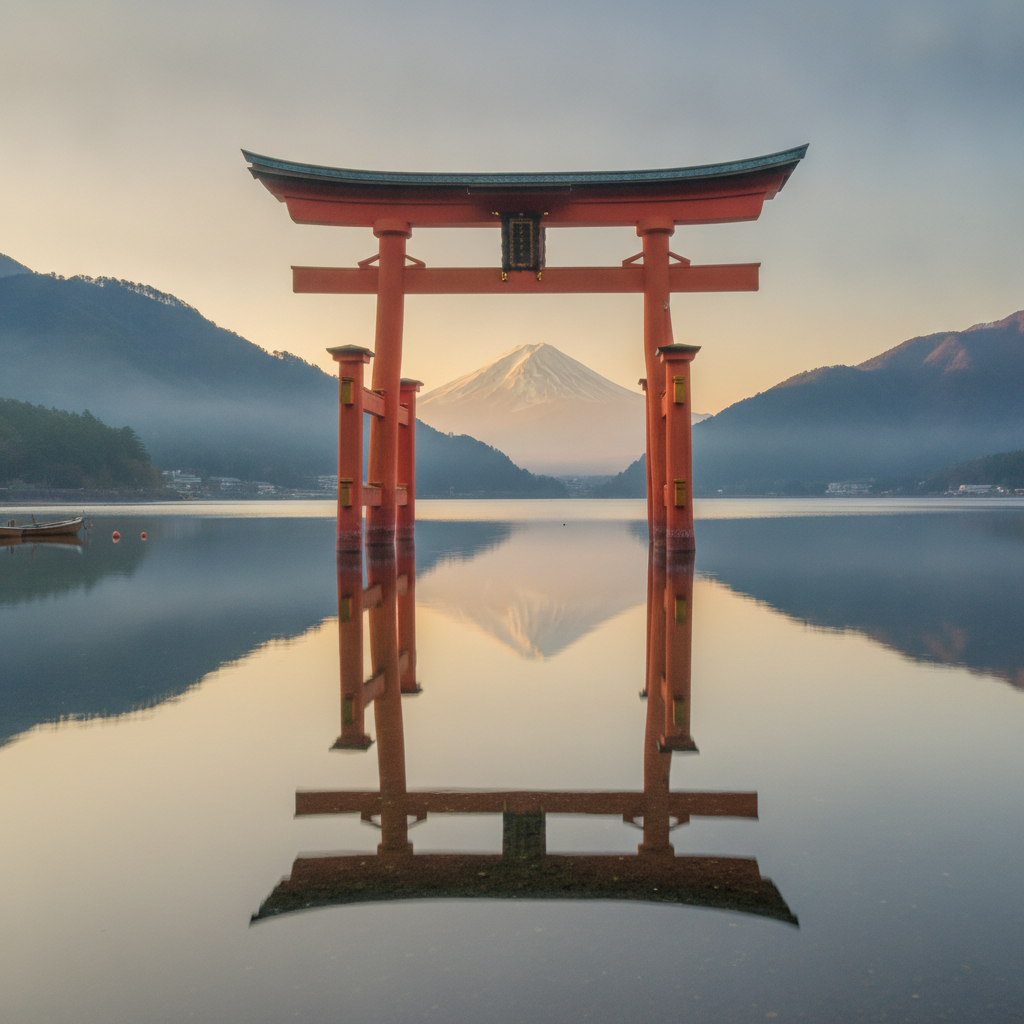
Lake Ashi (Ashinoko—the caldera lake formed in the collapsed crater of the Hakone volcanic system approximately 3,100 years ago; 20 km² area; maximum depth 43.5 metres): the lake's primary function in Japanese cultural consciousness is as the foreground for Fuji views—the Torii Gate of the Hakone Gongen Shrine standing in the lake's shallows (the vermilion gate rising from the water with Mount Fuji visible behind it on clear days is the single most reproduced Hakone image and among the 20 most reproduced images in Japan overall). The lake circuit: the Lake Ashi sightseeing cruise (the Hakone sightseeing boat—the pirate-ship replica (the Hakone Kanko Boat 'Victory' and 'Royal II'—full-size reproductions of a 17th-century galleon running the Togendai-to-Moto-Hakone ferry service, ¥1,200 one-way; the crossing takes 30 minutes and passes directly in front of the Torii gate): the most touristically ridiculous but visually effective transport choice in the Kanto region. The Fuji view window (the clear-day probability at Lake Ashi: approximately 60–70 days per year when Fuji is completely visible from the lake; winter (December–March) has the highest clear-day rate at approximately 30–40 days; summer (June–August) the lowest, when Pacific moisture clouds the mountain for weeks): the weather forecast resource (the Hakone Ropeway webcam—updated every 10 minutes from the Owakudani station—is the most reliable same-day Fuji visibility check).
- 2
Owakudani – The Active Volcano Experience
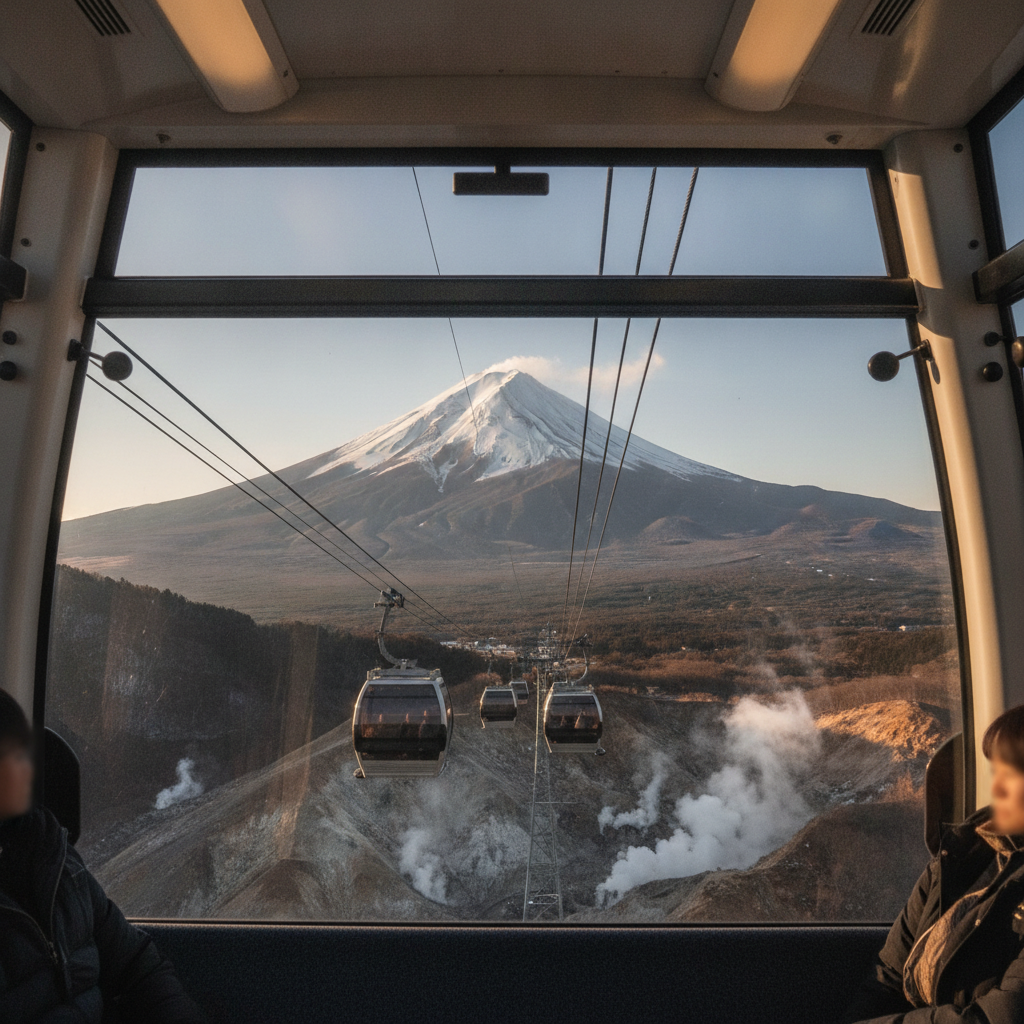
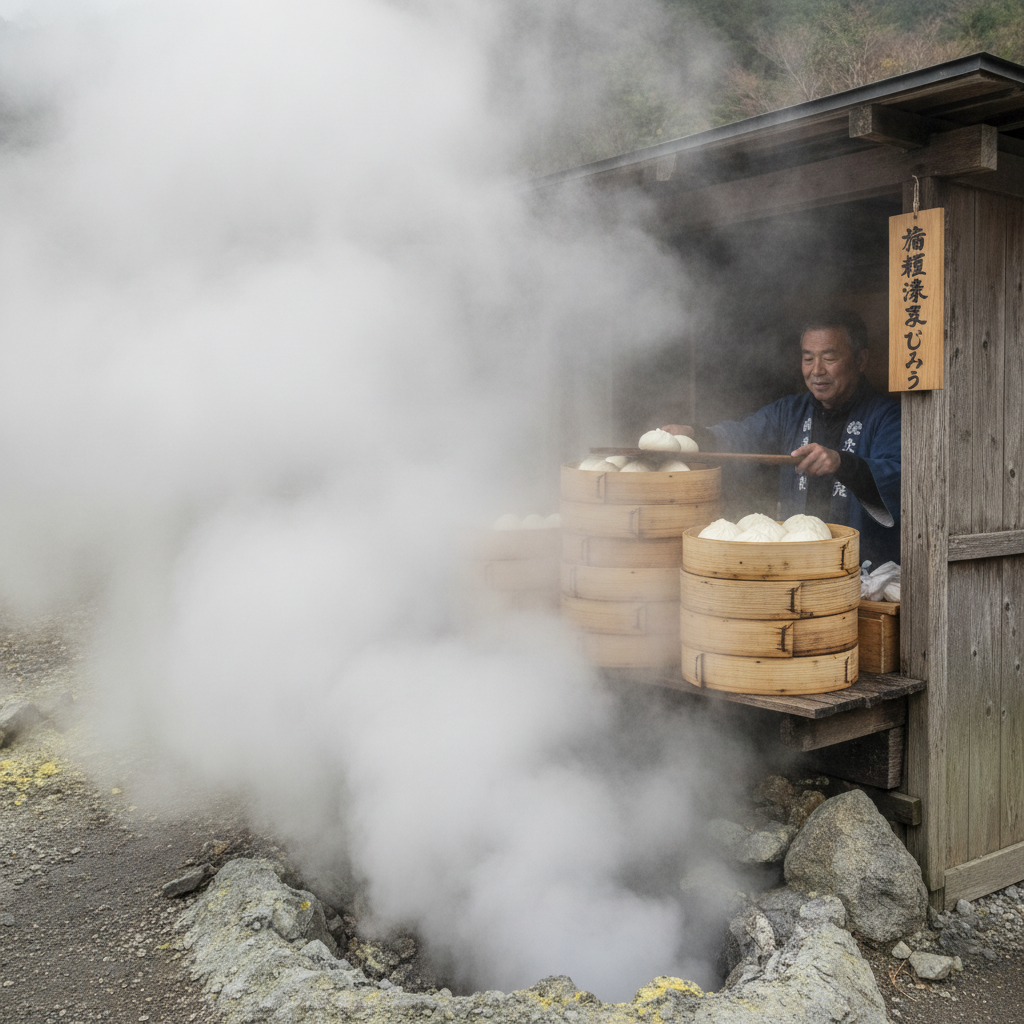
Owakudani (literally 'Great Boiling Valley'—the active geothermal area on the northern rim of the Hakone caldera, at 1,044 metres elevation on the Hakone Ropeway route between Sōunzan and Ubako stations): the most accessible active geothermal landscape in the Tokyo day-trip range and the primary experience distinguishing Hakone from other mountain resort areas. The geological context: Owakudani sits above one of the most active hydrothermal zones in Japan—the area receives continuous steam, sulfur gas, and acidic mineral water from the volcanic system below, creating the characteristic yellow sulfur deposits, white steam plumes, and the distinctive sulfur smell detectable from 1 km distance. The kuro-tamago (the black egg—chicken eggs boiled in the sulfur-mineral spring water at 80°C for 60 minutes; the hydrogen sulfide in the water reacts with the iron in the eggshell to create iron sulfide, turning the shell permanently black; the egg interior is identical to a normal hard-boiled egg; sold in bags of 5 for ¥500 at the Owakudani egg stand): eating one kuro-tamago is said to extend your life by 7 years (a marketing legend established by the Hakone Tourism Association in 1961; no scientific basis; universally understood as marketing; universally purchased anyway). The ropeway closure risk: the Owakudani section of the Hakone Ropeway is closed when volcanic activity levels trigger the Kanagawa Prefecture alert threshold—closures have occurred in 2015 (15-month closure after a phreatic explosion alert) and periodically since; check the Hakone Ropeway website before planning the Owakudani visit.
- 3
Hakone Ryokan – The Onsen Inn Experience
The Hakone ryokan experience (the traditional Japanese inn with onsen baths)—the experience that most distinguishes Hakone from a conventional resort area and the reason 90% of Japanese domestic overnight visitors choose the full-stay option rather than a day trip: the Hakone onsen inn sequence (check-in 15:00; change into the provided yukata (light cotton kimono); walk to the private indoor onsen or the rotenburo (outdoor bath) with the mountain forest view; the kaiseki dinner (the 10–15-course formal Japanese dinner served in the room or a private dining room at 18:00–19:00); sleeping on the futon laid on the tatami floor; the morning outdoor bath in mist; the morning kaiseki breakfast; departure 10:00–11:00) is the most complete traditional Japanese accommodation experience available in a 90-minute train ride from Tokyo. The Hakone onsen types: the 19 officially designated onsen towns in the Hakone area (Yumoto, Tonosawa, Miyanoshita, Gora, Kowakidani, Ashinoyu, Moto-Hakone, and others), each with distinct water chemistry. The most internationally known ryokan: the Fujiya Hotel (opened 1878—the oldest Western-style resort hotel in Japan, at Miyanoshita; used by Charlie Chaplin, John Lennon, and multiple Japanese heads of state; the current renovation has restored the 1920s interiors): the most historically significant hotel property in the Kanto region.
- 4
The Hakone Open-Air Museum
The Hakone Open-Air Museum (Hakone Chokoku no Mori Bijutsukan—the outdoor sculpture museum established in 1969 on a hillside in the Kowakidani area of Hakone, the first open-air art museum in Japan; accessible by Hakone Tozan Railway from Hakone-Yumoto to Chokoku no Mori Station, 30 minutes, ¥330): the 7-hectare outdoor collection of approximately 120 sculptures (permanent collection including major works by Rodin, Henry Moore, Giacometti, and Maillol on outdoor plinths in the mountain landscape) plus the Picasso Pavilion (the largest Picasso museum in Japan, containing 319 Picasso works in ceramics, prints, and small sculptures donated to the museum in 1984—the collection's focus on Picasso's ceramic work of the 1940s–1950s period makes it unique among Japanese Picasso collections). The Stravinsky fountain (the giant mobile sculpture whose jets of water synchronize with recorded Stravinsky music—the most Instagrammed single work in the museum and the example most likely to provoke the question of whether it constitutes art). The foot onsen (the Ashiyu foot bath station in the museum grounds—a free sitting foot bath fed by actual Hakone onsen water; the only onsen experience in the open-air museum and a comfortable option for visitors whose shoes are already off for the moss garden section). The admission: ¥1,600 adults; the Hakone Free Pass covers admission—the single best admission value on the pass given the museum's ¥1,600 standard entry fee.
- 5
Hakone Tozan Railway & the Switchback Ascent
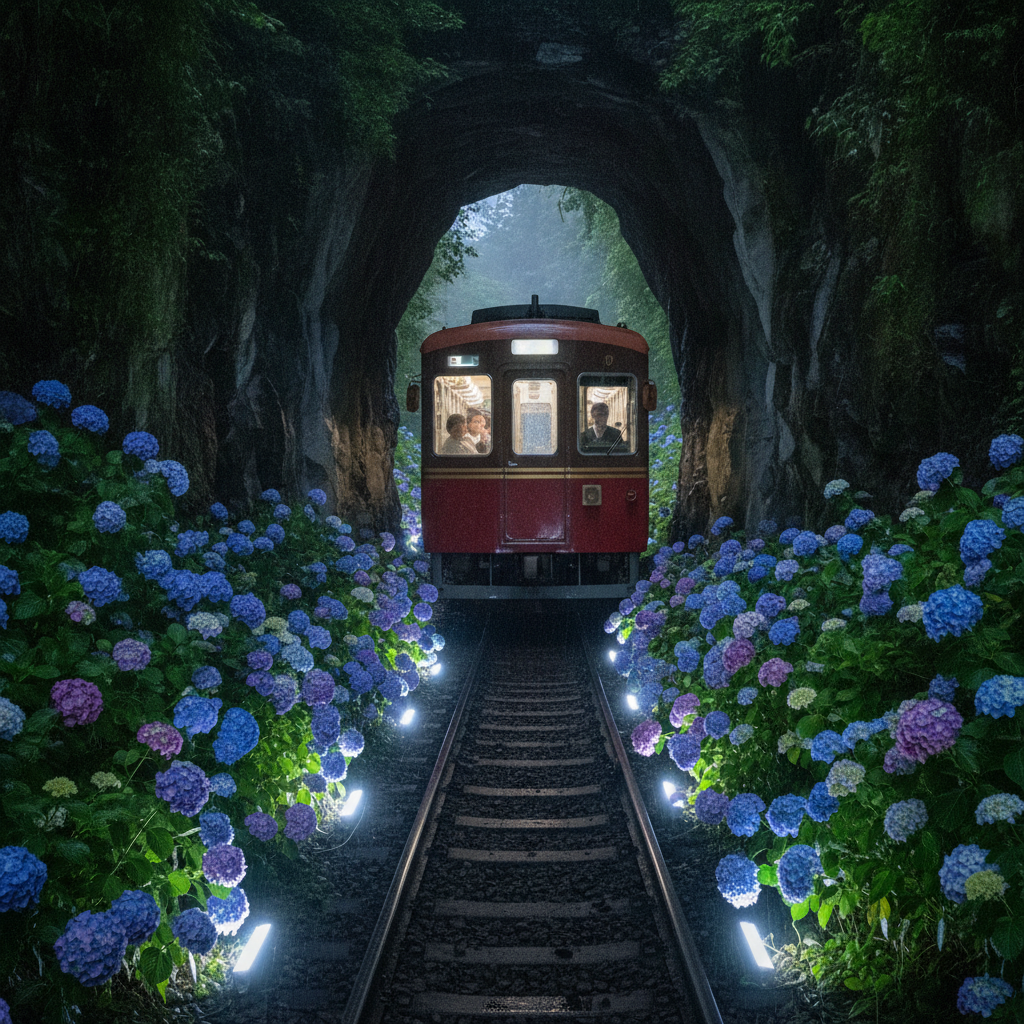
The Hakone Tozan Railway (the mountain railway from Hakone-Yumoto to Gora—14 km, 45 minutes, ascending 445 metres through 3 switchbacks; the steepest railway in Japan, with a maximum gradient of 80‰ (8% incline—80 metres rise per kilometre)) is the most dramatic railway experience available in the day-trip range of Tokyo. The switchback (the technique for ascending a steep gradient that a conventional railway cannot manage—the train drives forward to a siding, then reverses direction to continue upward, then forward again; the 3 switchbacks between Yumoto and Gora each require the driver and guard to change ends of the train): the switchback process takes approximately 3 minutes per switch and is the railway experience most photographed by train enthusiasts. The hydrangea season (the Hakone Tozan Railway Hydrangea Festival—mid-June to mid-July: approximately 10,000 ajisai (hydrangea) bushes planted along the railway cutting between Yumoto and Gora are illuminated by special light from evening until 22:00 during this period; the illuminated hydrangea cutting as seen from the train window is the most celebrated seasonal railway experience in the Kanto region): the hydrangea trains are the most crowded trains on the Hakone Tozan line during this period. The Hakone Tozan Railway connection (from Shinjuku to Odawara by Odakyu Romance Car—85 minutes, ¥2,570 for the reclining express seat; the Romance Car is the most comfortable regional rail product in the Tokyo area and the standard Hakone approach).
- 6
Hakone Practical – Free Pass & Day Trip Logic
The Hakone Free Pass (issued by Odakyu Railway; ¥6,100 from Shinjuku for 2 days; ¥6,500 for 3 days): the single most important Hakone logistics decision—the pass covers the Odakyu Romance Car from Shinjuku (not the Romance Car express surcharge), the Hakone Tozan Railway, the Hakone Ropeway, the Lake Ashi cruise, and the Hakone Tozan Bus, plus discounts at the major museums (Open-Air Museum ¥1,600 admission covered; Hakone Museum of Art discounted). The optimal Hakone day-trip loop (the standard circuit that covers the maximum number of Hakone experiences in one day): Shinjuku → Odawara (Odakyu; 74 minutes) → Hakone-Yumoto → Gora (Tozan Railway; 45 minutes) → Sōunzan (Tozan Cable Car; 10 minutes) → Ubako (Ropeway; passing through Owakudani; 30 minutes) → Togendai (ropeway endpoint at Lake Ashi) → Moto-Hakone (cruise, 30 minutes) → Hakone-Yumoto (bus, 40 minutes) → Odawara → Shinjuku. Total time: approximately 8 hours on the loop from Shinjuku. The overnight advantage: staying at a Hakone onsen ryokan allows the lake and ropeway to be covered on Day 1 before the day-trip crowds arrive from Tokyo, the Open-Air Museum on Day 2 morning, and the Romance Car return. The Fuji cloud risk mitigation: check the Hakone Ropeway webcam the day before your trip—if Fuji is visible, proceed; if not, consider rescheduling the ropeway or adjusting expectations.
Walk this route with audio
Stories play automatically as you reach each stop — no tapping needed.
More in Hakone
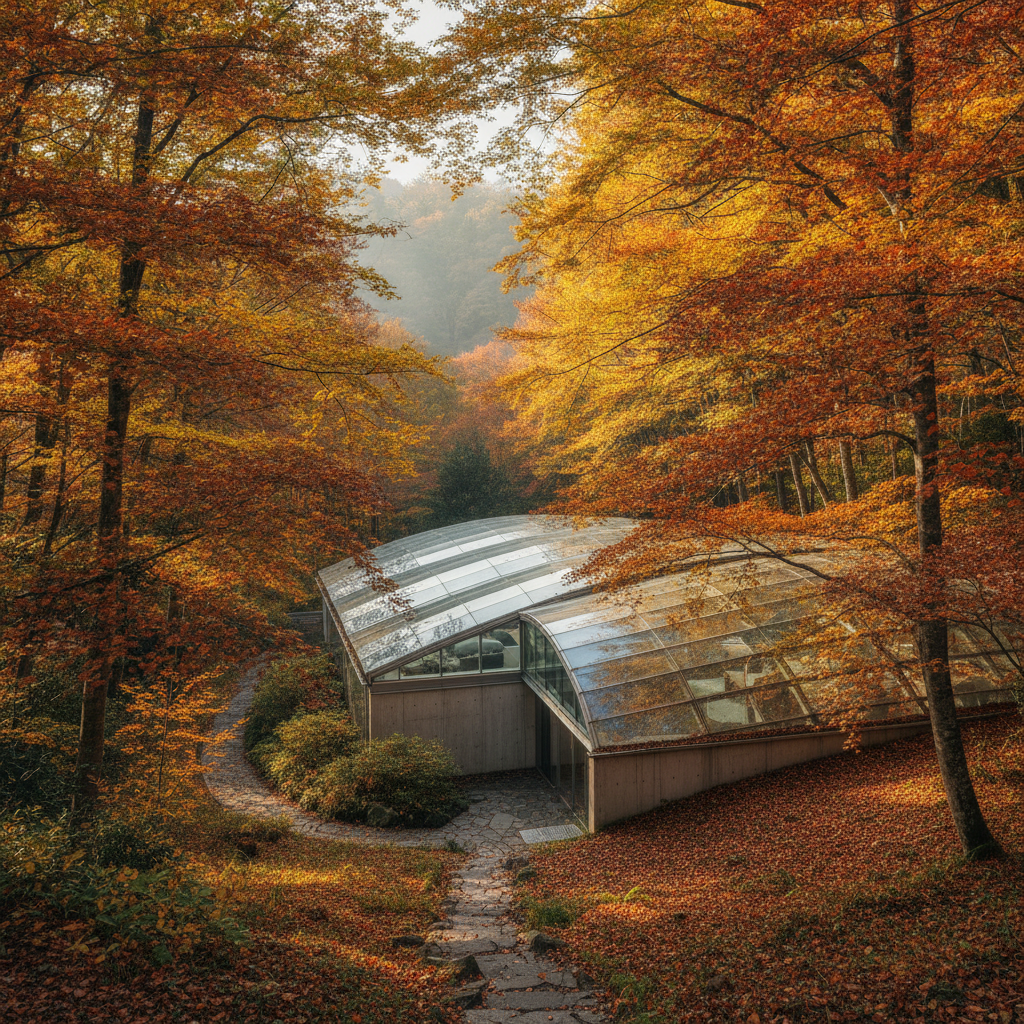
The Museum Sunk Below the Forest, the Anime City Built in a Caldera & the 1952 Imperial Villa That Now Charges ¥150,000 Per Night
The Caldera That Collapsed Three Times, the Pampas Grass Plain & the Teahouse That Has Served Sweet Rice Drink Since the Same Year the Checkpoint Opened
The 10,000 Illuminated Hydrangeas Seen From a Moving Train at Night, the Kōrin Irises Behind 4 Escalator Tunnels & the Third Week of July as the Statistical Peak for Both Fuji and Lake
The Free Pass Breakeven Analysis, the 15-Month Ropeway Closure That Cost ¥20 Billion & the Tozan Railway Running on 100% Renewable Electricity Since 2021