The 10,000 Illuminated Hydrangeas Seen From a Moving Train at Night, the Kōrin Irises Behind 4 Escalator Tunnels & the Third Week of July as the Statistical Peak for Both Fuji and Lake
The Night Hydrangea Train's LED-lit lacecap hydrangea cutting and the daytime overcast as optimal photography light; the Gora Park glass-blowing workshop and the Gōra Kadan garden tea service as the non-guest way into Japan's most sought-after ryokan reservation; Fuji summit's cloud ocean at dawn versus Hakone's onsen-ryokan completeness—and the combined 3-night routing; the MOA Museum's 4 escalator tunnels through a mountain emerging at the Kōrin Irises; the Hakone spring sequence from late-cherry through beech fresh-green; and the yosegi-zaiku marquetry as the only place in Japan it's made.
- 1
Hakone's Hydrangea Season – The Railway Garden
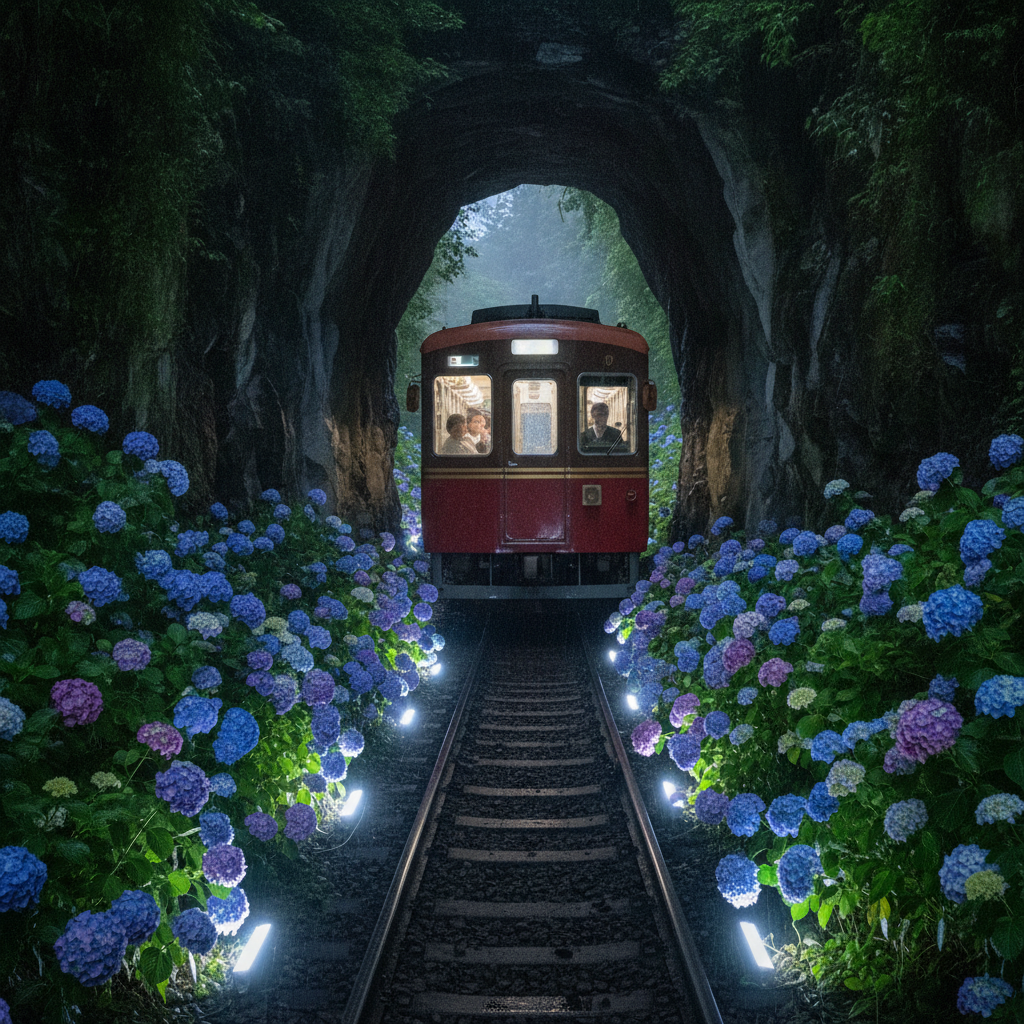
The Hakone Tozan Railway Hydrangea Festival (Ajisai Densha—the Flower Train): the approximately 10,000 ajisai (hydrangea) bushes planted along the 14-km railway cutting between Hakone-Yumoto and Gora in the 1930s by the railway company as a beautification project were illuminated for evening viewing beginning in 1990, creating the 'Night Hydrangea Train' that now runs from mid-June through mid-July (22:00 departure from Gora—the last downhill train, with special lighting installed in the cutting illuminating the hydrangea from below as the train passes; the blue and purple hydrangea in the LED-lit cutting seen from inside the moving train window): the most unusual railway experience in the Kanto region. The hydrangea species diversity: the 10,000 Hakone bushes include gaku-ajisai (the native lacecap hydrangea—the plate-flat flower head with a ring of large sterile flowers around a center of small fertile flowers; the species that originated in Japan's coastal woodland rather than being the rounded pompom introduced from Japan to Europe in the 18th century): the Hakone railway cutting has one of the densest lacecap hydrangea plantings in Japan. The daylight hydrangea train (the Hakone Tozan Railway in daytime during the hydrangea season—June–mid-July—provides the same visual as the night train but in natural light; the morning train (first departure 09:00 from Yumoto) in overcast conditions (overcast light is optimal for photographing hydrangea—the diffuse light eliminates harsh shadows on the flower heads) is the best photography opportunity).
- 2
Gora & the Upper Station Area
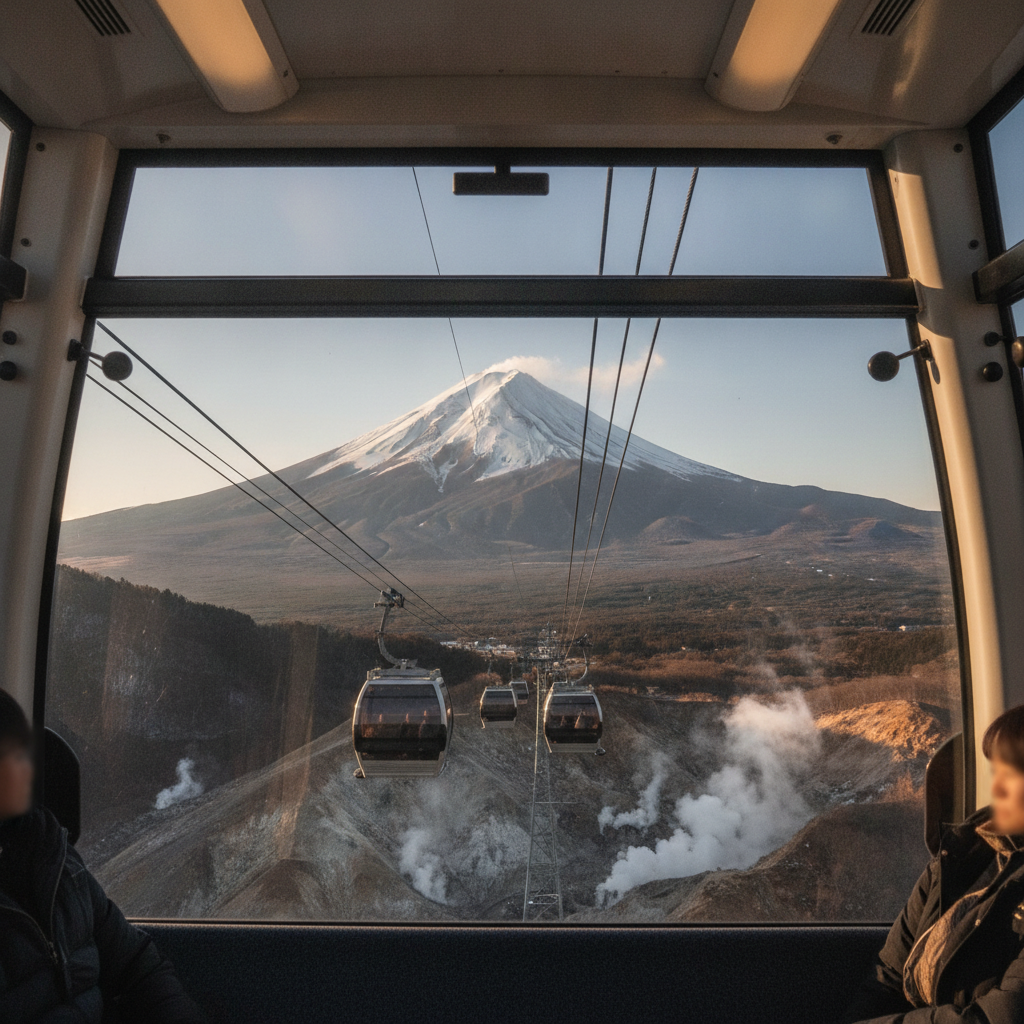
Gora (the upper station of the Hakone Tozan Railway—the Hakone resort's most conveniently located town for the Ropeway and Cable Car connections, and the location of the Hakone Open-Air Museum and Hakone Museum of Art): the town whose function is almost entirely transit-oriented—most visitors pass through Gora to change between the Tozan Railway and the Cable Car, spending 15–30 minutes in the town, but the area around Gora Station repays a longer stop. The Gora Park (the formal Western garden surrounding the Gora Cable Car station—the tiered garden with rose gardens, greenhouse, and the traditional tea ceremony facility; the greenhouse containing tropical plants and the glass-blowing workshop where visitors can make a small glass item): the glass blowing workshop (¥1,800–2,500 per item; 30-minute sessions) is the most unusual hands-on craft activity in Hakone. The Gora Kadan garden (the garden of the converted imperial villa ryokan—not accessible to non-guests except through a specific afternoon garden tea service (reservation required; ¥3,500 per person including matcha and wagashi in the ryokan garden): the only way to experience the most significant historic garden in Hakone without paying the overnight rate. The Hakone Cable Car (the 1.2-km funicular from Gora to Sōunzan—the 4-station connection through which the Tozan Railway transitions to the aerial ropeway; the steepest section (200‰ gradient—20% incline) is the steepest passenger funicular in Japan).
- 3
The Hakone vs Fuji Decision – Which Summit Wins
The most common visitor dilemma in this region: the choice between prioritising Hakone (the caldera lake and onsen experience) and Fuji (the summit climb or Fuji Five Lakes approach). The cases: Hakone offers the onsen-ryokan experience unavailable at Fuji, the Lake Ashi Torii gate, the Open-Air Museum, and the full-service resort infrastructure—Hakone is a complete holiday in itself, with no need to do anything except the Free Pass circuit. Fuji offers the single most dramatic landscape experience available in Japan (the summit view on a clear July or August morning—the cloud ocean below the summit rim as the sun rises, the Kanto Plain visible 3,776 metres below): Fuji is a once-in-a-lifetime experience that cannot be replicated or approximated elsewhere in Japan. The combined routing (the standard combined approach): 2 nights Hakone (the resort experience), then 1 night Fuji (the Fujiyoshida Fifth Station area, with a midnight summit attempt on the Yoshida Trail on the second night): the most comprehensive way to do both. The weather dependence: both experiences are severely weather-dependent (Fuji summit climb requires no rain, no lightning, no high wind above the 7th Station; Lake Ashi Torii gate with Fuji requires clear skies and calm water): the single week that maximises the probability of both (based on 10-year weather statistics) is the third week of July, when the summer typhoon season has not yet begun and the Pacific High is positioned to produce stable weather over the Kanto region.
- 4
Atami & the Izu Peninsula – Hakone's Coastal Extension
Atami (the coastal resort 40 minutes from Hakone-Yumoto by Tokaido Line to Atami Station; the most historically significant onsen resort on the Pacific coast): the destination that makes strategic sense as a 2-night extension of a Hakone visit, using Atami's coastal scenery, the MOA Museum, and the Izu Peninsula's hot springs and black sand beaches as a complement to the mountain and caldera experience of Hakone. The MOA Museum of Art (Atami—the museum built into the hillside above Atami bay, designed by Kenzo Tange in 1982 using the approach of 4 circular escalator tunnels through the mountain before emerging at the museum building on the cliff top; the permanent collection includes 3 Japanese National Treasures, the Korin Irises screens by Ogata Kōrin (1716—the most famous Japanese decorative screens outside the National Museum collections), and the Izen collection of Japanese ceramics): the most architecturally dramatic museum approach in Japan. The Izu Peninsula (the volcanic peninsula south of Atami—the Shimoda area (the southern tip of Izu where Commodore Perry's black ships anchored in 1854 and the first American consul Townsend Harris resided 1856–1858) and the Shuzenji Onsen (the inland mountain onsen town associated with Natsume Sōseki's 1910 illness): the peninsula's combination of black volcanic sand beaches, Pacific views, historical American diplomatic sites, and onsen culture makes it the most varied coastal extension from the Hakone area.
- 5
Hakone's Spring – Cherry, Azalea & the Unanticipated Beauty
Hakone's spring sequence (late March through May) is less internationally marketed than the Sengokuhara pampas grass autumn but provides an equivalent range of visual events concentrated in a 6-week period. The cherry blossom (the Hakone area cherry typically peaks 1–2 weeks after the Tokyo peak—late April in the Gora and Miyagino areas at 450–550 metres elevation; the cherry combined with the rhododendron that overlaps the final days of cherry season creates a pink-red layered bloom that differs from the pure-white-then-bare sequence of Tokyo's hanami parks). The rhododendron (the Hakone Rhododendron Festival at the Hakone Museum of Art—late April to mid-May; approximately 2,000 rhododendron bushes flowering in the museum garden; the rhododendron colour range at Hakone spans deep red to pale lavender and the combination of the moss garden background with the rhododendron bloom is the finest garden colour event in the Kanto mountain area). The Azalea (the Gora Park azalea—late April to early May; the most accessible spring colour display in the Gora area): the Gora Park terrace garden with the azalea bank below and Fuji visible (on clear days) in the distance behind the caldera rim. The mountain fresh green (the shindryoku (fresh green shoots) period of May in the beech forest above Gora—the pale yellow-green of the newly opened beech leaves in the mountain forest in May is the most delicate and least photographed Hakone seasonal colour).
- 6
Hakone Leaving & What Remains
The Hakone experience distils to a specific sensory combination that Japanese visitors describe as the quintessential yake (restful healing)—the smell of sulfur from the morning outdoor bath, the sound of the mountain rail switchback, the taste of the black egg, and the proportion of Fuji visible above the lake Torii gate on a cold clear morning. The physical objects to bring back: the yosegi-zaiku (the Hakone marquetry woodwork)—the geometric wood-parquetry pencil box, card case, or small chest is the Hakone omiyage (souvenir) that has no equivalent elsewhere in Japan; made in the Hatajuku workshops on the old Tokaido road; price range ¥1,000–20,000 depending on complexity. The Hakone Open-Air Museum catalogue (the English-language museum catalogue covering the Picasso ceramics collection—the most detailed English-language document of the collection; ¥3,500 at the museum shop). The onsen mineral salt (sold as 'onsen input'—the concentrated mineral salts from the Owakudani springs, dissolved in a home bath to replicate the water chemistry): the most effective Hakone sensory souvenir, though the sulfur content means it must be stored in sealed packaging on the journey home. The return-visit reason: each season in Hakone is genuinely different (the summer hydrangea train, the autumn pampas grass and Shōsōin Exhibition timing in Nara if combined, the winter Fuji clear-day window, the spring rhododendron): Hakone is unusual among Japanese resort areas in providing a convincing reason to return in each of the four seasons.
Walk this route with audio
Stories play automatically as you reach each stop — no tapping needed.
More in Hakone
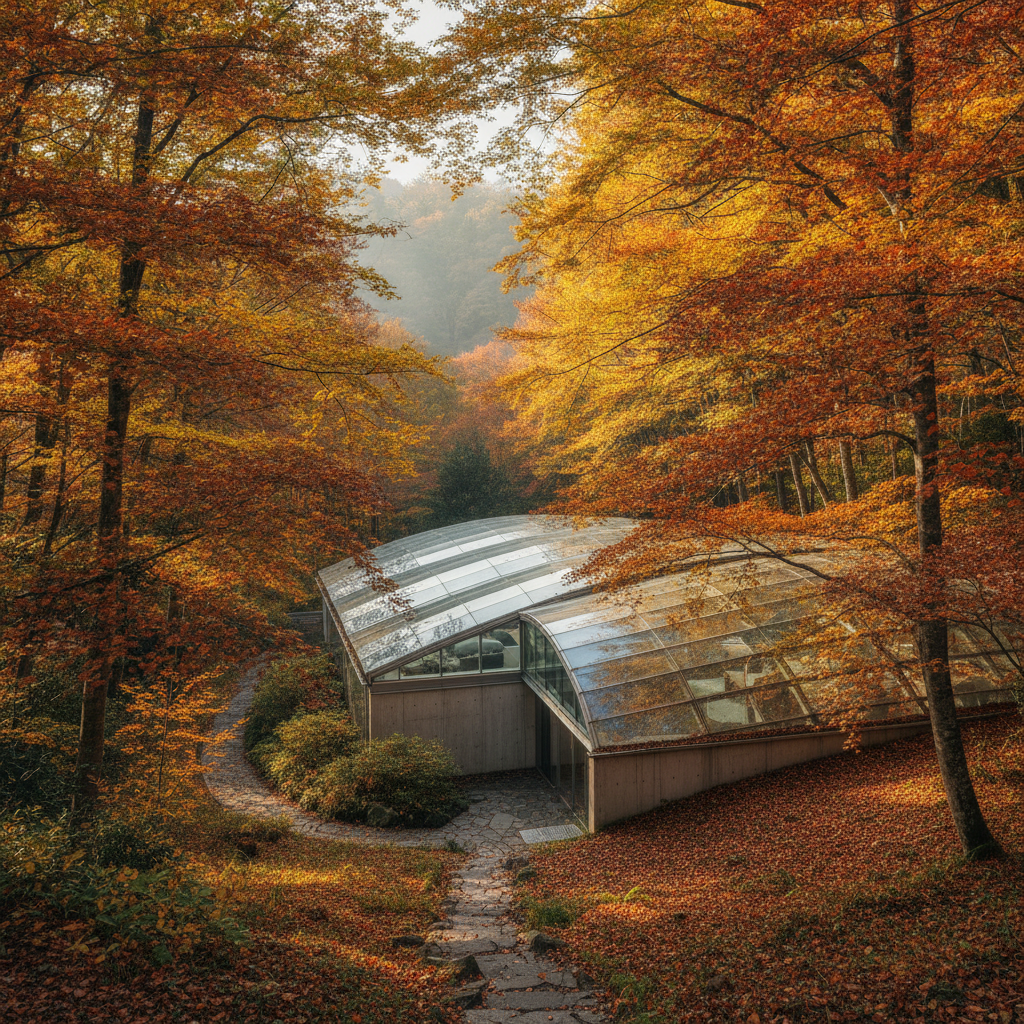
The Museum Sunk Below the Forest, the Anime City Built in a Caldera & the 1952 Imperial Villa That Now Charges ¥150,000 Per Night
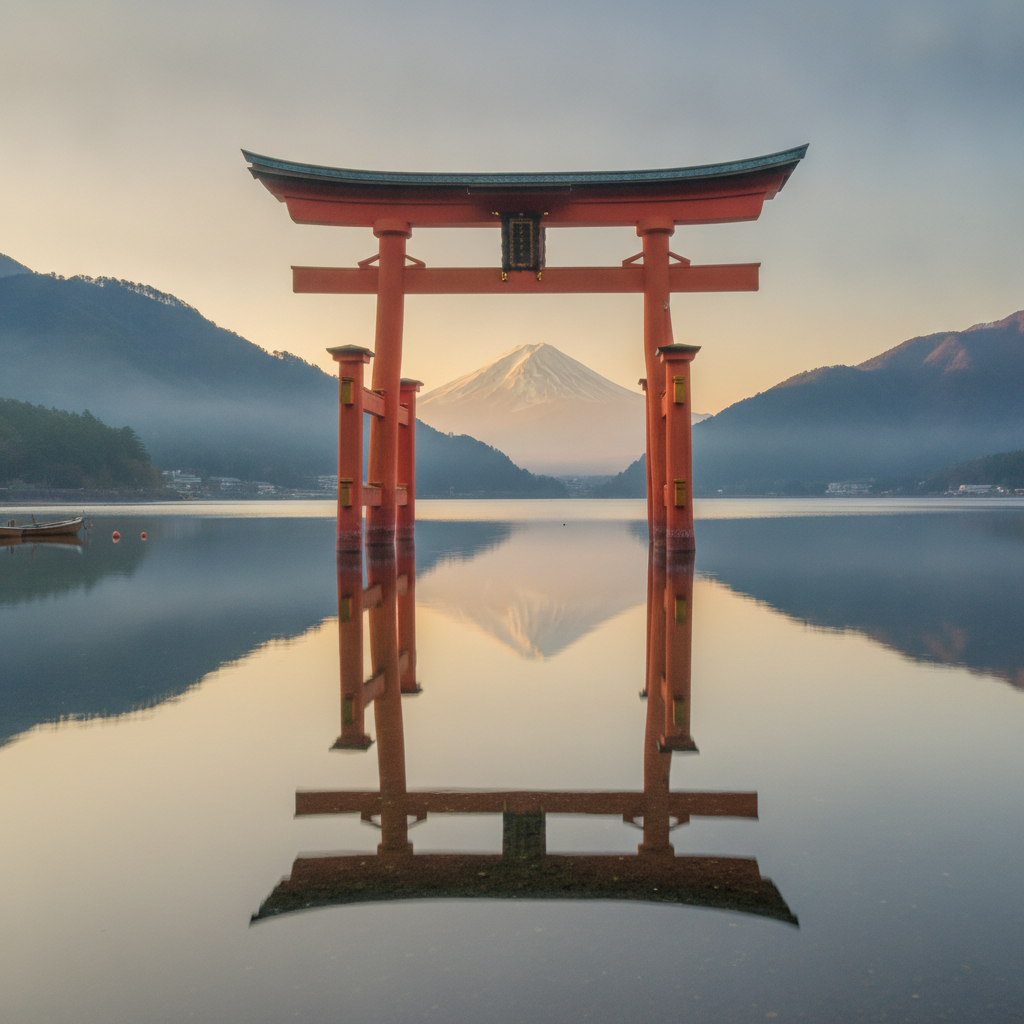
The Torii Gate in the Lake, the Black Egg That Adds 7 Years & the 1878 Hotel That Hosted Both Charlie Chaplin and John Lennon
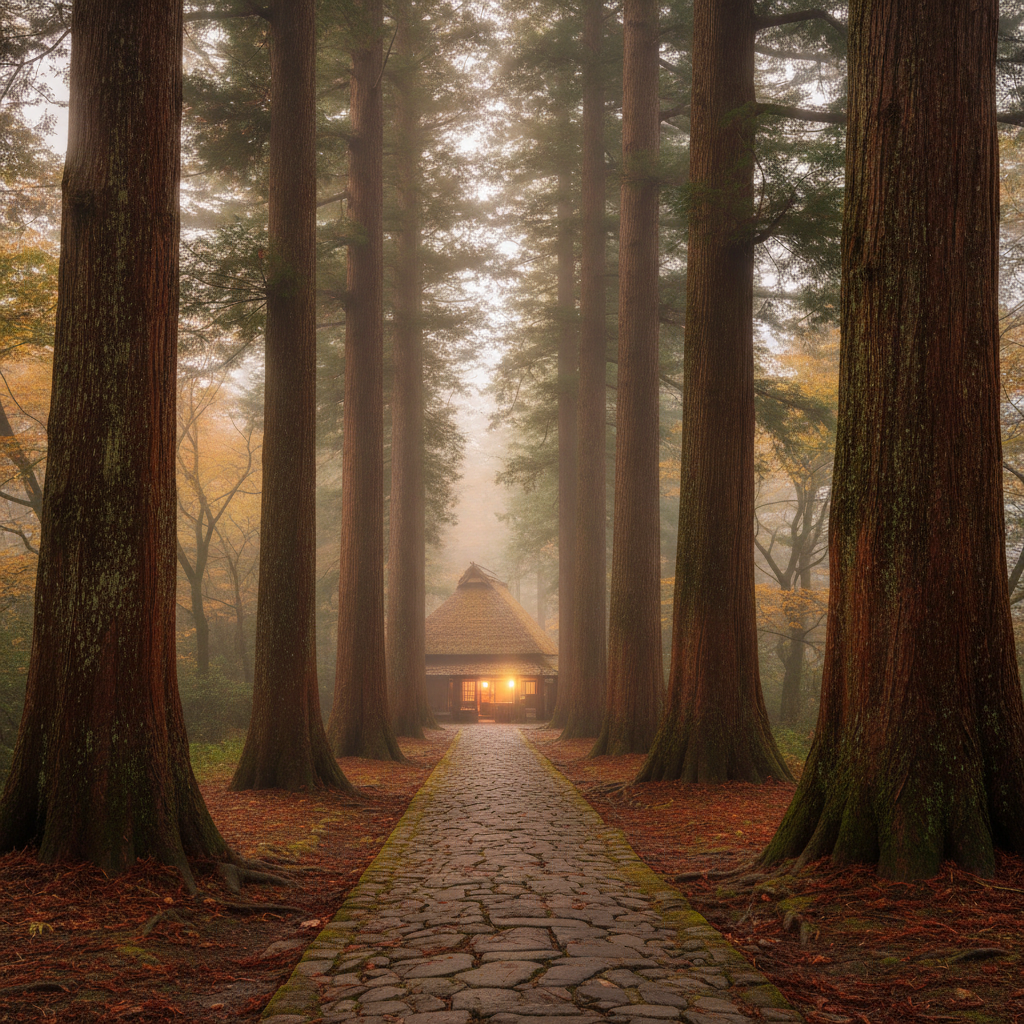
The Caldera That Collapsed Three Times, the Pampas Grass Plain & the Teahouse That Has Served Sweet Rice Drink Since the Same Year the Checkpoint Opened
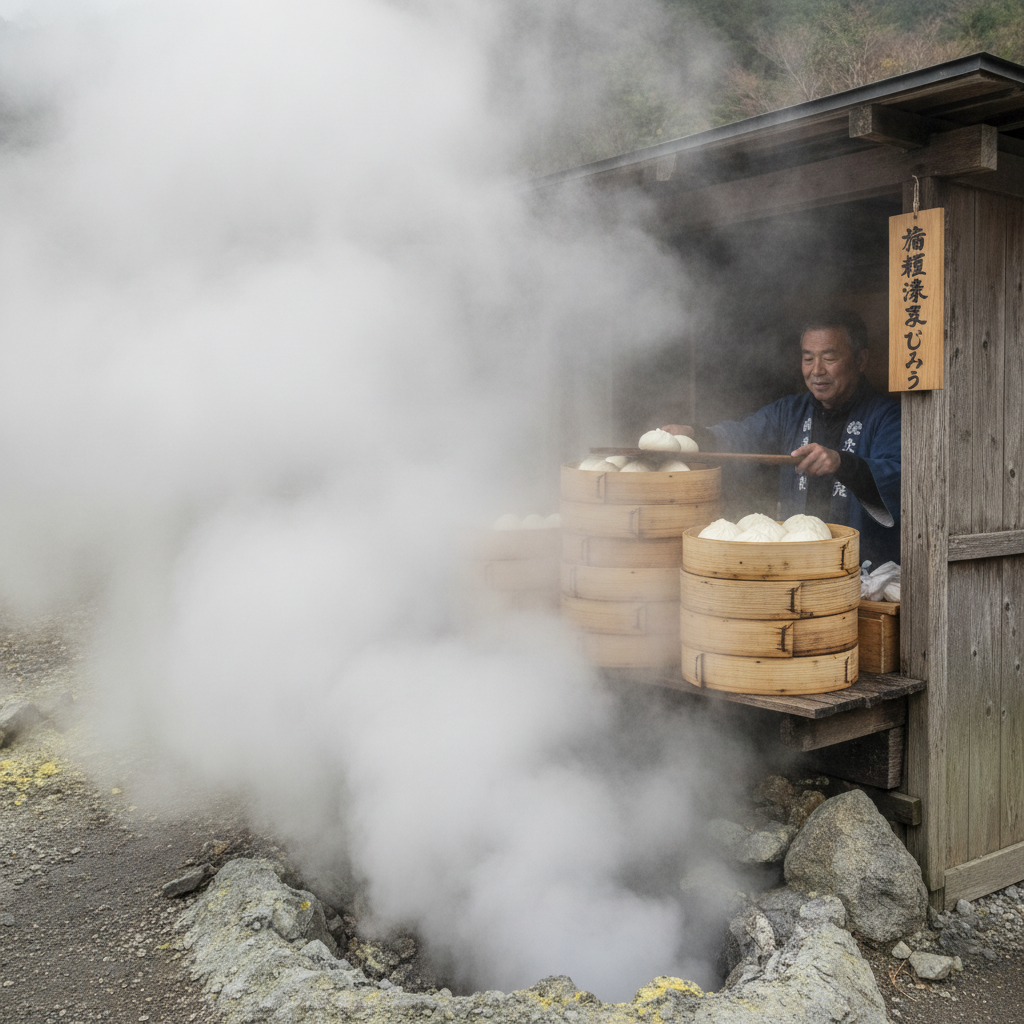
The Free Pass Breakeven Analysis, the 15-Month Ropeway Closure That Cost ¥20 Billion & the Tozan Railway Running on 100% Renewable Electricity Since 2021