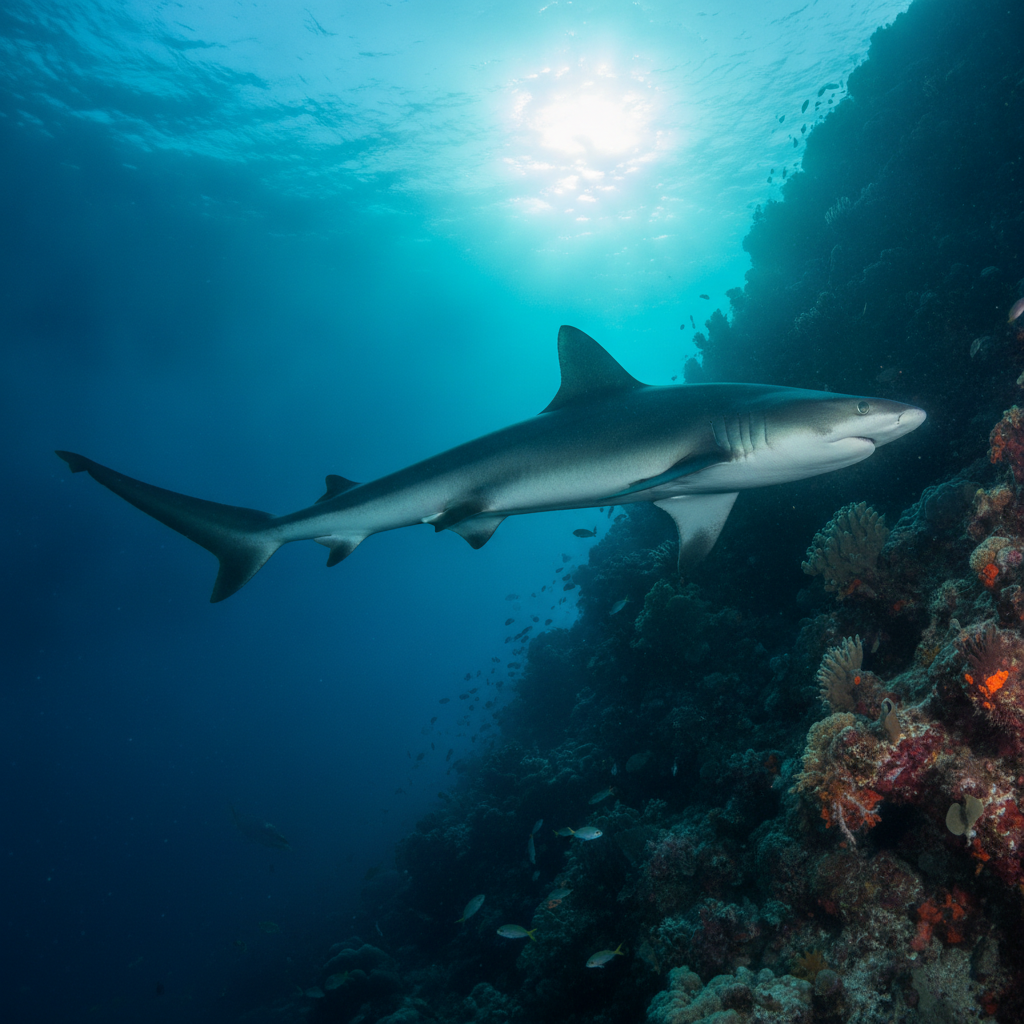

Boracay After Dark: Bioluminescent Plankton at Puka Beach, Firefly Mangroves at Caticlan & the Thresher Sharks of Yapak at Dawn
The 06:00 Station 1 empty beach photography before the crowds arrive versus the 18:15 Station 2 fire dancer sunset that everyone photographs; Kalibo's Ati-Atihan festival as the original template for Sinulog and Dinagyang—both now larger but less traditionally authentic than the January original; Yapak Wall at 35 metres as the most dramatic dive accessible from any Philippine mass-tourism beach destination; the Paraw Regatta's 30+ years as the longest-running traditional boat race in the country; banning plastic straws in 2019 with imperfect but measurable results; and Puka Beach at midnight with Noctiluca bioluminescence turning breaking waves blue while the Milky Way operates overhead with near-zero light pollution.
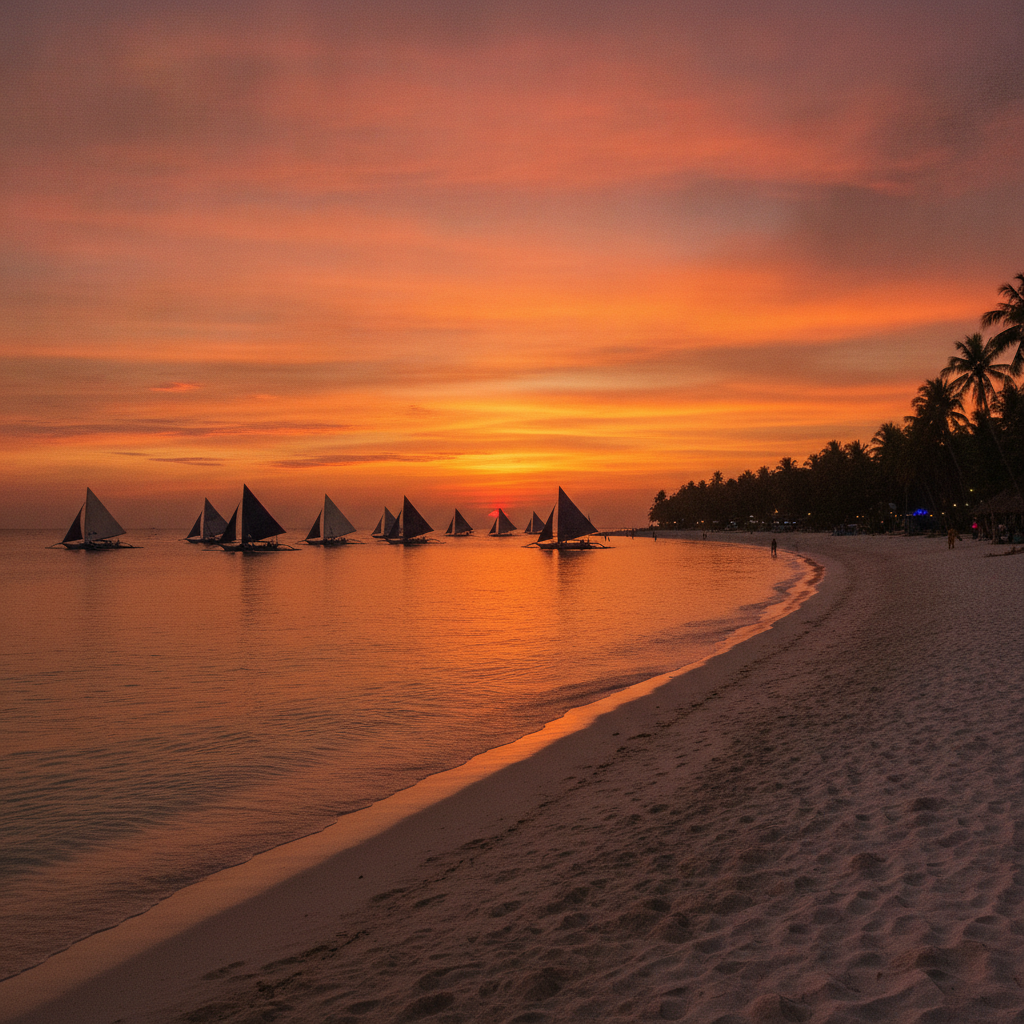
Boracay: The 4km White Sand Beach Duterte Called a 'Cesspool' Then Closed for 6 Months to Fix
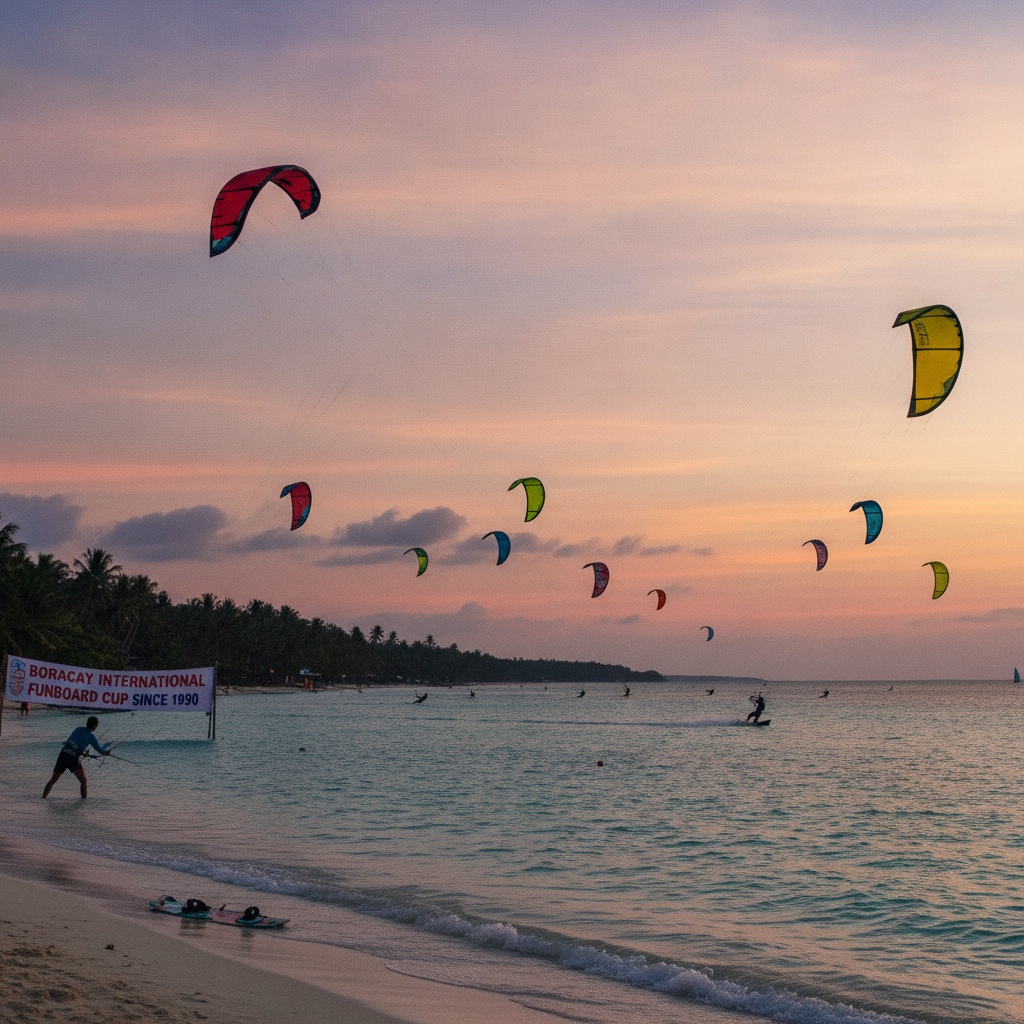
White Beach's silica-rich sand stays cool even in direct sun—why it's appeared in every best-beach list for 40 years; the 2018 closure removing 400 illegal shoreline structures and installing the sewage system that had been dumping E. coli at 100× safe limits directly into the beach water where tourists were swimming; Puka Shell Beach's 200 daily visitors versus White Beach's 6,000; Bulabog Beach's consistent November–April trade winds for Asia's longest-running kiteboarding competition since 1990; the sunset paraw silhouette at 17:00 that is the most reproduced single Boracay image; and the midnight curfew and music restrictions that most regular visitors regard as improvements.
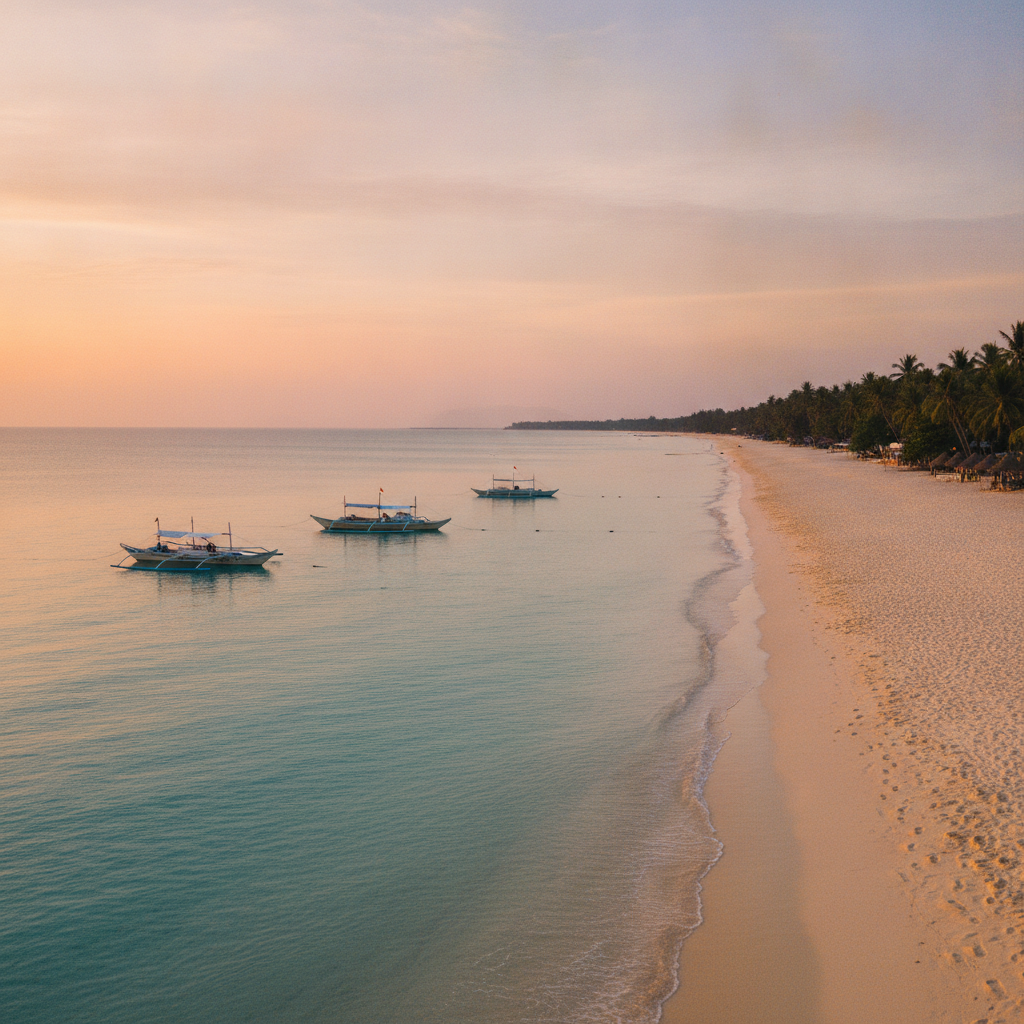
Boracay at Its Best: Environmental Recovery's 40% Coral Improvement, Hilot Coconut-Oil Massage & the Habagat Season Mistake Every Tourist Makes
E. coli at 100× safe limits before the 2018 closure falling to within DENR standards within 6 months of the sewage installation—the most cited environmental rehabilitation data point in Southeast Asian coastal management; 40% relative coral cover improvement at Yapak and Friday's Rock between 2017 and 2020; the Ati community's BIATF cultural programme as the most honest way to spend money on the island; Whitehaven Beach's 98% silica versus Boracay's coral composite—different textures, both great, but Boracay is 4 hours from Shanghai and Whitehaven requires 2 planes from anywhere in Asia; the habagat mistake of arriving in September for the beach; and Station 3's high tide that reduces the beach to standing-room-only while the cheap room rate seems a good deal.
Boracay's Full Picture: Ati Ancestral Displacement, Carabao Island's Escape Reef & the 6,000/Day Cap That Allows 10,000
The Ati Negrito people whose ancestral domain over Boracay was progressively replaced by resort development from the 1970s—30 families remaining in the island interior with unresolved land claims after the 2018 rehabilitation's unfulfilled commitments; Crystal Cove's sea caves and Carabao Island's two hours south as the most recommended escapes from Boracay's own crowds; Jonah's Fruit Shake institution from 1993 launching a shake culture where the mango versus banana argument remains unresolved; Discovery Shores at Station 1 versus Station 3 hostels on the same 4km beach; and the BIATF 6,000/day cap regularly exceeded by 70% during peak season while the model is being applied to El Nido and Siargao as proactive protection.
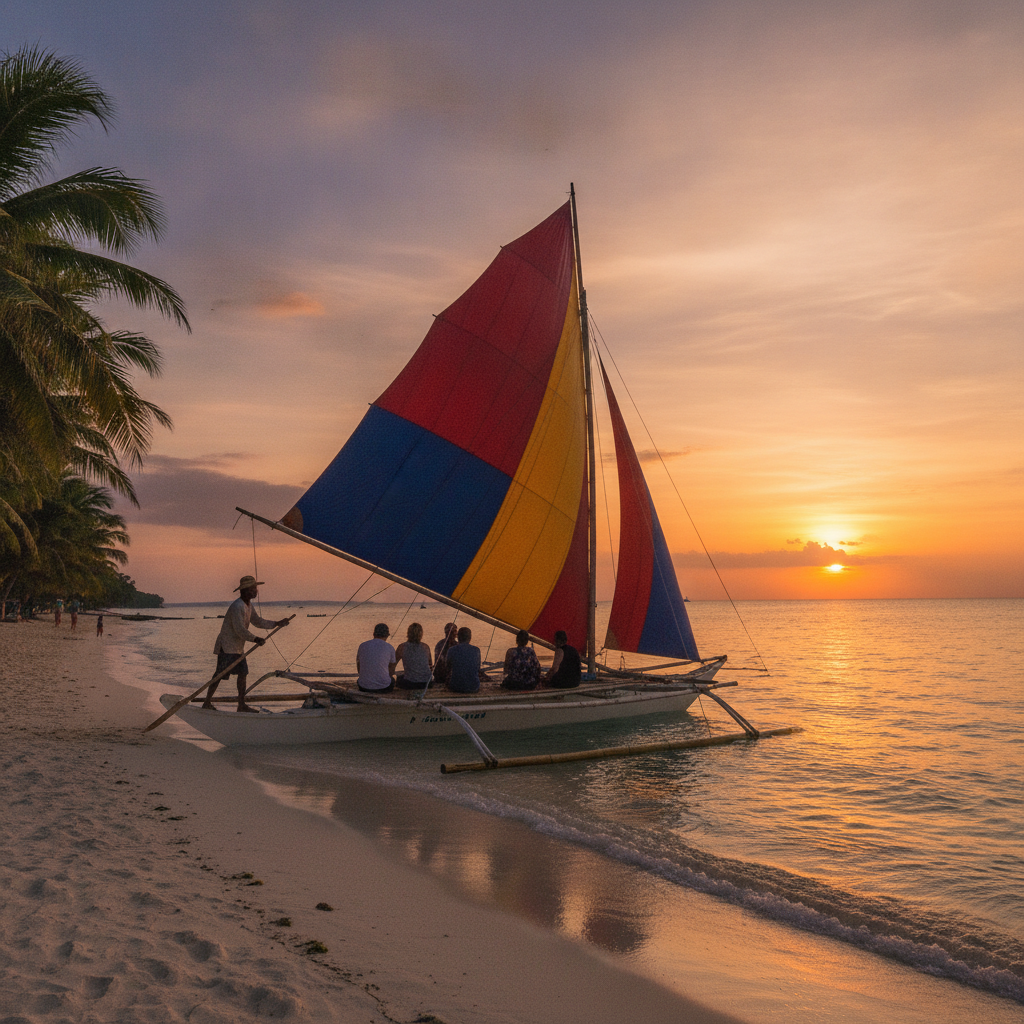
Boracay's Full Arc: 1970s Backpacker Floor-Sleeping to 2 Million Annual Visitors to Duterte's Cesspool Closure—Was the Second Chance Used Well?
From 800 Ati and Visayan fishing families in 1975 to 560 accommodation establishments by 2017—the most compressed tourism development in Southeast Asian history, achieved in 40 years what the Costa del Sol needed 60; the bangca builders of Aklan province reduced from 300 in 1970 to fewer than 40 today as outboard motors replaced the traditional construction knowledge; the expat community's 500–800 permanent residents in the island interior at PHP 20,000/month apartments while tourists pay PHP 8,000/night resorts 200 metres away; isaw intestines on a stick with spiced vinegar as the authentic culinary counterpoint to the mango shake; 2,000 coral fragments transplanted since 2019 as education more than ecological solution; and the honest verdict that Boracay is the Philippines' most complete beach package—not the most pristine, dramatic, or authentic, but the most reliably deliverable.
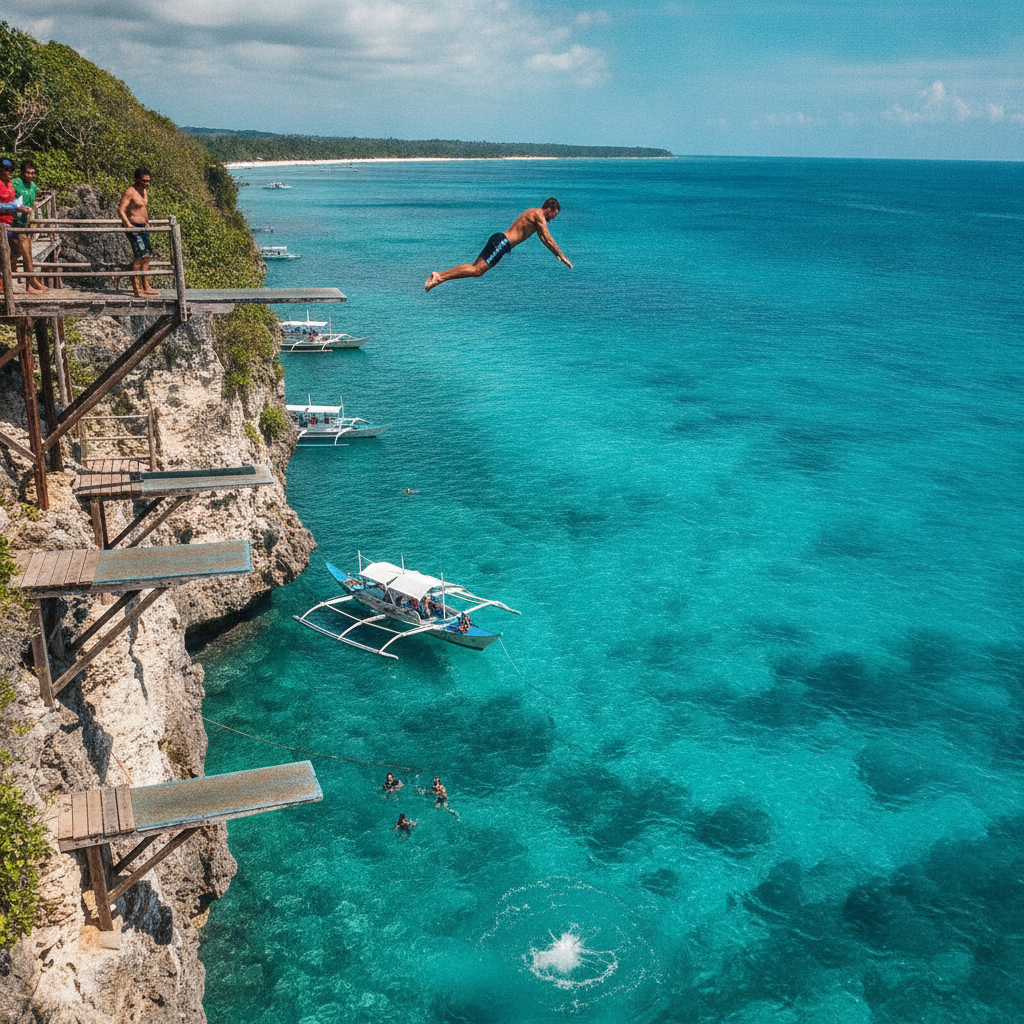
Boracay's Interior: 22,000 Residents Sharing 10km² with 6,000 Daily Tourists, 3,000 Annual Beach Weddings & Asia's Oldest Kiteboarding Competition
The 05:00 wet market in Barangay Balabag where the actual Boracay operates—the version the beach promenade never shows; the habagat season's counterintuitive advantage (30–50% fewer visitors, cheaper prices, and Bulabog Beach actually calmer in the southwest monsoon); Ariel's Point 15-metre cliff jump 40 minutes north by bangca; the PHP 500,000 Discovery Shores sunset wedding versus the PHP 15,000 beach arch package for the same ceremony location; the 2,000 IKO-certified kitesurfers trained annually at Bulabog's school cluster; and the Boracay arc—why day 3 is always the best day and why most visitors extend beyond their original departure date.