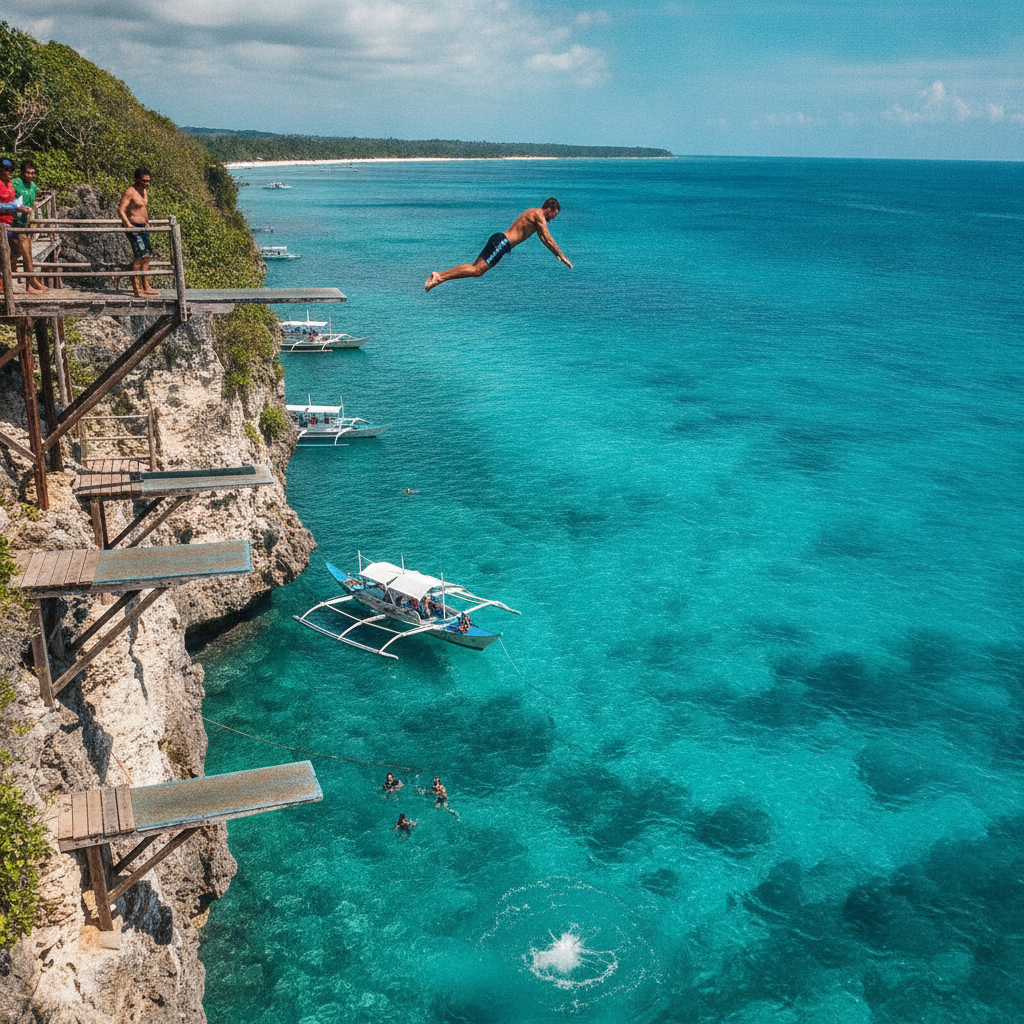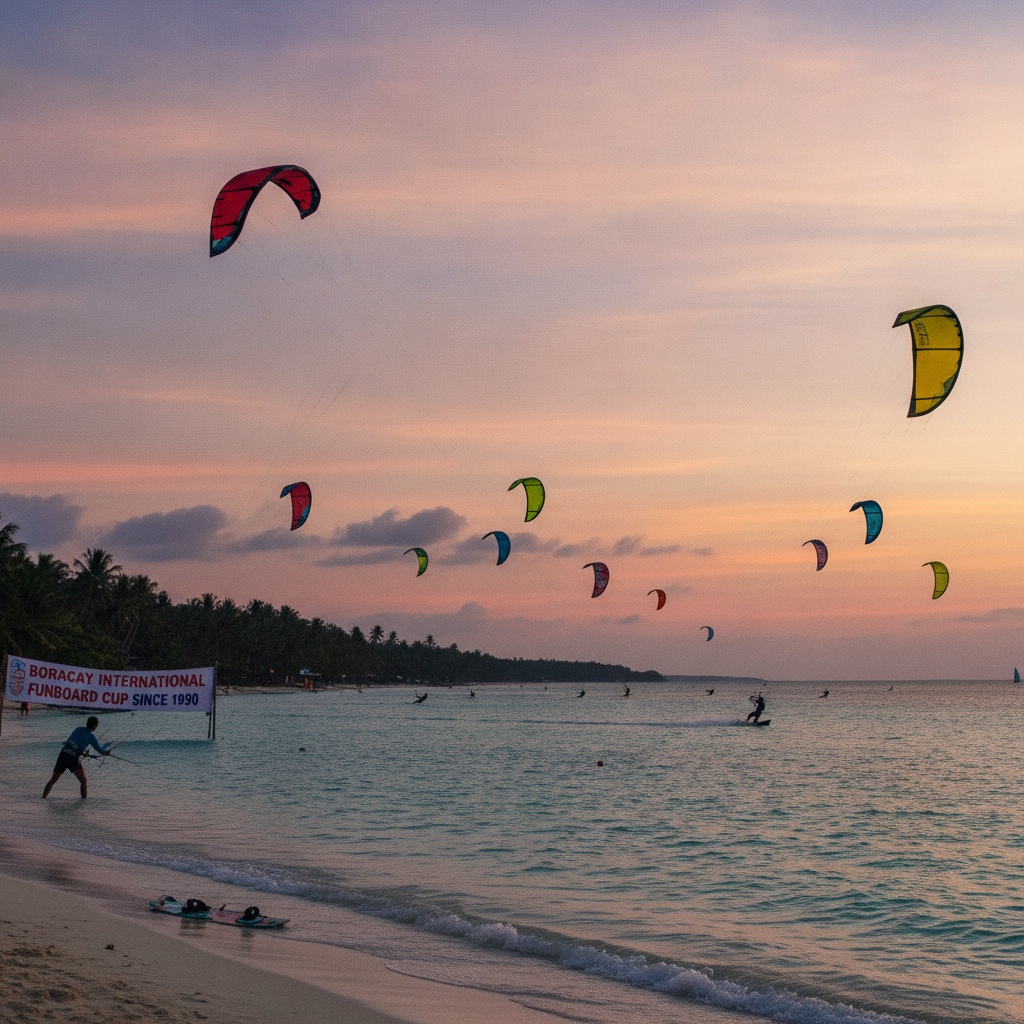
Boracay's Full Picture: Ati Ancestral Displacement, Carabao Island's Escape Reef & the 6,000/Day Cap That Allows 10,000
The Ati Negrito people whose ancestral domain over Boracay was progressively replaced by resort development from the 1970s—30 families remaining in the island interior with unresolved land claims after the 2018 rehabilitation's unfulfilled commitments; Crystal Cove's sea caves and Carabao Island's two hours south as the most recommended escapes from Boracay's own crowds; Jonah's Fruit Shake institution from 1993 launching a shake culture where the mango versus banana argument remains unresolved; Discovery Shores at Station 1 versus Station 3 hostels on the same 4km beach; and the BIATF 6,000/day cap regularly exceeded by 70% during peak season while the model is being applied to El Nido and Siargao as proactive protection.
- 1
Boracay's Coral Triangle Connection – Marine Biodiversity
Boracay sits within the Coral Triangle (the oceanic zone encompassing the Philippines, Indonesia, Malaysia, Papua New Guinea, Solomon Islands, and Timor-Leste—the most biodiverse marine region on Earth, with 76% of all known coral species and 37% of all coral reef fish species). The Boracay marine environment: Boracay's coral reef system (surrounding the island—the best reefs are on the south and north coasts, away from the main White Beach tourist traffic) supports over 200 fish species and has approximately 25% live coral cover (damaged by the pre-closure sewage pollution and by physical anchor damage from the tour boat industry, but recovering since 2018). The Yapak dive site (northwest Boracay): the most advanced dive site accessible from Boracay—a deep wall dive (30–40+ metres) with regular sightings of thresher sharks at the wall's upper edge in the early morning; similar to the Malapascua thresher shark site but less reliably productive.
- 2
Boracay's Pre-Tourism History – The Ati People
The Ati (the indigenous Negrito people of Boracay and the adjacent Panay island mainland—related to the Aeta of Luzon and the Batak of Palawan, considered among the oldest human communities in Southeast Asia)—are the original inhabitants of Boracay Island, who were progressively displaced from the prime beachfront land as tourism development expanded from the 1970s onward. The Ati community: approximately 30 Ati families remain on Boracay, living in the interior of the island and the northern areas away from the tourism strip; their legal claim to ancestral domain over parts of Boracay has been contested by property developers, the national government, and the municipal government since the 1990s. The 2018 closure and the Ati: the rehabilitation programme included recognition of Ati community rights—the BIATF committed to designating Ati ancestral land within the island, though implementation has been incomplete. The broader Ati situation in Panay: the Ati are among the most marginalised indigenous communities in the Philippines—their traditional forest territories on the Panay mainland have been reduced to fragments by agricultural expansion.
- 3
Boracay Restaurants & the Food Evolution
Boracay's restaurant scene—which evolved from basic beach shacks in the 1970s to a full international dining landscape by 2019—reflects the island's transformation from a backpacker destination to a mainstream international resort. The D'Mall food cluster: D'Mall (Station 2) houses the most concentrated restaurant selection—Jonah's Fruit Shake and Snack Bar (the institution since 1993 that launched the Boracay fruit shake culture—the mango shake being the most ordered drink on the island), Smoke (for BBQ), Real Coffee and Tea Café (the Filipino breakfast institution). The beachfront dining: the tables on White Beach sand at sunset are the most atmospheric setting on the island—the chairs in the water at Station 1 (a tradition where restaurants place tables in the shallow water at the beach edge). The Boracay food identity: the island has developed a specific food culture around the combination of fresh seafood (the catch from the island's fishing fleet, available grilled at the beach restaurants), tropical fruit (the Boracay banana shake is argued to be superior to the mango), and the standard Filipino comfort food (chicken inasal, grilled pork liempo, pancit).
- 4
Boracay Accommodation Spectrum – Backpacker to Luxury
The Boracay accommodation market—compressed into a 10.3 km² island—has one of the highest accommodation densities of any Philippine tourism destination: approximately 300 registered accommodation establishments ranging from PHP 500/night dormitory beds to PHP 50,000+/night private villa suites. The Station hierarchy: Station 1 (the luxury end—Shangri-La Boracay Resort & Spa, Discovery Shores, Crimson Resort; private beach sections, pools, spa, premium prices); Station 2 (the mid-range—Boracay Regency, Nigi Nigi Nu Noos, hundreds of smaller boutique hotels; the most convenient for restaurants and activities); Station 3 (the budget end—hostels, guesthouses, family-run accommodation; narrowest beach, most local character). The post-closure changes: several properties in illegal easement positions were demolished and not rebuilt; the new BIATF-compliant properties have setbacks from the waterline required by law. The reservation pressure: Boracay accommodation books out 3–6 months in advance for Christmas–New Year week (December 23–January 3) and the Holy Week (Semana Santa—March/April), the two peak periods when the 6,000/day visitor cap creates genuine scarcity.
- 5
Island Hopping from Boracay – Nearby Islands & Reef Tours
The island-hopping tours from Boracay—a different experience from El Nido's limestone karst circuit, focused more on coral reefs, sea caves, and mangrove channels than on dramatic lagoon scenery—are the primary non-beach activity for Boracay visitors. The standard circuit: Crystal Cove Island (a privately managed day-trip island 15 minutes by bangca south of Boracay—a developed islet with two sea caves, a swimming area, and a restaurant; PHP 250 entrance fee); Crocodile Island (a small limestone outcrop south of Boracay named for its crocodile silhouette profile, surrounded by a good snorkelling reef); the Bat Cave (a limestone cave on the south coast accessible by bangca and a short walk, housing a colony of fruit bats). The Carabao Island option (2 hours by boat south of Boracay—requires a half or full day): a much less visited island with excellent snorkelling reefs and one beach community with basic accommodation—the destination most recommended by long-term Boracay residents for escaping the crowds.
- 6
Boracay's Future – Sustainable Tourism & the Next Island
The Boracay model post-2018—the most discussed tourism rehabilitation case study in Southeast Asia—has produced a template that the Philippine government (DOT, DENR, and BIATF) is attempting to apply to other threatened destinations (El Nido, Siargao). The measurable improvements: water quality (E. coli now within safe limits year-round in most test points); beach width (increased by average 10 metres after removal of illegal structures); nighttime noise (reduced to levels that allow sleeping on the beach strip after midnight). The unresolved issues: the visitor cap (6,000/day) is poorly enforced—actual daily visitor counts regularly exceed 10,000 in peak season; the Ati land rights issue remains unresolved; the solid waste management system (improved but still generating significant plastic waste); and the labour displacement effect (the 6-month closure cost 36,000 jobs, and several thousand workers did not return after reopening). The Siargao comparison: Typhoon Odette (December 2021) devastated Siargao—the Philippines' most important surf destination—and the subsequent rebuilding has used the Boracay rehabilitation model as a reference point for building back with better environmental standards. The next island: the Philippine tourism system continues to produce 'next Boracay' destinations every 5–10 years as visitor pressure overwhelms each new frontier; the challenge is whether the Boracay rehabilitation model can be applied proactively rather than reactively.
Walk this route with audio
Stories play automatically as you reach each stop — no tapping needed.
More in Boracay
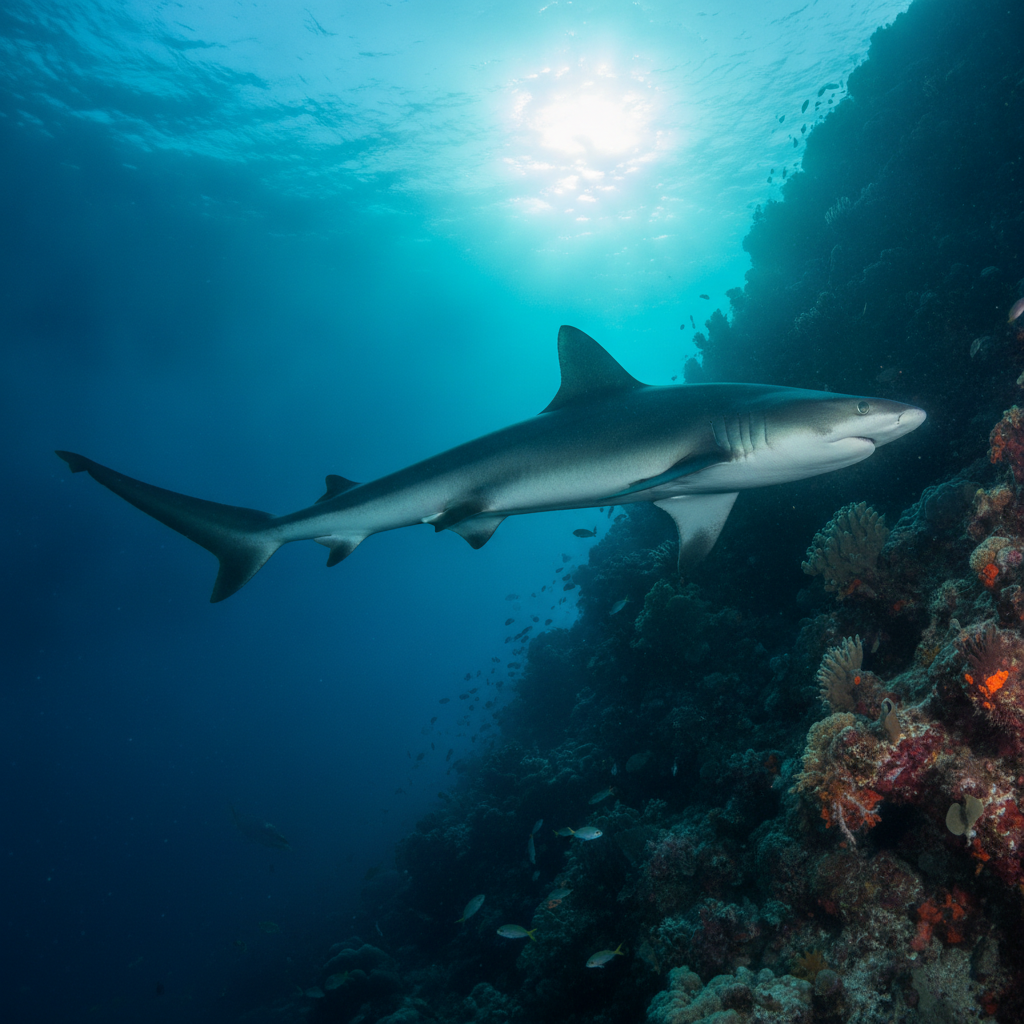
Boracay After Dark: Bioluminescent Plankton at Puka Beach, Firefly Mangroves at Caticlan & the Thresher Sharks of Yapak at Dawn
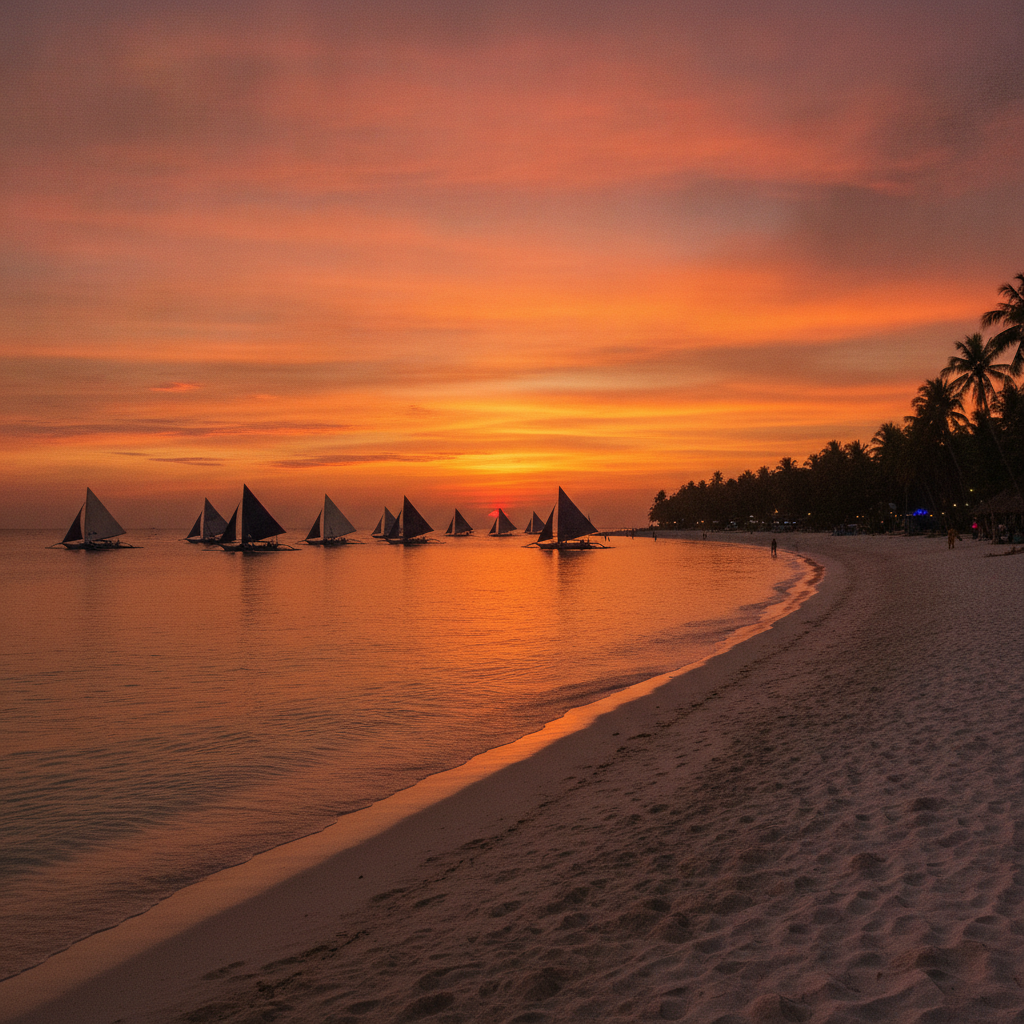
Boracay: The 4km White Sand Beach Duterte Called a 'Cesspool' Then Closed for 6 Months to Fix
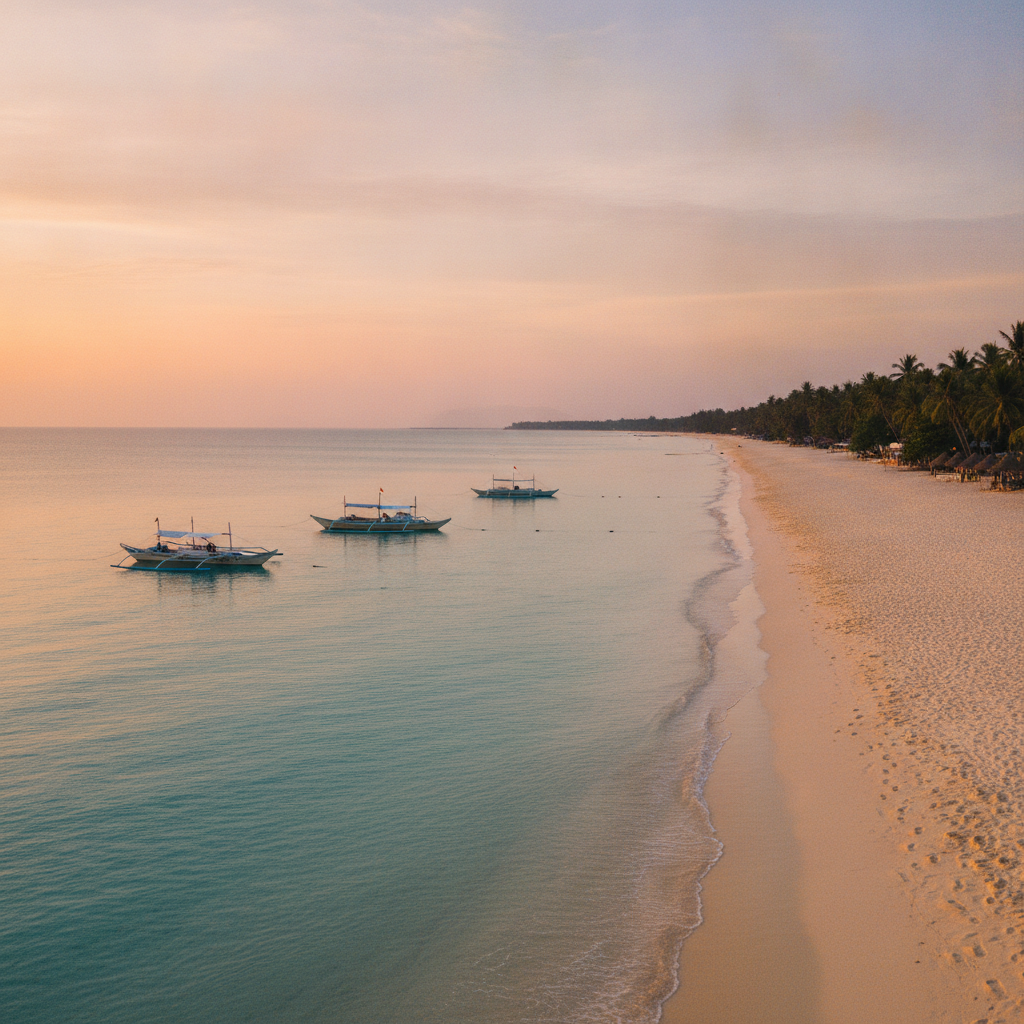
Boracay at Its Best: Environmental Recovery's 40% Coral Improvement, Hilot Coconut-Oil Massage & the Habagat Season Mistake Every Tourist Makes
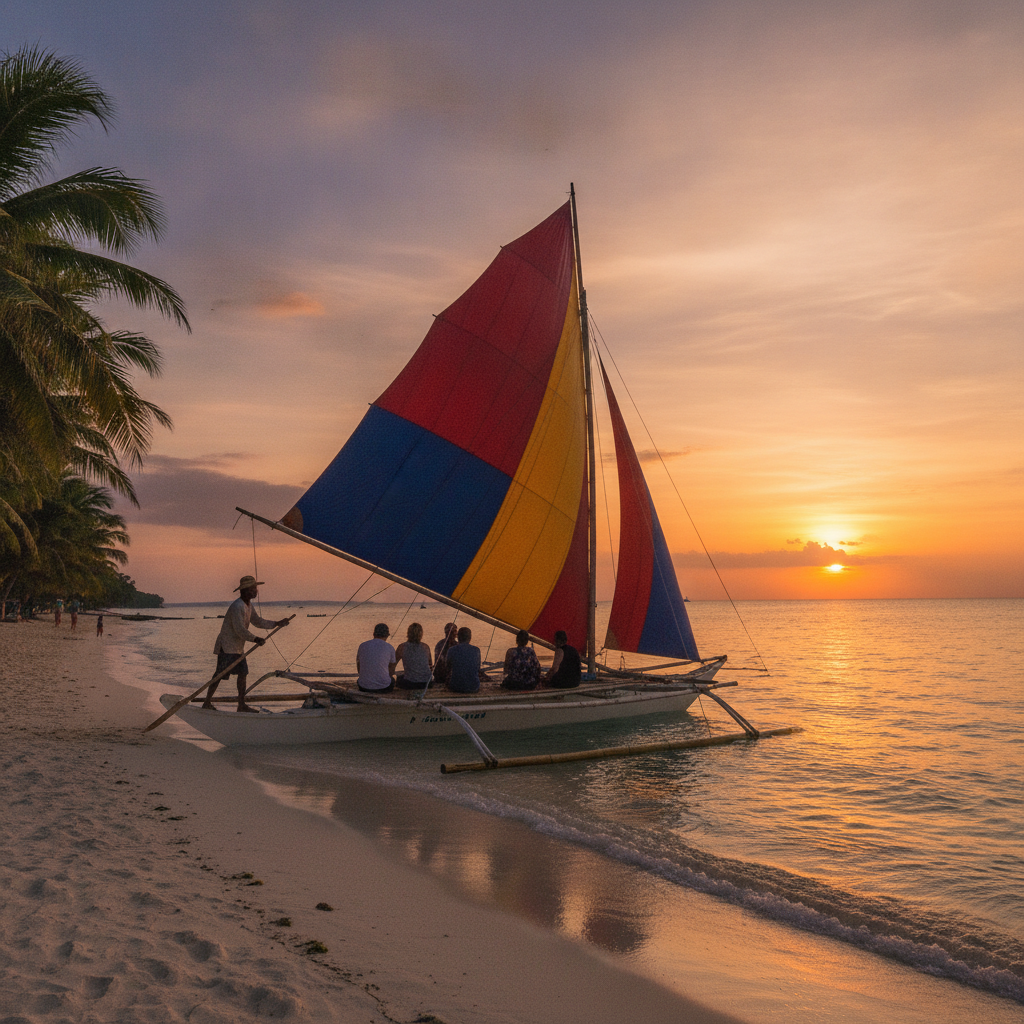
Boracay's Full Arc: 1970s Backpacker Floor-Sleeping to 2 Million Annual Visitors to Duterte's Cesspool Closure—Was the Second Chance Used Well?