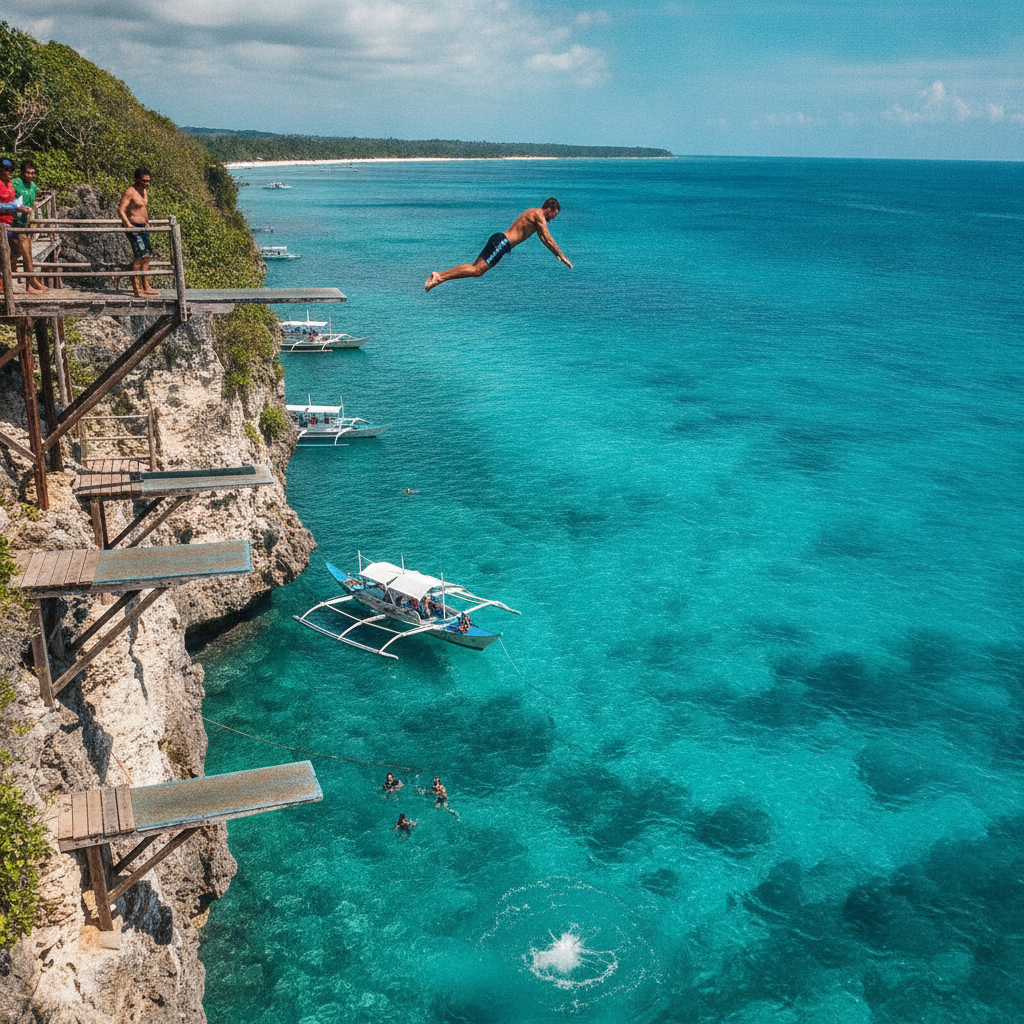
Boracay After Dark: Bioluminescent Plankton at Puka Beach, Firefly Mangroves at Caticlan & the Thresher Sharks of Yapak at Dawn
The 06:00 Station 1 empty beach photography before the crowds arrive versus the 18:15 Station 2 fire dancer sunset that everyone photographs; Kalibo's Ati-Atihan festival as the original template for Sinulog and Dinagyang—both now larger but less traditionally authentic than the January original; Yapak Wall at 35 metres as the most dramatic dive accessible from any Philippine mass-tourism beach destination; the Paraw Regatta's 30+ years as the longest-running traditional boat race in the country; banning plastic straws in 2019 with imperfect but measurable results; and Puka Beach at midnight with Noctiluca bioluminescence turning breaking waves blue while the Milky Way operates overhead with near-zero light pollution.
- 1
Boracay Photography – Chasing the Perfect Shot
Boracay is among the most photographed islands in Southeast Asia—the combination of the white sand, the blue-green water, the paraw silhouettes, and the quality of the tropical light produces naturally compelling images that professional photographers and Instagram travellers pursue with equal dedication. The golden hour at Station 1: the early morning golden hour (06:00–07:30) on White Beach before the crowds arrive produces the most dramatic lighting for beach photography—the long shadows on the white sand, the warm light on the water, the occasional local fisherman pulling a bangca up the beach. The sunset at Station 2: the 18:00–18:30 window at Station 2 produces the most crowded but most spectacular sunset photography—the fire dancers begin their warm-up, the paraw boats are silhouetted against the orange sky, and the beach bars are lighting their torches. The drone perspective: Boracay from the air—the narrow island visible as a thin strip of land with white sand on both sides (White Beach to the west, Bulabog Beach to the east), surrounded by the South China Sea—is the most dramatically illustrative single image of the island's geography; drone permits from CAAP (Civil Aviation Authority of the Philippines) are required but straightforward for recreational use.
- 2
Aklan Province – Boracay's Mainland Context
Boracay Island is administratively part of Malay municipality, Aklan province, Western Visayas—a context that most Boracay visitors never encounter because the island is the destination and the mainland is merely the transit point. Aklan province: a predominantly agricultural province (rice, coconut, pineapple—Aklan's Sinamay fabric, woven from abacá fibre, is the traditional textile used for the Ati-Atihan festival costumes and the formal barong Tagalog clothing of the region); the provincial capital Kalibo is famous for the Ati-Atihan festival (January—the oldest festival in the Philippines, a carnival-like street festival with costumed dancers, drumming, and religious processions honouring the Santo Niño). The Ati-Atihan: the Kalibo Ati-Atihan (held annually on the third Sunday of January) is the template for the Sinulog (Cebu) and the Dinagyang (Iloilo)—the two larger festivals that have eclipsed the original in tourist attendance; the Kalibo version retains more traditional elements (the Ati community participation, the traditional drumming) than its more commercialised descendants. The day trip: a day trip from Boracay to Kalibo (1.5 hours by bus from Caticlan pier) combined with a visit to the Aklan River mangroves and the Bakhawan Eco-Park (a community-managed mangrove restoration site) provides the most substantive mainlanad context available to Boracay visitors.
- 3
Boracay Dive Sites – A Complete Guide for All Levels
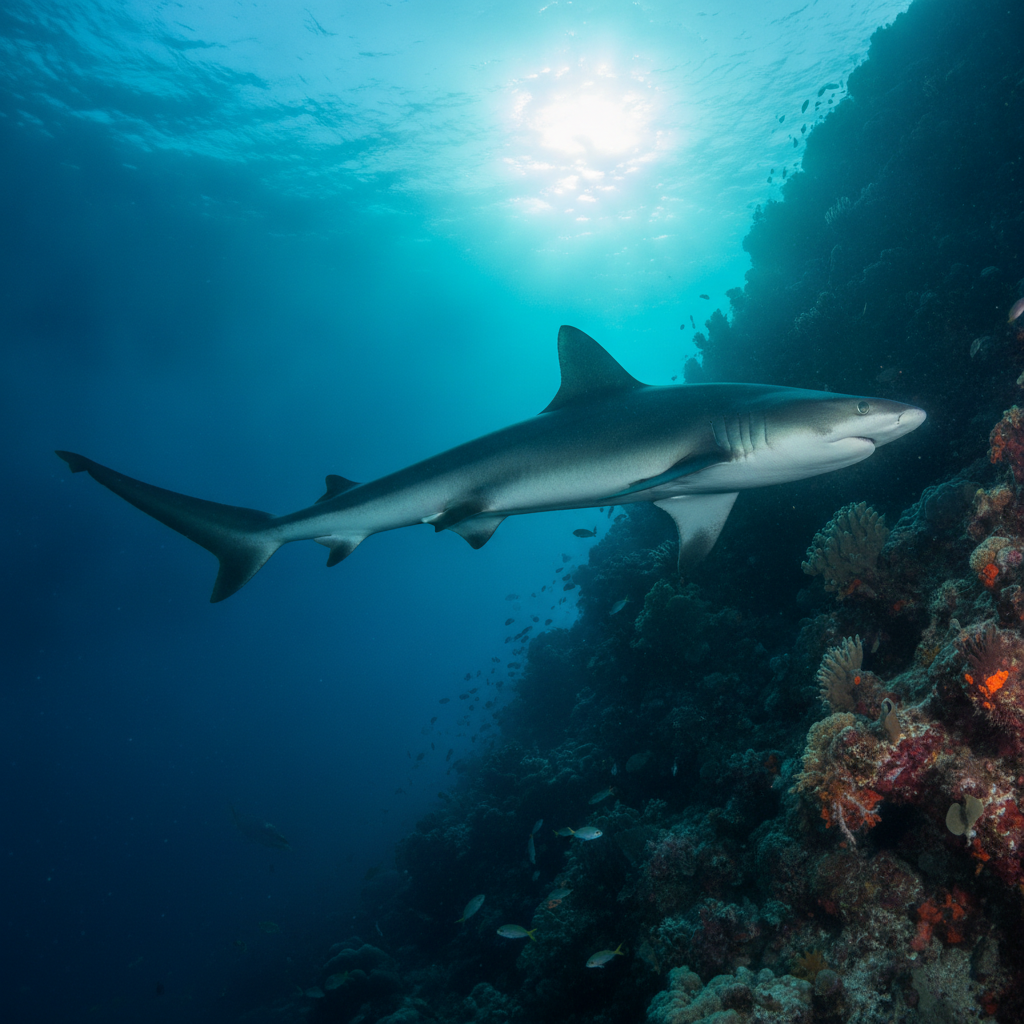
The Boracay dive sites—approximately 20 named sites accessible from Boracay, ranging from beginner-friendly shallow reefs to advanced deep walls—are organised by the island's 12+ PADI-registered dive shops into a structured programme that processes approximately 10,000 diver certifications and 50,000 fun dives per year. The beginner sites: the Coral Garden (4–12 metres depth, soft coral fields, excellent for open water check-out dives); Crocodile Island (5–18 metres, the best site accessible by bangca from White Beach, with good reef fish diversity including lionfish, moray eels, and occasional sea turtles). The intermediate sites: Friday's Rock (the most popular all-level site, 8–25 metres, a rocky outcrop covered in soft corals with resident frogfish, seahorses, and nudibranchs); Camia I and II (twin dive sites at 15–30 metres with mild current and good visibility—rated among the top 5 sites accessible from Boracay). The advanced site: Yapak (the headline Boracay site—a deep wall at 25–40+ metres on the northwest corner of the island, best dived at dawn at incoming tide, with regular sightings of thresher sharks, leopard sharks, and occasional hammerheads at the 30–40 metre range; requires Advanced Open Water certification minimum and ideally previous experience with deep current dives).
- 4
Boracay's Music & Arts Scene
Beyond the commercial entertainments of the White Beach strip, Boracay has developed a small but genuine live music and arts community. The live music: the acoustic music tradition at the Boracay beachfront restaurants (nightly live guitar and vocal performances at the Station 2 restaurants—the most atmospheric from 19:00 to 22:00 when the beach is lit by torches and the trade wind provides natural temperature control); the Boracay jam sessions (informal musician gatherings at the Nigi Nigi Nu Noos and a rotating series of bars); and the weekend open mic nights at the Station 1 boutique bar scene. The visual arts: the Boracay Art Market (a monthly outdoor market at D'Mall, featuring local painters, photographers, and craft-makers—the most concentrated display of local creative production on the island); the sand sculpture tradition (the White Beach sand sculptures created by resident artists who accept donations rather than formal commissions—the tradition dates from the 1990s and represents one of the few genuinely non-commercial creative expressions on the beach). The Boracay Paraw Regatta: the annual Boracay Paraw Regatta (held in February—the longest-running traditional boat race in the Philippines, with over 30 years of continuous operation) is the most significant cultural event on the island—a race of traditional outrigger sailing boats along the White Beach course, combining competitive sport with the preservation of the paraw building and sailing tradition.
- 5
Responsible Tourism at Boracay – How to Visit Better
The responsible tourism framework at Boracay—developed in the aftermath of the 2018 rehabilitation and implemented by the BIATF, the Boracay Foundation, and the local dive industry—provides the most structured responsible tourism guidance available at any Philippine resort destination. The environmental user fee (PHP 100/visitor/day): collected at the Cagban pier, directed to the BIATF environmental fund (mangrove restoration, reef monitoring, beach cleaning programme). The reef protection: the mooring buoy system (installed at all dive sites to eliminate anchor damage—previously the primary mechanical reef damage agent); the no-feed-the-fish rule enforced by all PADI dive shops; the reef distance rules (no touching or standing on coral, enforced by the dive industry's own quality control as reef damage directly reduces the product they sell). The single-use plastic: the Boracay post-rehabilitation plastic reduction programme (plastic straws banned in all restaurants and hotels since 2019; plastic bags banned since 2018; the results are imperfect—plastic enforcement is inconsistent—but the volume of visible plastic on the beach has measurably reduced). The honest assessment: responsible tourism at Boracay in 2024 means choosing accommodation and activities that comply with the BIATF environmental standards, diving with shops that enforce the no-touch rules, and paying the full environmental fee without attempting to avoid the queue.
- 6
Boracay at Night – Stars, Bioluminescence & the Mangrove Firefly Tour
The Boracay night experience extends beyond the White Beach bars and fire shows: the island's position in the Sibuyan Sea, relatively distant from major cities (the nearest large urban centre is Iloilo, 4 hours by sea), means that light pollution is low enough for serious star observation from the north beaches. Puka Beach at night: the 200-metre walk from the tricycle drop-off to Puka Beach in the dark (bring a torch) leads to a beach with near-zero artificial light—on a clear moonless night, the Milky Way is visible overhead and the phosphorescent plankton lights the wave edges with a blue glow (Noctiluca scintillans—the bioluminescent dinoflagellate that creates the 'blue tears' effect when agitated by wave action; most visible March–June, dependent on plankton bloom conditions). The firefly mangrove tour: the Caticlan mangrove river firefly tour (departing from the Caticlan pier at dusk, lasting 90 minutes by small boat through the mangrove channels of the Aklan River mouth—the firefly colonies in the mangrove trees create a natural light show that visitors consistently rate as among the most surprising experiences of a Boracay trip; booked through most Boracay travel agencies at PHP 800–1,200/person).
Walk this route with audio
Stories play automatically as you reach each stop — no tapping needed.
More in Boracay
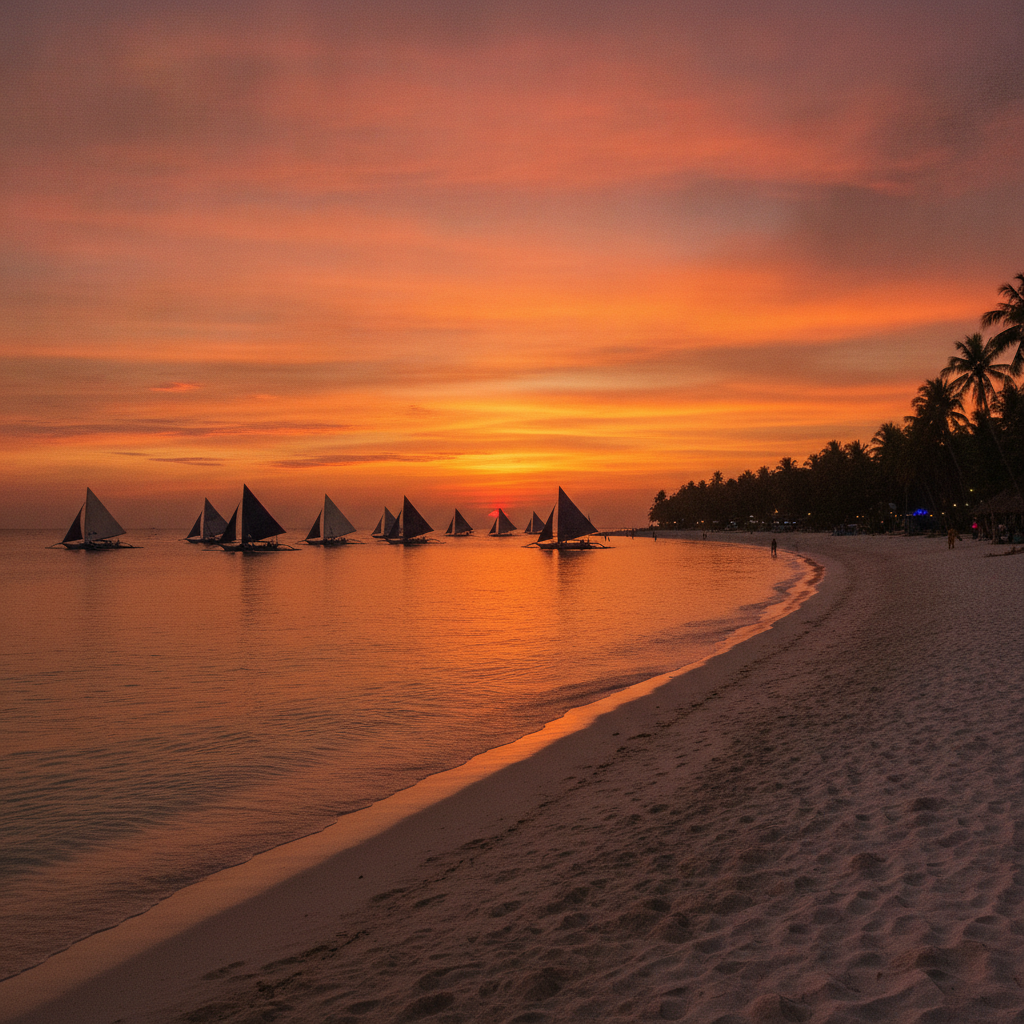
Boracay: The 4km White Sand Beach Duterte Called a 'Cesspool' Then Closed for 6 Months to Fix
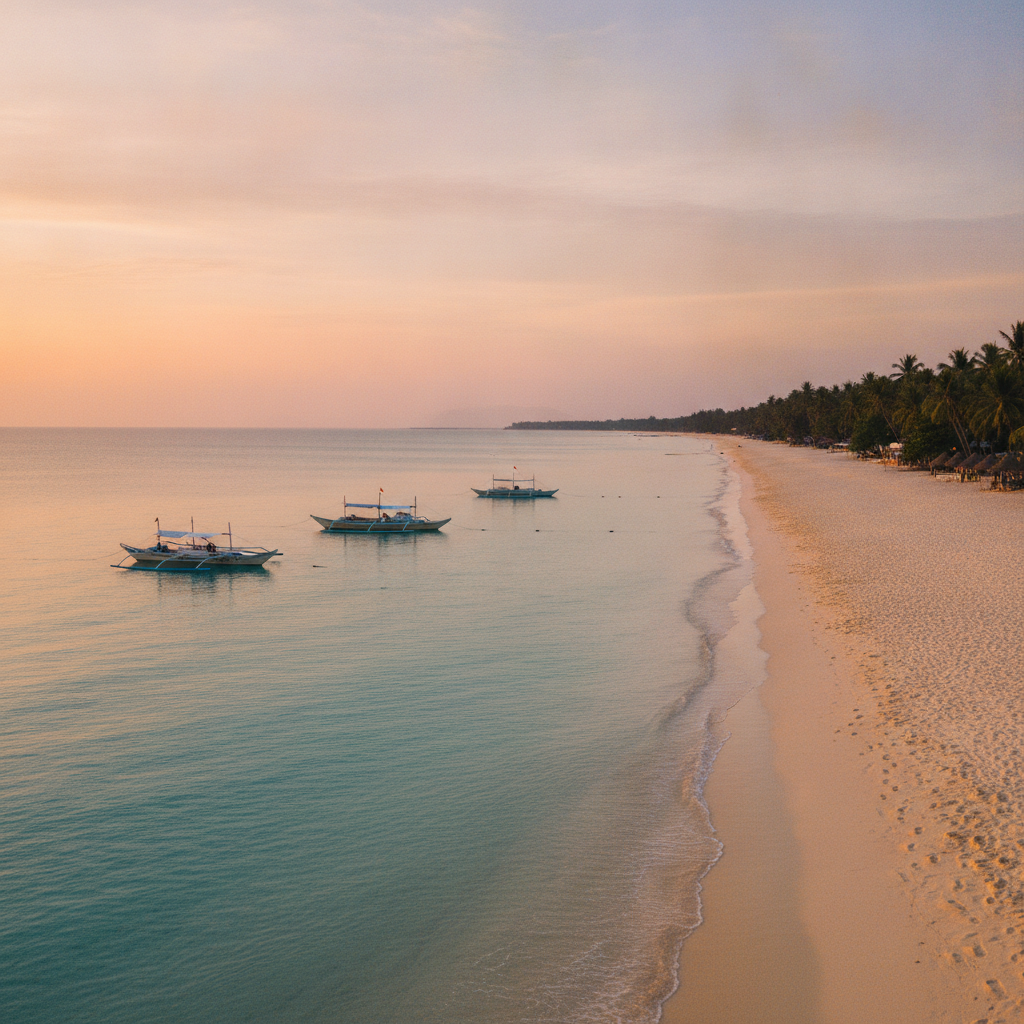
Boracay at Its Best: Environmental Recovery's 40% Coral Improvement, Hilot Coconut-Oil Massage & the Habagat Season Mistake Every Tourist Makes
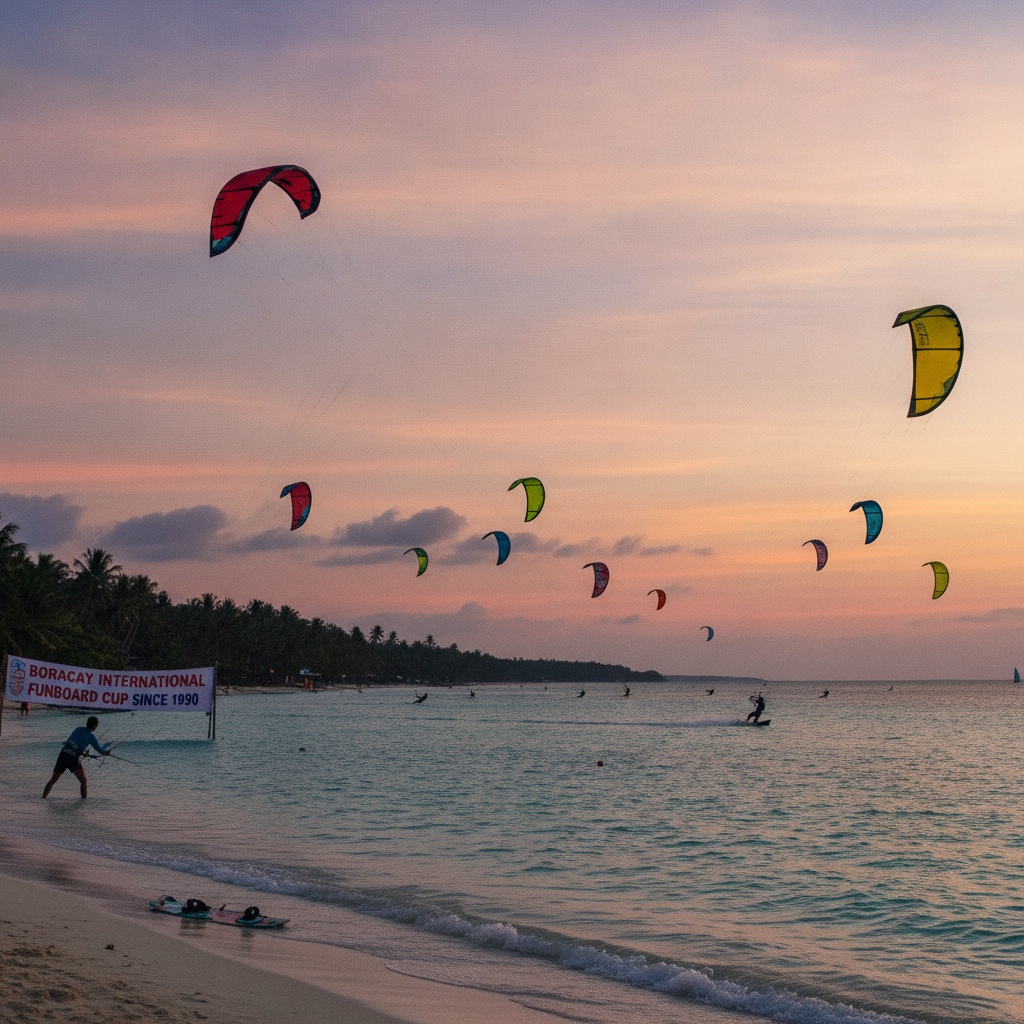
Boracay's Full Picture: Ati Ancestral Displacement, Carabao Island's Escape Reef & the 6,000/Day Cap That Allows 10,000
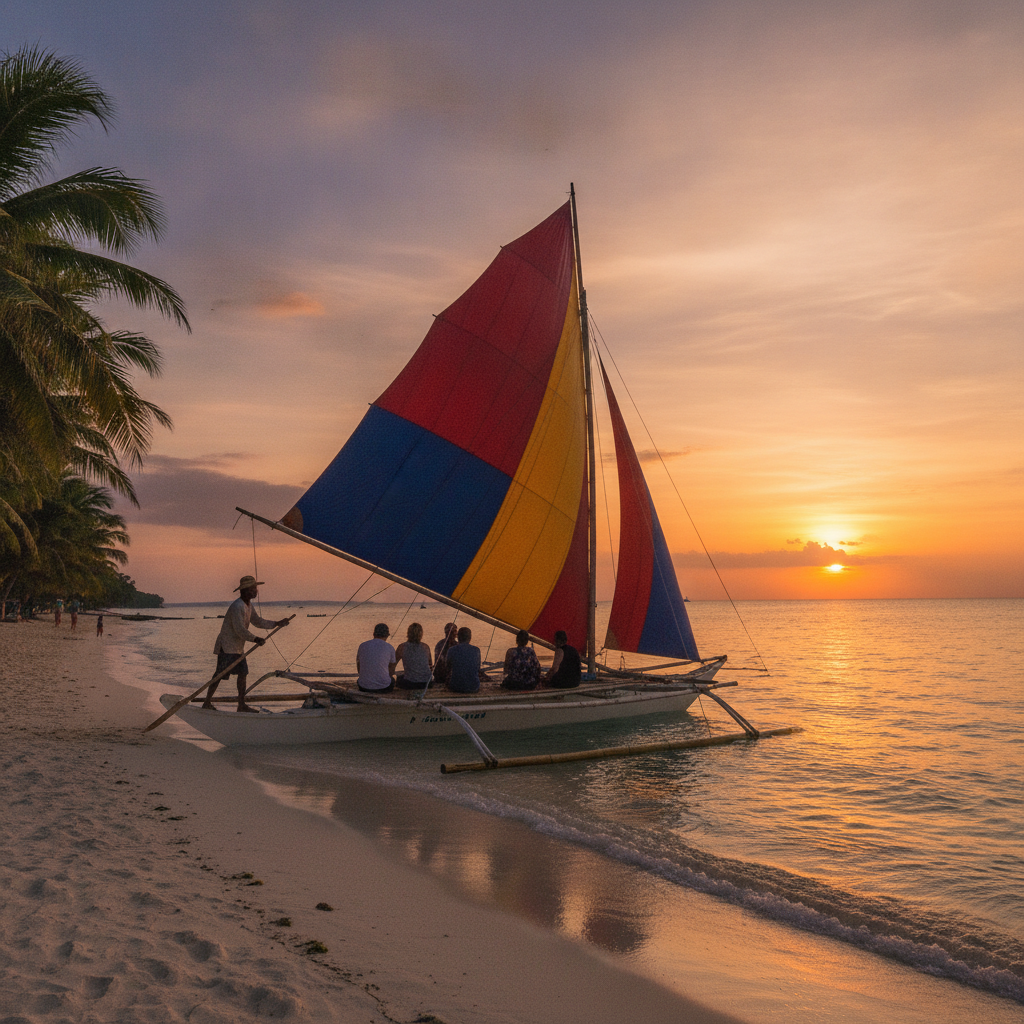
Boracay's Full Arc: 1970s Backpacker Floor-Sleeping to 2 Million Annual Visitors to Duterte's Cesspool Closure—Was the Second Chance Used Well?