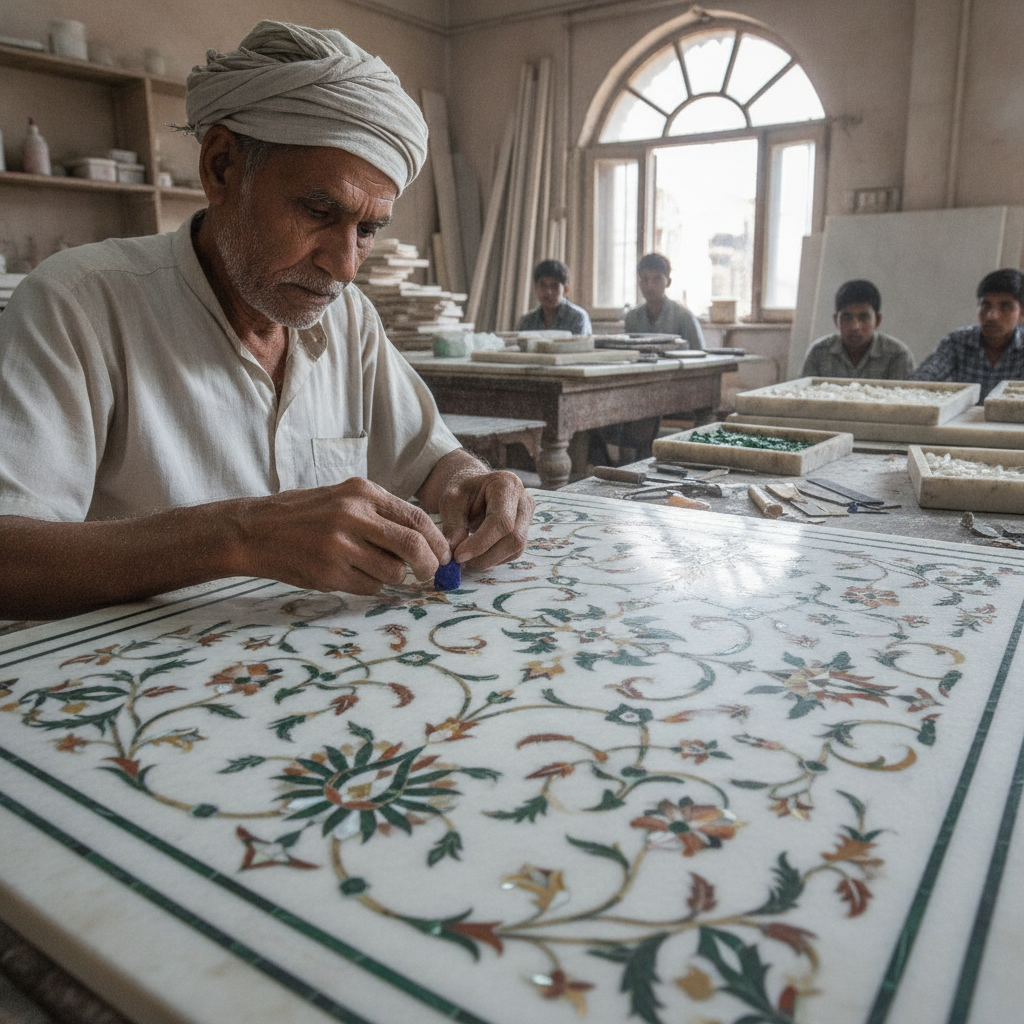
Building the Taj: Afghan Lapis, a 15km Construction Ramp, Lord Curzon's Lamp & the Day-Trip Mathematics
Understand how the Taj was built—lapis lazuli from Afghanistan, turquoise from Iran, jade from China, and coral from Arabia assembled into 28 stone types by craftsmen from Delhi, Multan, Persia, and Samarkand using a 15-km construction ramp to raise marble onto a dome, Lord Curzon's 1905 restoration that installed the hanging lamp still glowing in the interior today, the 28 Quranic paradise verses chosen by a calligrapher who signed his own name in the inscription panels, and the Gatimaan Express that puts the Taj Mahal 100 minutes from Delhi Hazrat Nizamuddin station at 8:10am—and why you should stay the night for the full moon viewing limited to 400 people.
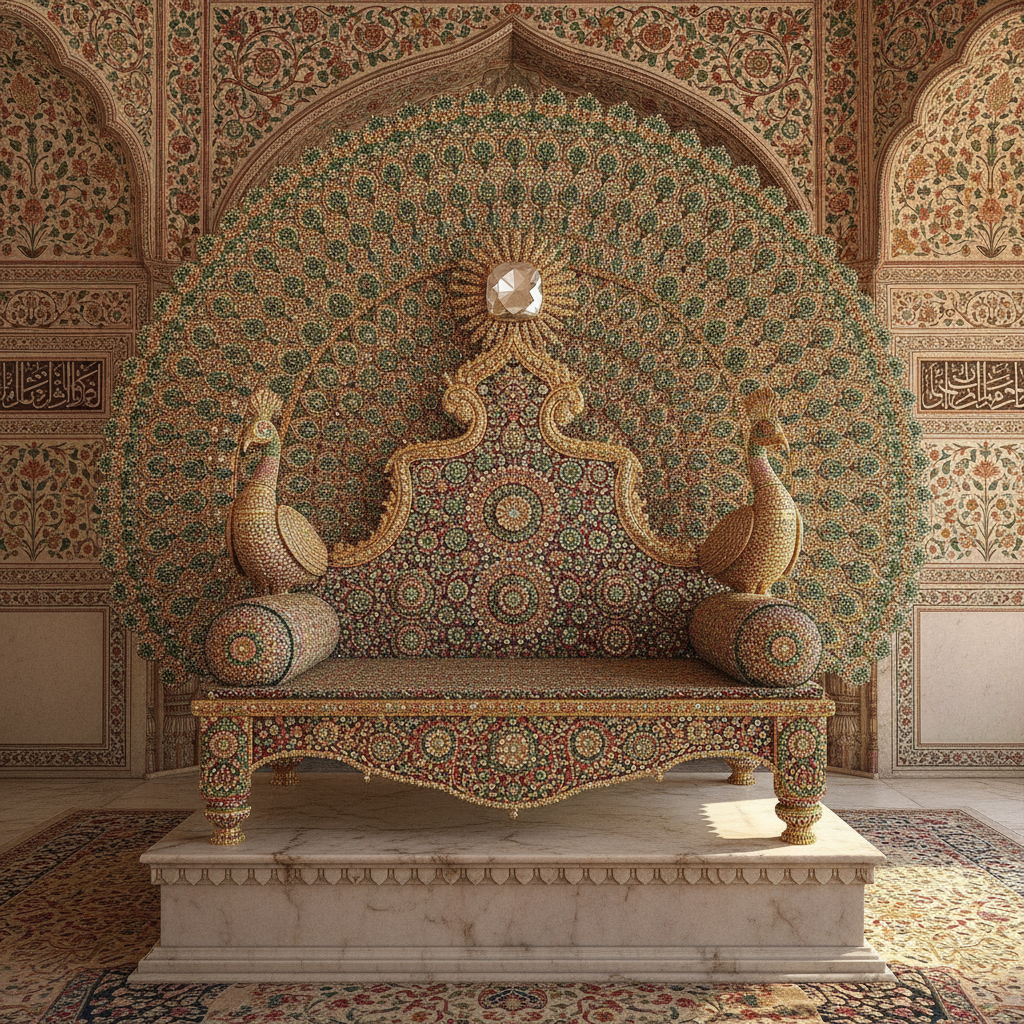
Agra's Mughal World: the Peacock Throne Worth Twice the Taj, the Yamuna's Environmental Collapse & the Myths
Go deeper into the Mughal story—how the pointed arch, onion dome, and pietra dura inlay evolved from Humayun's Tomb to the Taj over 80 years, the Yamuna river's transformation from sacred paradise-garden backdrop to open sewage channel despite ₹17,000 crore of cleanup spending, the Chamar tannery workers whose chromium effluents were destroying the Taj's marble until the Supreme Court intervened, Shah Jahan's jewel-encrusted Peacock Throne (twice the cost of the Taj, looted by Nadir Shah and smashed for its gems), and why the Black Taj and Tejo Mahalaya theories have been archaeologically refuted but keep returning.
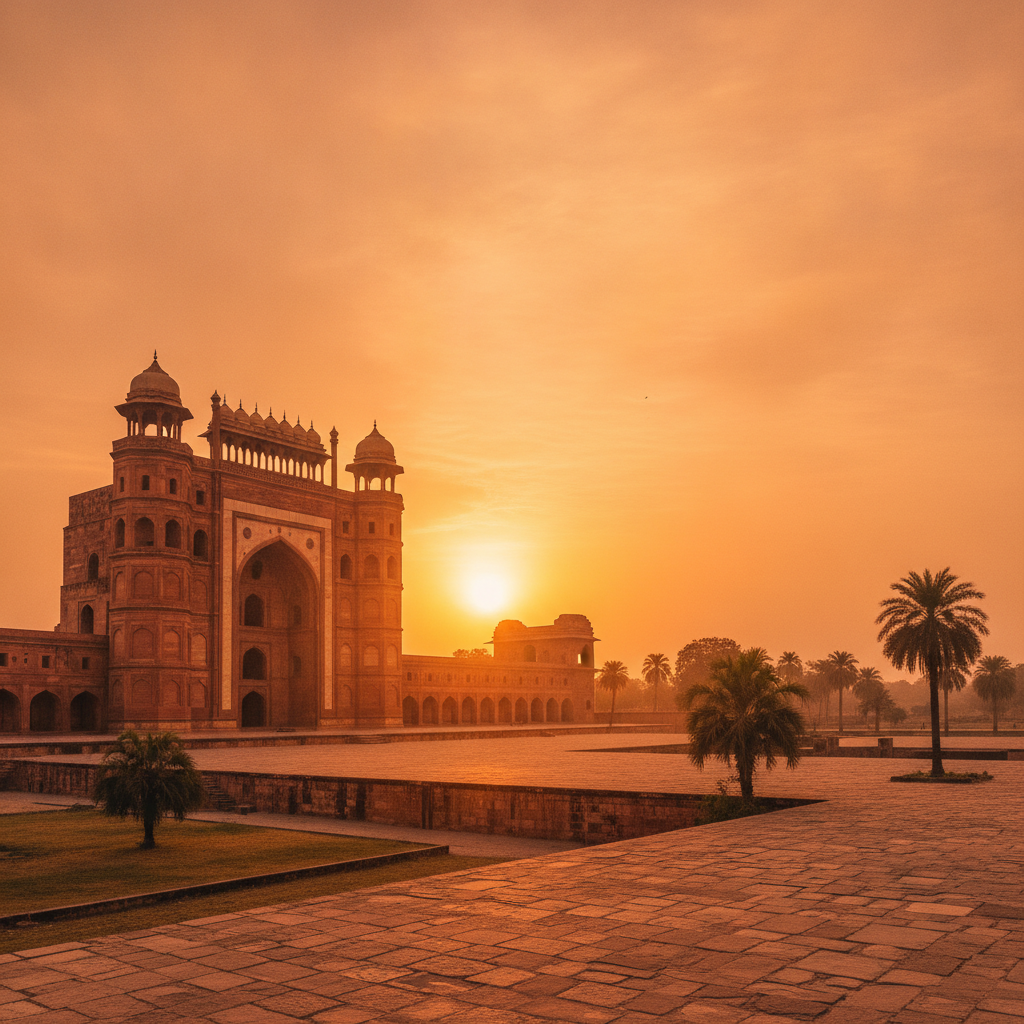
Beyond the Taj: Akbar's Abandoned Red Capital, Krishna's Birthplace & Agra's Marble Inlay Workshops
Explore the Agra region's depth—Fatehpur Sikri, the perfectly preserved ghost city Akbar built and abandoned in 16 years, with the Sufi saint's marble tomb where women still tie fertility threads, Akbar's self-built mausoleum surrounded by peacocks in a deer park at Sikandra, the Florentine pietra dura technique the Taj's 20,000 craftsmen adopted from the Medici court, Agra's petha sweet shops and the oldest South Indian restaurant in the city, and Mathura-Vrindavan's 5,000 temples marking Krishna's birthplace just one hour north—plus the Holi festival where women beat men with sticks.
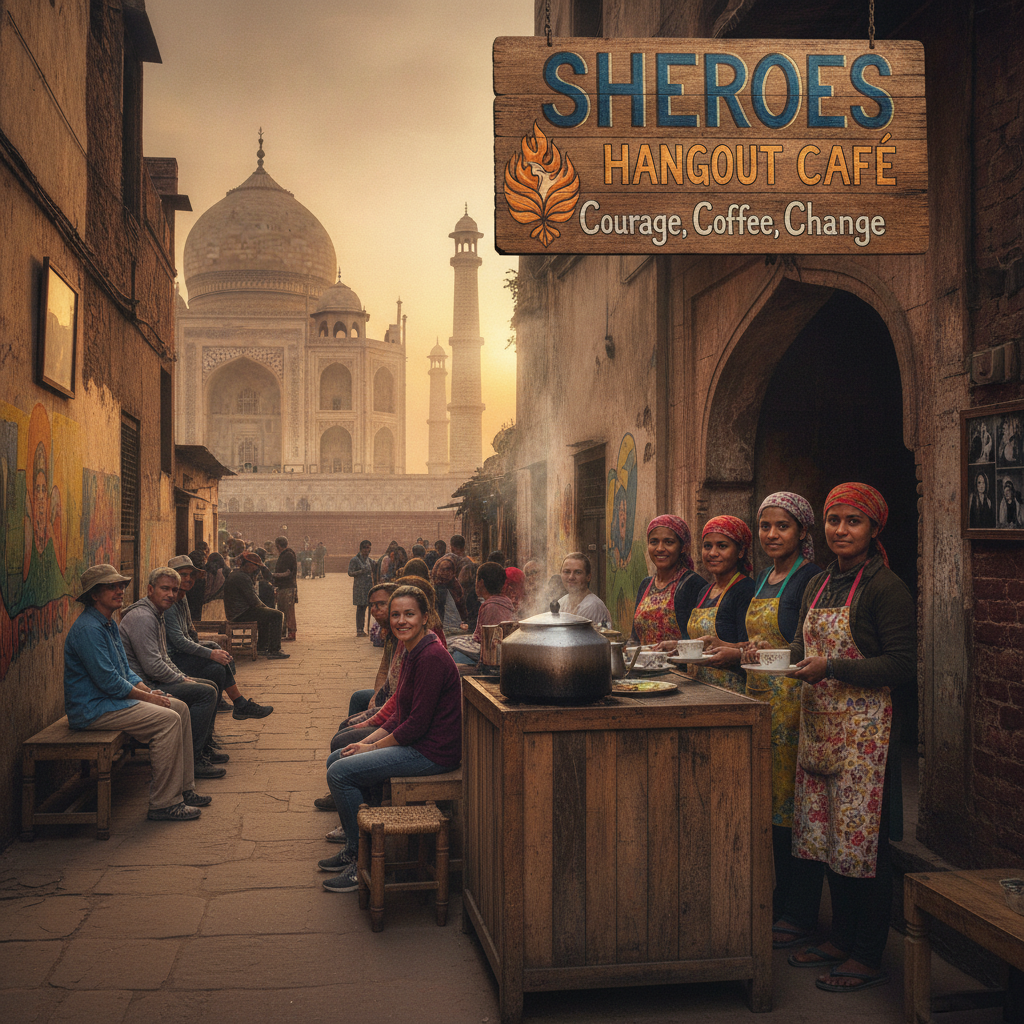
Agra Beyond the Marble: Zardozi Gold Embroidery, Mughlai Dum Cooking, the Koh-i-Noor's Journey & Sheroes Café
Discover the living city behind the monument—zardozi gold-thread embroidery in workshop clusters where Muslim families have practiced the Mughal court craft for generations, the dum and korma cooking methods that define North Indian restaurant food worldwide, the Koh-i-Noor diamond's journey from a Deccan mine to Shah Jahan's Peacock Throne to Nadir Shah's sack of Delhi to Queen Victoria's recut to the Tower of London (with four countries still claiming ownership), St+art India's murals in Taj Ganj lanes, and the Sheroes Hangout Café where acid attack survivors serve chai to tourists and tell their own stories 500 metres from the world's most beautiful building.
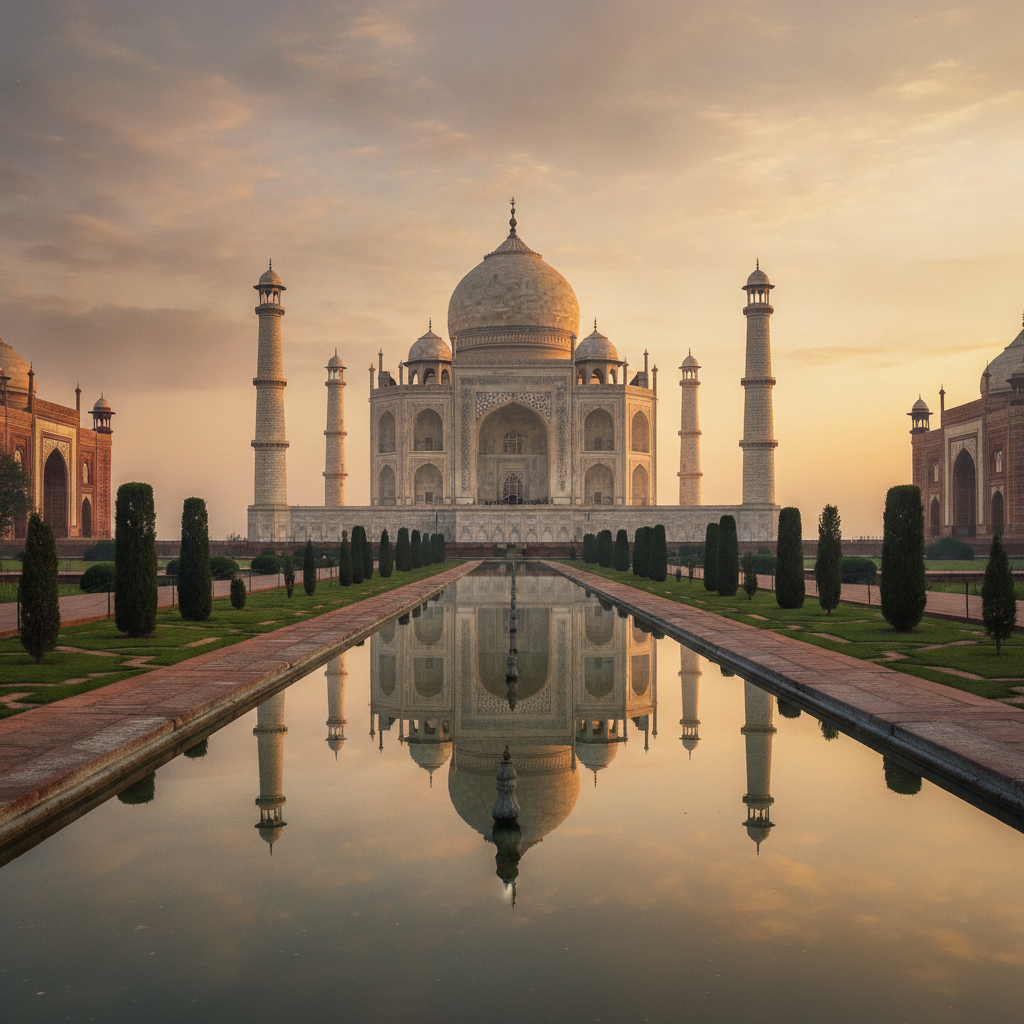
Agra Essentials: Taj Mahal at Dawn, Shah Jahan's Prison Window & the Baby Taj Across the Yamuna
Encounter the world's greatest monument to love—21 years and 20,000 workers to build a perfect white marble tomb for a wife who died bearing her 14th child, the Taj's colour shifting from pale blue at dawn to golden-pink at sunset, Shah Jahan imprisoned by his own son in Agra Fort with a window directly facing his wife's tomb across the river, the exquisite smaller 'Baby Taj' built by the most powerful woman in Mughal history using the same pietra dura technique that inspired the Taj, and the Moonlight Garden where the Taj is reflected in the Yamuna without a single other tourist.
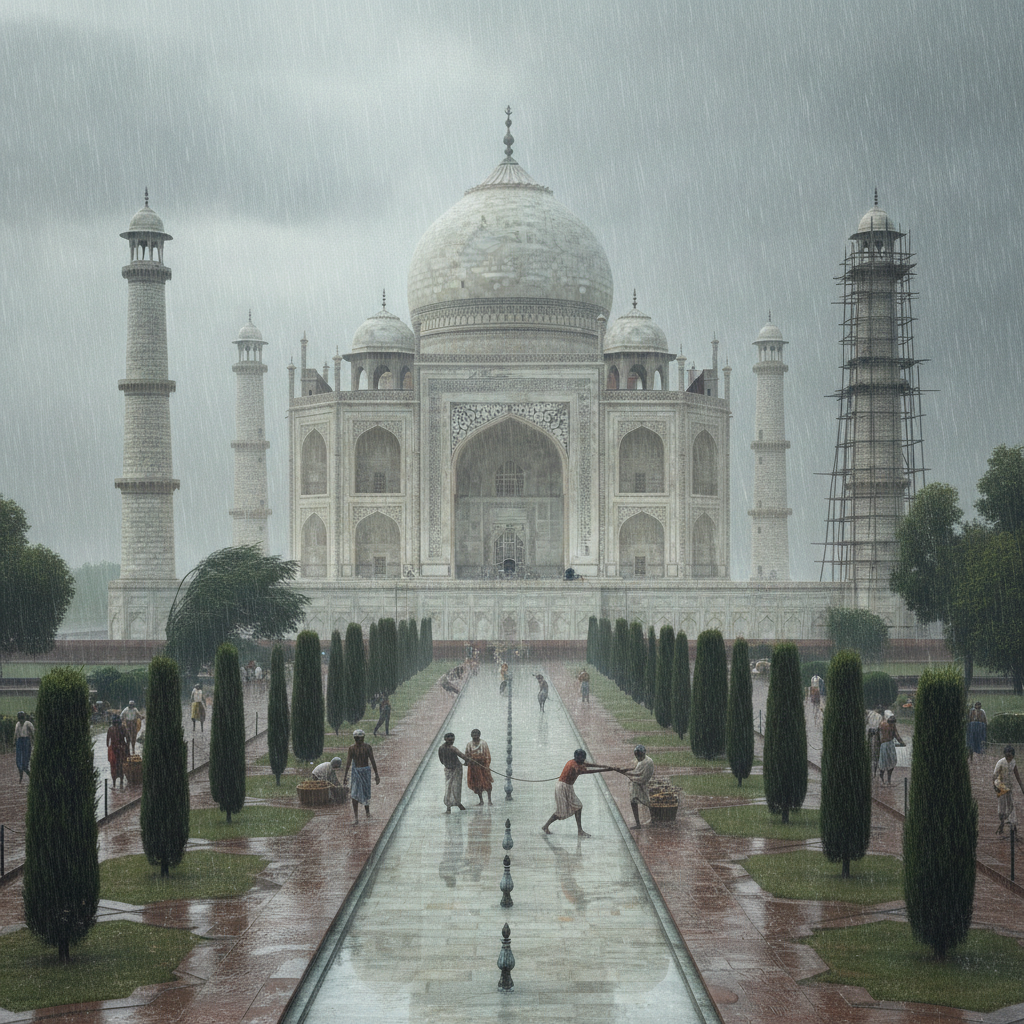
Agra Practical: Taj Mahal Sunrise Photography, Conservation Crisis & Getting There in 100 Minutes from Delhi
Master Agra logistics—why the East Gate beats the South Gate at 5:30am, how the Taj's marble has been yellowing since the 1980s and what multani mitti clay paste does about it, the Yamuna river as sewage channel versus its historical role cooling the monument, Nur Jahan issuing imperial decrees and minting coins with her own face while ruling the empire for an opium-addicted emperor, how Marathas stripped Mughal monuments before the British proposed demolishing Agra Fort for building materials, and completing all three UNESCO monuments plus Mehtab Bagh sunset on a ₹2,050 composite ticket arriving from Delhi in 100 minutes on the Gatimaan Express.