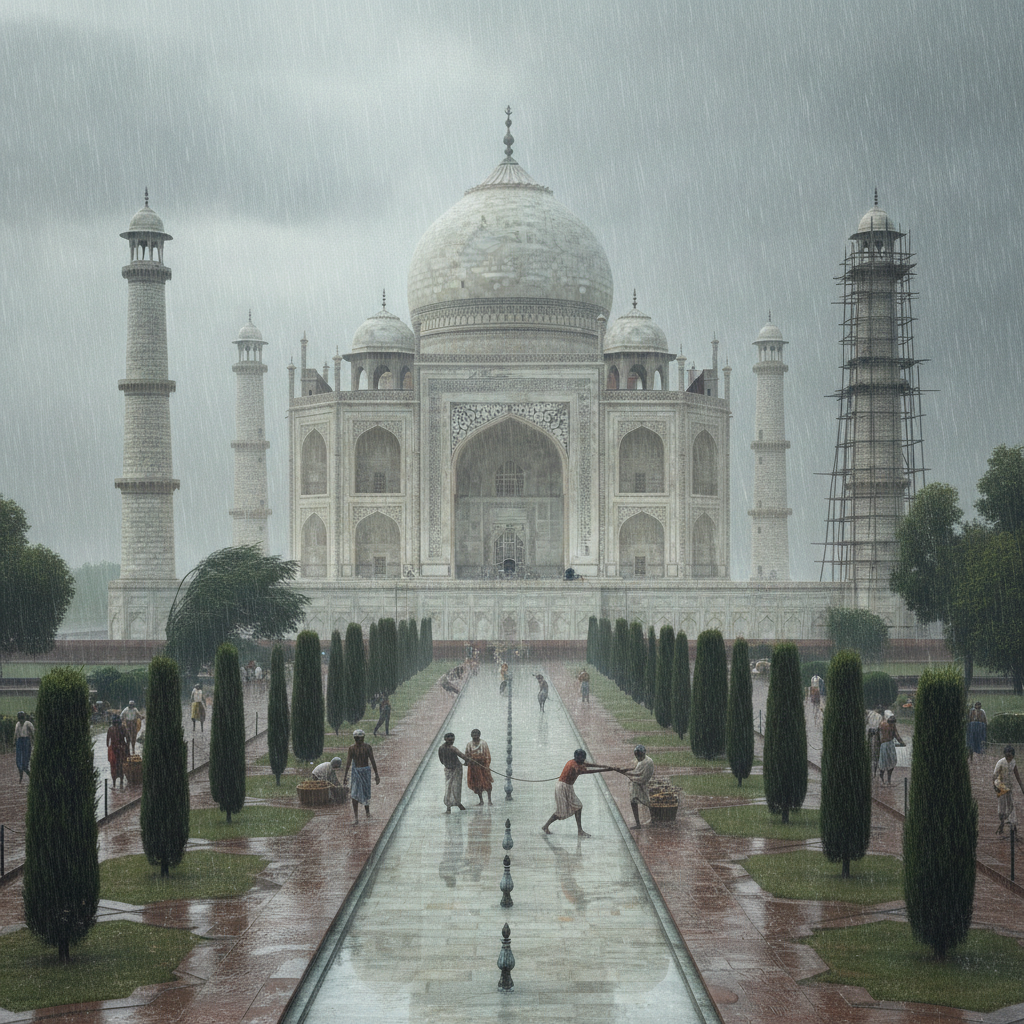
Beyond the Taj: Akbar's Abandoned Red Capital, Krishna's Birthplace & Agra's Marble Inlay Workshops
Explore the Agra region's depth—Fatehpur Sikri, the perfectly preserved ghost city Akbar built and abandoned in 16 years, with the Sufi saint's marble tomb where women still tie fertility threads, Akbar's self-built mausoleum surrounded by peacocks in a deer park at Sikandra, the Florentine pietra dura technique the Taj's 20,000 craftsmen adopted from the Medici court, Agra's petha sweet shops and the oldest South Indian restaurant in the city, and Mathura-Vrindavan's 5,000 temples marking Krishna's birthplace just one hour north—plus the Holi festival where women beat men with sticks.
- 1
Fatehpur Sikri – The Abandoned Red City
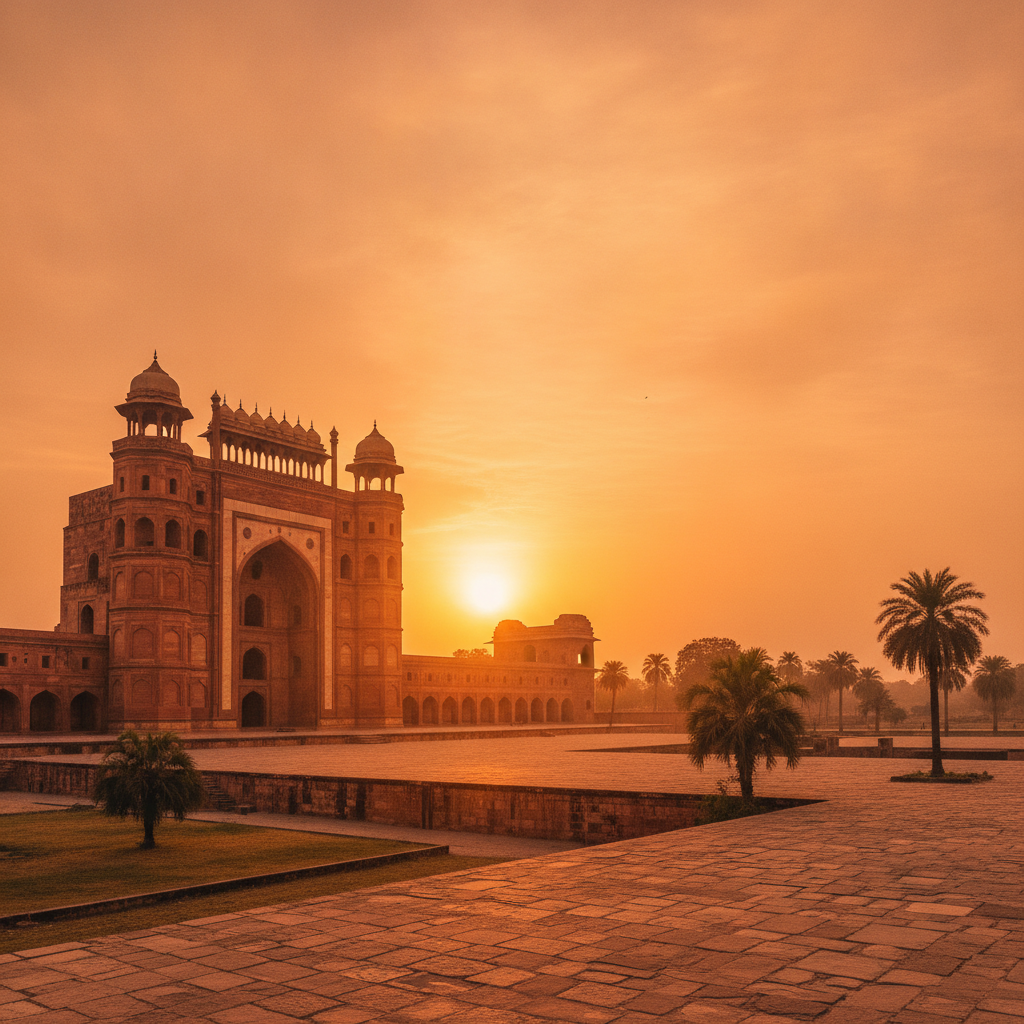
Fatehpur Sikri—40 km west of Agra, UNESCO World Heritage Site (1986)—is the abandoned Mughal capital built by Emperor Akbar between 1569 and 1585, then abruptly deserted (attributed to water supply problems and Akbar's military campaigns requiring the capital to shift). The city was built to fulfil a vow after the Sufi saint Sheikh Salim Chishti correctly predicted the birth of Akbar's three sons; the saint's tomb (in white marble, one of the finest examples of Mughal-era tomb architecture) remains a place of active pilgrimage where childless women tie threads and pray for fertility. The palace complex is remarkable for its fusion of Hindu, Jain, and Islamic architectural elements—Akbar's policy of religious synthesis (Din-i-Ilahi) expressed in stone.
- 2
Sikandra – Akbar's Self-Built Mausoleum
Sikandra—10 km north of Agra's centre—contains Akbar's mausoleum (built by Akbar himself during his lifetime and completed by his son Jahangir after his death in 1605). The tomb is a five-storey pyramid of red sandstone and marble, remarkable for the progressive diminution of each storey and the unusual combination of Hindu chhatris (umbrella domes) with Mughal arched gateways. The surrounding garden (a Mughal chahar bagh, divided into quadrants) is inhabited by hundreds of deer, mongoose, and peacock—Akbar maintained the area as a hunting ground. The interior is unusually austere compared to the Taj Mahal; Akbar is buried in an underground vault. The approach through the chowk gateway, with its marble inlay patterns, is one of Agra's finest architectural experiences.
- 3
Agra's Petha & Street Food
Petha—a translucent white sweet made from winter melon (Benincasa hispida), boiled in sugar syrup and available in 15+ flavours (plain, saffron, angoori, paan, rose, chocolate)—is Agra's most distinctive food product, consumed throughout India but considered definitively 'from Agra' in the way that Kolkata's rasgulla or Mumbai's vada pav are city-specific. The Panchhi Petha shop on Fatehabad Road (established 1950s) is the most trusted brand. Street food around the Taj Ganj area includes stuffed parathas (wheat flatbread fried with ghee, stuffed with potato, paneer, or mixed vegetables), chai, and bhelpuri. The Dasaprakash restaurant (established 1956) is the oldest South Indian vegetarian restaurant in Agra, an anomaly that has achieved cult status.
- 4
Akbar the Great – The Mughal Emperor Who Changed India
Akbar (r. 1556–1605)—the third and greatest Mughal emperor—transformed a Central Asian invader's dynasty into an Indian institution through policies of religious tolerance, administrative reform, and cultural fusion unprecedented in contemporary world history. Akbar was illiterate but assembled a library of 24,000 books; he held weekly religious debates (ibadat khana) at which Hindu, Muslim, Jain, Zoroastrian, and Jesuit scholars argued theology. He abolished the jizya (tax on non-Muslims), married Hindu Rajput princesses (integrating them as queens rather than concubines), appointed Hindus (including Raja Todar Mal) as senior ministers, and created a new religion (Din-i-Ilahi) that synthesised elements of multiple faiths—a faith that dissolved with his death but whose tolerant spirit defined the Mughal apex.
- 5
Inlaid Marble Crafts – The Pietra Dura Tradition
Agra is the centre of India's pietra dura (known locally as parchin kari) craft industry: inlaying semi-precious stones into marble to create the floral and geometric patterns that cover the Taj Mahal. The craft was introduced to Mughal India from Florence by Italian craftsmen in the early 17th century (Florentine pietra dura was already a refined art form at the Medici court); Mughal craftsmen adapted and transformed it into a distinctly Indian art. The Taj Mahal complex employs 28 types of stones. Today, Agra's marble inlay industry—concentrated in workshops around the Shilpgram crafts village and Taj Ganj—produces decorative items (bowls, boxes, tabletops, coasters) at every price point: ₹100 tourist souvenirs to ₹500,000 commissioned marble tabletops.
- 6
Mathura & Vrindavan – The Krishna Pilgrimage Circuit
Mathura—50 km north of Agra (1 hour)—is the birthplace of Krishna, one of the most sacred cities in Hinduism, with 25 major temples including the Krishna Janmabhoomi (the prison cell where Krishna was born, now contested between Hindu temple and mosque). Vrindavan (11 km from Mathura)—the childhood home of Krishna, where he played with the gopis (milkmaids)—has 5,000+ temples in a small town of 60,000 residents, the highest density of temples per square kilometre in India. The ISKCON temple in Vrindavan attracts thousands of Western devotees (the Hare Krishna movement was founded by A.C. Bhaktivedanta Swami, who began his mission in Vrindavan). The Holi festival in Mathura and Vrindavan (March) is the most colourful in India—lathmar Holi in Barsana (40 km) involves women ritually beating men with sticks.
Walk this route with audio
Stories play automatically as you reach each stop — no tapping needed.
More in Agra
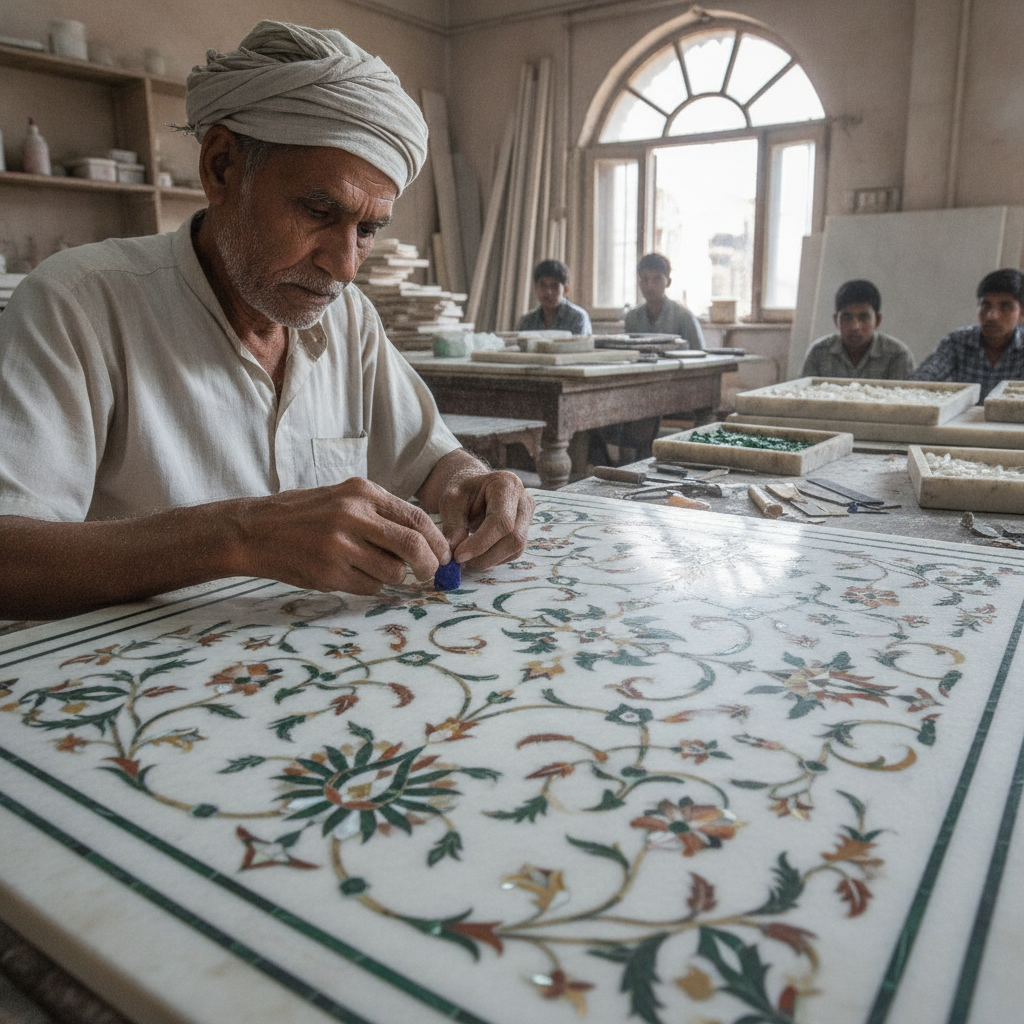
Building the Taj: Afghan Lapis, a 15km Construction Ramp, Lord Curzon's Lamp & the Day-Trip Mathematics
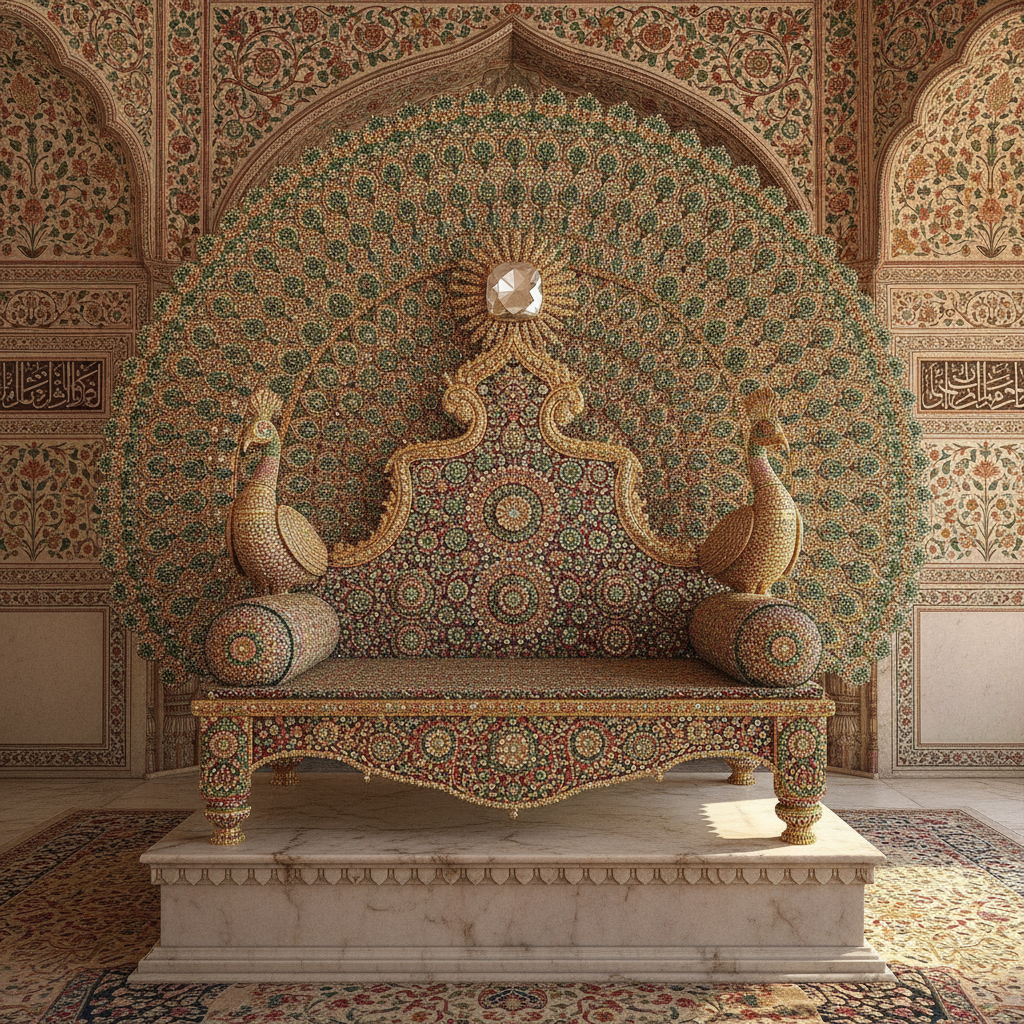
Agra's Mughal World: the Peacock Throne Worth Twice the Taj, the Yamuna's Environmental Collapse & the Myths
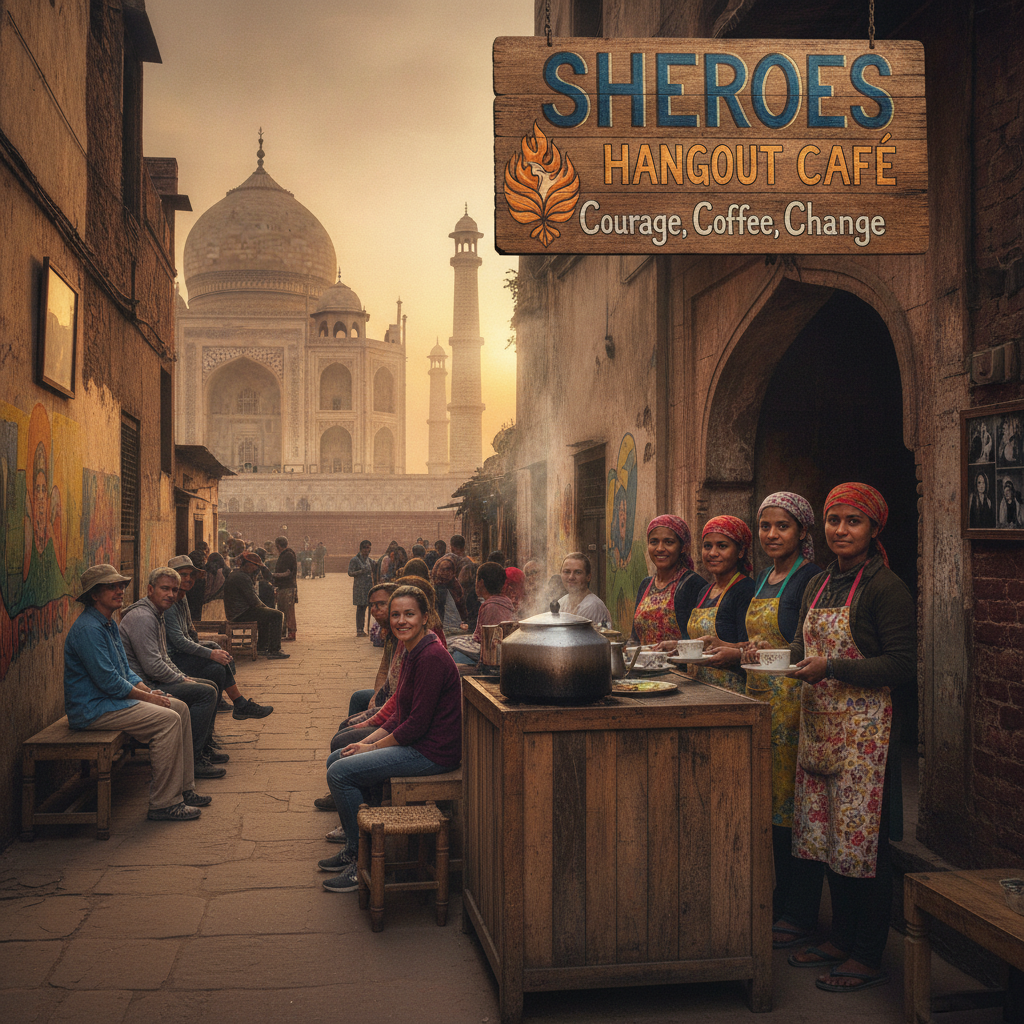
Agra Beyond the Marble: Zardozi Gold Embroidery, Mughlai Dum Cooking, the Koh-i-Noor's Journey & Sheroes Café
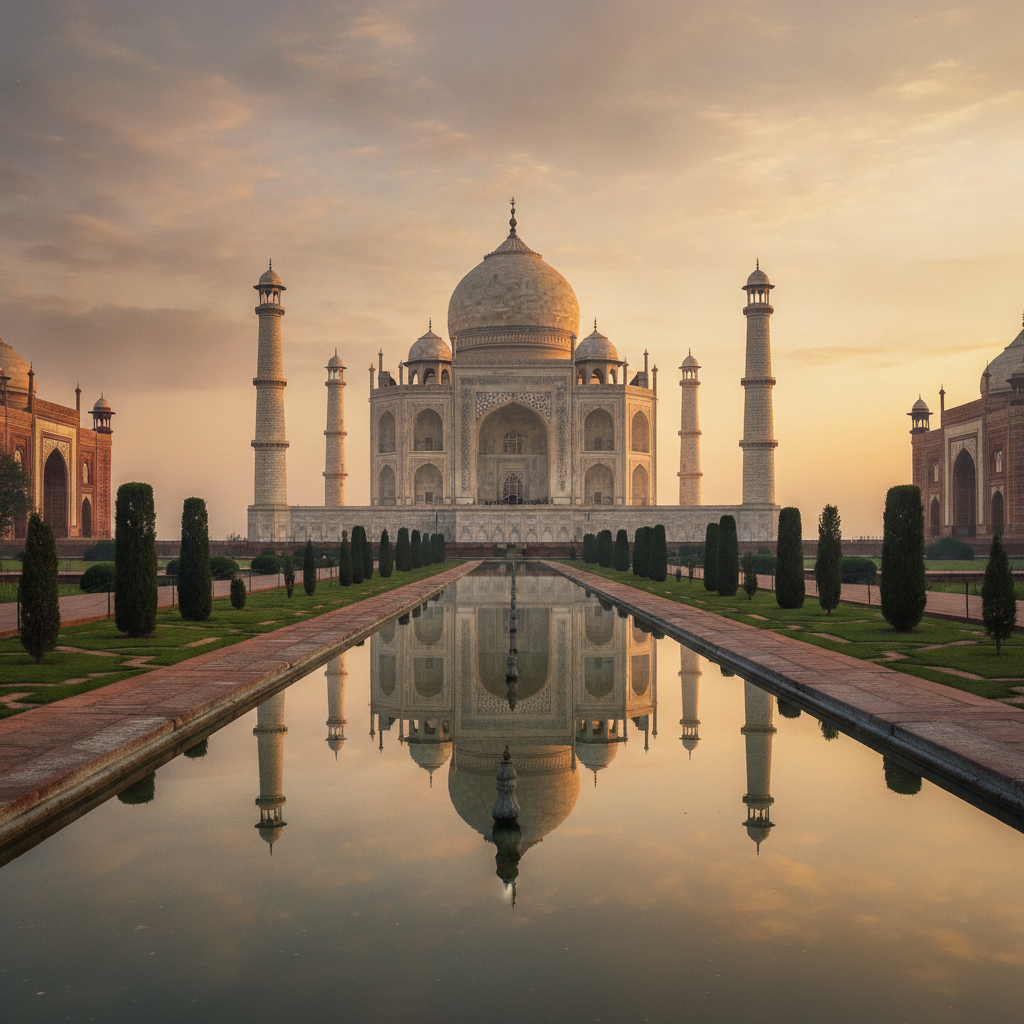
Agra Essentials: Taj Mahal at Dawn, Shah Jahan's Prison Window & the Baby Taj Across the Yamuna