Riga
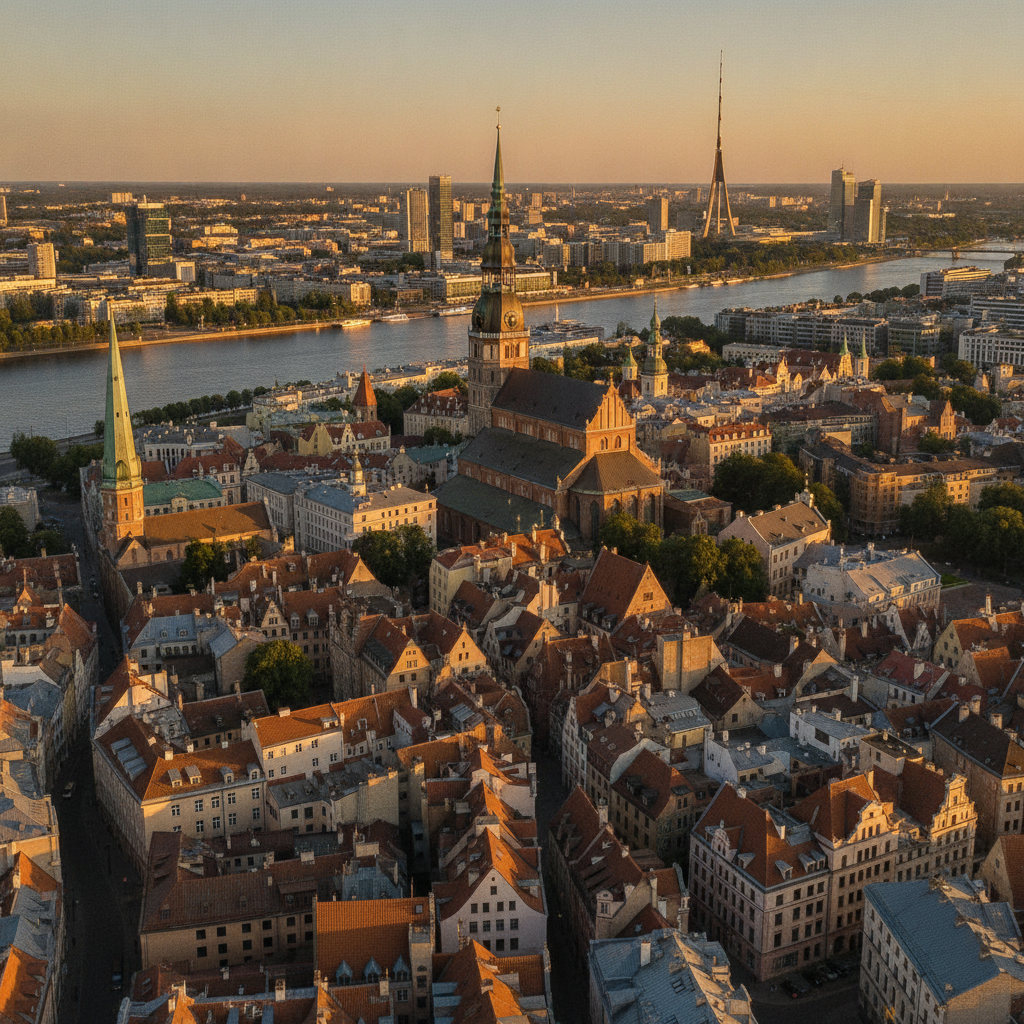
Riga Old Town — Dom Cathedral, the House of Blackheads & the Largest Art Nouveau District in Europe
Riga (the capital of Latvia, population 620,000, the largest city in the Baltic states, founded 1201 by Bishop Albert of Riga as a crusader base for the Christianization of the Baltic peoples, a major Hanseatic League port from the 13th century, the city possessing the most extensive Art Nouveau architecture in the world — approximately one third of all buildings in central Riga built in the Jugendstil and Art Nouveau style 1899-1914, the Old Town inscribed on the UNESCO World Heritage List in 1997, the city capital of independent Latvia since 1918 and since the restoration of independence in 1991) is the cultural capital of the eastern Baltic Sea.
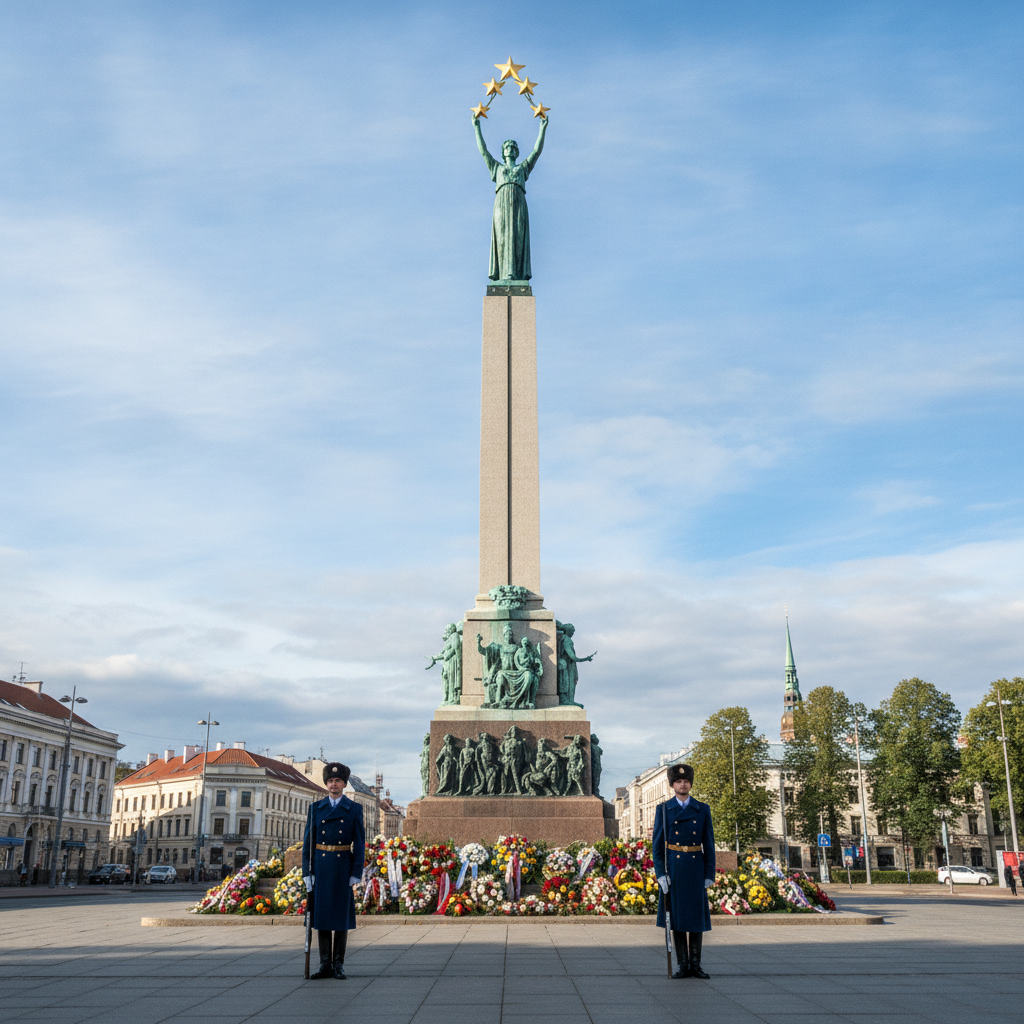
Riga — the Freedom Monument, Latvian Identity & the Museum of the Occupation
Latvia's history of independence, occupation, and restoration is concentrated in the Riga city centre — the Freedom Monument (the symbol of Latvian statehood since 1935), the Museum of the Occupation, and the national cultural institutions all within 500m of each other.
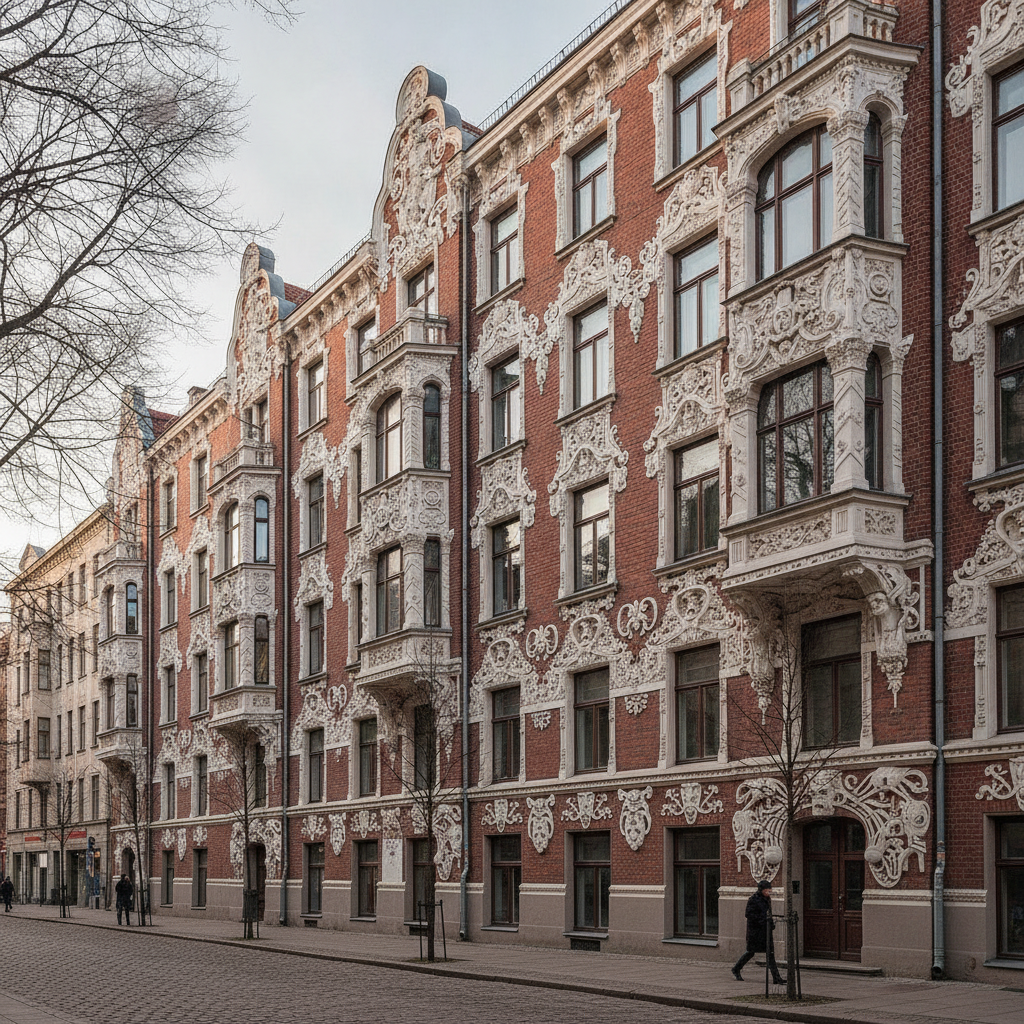
Riga Art Nouveau — Alberta Street, Mikhail Eisenstein & the World's Jugendstil Capital
Riga contains the largest concentration of Art Nouveau architecture in the world — approximately 800 buildings in the Quiet Centre district northeast of the Old Town, built 1899-1914 during the city's industrial boom as the third-largest port in the Russian Empire. Alberta Street by Mikhail Eisenstein is the apotheosis of this tradition.
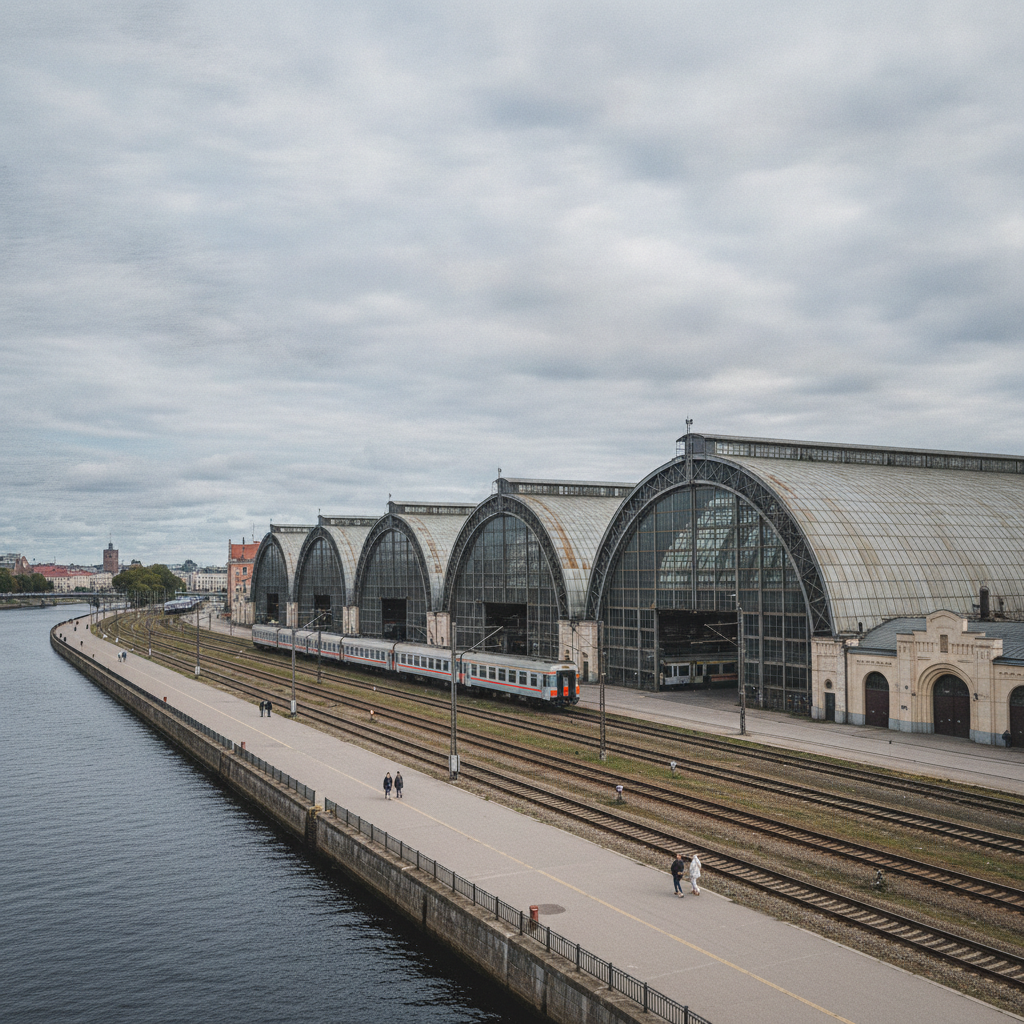
Riga Central Market & Latvian Cuisine — the Zeppelin Hangars, Grey Peas & Baltic Food Tradition
The Riga Central Market in the repurposed World War I Zeppelin hangars is simultaneously the largest market in the Baltic states, the finest example of interwar Art Deco market architecture in Europe, and the best place in Latvia to encounter the traditional Latvian food culture in its full breadth.
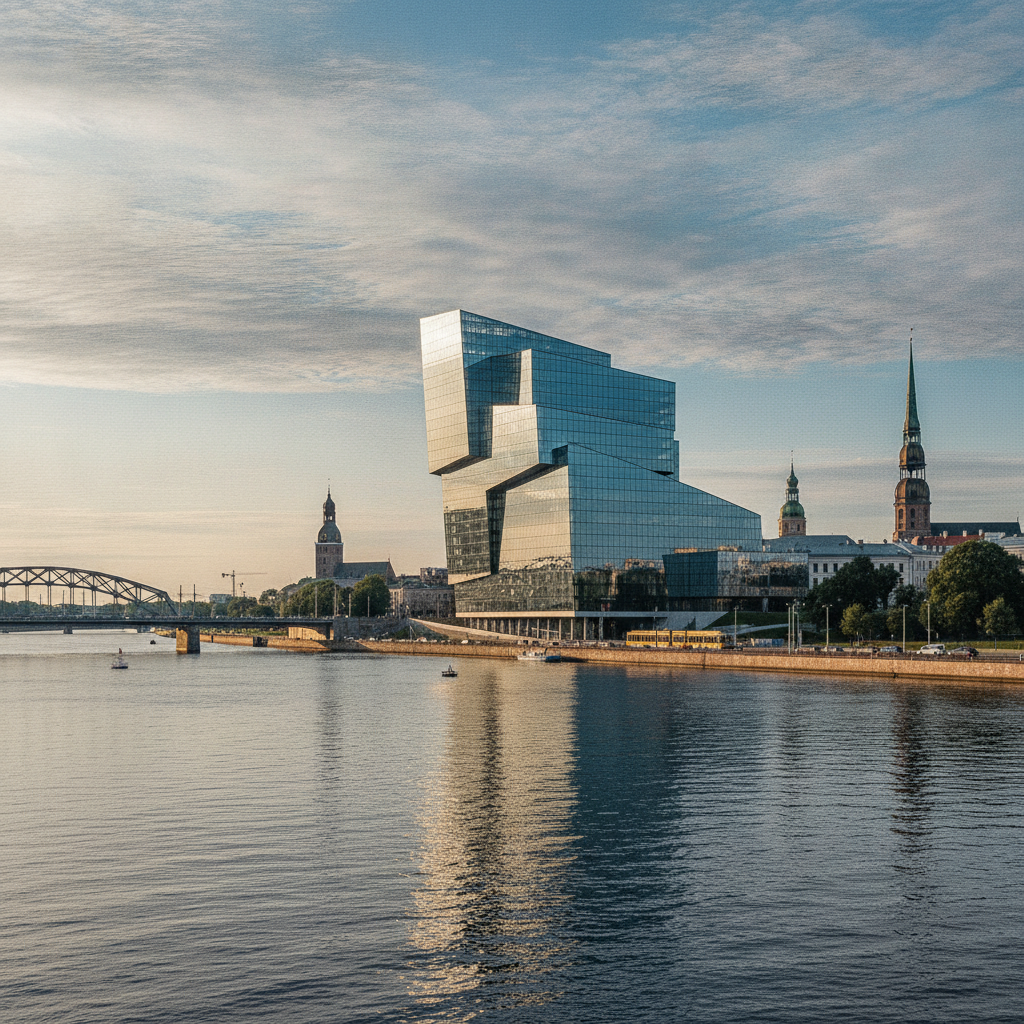
Riga & the Daugava River — the National Library, Pārdaugava & the Latvian Song and Dance Festival
The Daugava River divides Riga into the Old Town east bank and the Pārdaugava west bank — the river the defining geographical feature of the city, the crossing point where the medieval trade routes from Russia and Poland met the Baltic Sea, and the location of the new Latvian National Library that has become the most significant new building in Latvia of the 21st century.
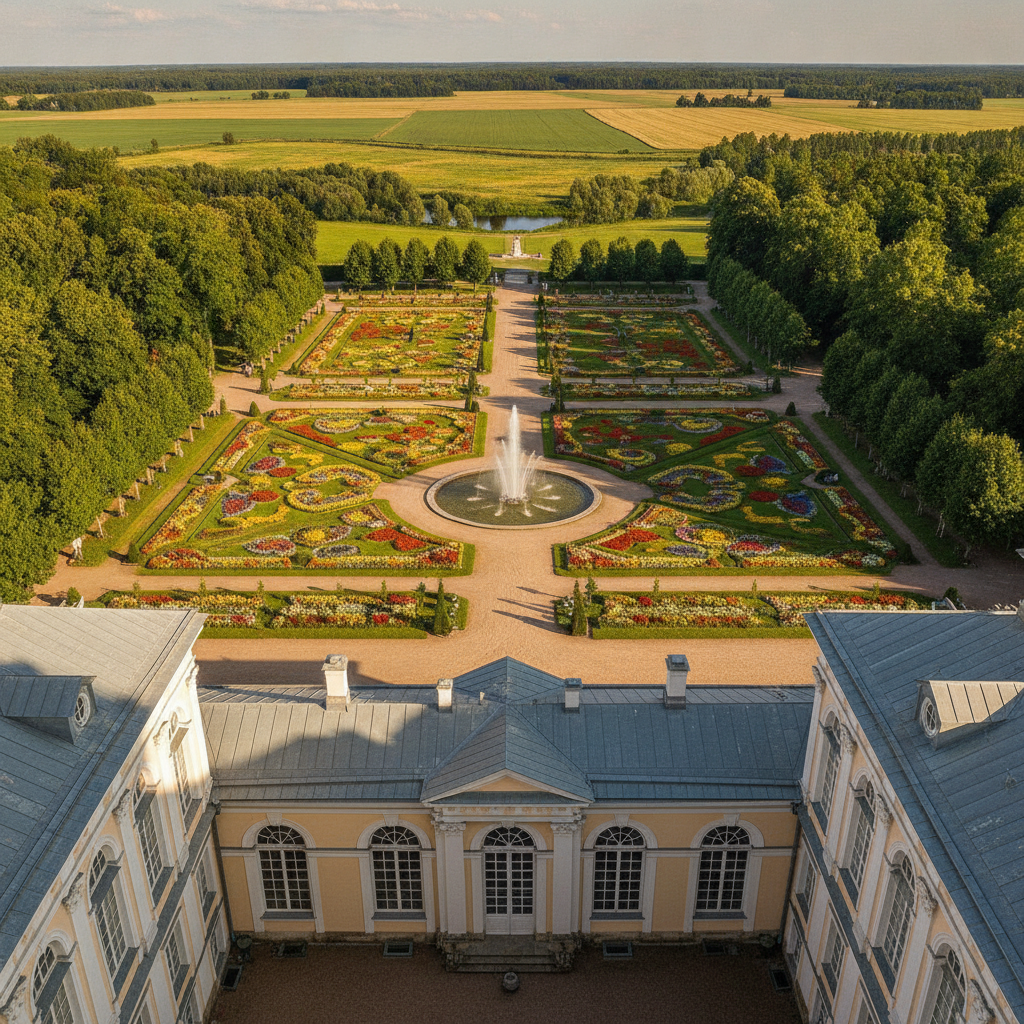
Riga — Jewish Riga History & the Rundale Palace Day Trip
Riga's Jewish community was one of the largest and most culturally significant in Eastern Europe before the Holocaust — 40,000 Jews representing 12 percent of the pre-war population, the community producing world-class intellectuals, artists, and scholars. The Rundale Baroque Palace 75km south is the most spectacular day trip from Riga.