Riga Central Market & Latvian Cuisine — the Zeppelin Hangars, Grey Peas & Baltic Food Tradition
The Riga Central Market in the repurposed World War I Zeppelin hangars is simultaneously the largest market in the Baltic states, the finest example of interwar Art Deco market architecture in Europe, and the best place in Latvia to encounter the traditional Latvian food culture in its full breadth.
- 1
The Zeppelin Hangars — Architecture and Market History
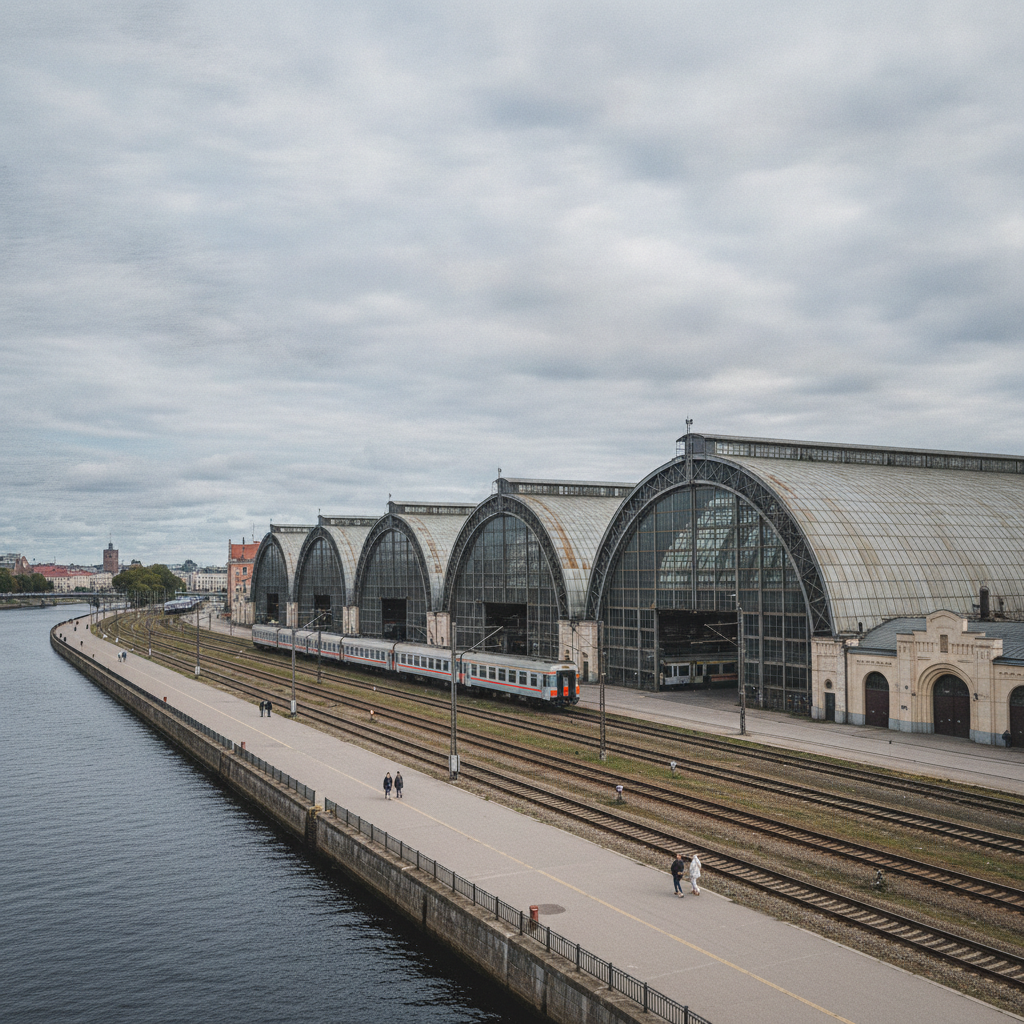
The Riga Central Market (Rīgas Centrāltirgus, Nēģu iela 7, open Monday-Saturday 7am-6pm, Sunday 7am-5pm, free entry): the buildings (the 5 steel-framed market pavilions built 1924-1930 using the structural steel framework of 4 German military Zeppelin hangars brought by rail from the Vaiņode airfield in Courland after the World War I, the 5th hangar built new, the Art Deco brick cladding and the glass clerestory windows added by the Latvian architects Pāvils Dreimanis and Mārtiņš Nukša to the Zeppelin frames, the barrel-vaulted roofs covering 72,000 square metres of floor area — the total market area the largest in the Baltic states and the largest covered market in Europe by floor area): the 5 pavilions (the Meat Pavilion — the largest, 120m long, the full range of Latvian and imported meats including the traditional pork products — the smoked pork knuckle, the blood sausages, the head cheese — displayed at the butcher stalls; the Fish Pavilion — the smoked and fresh Baltic fish, the Latvian specialties of smoked sprat, smoked eel, smoked lamprey, and the fresh pike from the Latvian lakes; the Dairy Pavilion — the Latvian farmer cheeses, the cream, the kefir, the Latvian butter; the Vegetable Pavilion — the seasonal Latvian produce including the dill that appears in virtually every Latvian dish; and the mixed Flower and Small Goods Pavilion). The market the correct first stop for understanding the Latvian food system.
- 2
Grey Peas with Bacon — the Latvian National Dish
Grey peas with bacon (pelēkie zirņi ar speķi, the Latvian national dish — the dried grey field peas boiled and served warm with the fried Latvian smoked bacon — speķis — and the caramelized onion, the combination of the grain legume and the pork the dietary foundation of Latvian rural life for 500 years, the dish consumed at every Latvian Midsummer celebration on June 23 and at winter festivals, the dish appearing on the menu of every traditional Latvian restaurant and at the market canteens): the grey peas (the specific variety of field pea — Pisum sativum var. arvense — smaller and earthier than the green garden pea, the flavour deeper and more mineral, the peas dried for storage and rehydrated for cooking in the traditional Latvian manner, the grey color of the dried seed giving the dish its name), the speķis (the Latvian smoked bacon — the pork belly smoked over the alder and the apple wood chips in the traditional method, the resulting product firmer and more smoke-flavoured than Italian pancetta or German Speck, the bacon cut in cubes and fried until the fat renders and the edges crisp, then poured hot over the peas), and where to eat it in Riga (the Central Market canteen for €3-5 as the most authentic setting; the Lido restaurant network — the Latvian canteen chain serving traditional food at self-service prices, the Lido Vērmanītis at Elizabetes iela 65 the largest location, open daily 8am-10pm, the grey peas at €4-6 per portion in a properly traditional preparation).
- 3
Latvian Smoked Fish and the Fish Pavilion
The Riga Central Market Fish Pavilion (the dedicated fish market in the second-largest Zeppelin hangar, the selection of fresh and smoked Baltic fish the most comprehensive in Latvia): the Latvian smoked fish tradition (the smoking the primary preservation method of the Baltic fishing communities, the alder wood the preferred smoking medium for the Latvian smoked fish — the alder giving the specific golden color and the mild smoke flavour that distinguishes the Latvian product from the stronger-smoked Scandinavian tradition, the smoking facilities in every traditional Latvian village cooperative until the Soviet collectivization closed them, the commercial smoking operations restored after 1991 now supplying the market): the specific products (smoked Baltic sprat — the kiloherring, the small oily Baltic herring smoked whole, the most consumed smoked fish in Latvia at €3-5 per 500g — smoked Baltic eel, the most prestigious and expensive product at €20-30 per kg, the eel caught in the Latvian rivers and the coastal lagoons, the production limited to 2,000 tonnes per year for all of Latvia; smoked lamprey — nēģi, the sea lamprey caught in the Gauja and Daugava rivers in autumn, the cylindrical cartilaginous fish smoked whole, the specific delicacy of the Riga food tradition, the smoked lamprey served on black bread with butter and mustard at the fish pavilion standing tables, the best single eating experience in the Riga Central Market at €5-8 per portion).
- 4
Latvian Cheese, Dairy and Bread Traditions
The Latvian dairy tradition (the cattle breeding economy of the Latvian countryside producing a dairy culture as developed as the Netherlands or Denmark but less internationally known, the Latvian farmer cheeses — jāņu siers — the most culturally significant product): the Jāņu siers (the caraway seed cheese made for the Jāni — the Latvian Midsummer celebration on June 23, the cheese pressed by hand in the home from heated curds, the caraway seeds and dill added, the cheese eaten warm on the evening of June 23 with the Midsummer beer and the grey peas, the commercial production available year-round at the Central Market dairy pavilion at €6-10 per kg, the homemade versions sold by the farmers on Sunday mornings at the market), Latvian dark rye bread (the rupjmaize, the fermented rye bread baked in forms, darker and more sour than the Estonian equivalent, the specific Riga bakeries producing the most complex recipes — the Lāči bakery chain the most commercially successful Latvian artisan bread producer, the Lāči flagship bakery at Brīvības iela 37 the correct address for purchasing the definitive Riga rye bread, open daily 7am-9pm) and the Latvian beer (the Latvians the highest per-capita beer consumers in the Baltic states, the Aldaris and the Cēsu breweries the major commercial producers, the craft beer scene concentrated in the Miera iela district bars — the Labietis brewpub at Aristīda Briāna iela 9a the best Latvian craft brewery).
- 5
The Latvian Ethnographic Market — the Sunday Antique Scene
The outdoor market and the Sunday antique scene around the Riga Central Market: the outdoor vegetable and flower market (the stalls extending from the entrance of the Zeppelin hangars south towards the Daugava River, the flower market the most colourful — the Latvian flower tradition particularly strong, the daisies and the asters of the Latvian countryside sold in tied bouquets by the women in the traditional Latvian aprons — the produce market with the seasonal Latvian fruit and vegetables, the wild mushrooms in August-September the most distinctive seasonal product, the Latvian chanterelles — gailenes — the most abundant and the most delicious of the Latvian forest mushrooms), the antique and flea market (the Sunday morning flea market on the north side of the Central Station, the stalls selling the Soviet-era objects — the crystal glasses, the military medals, the porcelain figurines, the amber beads — alongside the pre-Soviet Latvian antiques, the most productive hunting ground for Soviet-era collectibles in Latvia, active from 8am-2pm Sunday, free to browse) and the amber vendors (the genuine Baltic amber displayed alongside the tourist amber at the outdoor stalls at the market perimeter, the genuine raw amber differentiated from the imitation by the warm amber fragrance when rubbed — the authentic product from the Baltic beach should smell of pine resin — the genuine amber necklaces and pendants at €15-80 versus the synthetic imitations at €5-15, the experienced vendors able to distinguish and to explain).
- 6
Riga Day Trips — Sigulda and the Gauja Valley
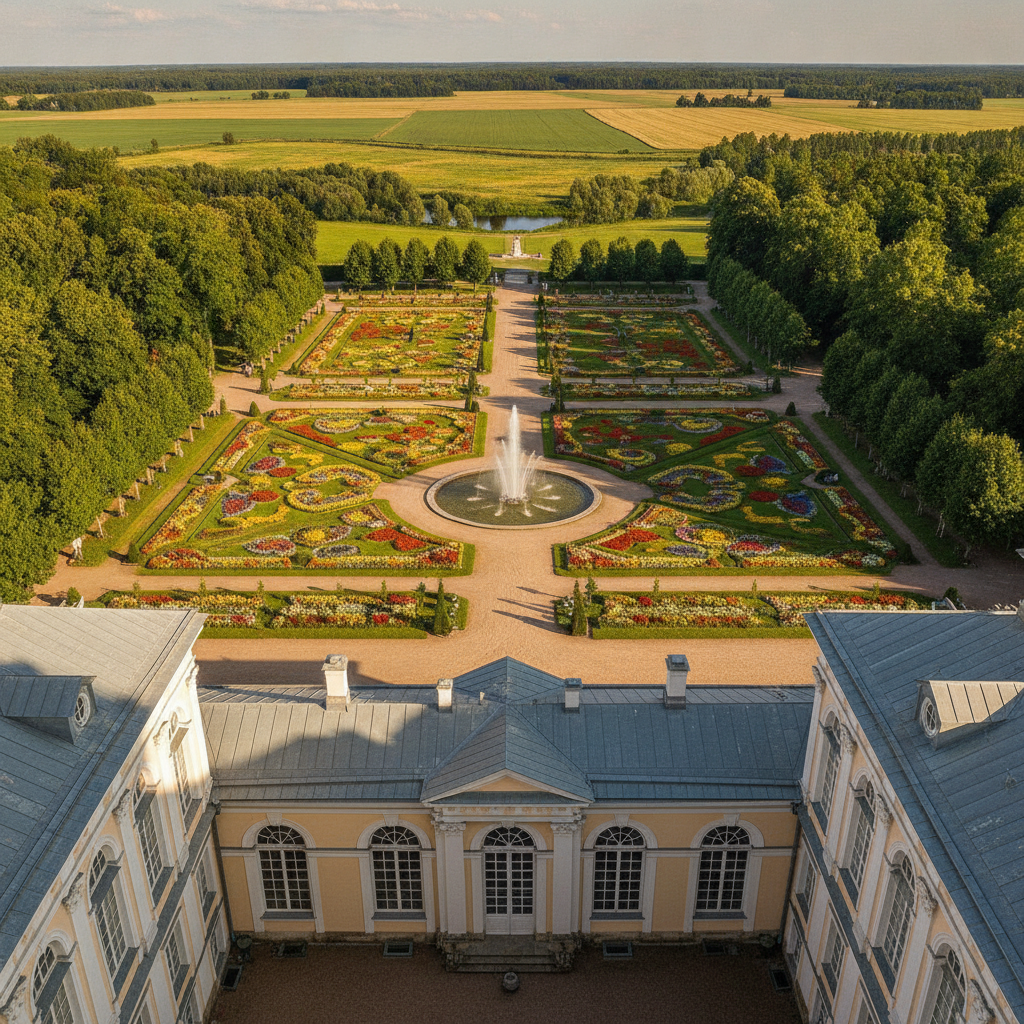
Sigulda (the town 50km northeast of Riga in the Gauja National Park, the train from Riga Central Station in 1 hour at €2.50, the most popular day trip from Riga for Latvian domestic visitors — the Gauja River valley cutting through the Latvian sandstone plateau creating the deepest river valley in the Baltic plains, the valley sides rising 80m above the river, the red sandstone cliffs and the deciduous forest the closest approximation to mountain scenery available in the otherwise flat Baltic lowlands): the Sigulda medieval castles (the ruins of the Livonian Order castle of 1207 — the oldest standing castle ruins in Latvia — and the contemporaneous Turaida Castle 3km away across the valley — the most completely restored medieval castle in Latvia, €9 adults, the circular red brick towers and the keep of the 1214 castle visible from the Gauja valley, the museum in the castle interior presenting the medieval history of the Livonian Confederation), the Gauja National Park (the 917 square km national park along the Gauja River, the trails connecting Sigulda to Turaida to Krimulda across the river via the gondola cable car — the Gauja valley gondola the only cable car in the Baltic states, €5 per crossing — the walk through the valley the most rewarding nature experience within day-trip distance of Riga) and the Turaida Museum Reserve (the castle, the 1750 Lutheran church, the restored Latvian farmstead, and the rose garden of the Latvian folk legend Turaidas Roze — the local tragic romantic figure — forming the most complete open-air heritage museum in Latvia at a single site).
Walk this route with audio
Stories play automatically as you reach each stop — no tapping needed.
More in riga
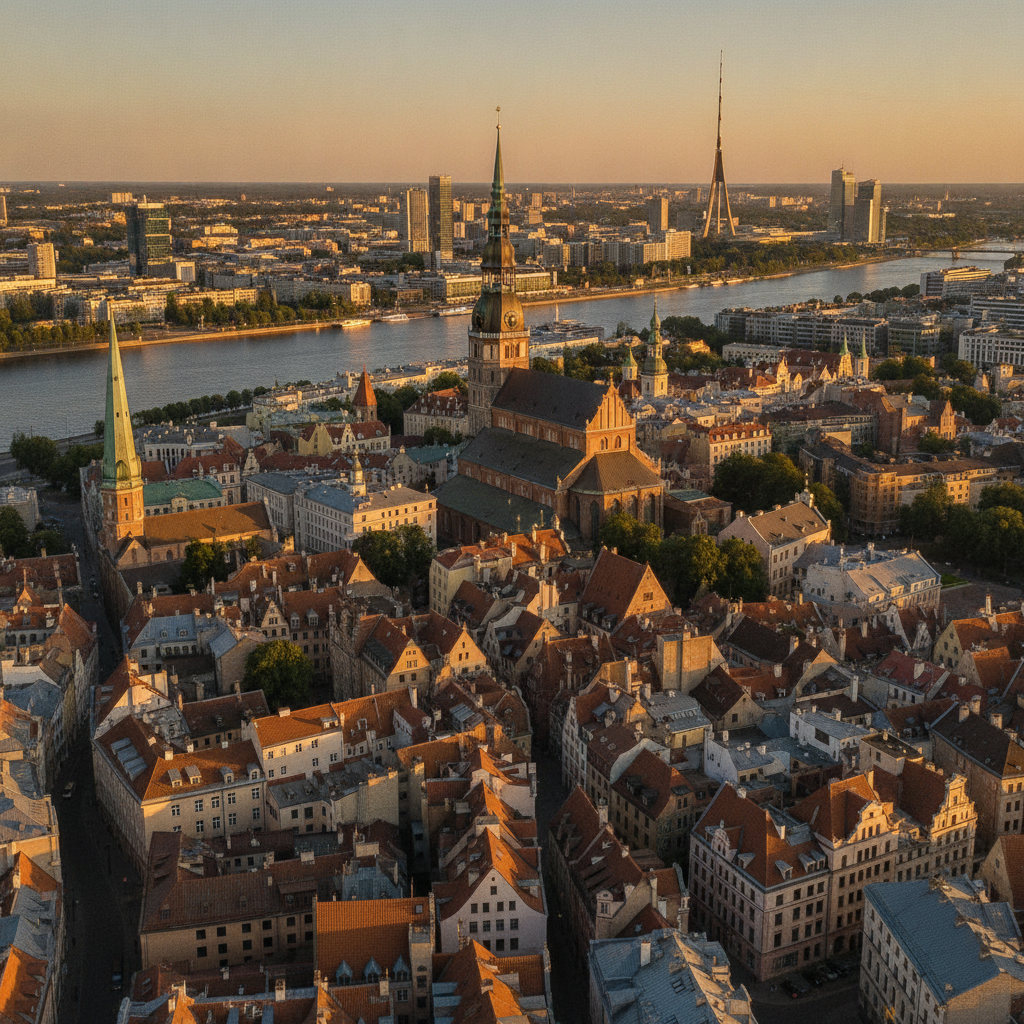
Riga Old Town — Dom Cathedral, the House of Blackheads & the Largest Art Nouveau District in Europe
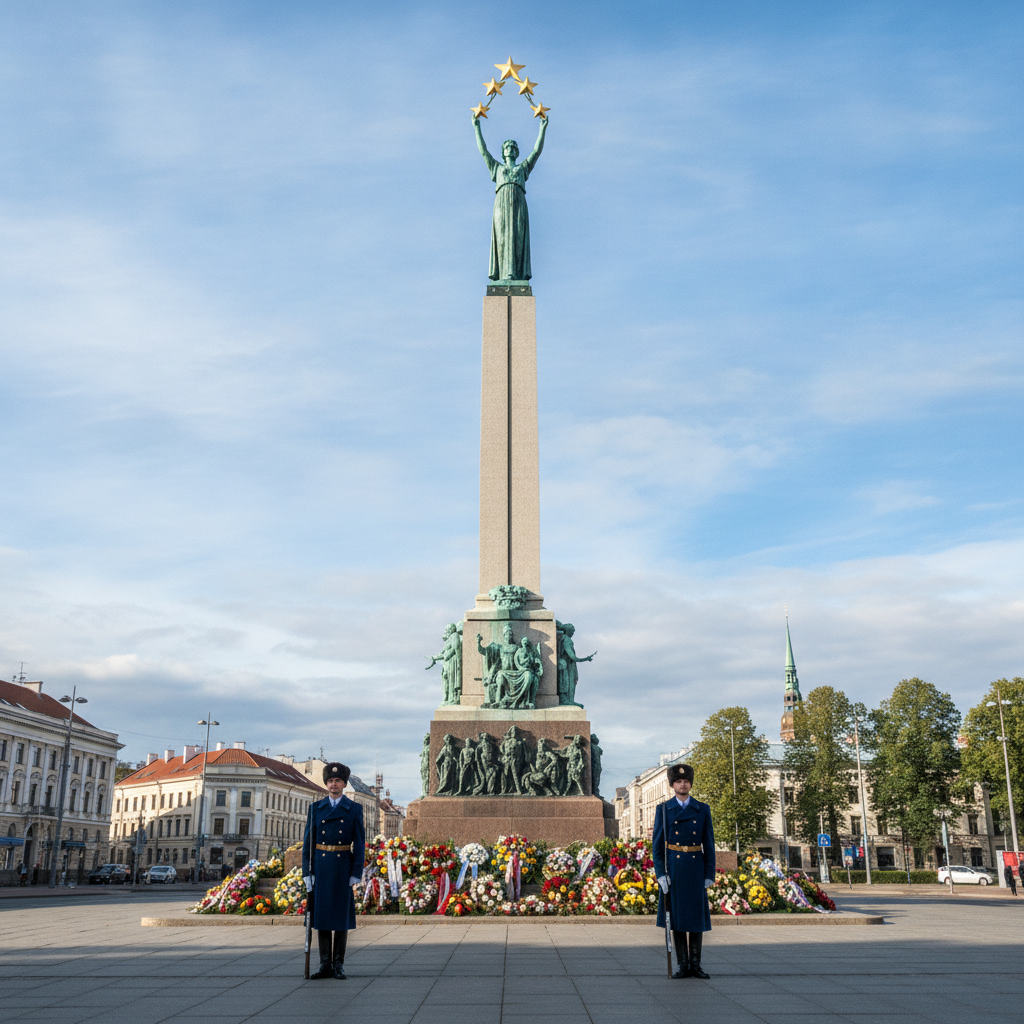
Riga — the Freedom Monument, Latvian Identity & the Museum of the Occupation
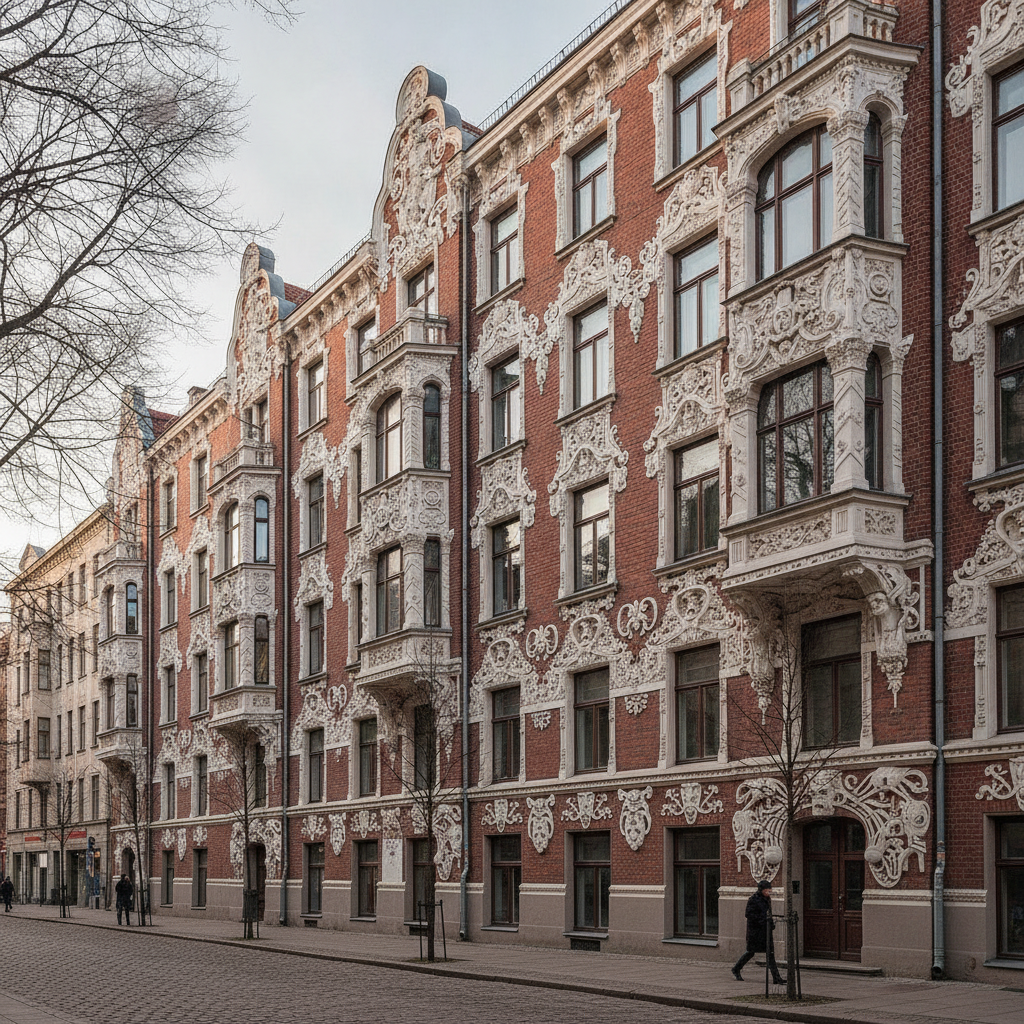
Riga Art Nouveau — Alberta Street, Mikhail Eisenstein & the World's Jugendstil Capital
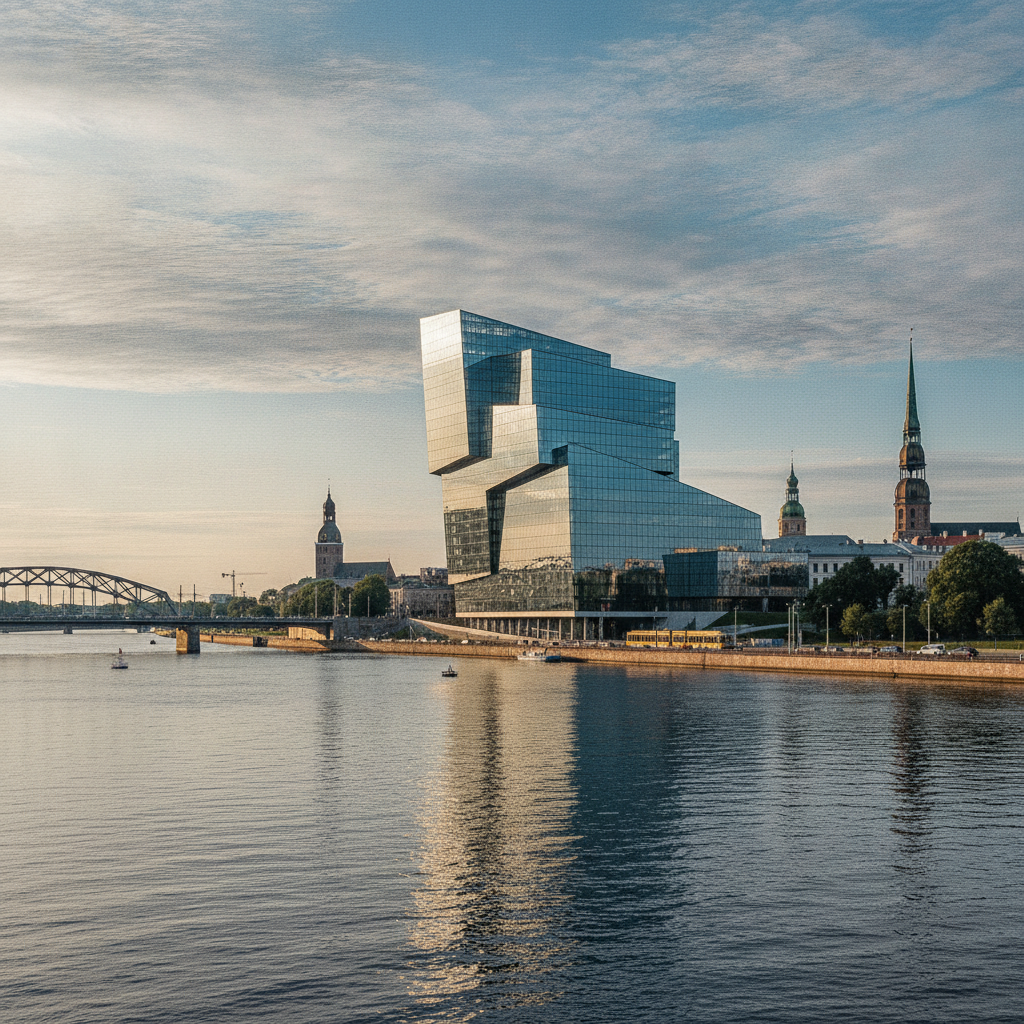
Riga & the Daugava River — the National Library, Pārdaugava & the Latvian Song and Dance Festival