Riga & the Daugava River — the National Library, Pārdaugava & the Latvian Song and Dance Festival
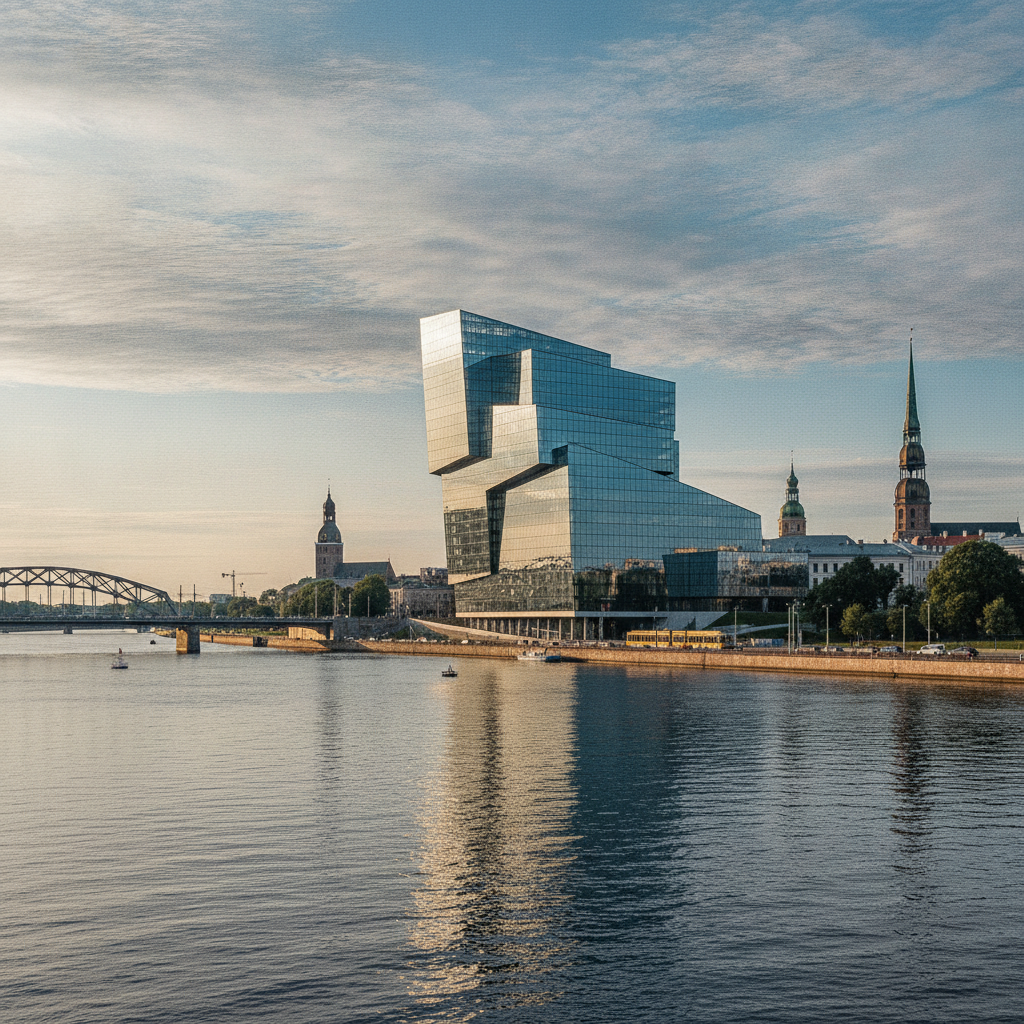
The Daugava River divides Riga into the Old Town east bank and the Pārdaugava west bank — the river the defining geographical feature of the city, the crossing point where the medieval trade routes from Russia and Poland met the Baltic Sea, and the location of the new Latvian National Library that has become the most significant new building in Latvia of the 21st century.
- 1
The Latvian National Library — the Castle of Light
The Latvian National Library (Latvijas Nacionālā bibliotēka, Mūkusalas iela 3, on the west bank of the Daugava, accessible by tram 5 from the Old Town across the Stone Bridge in 10 minutes, the building designed by the Latvian-American architect Gunnar Birkerts — who also designed the Federal Reserve Bank of Minneapolis and the IBM Information Systems Center in Boca Raton — the commission awarded 1989, the opening delayed by the Soviet collapse and the subsequent economic crisis, the building finally completed and opened 2014, the budget €200 million funded by the EU structural funds): the architecture (the 13-storey building 67m tall on the Daugava west bank, the glass curtain wall faceted in the form of a mountainside — referencing the Latvian folk poem 'Gaismas pils' — the Castle of Light, the mythical castle that a fisherman's son builds on a glass mountain — the structural steel inside the glass skin creating the visible grid, the building the most architecturally significant structure built in Latvia since independence, €3 adults for the reading rooms, Tuesday-Friday 10am-8pm, Saturday-Sunday 10am-5pm), the reading rooms (the open-access reading rooms on floors 3-7, the largest library collection in Latvia — 5.4 million items — the Latvian newspaper archive from 1822, the most complete collection of Latvian folk songs — dainas — in the world, the viewing terrace on the 11th floor providing the best cross-river view of the Riga Old Town, free on production of the library ticket at the information desk).
- 2
Pārdaugava — the Left Bank Neighbourhoods
Pārdaugava (the 'trans-Daugava' districts on the west bank of the river, the neighbourhoods historically separated from the Old Town by the river and developing a distinct character — the working-class and the petit-bourgeois residential districts of the interwar Latvian Republic, the wooden houses and the small-scale brick apartment buildings of the 1920s-30s, the neighbourhoods gentrifying slowly since 2010): Āgenskalns (the neighbourhood immediately south of the National Library, the Āgenskalns Market — the historic 1911 market pavilion in the Historicist brick style, the neighbourhood food market with the Latvian farmhouse produce and the Latvian street food, open Tuesday-Sunday 9am-5pm — the wooden house streets around the market, the Latvian interwar architecture at its most domestic and accessible, the neighbourhood the most relaxed in Riga for a morning walk away from the tourist circuit), Torņakalns (the neighbourhood surrounding the Torņakalns train station, the point of departure for the deportation trains of June 1941 and March 1949 when Latvian families were transported to Siberia from this specific platform — the memorial plaque at the station platform the most sombre historical marker in Riga, the neighbourhood otherwise characterised by the interwar Lutheran church and the wooden residential streets) and the Mūkusala peninsula (the former industrial peninsula between the Daugava and the Mūkupurvs bog, the contemporary warehouse conversion district with the design studios and the architecture practices that have colonised the industrial buildings since 2005).
- 3
The Latvian Song and Dance Festival
The Latvian Song and Dance Festival (Latvijas Dziesmu un deju svētki, the national choral and folk dance festival held every 5 years, the tradition established 1873 during the Latvian National Awakening — the single most important event in the Latvian cultural calendar, the festival the UNESCO Intangible Cultural Heritage of Humanity, the festival gathering 30,000-40,000 choir singers and folk dancers from across Latvia and the Latvian diaspora worldwide): the festival format (the week-long programme of concerts, the main events at the Mežaparka Lielā estrāde — the large open-air stage in the Mežaparks forest park 5km from the Old Town, the concert venue holding 80,000 spectators, the main concert the closing Grand Concert on Sunday evening when all 30,000 performers sing simultaneously on the stage — the largest choral performance in the world, the audience of 80,000 singing along to the Latvian dainas and the patriotic songs, the most powerful cultural event in the Baltic states), the festival history (the 1873 first festival the founding event of the Latvian national identity, the festival maintained through the Russian Imperial, Soviet, and Nazi occupations — each occupying power attempting to co-opt rather than suppress the singing tradition — the 1988 festival during the Soviet period the moment when the Latvian independence movement went public, analogous to the Estonian Singing Revolution, the next festival scheduled for 2028, tickets at dziesmusvetki.lv for the headline concerts at €20-60 for the Grand Concert).
- 4
The Latvian Museum of Natural History and Science
The Latvian Museum of Natural History (Latvijas Dabas muzejs, Kr. Barona iela 4, the natural history museum in a 19th-century building in the Quiet Centre district, €4 adults, Wednesday-Monday 10am-5pm, the collections covering the geology, flora, and fauna of Latvia): the amber collection (the most complete Baltic amber collection on public display, the amber specimens ranging from 40-55 million years old, the inclusions of insects and plant matter preserved in the amber — the museum's Jurässic Park-style display of the insect inclusions the most popular exhibit — the largest Latvian amber piece in the collection at 3.2kg, the geological map showing the distribution of amber on the Baltic coast), the Latvian ecosystem dioramas (the 1930s-period dioramas of the Latvian forest and coastal habitats — the elk, the wolf, the lynx, the stork, and the white-tailed eagle of the Latvian fauna presented in the stuffed specimen dioramas, the stork the national bird of Latvia — the population of 10,000 breeding stork pairs making Latvia the stork capital of Europe per square kilometre), and the geology of the Baltic (the sandstone cores from the Gauja valley showing the 350-million-year-old Old Red Sandstone — the Devonian formation underlying the Latvian landscape — the glacial erratic boulders from the last Ice Age displayed in the museum garden, the geology explaining the flat Latvian terrain and the Gauja valley exception).
- 5
Latvian Design, Craft and Amber Souvenirs
Latvian design and souvenirs: the correct Latvian purchases (the items that are genuinely Latvian versus the generic Baltic tourist products): amber (Baltic amber, 40-55 million years old, the fossilized pine resin from the ancient Baltic forest — the genuine amber warm to the touch, with a pine resin fragrance when rubbed, and floats in saturated salt water — available at the Central Market outdoor stalls at €15-80 for necklaces, or at the specialist amber shops on Torņa iela in the Old Town at €20-200 for more refined pieces), Latvian linen (the flax woven into linen the traditional Latvian textile — the linen shirts, tablecloths, and kitchen towels in the traditional Latvian geometric patterns, the quality handwoven pieces at the market at €25-80), Latvian ceramics (the pottery tradition of the Latgale region — the distinctive brown-glazed ceramics of the Latgale potter cooperatives, the Latgale folk ceramics at €10-30 at the Central Market), Laima chocolate (the Latvian chocolate brand since 1870, the Laima shop at Brīvības iela 22 the flagship — the distinctive rooster and chicken packaging, the Riga Caramel the most famous product, the chocolate boxes at €8-20 the most practical Latvian food gift) and the Latvian design shops (the Zīle concept store at Tērbatas iela 10, the most curated selection of contemporary Latvian design — the ceramics, textiles, and graphic design products of the young Latvian designers, priced €15-200).
- 6
Riga for the Long Weekend — a Three-Day Itinerary
Riga three-day framework: Day 1 — Old Town (morning: Dom Cathedral and the cloister, 9-11am; St. Peter's Church tower, 11am-12pm; Town Hall Square and the House of Blackheads, 12-1pm; lunch at the Central Market fish pavilion — smoked lamprey on black bread, 1-2pm; Museum of the Occupation of Latvia, 2-5pm; evening: Dom Square terrace cafe at dusk, dinner at the Vincents restaurant on Elizabetes iela — the best restaurant in Latvia, booking required, mains €30-45); Day 2 — Art Nouveau and the National Library (morning: Alberta Street and the Riga Art Nouveau Museum, 9am-12pm; lunch in the Miera iela neighbourhood — the Garage cafe for brunch; afternoon: tram across the Daugava to the National Library viewing terrace, 2-4pm; Pārdaugava walk through Āgenskalns, 4-5:30pm; evening: Latvian National Opera performance — booking at opera.lv); Day 3 — Day trip to Jūrmala or Sigulda (train from Central Station 9am, return by 5pm; evening: Latvian Central Market for the Sunday antique market — correct only if Day 3 is a Sunday — or the Palladium live music venue for the evening programme at 9pm). The Riga Card (€30/24h, €40/48h, €50/72h) covering public transport and 50+ museum entries the correct investment for the 3-day visit.
Walk this route with audio
Stories play automatically as you reach each stop — no tapping needed.
More in riga
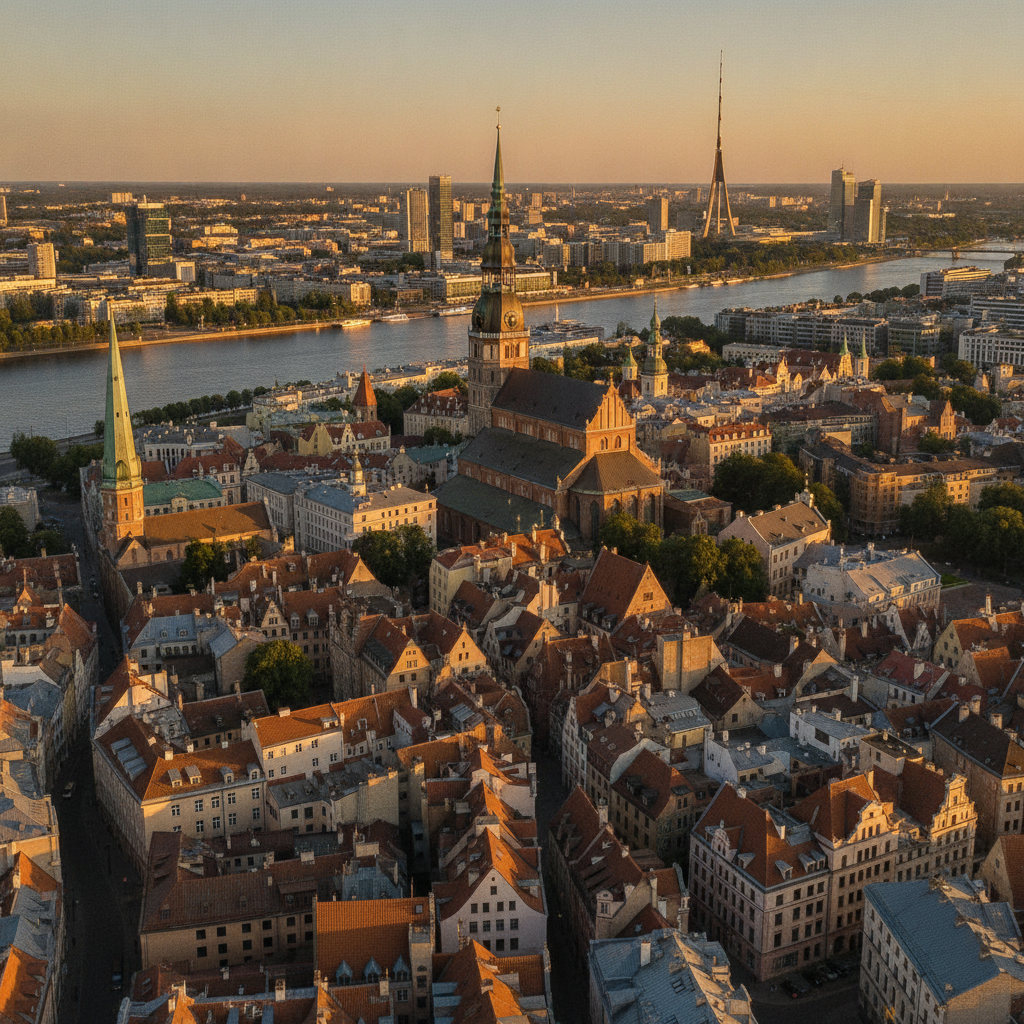
Riga Old Town — Dom Cathedral, the House of Blackheads & the Largest Art Nouveau District in Europe
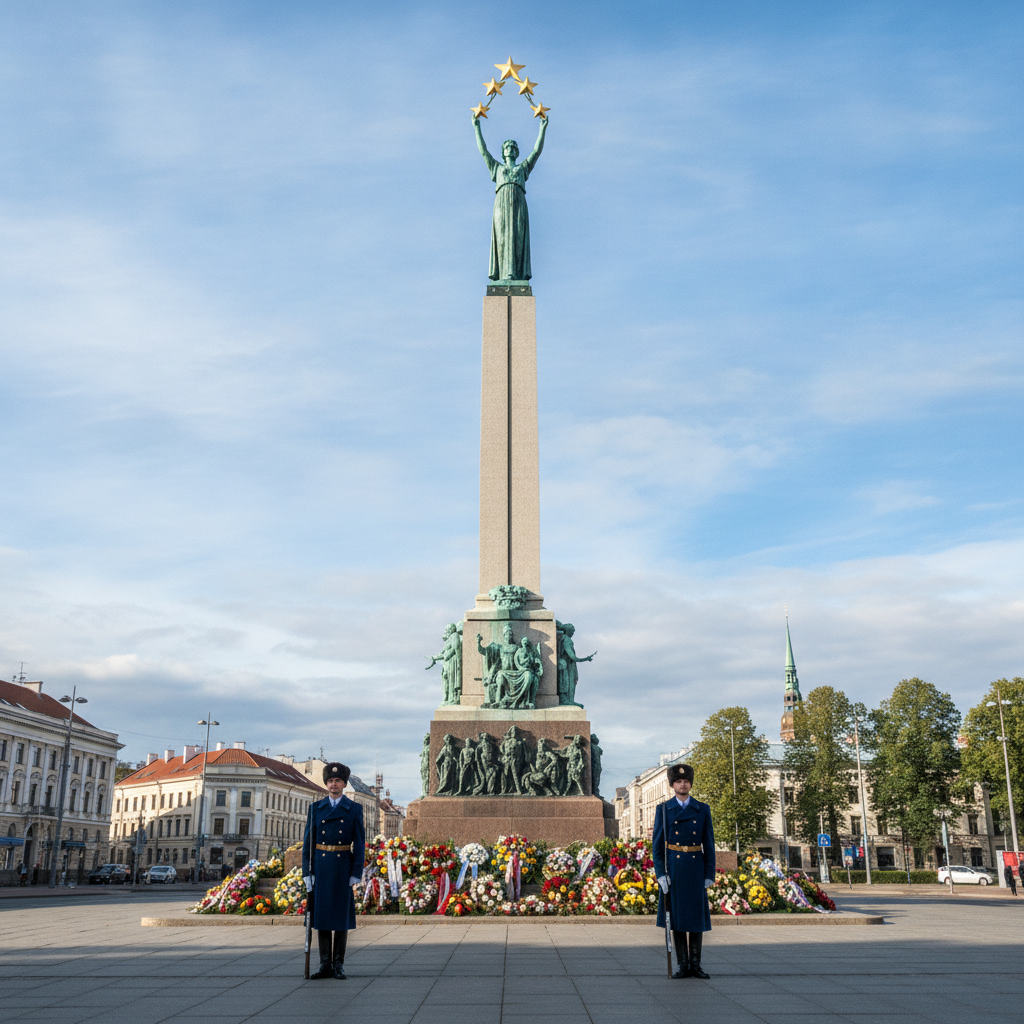
Riga — the Freedom Monument, Latvian Identity & the Museum of the Occupation
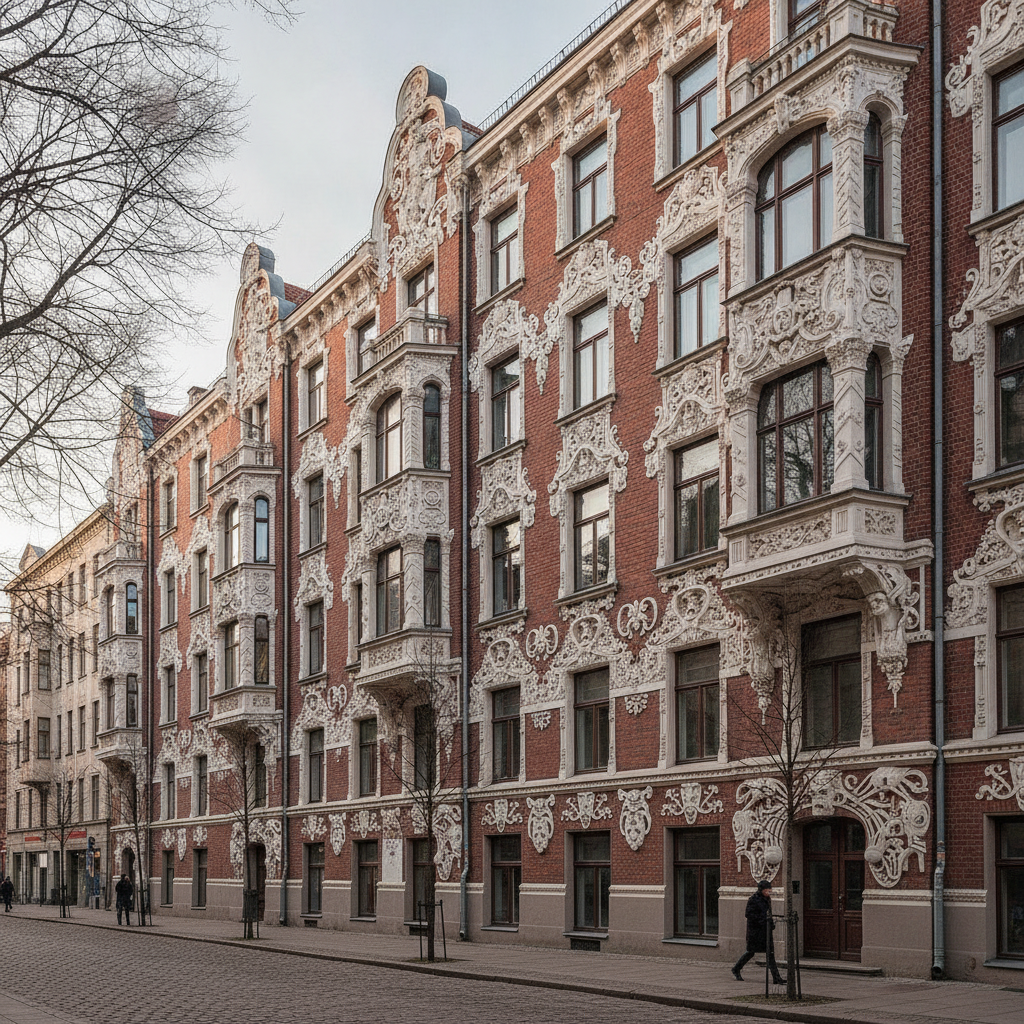
Riga Art Nouveau — Alberta Street, Mikhail Eisenstein & the World's Jugendstil Capital
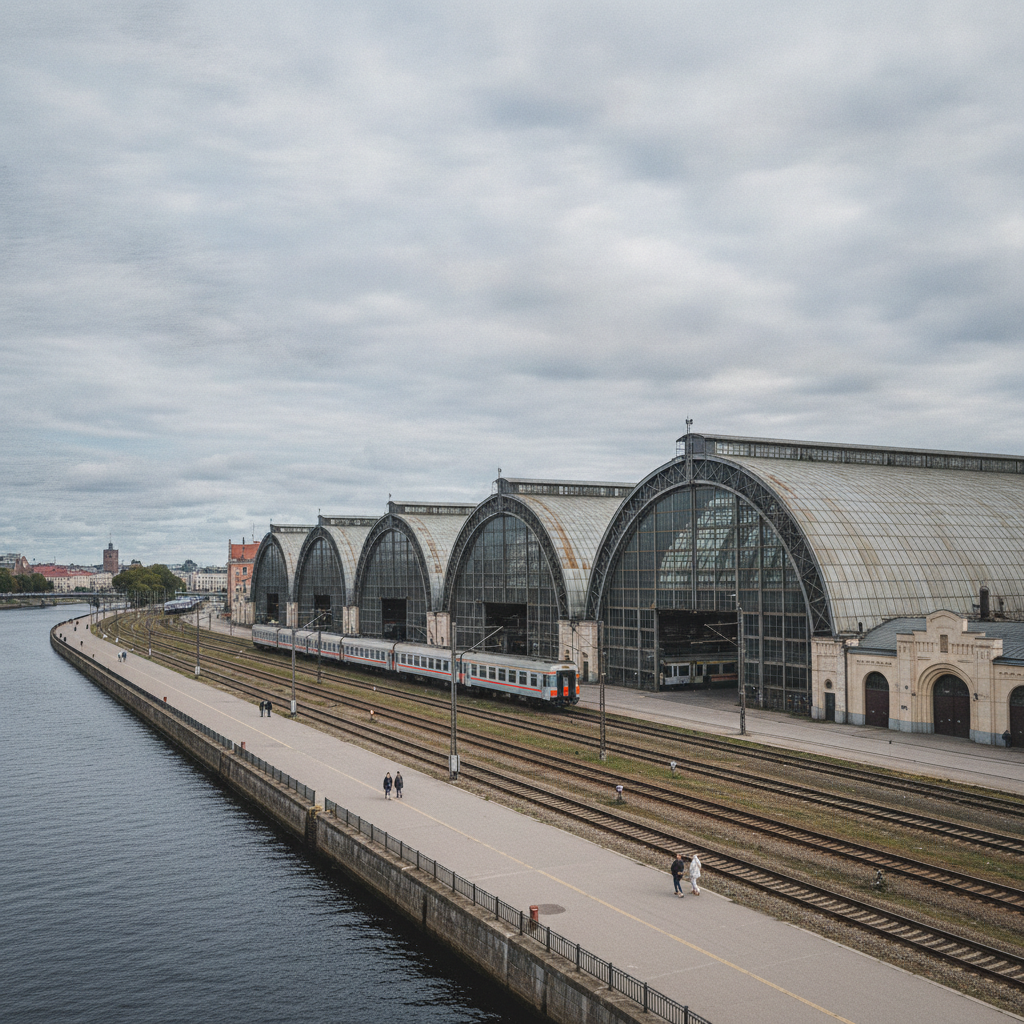
Riga Central Market & Latvian Cuisine — the Zeppelin Hangars, Grey Peas & Baltic Food Tradition