Losangeles
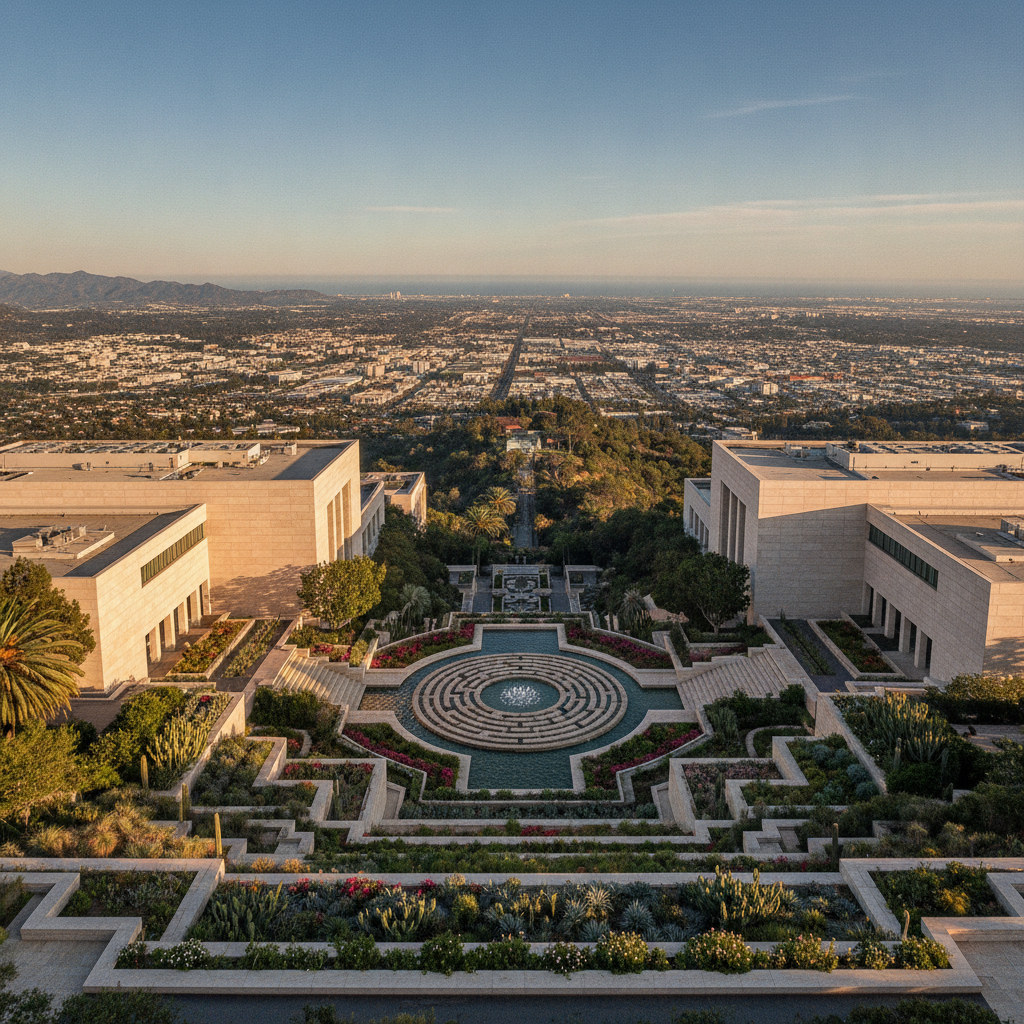
The Getty Center, Brentwood & Malibu: Art Above Los Angeles
The ridge of the Santa Monica Mountains separating the LA basin from the Pacific coast is the setting for two of the greatest art experiences in Los Angeles: the Getty Center (Richard Meier's monumental museum complex, opened 1997, housing one of the finest art collections in the United States) and the Getty Villa (a recreated Roman villa containing the world's greatest collection of ancient Greek and Roman art). Between them, the Pacific Coast Highway runs along the Malibu coast — the most scenically dramatic urban coastline in California.
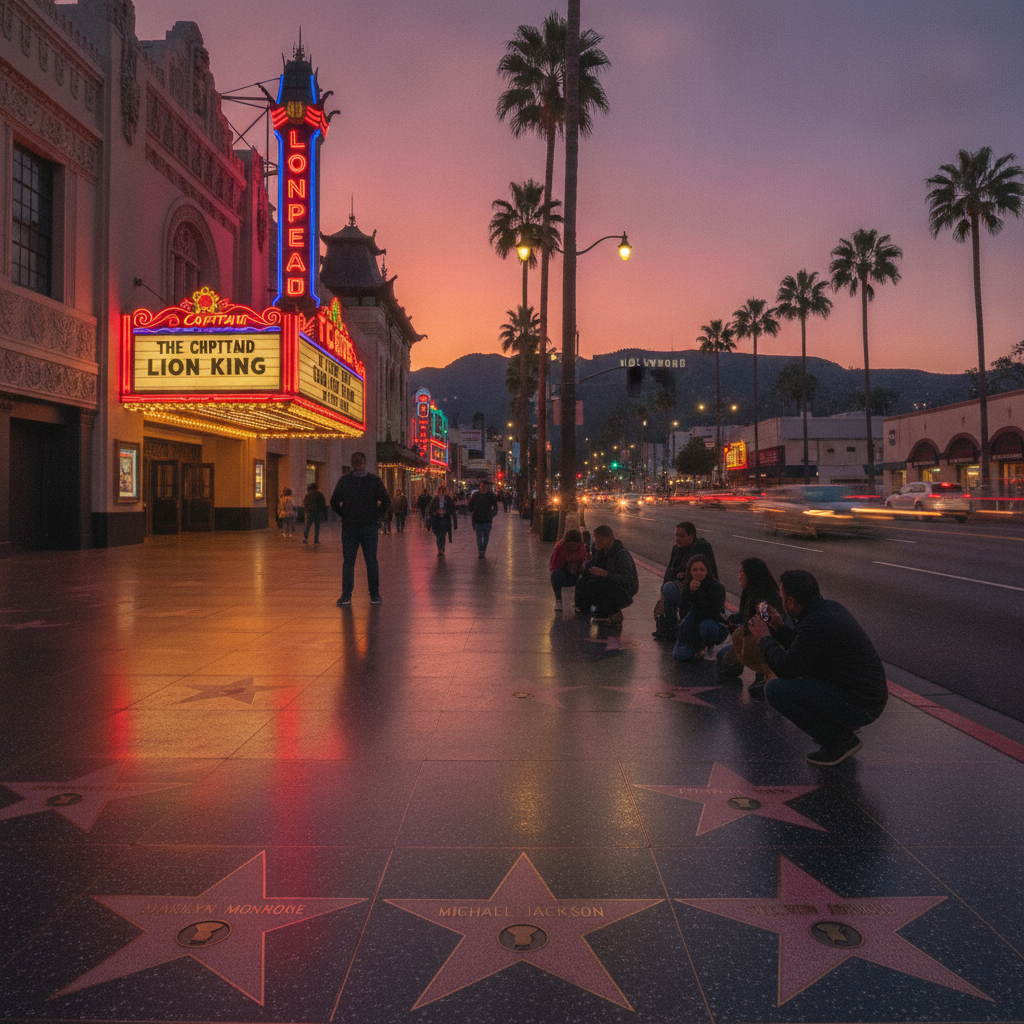
Hollywood Boulevard: Walk of Fame, TCL Chinese Theatre & Dolby Theatre
Hollywood Boulevard — the 3.5-mile corridor through the heart of Hollywood that was the center of the American film industry from the 1910s through the 1950s — is simultaneously the most mythologized street in the world (2,700 stars in the sidewalk, the most recognizable architectural landmarks of the film industry, the Oscar ceremony home) and one of the most commercially exploited tourist streets in America, an unsettling mix of genuine cultural history and relentless souvenir hawking.
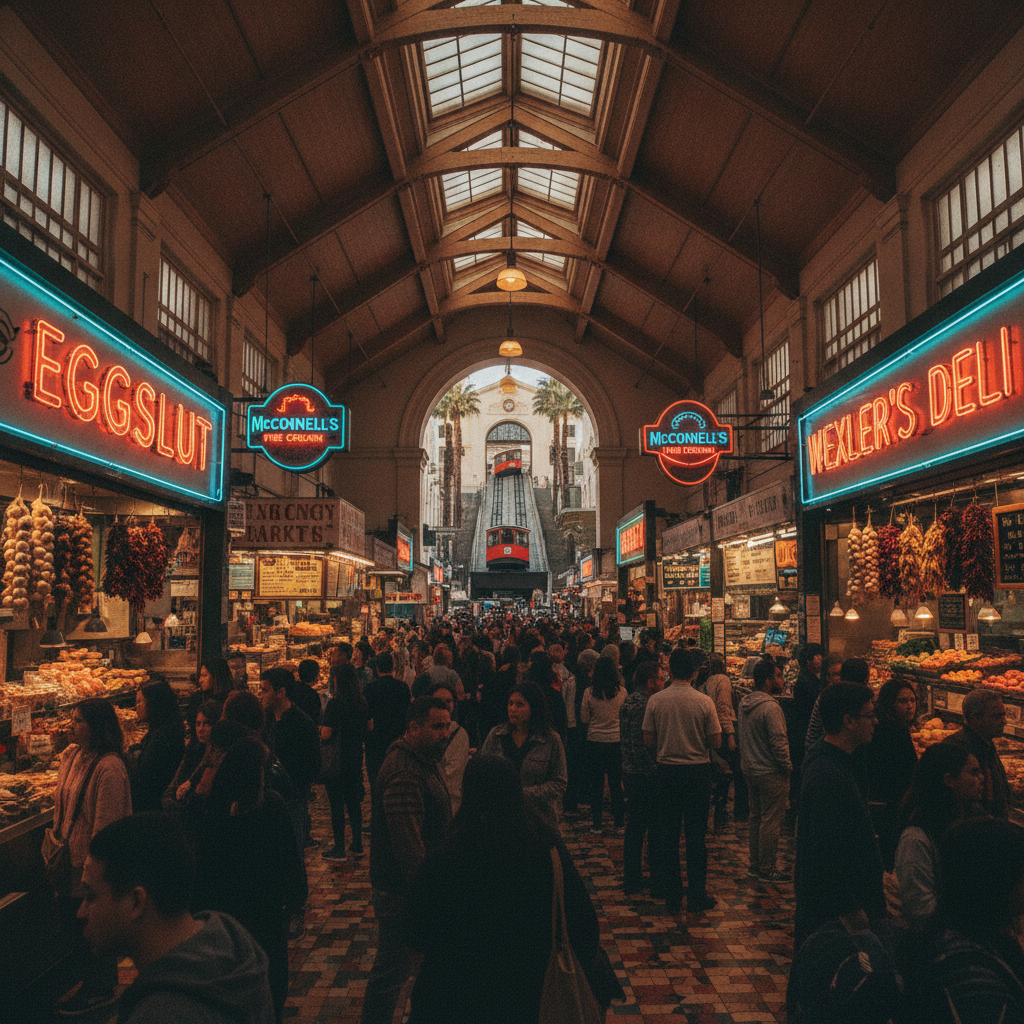
Downtown LA: Grand Central Market, Bradbury Building & Arts District
Downtown Los Angeles — dismissed as a wasteland for decades, now one of the fastest-changing urban neighborhoods in America — contains some of LA's most extraordinary architecture (the 1893 Bradbury Building, the 1928 Biltmore Hotel, the 1932 Griffith Park Observatory-adjacent City Hall) alongside the arts district that has replaced the warehouse district with galleries, studios, and restaurants, all anchored by the 1917 Grand Central Market, the most democratic food hall in California.
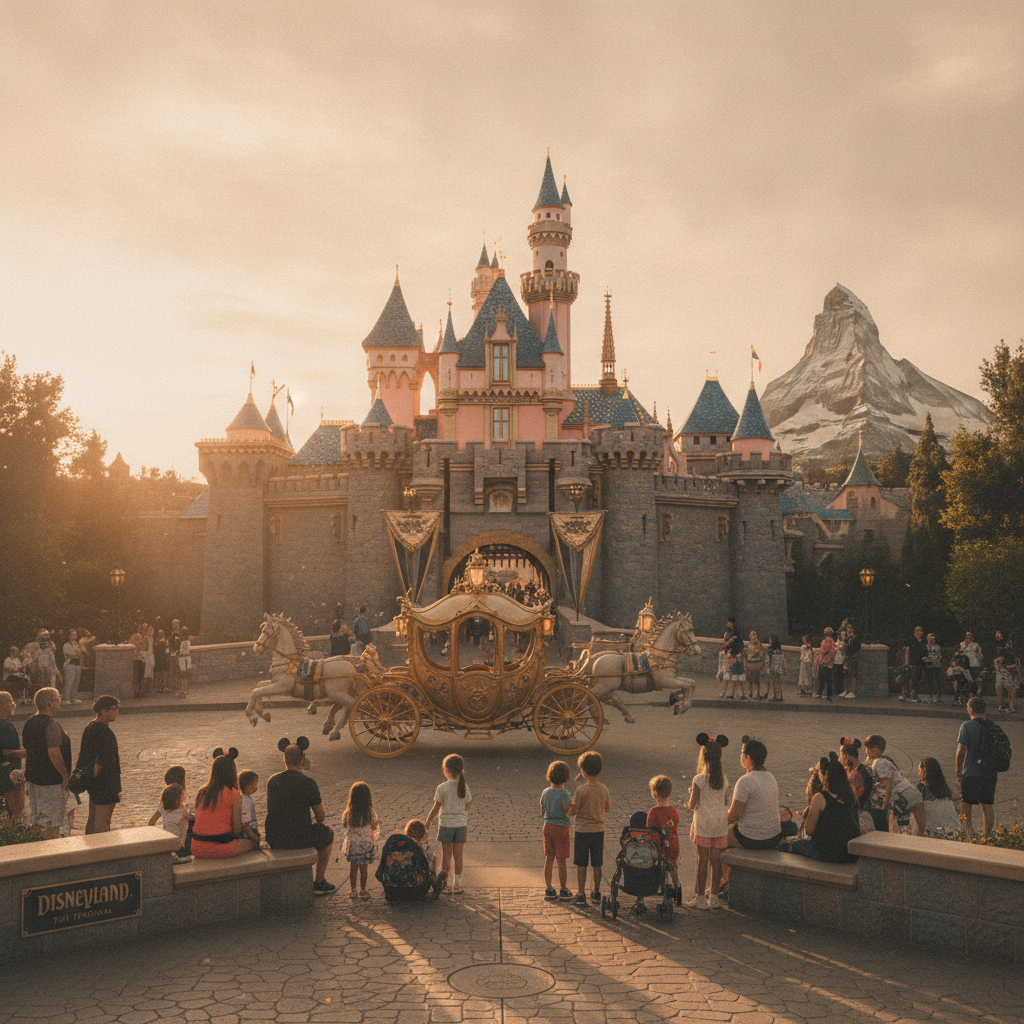
Anaheim & Orange County: Disneyland, Knott's Berry Farm & Angel Stadium
Anaheim (founded 1857 as a German immigrant wine colony, incorporated 1876, population 350,000) — 30 miles south of downtown Los Angeles in Orange County, linked to LA by the I-5 (the Santa Ana Freeway, the busiest section of freeway in America until the 405 was widened) — is the theme park capital of the western United States: home to Disneyland (the original Disney park, 1955, the most visited theme park in North America), Disney California Adventure (2001), and nearby Knott's Berry Farm (1920, the first commercial theme park in the United States, predating Disneyland by 35 years).
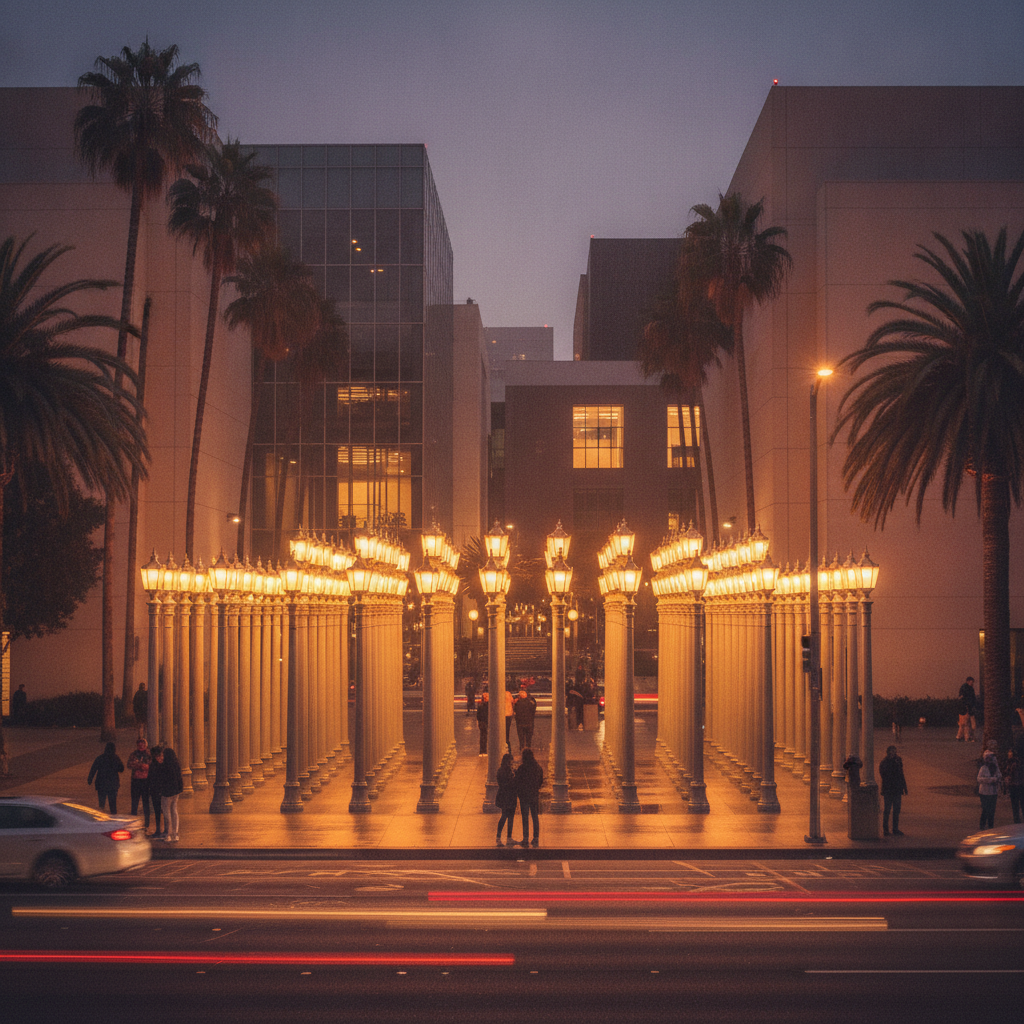
LACMA, La Brea Tar Pits & Miracle Mile: Museum Row on Wilshire
The Miracle Mile — the 1.5-mile stretch of Wilshire Boulevard between La Brea and Fairfax Avenues, developed in the 1920s and 1930s as LA's first auto-oriented commercial strip — is now home to the greatest concentration of museums in Los Angeles: LACMA (the largest art museum in the western United States), the La Brea Tar Pits (the world's richest Ice Age fossil site), the Petersen Automotive Museum, and the Academy Museum of Motion Pictures.
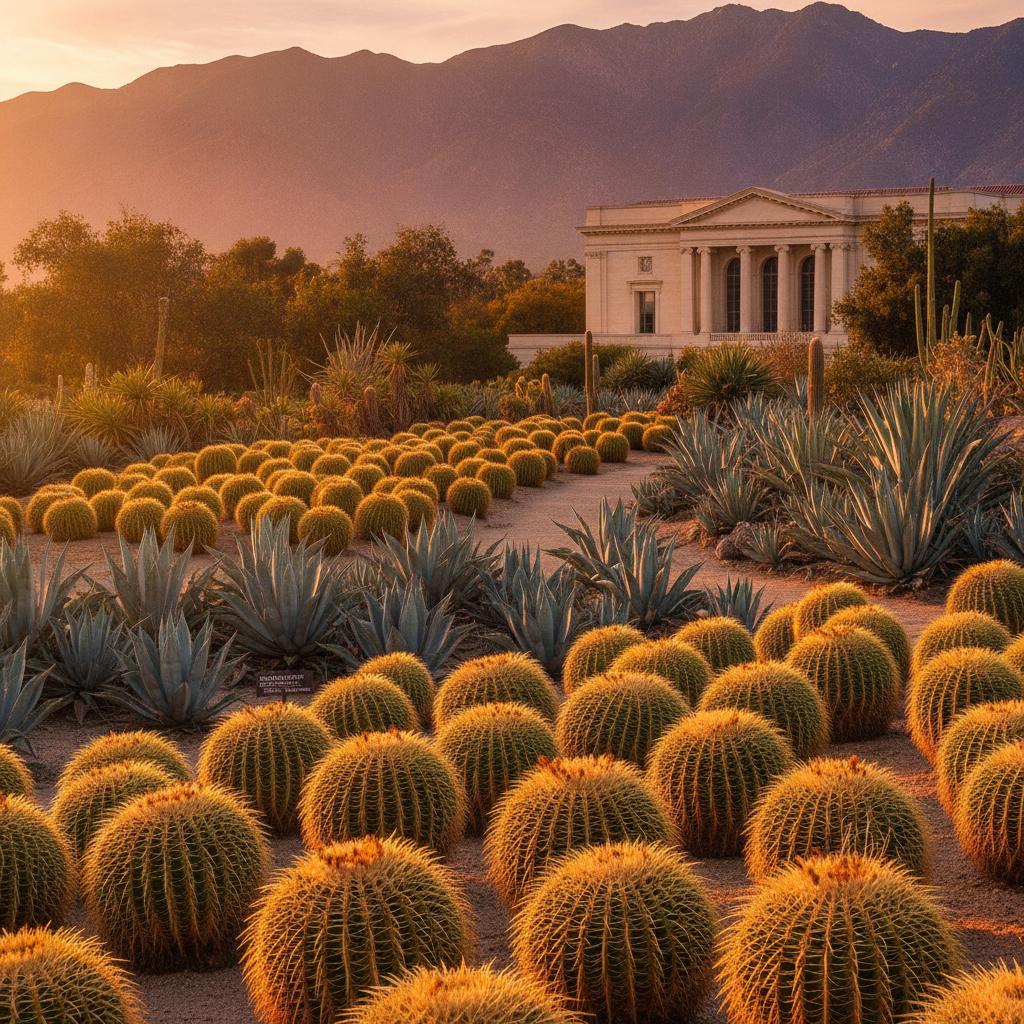
Pasadena: Huntington Library, Rose Bowl & Old Town
Pasadena — founded 1874, incorporated 1886, the first city in California to reach Los Angeles by rail (1885) and the western terminus of the original Route 66 (1926) — is the most culturally significant suburb in Los Angeles, home to Caltech (the world's top science university by Nobel laureates per capita), the Huntington Library and Gardens, the Rose Bowl, and a concentration of Arts and Crafts architecture unequaled on the West Coast.
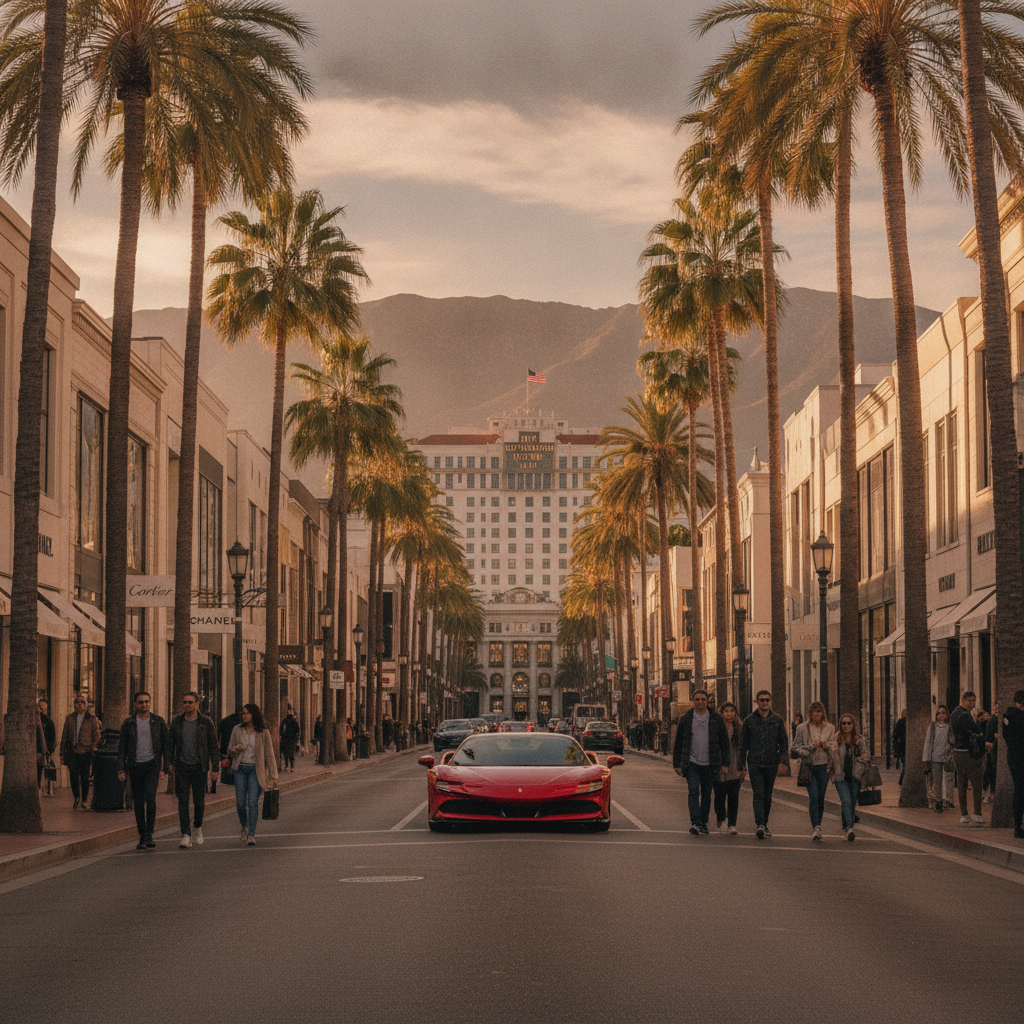
Beverly Hills, Rodeo Drive & West Hollywood: The Sunset Strip
Beverly Hills (incorporated 1914, population 32,000) and West Hollywood (incorporated 1984, population 35,000) — two independent municipalities entirely surrounded by the City of Los Angeles — define the intersection of wealth, celebrity culture, and entertainment industry that has made the 90210 ZIP code the most famous address in the world. Rodeo Drive and the Sunset Strip are the commercial axes of this world.
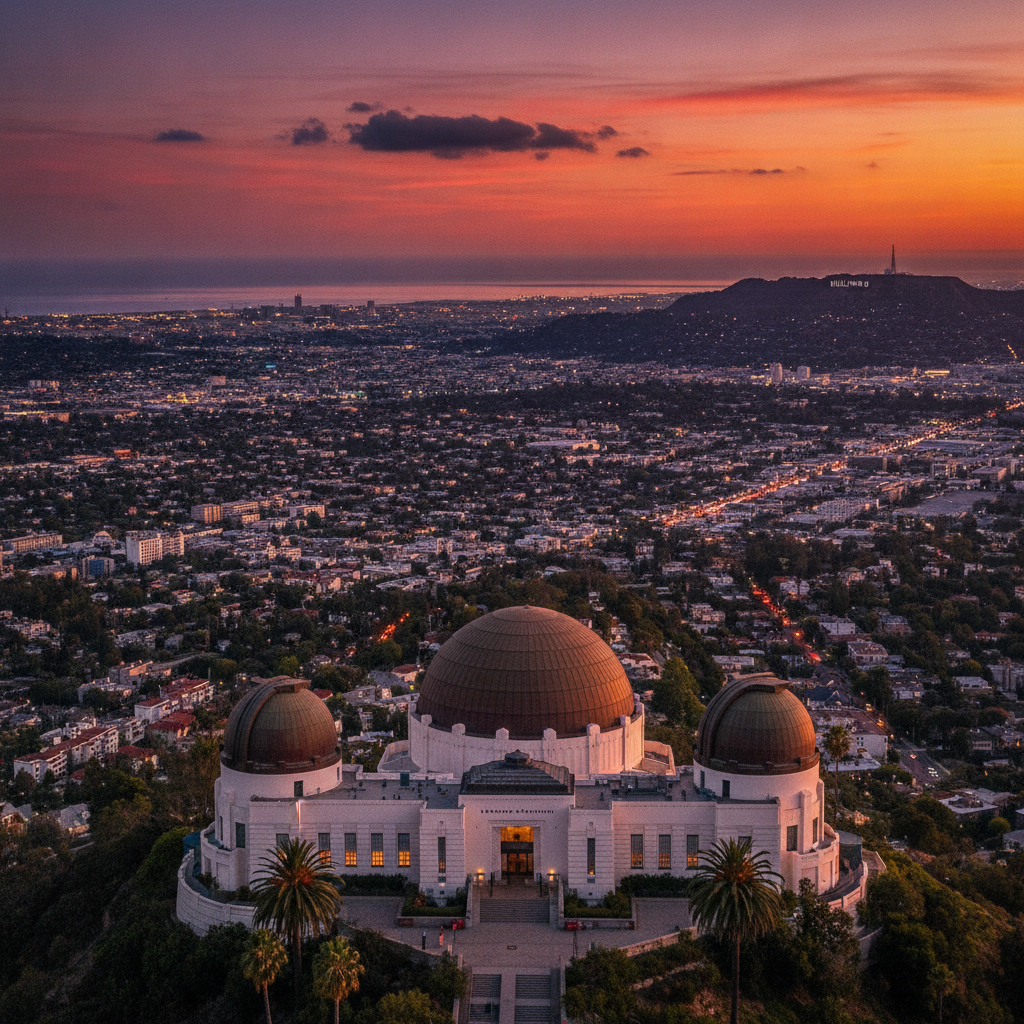
Griffith Observatory, Hollywood Hills & the Hollywood Sign
The Santa Monica Mountains rise abruptly from the LA basin, and Griffith Park — at 4,310 acres the largest urban park in the United States — occupies their eastern end. This route climbs from Hollywood's Walk of Fame to the Griffith Observatory (the most visited public observatory in the world) and the ridgeline beneath the Hollywood Sign, offering the defining panorama of Los Angeles and access to the hills that have symbolized the city's glamour and aspiration since the silent film era.
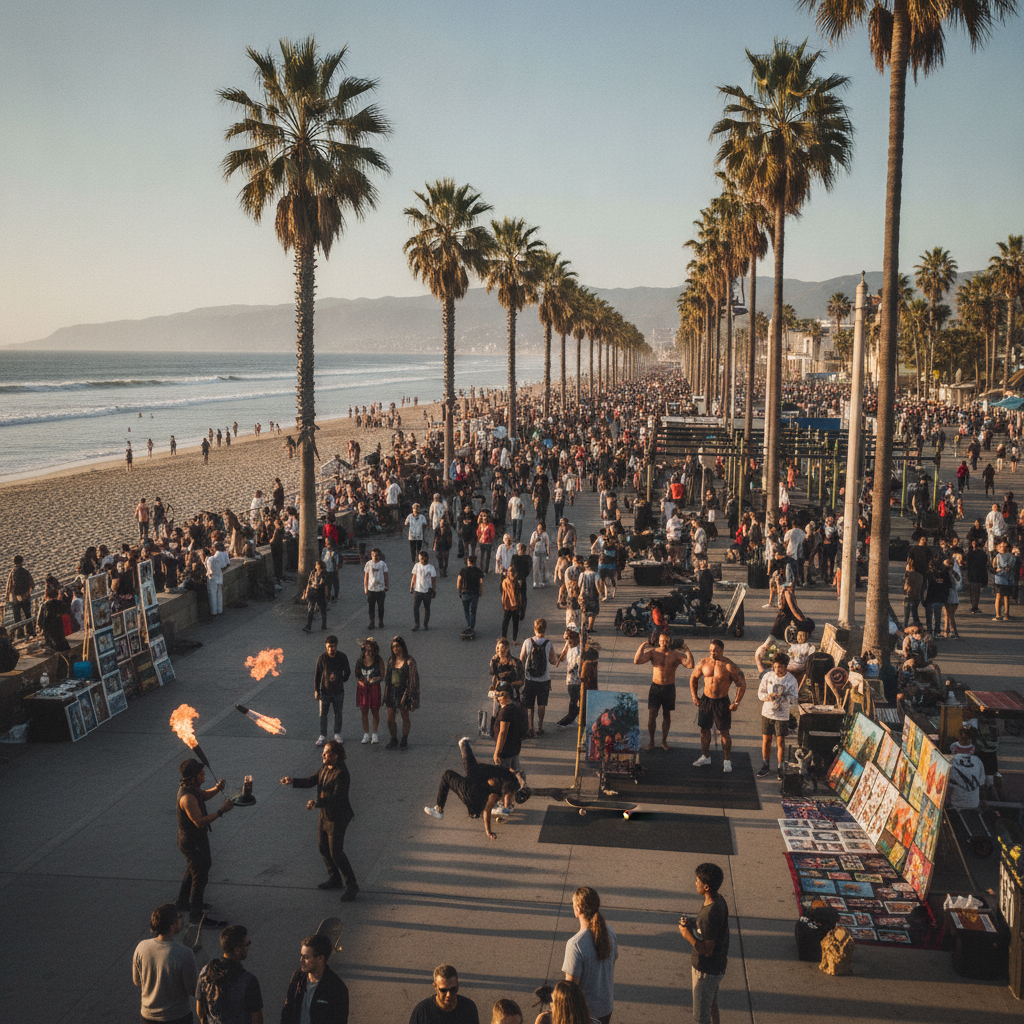
Venice Beach, Santa Monica Pier & the LA Waterfront
The 22-mile Los Angeles coastline from Palos Verdes to Malibu is one of the defining landscapes of American popular culture. This route focuses on its most iconic and accessible section: Venice Beach (the countercultural carnival boardwalk), the Santa Monica Pier (the official end of Route 66), and the neighborhoods — Venice, Santa Monica, Ocean Park — that have attracted artists, bohemians, and visionaries since the early 20th century.