Lisbon
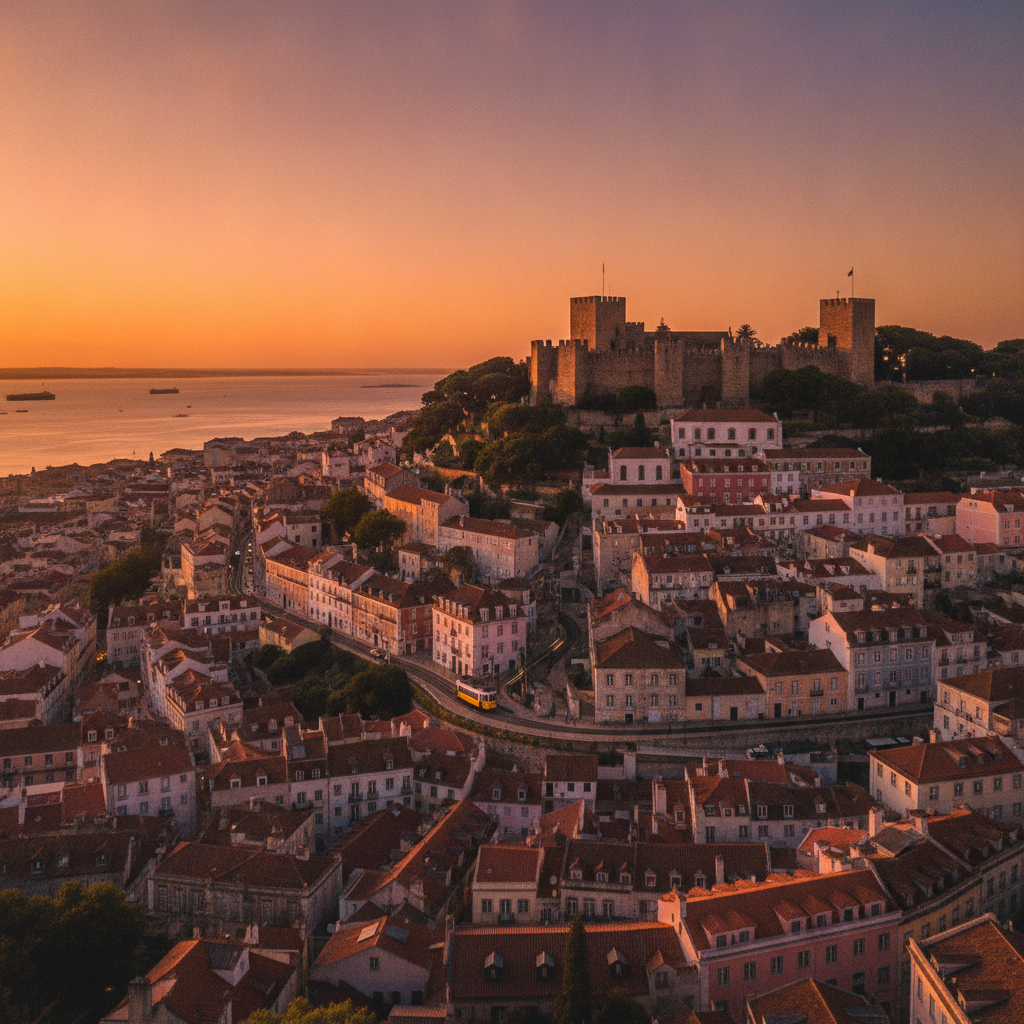
Alfama & São Jorge Castle: Lisbon's Moorish Heart
Alfama — from the Arabic al-hamma, 'the baths' — is the oldest surviving neighborhood of Lisbon, the only district that pre-dates the catastrophic 1755 earthquake that destroyed most of the city. Draped across a hillside above the Tagus beneath the Moorish castle of São Jorge, its labyrinth of steep lanes, tiled houses, miradouros (viewpoints), and fado bars represents the soul of the city as it existed before the rational Pombaline grid changed everything below. To walk Alfama is to navigate a living memory.
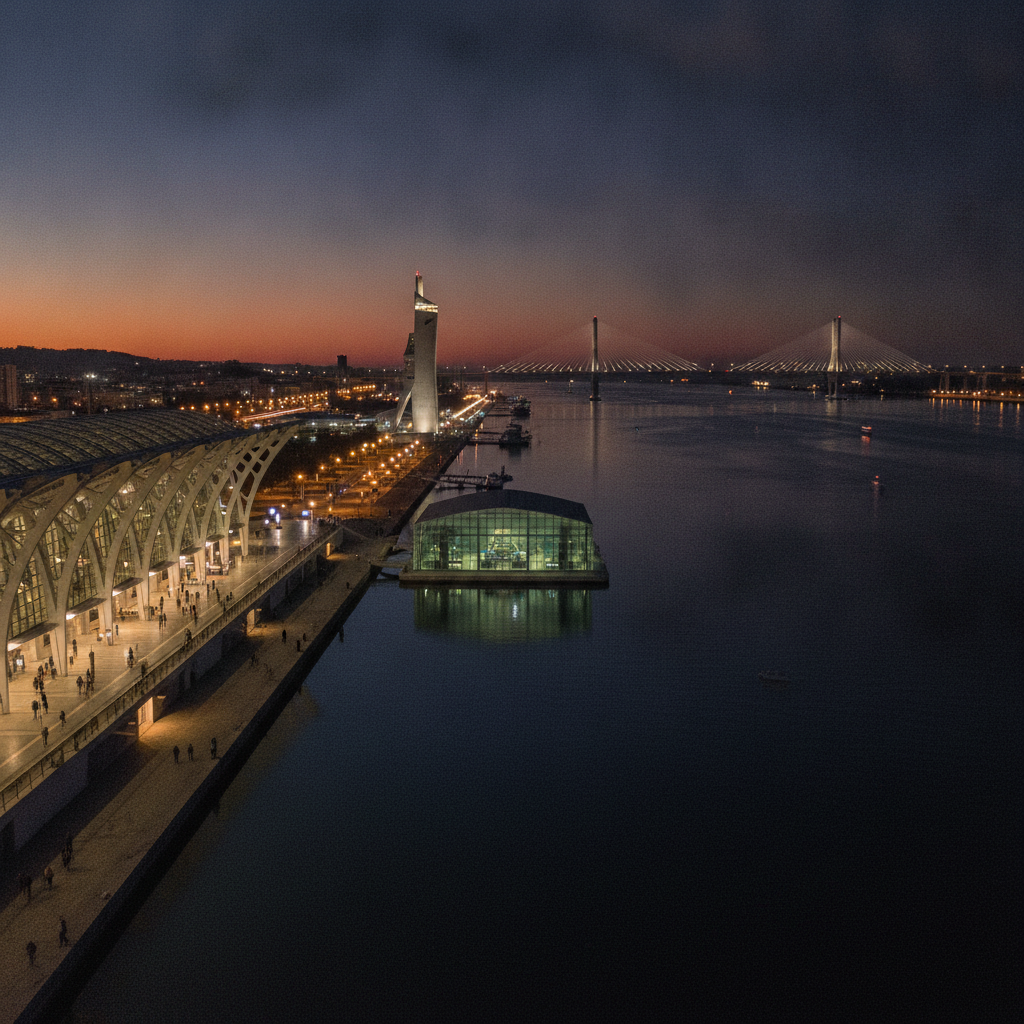
Parque das Nações: Expo '98 and Lisbon's City of the Future
The Parque das Nações ('Park of Nations'), in the northeastern part of Lisbon along the Tagus waterfront, was built on the site of a derelict industrial wasteland and contaminated oil refinery for the 1998 World Exposition (EXPO '98), themed 'The Oceans: A Heritage for the Future'. The event attracted 11 million visitors and left behind the most significant urban regeneration project in Portuguese history — a new city district of contemporary architecture, riverside promenades, cultural pavilions, and public spaces that has become home to over 25,000 residents and the location of Lisbon's most ambitious contemporary buildings.
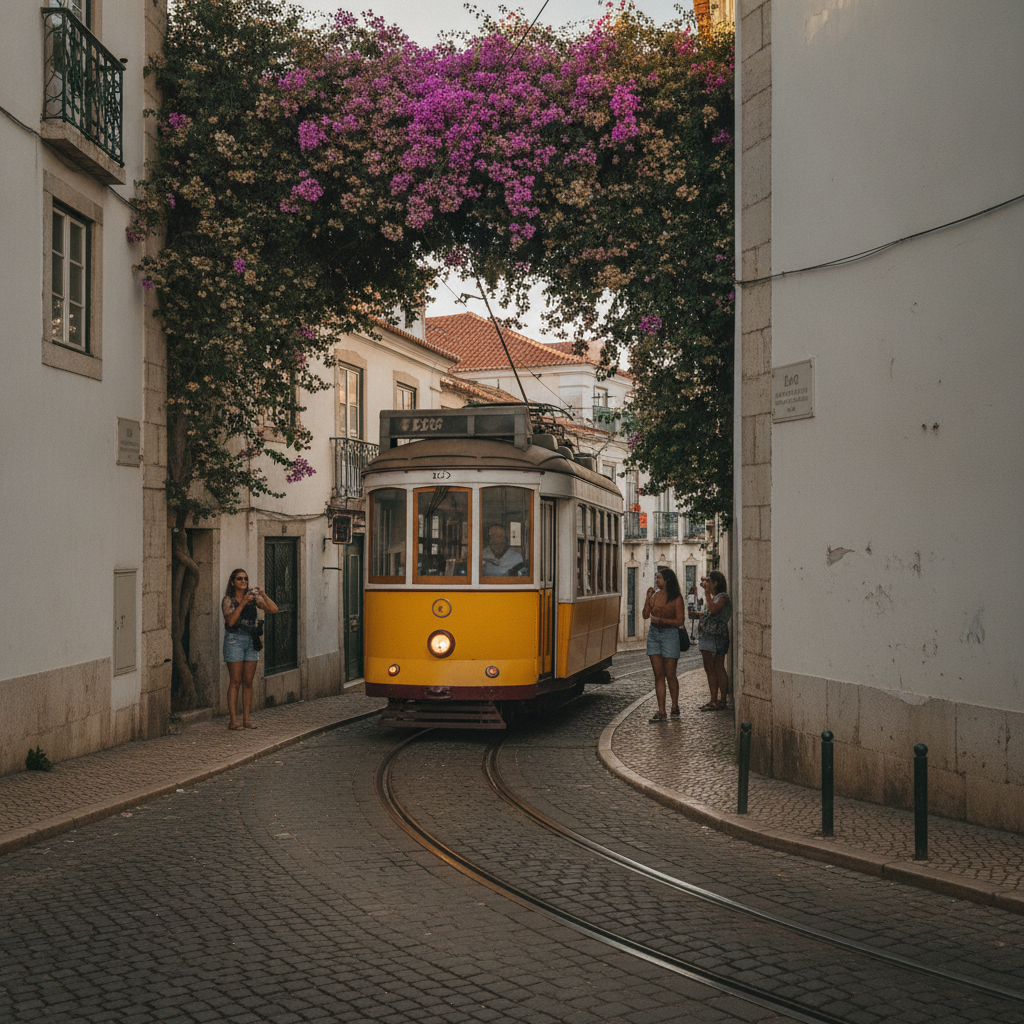
Tram 28, Estrela & Campo de Ourique: Lisbon's Most Scenic Ride
Lisbon's historic yellow trams — the eléctricos — are as much a part of the city's identity as its hills, its fado, and its azulejos. The most famous route, Tram 28, runs from Martim Moniz through Alfama, past the cathedral, up through the Chiado, across the Largo de Camões, and into the western neighborhoods of Estrela and Campo de Ourique. The full 7-km ride takes about 45 minutes and passes through more of Lisbon's essential streetscape than any other single transit line.
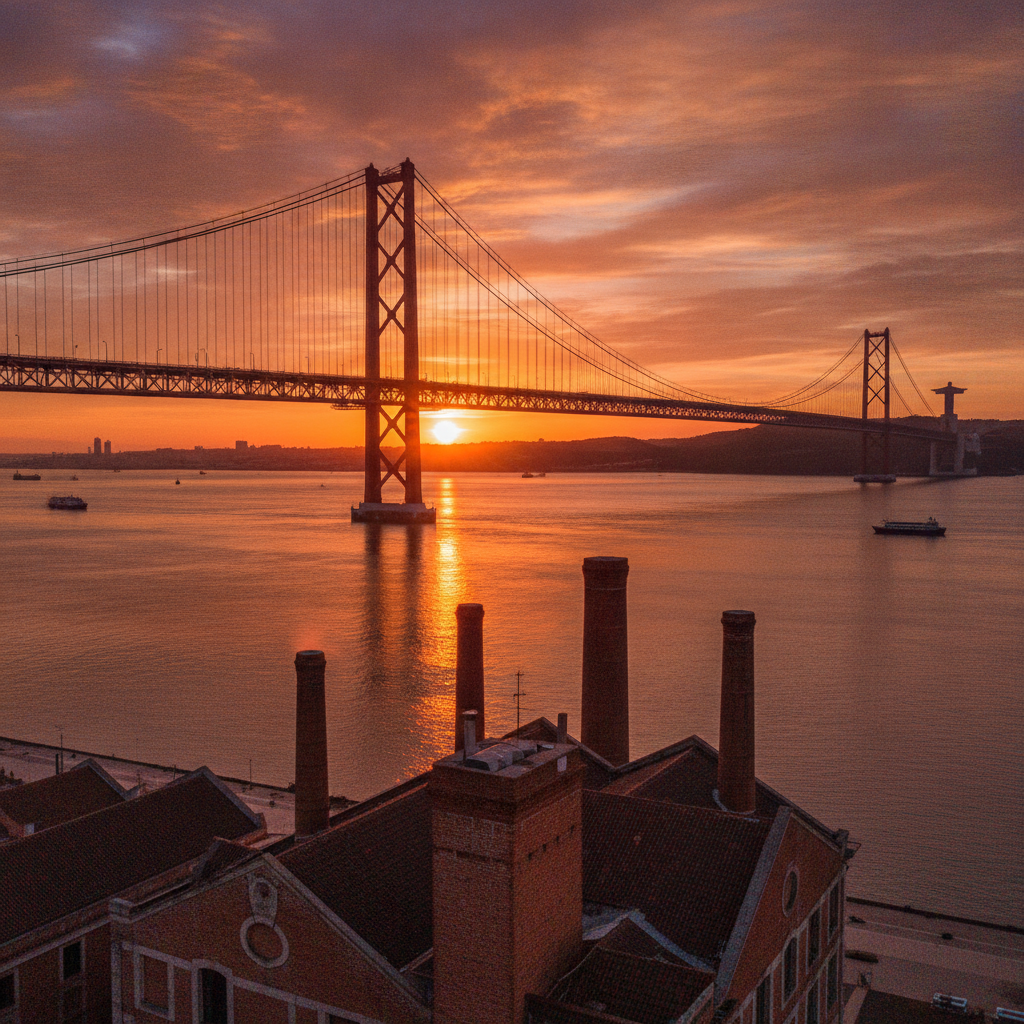
LX Factory, Alcântara & the 25 de Abril Bridge: Industrial Lisbon Reborn
The riverside district of Alcântara, west of Belém and beneath the massive towers of the 25 de Abril suspension bridge, was Lisbon's industrial heartland in the 19th and 20th centuries — its textile factories, shipyards, and industrial buildings occupying the Tagus waterfront for several kilometers. Today the same district has become the center of Lisbon's creative economy, with the LX Factory — a converted textile mill — as the most vibrant creative hub in the city, and the adjacent waterfront serving as a major cultural and gastronomic destination.
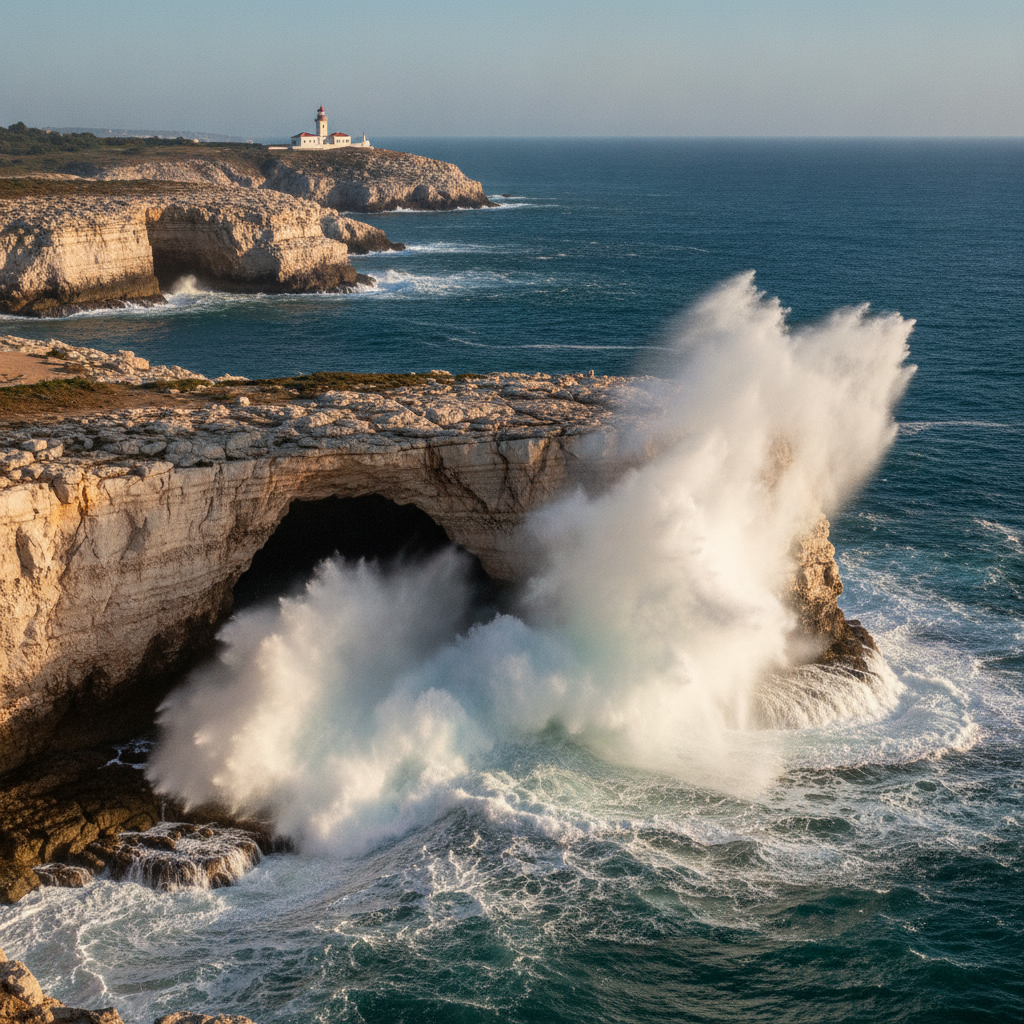
Cascais & Estoril: The Portuguese Riviera by the Sintra Line
The 40-km stretch of Atlantic coastline west of Lisbon — known as the Portuguese Riviera — was the playground of European royalty, exiled monarchs, and wartime spies in the 20th century, and remains one of the most beautiful coastal day-trips from any European capital. The Sintra line train from Cais do Sodré takes 33 minutes to Cascais; the journey passes through the resort towns of Estoril and Monte Estoril before ending at the old fishing village turned yachting and surfing destination. The combination of sandy beaches, dramatic sea cliffs, excellent seafood, and the faded glamour of early 20th-century casino and villa architecture makes this route unique.
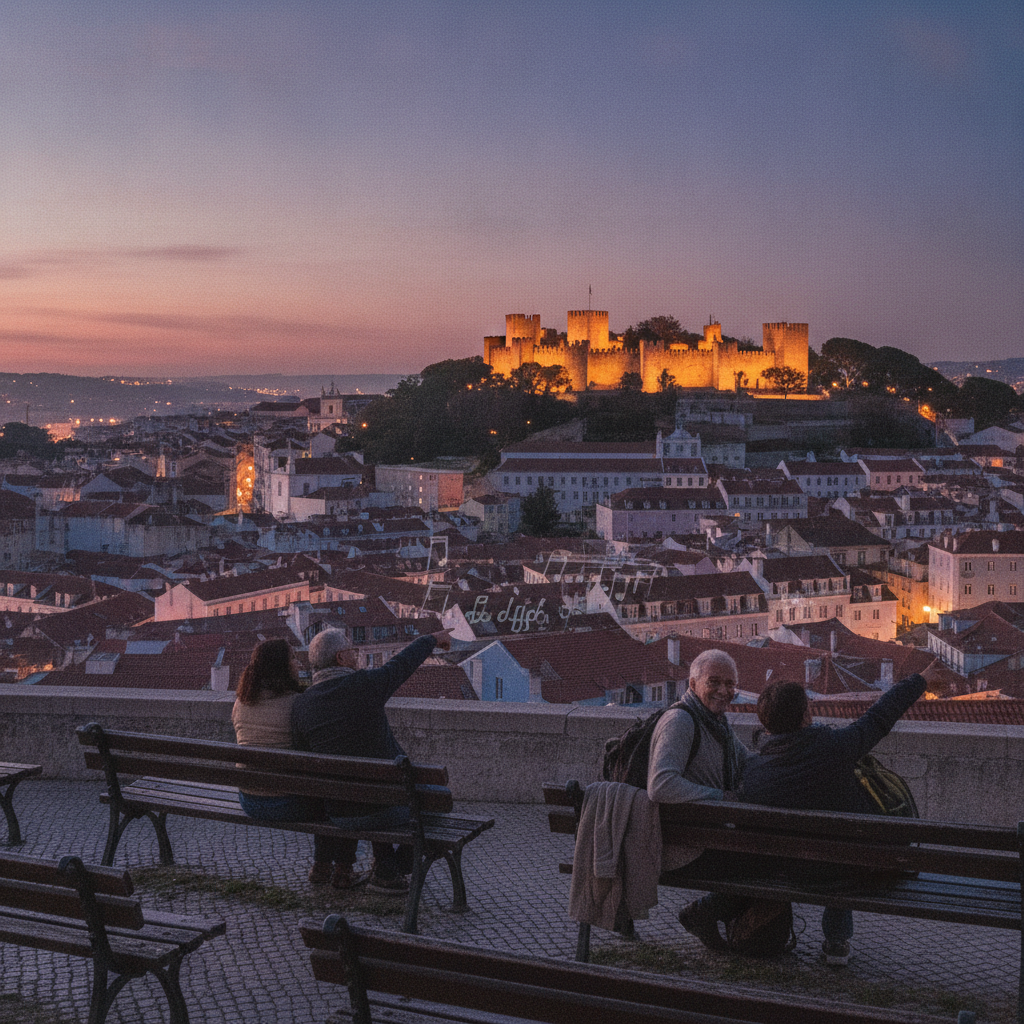
Mouraria, Intendente & Graça: Lisbon's Most Authentic Neighbourhoods
North of Alfama and the cathedral, the hill rises through Mouraria — the Moorish quarter where Lisbon's Muslim population was confined after the Christian reconquest of 1147 — to Graça, the highest and arguably most authentically Lisbon neighborhood on the eastern hills, with its blue-and-white tiled chapel, its viewpoints, and its weekday market. Between them, the Intendente square has transformed from a red-light district into one of Lisbon's most vibrant multicultural gathering places.
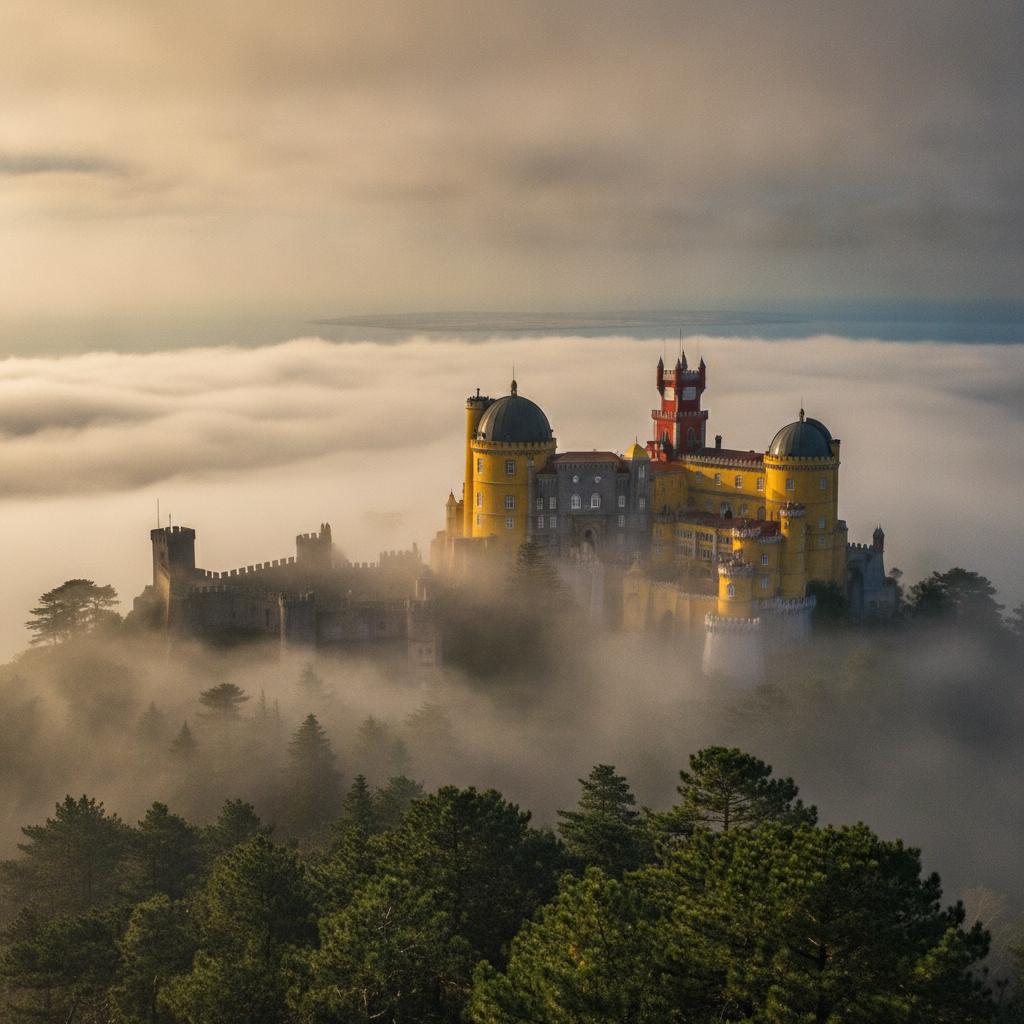
Sintra: Palaces, Mysticism & the Mountains of the Moon
Sintra, the hilltop town 30 km northwest of Lisbon perched in the Serra de Sintra mountains above the Atlantic coast, was the summer residence of Portuguese royalty for centuries and is now a UNESCO Cultural Landscape (1995) — a uniquely dense concentration of Romantic palaces, Moorish ruins, mystical gardens, and eccentric 19th-century follies set in a landscape of mist, pine forest, and granite peaks. Lord Byron, who visited in 1809, called it 'glorious Eden'; it remains one of the most remarkable day-trip destinations in Europe.
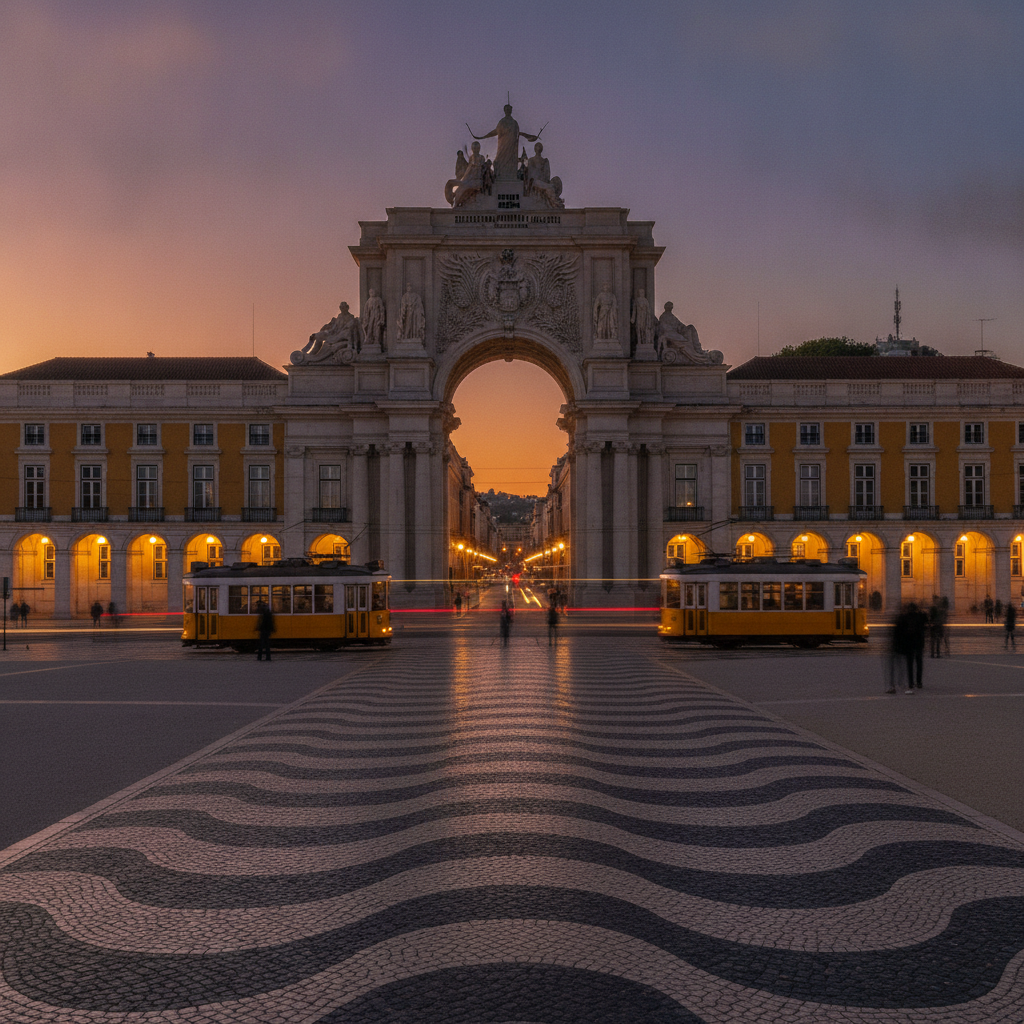
Baixa, Chiado & Rossio: The Pombaline City & Lisbon's Literary Heart
The Baixa Pombalina ('Pombaline Lowlands') is one of the most complete examples of Enlightenment urban planning in the world — a perfectly regular grid of streets rebuilt after the catastrophic 1755 earthquake and tsunami under the direction of the Marquis of Pombal, Sebastião José de Carvalho e Melo, the autocratic Prime Minister who remade Lisbon in 18 months of frenzied construction. Immediately to its west, the hillside neighborhood of Chiado — Lisbon's cultural and literary quarter since the 18th century — provides the elegant counterpoint to the Baixa's commercial rationalism.
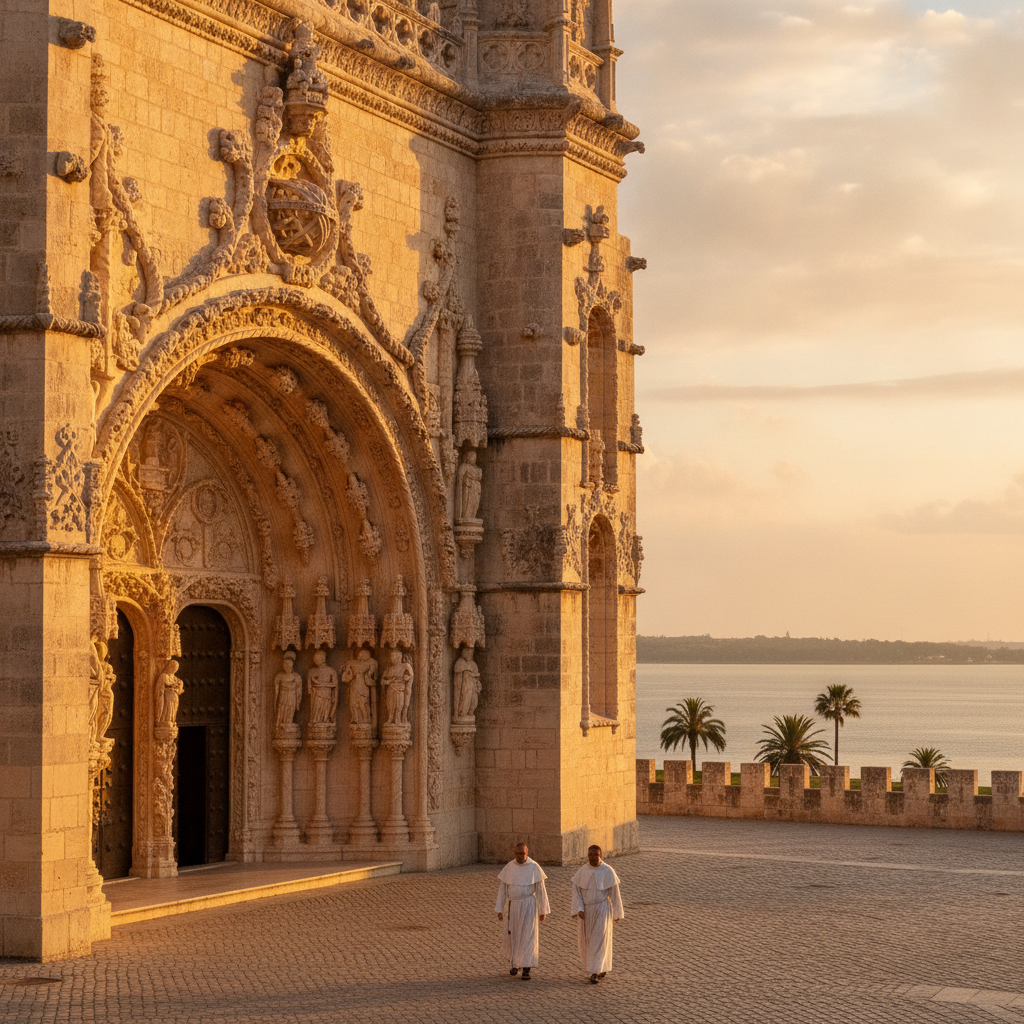
Belém: The Manueline Monuments of the Age of Discoveries
Belém ('Bethlehem' in Portuguese), the riverside district 6 km west of Lisbon's center, is where Vasco da Gama set sail for India in 1497 and where the most spectacular monuments of Portugal's Age of Discoveries were built in his honor and the honor of those who followed. The Jerónimos Monastery and the Tower of Belém — both UNESCO World Heritage Sites since 1983 — are the supreme achievements of the Manueline style, Portugal's unique Late Gothic architectural form characterized by maritime motifs and a ornamental exuberance that has no parallel in European architecture.