Mouraria, Intendente & Graça: Lisbon's Most Authentic Neighbourhoods
North of Alfama and the cathedral, the hill rises through Mouraria — the Moorish quarter where Lisbon's Muslim population was confined after the Christian reconquest of 1147 — to Graça, the highest and arguably most authentically Lisbon neighborhood on the eastern hills, with its blue-and-white tiled chapel, its viewpoints, and its weekday market. Between them, the Intendente square has transformed from a red-light district into one of Lisbon's most vibrant multicultural gathering places.
- 1
Mouraria Quarter & Largo do Intendente
Mouraria ('the Moorish quarter') is the neighborhood where the Moorish residents of Lisbon were permitted to remain after the Christian conquest — segregated behind the city walls, excluded from the Christian city — until the 18th century. It has remained one of Lisbon's most ethnically diverse neighborhoods ever since: today its tight lanes around the Martim Moniz square and the Intendente plaza are home to large Chinese, South Asian, Cape Verdean, and Brazilian immigrant communities alongside the original Lisboeta population. The Largo do Intendente Pina Manique, a broad, slightly sloping square, underwent a comprehensive regeneration in the 2010s: the former red-light establishments were replaced with independent restaurants, craft shops, and cultural initiatives, and the square's beautiful Pombaline and neo-Gothic buildings were restored. The famous Viúva Lamego ceramic tile factory (1849), whose shop-front is one of the finest azulejo displays in Lisbon, anchors one side of the square.
- 2
Martim Moniz Square & Mouraria's Fado Origins
Praça Martim Moniz, the large square at the foot of the Mouraria hill, is Lisbon's most multicultural public space — its stalls and food trucks serving food from every community that has settled in the neighborhood. The square is named after a Christian knight who, according to legend, held open the gate of the Moorish castle with his body during Afonso Henriques' 1147 siege, allowing the besieging army to enter but dying in the process. Mouraria is considered the birthplace of fado — the melancholic Portuguese song tradition; María Severa (1820-1846), the famous fado singer said to have been the genre's founding voice, was born and died in the Mouraria lanes.
- 3
Graça Viewpoint (Miradouro da Graça)
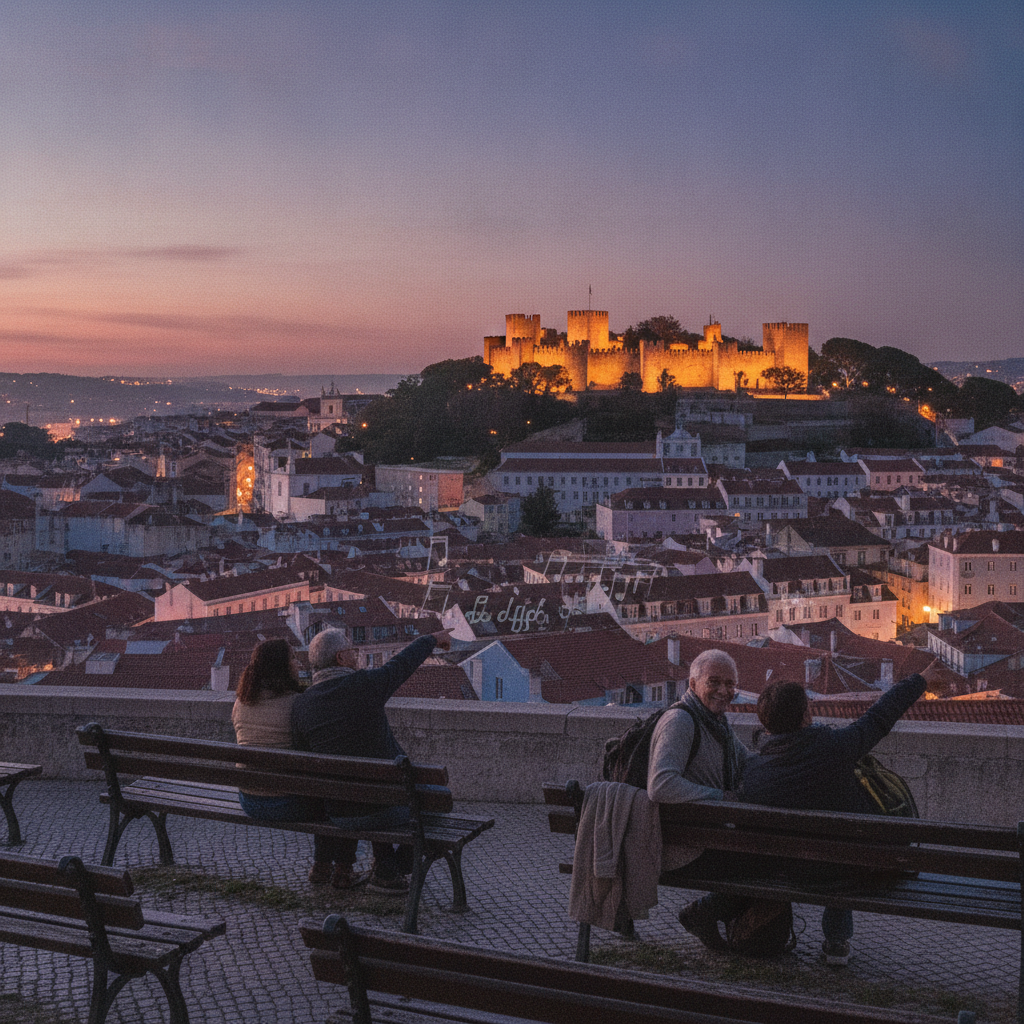
The Miradouro da Graça, a large esplanade terrace in front of the 17th-century Graça church and convent, is the most popular miradouro in Lisbon among local residents rather than tourists — its benches filled in the evenings with locals of all ages sharing takeaway food and watching the sun set behind the São Jorge Castle. The Graça neighborhood itself is one of the most residential and least touristic areas in central Lisbon: its streets of Pombaline buildings, corner grocery stores, and neighborhood bars preserve a way of life that the more visited parts of the city have largely lost. The Convento da Graça (1271), one of Lisbon's oldest religious establishments (though the current building dates mainly from the 17th century after earthquake damage), still functions as a religious house.
- 4
Santo Cristo dos Milagres Chapel & Azulejo Trail
The Chapel of Santo Cristo dos Milagres (the Holy Christ of Miracles), in the Mouraria lanes, is the center of the annual Festas dos Santos Populares celebration — Lisbon's most important popular festival (held in June, particularly around the feast of Santo António on June 12-13), when the Mouraria's narrow lanes are decorated with paper lanterns, colored lights, and grilled sardine stalls and the neighborhood comes alive with street dancing and processions. The Mouraria azulejo trail, a self-guided route through the neighborhood's painted tile panels, traces the history of the quarter and its multicultural heritage through ceramic art installed on buildings throughout the area.
- 5
Portas de Santo Antão Street & Coliseu dos Recreios
Rua das Portas de Santo Antão, the pedestrianized street running north from the Restauradores square, is lined with the largest and most traditional seafood restaurants in Lisbon — their displays of lobsters, barnacles (percebes), clams, and fresh fish sprawling across the pavement in refrigerated cases, the restaurants' doormen making theatrical pitches to passers-by. The street takes its name from the now-demolished Santo Antão gate in the medieval city wall. At its northern end, the Coliseu dos Recreios (1890, designed by Italian architect Pietro Fumagalli) is one of the finest late 19th-century entertainment venues in Europe — a circular hall with a glass roof and ornate iron gallery that has hosted circus, opera, concerts, and theatrical performances for 130 years without interruption.
- 6
National Museum of Decorative Arts (Museu Nacional do Azulejo)
The Museu Nacional do Azulejo, housed in the former Madre de Deus convent (founded 1509) in the eastern Xabregas neighborhood, is the world's foremost museum devoted to the history and artistic tradition of the azulejo — the painted ceramic tile that is Portugal's most distinctive artistic and architectural contribution to world culture. The collection spans 500 years of tile production, from 15th-century Moorish geometric patterns through the great 18th-century blue-and-white narrative panels to 20th-century azulejo art. The museum's most celebrated piece is a 36-meter-long blue-and-white tile panel (c. 1700-1725) depicting a panoramic view of pre-earthquake Lisbon — the most important visual document of what the city looked like before November 1, 1755.
Walk this route with audio
Stories play automatically as you reach each stop — no tapping needed.
More in lisbon
Alfama & São Jorge Castle: Lisbon's Moorish Heart
Parque das Nações: Expo '98 and Lisbon's City of the Future
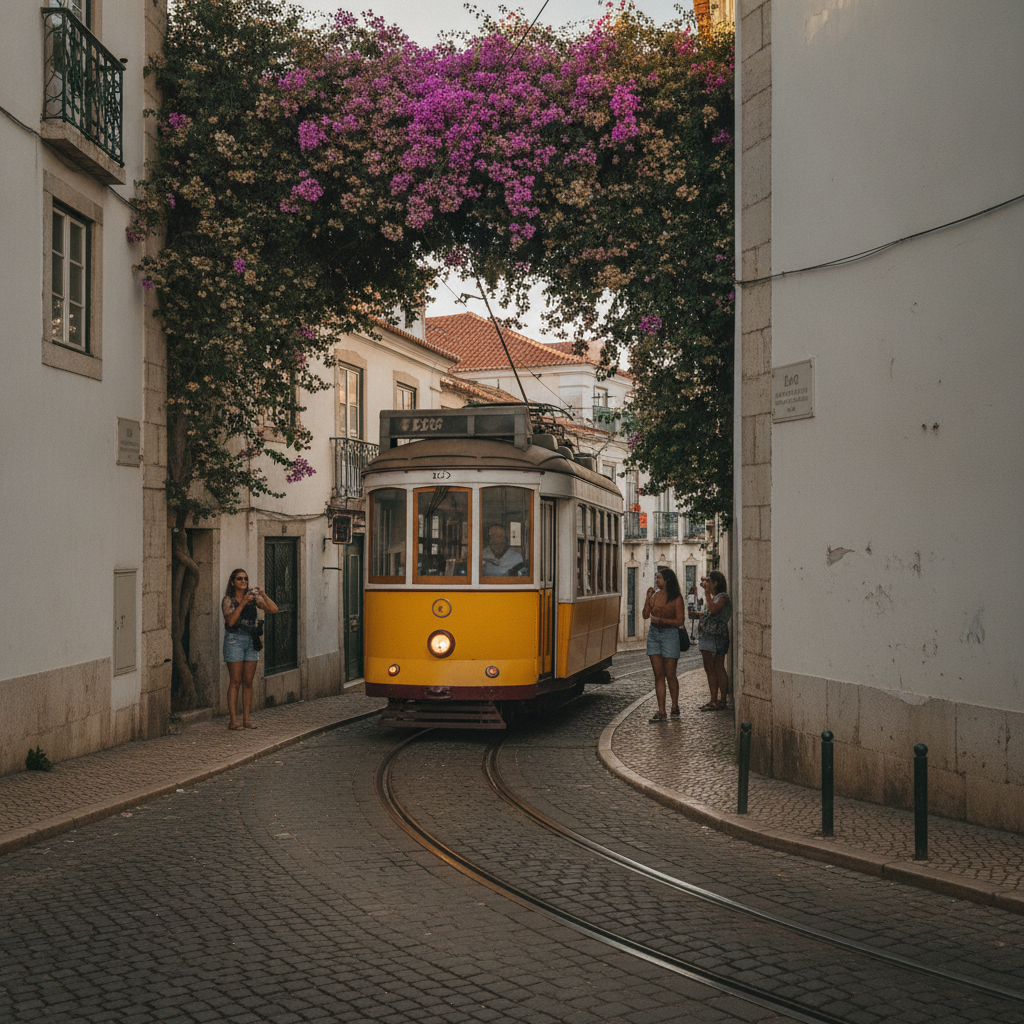
Tram 28, Estrela & Campo de Ourique: Lisbon's Most Scenic Ride
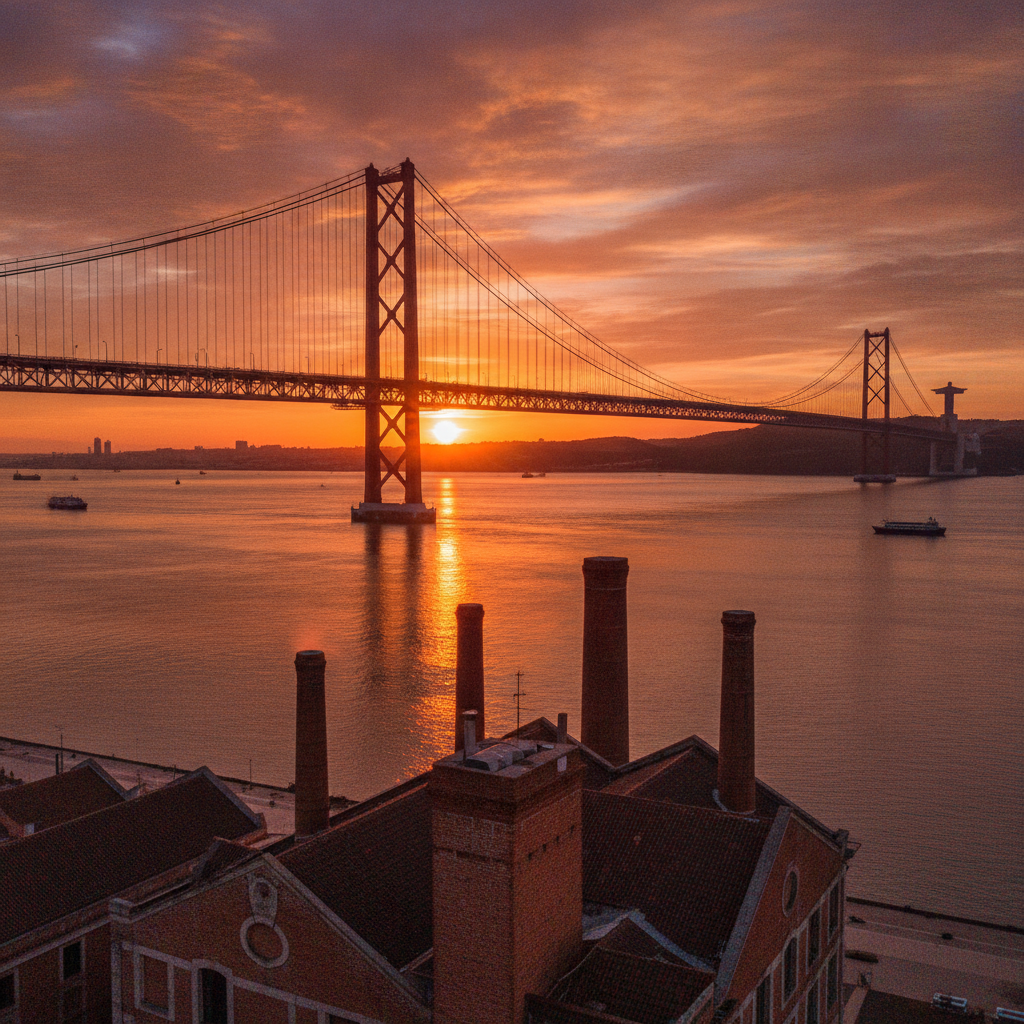
LX Factory, Alcântara & the 25 de Abril Bridge: Industrial Lisbon Reborn
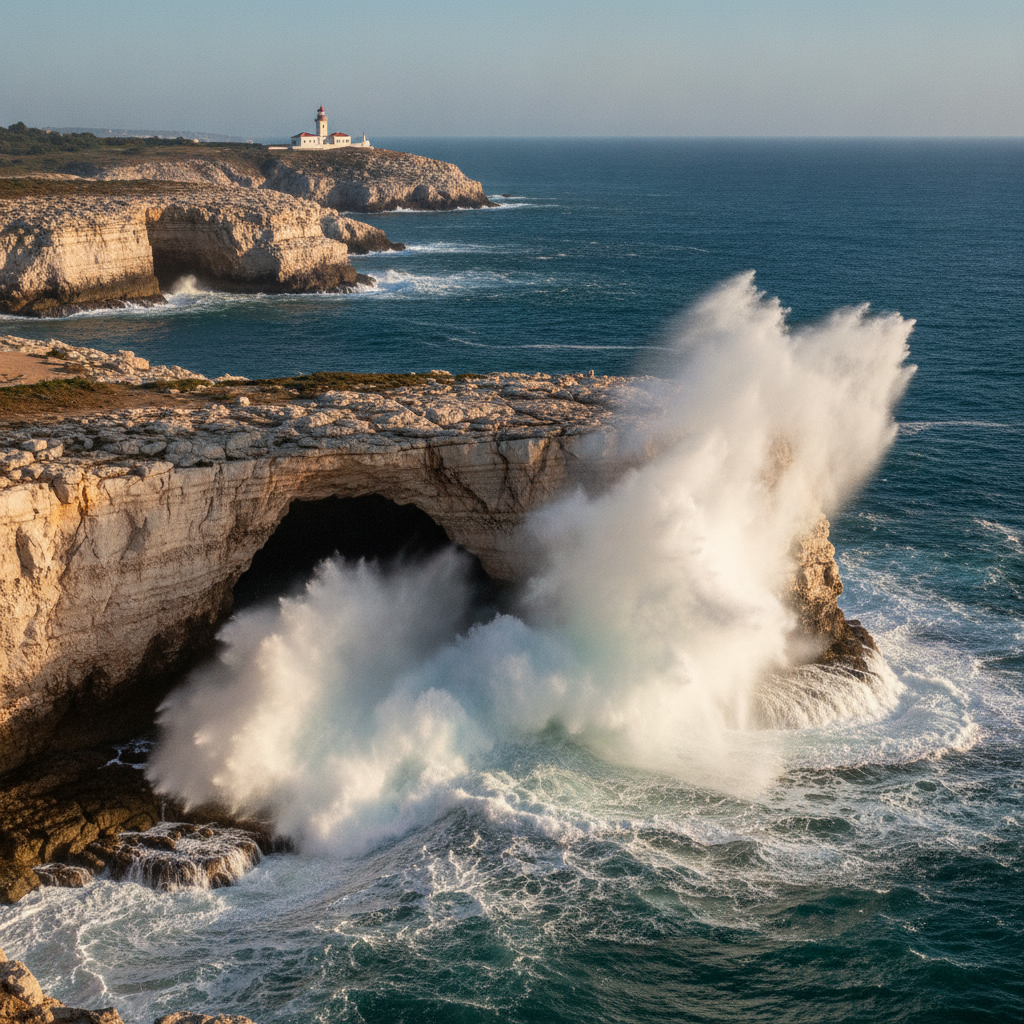
Cascais & Estoril: The Portuguese Riviera by the Sintra Line