Kyoto
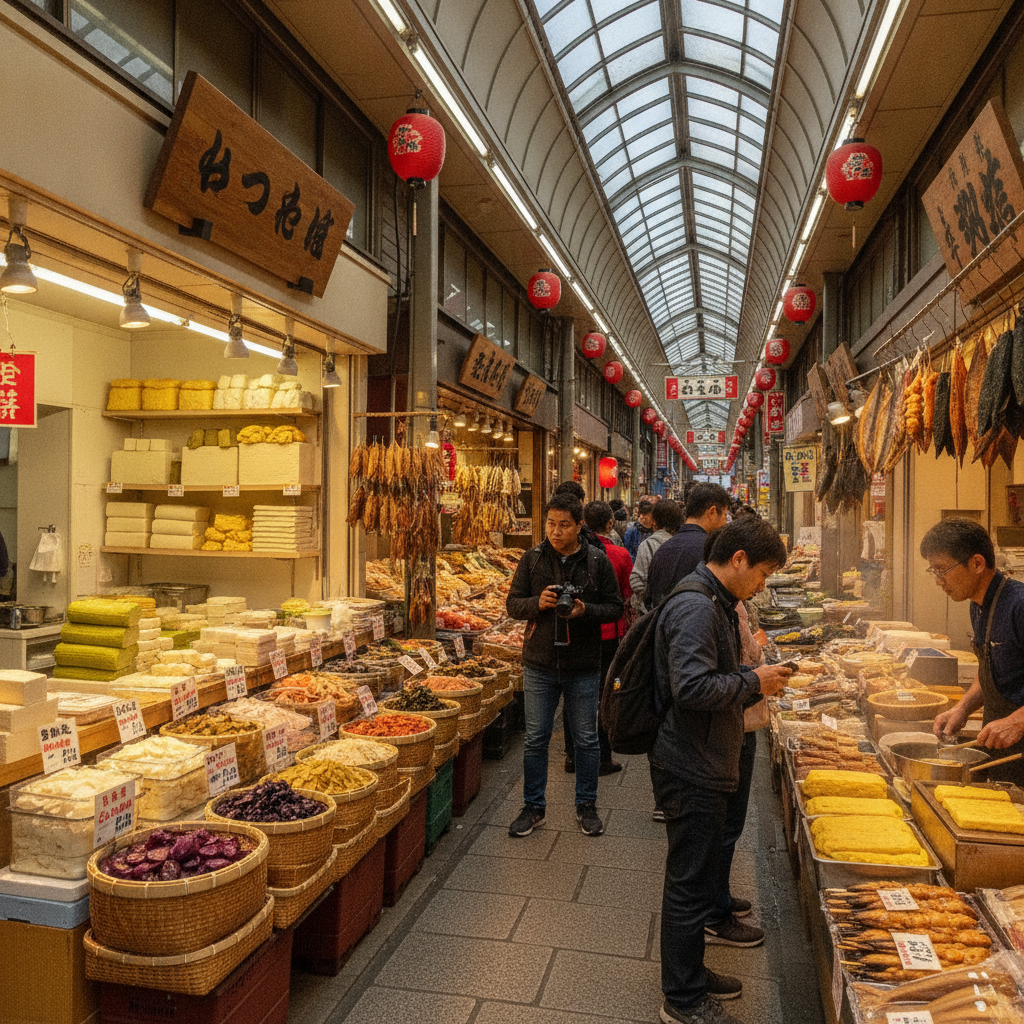
Nishiki Market & Kyoto Cuisine — The Kitchen of Kyoto
Nishiki Market (錦市場 — 'Nishiki Market', nicknamed 'Kyoto's Kitchen' (京のお台所 — Kyō no Odaidokoro) — the covered market street in the heart of Kyoto, running 390 metres west from the Teramachi arcade, lined with approximately 130 vendors of Kyoto food specialties): the market has operated continuously since the early Edo period (approximately 1615) and specializes in the distinctive food culture of Kyoto (kyo-ryori — Kyoto cuisine), characterized by its emphasis on seasonal vegetables (kyo-yasai — Kyoto vegetables), tofu (the finest tofu in Japan is made in Kyoto from the mineral-rich mountain water), and the delicate aesthetic of kaiseki (the Kyoto multi-course haute cuisine).
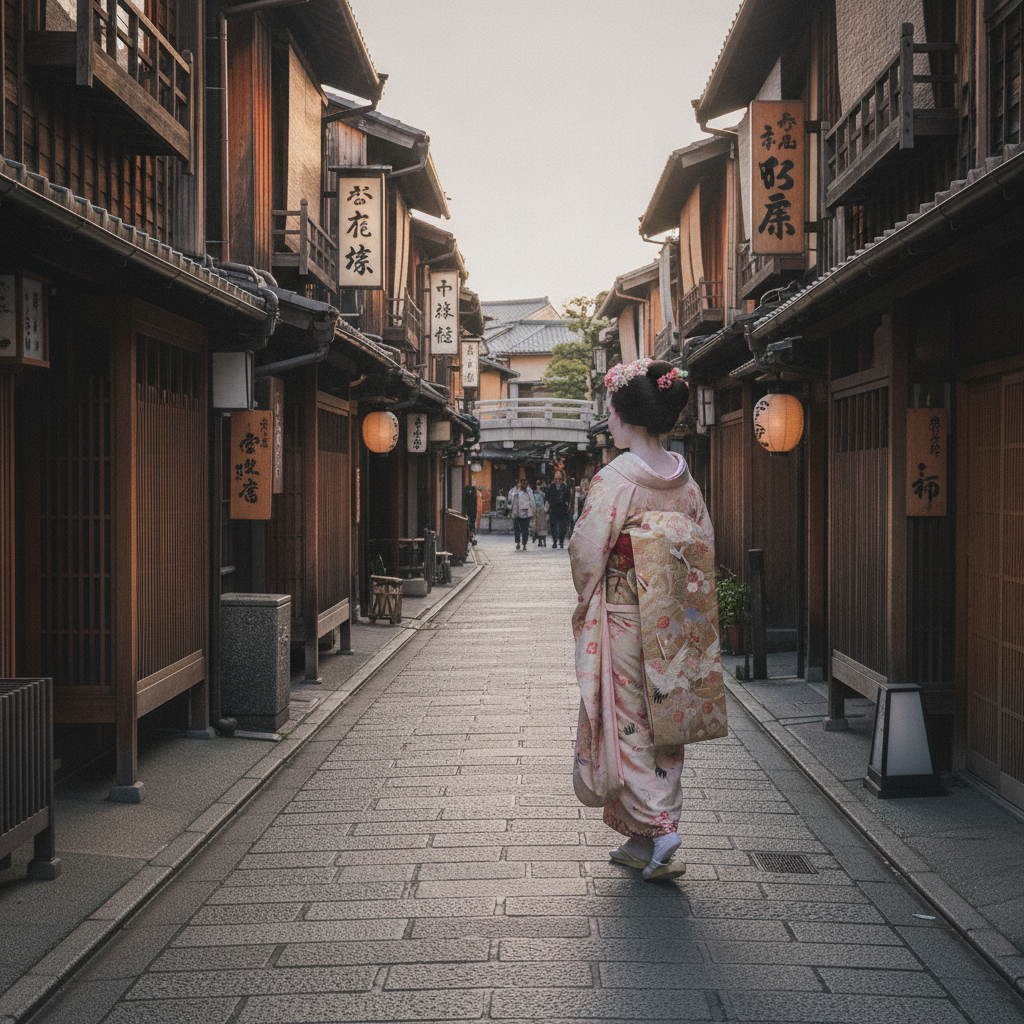
Gion — Kyoto's Geisha District, Hanamikoji & the Ochaya Tea Houses
Gion (祇園 — the geisha entertainment district of Kyoto, on the east bank of the Kamo River in the Higashiyama area — the most culturally significant entertainment district in Japan): Gion is the home of the geiko (the Kyoto term for geisha) and maiko (apprentice geisha) — the most refined tradition of female entertainment arts in East Asia, combining music, dance, conversation, and the tea ceremony in the ochaya (tea house) system.
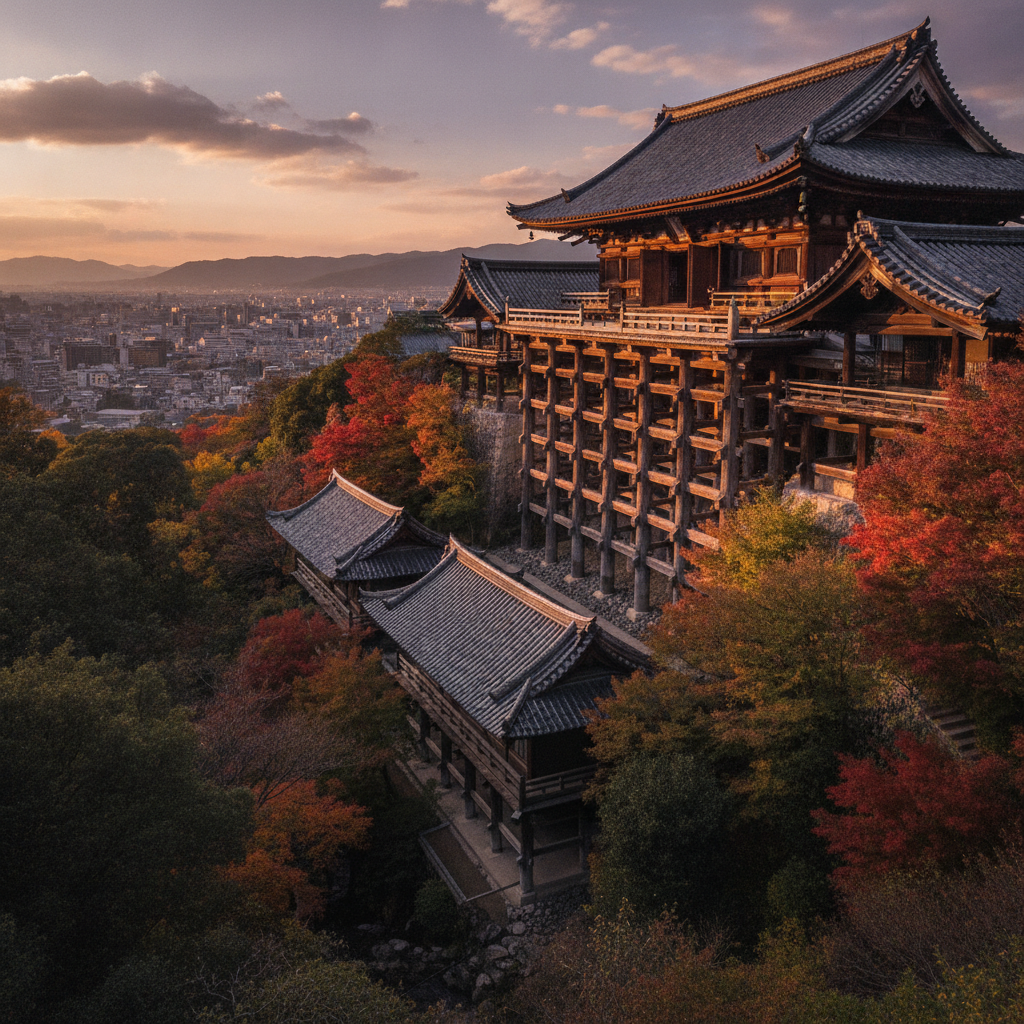
Higashiyama — Kiyomizudera & the Historic Preserved Streetscapes
Higashiyama (東山 — 'Eastern Mountain' — the district on the eastern hills of Kyoto, the most extensively preserved historic district in Japan): the Higashiyama sannai (the inner Higashiyama area, designated an Important Preservation District for Groups of Traditional Buildings) preserves the most complete streetscapes of Edo-period machiya townhouses and temple approaches in Kyoto, including the Sannenzaka (三年坂 — Three Year Slope) and Ninenzaka (二年坂 — Two Year Slope) stone-paved lanes flanked by traditional craft shops, tea houses, and restaurants.
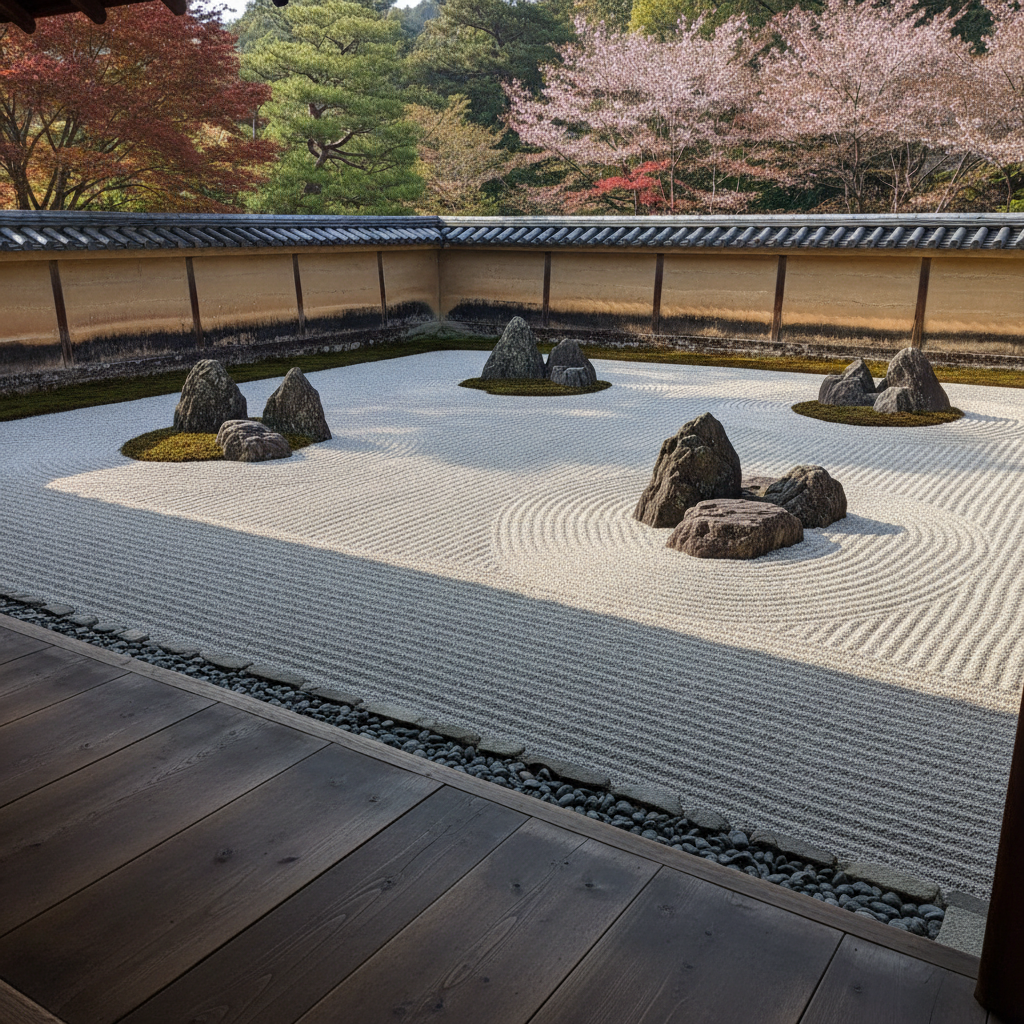
Ryoan-ji, Daitokuji & the Zen Garden Philosophy of Kyoto
Ryoan-ji (龍安寺 — UNESCO World Heritage since 1994 — the Rinzai Zen temple famous for its kare-sansui (dry landscape) stone garden, created in the late 15th century): the Ryoan-ji stone garden (15 carefully placed rocks arranged in five groups on a rectangular bed of white raked gravel (approximately 25 metres × 10 metres)) is the most celebrated and most discussed karesansui garden in the world — its arrangement (from the viewing veranda, only 14 of the 15 stones are visible from any single viewpoint, with the 15th stone always hidden behind another) is the subject of extensive philosophical and aesthetic interpretation.
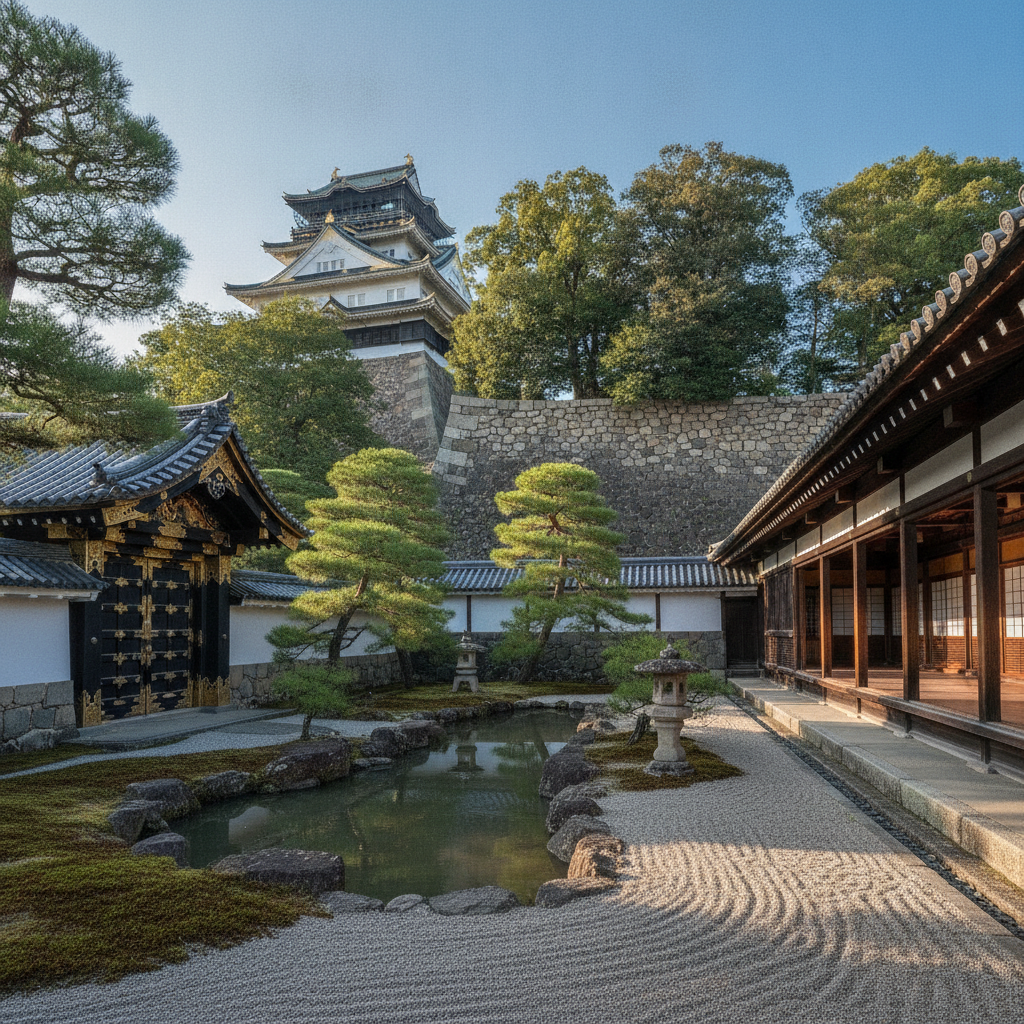
Kyoto Imperial Palace, Nijo Castle & the City's Imperial History
The Kyoto Imperial Palace (京都御所 — the former ruling palace of the Emperor of Japan from 794 until the Emperor Meiji moved the imperial seat to Tokyo in 1869 — the current palace buildings, rebuilt in 1855 in the original Heian-period style after a fire, set within the Kyoto Imperial Park (京都御苑)) is the centrepiece of Kyoto's imperial heritage; Nijo Castle (二条城 — the flatland castle built in 1603 by the Tokugawa Ieyasu as his Kyoto residence — UNESCO World Heritage since 1994) is the finest surviving example of the Edo-period shogunal architectural aesthetic.
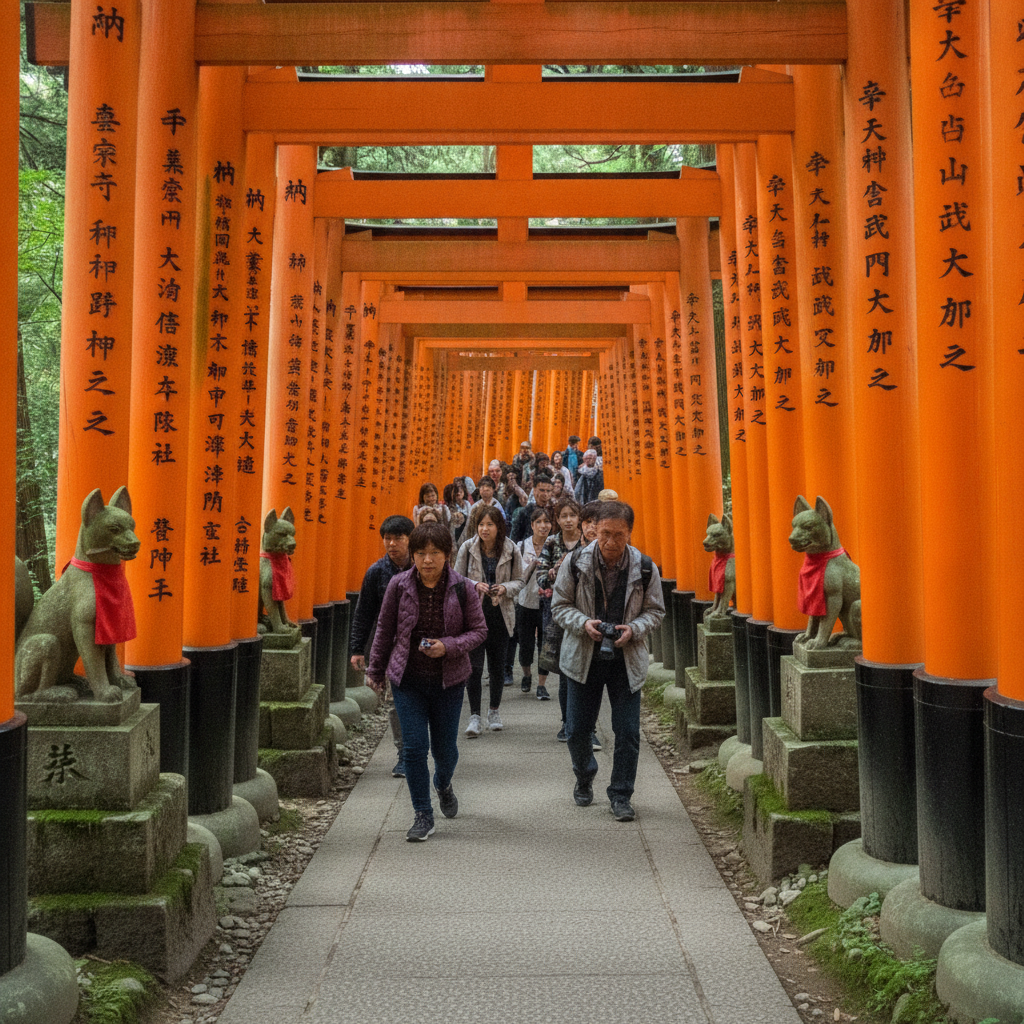
Fushimi Inari-taisha — 10,000 Torii Gates to the Mountain Summit
Fushimi Inari-taisha (the Shinto shrine in southern Kyoto dedicated to Inari, the deity of rice, sake, foxes, and business prosperity — the most visited Shinto shrine in Japan (approximately 3 million visitors per year) and consistently the top-ranked attraction in Japan on TripAdvisor): the shrine's famous tunnel of approximately 10,000 vermilion torii gates ascending Mount Inari is the most iconic single image of Japanese Shinto culture.
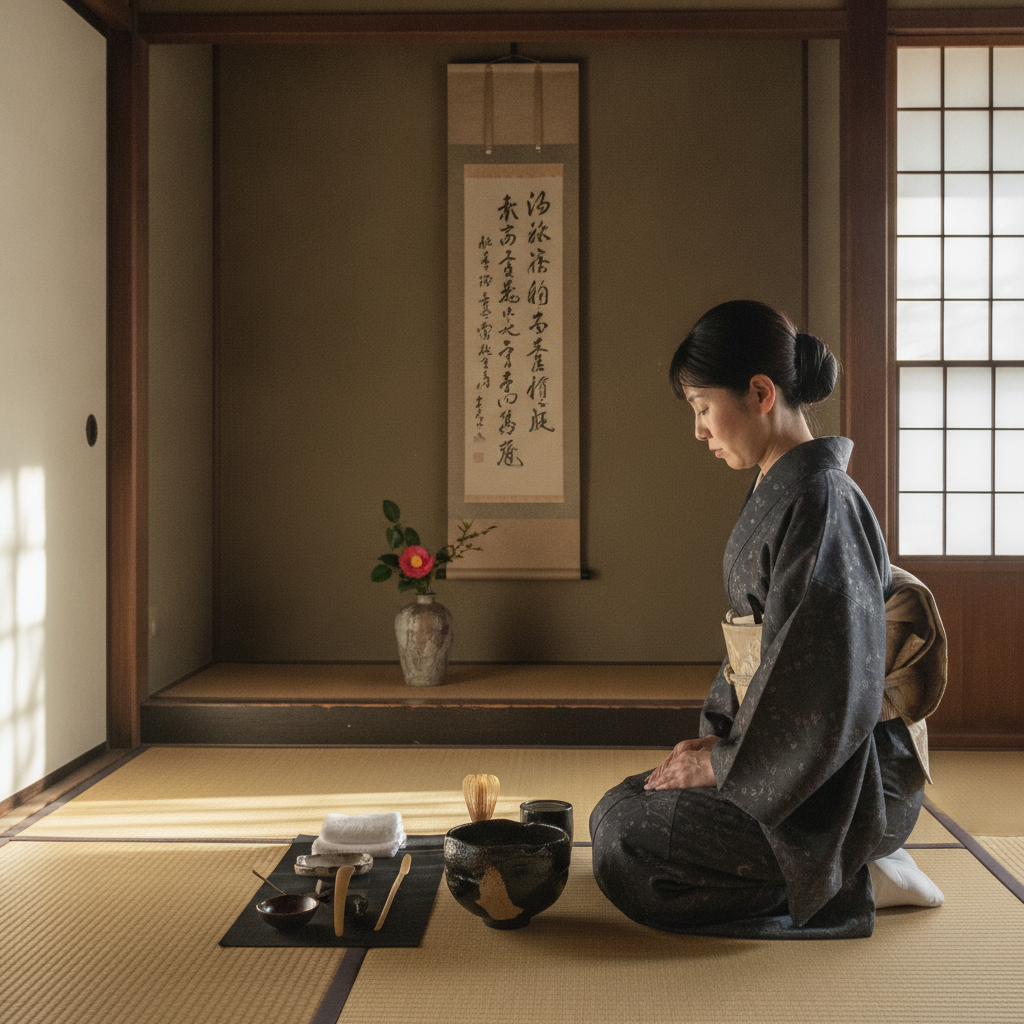
Tea Ceremony, Uji Matcha & the Chanoyu Culture of Kyoto
The Japanese tea ceremony (茶の湯 — Chanoyu, literally 'hot water for tea' — the ritualized preparation and presentation of matcha (抹茶 — powdered green tea) that was developed into its current form by the tea master Sen no Rikyū (1522-1591) in Kyoto in the 16th century): the tea ceremony is the central aesthetic and philosophical practice of traditional Japanese culture, embodying the four principles defined by Rikyū — wa (和 — harmony), kei (敬 — respect), sei (清 — purity), and jaku (寂 — tranquility) — and the aesthetic concept of wabi-sabi (the beauty of imperfection, incompleteness, and transience).
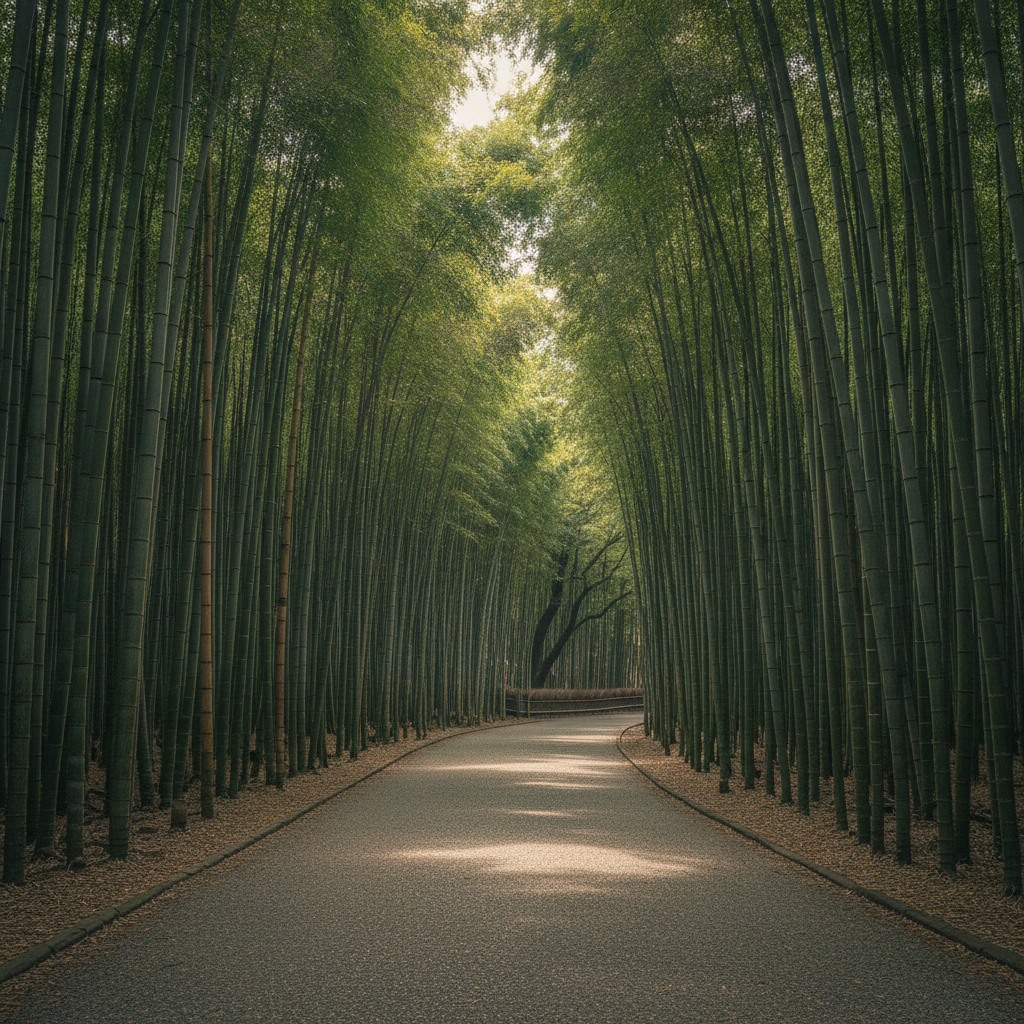
Arashiyama — Bamboo Grove, Tenryuji & the Togetsu Bridge
Kyoto (the ancient capital of Japan (794-1868), population approximately 1.46 million, UNESCO World Heritage city with 17 designated sites — the most culturally concentrated city in Japan): Arashiyama (the mountain district on the western edge of Kyoto, the most visited single district in Kyoto) combines the Sagano Bamboo Grove, the Zen garden of Tenryuji, and the Togetsu-kyo Bridge in a setting of extraordinary natural and cultural beauty.
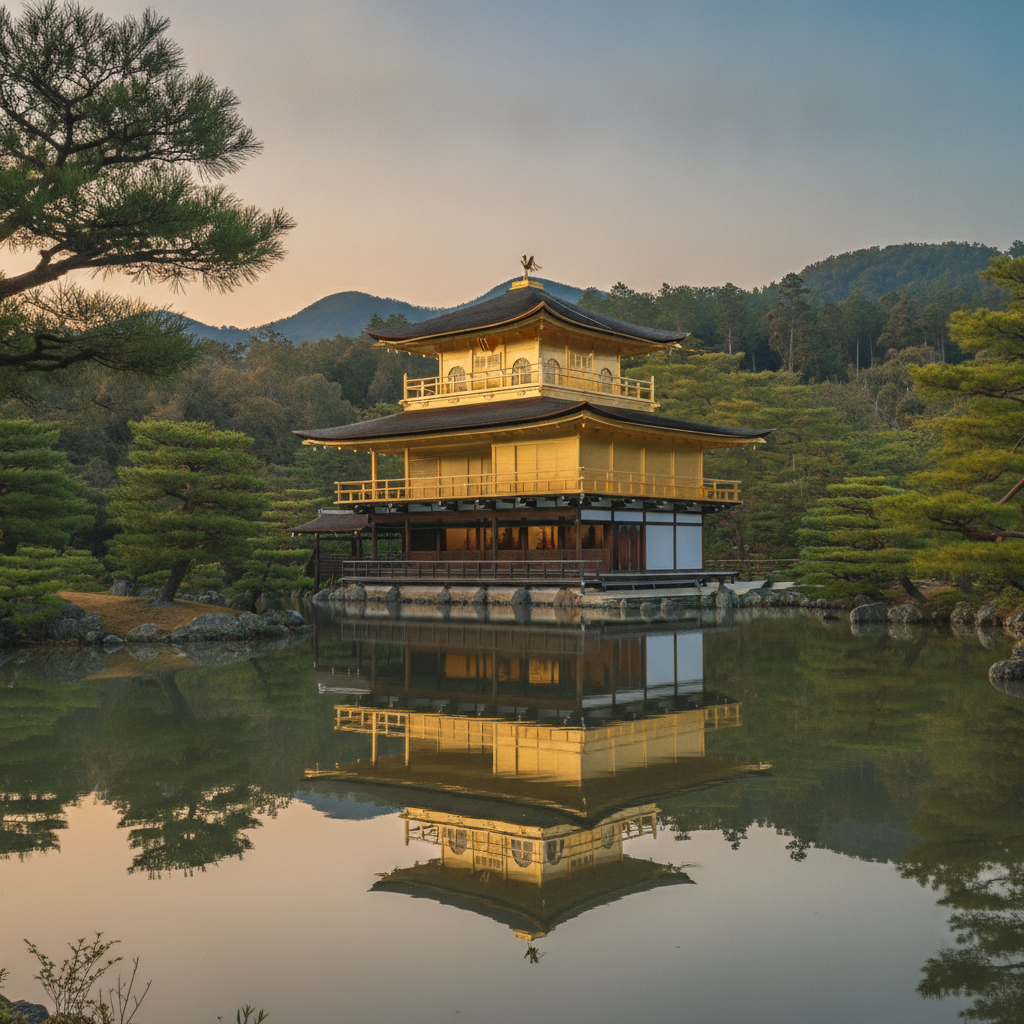
Kinkaku-ji — The Golden Pavilion & Zen Gardens of Northwest Kyoto
Kinkaku-ji (金閣寺 — the Temple of the Golden Pavilion, officially Rokuon-ji — the Rinzai Zen Buddhist temple in the Kita ward of northern Kyoto, the three-storey golden pavilion (shakyo-do) reflected in the Mirror Pond (Kyōko-chi) — the most visited single site in Kyoto (approximately 5 million visitors per year) and the most internationally recognized image of traditional Japan): the pavilion is covered in gold leaf (the top two stories are entirely covered in gold leaf, approximately 20 kg of gold leaf applied in the 1987 restoration) and is reflected in the large pond garden surrounding it.