Kyoto Imperial Palace, Nijo Castle & the City's Imperial History
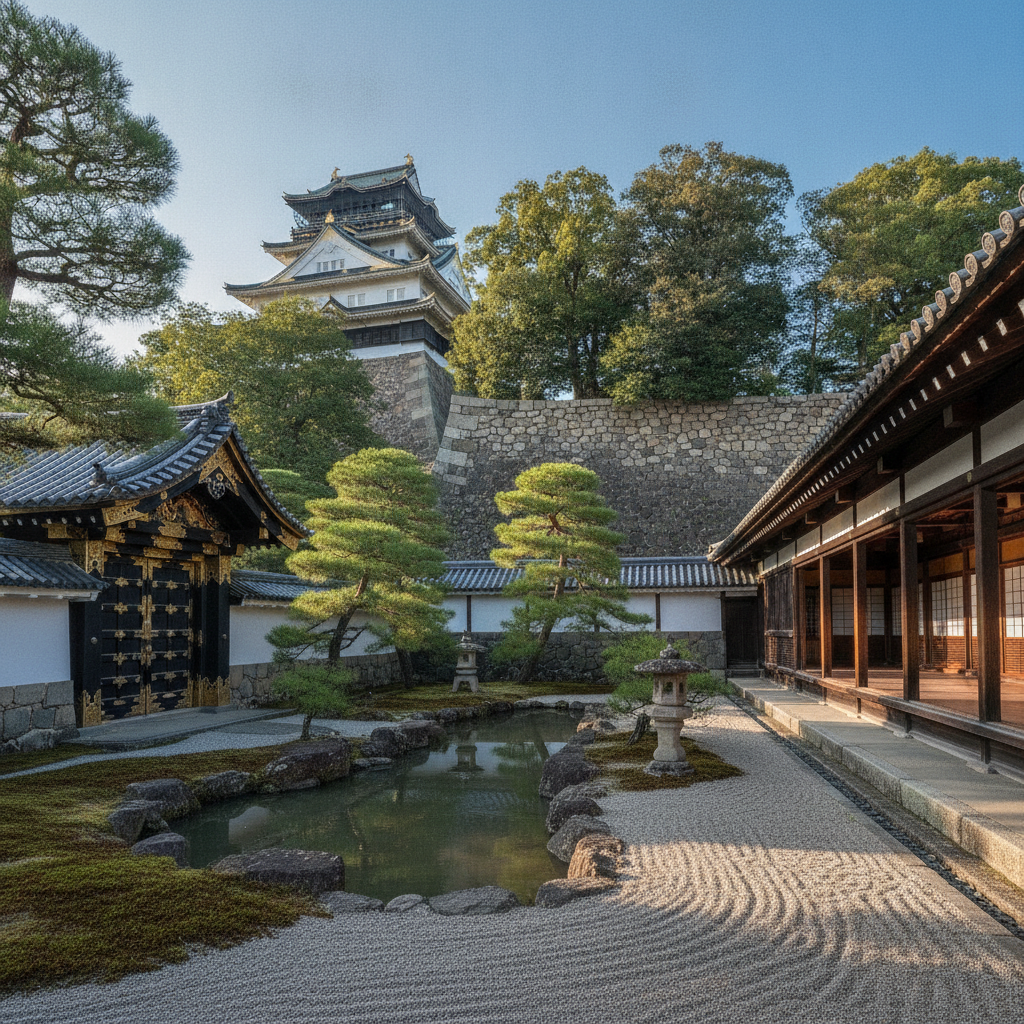
The Kyoto Imperial Palace (京都御所 — the former ruling palace of the Emperor of Japan from 794 until the Emperor Meiji moved the imperial seat to Tokyo in 1869 — the current palace buildings, rebuilt in 1855 in the original Heian-period style after a fire, set within the Kyoto Imperial Park (京都御苑)) is the centrepiece of Kyoto's imperial heritage; Nijo Castle (二条城 — the flatland castle built in 1603 by the Tokugawa Ieyasu as his Kyoto residence — UNESCO World Heritage since 1994) is the finest surviving example of the Edo-period shogunal architectural aesthetic.
- 1
Kyoto Imperial Palace — 1,100 Years of Imperial Residence
The Kyoto Imperial Palace (Gosho, Kamigyo-ku, imperial capital 794–1869, current palace buildings date from 1855) is surrounded by 65 hectares of Imperial Garden free and open to the public — the palace itself (free tours in English, Tuesday–Sunday) shows the Shishinden (Throne Hall for coronations), the Seiryōden (Emperor's Residence), and the Oikeniwa (formal garden with covered corridors).
- 2
Nijo Castle — Nightingale Floors and Hidden Ninja Corridors
Nijō-jo (Nijo Castle, Nakagyo-ku, 1603, the Kyoto residence of Tokugawa Ieyasu) incorporates a defensive innovation called uguisubari ('nightingale floors') — metal clamps under the floorboards squeak when any pressure is applied, making it impossible to walk silently; the castle's Ninomaru Palace (17 rooms connected by corridors, National Treasure) has painted sliding screens (fusuma) by Kanō school artists; entry ¥1,030.
- 3
Kōdaiji Temple — Tea Master's Memorial Garden
Kōdaiji (Higashiyama, 1606, founded by Nene, widow of warlord Toyotomi Hideyoshi, as a memorial to her late husband) has the finest preserved early Edo-period garden in Kyoto — the Garyūrō (Reclining Dragon Corridor, covered walkway connecting two hill pavilions) and the garden of two tea houses designed by Kobori Enshū are the key elements; illuminations in spring and autumn extend visiting hours to 9:30pm; entry ¥600.
- 4
Fushimi Momoyama — Toyotomi's Power Base
Fushimi-Momoyama (south Kyoto, near Fushimi Inari) is the site of Toyotomi Hideyoshi's castle (Fushimi Castle, 1594, destroyed 1615) — the castle was rebuilt in 1964 as a tourist attraction (closed 2003, private land); the surroundings (Meiji Emperor's Fushimi-Momoyama Mausoleum) and the local sake breweries (Fushimi sake is Japan's second most famous after Nada) make the area worth visiting independently.
- 5
Gosho — Imperial Garden Public Space
The Imperial Household Agency manages the 65-hectare Kyoto Imperial Park surrounding the palace — the park is one of the few completely undeveloped large green spaces in central Kyoto; resident birds include mandarin ducks (wintering in the pond), grey herons, and Japanese wagtails; the park's gnarled pine trees (maintained by palace gardeners to specific ancient forms) are a quiet contrast to the tourist-dense temple districts.
- 6
Shimogamo Shrine — Primeval Forest in the City Centre
Shimogamo Shrine (Sakyo-ku, 678 AD, UNESCO) is approached via the Tadasu no Mori (Forest of Truth) — 13 hectares of ancient riparian forest (the last remnant of Kyoto's original river basin woodland) containing trees up to 600 years old; the forest was never cut because the Shrine's Aoi Matsuri procession (May 15, one of Kyoto's three great festivals) ends here after starting at Kyoto Imperial Palace.
Walk this route with audio
Stories play automatically as you reach each stop — no tapping needed.
More in kyoto
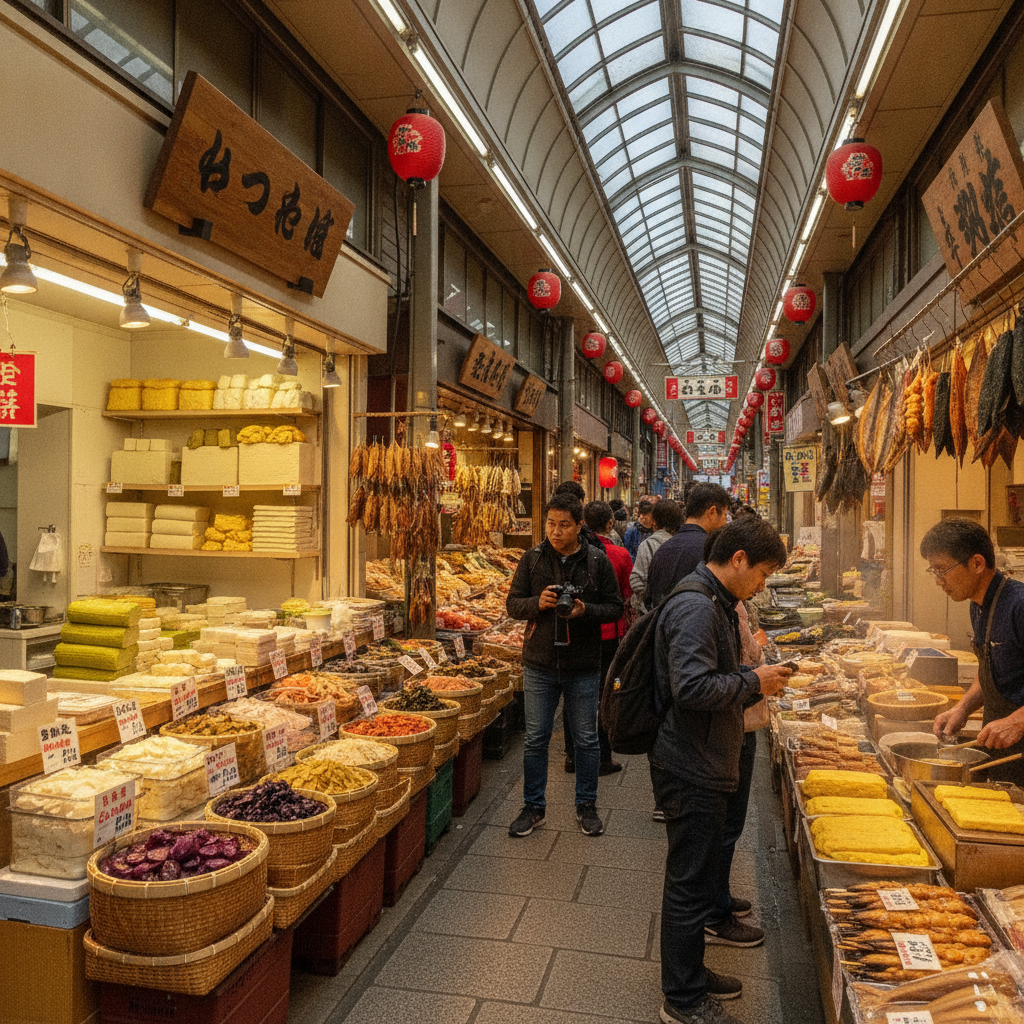
Nishiki Market & Kyoto Cuisine — The Kitchen of Kyoto
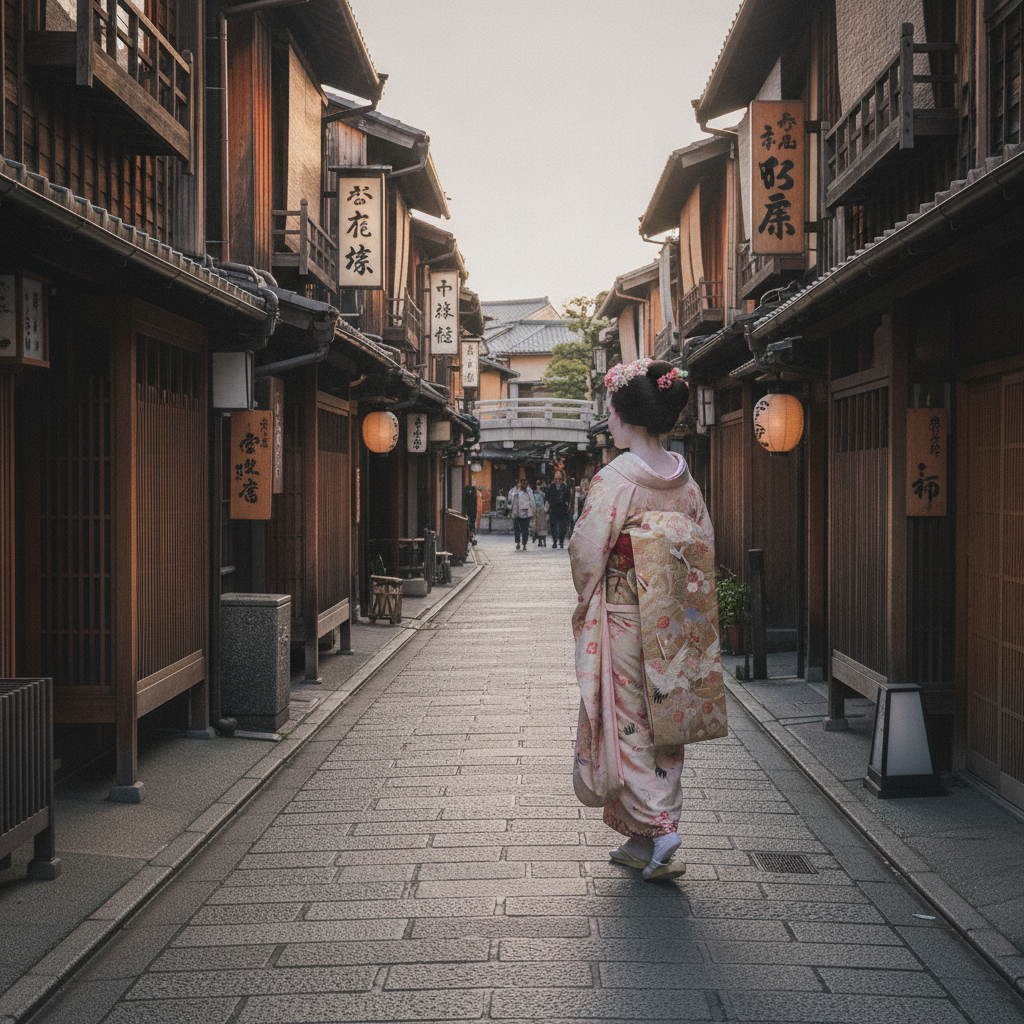
Gion — Kyoto's Geisha District, Hanamikoji & the Ochaya Tea Houses
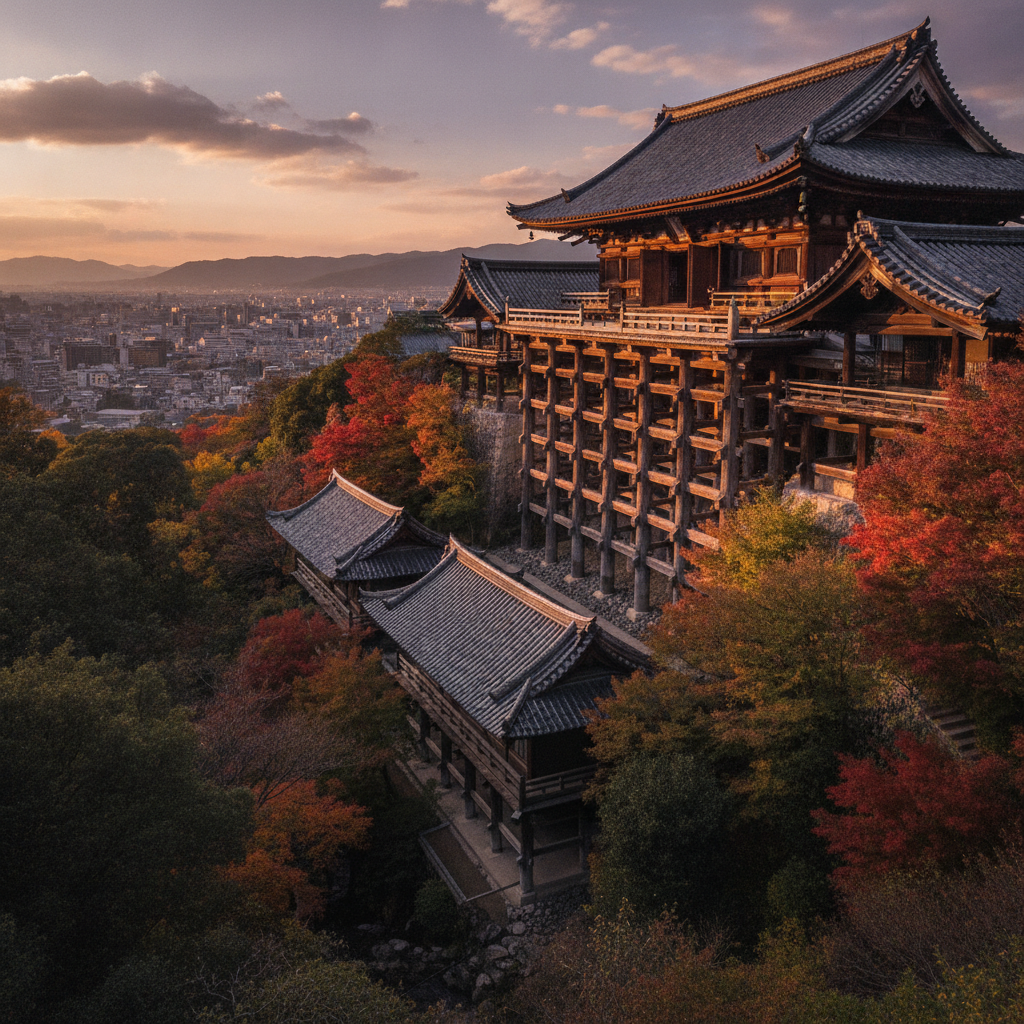
Higashiyama — Kiyomizudera & the Historic Preserved Streetscapes
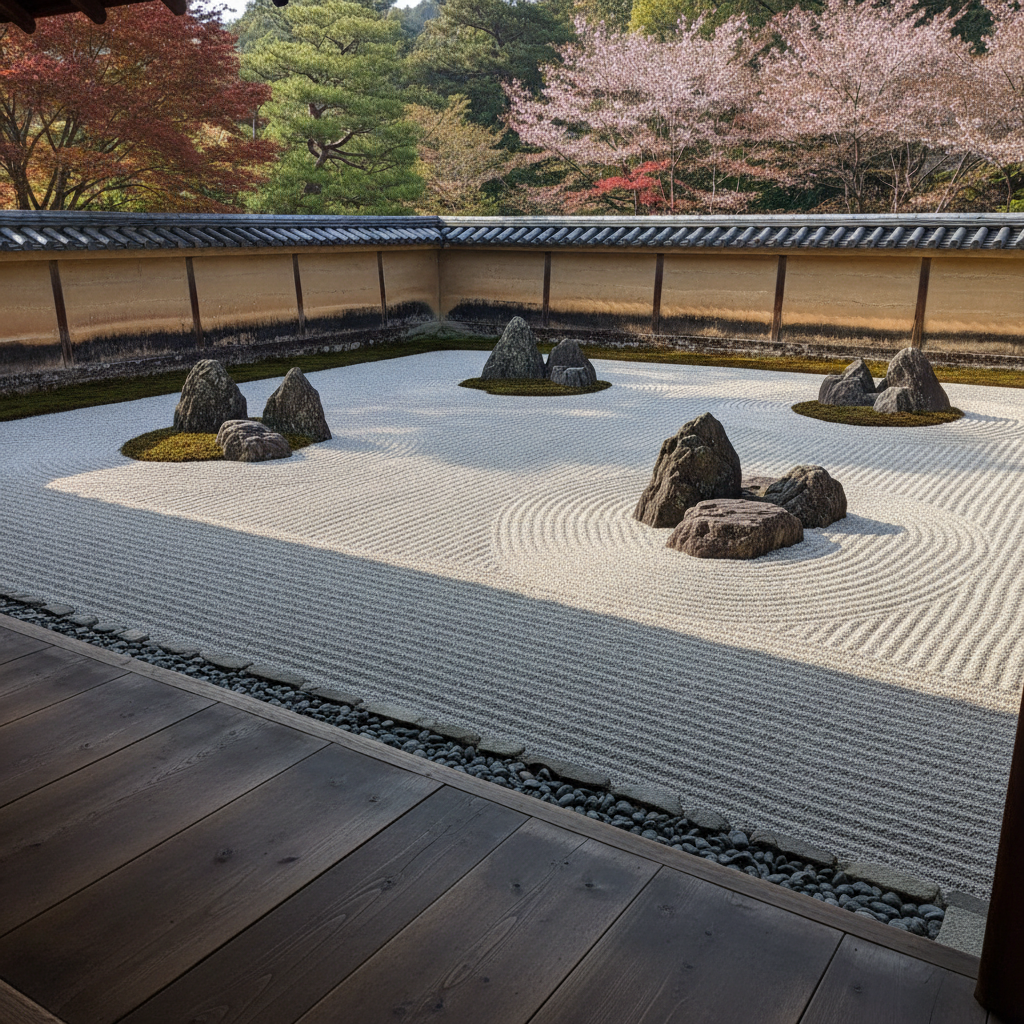
Ryoan-ji, Daitokuji & the Zen Garden Philosophy of Kyoto
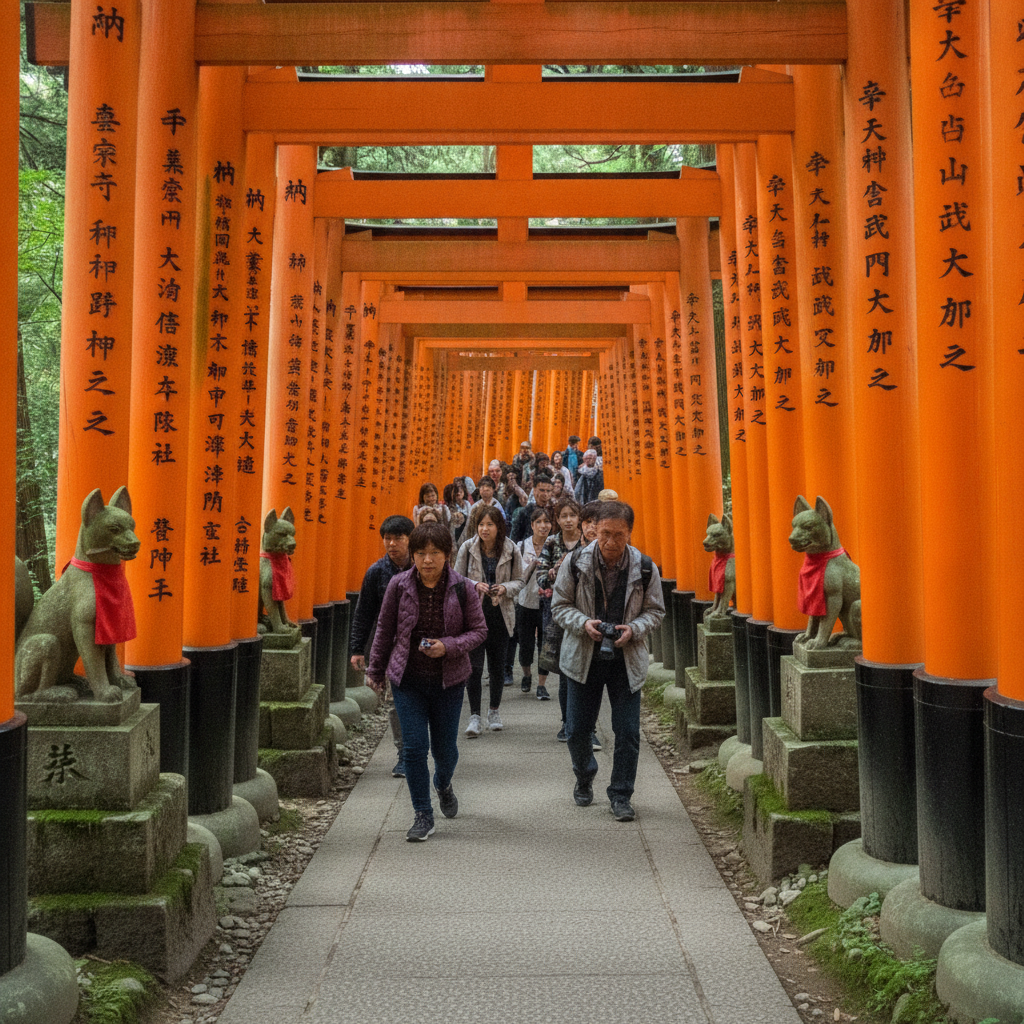
Fushimi Inari-taisha — 10,000 Torii Gates to the Mountain Summit