Tea Ceremony, Uji Matcha & the Chanoyu Culture of Kyoto
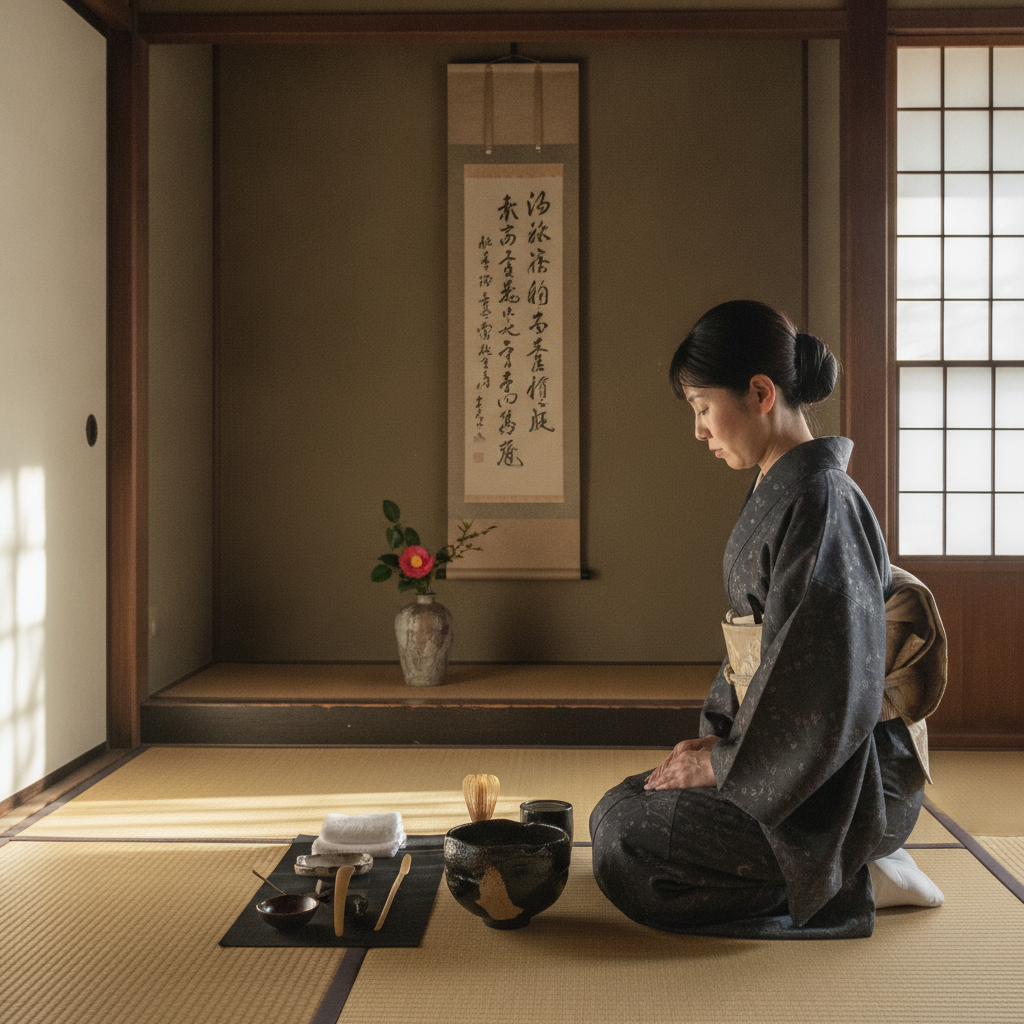
The Japanese tea ceremony (茶の湯 — Chanoyu, literally 'hot water for tea' — the ritualized preparation and presentation of matcha (抹茶 — powdered green tea) that was developed into its current form by the tea master Sen no Rikyū (1522-1591) in Kyoto in the 16th century): the tea ceremony is the central aesthetic and philosophical practice of traditional Japanese culture, embodying the four principles defined by Rikyū — wa (和 — harmony), kei (敬 — respect), sei (清 — purity), and jaku (寂 — tranquility) — and the aesthetic concept of wabi-sabi (the beauty of imperfection, incompleteness, and transience).
- 1
Uji — The World Capital of Matcha Since the 12th Century
Uji (15 minutes from Kyoto by JR or Kintetsu) is the origin city of Japanese matcha production — the area's cool mist from the Uji River creates ideal shade-growing conditions for gyokuro (the highest grade of Japanese green tea, ¥50,000+/kg) and tencha (the raw material for matcha); the tea fields (covered with black reed screens for 3 weeks before harvest to increase L-theanine) are visible from the riverbank April–May.
- 2
Byōdō-in — Phoenix Hall and the 10-Yen Coin Temple
Byōdō-in (Uji, 1052, UNESCO) is the building depicted on Japan's 10-yen coin — the Phoenix Hall (Hōō-dō) appears to float above the mirror pond, its bronze phoenix roof ornaments symbolizing the Pure Land of the Amitabha Buddha; the museum wing (Hōshokan) houses the original 52 cloud-riding bodhisattva sculptures (9-10th century) in a temperature-controlled gallery; entry ¥600 temple, ¥300 museum.
- 3
Ippodo Tea — Kyoto's Finest Matcha Shop Since 1717
Ippodo Tea (Teramachi, Nakagyo-ku, established 1717) is Kyoto's most respected traditional tea shop — the ground floor sells loose leaf green tea (gyokuro, sencha, matcha, hojicha) in weighted quantities from cedar boxes; the kissa room (tearoom) upstairs serves a seasonal selection of teas with wagashi (confections); the shop's knowledge staff match tea varieties to customer preferences; matcha grades range ¥1,500–¥15,000 per 40g.
- 4
Tea Ceremony Experience — Urasenke, En, or Camellia
Kyoto offers tea ceremony experiences at multiple levels — the Urasenke school (the most prestigious, ¥1,500 for a 30-minute introduction), the En tea house (Higashiyama, ¥2,000, kimono rental available), and Camellia Tea Experience (Nishijin, ¥3,300, includes kimono, tea preparation instruction, and wagashi) serve different visitor needs; the ceremony requires removing shoes, sitting in seiza (kneeling), and rotating the bowl before drinking.
- 5
Chānoyu Philosophy — Ichi-go Ichi-e (One Time, One Meeting)
Ichi-go ichi-e ('one encounter, one opportunity') is the foundational principle of Japanese tea ceremony — the belief that each tea meeting is unique and cannot be repeated obliges both host and guest to be fully present; the philosophy (articulated by tea master Sen no Rikyū, 1522–1591) extends into Japanese hospitality culture; the four principles of chānoyu (harmony, respect, purity, tranquility: wa, kei, sei, jaku) are taught in schools across Japan.
- 6
Nishijin Textile Center — Kyoto's Weaving District
Nishijin (Kamigyo-ku) has been Kyoto's textile production district since the 5th century — the neighbourhood's mechanized Jacquard looms (introduced 1872 after observing European technology) weave the intricate brocade used in kimono, obi (sashes), and nishijin-ori furnishing fabrics; the Nishijin Textile Center (free, daily kimono shows, weaving demonstrations) is the easiest introduction; the Hosoo Flagship Studio (by appointment) shows contemporary woven textile art.
Walk this route with audio
Stories play automatically as you reach each stop — no tapping needed.
More in kyoto
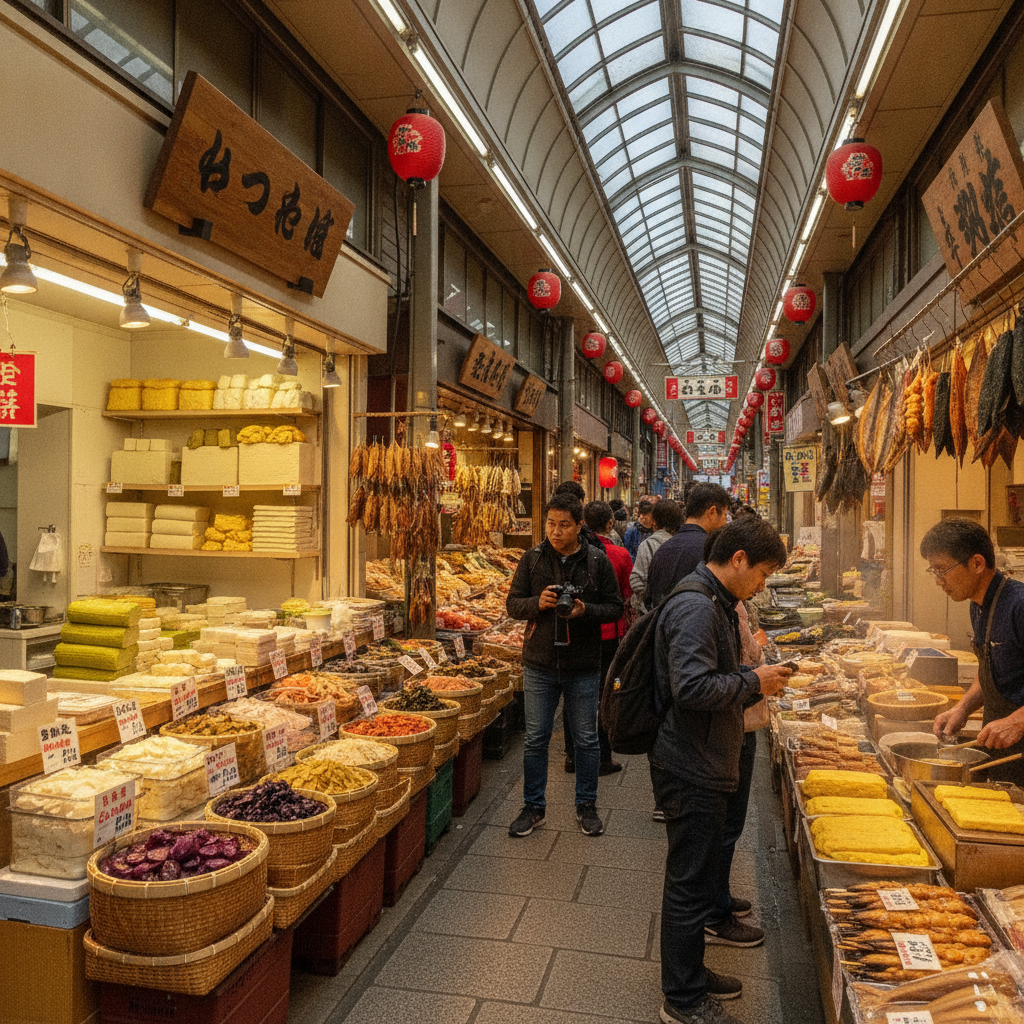
Nishiki Market & Kyoto Cuisine — The Kitchen of Kyoto
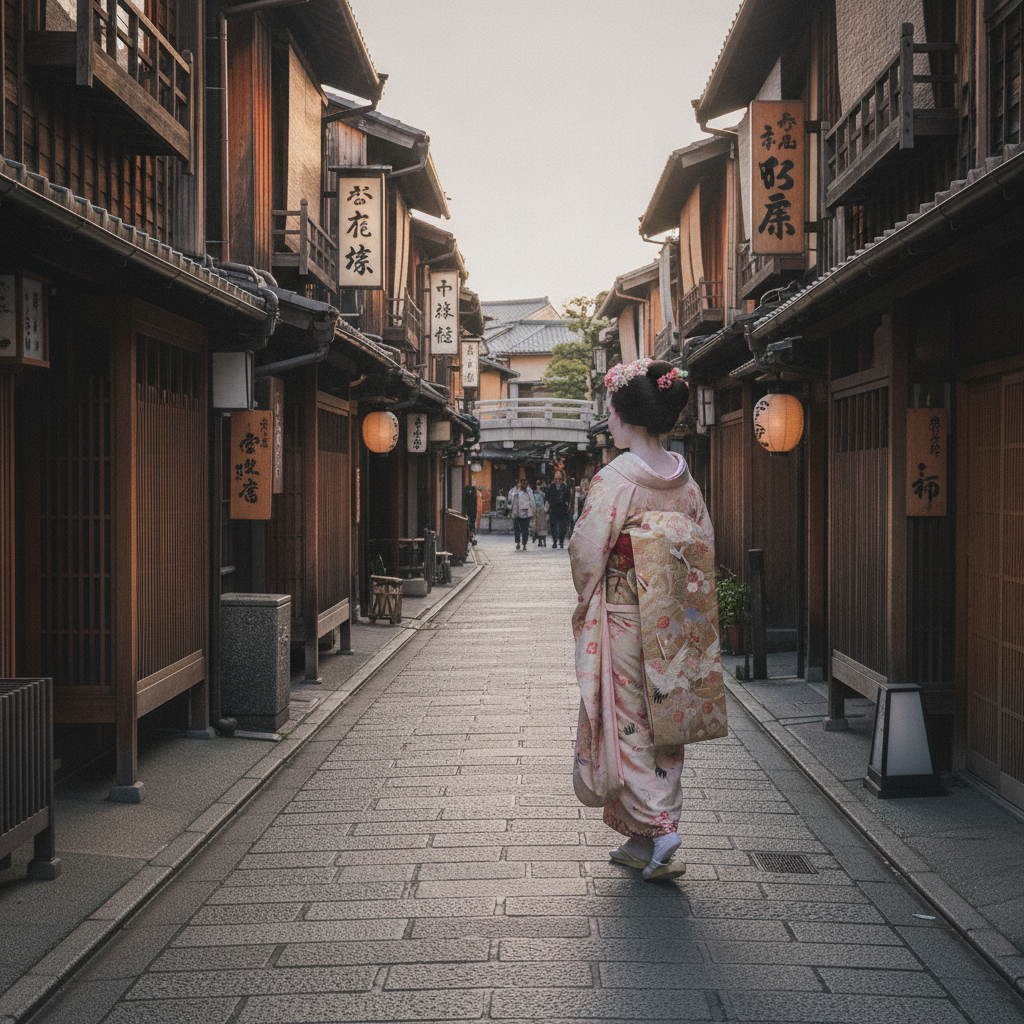
Gion — Kyoto's Geisha District, Hanamikoji & the Ochaya Tea Houses
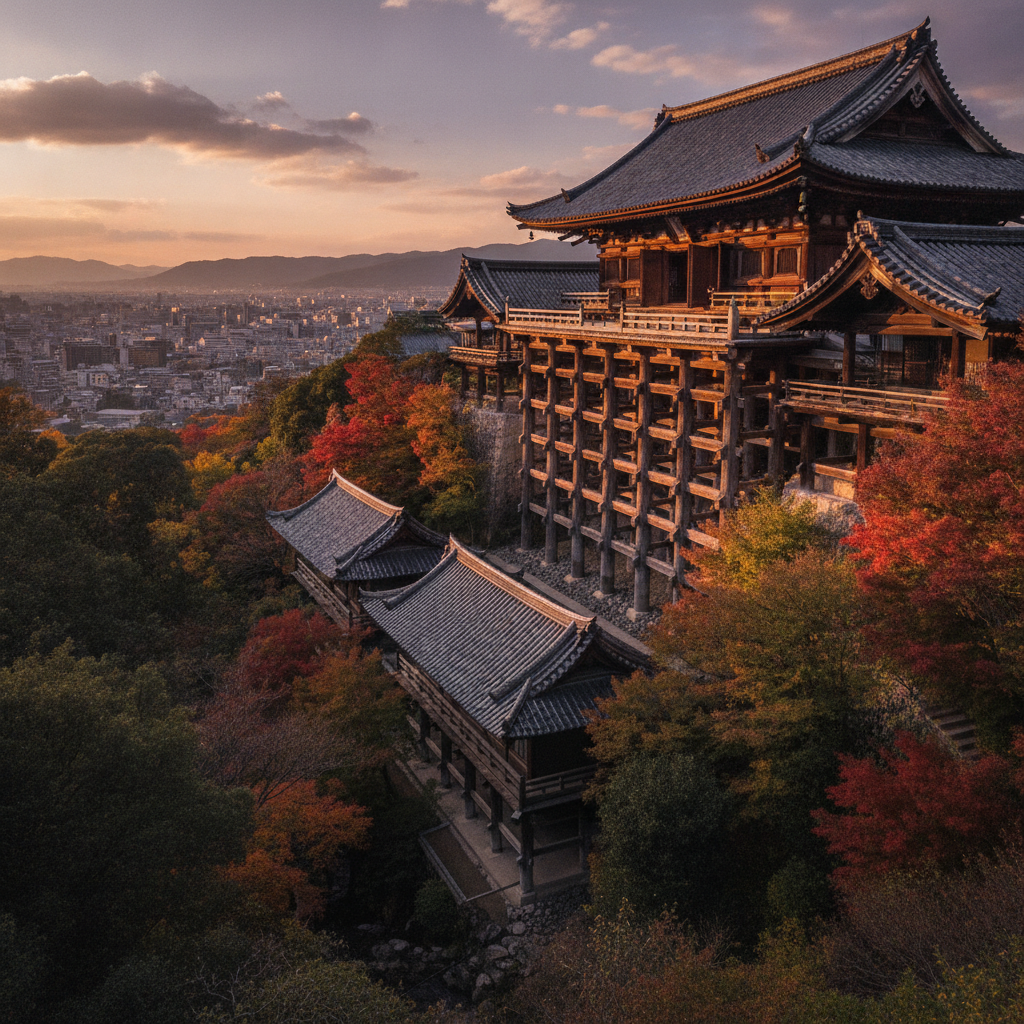
Higashiyama — Kiyomizudera & the Historic Preserved Streetscapes
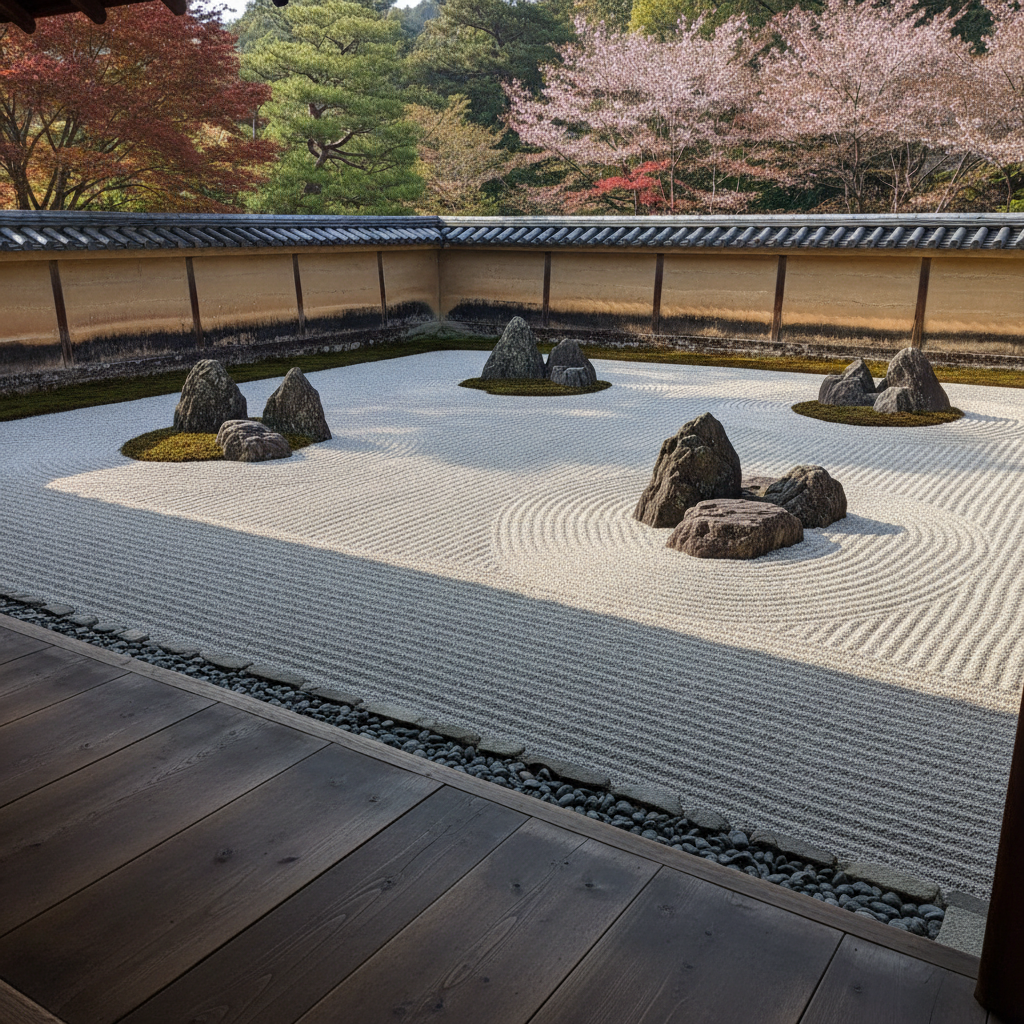
Ryoan-ji, Daitokuji & the Zen Garden Philosophy of Kyoto
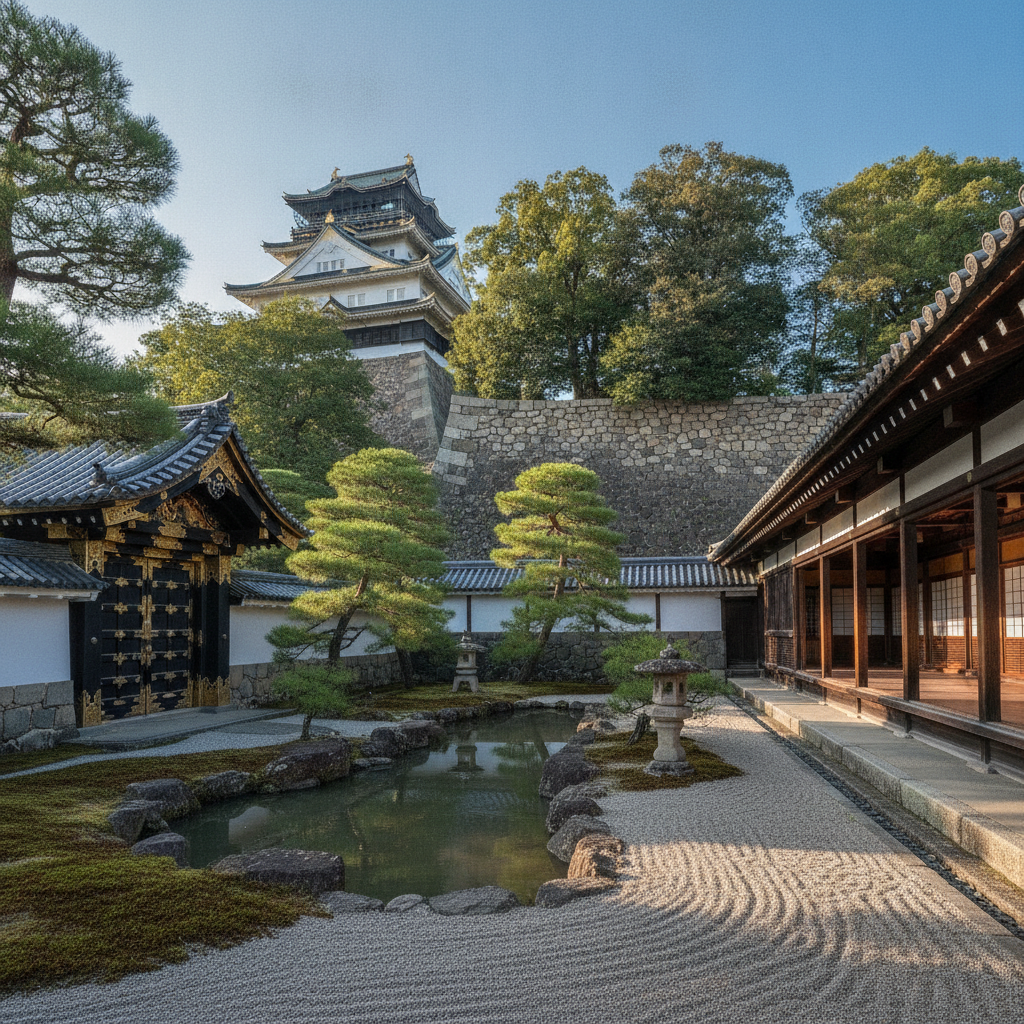
Kyoto Imperial Palace, Nijo Castle & the City's Imperial History