Krakow
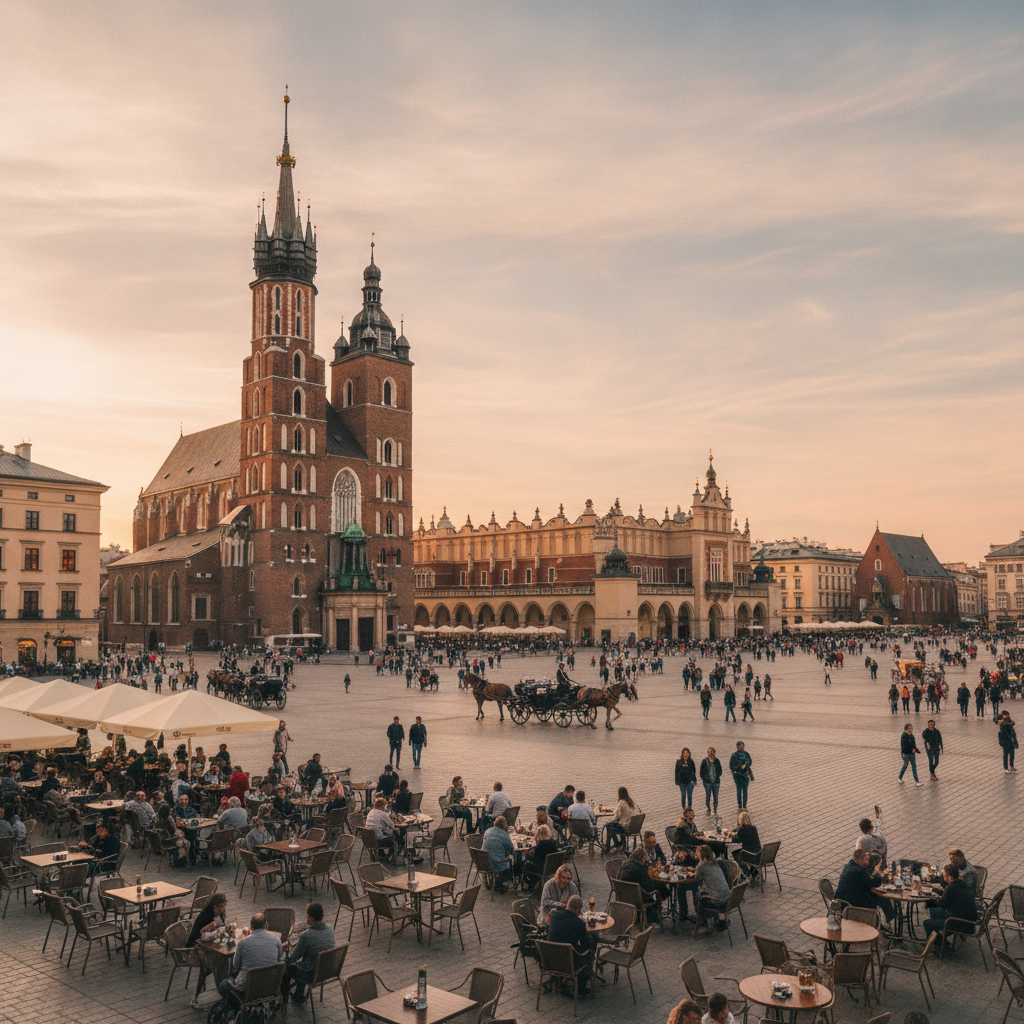
Kraków Old Town — the Main Market Square, St. Mary's Basilica & Wawel Castle
Kraków (the former royal capital of Poland, population 800,000, the most historically complete city in Poland — the only major Polish city not destroyed in World War II, its Gothic, Renaissance, and Baroque architecture intact — the administrative capital of the Lesser Poland Voivodeship and the second-largest city in Poland, the cultural and academic capital) was inscribed on the UNESCO World Heritage List in 1978 as one of the original 12 sites.
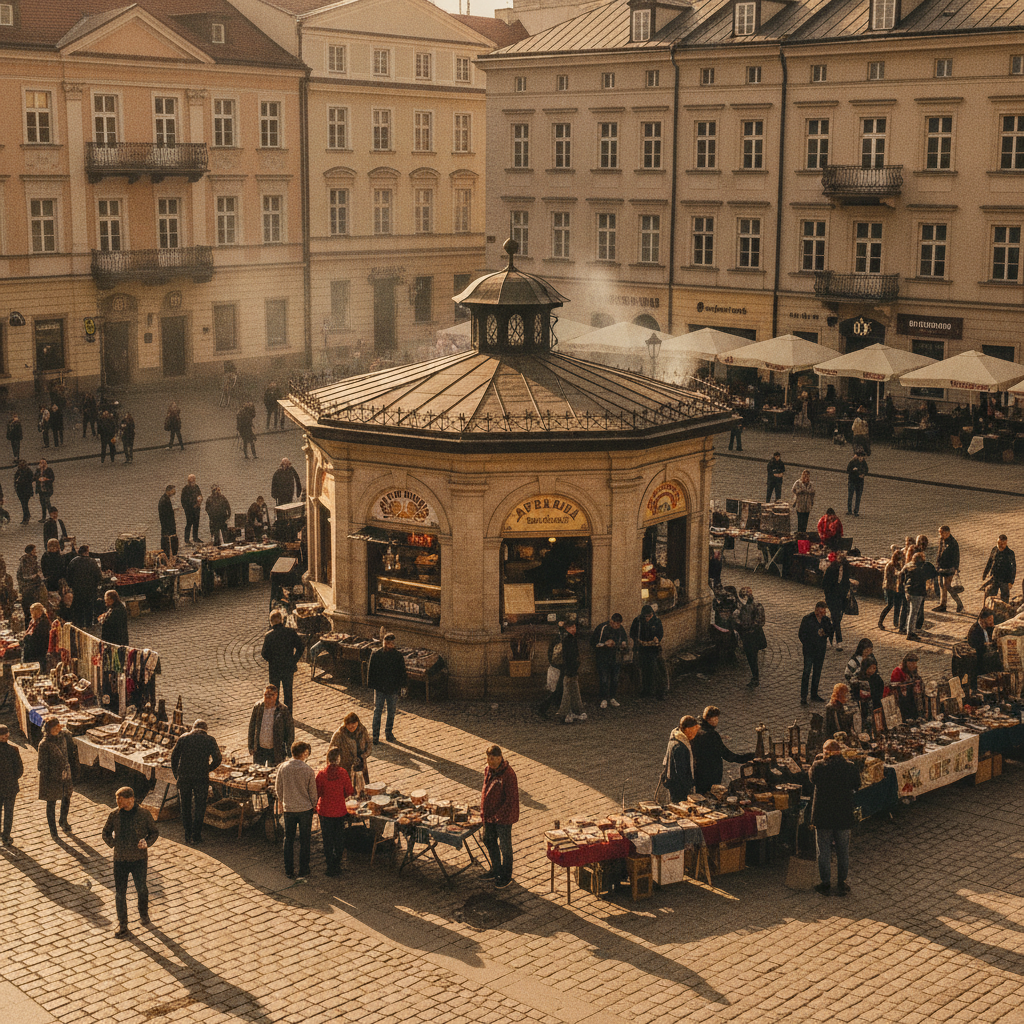
Kazimierz — the Jewish Quarter, Synagogues & the Schindler Factory
Kazimierz (the district of Kraków established in 1335 as a separate royal city, incorporated into Kraków in 1791, the Jewish community settled here from 1495 when King Jan Olbracht expelled the Jews from the Kraków old town, the district the centre of Jewish life in southern Poland for 450 years before the Nazi occupation of 1939) is the most important Jewish heritage district in Poland.
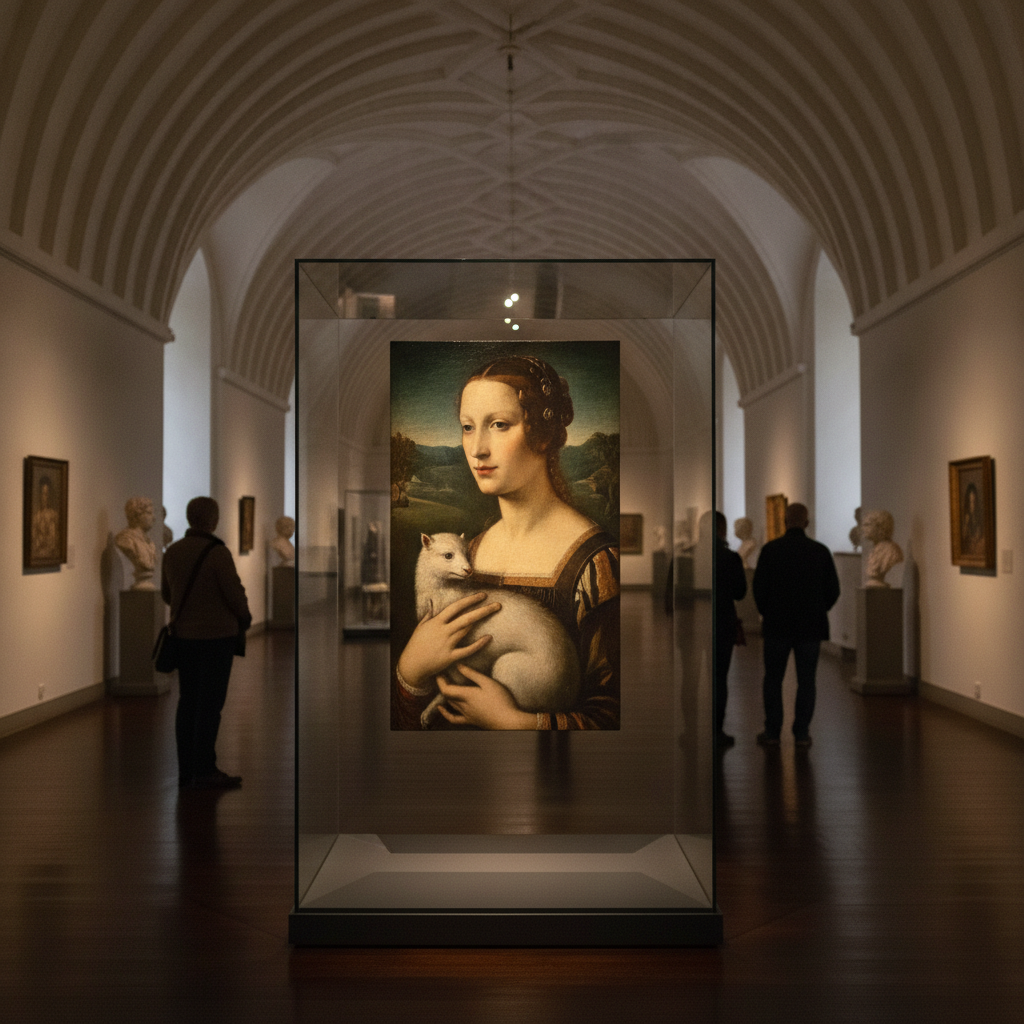
Kraków Museums & the Royal Road — the Czartoryski Collection, Lady with an Ermine & National Galleries
Kraków's museum circuit (the most concentrated collection of significant museums in Poland outside Warsaw, the National Museum's six branches holding the most important collections of Polish art, the Czartoryski Museum holding the most important collection of European art in Central Europe) is organized along and around the Royal Road running from the Florian Gate south to Wawel Castle.
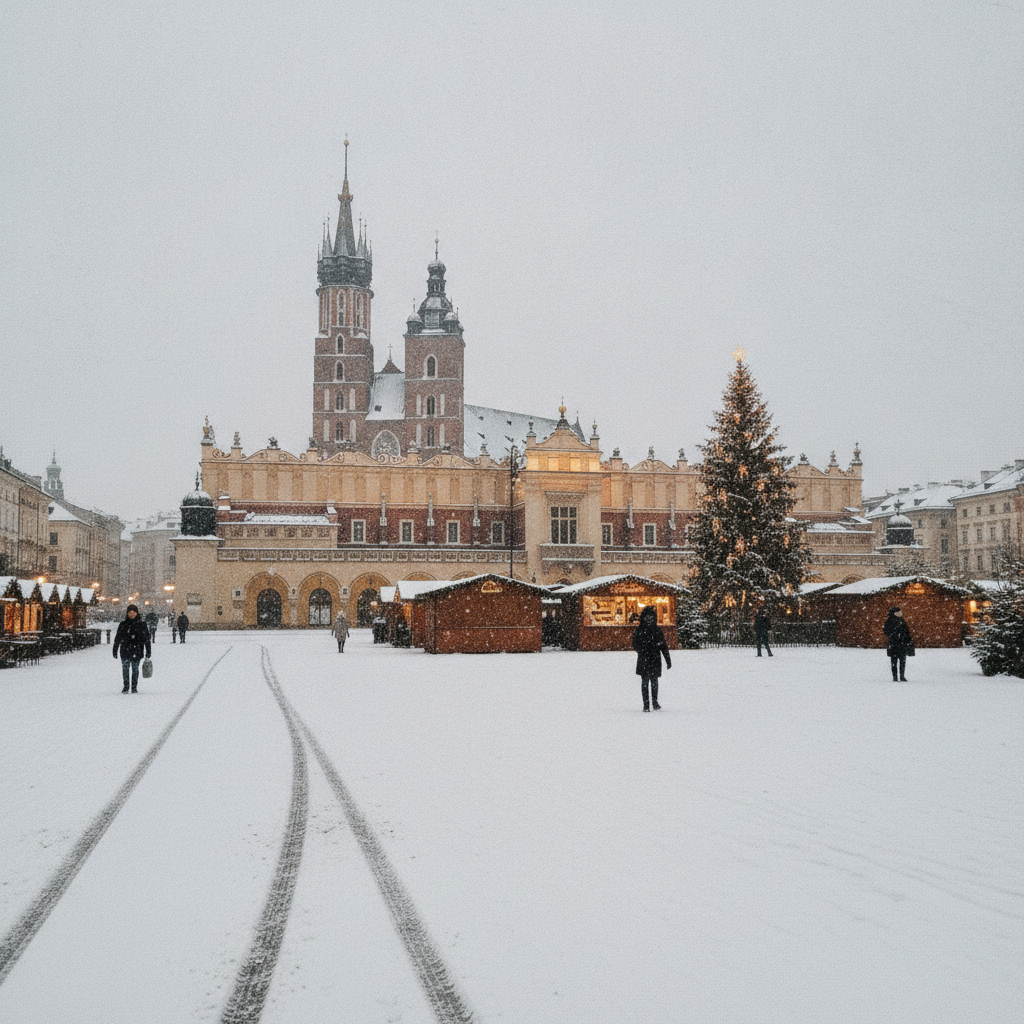
Kraków Practical Guide — Seasons, Trams, Nightlife & Getting Around
Kraków is a year-round destination with a strong four-season character. The combination of the intact medieval and Renaissance architecture, the compact old town walkable in its entirety, the 200,000-strong student population, and the direct air connections from 50 European cities make it the most visited city in Poland after Warsaw.
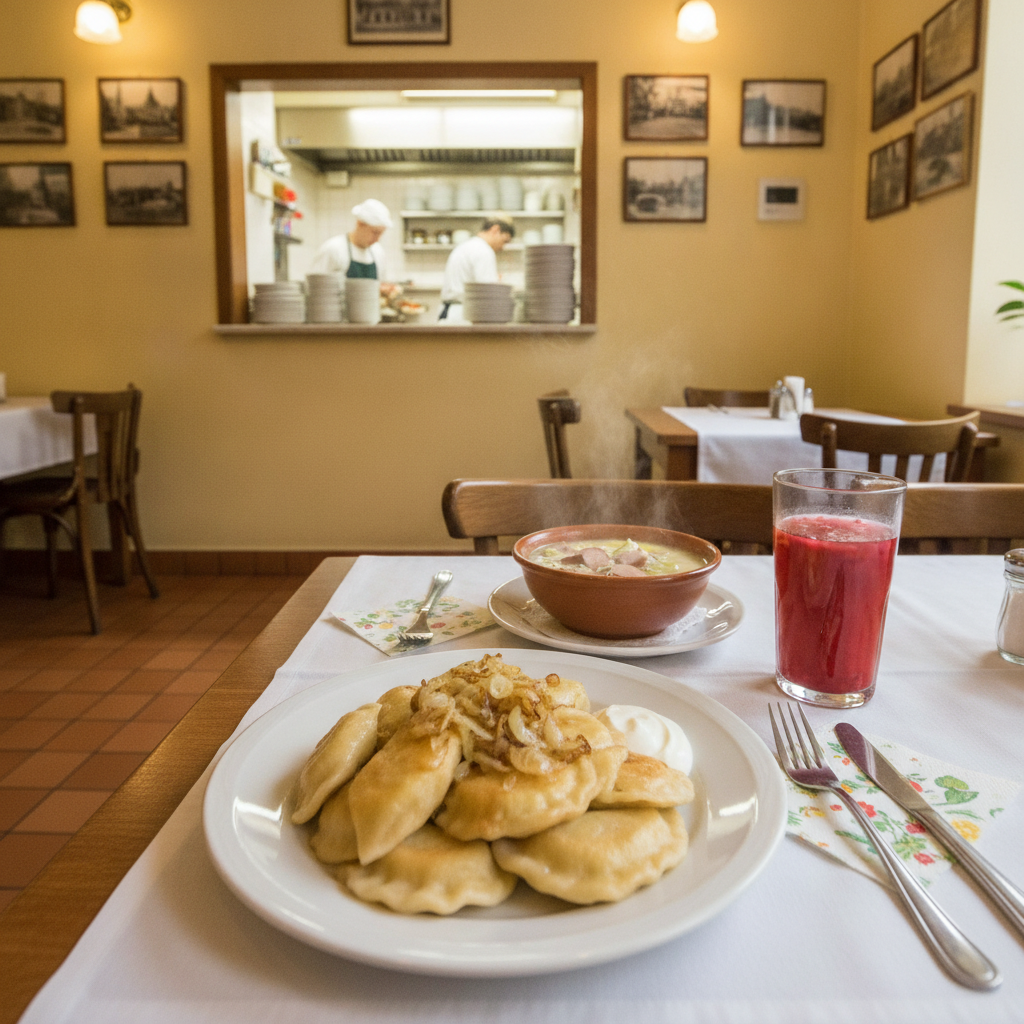
Kraków Food — Pierogi, Żurek, Zapiekanka & the Polish Restaurant Tradition
Kraków's food scene (the most diverse in Poland after Warsaw, combining the Polish culinary tradition with the Jewish Galician heritage, the student population of 200,000 supporting the cafe and bar culture, and the tourist infrastructure of the Main Market Square) operates at three distinct price levels: the milk bar, the traditional Polish restaurant, and the upmarket European restaurant.
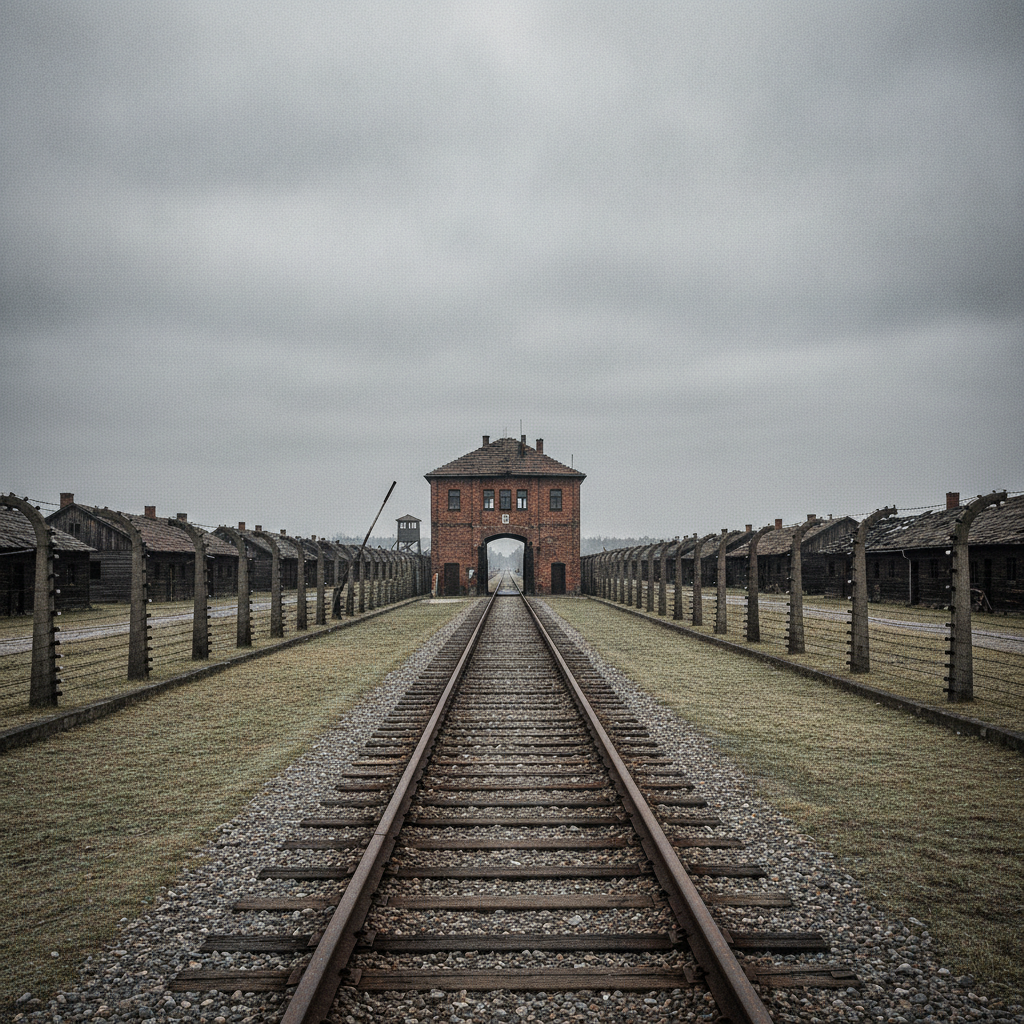
Auschwitz-Birkenau Memorial — the Most Important Historical Site in Europe
Auschwitz-Birkenau (the Nazi German concentration and extermination camp complex 70km west of Kraków, established in the German-occupied Polish territory in 1940, the site of the systematic murder of 1.1 million people between 1941 and 1945 — 90 percent of them Jews — from across occupied Europe, the largest and most deadly of the Nazi extermination camps, UNESCO World Heritage Site since 1979) is the most important historical memorial site in Europe and one of the most visited in the world.