Granada
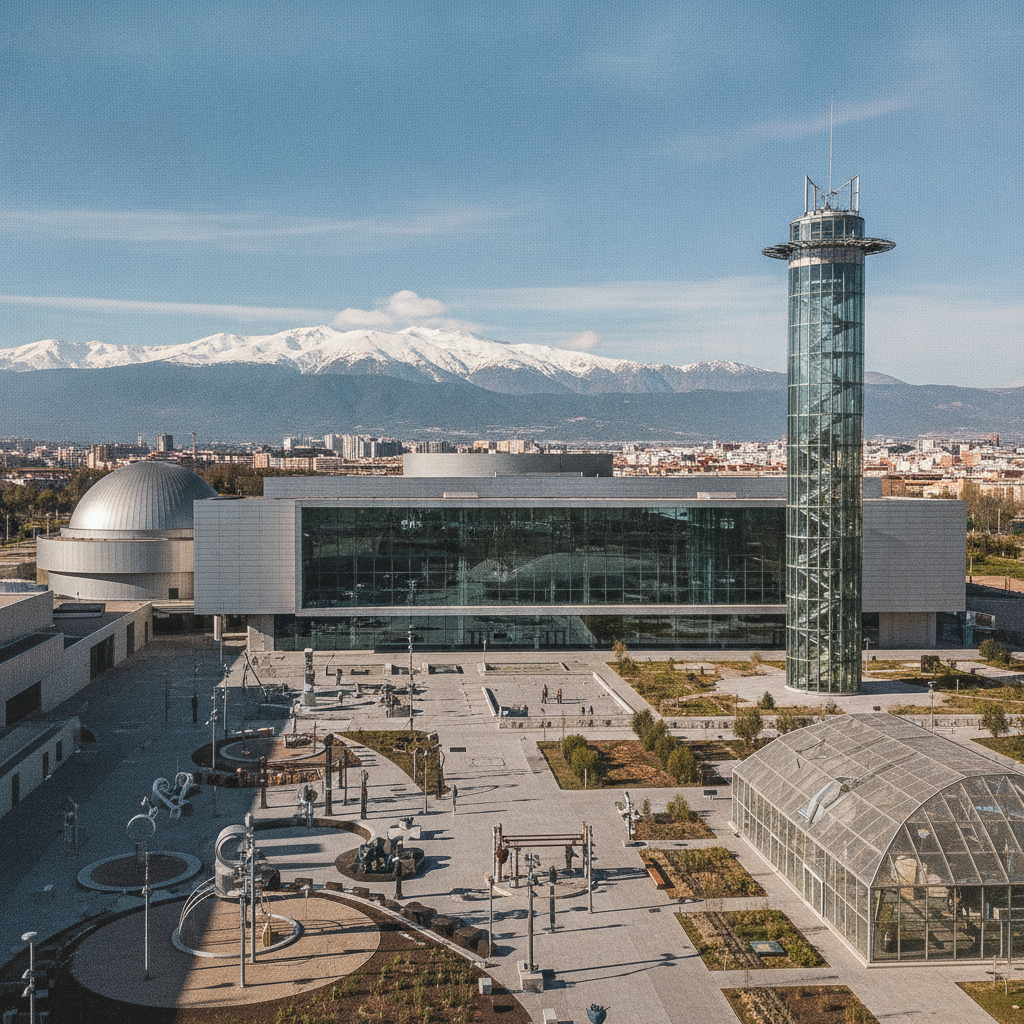
Parque de las Ciencias, University of Granada & Modern City
The Parque de las Ciencias de Granada (the 'Granada Science Park' — the largest interactive science museum in Andalusia, with the permanent exhibitions on biology, physics, astronomy, and the environment) and the Universidad de Granada (the University of Granada — founded in 1531, one of the oldest and the largest universities in Spain, with 55,000 students) together represent the modern, forward-looking face of a city that is also defined by its extraordinary medieval and Islamic heritage.
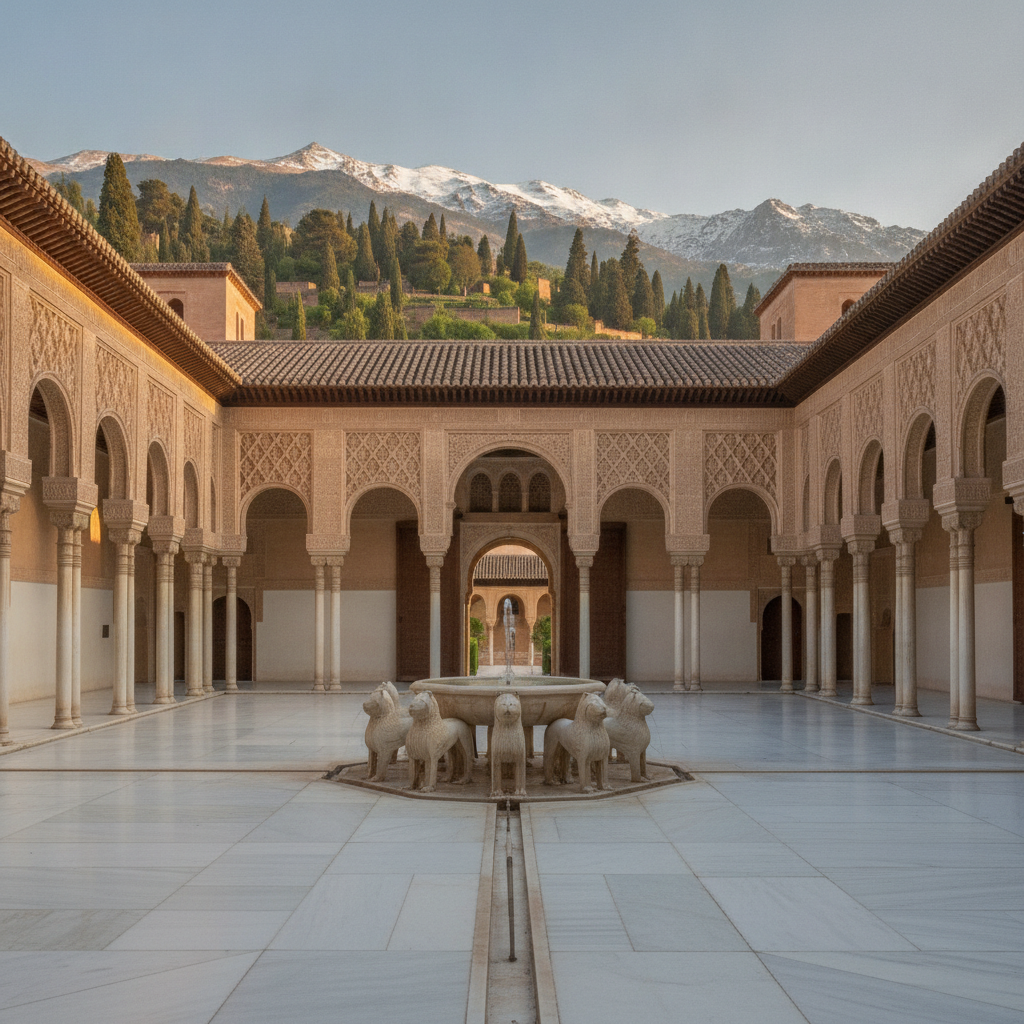
The Alhambra, Nasrid Palaces & the Generalife Gardens
The Alhambra de Granada (the 'Red Fortress' — the UNESCO World Heritage Site palace and fortress complex on the Sabika hill above Granada, the greatest monument of Islamic architecture in the western world and the most visited tourist site in Spain): the Nasrid Palaces (the royal palaces of the last Islamic dynasty in Spain — the Nasrid sultans of Granada who ruled from 1238 to 1492), the Alcazaba (the military fortress), the Generalife (the summer palace and gardens), and the Palace of Carlos V (the Renaissance palace begun in 1527) — together the most extraordinarily beautiful monument in the Iberian Peninsula.
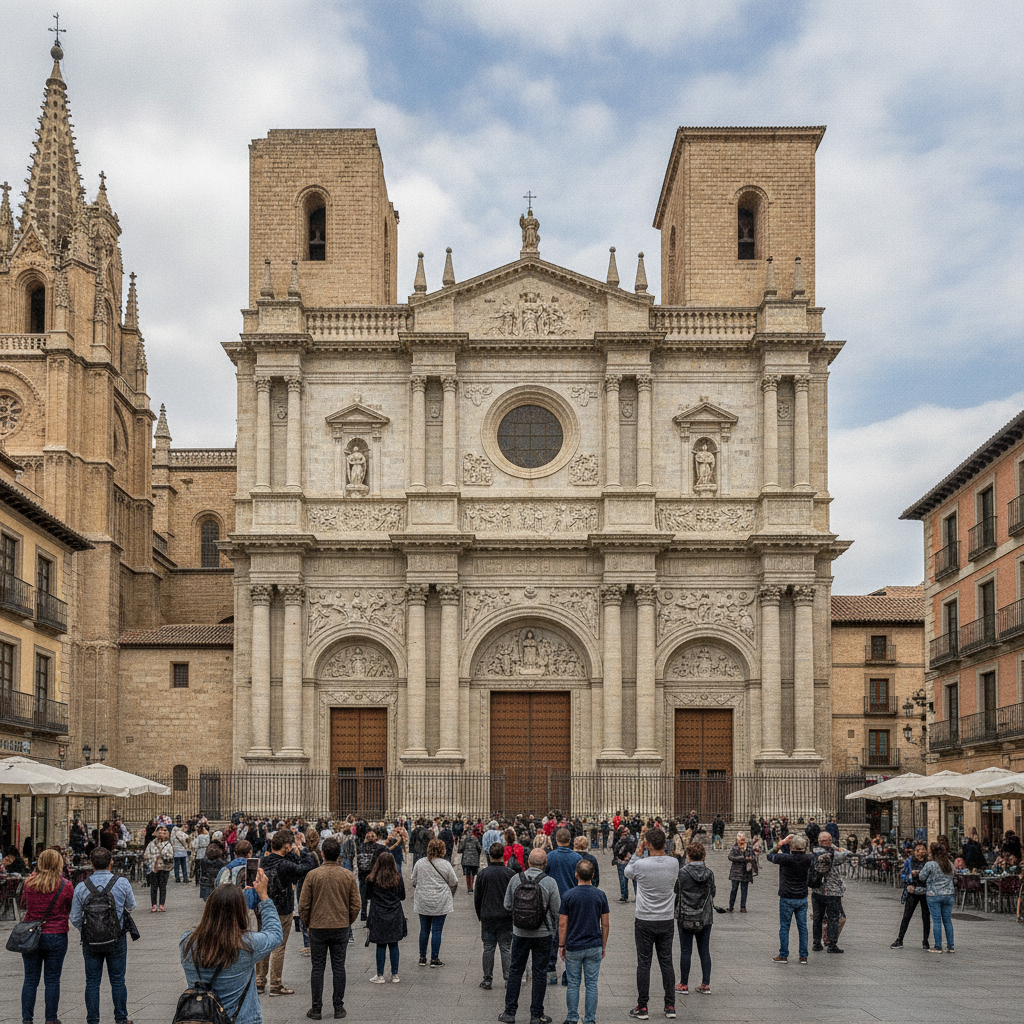
Granada Cathedral, Royal Chapel & the End of the Reconquista
The Catedral de Granada (begun 1523 — the first Renaissance cathedral in Spain, designated on the site of the Great Mosque of the Nasrid Emirate) and the Capilla Real (the Royal Chapel — built 1505-1521 as the mausoleum of the Catholic Monarchs Ferdinand and Isabella, the patrons of Columbus) together mark the moment on January 2, 1492, when Granada fell to the Christian reconquest and Spain's history changed forever.
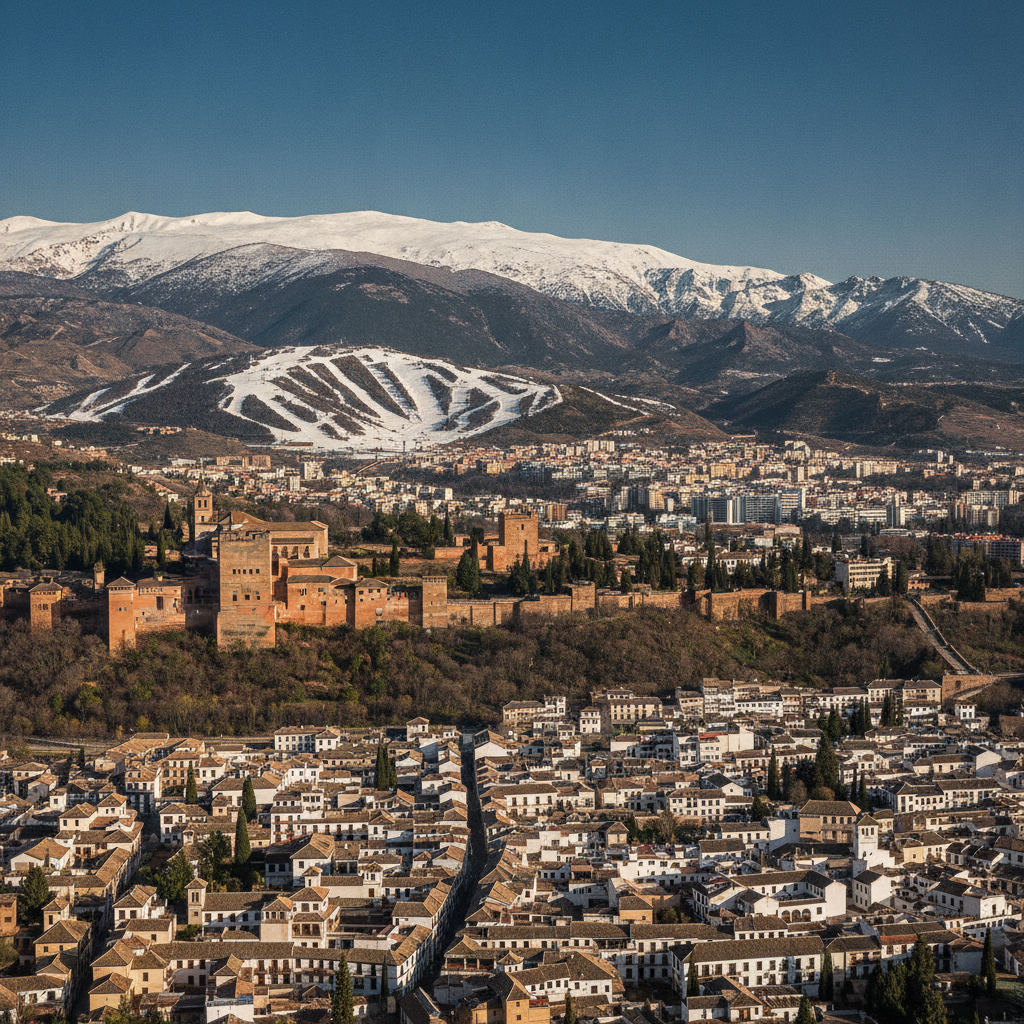
Sierra Nevada, Ski Resort & Granada's Mountain Wilderness
The Sierra Nevada (the mountain range immediately south of Granada — the highest mountain range in the Iberian Peninsula, with the peak of the Mulhacén (3,479 metres / 11,414 feet — the highest point in mainland Spain) and the Sierra Nevada National Park (the most southern high-altitude national park in Europe)): the extraordinary fact that the city of Granada is the only city in Europe where you can ski in the morning and swim in the Mediterranean Sea in the afternoon (the Mediterranean coast at Motril is only 70 km / 43 miles from Granada).
Lorca's Granada, Fuente Vaqueros & the Vega Countryside
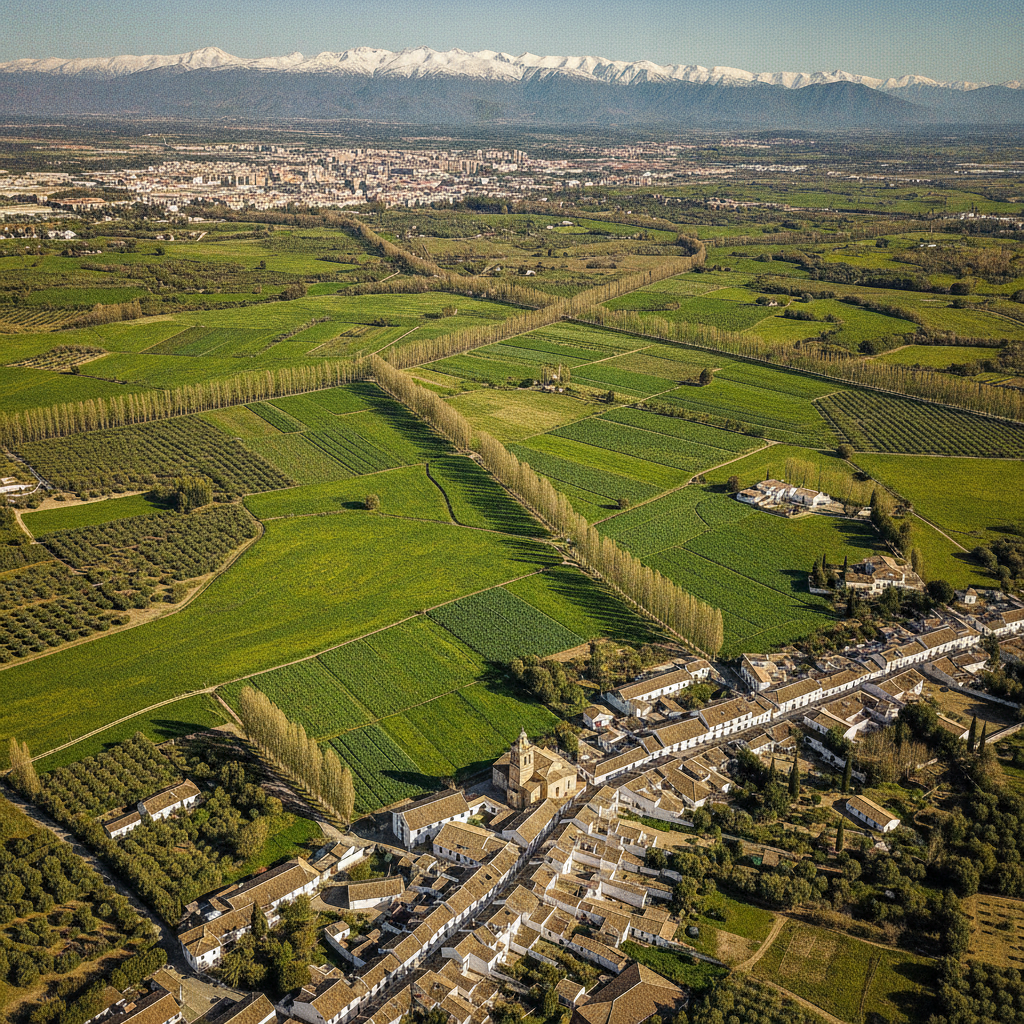
The 'Vega de Granada' (the fertile irrigated plain surrounding Granada, the agricultural heartland of the Nasrid Emirate and the landscape that inspired the greatest lyric poetry of Federico García Lorca (1898-1936)) and Fuente Vaqueros (the village 17 km west of Granada where Lorca was born, now the site of his birthplace museum) together form the essential literary and cultural landscape of modern Granada.
Albaicín, Sacromonte & Granada's Moorish Quarter
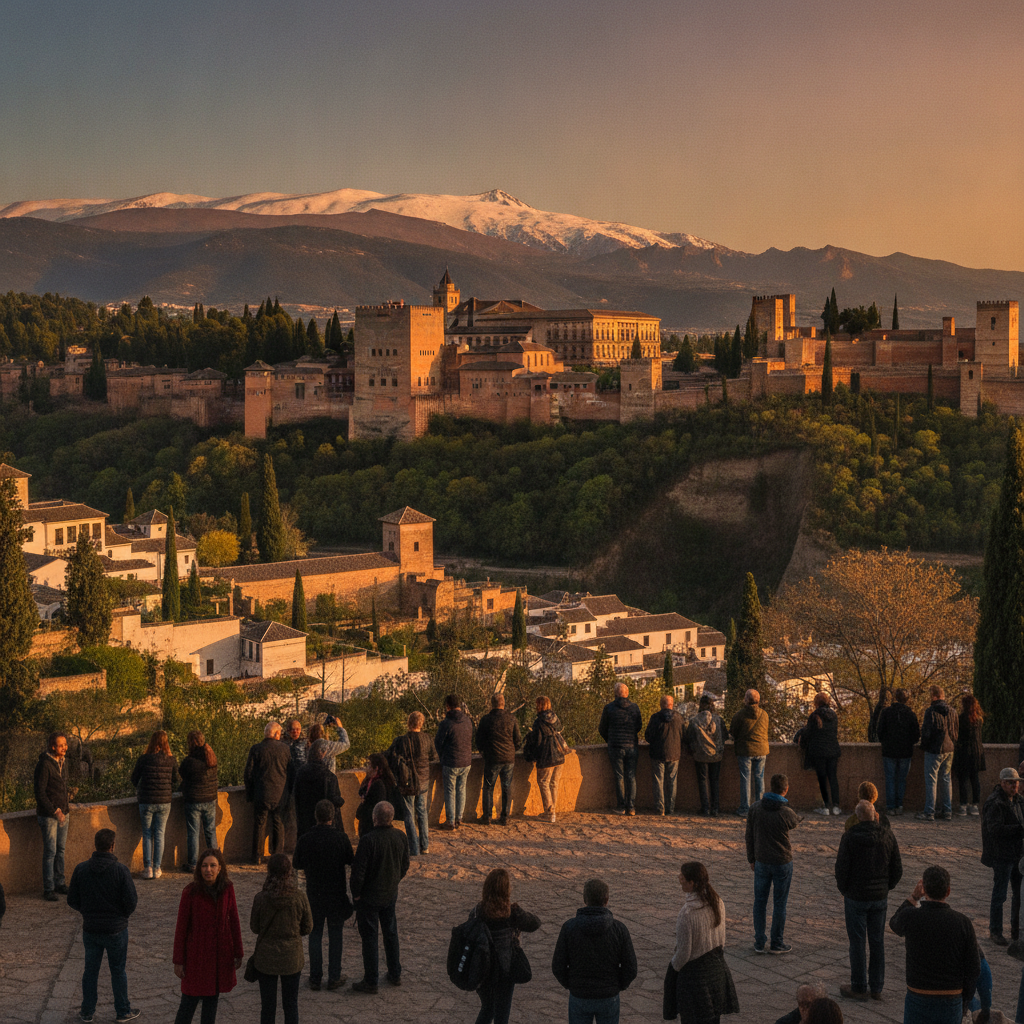
The Albaicín (the 'Albayzín' — the UNESCO World Heritage Site Moorish quarter of Granada on the hill directly facing the Alhambra, the most intact medieval Islamic urban quarter in Western Europe) and the Sacromonte (the cave neighbourhood of the Gitano community of Granada on the hill adjacent to the Albaicín, the birthplace of Granadan flamenco) together preserve the most extraordinary heritage of Islamic and Gitano culture in Spain.
Alcaicería, Arab Bazaar & Granada's Islamic Market Heritage
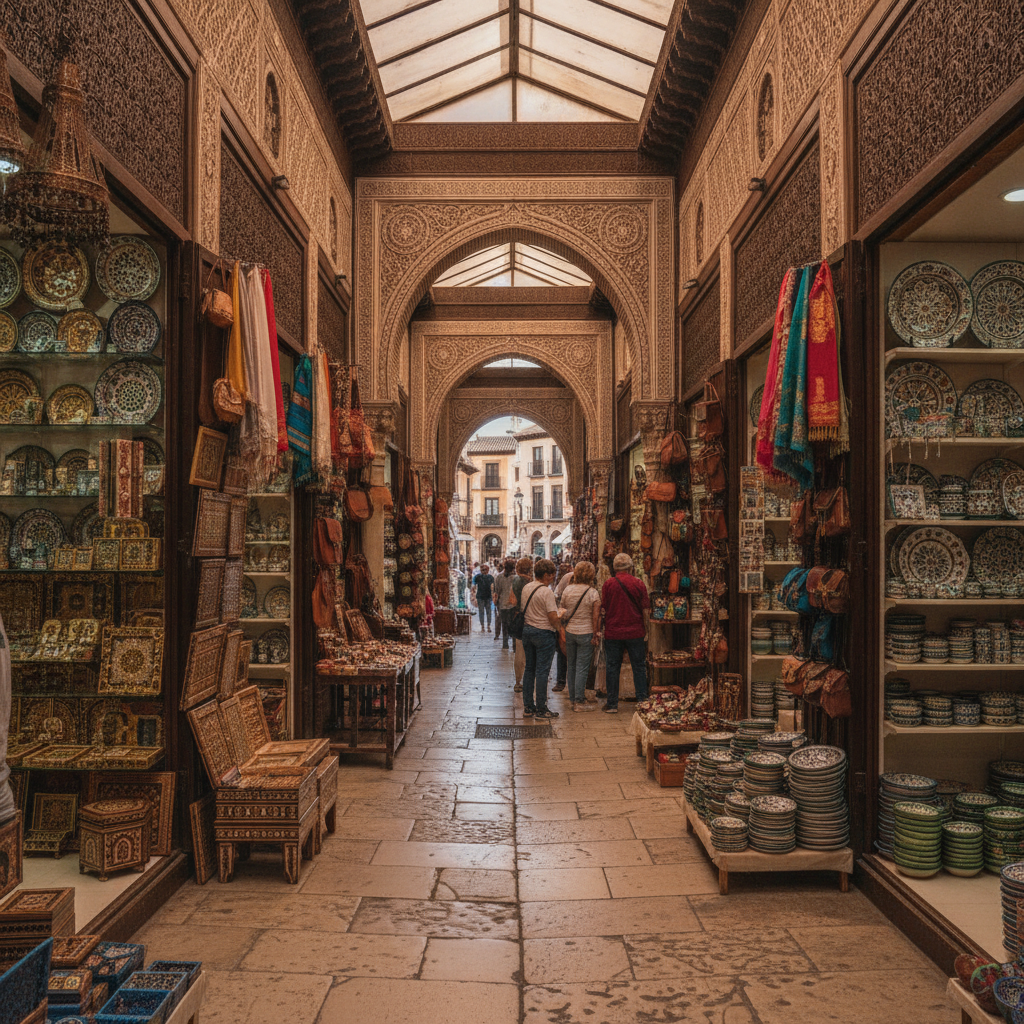
The Alcaicería (the 'silk market' — the covered market adjacent to the Granada Cathedral, rebuilt in the 19th century on the site of the Nasrid-era royal silk market: the most important commercial district of the Nasrid city of Granada) and the adjacent Calle Calderería Nueva (the 'Moroccan street' with the Moroccan tea houses, the spice shops, and the craft stores) together preserve the commercial spirit of Islamic Granada in the heart of the modern city.
Hammam Al-Ándalus, Arab Baths & Granada's Spa Culture
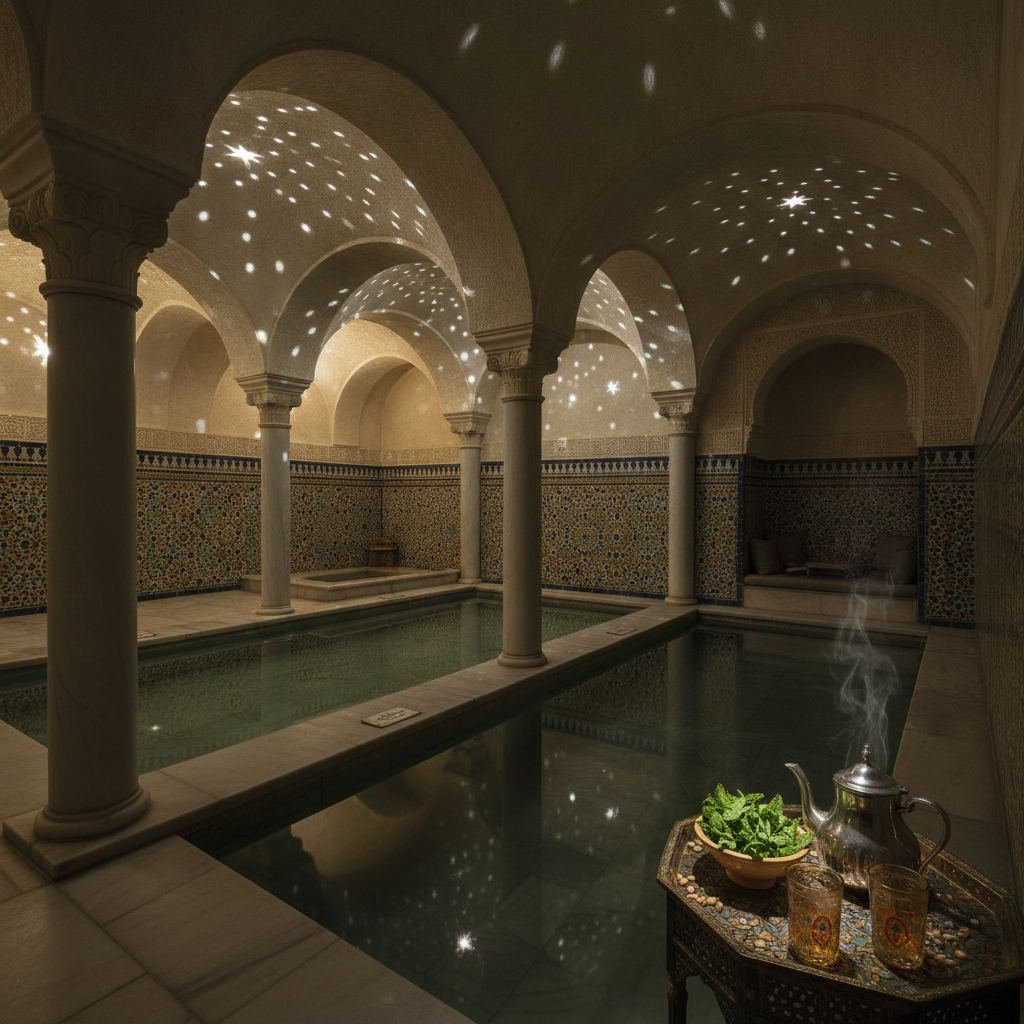
The Hammam Al-Ándalus (the Arab baths complex in the Carrera del Darro — the modern recreation of the medieval Islamic hammam tradition in the historic Arab baths building adjacent to the Río Darro) and the 'Bañuelo' (the 11th-century Moorish bath on the Carrera del Darro, the best-preserved Arab bath in Spain) together revive and preserve the tradition of the hammam that was central to the daily life of Islamic Granada for 500 years.
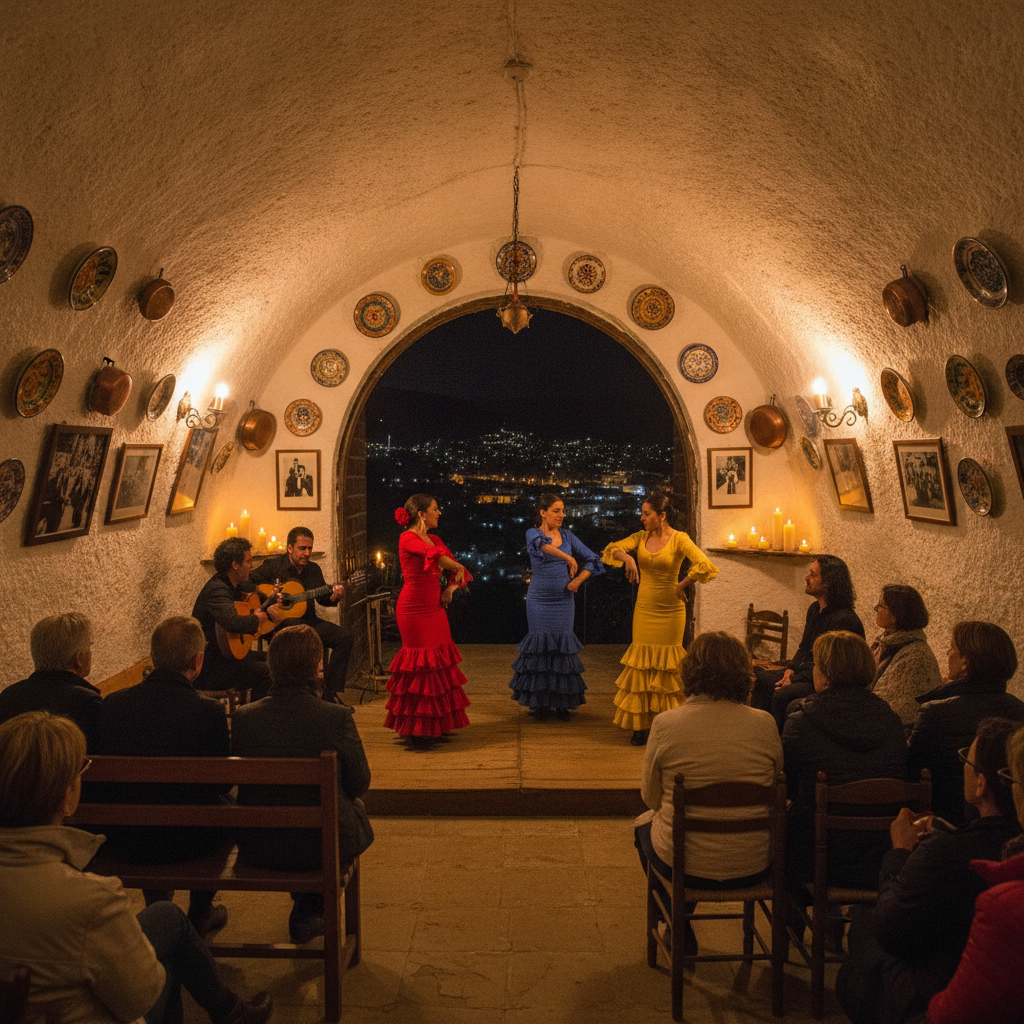
Zambra de Granada, Gitano Music & the Sacromonte Caves
The 'zambra' (the Granada variant of flamenco — the dance form unique to the Sacromonte Gitano community of Granada that combines flamenco with elements of the pre-Islamic Moorish dance tradition) performed in the 'cuevas' (the cave venues of the Sacromonte) is the most distinctive and the most atmospheric live music experience in Granada and one of the most authentic flamenco experiences in Andalusia.