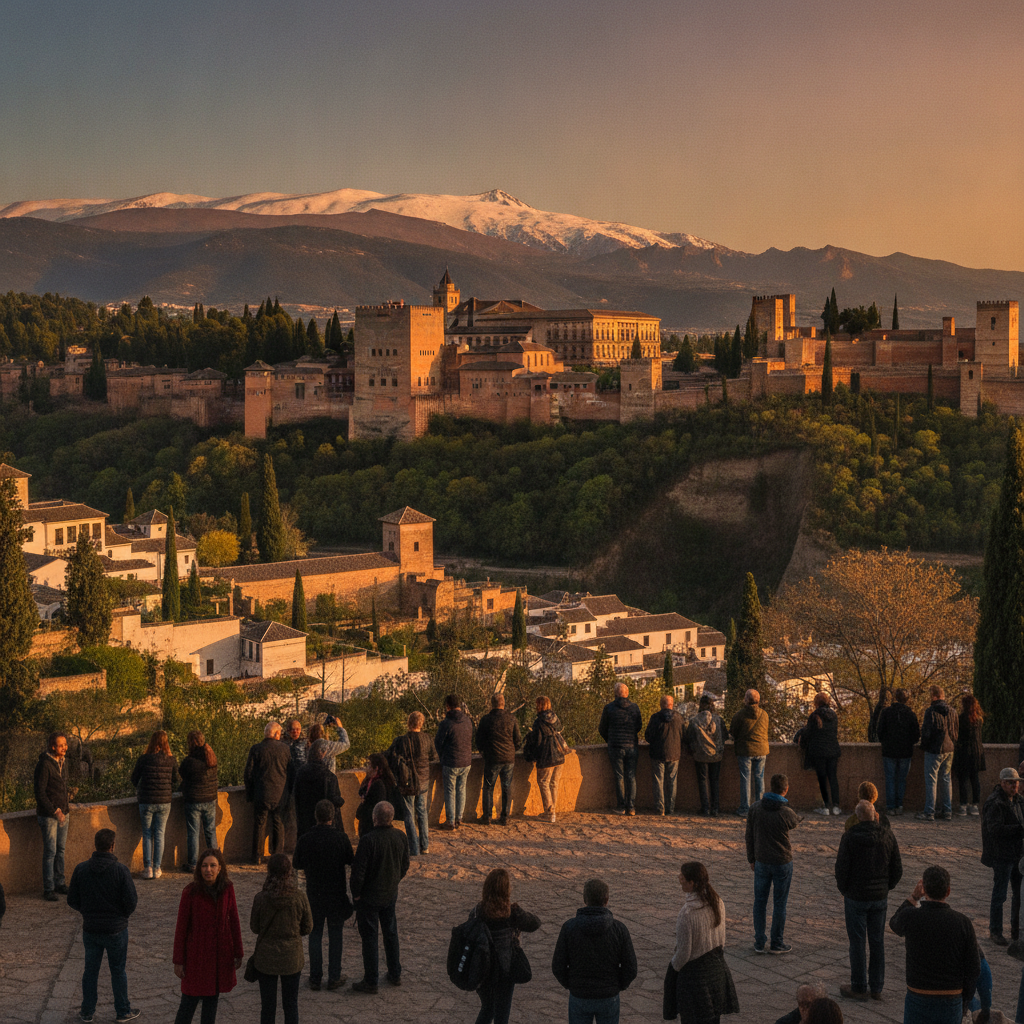
Hammam Al-Ándalus, Arab Baths & Granada's Spa Culture
The Hammam Al-Ándalus (the Arab baths complex in the Carrera del Darro — the modern recreation of the medieval Islamic hammam tradition in the historic Arab baths building adjacent to the Río Darro) and the 'Bañuelo' (the 11th-century Moorish bath on the Carrera del Darro, the best-preserved Arab bath in Spain) together revive and preserve the tradition of the hammam that was central to the daily life of Islamic Granada for 500 years.
1. Historical Nasrid Bath Culture — Al-Andalus Bathing Ritual
- 1
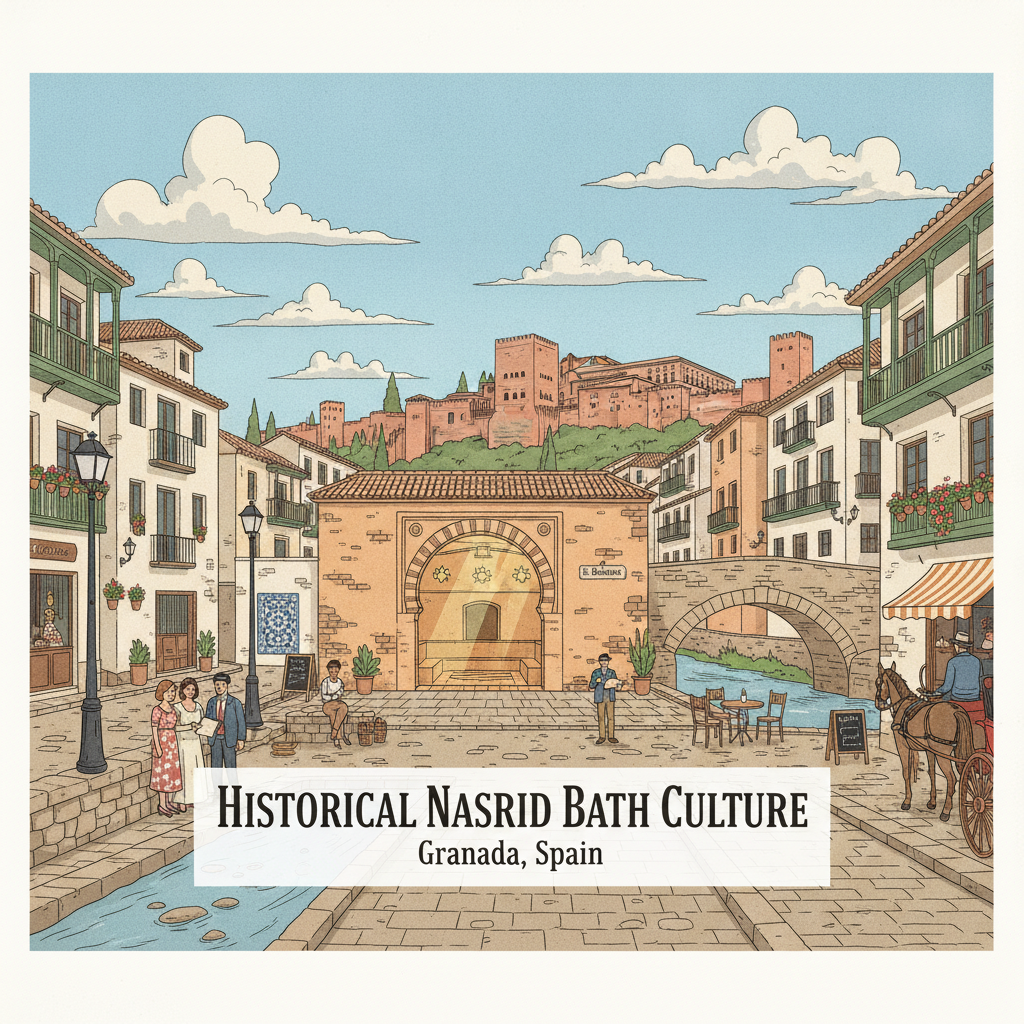
Historical Nasrid Bath Culture — Al-Andalus Bathing Ritual
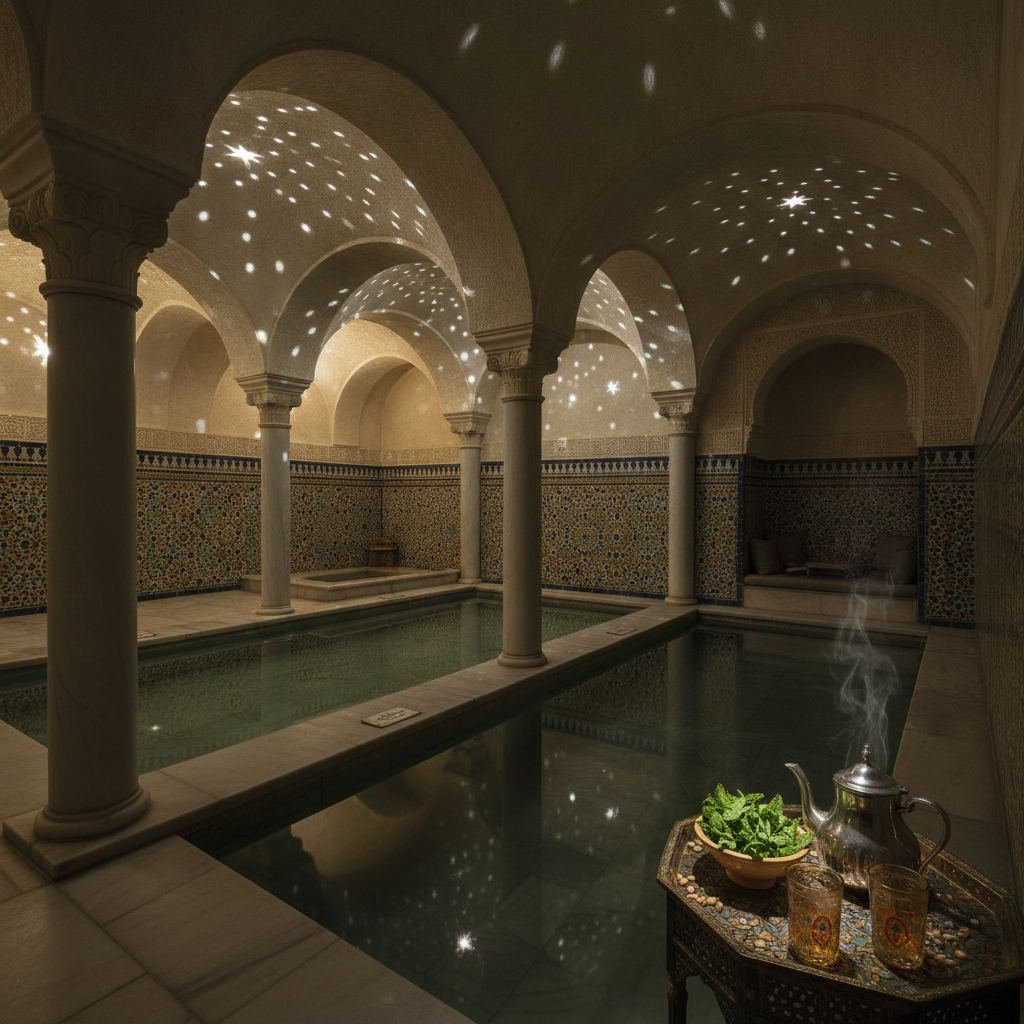
The Nasrid emirate maintained over 30 public bath houses (hammams) in Granada — bathing was obligatory before Friday prayers (according to Islamic tradition) and served as community social space for men (morning) and women (afternoon); the surviving El Bañuelo hammam (11th century, Carrera del Darro) is the best-preserved Arab bath in Spain, its star-shaped skylights still intact.
- 2
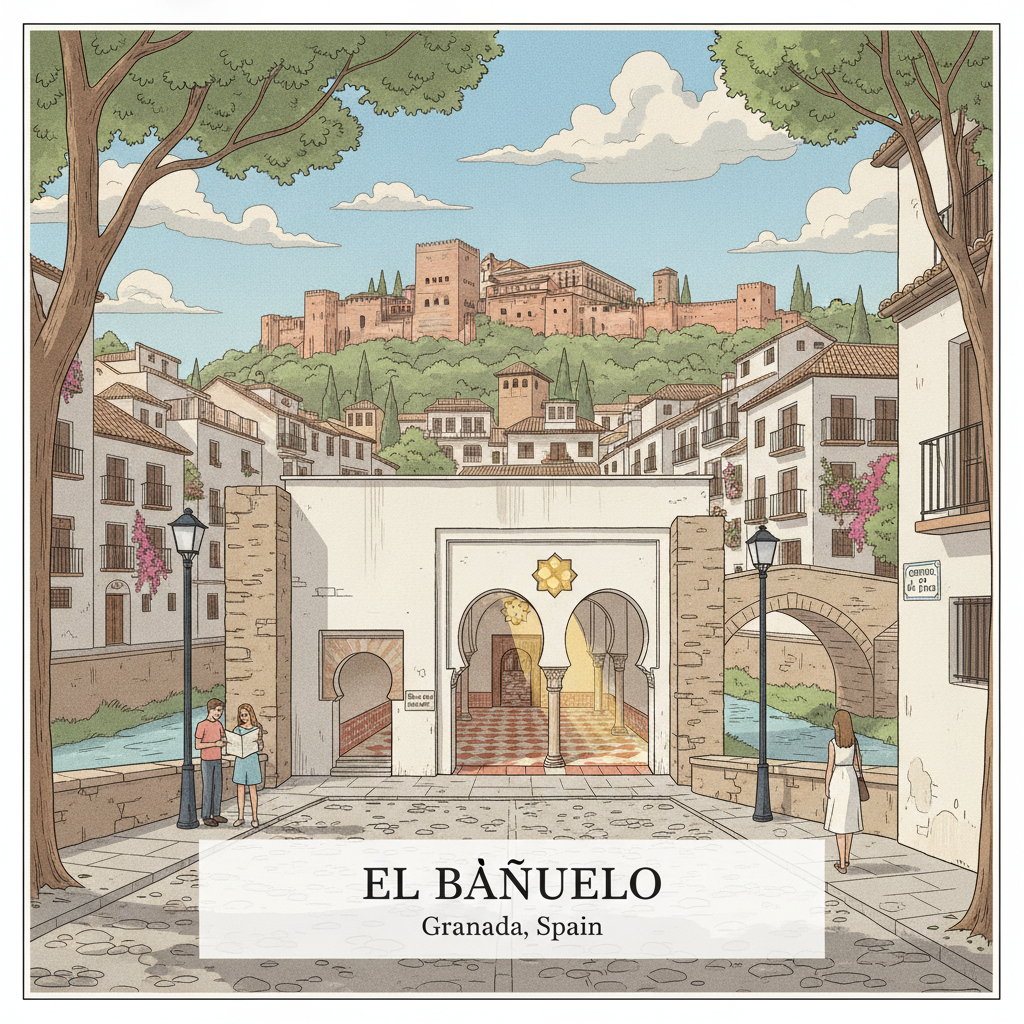
El Bañuelo — 11th-Century Working Bath, Free Entry
El Bañuelo (Carrera del Darro 31, free entry, open Tuesday–Sunday) is a working hammam from the Zirí period (1002–1090) that survived because it was incorporated into a Christian convent after 1492 — the three rooms (cold, tepid, hot) with their original tile floors and horseshoe-arch columns are accessible without an appointment; the star-shaped ceiling holes that filtered light are the defining image of Nasrid bath architecture.
- 3
Hammam Baños Árabes — Modern Hammam on Roman Foundations
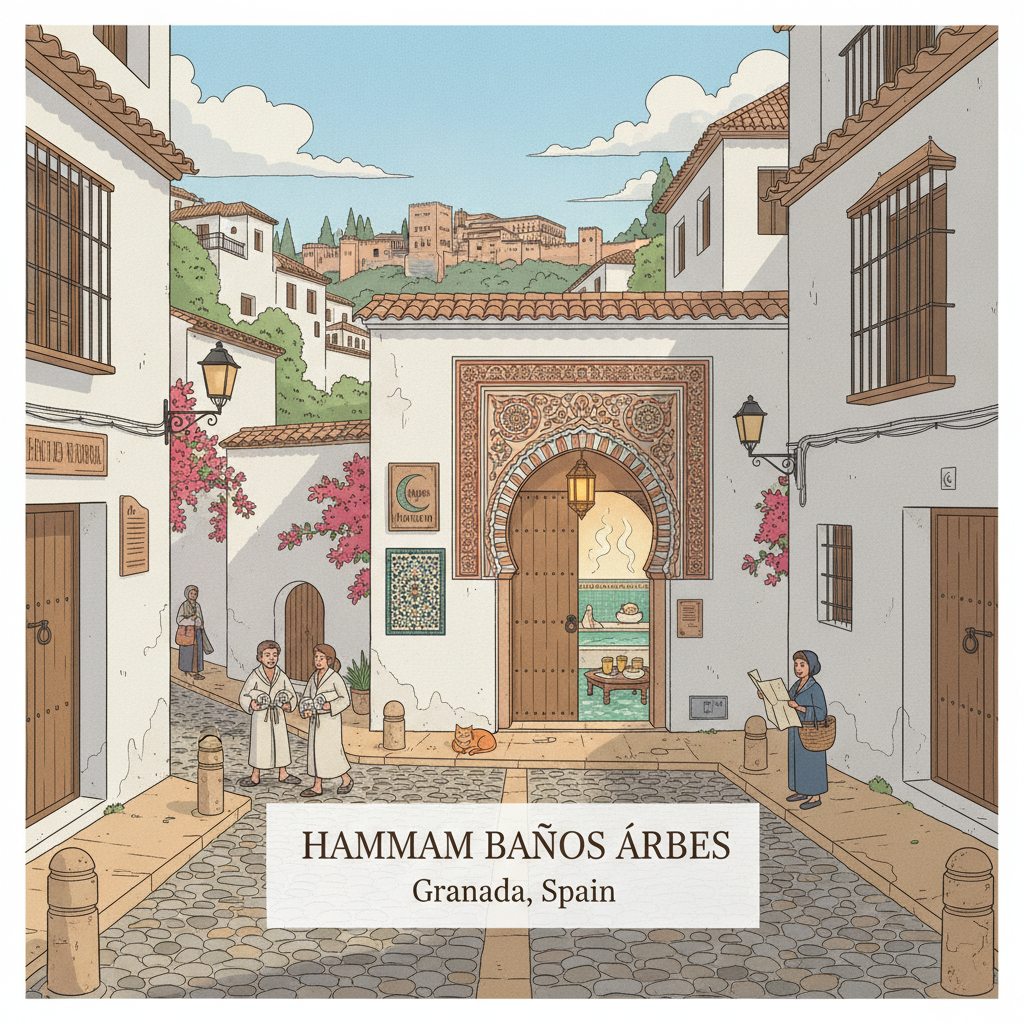
Multiple modern hammams in Granada recreate the Arab bath experience in historically appropriate buildings — Hammam Baños Árabes (Postigo de la Cuna, Albayzín) is built over Roman thermal foundations discovered during construction; the 90-minute circuit (€30, includes tea) uses cedarwood steam cabinets, alternating-temperature pools, and traditional Moroccan soap (beldi) and kese gloves.
- 4
The Art of Kese — Traditional Exfoliation Technique
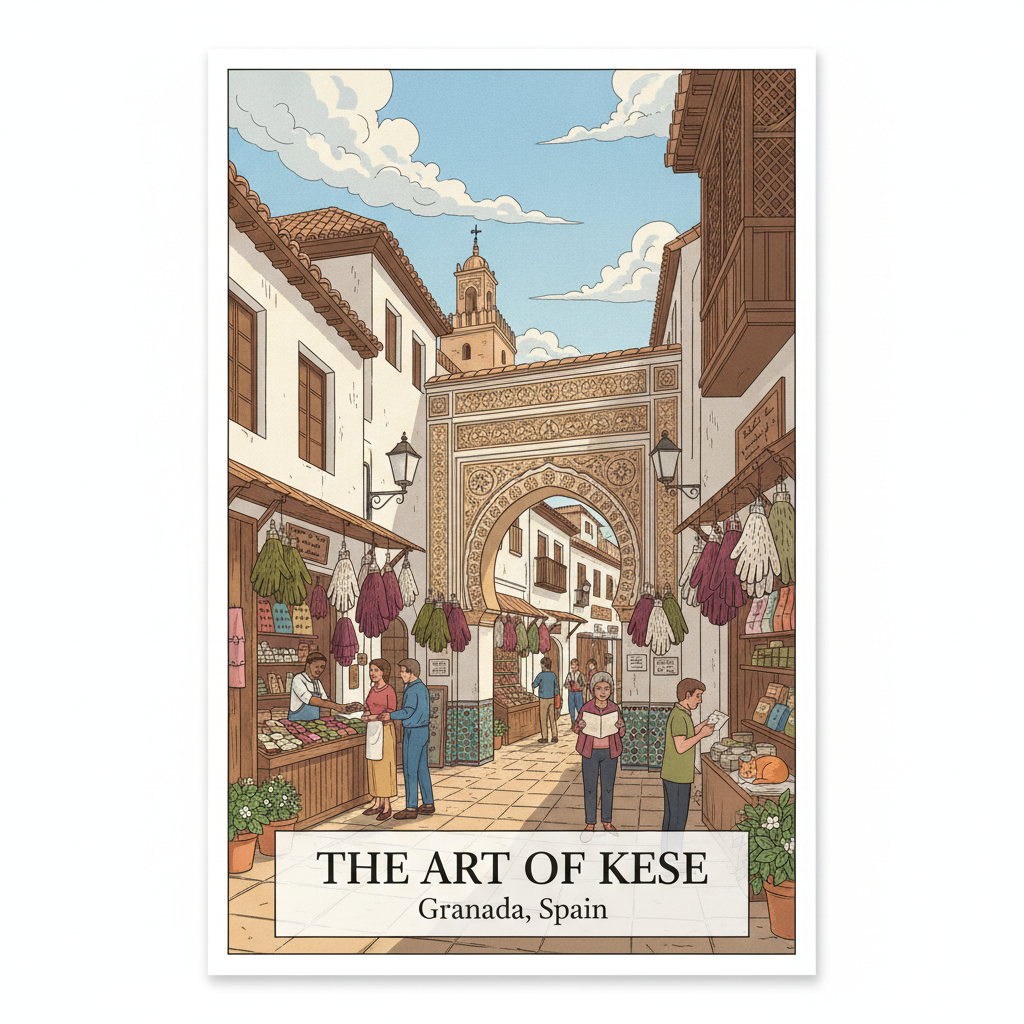
The kese (exfoliation glove worn by bath attendants) is the central tool of hammam treatment — the attendant uses the rough-textured glove in long strokes to remove dead skin, improving circulation and preparing the skin for soap and oil treatment; authentic kese gloves (made from recycled cotton in Turkey and Morocco) are sold in Granada's Arabic market shops for €8–15.
- 5
Moroccan Community in Granada — Living Connection to the Tradition
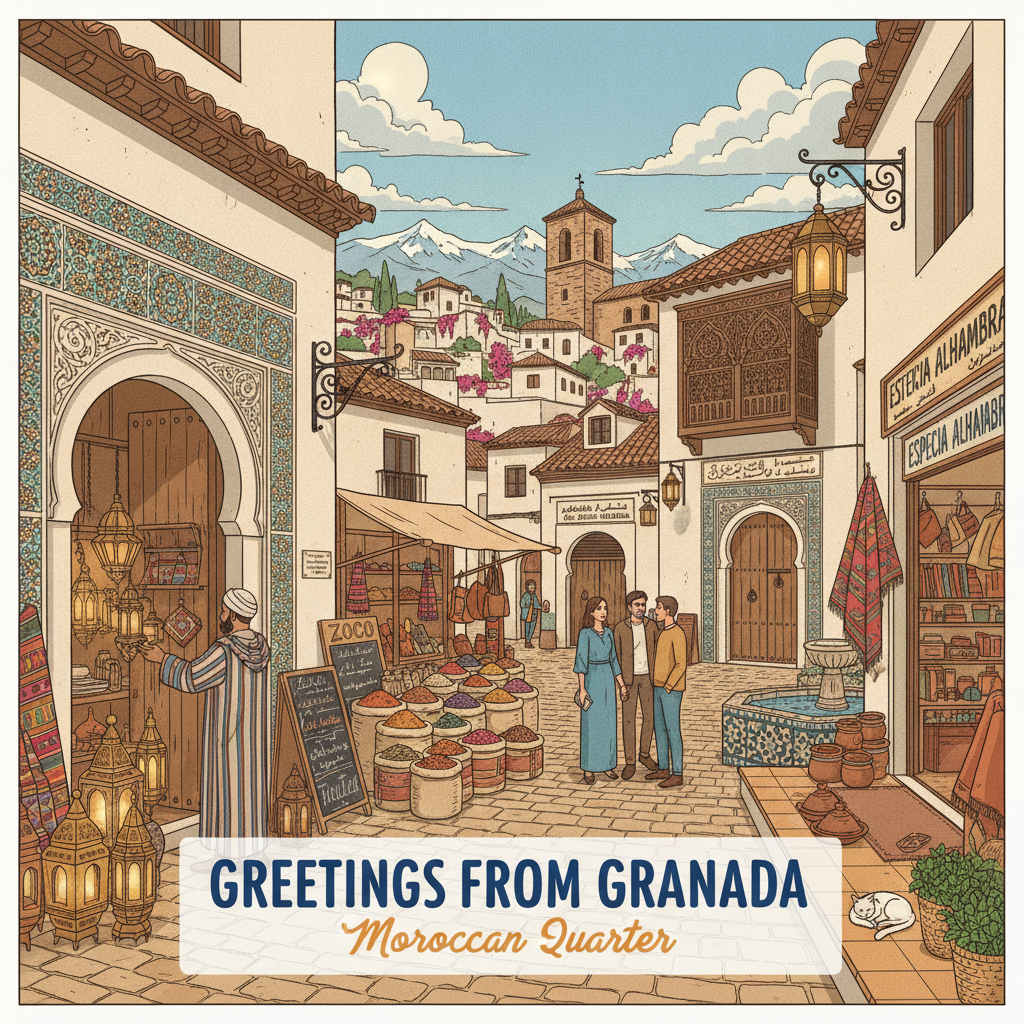
Granada's Moroccan community (est. 4,000 residents) maintains direct cultural links to the North African hammam tradition — community members use private hammams in the Albayzín's Moroccan association buildings that are not open to tourists; the weekly street market (zoco) on Calle Calderería Nueva reflects a living Moroccan-Andalusian cultural exchange that predates and postdates 1492.
- 6
Alhambra's Comares Bath — Royal Hammam Excavated and Displayed
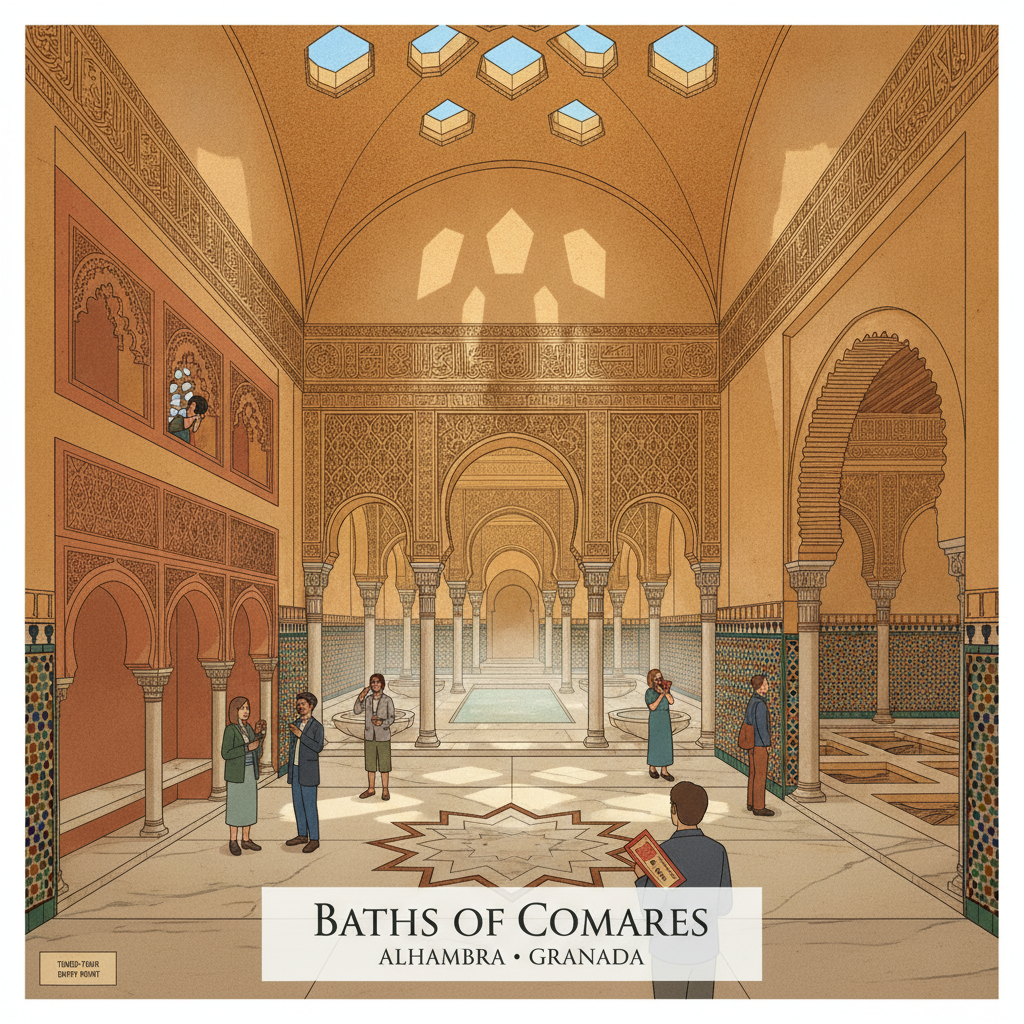
The Comares Bath (Baños Reales, inside the Alhambra, adjacent to the Comares Palace) is the best-preserved royal hammam in the Islamic world — the eight-niche undressing room, the 12 column-supported bathing hall, and the boiler room visible from below are all original 14th-century Nasrid construction; included in the Alhambra ticket; access by timed tour slot.
Walk this route with audio
Stories play automatically as you reach each stop — no tapping needed.
More in granada
Parque de las Ciencias, University of Granada & Modern City
The Alhambra, Nasrid Palaces & the Generalife Gardens
Granada Cathedral, Royal Chapel & the End of the Reconquista
Sierra Nevada, Ski Resort & Granada's Mountain Wilderness
Lorca's Granada, Fuente Vaqueros & the Vega Countryside