Budapest
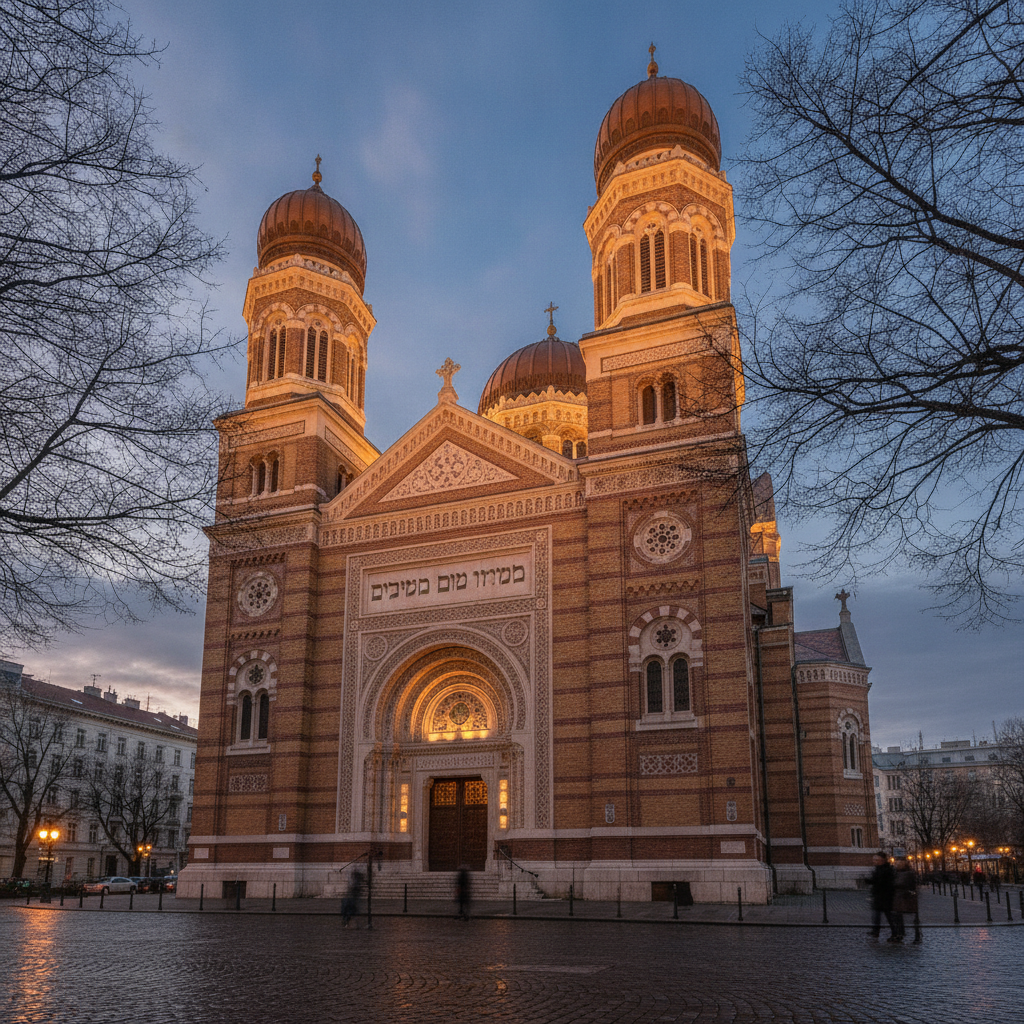
The Jewish Quarter: Dohány Synagogue, Memorial & Ruin Bars
Budapest's 7th district — the Erzsébetváros (Elizabeth Town) — contains the largest surviving Jewish quarter in Central Europe, centered on the Dohány Street Synagogue, the largest in Europe and second largest in the world. The same streets that bore the weight of the 1944-45 Budapest Ghetto now host the ruin bar scene that has made Budapest a global destination for urban nightlife.
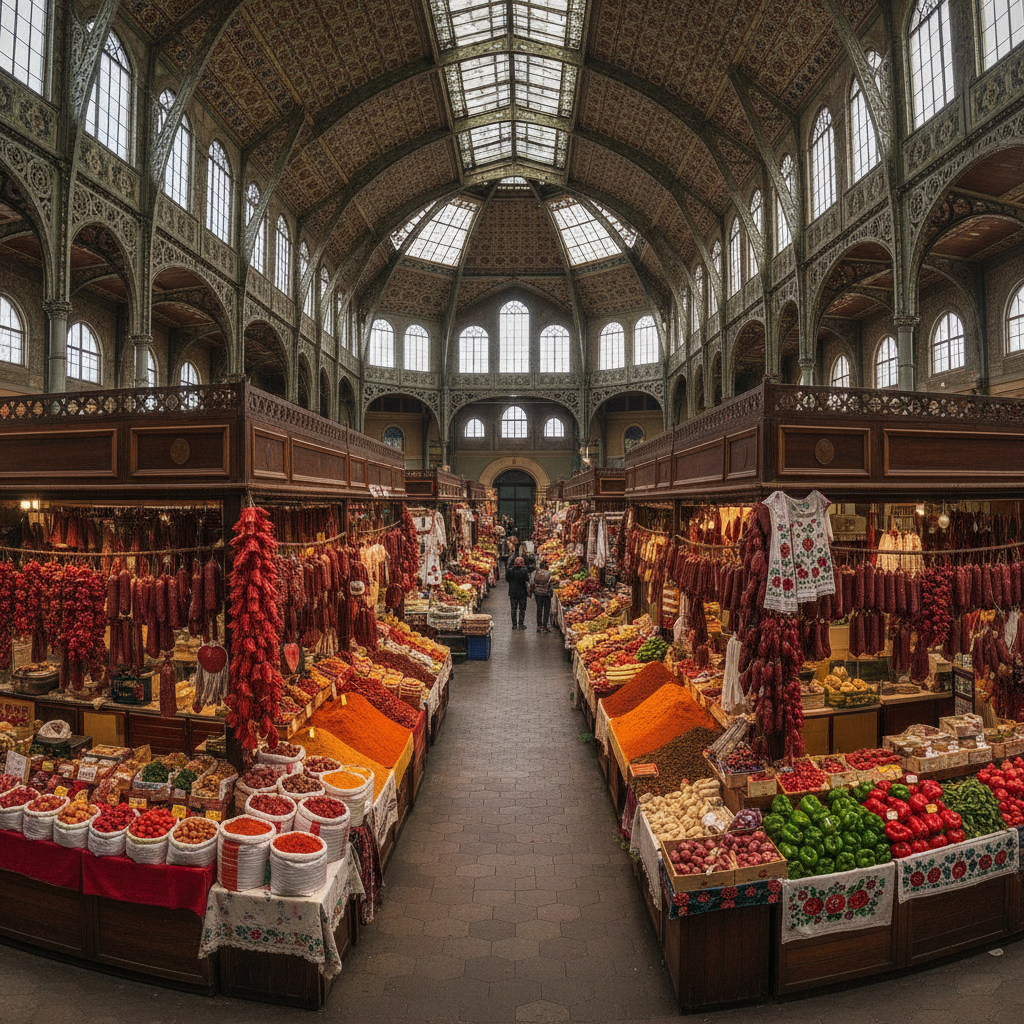
Inner City Markets: Great Market Hall, Váci Street & the Danube Embankment
The southern end of Pest's inner city contains Budapest's most ancient urban core — the medieval Inner City (Belváros) that predates the Ottoman conquest — and its most famous market: the Great Market Hall, a cathedral of commerce built in 1897 that remains the largest covered market in Hungary. The route follows the pedestrianized Váci Street shopping spine north to the Chain Bridge embankment.
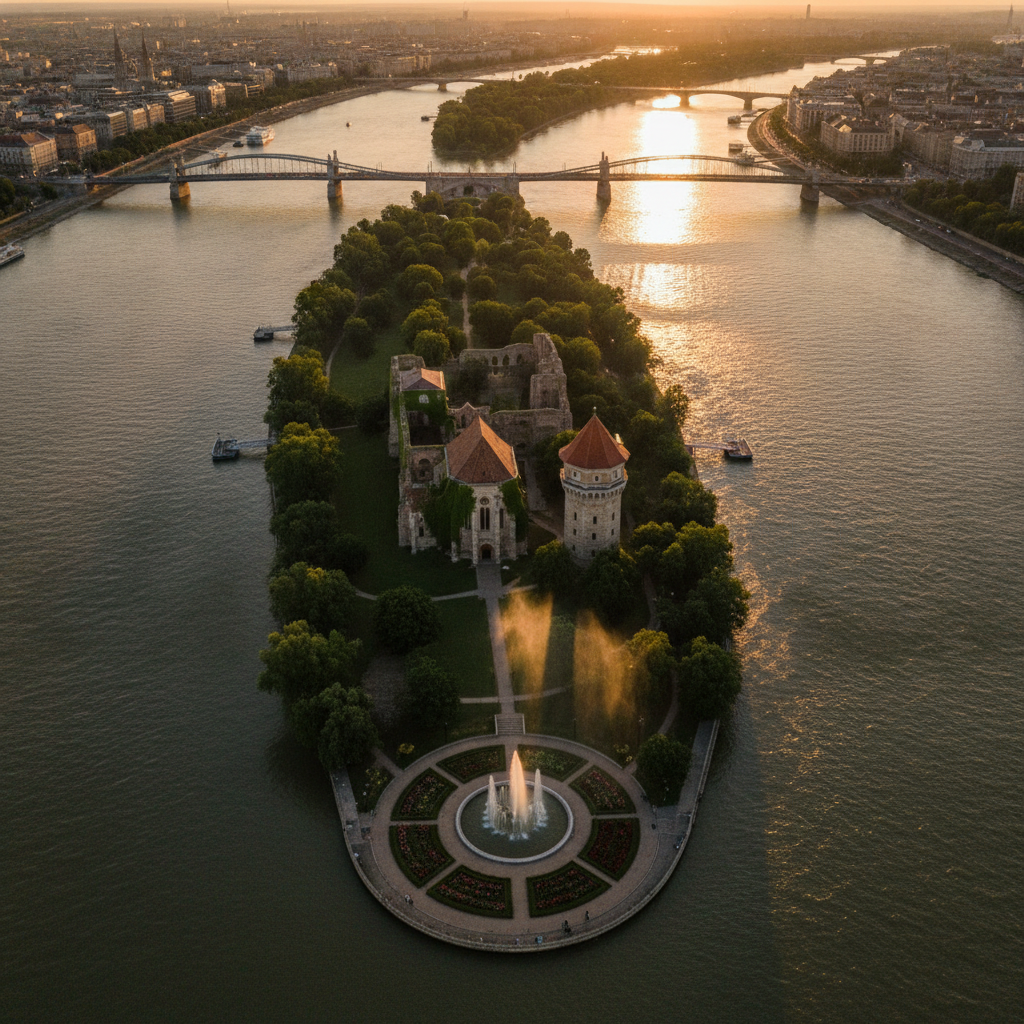
Green Island in the River: Margaret Island
Margaret Island (Margit-sziget), a 2.5-kilometer-long island in the middle of the Danube between the Margaret and Árpád bridges, is Budapest's most beloved public park — a car-free green space containing medieval ruins, thermal springs, a musical fountain, rose gardens, and an open-air theatre, used daily by Budapestians for running, cycling, swimming, and picnicking.
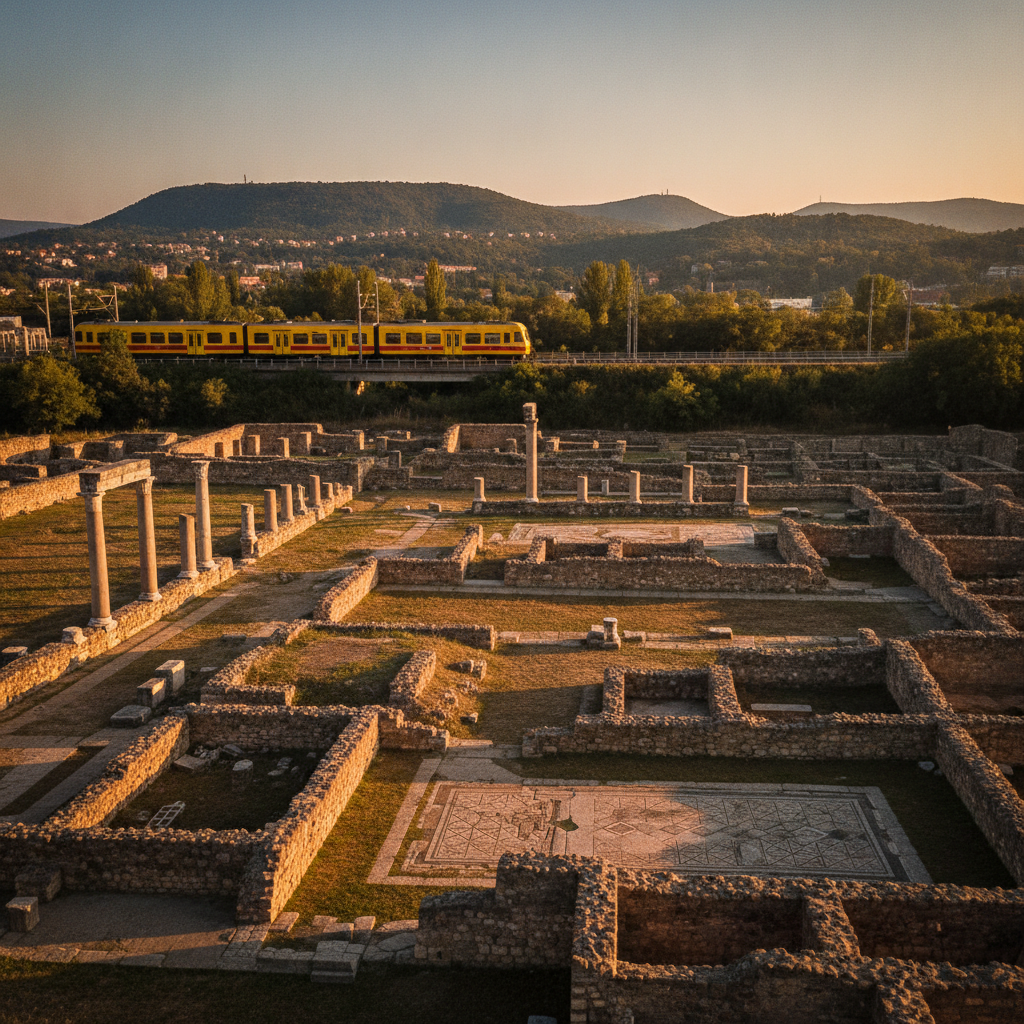
Roman Budapest: Aquincum, Óbuda & the Ancient City Beneath the Modern
Before there was Budapest, there was Aquincum — the Roman legionary fortress and civilian town that for four centuries served as the capital of the province of Pannonia Inferior, one of the most important Roman cities north of the Alps. Today the northern part of Budapest, in the district of Óbuda ('Old Buda'), conceals the largest body of visible Roman remains in Central Europe beneath its 18th-century Baroque streets, socialist housing blocks, and suburban infrastructure. To walk this route is to layer two thousand years of continuous urban habitation into a single afternoon.
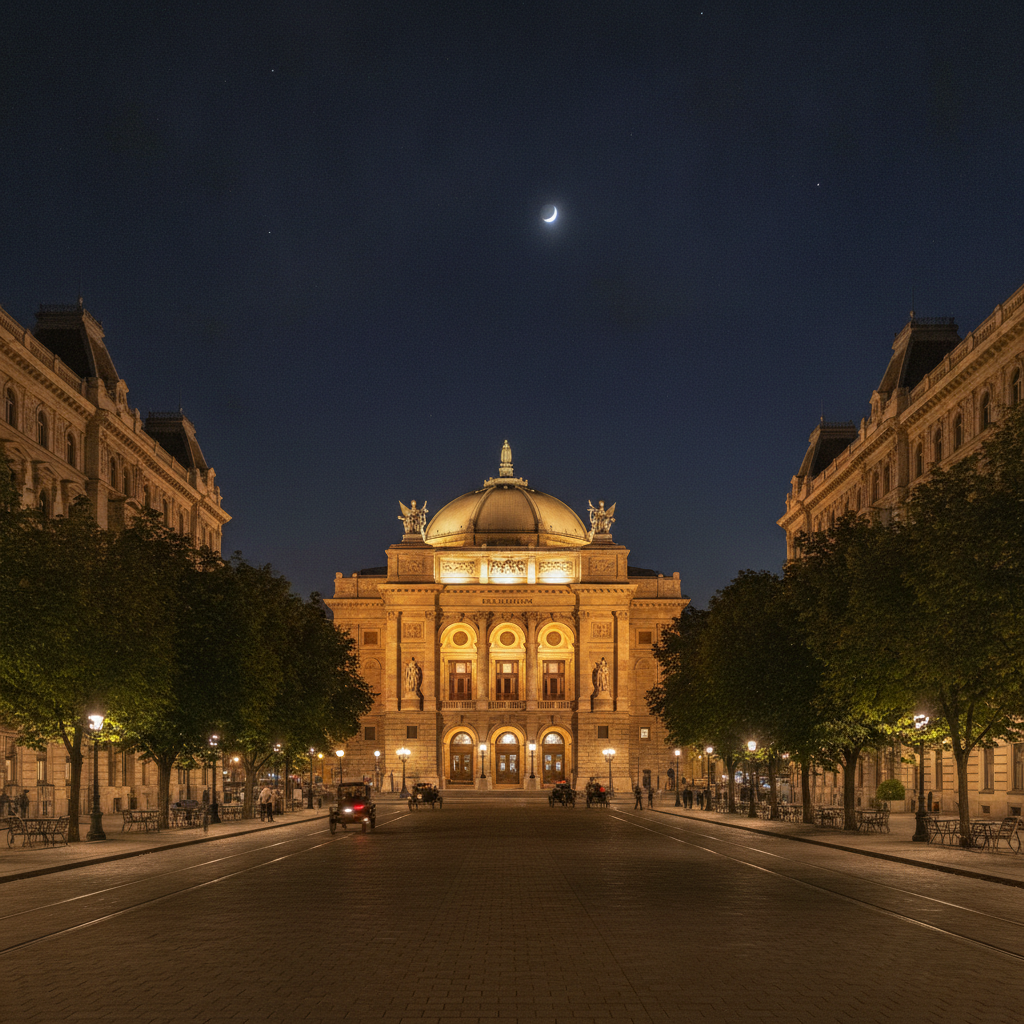
The Grand Boulevard: Andrássy Avenue from Opera to Heroes' Square
Andrássy Avenue, Budapest's UNESCO-listed grand boulevard stretching 2.5 kilometers from the city center to Heroes' Square, was built in the 1870s as a deliberate statement of Hungarian national confidence after the 1867 Compromise — a Parisian Champs-Élysées for the new Budapest. Its neo-Renaissance palaces house the State Opera, embassies, and the House of Terror museum, one of Europe's most powerful memorials to 20th-century totalitarianism.
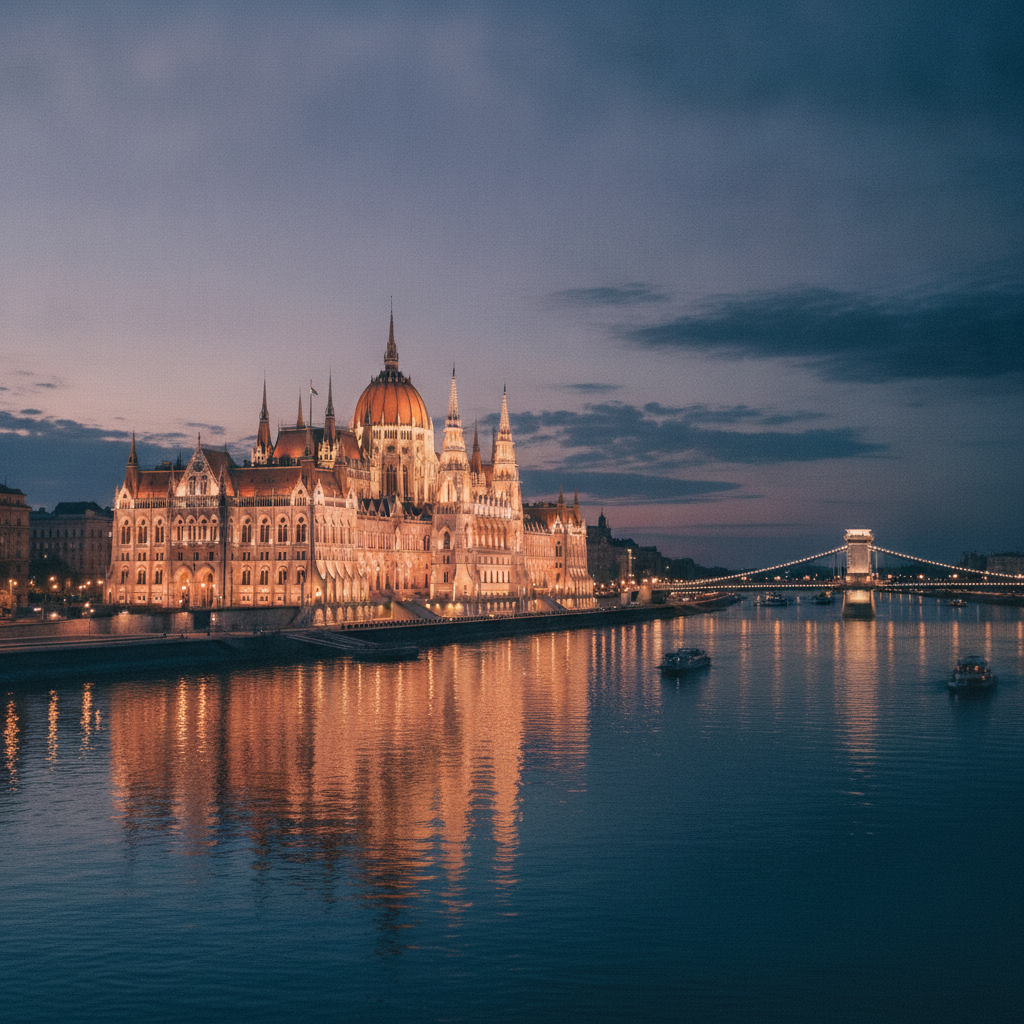
Parliament & the Danube: Lipótváros, Chain Bridge & St. Stephen's Basilica
The flat Pest bank of the Danube is dominated by Budapest's most recognizable ensemble: the Hungarian Parliament Building, the largest neo-Gothic structure in the world, reflected in the river beneath the Chain Bridge — the first permanent crossing between Buda and Pest, symbol of Hungarian modernity. The route explores the banking and government quarter of Lipótváros, anchored by St. Stephen's Basilica, Budapest's largest church.
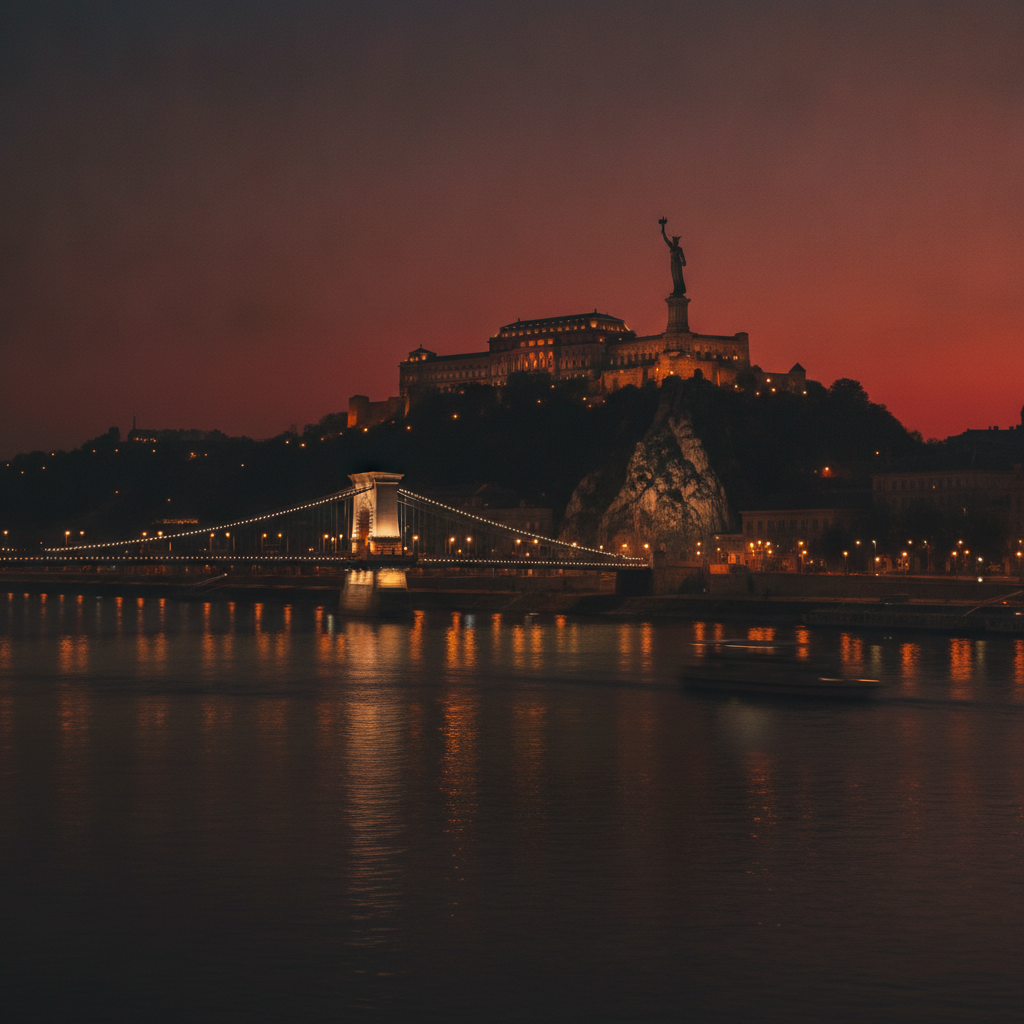
Gellért Hill, Citadella & the Cave Church: Buda's Sacred Cliff
Gellért Hill (Gellért-hegy), the 235-meter rocky dolomite cliff that rises dramatically above the Danube at the southern end of the castle district, is Budapest's most dramatic natural landmark and the site of its most iconic view: the Liberation Monument silhouetted against the sky above the Citadella fortress. The hill is named after Bishop Gellért, the Italian Benedictine monk martyred here in 1046 by pagan Hungarians who rolled him in a barrel studded with nails into the Danube. At its base, the Gellért Thermal Bath and Hotel — Budapest's most ornate — continues the city's ancient thermal tradition.
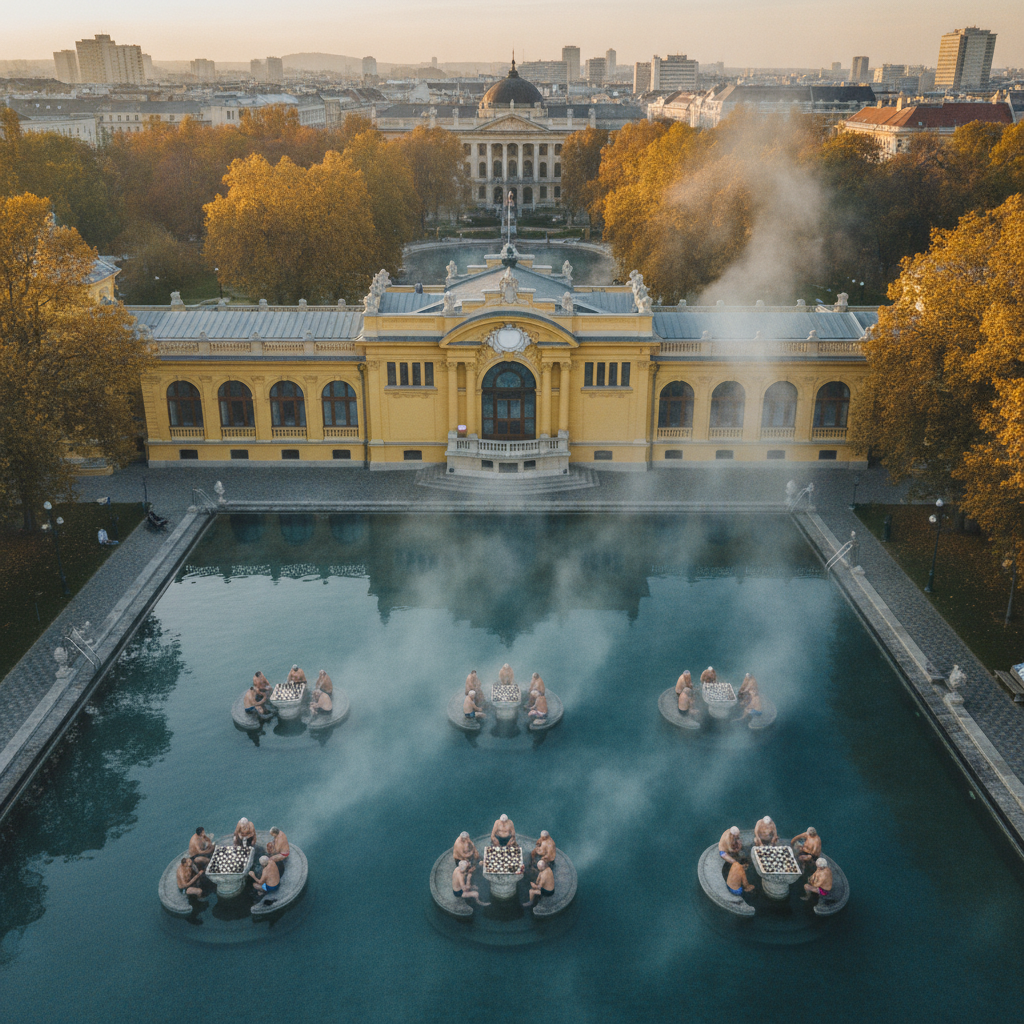
Thermal Budapest: Széchenyi Baths, City Park & Vajdahunyad Castle
The City Park (Városliget), Budapest's oldest public park immediately behind Heroes' Square, was the site of the 1896 Millennium Exhibition that transformed it with a lake, a replica medieval castle, and the most spectacular neo-Baroque building in the city — the Széchenyi Thermal Bath. The entire complex remains the most concentrated celebration of Budapest's extraordinary thermal culture and 19th-century civic ambition.
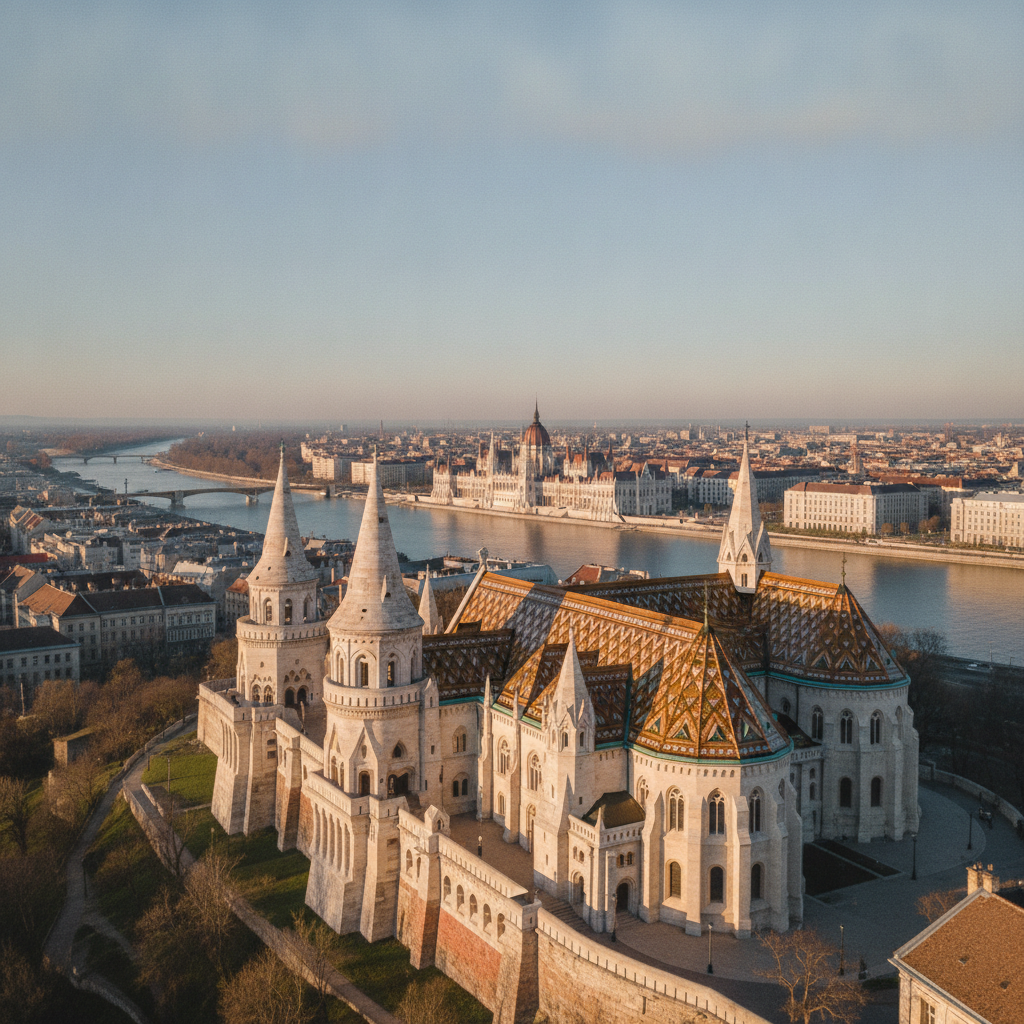
Royal Buda: Castle District, Matthias Church & Fisherman's Bastion
The Castle District on Buda's limestone plateau is Budapest's best-preserved medieval quarter and the city's UNESCO World Heritage heart — a walled hilltop complex of royal palaces, Gothic churches, and Baroque townhouses rebuilt after three major destructions (1541 Ottoman conquest, 1686 reconquest, 1945 siege). From Fisherman's Bastion, the most theatrical viewpoint in Central Europe, the entire panorama of Pest and the Danube unfolds below.