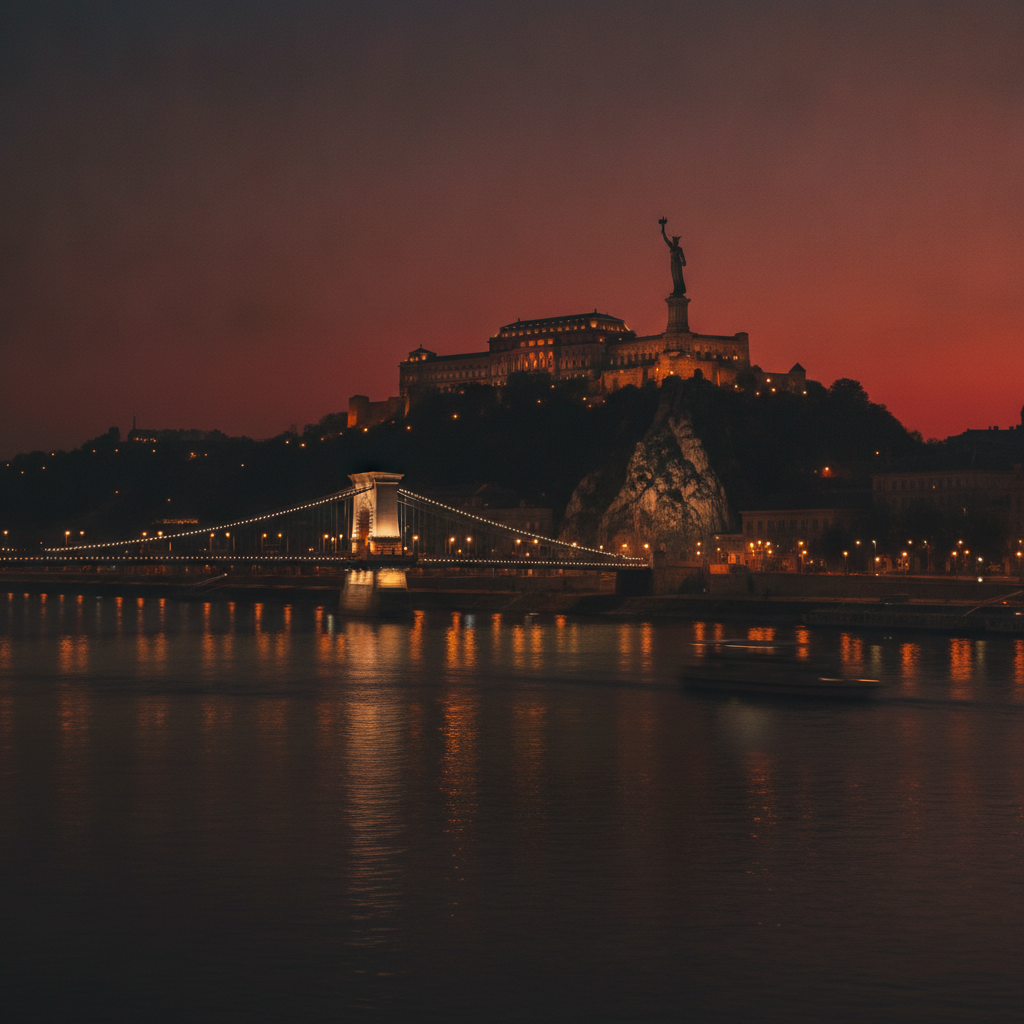
Inner City Markets: Great Market Hall, Váci Street & the Danube Embankment
The southern end of Pest's inner city contains Budapest's most ancient urban core — the medieval Inner City (Belváros) that predates the Ottoman conquest — and its most famous market: the Great Market Hall, a cathedral of commerce built in 1897 that remains the largest covered market in Hungary. The route follows the pedestrianized Váci Street shopping spine north to the Chain Bridge embankment.
- 1
Great Market Hall (Nagy Vásárcsarnok)
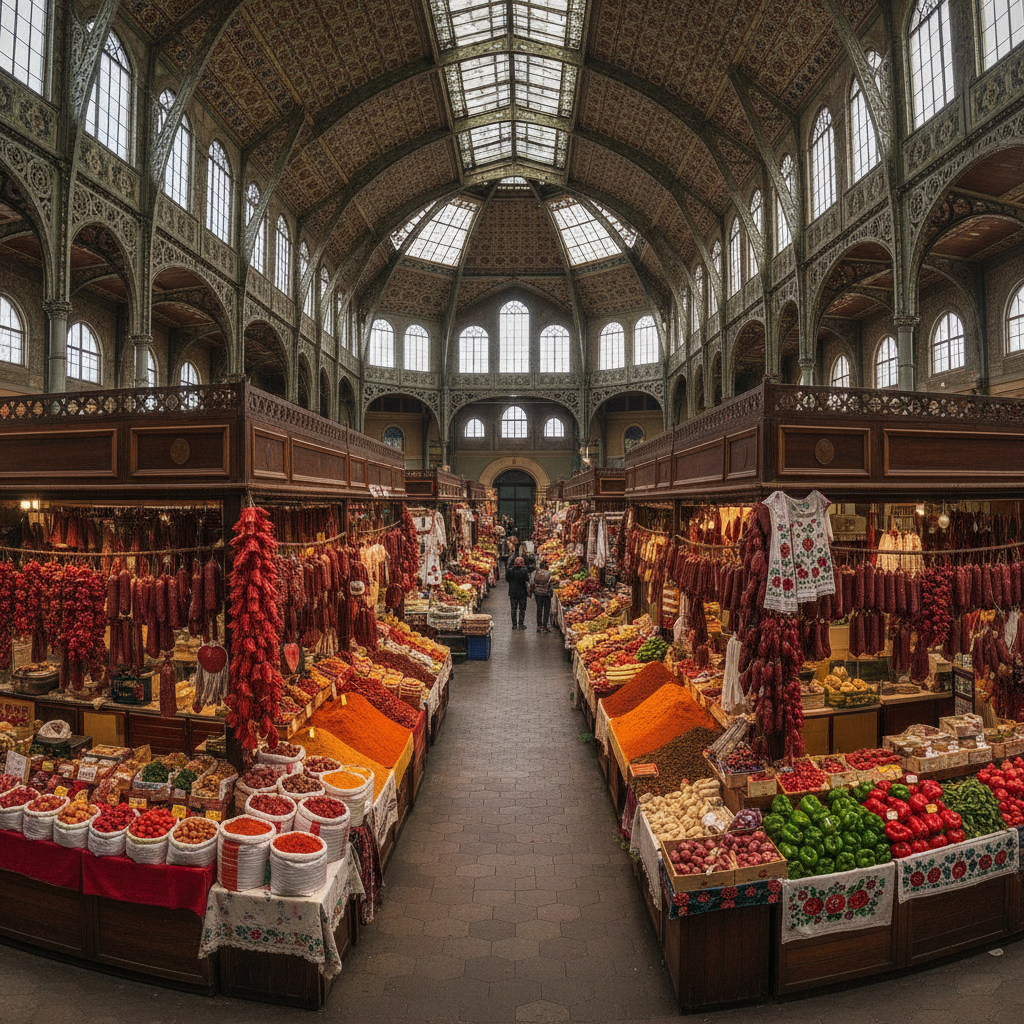
The Great Market Hall (Nagy Vásárcsarnok), opened in 1897 as the centerpiece of a comprehensive market modernization program commissioned by Mayor Károly Kamermayer, is the largest covered market in Hungary and one of the finest market buildings in Europe. Its soaring iron and glass nave — 150 meters long, 50 meters wide — is covered by a vaulted roof of Zsolnay ceramic tiles in red and green. The ground floor is devoted to fresh produce, meat, fish, and dairy — still an actual working market for Budapest residents alongside the tourist trade. The upper galleries house the famous stalls of Hungarian crafts, embroidery (particularly the Kalocsa and Matyó embroidery traditions), paprika in every grade, salami, and wine; the upper floor also contains a row of lángos (fried dough) and other traditional food stands popular with both locals and visitors.
- 2
Fővám Square & the Customs House
Fővám tér (Main Customs Square), immediately in front of the Great Market Hall, marks the historic point where goods arriving by boat on the Danube were unloaded and taxed. The magnificent neo-Renaissance Customs House building behind the market (now Corvinus University) was built in 1874 by Miklós Ybl — the same architect who designed the Opera House — and is the finest example of his secular architecture. The square is the southern terminus of Váci Street and the embarkation point for Danube river cruise boats. The Liberty Bridge (Szabadság híd), the most elegant of Budapest's bridges with its slender green iron Art Nouveau structure, connects Fővám Square to Gellért Hill across the river.
- 3
Váci Street (Váci utca)
Váci utca, the pedestrianized shopping street running north from Fővám tér to Vörösmarty tér at the center of the city, is Budapest's oldest commercial street — referenced in medieval documents as the main market axis of the Inner City — and today its most tourist-frequented thoroughfare. The northern section, from Vörösmarty tér to the Kárász utca crossing, is the more upmarket half with international brands and restaurants; the southern section from the crossing down to the Great Market Hall is a mixture of Hungarian craft shops, souvenir stalls, and more authentic local businesses. The street's facades are a gallery of Budapest's 19th-century commercial architecture: elaborate shop fronts in neo-Gothic, neo-Baroque, and Historicist styles.
- 4
Inner City Parish Church (Belvárosi plébániatemplom)
The Inner City Parish Church, at the Pest foot of the Elizabeth Bridge, is the oldest church in Budapest — its foundations incorporate the remains of the Roman Contra-Aquincum fort that guarded the Danube crossing in the 2nd century AD, and the current church has been rebuilt and modified through Gothic, Ottoman (it served as a mosque during the 145-year occupation, and a prayer niche facing Mecca is still visible inside), Baroque, and 19th-century phases. The church's cramped position between the bridge approach and the river embankment means it is always in partial danger of demolition — it was only saved from being removed for the Elizabeth Bridge approach in the 1960s after considerable public protest.
- 5
Vörösmarty Square (Vörösmarty tér)
Vörösmarty tér, at the northern end of Váci Street and the heart of the Inner City, is Budapest's most central public square — a broad, tree-lined space dominated by the famous Gerbeaud confectionery, founded in 1858 and occupying its current neo-Baroque premises since 1870. Gerbeaud's interior, with its plush banquettes and glass cases of cream cakes and dobostorta, is as much a historical institution as a café. The center of the square holds the marble statue of the Romantic poet Mihály Vörösmarty, inscribed with the first line of his 1836 poem Szózat: 'Be faithful to your homeland forever, O Magyar.' The square hosts Budapest's most famous Christmas market from late November.
- 6
Danube Embankment (Duna-korzó)
The Duna-korzó (Danube Promenade), the pedestrian embankment running north from the Chain Bridge for approximately one kilometer, was historically Budapest's most fashionable promenade — the equivalent of Vienna's Ringstrasse in terms of where the bourgeoisie came to see and be seen. The embankment contains the Vigadó Concert Hall (1865), a unique combination of Romantic and Moorish architectural elements by Frigyes Feszl that was one of the most eccentric major concert halls in 19th-century Europe. On the embankment between the Vigadó and the Chain Bridge, the Shoes on the Danube Bank memorial (2005) — 60 pairs of cast-iron shoes in 1940s style lined up on the river's edge — commemorates the thousands of Jews shot into the Danube by Arrow Cross militiamen in 1944-45.
Walk this route with audio
Stories play automatically as you reach each stop — no tapping needed.
More in budapest
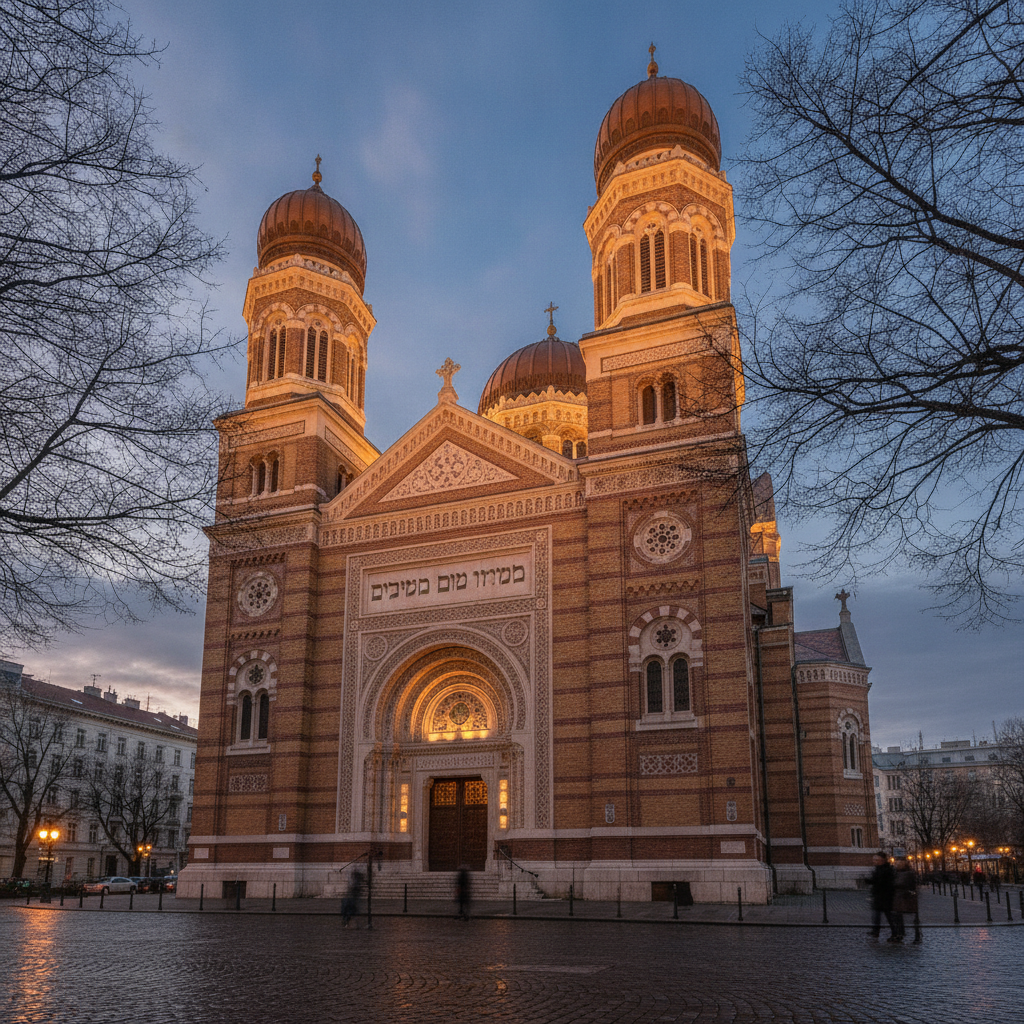
The Jewish Quarter: Dohány Synagogue, Memorial & Ruin Bars
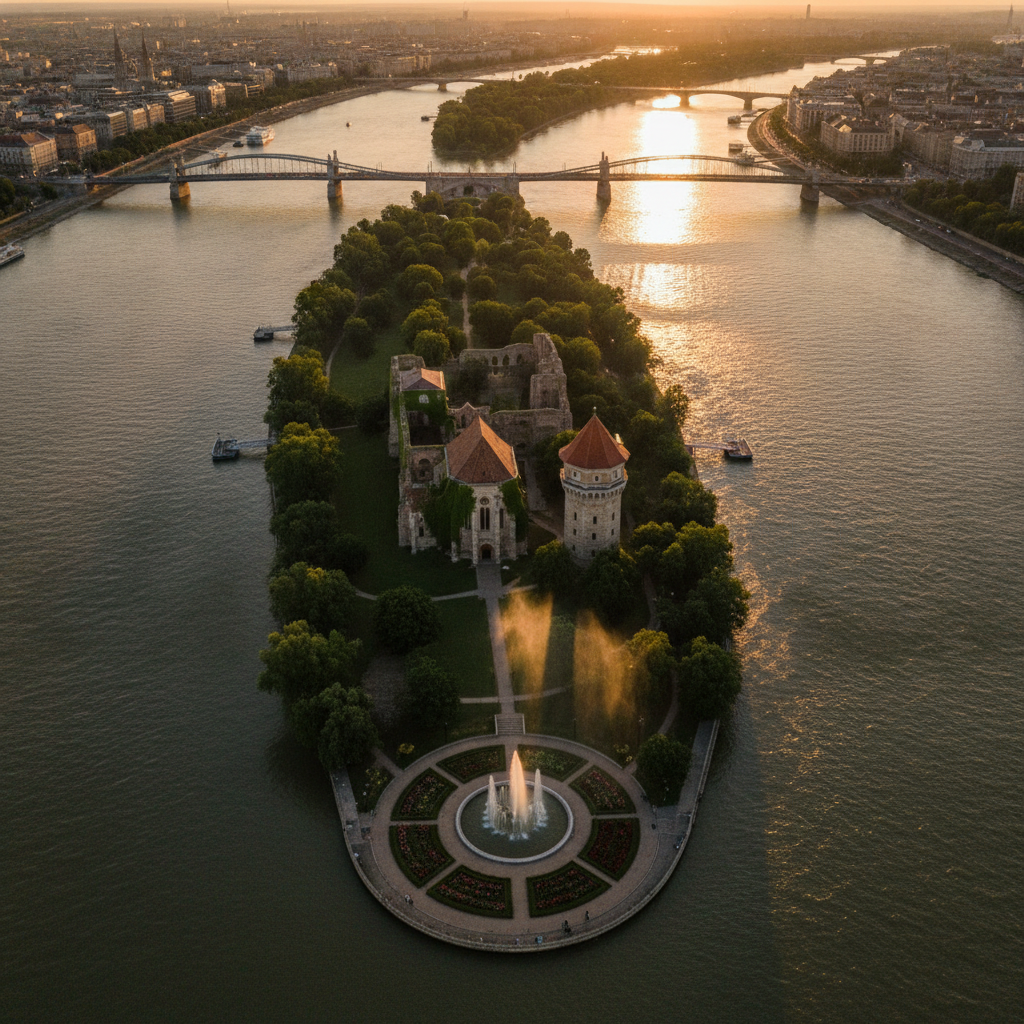
Green Island in the River: Margaret Island
Roman Budapest: Aquincum, Óbuda & the Ancient City Beneath the Modern
The Grand Boulevard: Andrássy Avenue from Opera to Heroes' Square
Parliament & the Danube: Lipótváros, Chain Bridge & St. Stephen's Basilica