 Argentina
Ushuaia
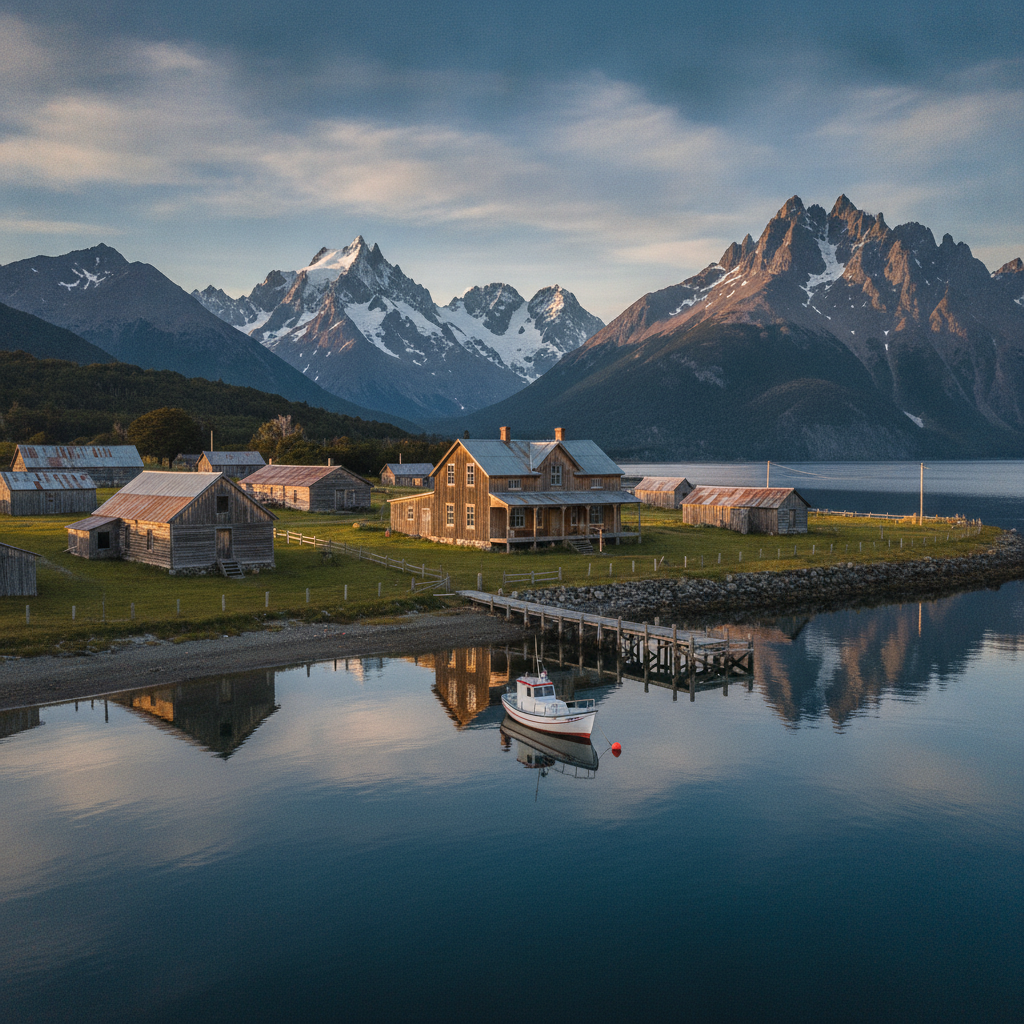
Ushuaia History: Penal Colony, Missionaries, Darwin, and Argentine Sovereignty
The history of Ushuaia moves from the millennia of Yamana habitation through the traumatic encounter with European missionaries in the 19th century, the establishment of the Argentine penal colony that built the modern city, the wartime Antarctic and sub-Antarctic strategic significance of the location, and the contemporary assertion of Argentine sovereignty over the Malvinas Islands and the Antarctic territory that gives the southernmost city its geopolitical importance.
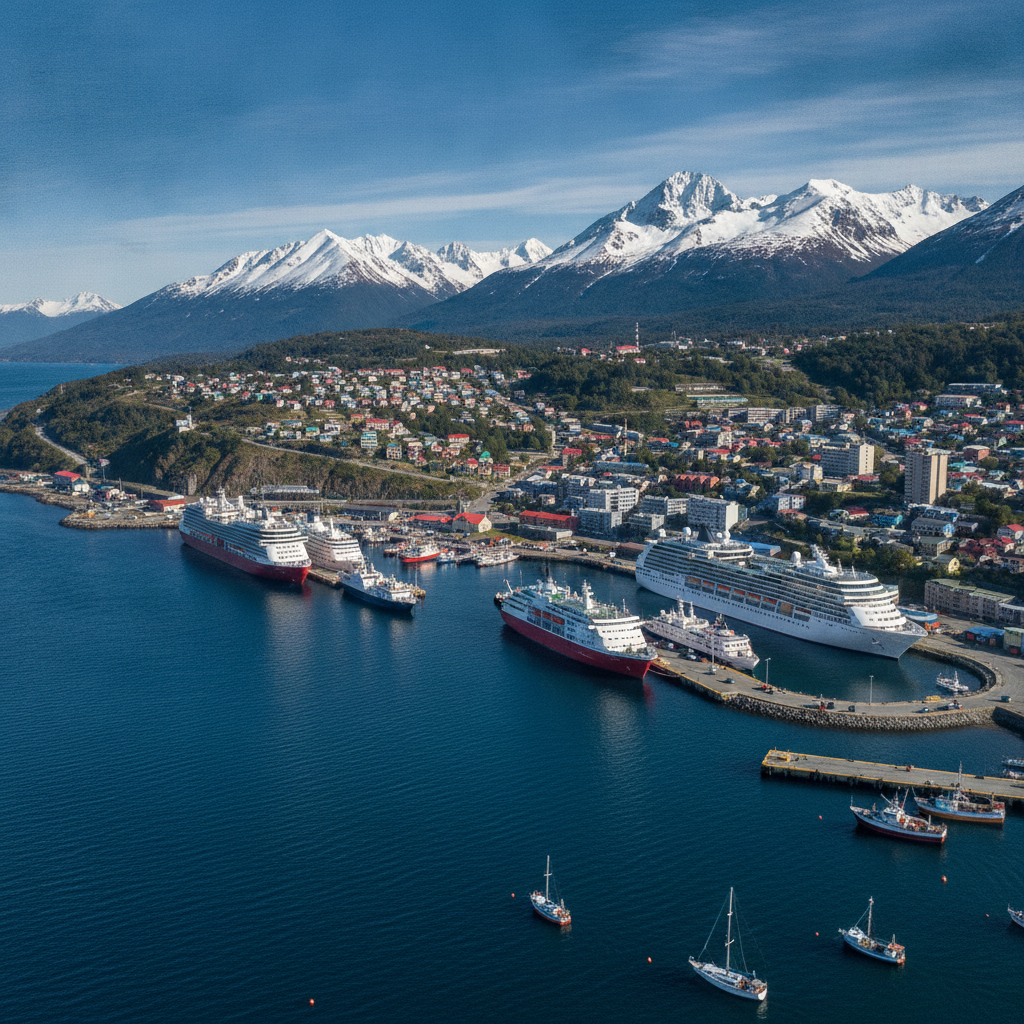
Ushuaia Practical Guide: Getting There, Costs, Booking Antarctica, and Circuit Planning
Ushuaia requires more advance planning than most Argentine cities due to the limited transport options, the high demand for accommodation and Antarctic expedition places during peak season, and the logistical complexity of combining Ushuaia with the broader Patagonian circuit. Understanding the practical framework for visiting the southernmost city allows visitors to maximize the experience within the constraints of time and budget.
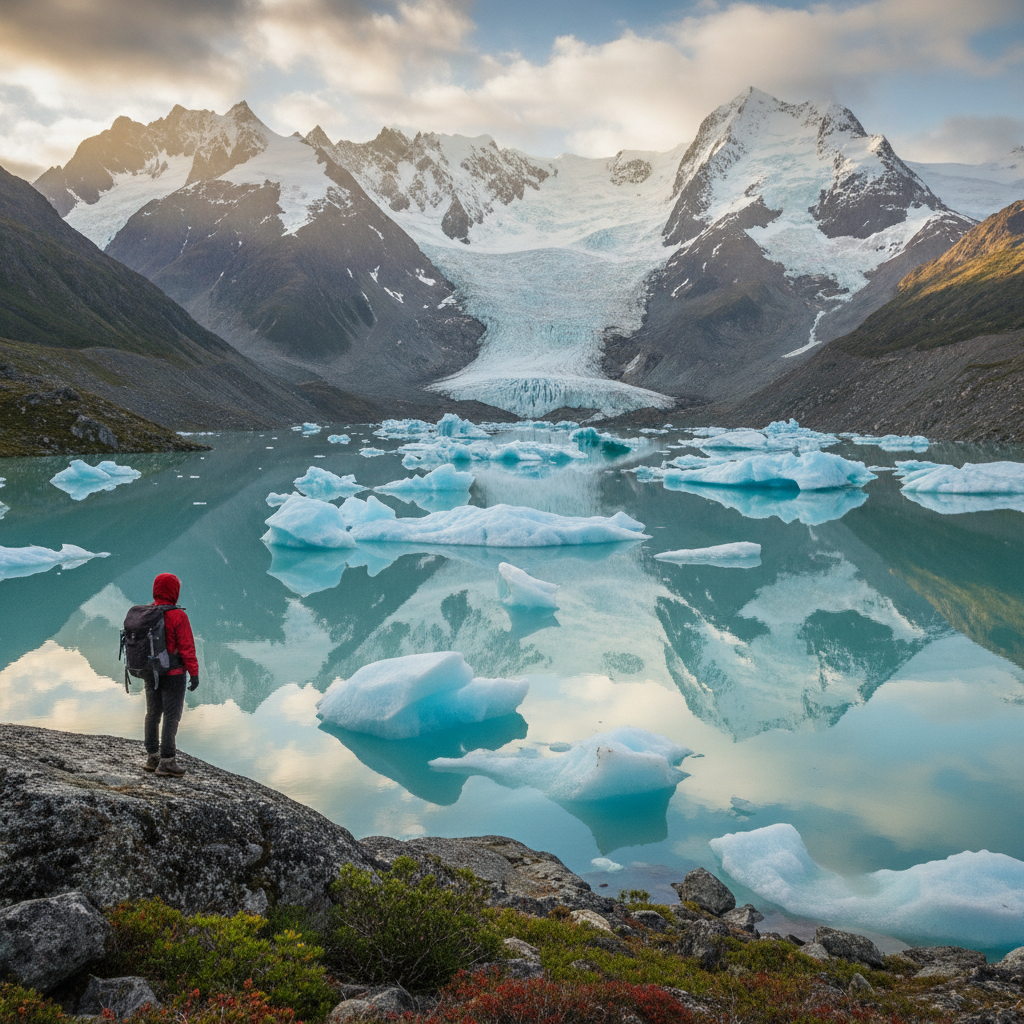
Ushuaia Hiking: Glaciers, Peaks, and Multi-Day Treks in the Fuegian Andes
The mountains surrounding Ushuaia offer some of the most dramatic and accessible alpine hiking in South America, combining the vertical relief of the Martial range immediately above the city with the longer multi-day routes of the Tierra del Fuego National Park and the remote circuit treks of the Vinciguerra glacier area. The combination of sub-Antarctic forest, mountain lakes, and the constant backdrop of the Beagle Channel below creates hiking experiences that are unique to this extreme-latitude environment.
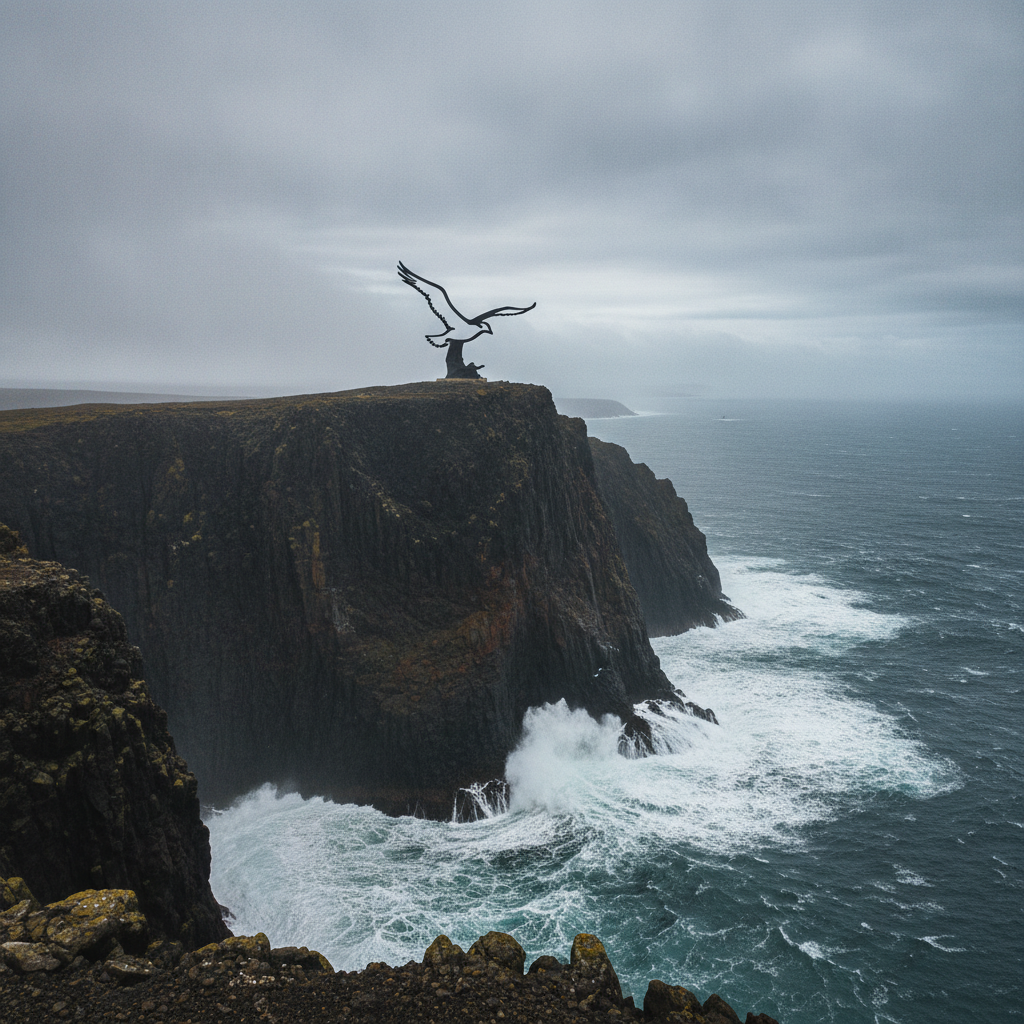
Cape Horn and the Drake Passage: The Bottom of the World
Cape Horn, the southernmost headland of South America at 55 degrees 58 minutes south latitude on the Isla Hornos in the Chilean Wollaston archipelago, is the geographical and symbolic end of the Americas and one of the most feared and revered maritime landmarks in the world. The Drake Passage between Cape Horn and the Antarctic Peninsula is the most open and stormy ocean in the world, and rounding the Horn under sail was the defining test of seamanship in the age of square-rigged ships.
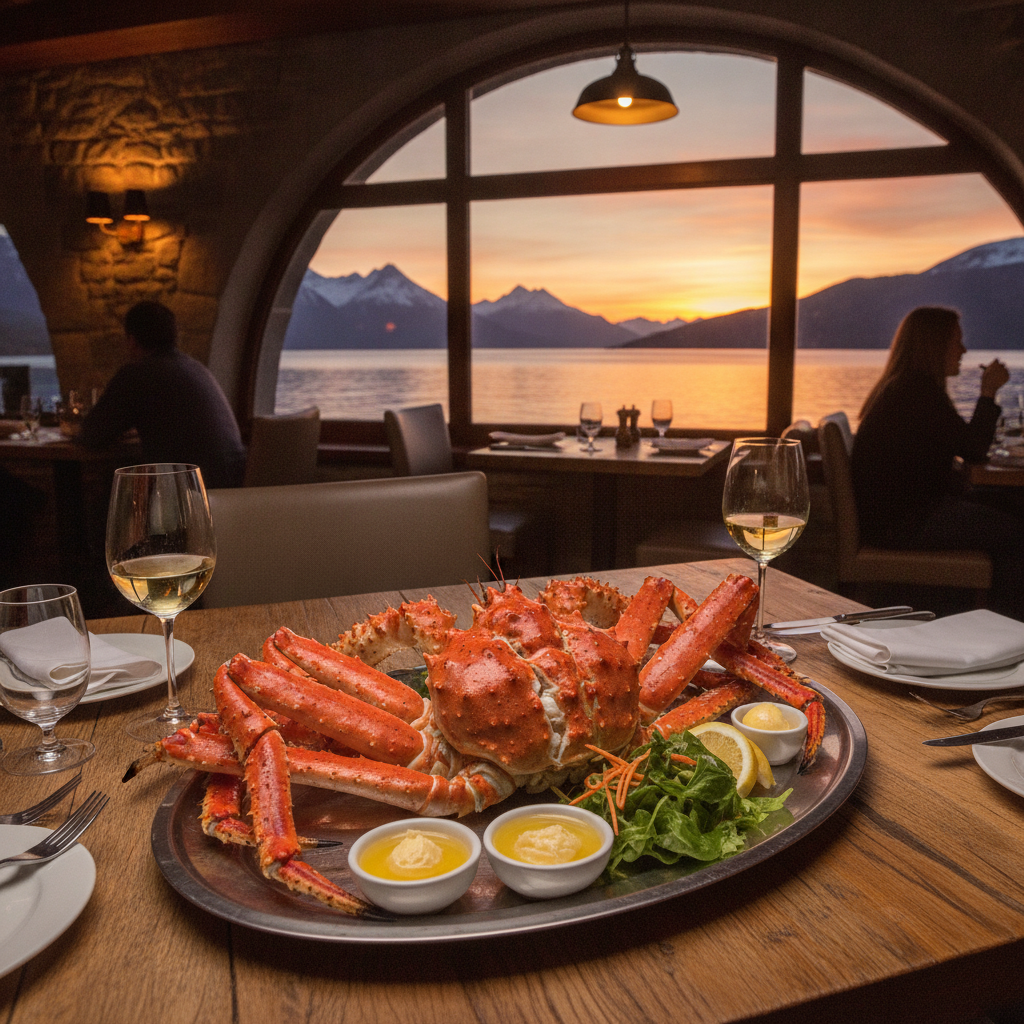
Ushuaia Food, Culture, and the Frontier City Social Life
The social and culinary culture of Ushuaia reflects its character as a frontier city at the extreme southern limit of the inhabited world, combining the Argentine traditions of asado and mate with the specific products of the Beagle Channel fishing grounds and the Nothofagus forest, and the cosmopolitan influence of the international traveler and expedition community that passes through the city on the way to Antarctica or arrives to trek in the national park.
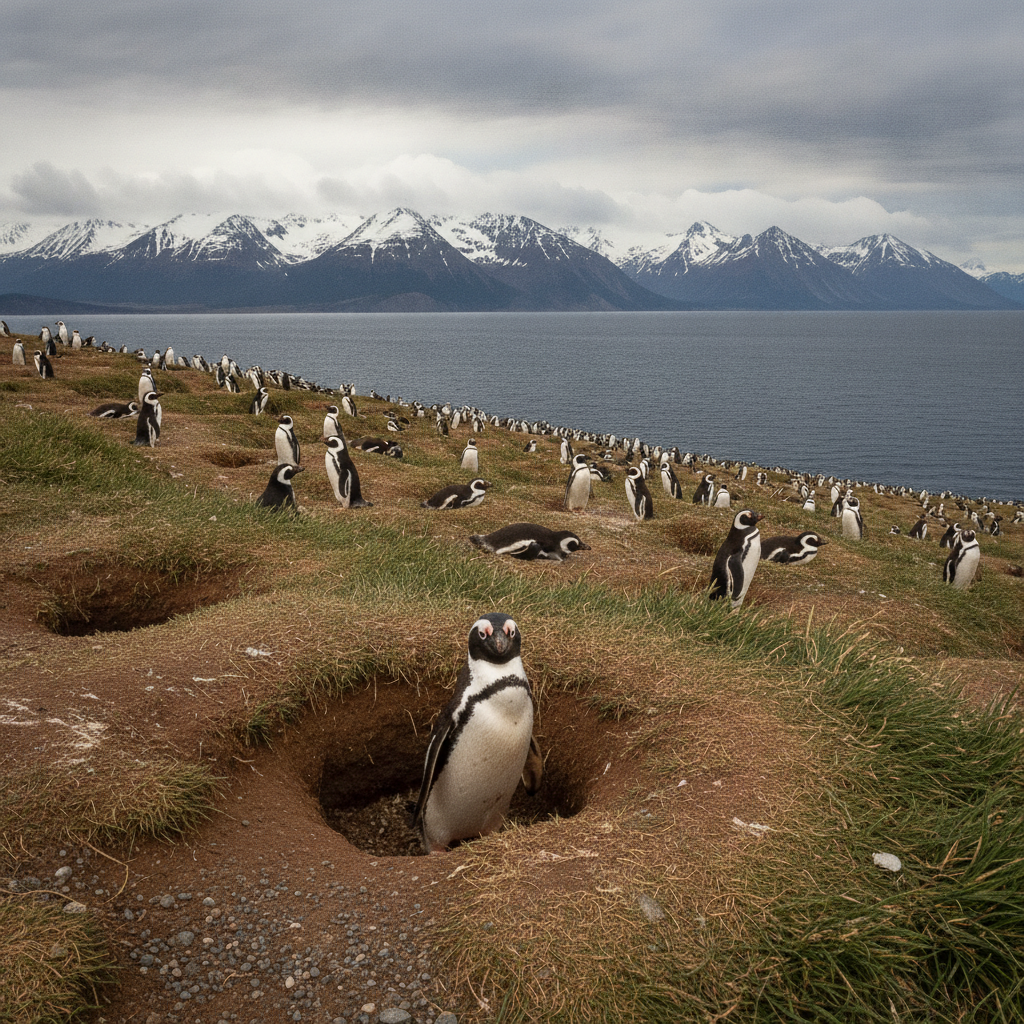
Ushuaia Wildlife: King Crabs, Penguins, Sea Lions, and the Sub-Antarctic Ecosystem
The sub-Antarctic marine and terrestrial ecosystems of the Ushuaia region support a wildlife community of extraordinary richness, shaped by the productive cold waters of the Beagle Channel and the Drake Passage, the Nothofagus forest habitats of Tierra del Fuego, and the relative inaccessibility that has preserved the wildlife from intensive human disturbance. King crabs, Magellanic penguins, southern sea lions, Andean condors, upland geese, and a rich community of seabirds are accessible to visitors within a short boat or land excursion from the city.
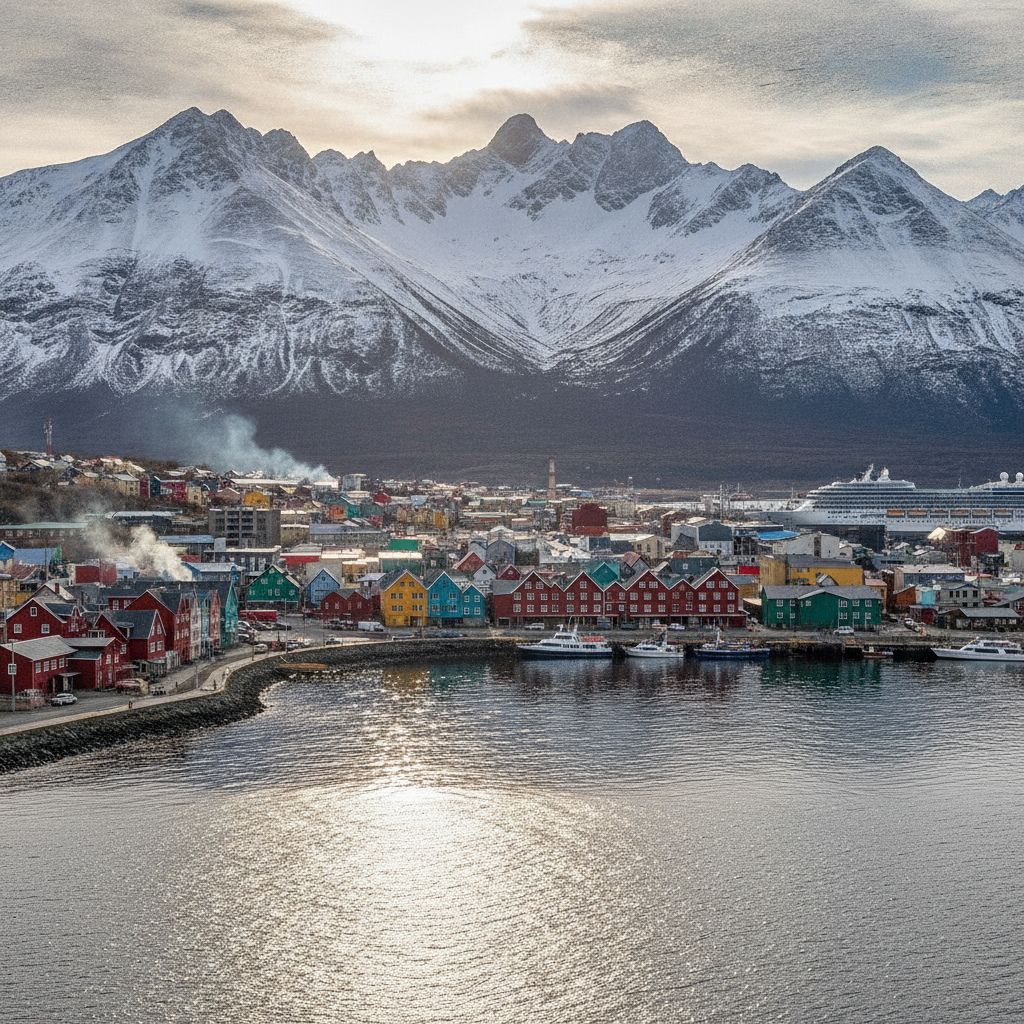
Ushuaia: End of the World, Beagle Channel, and Tierra del Fuego National Park
Ushuaia, on the southern coast of the Isla Grande de Tierra del Fuego at approximately 54 degrees south latitude, is the southernmost city in the world and the gateway to the dramatic sub-Antarctic landscape of the Beagle Channel, the Martial Mountains, and the Tierra del Fuego National Park. The city of 80,000 inhabitants that has grown from a penal colony established in the late 19th century combines a rugged frontier character with a booming tourism economy built on Antarctic expedition departures, trekking, skiing, and the existential appeal of the remotest inhabited place on Earth.
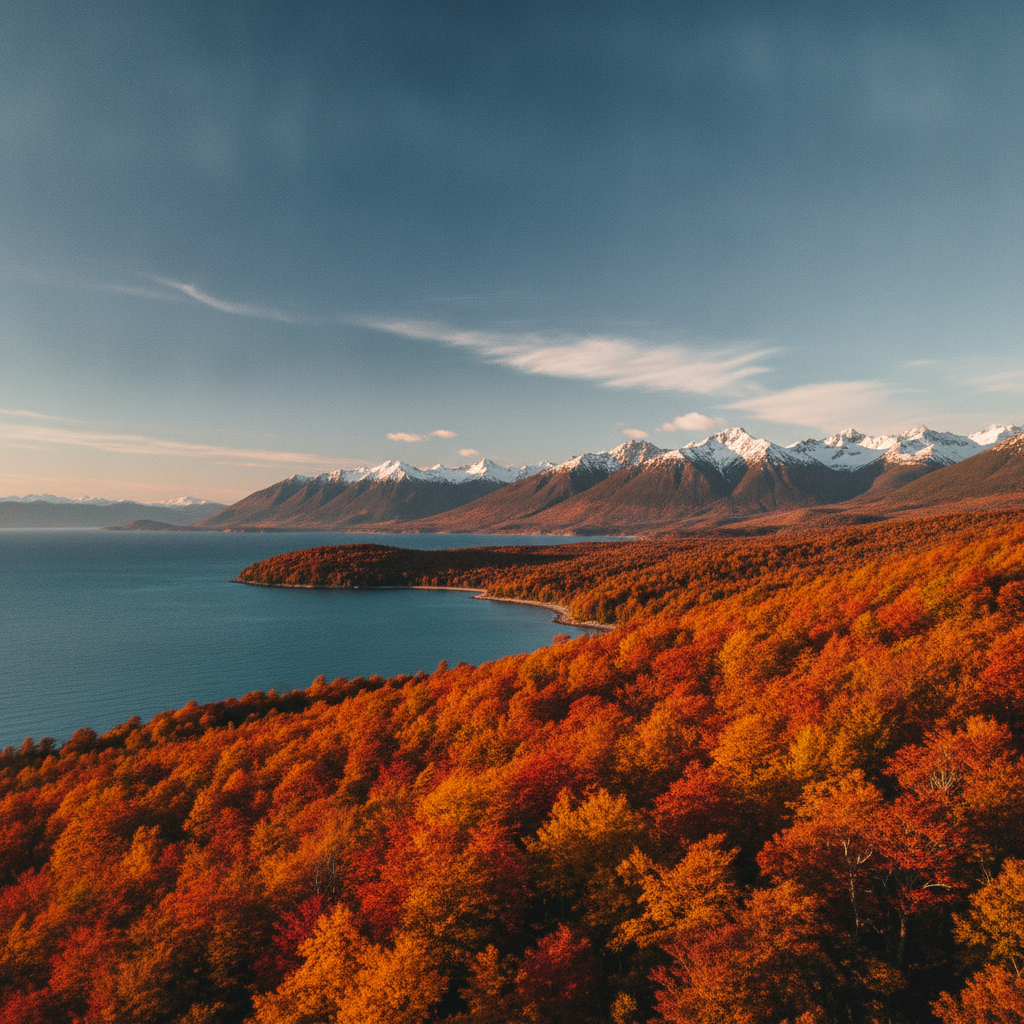
Ushuaia Seasons: Summer Midnight Sun, Autumn Colors, Winter Snow, and Spring Wildflowers
The seasonal character of Ushuaia changes more dramatically than almost any other inhabited place at comparable latitude, swinging from 18 hours of summer daylight in December to fewer than 6 hours in June, with the Nothofagus forest transforming from the deep green of summer through the spectacular orange and red of the autumn foliage change to the bare skeleton branches of winter and back to the fresh lime green of the spring leaf emergence.