Ushuaia Food, Culture, and the Frontier City Social Life
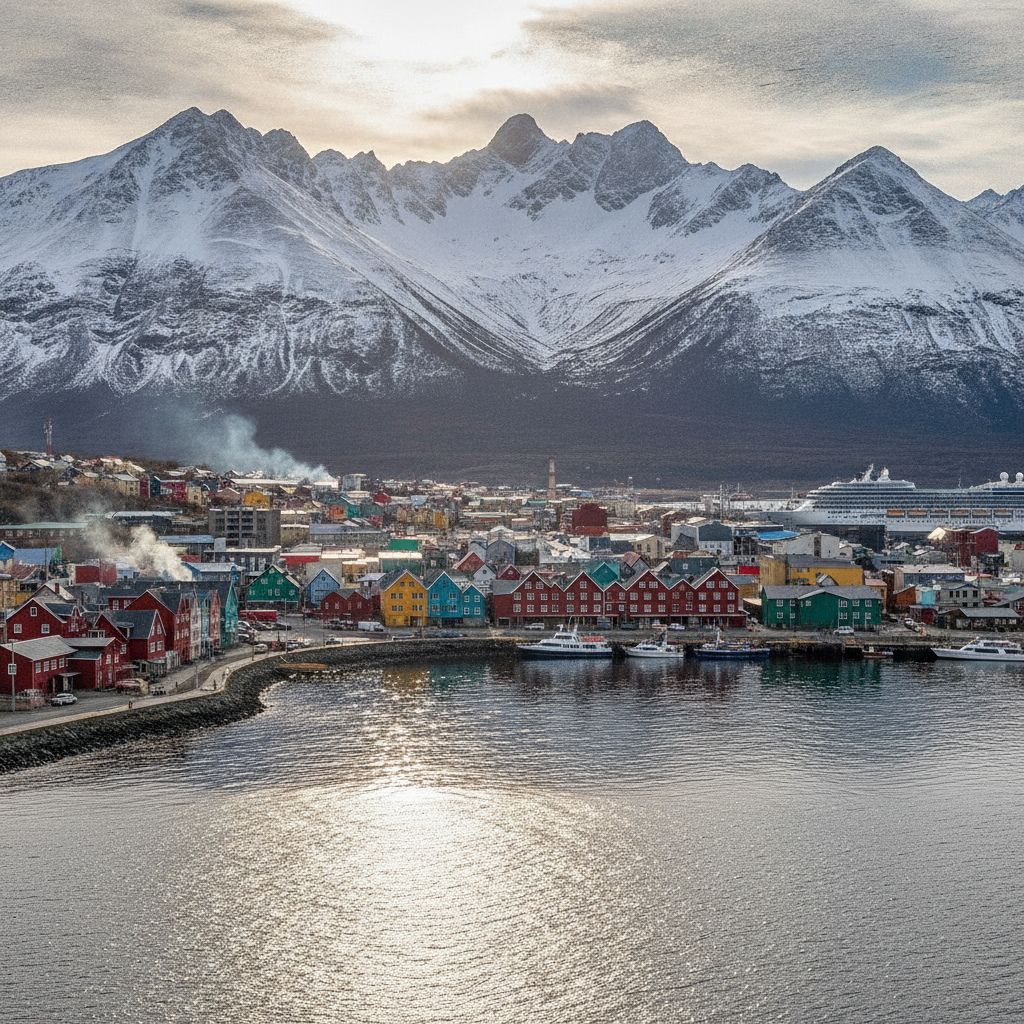
The social and culinary culture of Ushuaia reflects its character as a frontier city at the extreme southern limit of the inhabited world, combining the Argentine traditions of asado and mate with the specific products of the Beagle Channel fishing grounds and the Nothofagus forest, and the cosmopolitan influence of the international traveler and expedition community that passes through the city on the way to Antarctica or arrives to trek in the national park.
- 1
Seafood Culture: Centolla, Mussels, and Fuegian Fish
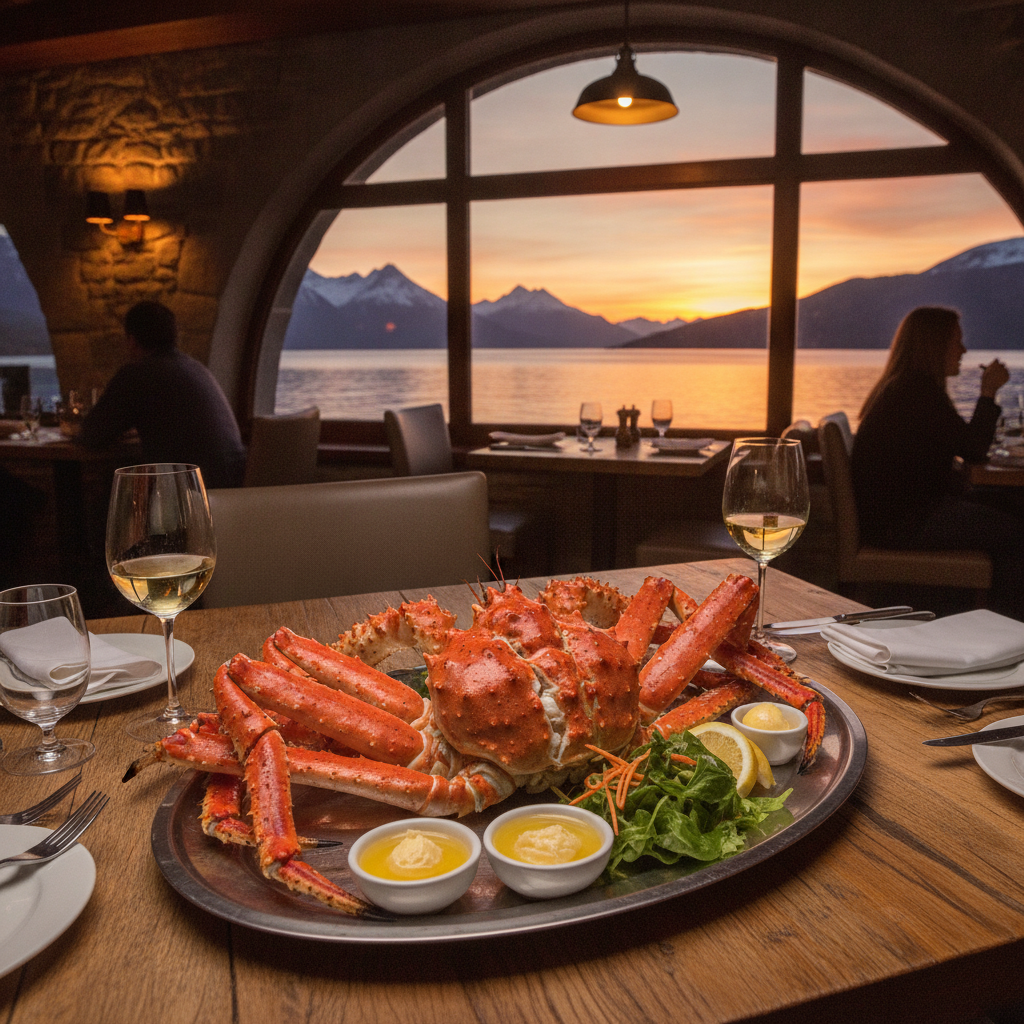
The seafood culture of Ushuaia is built around the products of the Beagle Channel and the adjacent southern ocean: the centolla king crab, the cholga mussel, the centollón snow crab, the merluza negra or Patagonian toothfish, and the various rockfish and flatfish of the local coastal waters. The best restaurant experiences in Ushuaia combine channel views with fresh seafood preparations that range from simple grilled fish with Andean herbs to more elaborate presentations that reflect the influence of Buenos Aires trained chefs who have moved south to work in the growing gourmet scene. The centolla feast, in which a whole king crab is served dismembered at the table with bread, butter, and local condiments, is the quintessential Ushuaia dining experience and is available at most of the city center restaurants at prices that reflect both the quality of the ingredient and the tourist premium of the end-of-the-world location. The local craft beer scene has developed significantly, with several Ushuaia microbreweries using locally foraged Nothofagus bark and channel water to produce beers that have a distinctive sub-Antarctic character; the combination of craft beer and centolla has become a signature food and drink pairing of the Ushuaia visitor experience.
- 2
Fuegian Craft and Souvenir Culture
The craft and souvenir culture of Ushuaia is more developed than most Argentine provincial cities due to the volume of international visitors passing through, and the best of the local craft production reflects the distinctive materials and cultural heritage of the sub-Antarctic region rather than the generic Argentine tourist merchandise found throughout the country. Wool products made from the fleece of the Tierra del Fuego sheep estancias, including hand-knitted sweaters, scarves, and hats in the natural creams, browns, and grays of the undyed wool, are the most authentic souvenir of the pastoral economy of the Isla Grande. Wooden objects turned from the native Nothofagus timber, including bowls, cutting boards, and decorative items that show the distinctive grain and color of the beech wood, are produced by local craftspeople and available in the galleries and craft shops of the city center. Ceramics using local clay and glazing techniques inspired by the Yamana material culture have been developed by contemporary potters working in the Ushuaia area; the pieces bridge the historical gap between the Yamana craft tradition and the contemporary artisan economy. The end-of-the-world postal stamp available from the Ushuaia post office is one of the most popular small souvenirs for visitors who wish to send stamped postcards home as evidence of their arrival at the southernmost point of their travels.
- 3
The Social Life of a Sub-Antarctic City
The social life of Ushuaia follows the Argentine pattern of late-night dining and extended socialization, adapted to the extreme seasonal variation of a sub-Antarctic latitude where summer days extend to 18 hours of light and winter nights are correspondingly long. The Avenida San Martin bar and restaurant strip comes alive after 9 in the evening with a mix of local residents, Argentine domestic tourists, international travelers, Antarctic expedition crew on pre-departure leave, and the seasonal workers employed in the tourism industry who create a cosmopolitan social environment unusual for a city of 80,000 inhabitants. The Antarctic connection gives Ushuaia an internationalism that is disproportionate to its size: expedition ship crew members from multiple countries, Antarctic researchers, and the international adventure travelers who use the city as a base for extreme tourism create a social environment where English, German, and other European languages are commonly heard alongside Spanish. The winter social scene contracts with the reduction in tourist numbers but the skiing season at Cerro Castor creates its own social culture centered on the mountain and the hotels and bars that cater to the domestic ski market. The local Argentine population of Ushuaia, many of whom arrived from other provinces attracted by subsidized housing programs and employment opportunities in the tourism and fishing industries, maintains a community life centered on the schools, sports clubs, and neighborhood associations that give the city a normal Argentine provincial social structure beneath the tourism overlay.
- 4
Fuegian Arts and the Antarctic Aesthetic
The artistic culture of Ushuaia has developed around the specific visual environment of the sub-Antarctic: the muted colors of the Nothofagus forest, the dramatic cloud formations of the Beagle Channel weather, the blue-whites of the glaciers and the deep blues of the channel water, and the particular quality of the southern light that changes character dramatically through the seasons. Local painters working in the landscape tradition have produced a body of work that documents the visual character of Tierra del Fuego with a documentary as well as aesthetic intention, creating a visual archive of landscapes that are changing measurably due to glacier retreat and the beaver-driven ecological transformation. The photography community in Ushuaia, supported by the international travelers who pass through and the local enthusiasts who have developed the city as a photography destination, has produced significant documentary work on the sub-Antarctic wildlife and landscape. The Antarctic aesthetic, drawing on the visual tradition of polar exploration photography and the contemporary expedition photography market, influences the visual culture of Ushuaia in the expedition gear shops, restaurant decor, and printed materials that reference the white continent that is the ultimate destination of the city's most adventurous visitors. The Museo del Fin del Mundo, in addition to its historical collections, periodically hosts exhibitions of visual art and photography that engage with the specific landscape and cultural heritage of the end of the world.
- 5
Ushuaia as Base for Patagonian Exploration
Ushuaia serves as the southern anchor for the Argentine Patagonian travel circuit, connecting south from the wine regions of Mendoza and the lake district of Bariloche to the final inhabited point of the continental Americas. The overland route north from Ushuaia through Tierra del Fuego crosses the Straits of Magellan ferry at Punta Delgada to the Chilean mainland and continues north through the Chilean Patagonia of the Torres del Paine national park to Puerto Natales, Punta Arenas, and eventually the Lake District. The combination of Ushuaia with Torres del Paine as a Patagonian circuit is the most popular extended travel route in southern South America for international visitors, and the logistics of connecting the Argentine and Chilean sides of the region are well established with a variety of overland, air, and sea transport options. The Puerto Williams crossing, connecting Ushuaia by ferry or zodiac across the Beagle Channel to the Chilean town of Puerto Williams on the Navarino Island, provides access to the Cape Horn national park and the Dientes de Navarino trekking circuit, considered the southernmost trekking route in the world. The Cape Horn headland, reached by zodiac landing or viewed from expedition vessels rounding the point, is the symbolic end of the American continent and the most emotionally resonant geographical landmark accessible from Ushuaia for visitors who have traveled south specifically to reach the bottom of the world.
- 6
Ushuaia at Night: The Southern Lights and the Dark Sky
Ushuaia's position at 54 degrees south latitude and its isolation from significant light pollution to the south and west creates conditions for observing the Aurora Australis, the southern equivalent of the northern lights, during the winter months when the high-latitude nights are long enough to provide dark-sky observation windows. The Aurora Australis is less frequently seen from Ushuaia than from the Antarctic itself due to the city's position at the edge of the auroral oval rather than within it, but displays of significant intensity are visible several times per year and are announced by local auroral observation networks that alert photographers and aurora enthusiasts to the conditions. The winter nights of Ushuaia, with darkness beginning in late afternoon and the Beagle Channel reflecting the limited urban lighting in a setting surrounded by mountains, create an atmospheric environment of dramatic contrast with the endless summer days that characterize the peak tourist season. The astronomical conditions in the Tierra del Fuego National Park, away from the city lights, allow observation of the Large and Small Magellanic Clouds, the satellite galaxies of the Milky Way visible only from the southern hemisphere, with the naked eye on clear moonless nights; these objects are among the most impressive deep-sky objects visible to the unaided eye and their observation from the end of the world adds a cosmological dimension to the sub-Antarctic experience. The quality of the darkness and the clear air of the sub-Antarctic make Ushuaia and the Tierra del Fuego interior a significant astrotourism destination for observers who combine southern hemisphere exclusives with the already compelling reasons to visit the southernmost city in the world.
Walk this route with audio
Stories play automatically as you reach each stop — no tapping needed.
More in Ushuaia
Ushuaia History: Penal Colony, Missionaries, Darwin, and Argentine Sovereignty
Ushuaia Practical Guide: Getting There, Costs, Booking Antarctica, and Circuit Planning
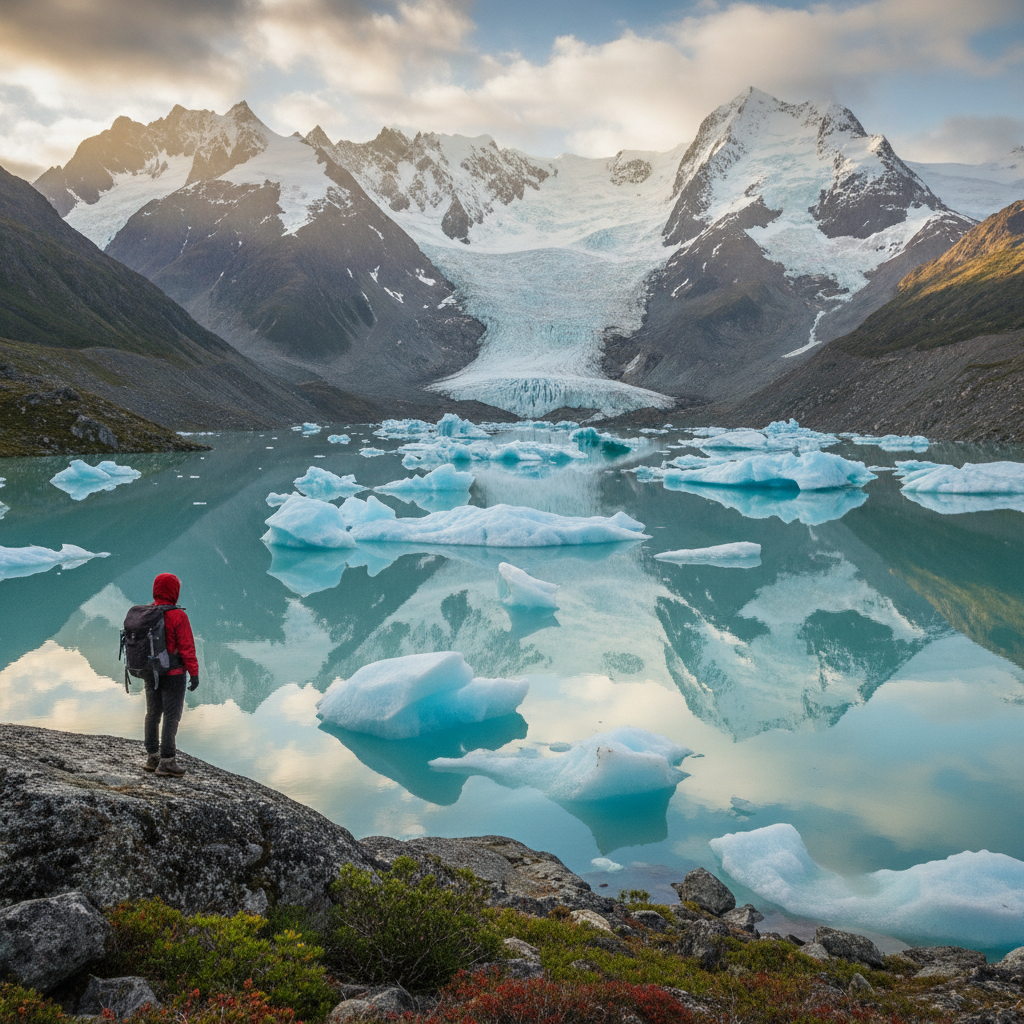
Ushuaia Hiking: Glaciers, Peaks, and Multi-Day Treks in the Fuegian Andes
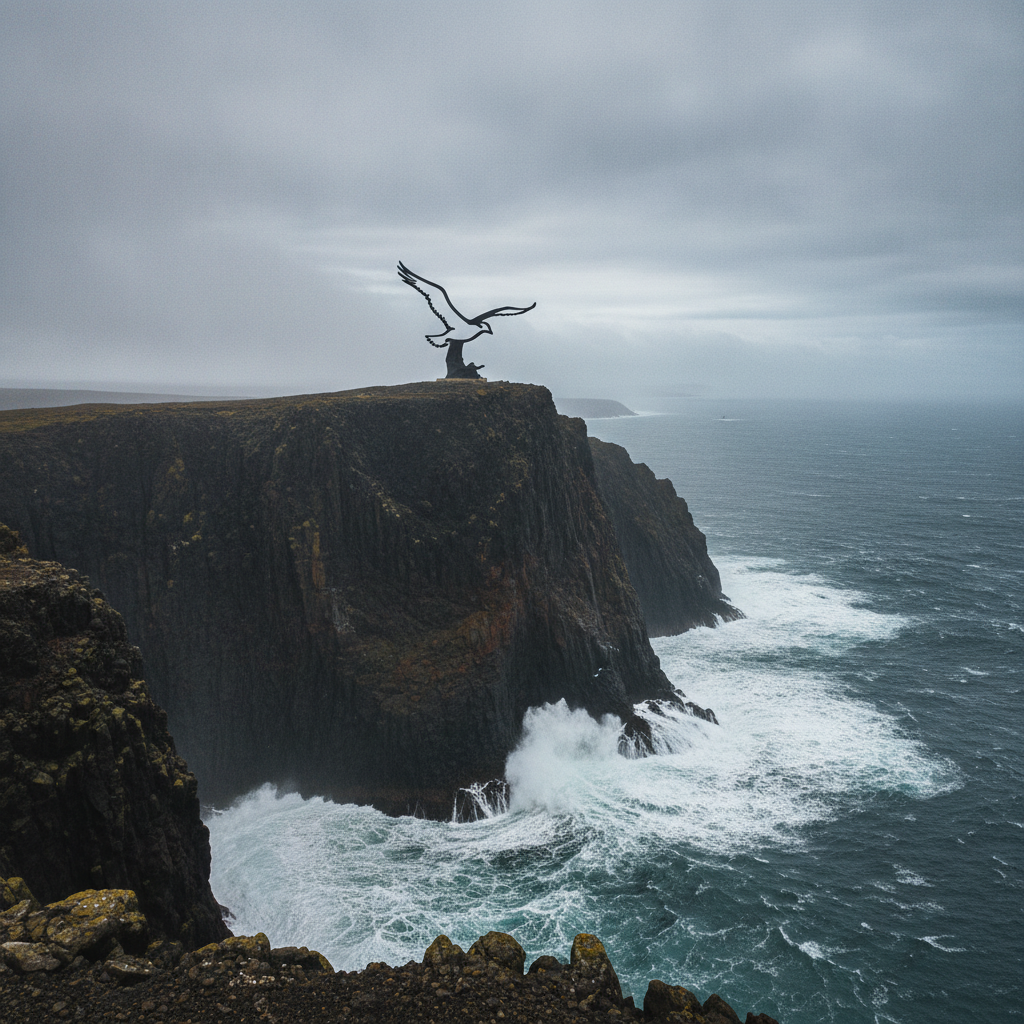
Cape Horn and the Drake Passage: The Bottom of the World

Ushuaia Wildlife: King Crabs, Penguins, Sea Lions, and the Sub-Antarctic Ecosystem